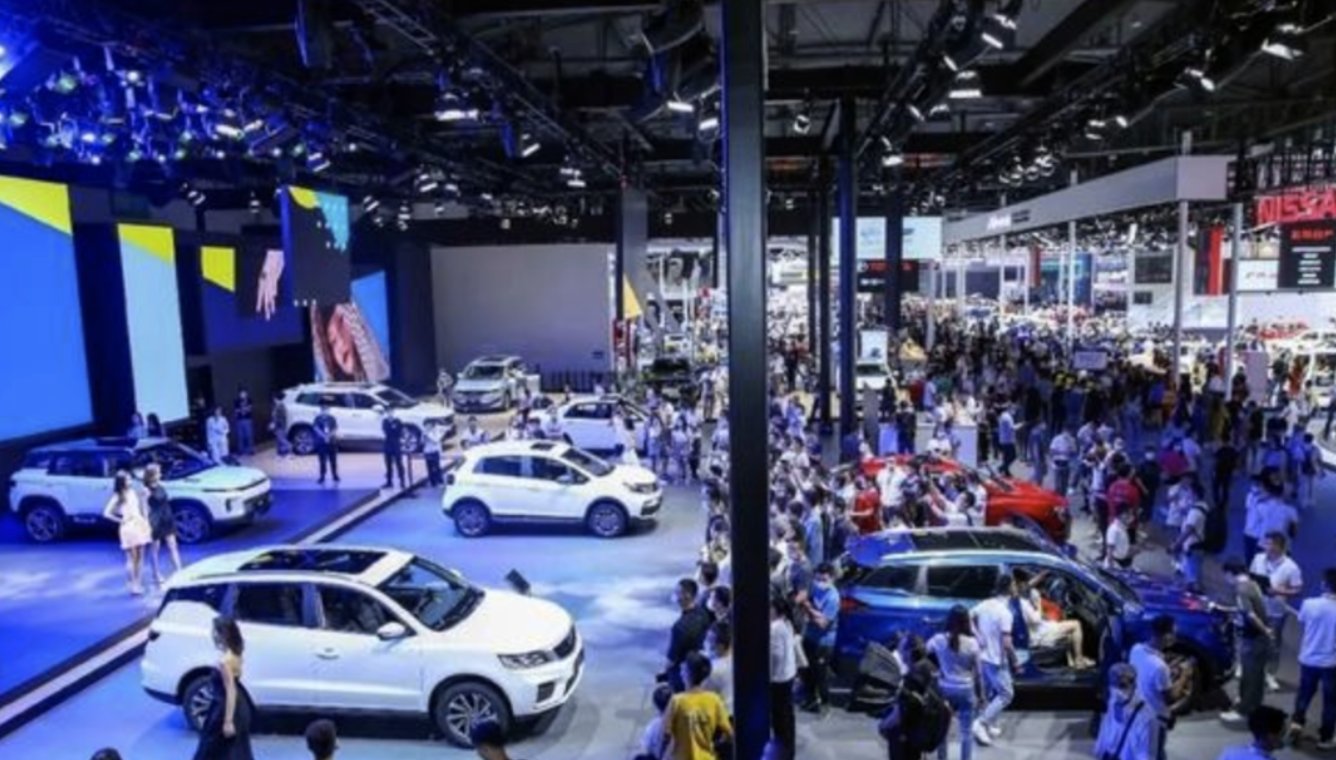
As new cars keep appearing, what truly sets companies apart is no longer just features and pricing, but whether automakers have thought through what users actually need.
China's new energy vehicle market has never lacked novelty; what it lacks is the ability to continuously create value.
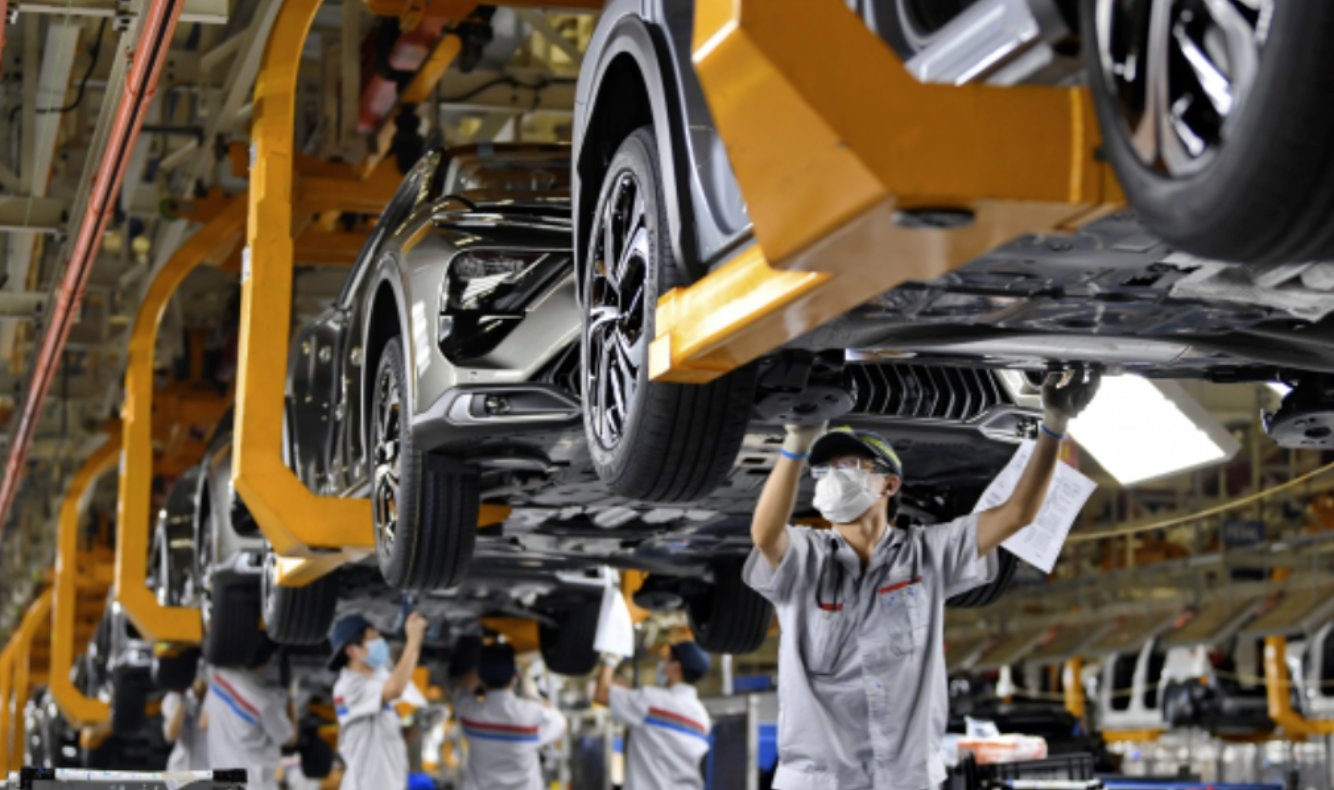
According to the original text's statistics, in the first nine months of 2026, automakers held more than a thousand new car launch events and introduced over 600 new models. From large six-seat and large five-seat models to sporty coupes and crossover SUVs, various new models have appeared one after another, and market competition has become increasingly fierce.
The problem is that some new cars do not stem from in-depth research into user needs, but rather from the fear of being absent when competitors have already entered the field.
When others do something, they follow suit; when others add features, they must add more; when others cut prices, they can only respond passively.
Behind the seemingly prosperous market, product homogenization and operating pressure are increasing in tandem.
In my view, the new energy vehicle industry has reached a critical juncture: building a new car is not difficult; what is difficult is finding a direction worthy of long-term investment. Especially for pure electric vehicles, the real competition should not just be about who follows faster, but about who can understand users more accurately.
01 The pure electric market still has room, but opportunity does not equal profit
Judging from global market performance, pure electric vehicles are still maintaining growth momentum.
In the first half of 2026, domestic new energy vehicle cumulative sales reached 7.446 million units, with pure electric models accounting for about 67%. During the same period, pure electric vehicle sales in Germany, France, and Italy grew by 48%, 62.8%, and 77.7% year-on-year, respectively. According to Mobility Global statistics, global pure electric new car sales in the first half of the year reached 6.87 million units, a year-on-year increase of 12%.
These data indicate that the market space for pure electric vehicles is still expanding, and the electrification trend is extending to more regions.
But sales growth does not mean automakers can achieve ideal returns.
Lei Jun once spoke about some pure electric sedans facing significant per-vehicle losses, Li Bin also expressed concerns about the operating pressure brought by rapid model iteration, and Changan Automobile's Zhao Fei pointed out that it is not easy to achieve profitability by selling cars alone.
Ultimately, the market scale has expanded, but so have the number of competitors. When the gaps between products become smaller and smaller, companies tend to concentrate competition on price, and profit margins are consequently compressed.
As a result, a passive cycle has emerged in the industry: when rivals lay off employees, should they adjust too? When others hire celebrity endorsers, should they follow? When peers add features, do they also have to catch up?
Especially for traditional fuel vehicle companies, shifting to pure electric is not just a matter of replacing the powertrain. Whether it is Great Wall, Chery, or traditional joint venture brands gradually entering the pure electric market, all need to rediscover a product rhythm and market positioning that suits them.
The real opportunity in the pure electric market lies not in blindly expanding scale, but in finding a business approach that can continuously create value.
02 Changes in segmented markets mean demand has changed
In the era of fuel vehicles, cars were usually classified by wheelbase, body size, and displacement. A-segment sedans, B-segment sedans, compact SUVs, and mid-size SUVs each corresponded to a relatively clear competitive scope.
As long as automakers locked onto a segment and then competed around power, space, chassis, and features, they could find the corresponding target users.
But in the pure electric era, traditional classification methods are gradually losing some of their explanatory power.
The development of battery, motor, and electronic control technologies, as well as the application of native electric platforms, has given vehicle spatial layouts more possibilities. Some pure electric models nominally in the A-segment can already provide space performance close to traditional B-segment cars; some models with less prominent body dimensions can also meet diverse passenger needs through layout design.
Consumers' criteria for choosing cars are also changing. Some focus on urban commuting, some need large space for family travel, some value intelligent driving, and others care more about charging efficiency and daily use experience.
Therefore, market competition is shifting from simply comparing vehicle segments to focusing on user scenarios and actual needs.
Tesla, BYD, and Nio's Onvo have all found their own product paths in the development of new energy vehicles. Similar examples include Leapmotor's emphasis on cost-effectiveness, Xpeng's layout in intelligent driving, and Xiaomi's exploration of product experience around its HyperOS ecosystem. Their directions differ, but all try to establish a clearer user perception.
Among them, Onvo's performance is particularly worth observing.
On October 8, Onvo welcomed its 200,000th new vehicle delivery. Since the first L60 delivery in 2024, the brand took about two years to reach this milestone, ranking among the top three new force brands in delivery speed.
This achievement was not easy. According to the original text's statistics, there are nearly 60 independent vehicle series on sale with bare car transaction prices in the 170,000 to 220,000 yuan range, among which there are also thirty to forty main models with relatively stable sales. For a new brand, this is undoubtedly a fiercely competitive market.
Onvo chose the concept of "technology for the family," laying out different products through the L60, L80, and L90, and relying on Nio's accumulation in technology, battery swap service systems, and the pure electric vehicle field to build products around family travel.
The focus of this route is not simply to participate in the contest of mid-size or large SUVs, but to consider space, comfort, safety, charging, and intelligence as a whole within family usage scenarios.
What family users need has never been just a larger car. They also care about whether long-distance travel is convenient, whether the ride is comfortable, whether the space layout is practical, and whether daily charging can be worry-free.
The significance of segmented markets is not to redivide vehicle types, but to find needs that traditional product classifications have not fully satisfied.
Of course, proposing a new positioning is only the first step. Whether the needs can be translated into real experiences determines whether a brand can gain a firm foothold in competition.
03 Product value matters more than endless price cuts
The fiercer the market competition, the easier it is for price cuts to become automakers' first reaction.
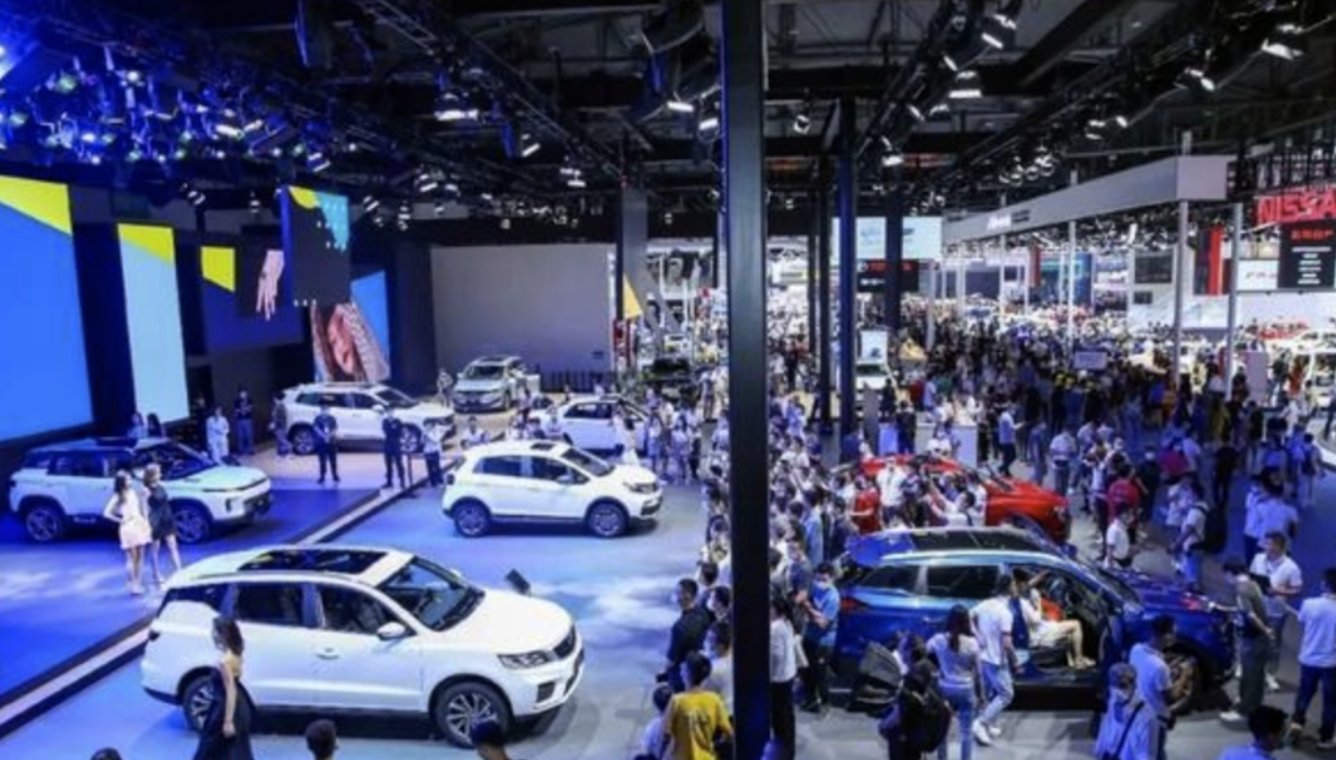
When one brand adjusts its price, other brands quickly follow; when a certain feature becomes a selling point, similar products soon appear across the industry. Consumers gain more choices, but automakers are also constantly squeezing their own profit margins.
Price cuts are not without value. When production efficiency improves and technological progress brings costs down, reasonable price reductions can benefit consumers. What truly deserves vigilance is when companies treat price cuts as the main solution to insufficient product competitiveness.
If a car can only attract users by price, then when peers continue to cut prices, it can easily fall into a passive position again. If companies affect necessary quality investment in order to reduce costs, it may even bring greater long-term risks.
By contrast, continuously improving product value offers a better chance of building a stable competitive advantage.
From the L60 to the L80 and L90, Onvo emphasizes continuously improving its products around family users' needs in areas such as space, comfort, safety, charging, and intelligence. These directions are not new; what really matters is whether they can be implemented in actual use experiences.
According to the original text's data, Onvo's average selling price reached 234,000 yuan. Average price alone cannot prove that a brand has already succeeded, but it reflects another indicator worth noting: companies must not only strive for sales volume, but also work to maintain a reasonable price system.
If scale is mainly exchanged through price cuts, sales growth may not bring healthy operating results; if users are willing to continue choosing a product at a relatively stable price, that can more strongly demonstrate that its value has been recognized.
This is exactly the competitive approach that the new energy vehicle industry needs to rethink.
Over the past few years, automakers have become too accustomed to using price cuts to deal with problems. In the short term, price adjustments may quickly bring attention and orders; in the long term, if a brand cannot establish its own advantages, it will find it hard to escape the passive situation of constantly following others.
Truly valuable competition is not about making products look cheaper, but about making consumers clearly understand why the money is worth spending.
As pure electric vehicles gradually move from an incremental market toward a mature stage of competition, consumers do not lack an electric car for basic transportation. They care more about whether the product can meet more needs, whether it can provide an experience that is difficult to easily replicate, and whether the brand can fulfill its promises.
Conclusion
China's new energy vehicle market is still full of opportunities, but opportunities will not automatically translate into competitiveness.
As new cars increase and products become more and more similar, automakers should return to the product itself: clearly define whom they serve, understand real needs, and continue investing in the direction they have chosen.
Onvo reaching 200,000 deliveries is a stage achievement worth noting. But for any new brand, delivery results are only the beginning; whether it can continue to gain user recognition later depends on whether product value and operating capability can withstand market scrutiny.
In the pure electric era, companies should not only focus on how to catch up with rivals, but also think clearly about why they set out in the first place.
Fewer products hastily launched just to chase trends, and more designs that truly solve user problems; fewer passive reactions driven by price wars, and more product value that can be delivered over the long term.
Building cars is not about proving that you have not fallen behind, but about making users understand why you are worth choosing.


