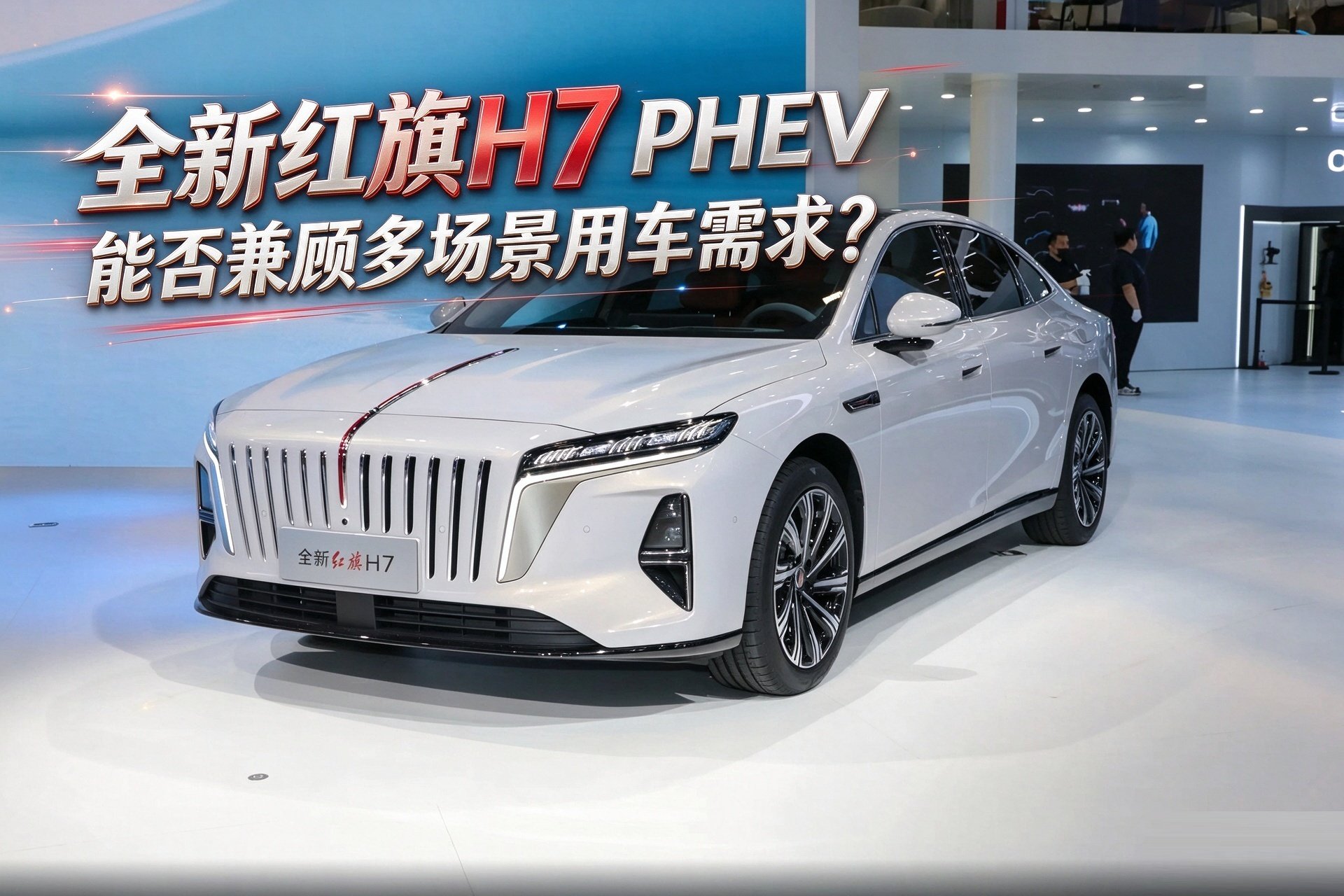
The all-new Hongqi H7 PHEV has hit the market, attracting a great deal of consumer attention. Can one car really handle business, family, commuting, and long-distance travel all at once? My view is that the all-new Hongqi H7 PHEV does not push any single area to excessive brilliance; what it truly relies on is balance. Urban errands, picking up clients, cross-province long trips, weekend outings with the family—these common driving needs are basically all within its grasp.
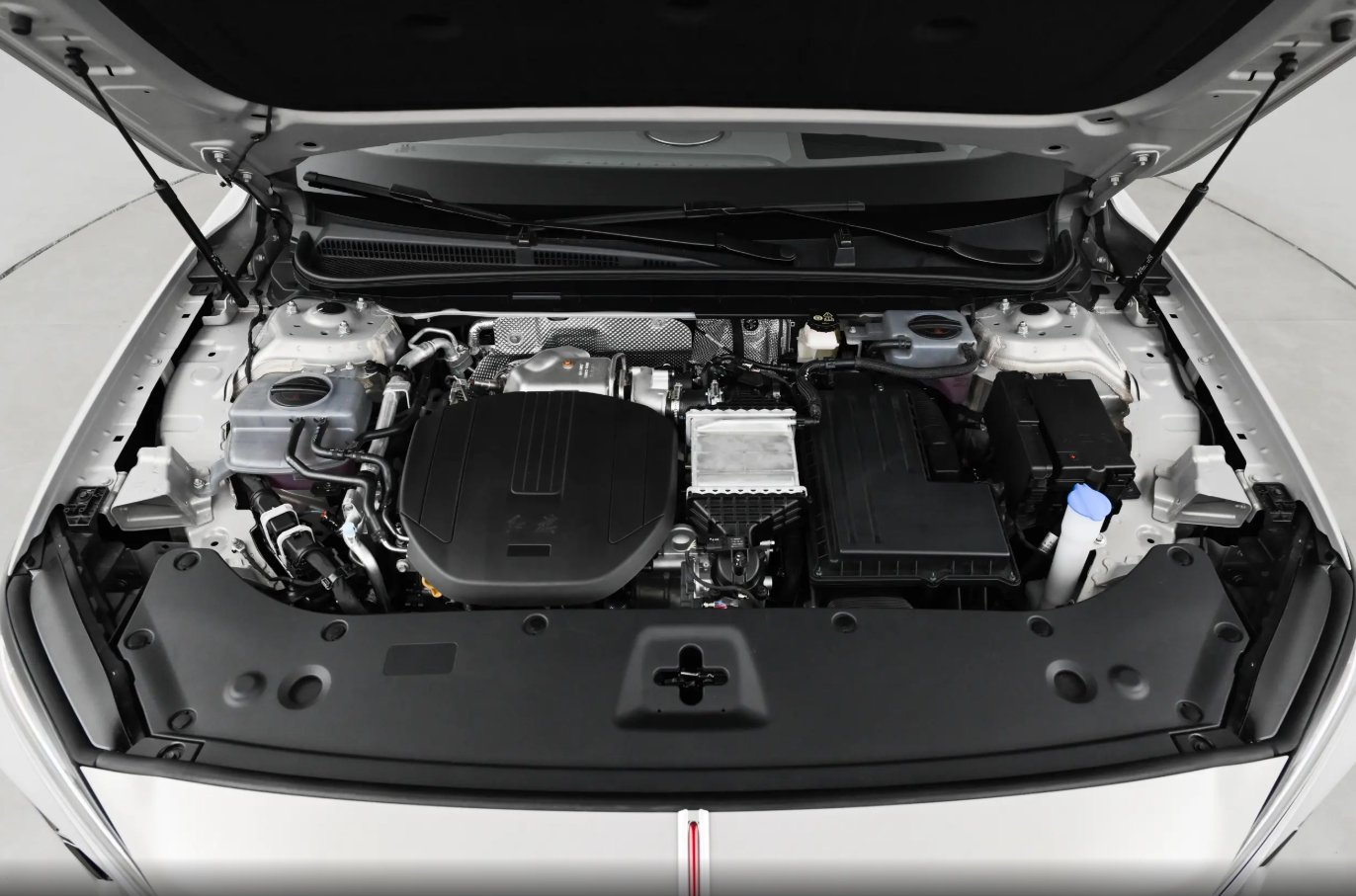
Let's start with power and energy consumption, which is where it differs most from traditional fuel sedans. This car uses the Honghu intelligent hybrid platform across the lineup, paired with a 1.5T hybrid-dedicated engine that supports regular 92-octane gasoline, keeping daily refueling costs somewhat lower. The model comes in front-wheel-drive and four-wheel-drive versions with different positioning. The front-drive version leans more toward economy and smoothness, with a CLTC pure electric range of 240 km and a combined range of 1,954 km on a full tank and full charge—basically no need to worry about recharging for daily errands and ordinary long trips. The four-wheel-drive version has a CLTC pure electric range of 210 km, dual-motor drive, and a 0-100 km/h acceleration of 3.9 seconds, with more than enough power reserve; on the highway, acceleration and overtaking are crisp and decisive, without any sluggishness. As for energy consumption, the WLTC depleted-battery fuel consumption is 4.4L/100km, which is a normal level among plug-in hybrids in the same class. The key is that once the battery level is low, fuel consumption does not suddenly spike—this is more stable than quite a few hybrid models. The logic of this system is also fairly straightforward: at low speeds in the city, it prioritizes electric power, avoiding the waste of burning fuel while idling; during highway cruising, oil and electricity work in coordination, taking care of both power and energy consumption. The car also supports 4C ultra-fast charging, so replenishment is quick and suited to the fast pace of urban travel; it comes standard with 7kW external discharge, making it convenient to plug in appliances for camping or outdoor power use, effectively expanding the range of travel scenarios.
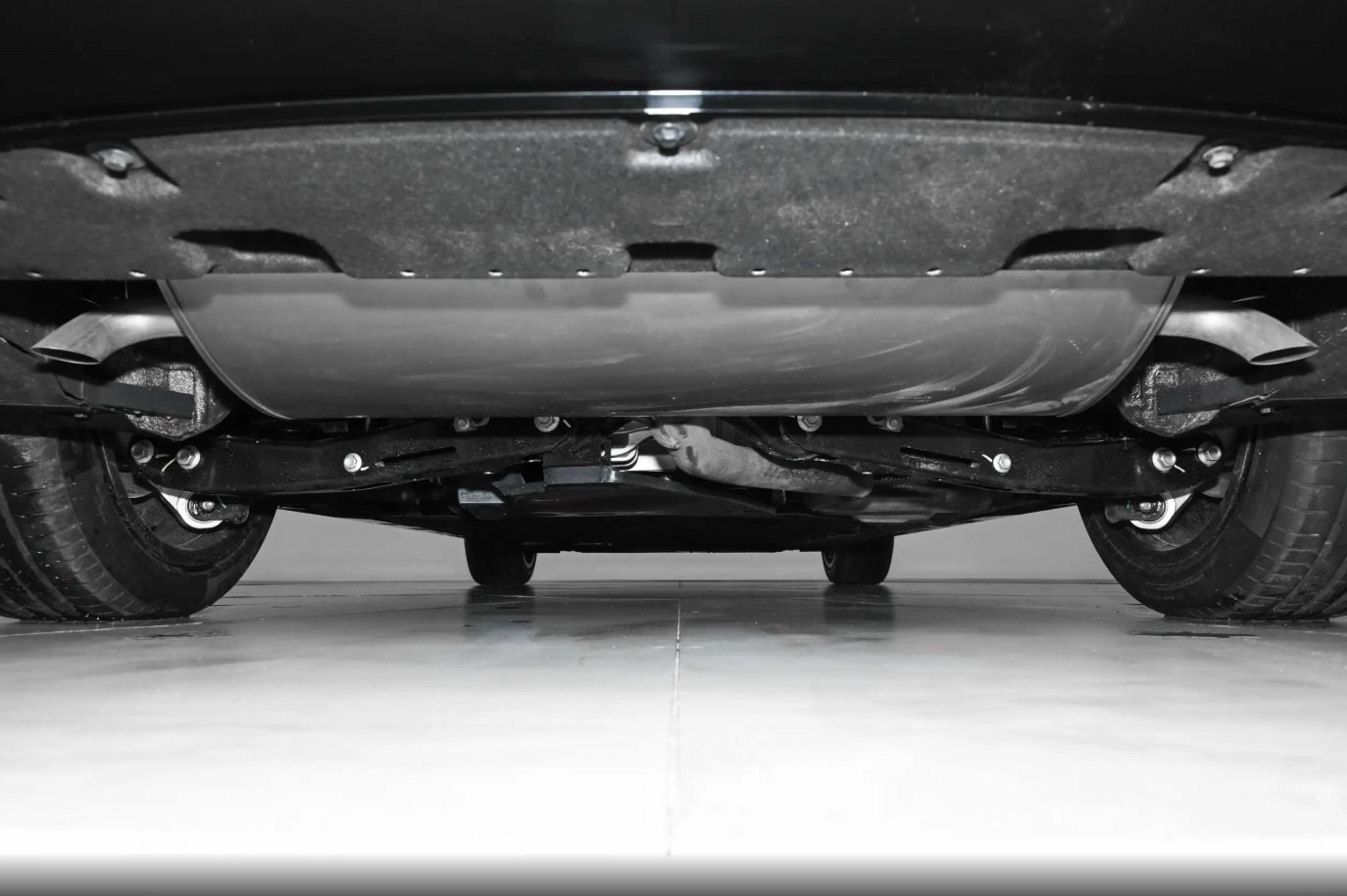
The chassis performance directly determines the upper limit of this car's ride experience. The vehicle uses a front MacPherson and rear five-link independent suspension, with CDC variable damping shock absorption and iDCS intelligent preview technology standard across the lineup. The role of this setup is that the suspension can sense road undulations in real time and adjust stiffness within milliseconds. On urban paved roads, fine bumps and vibrations are filtered out fairly cleanly, the ride is steady and gentle, and there is no harsh bounce over speed bumps. When cruising on the highway, the suspension automatically tightens damping, suppressing body roll and pitch, so lane changes and overtaking remain stable and do not feel floaty. During cornering, lateral support is in place, the body posture is neat, and handling stability is good. The steering feel is tuned to be fairly linear: light and effortless at low speeds, making parking and U-turns easy, and steadier at high speeds, with no wobble in the steering wheel, giving a sense of security while driving. This car offers comfort, sport, and snow driving modes, so there is a corresponding option for daily commuting, wanting a bit of driving feel, or encountering slippery roads. The four-wheel-drive version has an intelligent electric all-wheel-drive system that distributes front and rear power in real time, improving grip in complex road conditions.
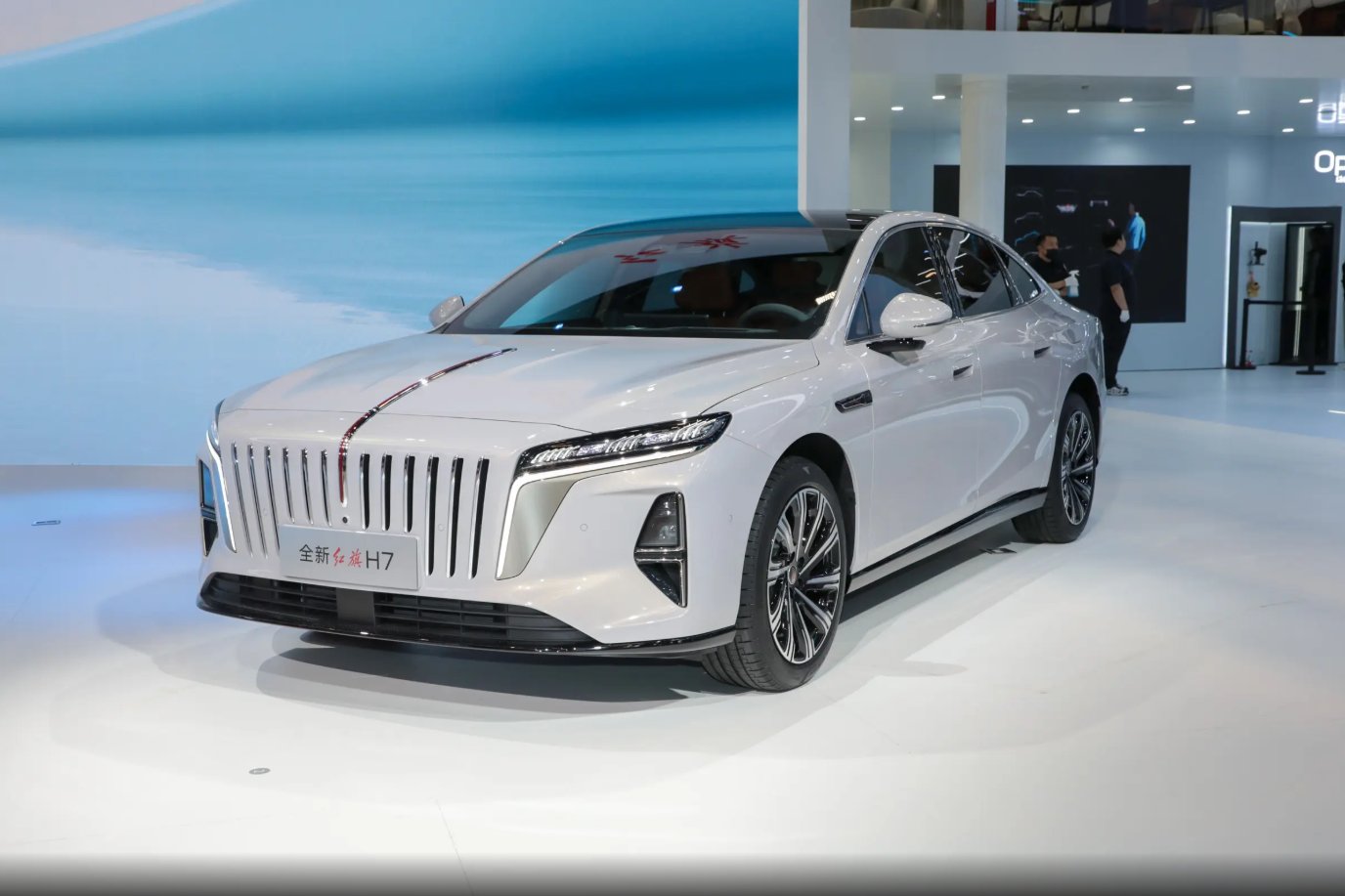
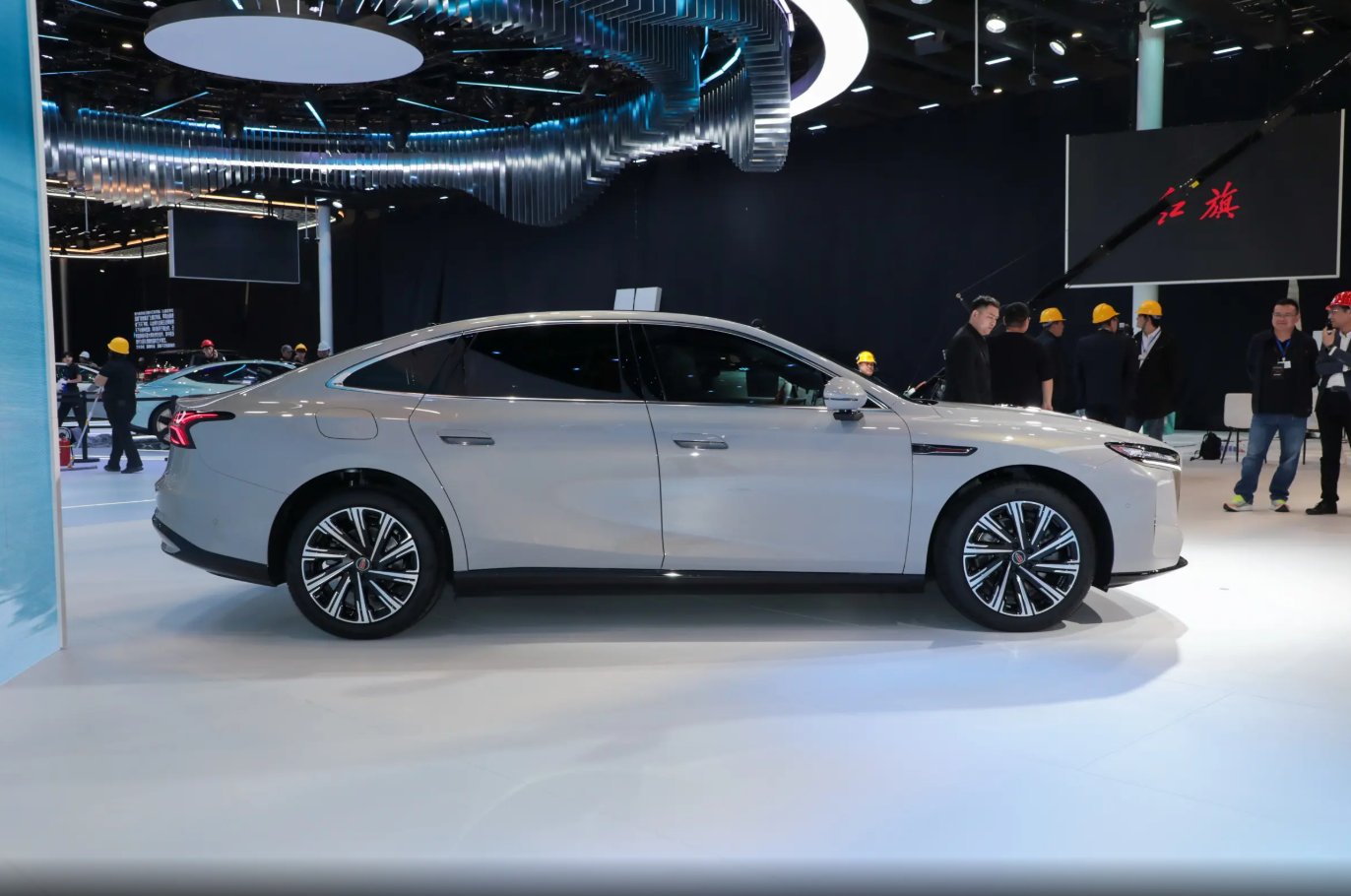
Now let's talk about the exterior, which may be a place where a business car easily polarizes opinions and also requires careful balancing. The body dimensions of this Hongqi H7 PHEV are 5060×1910×1480 mm, with a wheelbase of 2970 mm—standard mid-to-large sedan proportions, with an overall stance that is slender and balanced. The front end has been electrified for the hybrid model, with the classic vertical waterfall grille changed to a semi-closed style, retaining family recognition while also fitting the new energy positioning. The through-type light strip plus the illuminated central vertical emblem are the core highlights of the front face: neat and dignified during the day, and full of layers and highly recognizable when lit at night. The split headlamp layout is reasonable, with the slender upper daytime running lights extending to both sides, widening the visual width of the front end, while the lower main lighting unit is quite practical, with even road illumination and sufficient brightness, meeting the lighting needs for nighttime commuting and highway driving. The side is one of the more outstanding parts of this car's design, with a fastback line running from the roof all the way to the rear, breaking the somewhat rigid look of traditional three-box business sedans and adding a touch of youthfulness. The semi-hidden door handles reduce wind resistance and also cut highway wind noise. The front doors use gradient privacy glass: the driver's side remains transparent so it does not block the rearview mirror view, while the rear rows darken gradually, protecting rear-seat privacy without aftermarket tinting—a detail that is quite practical for both business and family use. The rear lines are concise, with slim split taillights echoing the front face, and hidden exhaust matching the attributes of a new energy vehicle. The color palette ranges from dark to light: dark colors are steady and suitable for formal occasions such as business negotiations and official travel; light colors are fresh and better suited to daily commuting and family outings.
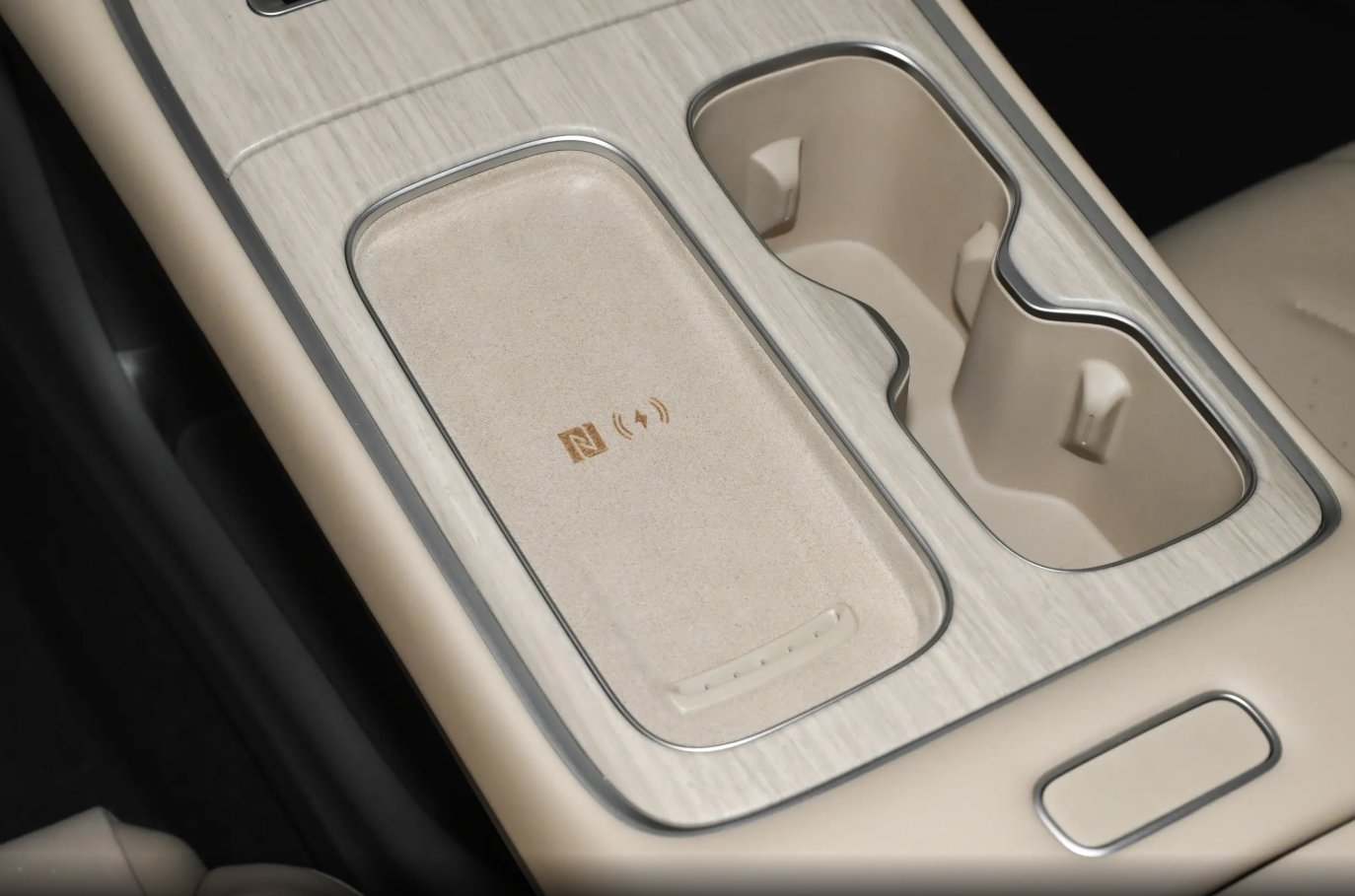
As for the cabin, this car adopts a new Chinese-style design called "Skylight Entering the Realm," without piling on decoration, instead using a symmetrical wrap-around layout to create a concise and grand atmosphere. The interior is extensively covered with Nappa leather and soft wrapping materials, paired with delicate natural wood grain trim, offering a warm touch. What is particularly worth mentioning is the interior's environmental standards; the new car's odor is well controlled, so after delivery it can be used normally without long ventilation to air it out—for families with elderly people and children, this is a plus for health and safety.
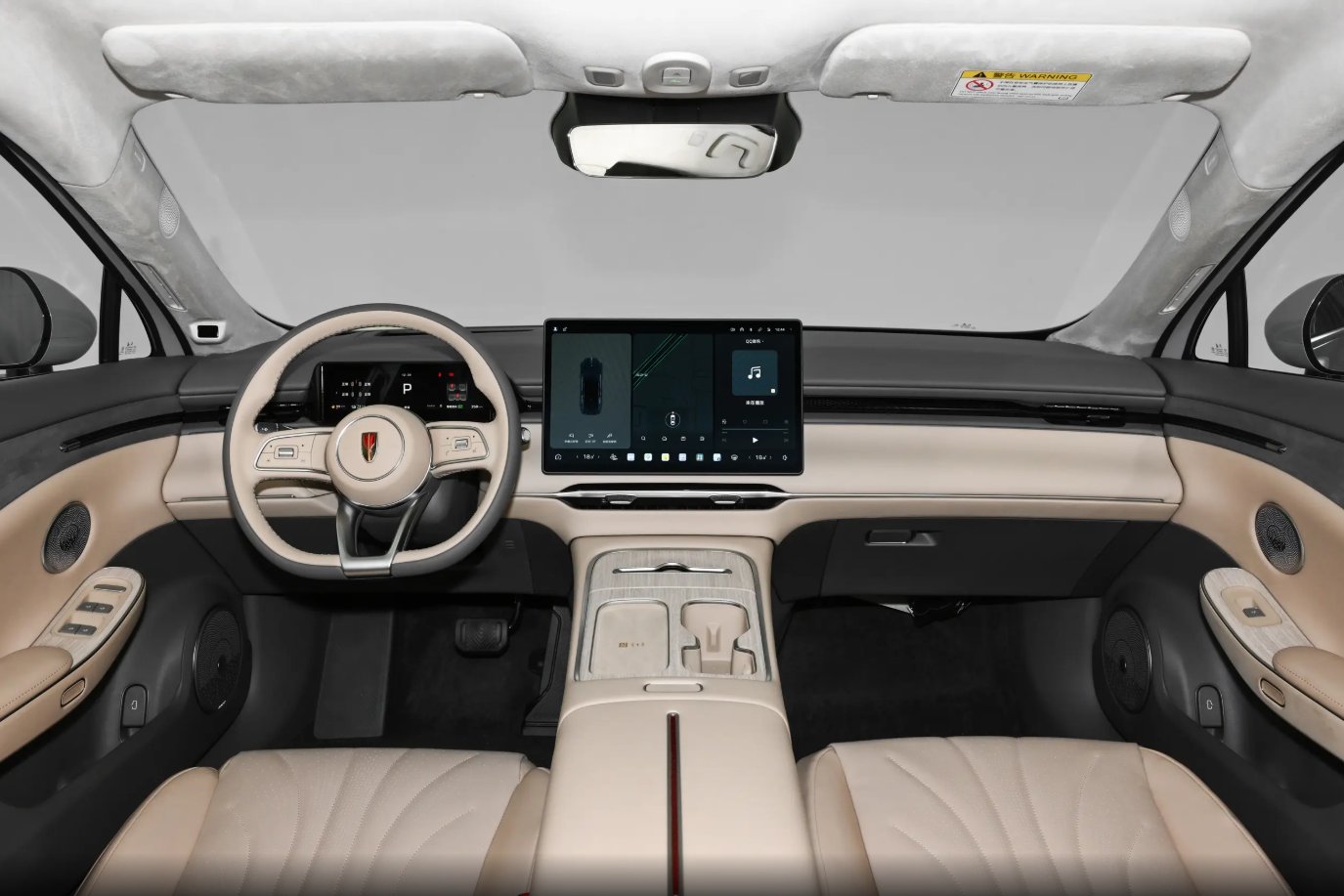
The hardware and actual experience of the intelligent cabin are among the leading levels in its class. The 15.6-inch 2.5K floating central control screen is paired with a full LCD instrument panel, delivering clear and delicate display. The infotainment uses a Qualcomm 8295P chip and the Lingxi Cabin 5.0 intelligent system, with mature operating logic, smooth operation, and no obvious lag or delay. The system supports multi-zone continuous voice interaction without repeated wake-ups, and recognition accuracy is good; common commands such as navigation, audio and video, air conditioning, and seat adjustment all respond quickly. It also supports full-platform mobile phone connectivity with smooth pairing. The whole vehicle supports continuous OTA online upgrades, allowing later iteration of functions and optimization of the experience, so the infotainment will not become outdated and laggy after long use.
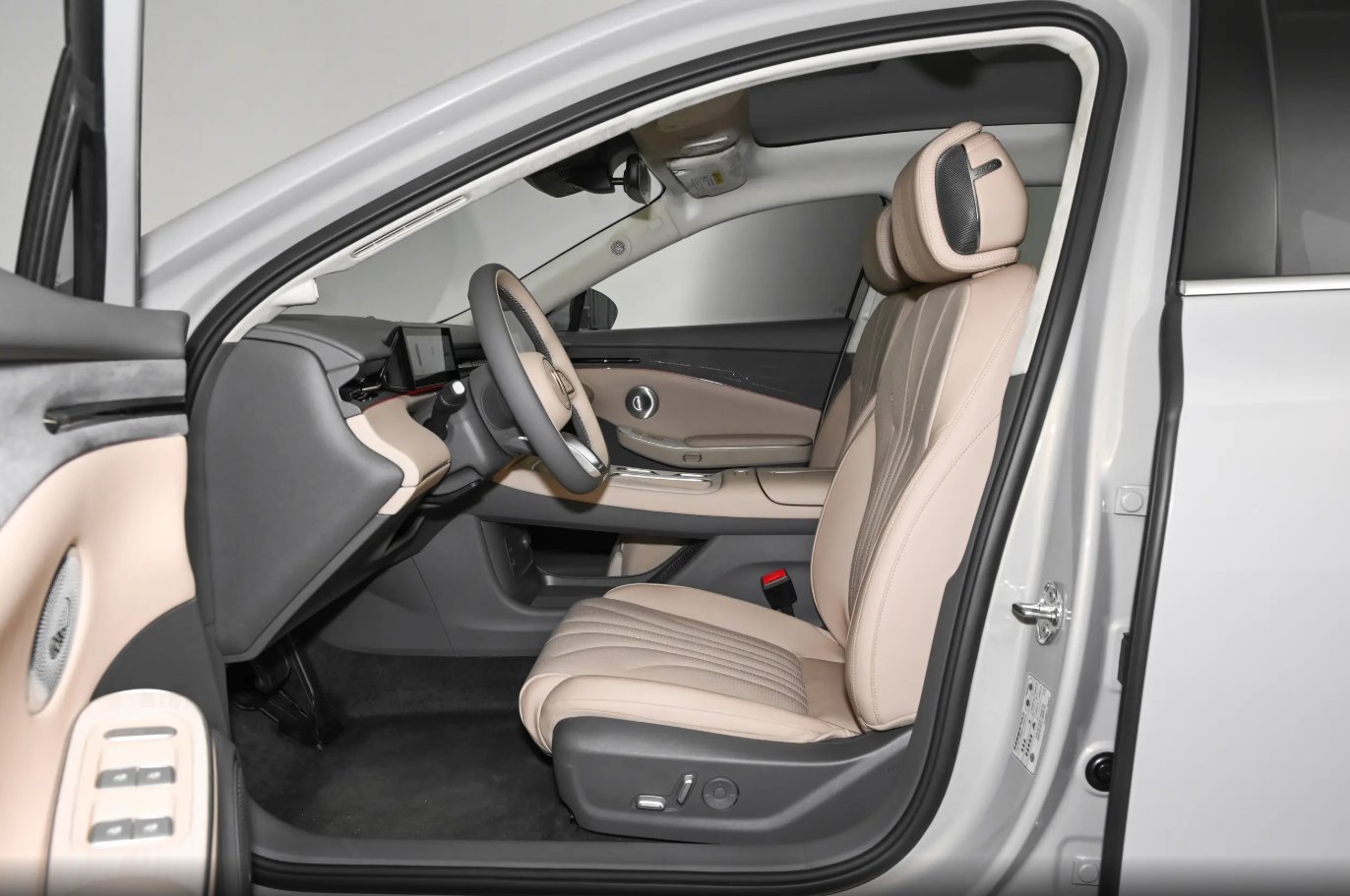
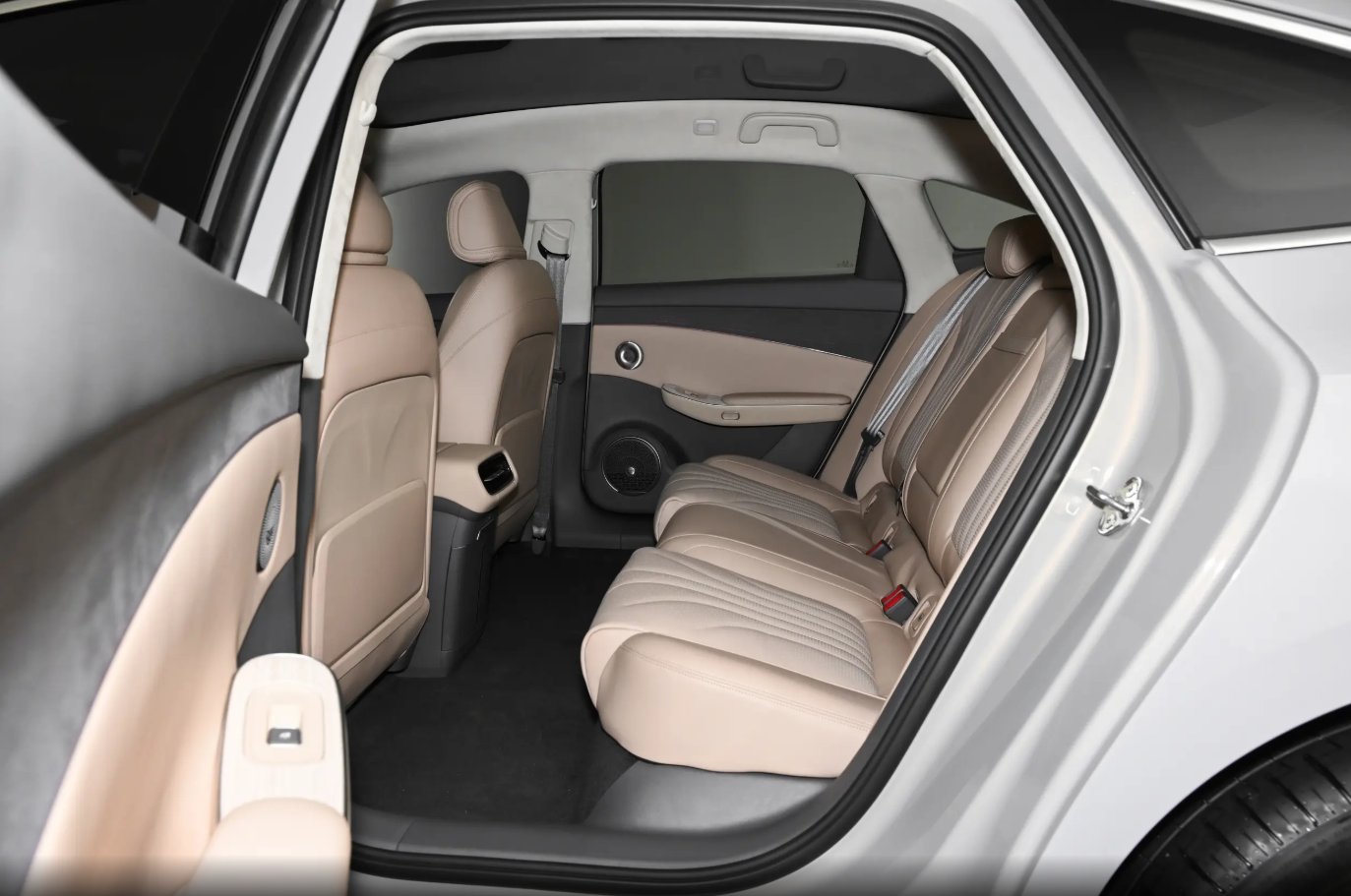
Comfort features cover both front and rear rows, and this car is fairly balanced, with no obvious bias. The front one-piece seats come standard with heating, ventilation, and multi-mode massage, adapting to travel in all seasons and helping relieve waist and back fatigue on long drives; the front passenger seat also has an electric leg rest, so the passenger can also sit comfortably. Thanks to the 2970 mm wheelbase, rear space is ample, and the floor is nearly flat, so three adults on a long trip will not feel cramped or oppressed, and getting in and out is convenient. The rear row has independent air conditioning, seat heating, and an electric boss key, allowing passengers to adjust their own seating state and meeting business reception needs. Mid- and high-trim models have a car-mounted hot and cold fridge and custom BOSE audio, providing hot or cold drinks at any time; the cabin is quiet and the sound quality is good, creating an immersive listening environment. The panoramic sunroof combined with multi-color ambient lighting further enhances the cabin's quality, so when driving long distances or on family outings, those inside will not feel stifled.
Assisted driving and safety are this car's confidence for handling long distances and complex road conditions. It is equipped with the Sinan full-scenario assisted driving system, relying on multiple sets of high-precision sensors around the vehicle to build a 360-degree perception network that can recognize surrounding road conditions, vehicles, pedestrians, and traffic signs. Functions cover highway NOA navigation assist, urban NOA navigation assist, full-scenario parking, traceable reversing, cross-level memory parking, and more, covering the vast majority of daily driving scenarios. In congested urban sections, the system can assist with stop-and-go following, reducing fatigue from frequent operation; on long highway trips, it can assist with lane changes, lane keeping, and entering and exiting ramps, easing driving fatigue; in narrow parking spaces and complex underground garages, the vehicle can complete parking on its own. The tuning of this system leans smooth and steady, with natural and gentle braking and steering actions and smooth human-machine interaction. In terms of safety, the whole vehicle is based on a high-rigidity cage body, with high-strength steel used in key areas, preserving cabin survival space in a collision. The car comes standard with multiple airbags, as well as active safety features such as active emergency braking, door opening warning, blind spot monitoring, rear cross-traffic warning, and fatigue monitoring. The power battery has undergone extrusion, nail penetration, high and low temperature tests, and is paired with an all-weather AI battery management system that monitors data such as cell temperature and voltage in real time, troubleshooting hidden dangers in advance and reducing the risk of thermal runaway.
Assisted driving and safety are this car's confidence for handling long distances and complex road conditions. It is equipped with the Sinan full-scenario assisted driving system, relying on multiple sets of high-precision sensors around the vehicle to build a 360-degree perception network that can recognize surrounding road conditions, vehicles, pedestrians, and traffic signs. Functions cover highway NOA navigation assist, urban NOA navigation assist, full-scenario parking, traceable reversing, cross-level memory parking, and more, covering the vast majority of daily driving scenarios. In congested urban sections, the system can assist with stop-and-go following, reducing fatigue from frequent operation; on long highway trips, it can assist with lane changes, lane keeping, and entering and exiting ramps, easing driving fatigue; in narrow parking spaces and complex underground garages, the vehicle can complete parking on its own. The tuning of this system leans smooth and steady, with natural and gentle braking and steering actions and smooth human-machine interaction. In terms of safety, the whole vehicle is based on a high-rigidity cage body, with high-strength steel used in key areas, preserving cabin survival space in a collision. The car comes standard with multiple airbags, as well as active safety features such as active emergency braking, door opening warning, blind spot monitoring, rear cross-traffic warning, and fatigue monitoring. The power battery has undergone extrusion, nail penetration, high and low temperature tests, and is paired with an all-weather AI battery management system that monitors data such as cell temperature and voltage in real time, troubleshooting hidden dangers in advance and reducing the risk of thermal runaway.
Putting these aspects together and returning to the question at the beginning: can it satisfy multi-scenario vehicle use? My judgment is yes. For business travel, the five-meter body plus the Hongqi brand presence is dignified enough, and the rear-seat features can support the reception setting; for daily commuting, the 240 km pure electric range basically enables zero-fuel travel, with low vehicle cost; for family long trips, ultra-long range plus spacious room plus a comfortable chassis means the whole family does not suffer on the road; for outdoor outings, the 7kW external discharge can come in handy. The market for mid-to-large sedans is clearly segmented: traditional fuel business cars have strong presence but high urban fuel consumption, while plug-in hybrid luxury brands save fuel but are expensive and have limited pure electric range. This car lands right in the middle: economical energy consumption, long enough range, and a relatively friendly price, blending the often conflicting needs of business dignity and family practicality as much as possible.
Overall, the positioning of this all-new Hongqi H7 PHEV is very clear: it does not seek to be overly outstanding in any one area, but instead brings the shortcomings in exterior presence, cabin quality, intelligent configuration, power and range, energy consumption, chassis comfort, and safety up to a similar level. It may not be the one with a particularly strong score in a single metric, but it is indeed a choice with good balance and practicality in its class. If you are buying a car to balance career and family, and do not want to choose between pure fuel and pure electric, this car is worth putting on your shortlist and taking for a real drive before deciding.


