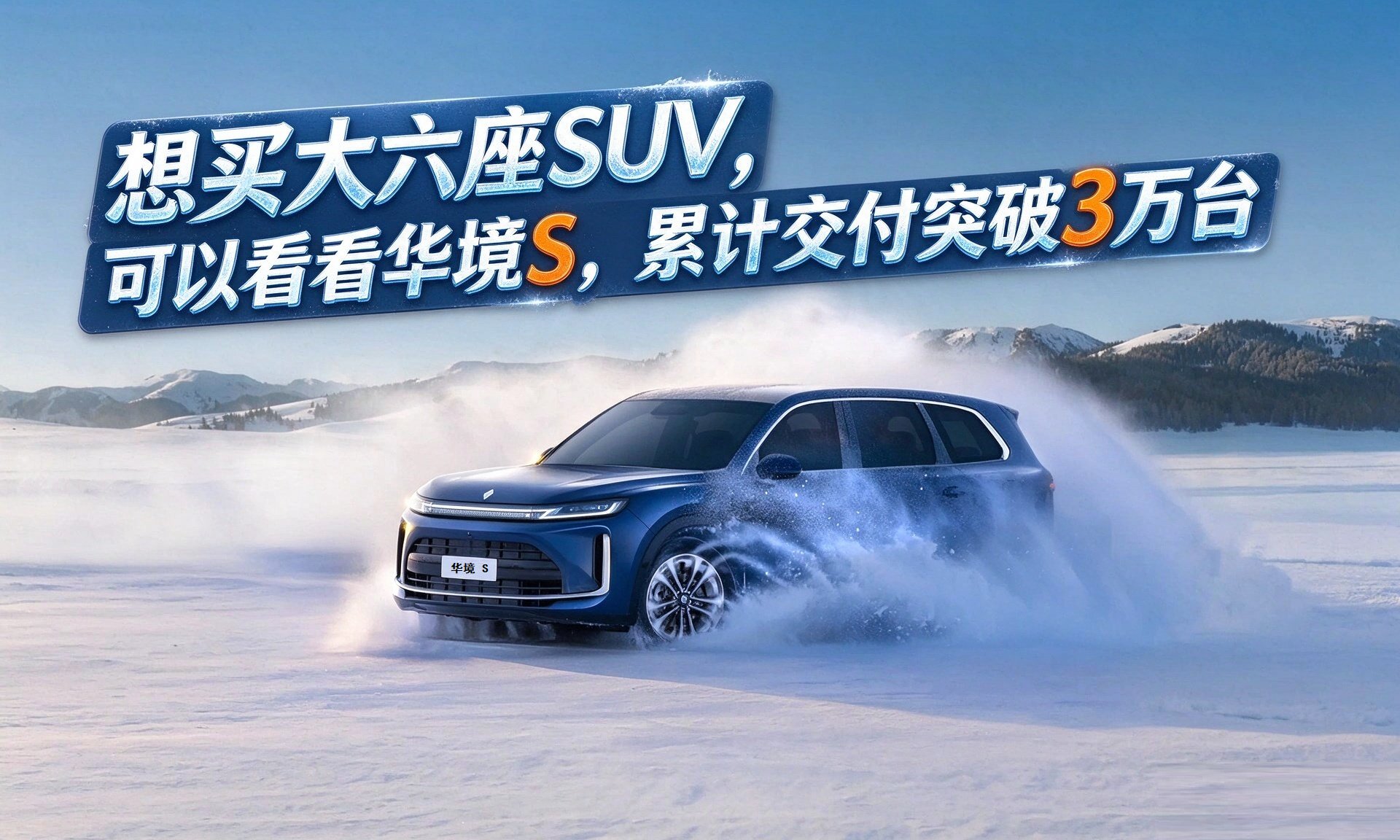
There’s a visible shift in this year’s auto market: in the 150,000 to 200,000 price range, among families buying cars, noticeably more people are thinking about six-seaters. The reason is obvious—when a family has a new baby and elderly parents living together, going out on weekends means a five-seat car is full with five people, and once two child seats are placed in the second row, no one can sit in the middle. But with a budget capped under 200,000, it used to be that if you wanted a car that could truly seat six people, there weren’t many choices: either the third row was only for emergency use, or the intelligent assisted driving features you wanted were only available on higher trims, or you felt uneasy about the quality of a new car. This year the situation has changed. Not long after its launch, Huajing S had cumulative deliveries exceeding 30,000 units by the end of September, growing for five consecutive months and ranking among the notable large six-seaters. Recently, with tight supply of cockpit chips and delivery under pressure, it maintained its pace with the HarmonyOS+ version, and sales kept rising all the way, showing the market truly recognizes it. Below, taking the 2026 235km four-wheel-drive Qiankun Premium Edition as an example, let’s talk about its actual situation.
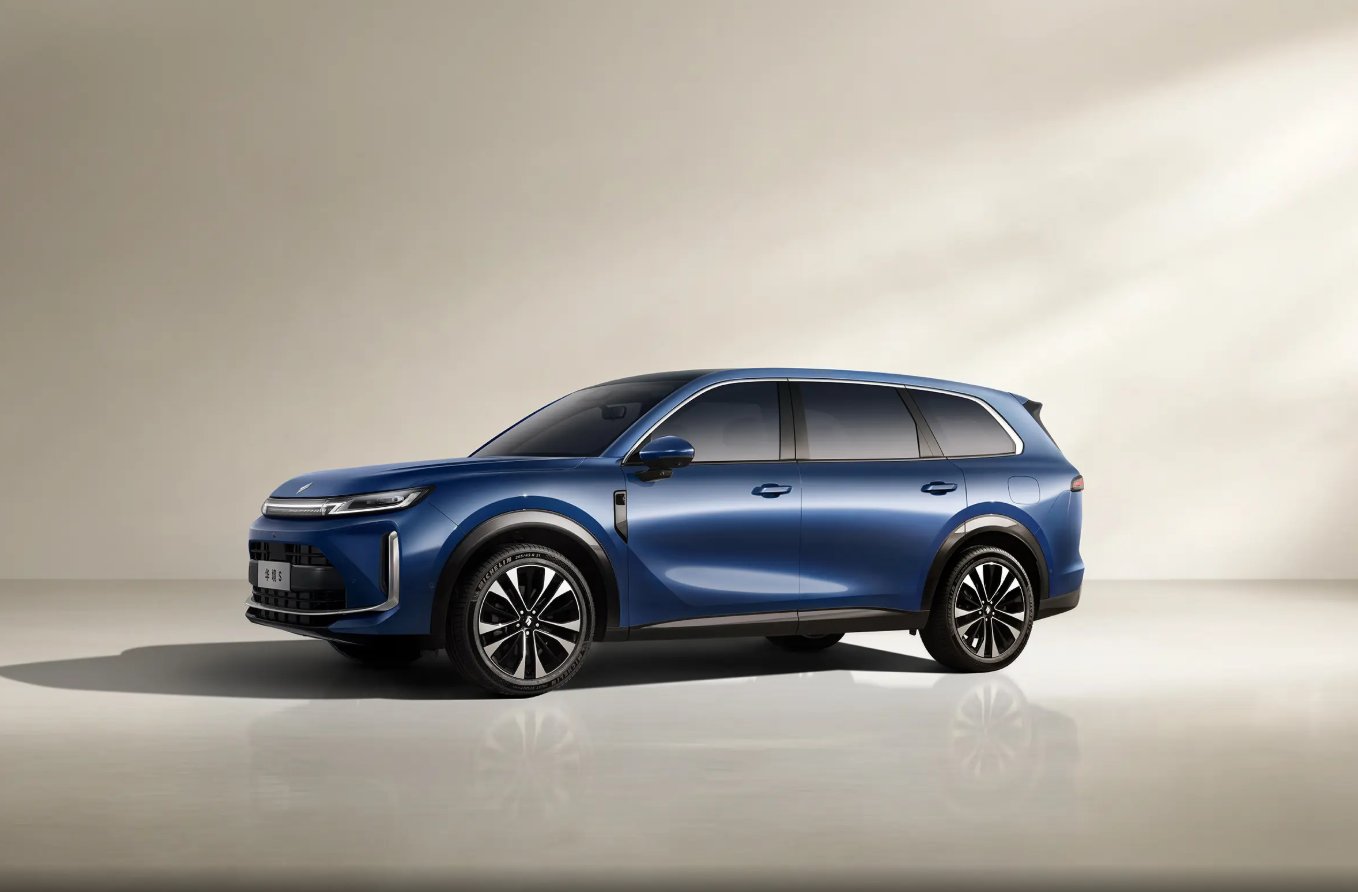
When looking at a six-seat car, the first thing to confirm is inevitably whether the third row can actually seat people. In many six-seat SUVs, when adults sit in the third row, their legs are curled and shoulders hunched, so it can only serve as a short-trip emergency solution. The Huajing S has a wheelbase of 3105mm, and the cabin uses a 2+2+2 independent seat layout. Between the two independent seats in the second row there is a 190mm fully flat walkway, and the floor has no raised tunnel. Elderly people with limited mobility and active children can get into the third row without turning sideways or bending down—they can just walk straight through, which many six-seaters converted from five-seaters, or more compact six-seaters, cannot do.
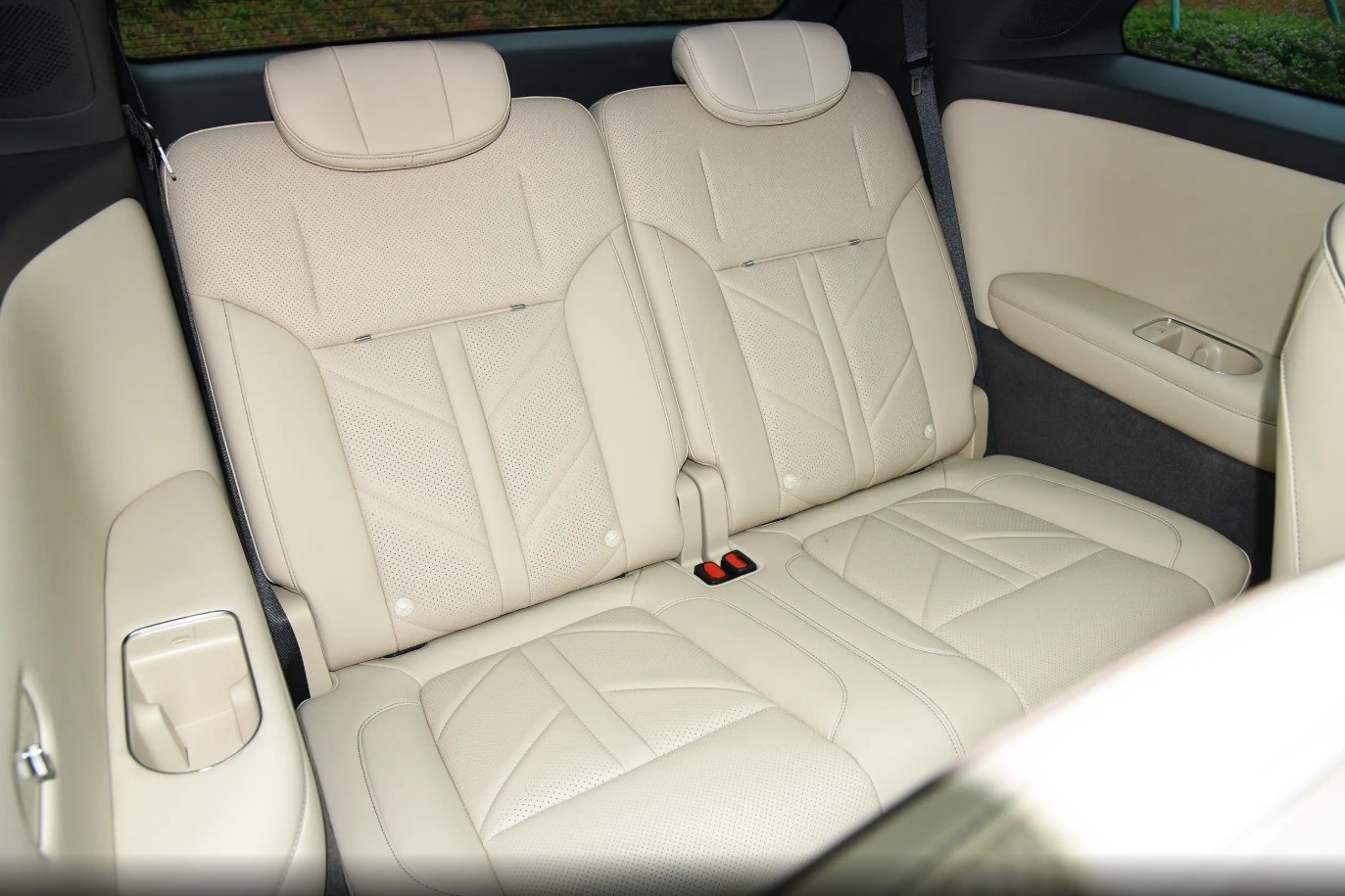
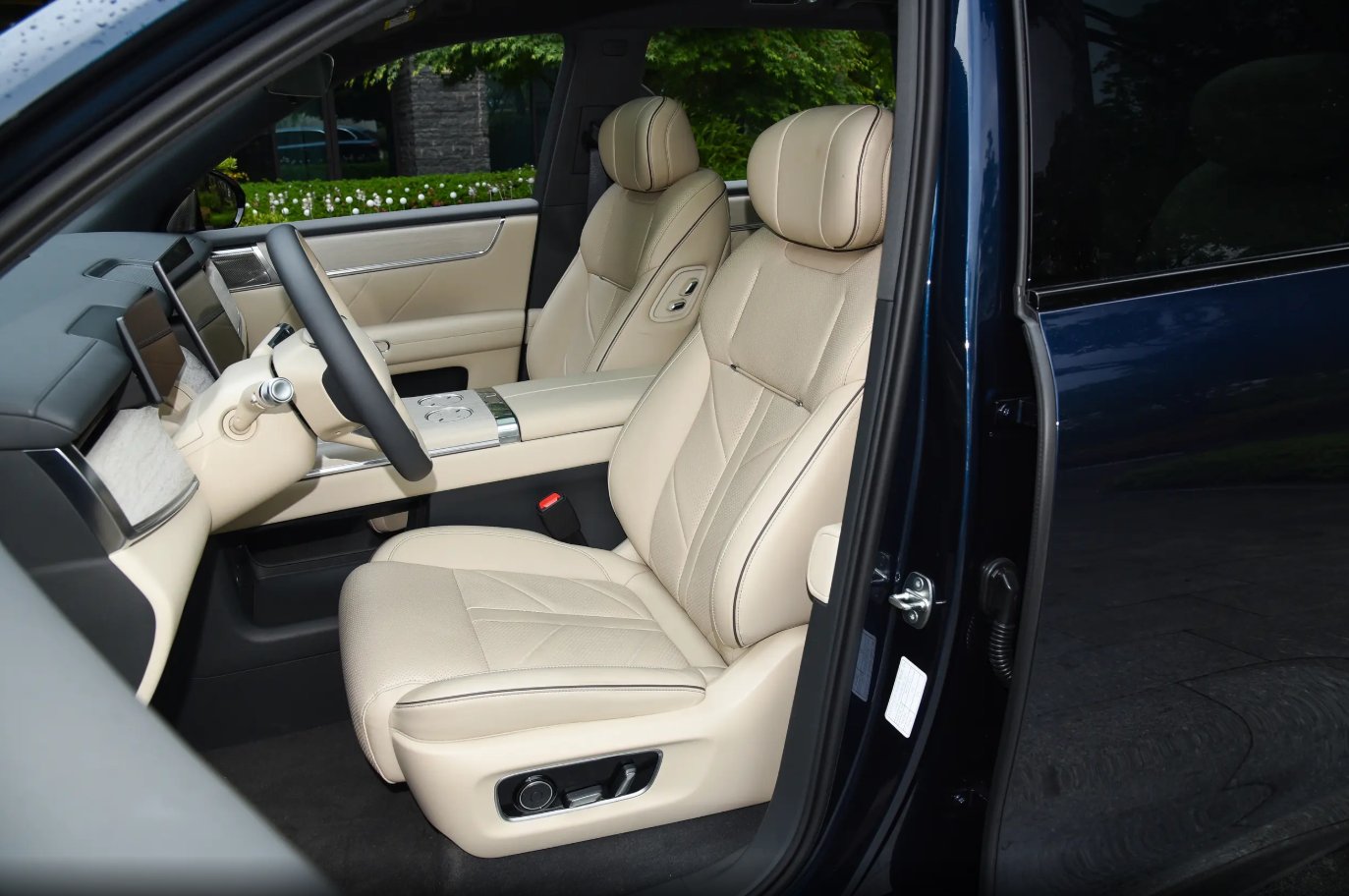
Let’s talk about the actual experience. For someone 1.78 meters tall, with the driver’s seat adjusted to their usual long-distance posture, and the second row in a normal position, there is still more than a fist of legroom; moving on to the third row, you can sit down without moving the second-row seat. The third-row seat cushion is genuinely thick, not the common kind of “little stool,” and the backrest can be electrically adjusted in angle. Reclined to a 125° lounging position, there are still four fingers of headroom, and the large windows on both sides let in plenty of light, so it doesn’t feel stuffy when sitting inside. Two adults can handle short and medium trips without issue, and even on long trips they won’t have to curl up. The third row also comes with independent air vents, dedicated cup holders, and charging ports, so the rear row has everything it should.
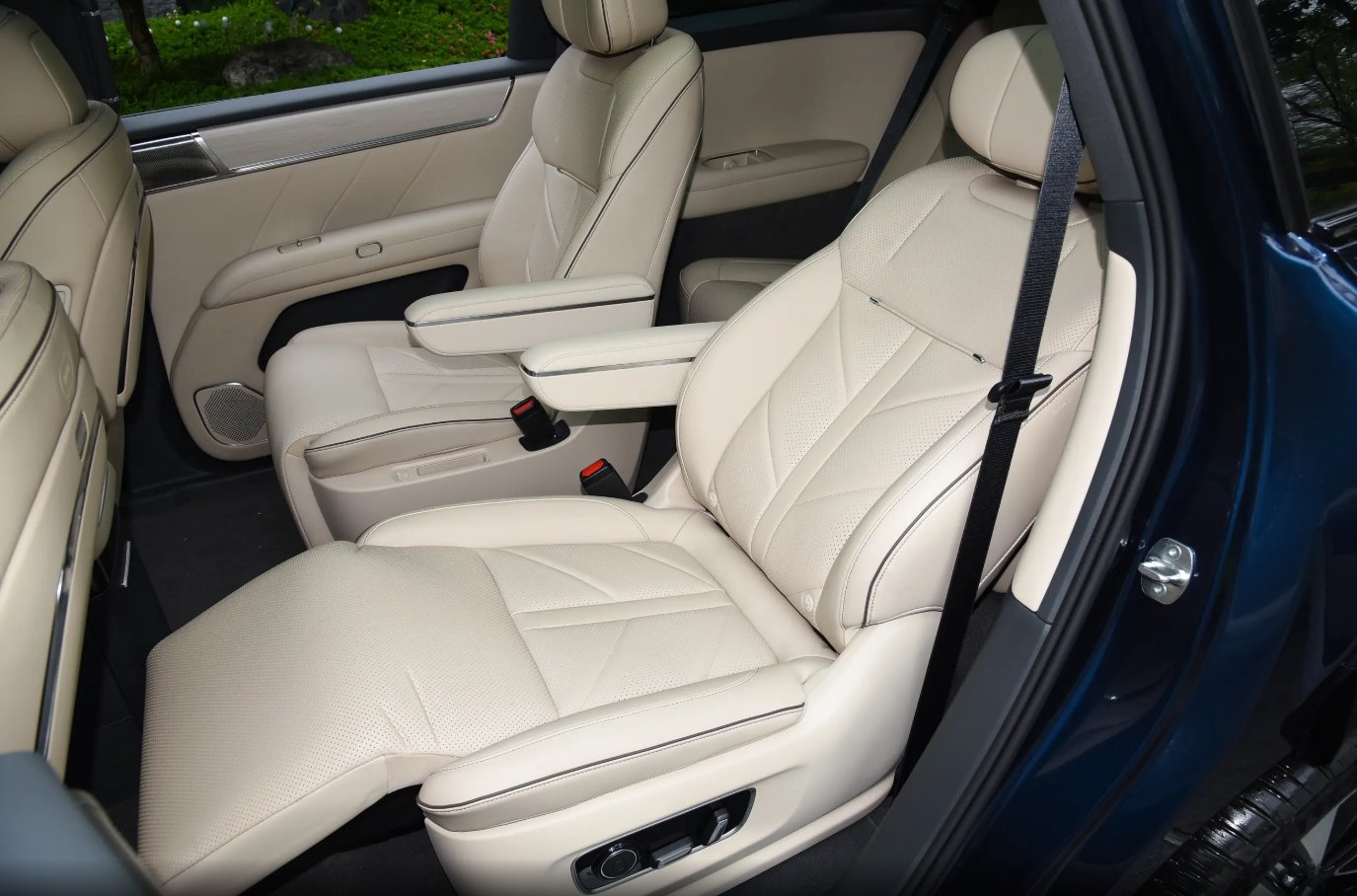
The first two rows have ventilation, heating, and eight-point massage as standard, while the second row adds an extra-long power leg rest and foldable small tables on both sides. When taking kids out, you can put meal boxes and water cups on the tables, and children also have a surface for drawing or using a tablet, which is very reassuring in practice. The front passenger seat can fold fully flat at 180 degrees and combine with the second row into a flat temporary bed, so on long trips family members can lie down whenever they want, taking the comfort of family travel up a notch.
For most families, when buying a plug-in hybrid, whether daily use is economical and whether recharging is convenient are unavoidable considerations. This car has a CLTC pure electric range rated at 235km and a WLTC rating of 160km. For ordinary commuting, taking kids to school, and trips to supermarkets, with daily commuting within 50 kilometers, one full charge can last four to five days, so you basically don’t have to think about charging. For a weekend trip to the suburbs of just over 100 kilometers round trip, there’s still enough battery left. If you often travel long distances between cities, the WLTC combined range reaches 1020km, the fuel tank is 60L, and fuel consumption at the minimum state of charge is 6.98L per 100 kilometers. Together with charging stations along the way, long trips are stress-free. Fast charging from 10% to 60% takes about 12 minutes, and slow charging takes around six hours, so you can recharge in idle time without waiting around. The battery uses CATL super hybrid battery cells, with multiple layers of protection and corresponding designs for water immersion, high temperatures, and extrusion, plus multiple vehicle-level battery monitoring systems, so you don’t have to worry about the battery all day in daily use.
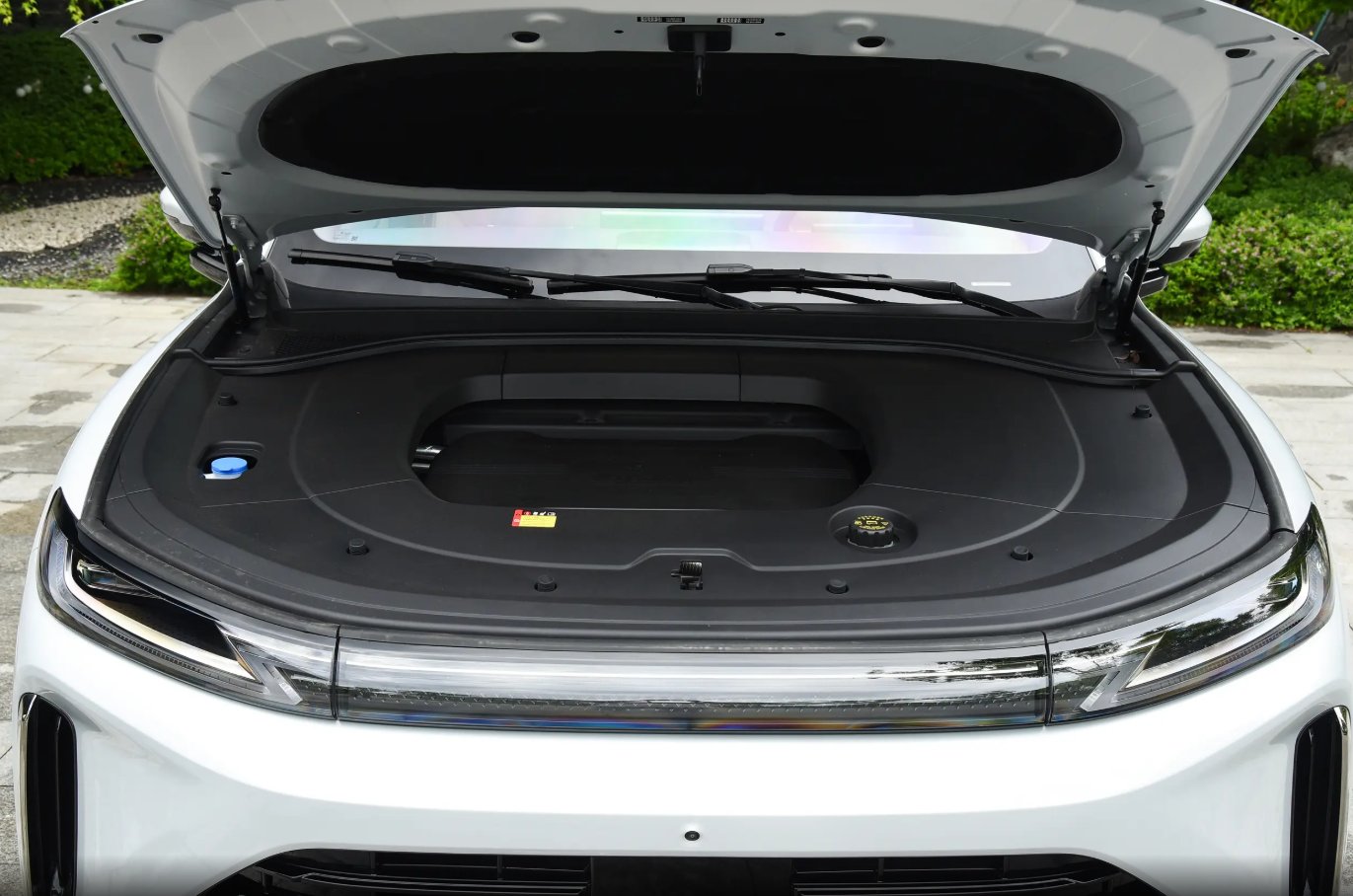
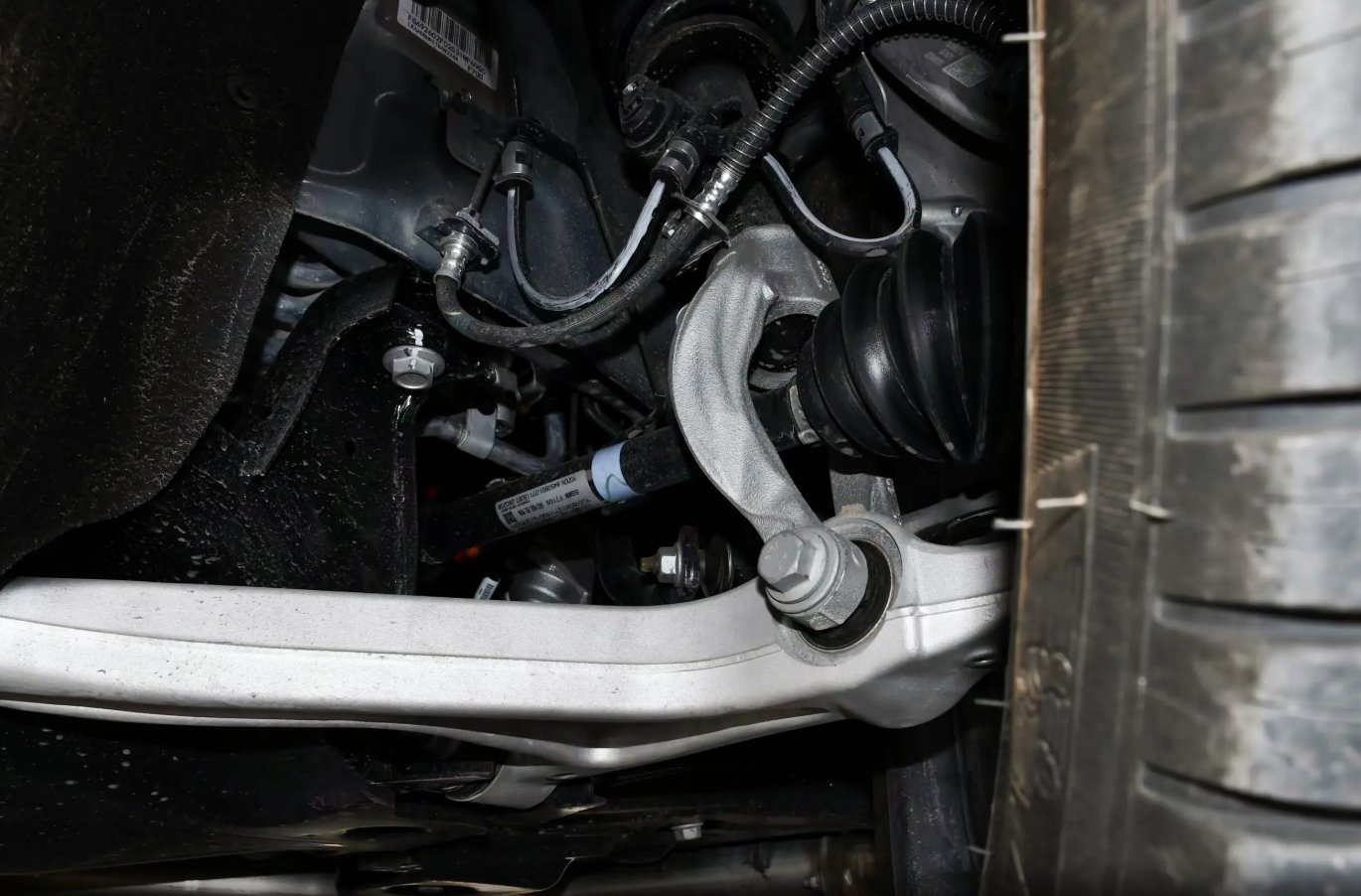
Some people worry that such a big thing over five meters long is hard to drive in the city and feels clumsy. When it actually comes to whether it’s easy to drive, this car isn’t as intimidating as it looks. It is a plug-in hybrid with a 1.5T turbocharged engine plus front and rear dual motors. The engine has a maximum power of 105kW, the system has a combined power of 386kW and combined torque of 620N·m, paired with a 1-speed DHT hybrid transmission and front-mounted electric four-wheel drive. The chassis uses front double wishbone and rear multi-link independent suspension, which is solid among family cars at the same price.
Urban congestion and following traffic are scenarios used every day, and the power tuning overall leans toward family-friendly smoothness. Pure electric starts are light and gentle, with linear output, without the jerkiness and idle vibration of fuel cars. The following rhythm is easy to master, and after driving through morning and evening rush-hour traffic, you don’t feel as tired. At low speeds the car is very quiet, with wind and tire noise well controlled, and at idle you can hardly feel vibration. When overtaking or accelerating quickly, there is enough power reserve, the throttle response is linear, and acceleration is steady and smooth, making highway lane changes and national-road overtaking effortless. Electric four-wheel drive has obvious advantages in rain and on slippery roads, with stable wheel grip and tidy body posture, giving more confidence in complex road conditions.
The chassis balances comfort and support. Over city speed bumps and slightly potholed roads, the suspension filters out most of the jolts, with no obvious bouncing or shaking in the car, so it feels very gentle to ride in; during high-speed cruising and quick cornering, body roll is small and the posture is stable, giving the driver plenty of confidence. The minimum turning radius is 5.65m, which is good for its size. U-turns on narrow neighborhood roads and perpendicular roadside parking don’t feel clumsy like a large vehicle, so even beginners or female drivers can handle it easily.
Driver assistance is the highlight of this car. As a full-size large six-seater in the 150,000 to 200,000 class with Huawei Qiankun ADS 5 Pro across the entire lineup, its scenario coverage is very comprehensive, adapting to urban areas, highways, and campuses, and its parking assistance is also highly practical. The hardware includes a perception combination of lidar, high-definition cameras, millimeter-wave radar, and ultrasonic radar, with stable recognition accuracy for vehicles, pedestrians, non-motor vehicles, and roadblocks.
The system covers four high-frequency scenarios: highway navigation, urban navigation, fully automatic parking, and reverse tracking. It can handle road conditions such as morning and evening rush hours, interprovincial highways, and narrow roads in old residential communities. The car also comes with Huawei Qiankun full-dimensional collision avoidance system CAS 4.0, integrating multiple active safety protections. In urban areas, the system can recognize pedestrians at intersections and non-motor vehicles crossing the road, and brake smoothly when there is danger; during highway cruising, it can maintain a safe following distance, automatically center in the lane, overtake, and change lanes, reducing driving fatigue on long trips. Fully automatic parking adapts to narrow parking spaces in residential communities and multi-level garages, and can park itself without you having to press the accelerator or brake; when making a U-turn on a narrow road in an old neighborhood, reverse tracking can back the car out along the forward path, avoiding scrapes against walls and flower beds.
The vehicle also has more than 20 active safety functions, such as side collision avoidance warning, rear collision avoidance, driver fatigue monitoring, blind spot monitoring, and door opening warning. While driving, the system monitors surrounding road conditions in real time, predicts side and rear collision risks, gives early sound and light reminders, and when necessary actively adjusts body posture to avoid them; inside the car it also monitors the driver’s state, and if there is long-term distraction or drowsiness, the system will remind them to stop and rest. For families with children, the car has rear child monitoring and door opening warning. When opening the door to get out, it can recognize oncoming electric bikes and bicycles from behind, avoiding hitting people when opening the door, which is very thoughtful.
Passive safety is also generous. The whole car is equipped with multiple airbags, covering the front row, second row, and third row, providing cushioning protection for all occupants in a collision; the body uses high-strength steel, and the steel in key load-bearing areas has good tensile strength, allowing the cabin to remain intact in crash tests and reducing the risk of compression. The bottom and sides of the battery pack have dedicated reinforcement and protective plates, which can reduce the possibility of battery damage when scraped by gravel or raised obstacles on the road.
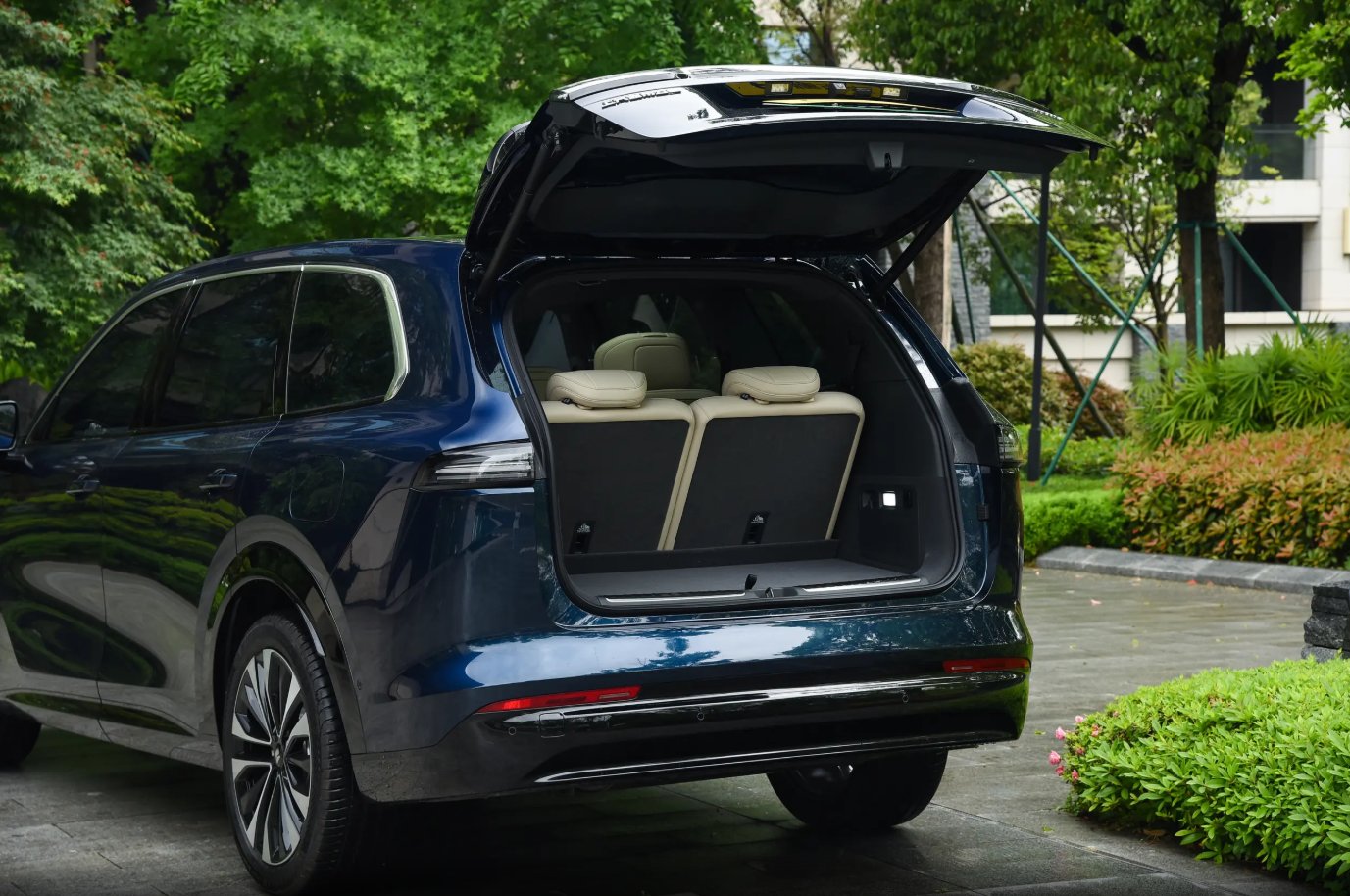
When it comes to carrying things, with all six seats in use, the trunk uses a double-layer sunken design with a base volume of 423L. In actual testing, it can hold two 28-inch suitcases upright plus three folded children’s strollers, and can also fit a tent, folding tables and chairs, and a cooler all at once. For four-person travel with the third row folded down, the volume can reach 1268L, enough for bicycles and large outdoor gear. For weekend camping or long interprovincial road trips, no matter how much luggage there is, you won’t be in a rush. There are independent fast-charging ports beside all six seats, and the front row also has 50W air-cooled wireless fast charging. When the whole family goes out with multiple people, phones, tablets, and watches can charge at the same time. These details show that it was designed around the actual needs of multi-member families.
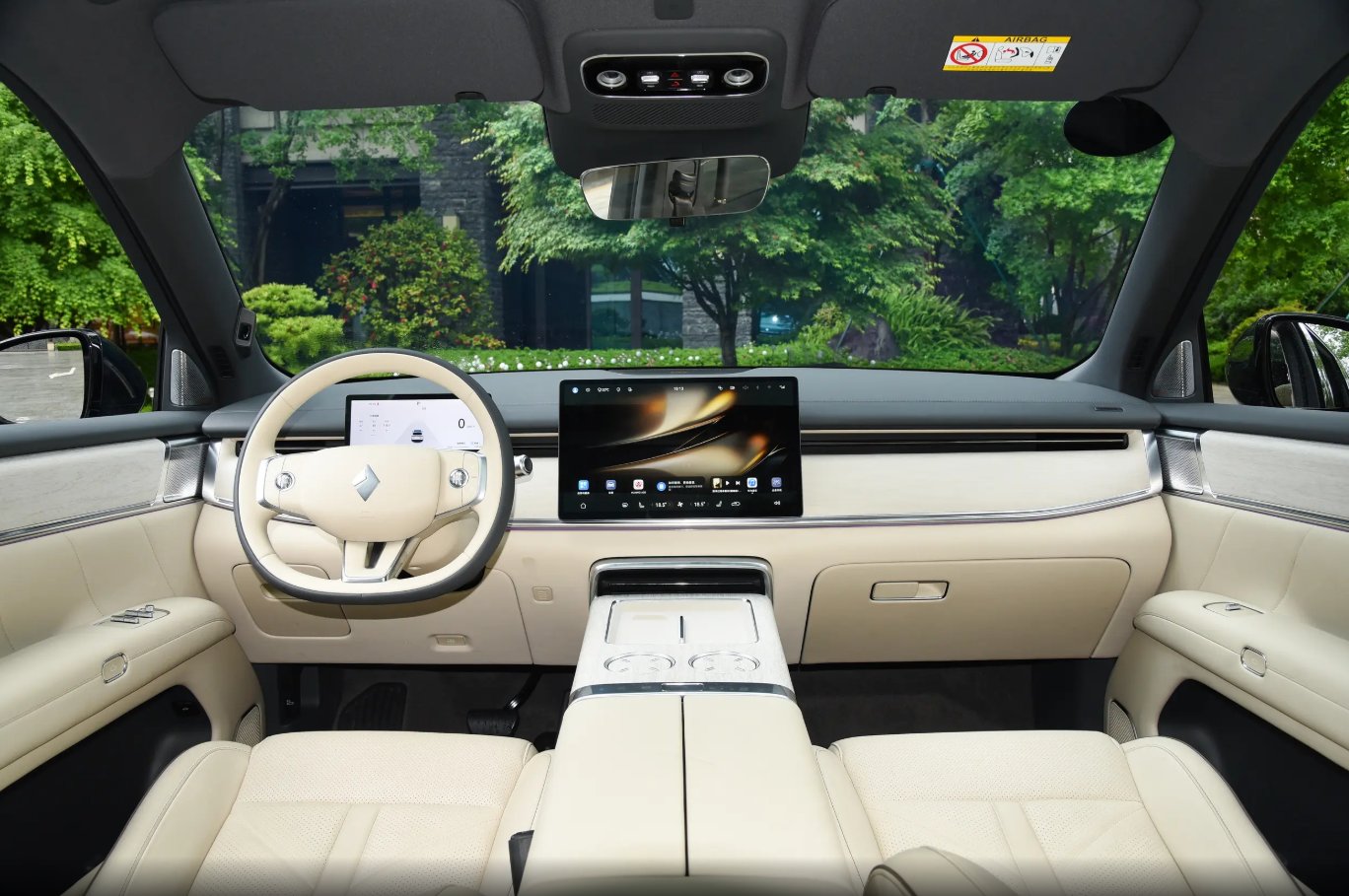
The interior materials are not perfunctory, with large areas of soft wrapping. The door panels, center console armrest, and seatbacks are all filled with soft materials, and the places your hands touch have a quality feel. The center console is a large floating screen, paired with a full LCD instrument panel and a front passenger entertainment screen. This HarmonyOS+ version model is equipped with HarmonyOS Cockpit 5.2 and also MoLA2.0 large model, which can understand the different needs of the whole family and becomes more tailored to habits the more you use it. The infotainment operation logic is close to that of a phone, so the learning curve is not steep, and you can get used to it after a short while. The car also supports interconnection with mobile devices, so navigation, music, and call records from your phone can seamlessly transfer to the car system. During travel, there’s no need to switch back and forth between devices, which is convenient and safe.
The exterior is the kind that grows on you. The front face is gentle and restrained, without sharp cutting lines or a showy, aggressive path, hiding its presence in restraint. The body posture is grand and stretched, with coordinated proportions, carrying a dignified bearing whether moving or still. The rear outline is well balanced, simple and restrained, without redundant lines, with an elegant texture of its own. The lights are worth noting: the front headlights use matrix flowing light to create a crystalline effect and provide good illumination; the charging indicator on the side is a high-gloss black mirror design, with a breathing rhythm while charging, adding a bit of ceremony; the through-type taillights turn flowing light rhyme into a stretched shape, carrying poetry within a sense of technology. The whole car is the type that becomes more appealing the more you look at it.
Taken as a whole, this 2026 Huajing S 235km four-wheel-drive Qiankun Premium Edition is suitable for families of six across three generations who often travel together. Whether for daily commuting, weekend camping, or long trips back home during holidays, its balanced six-seat space, stable four-wheel-drive range, and complete safety and intelligent driver assistance configuration all fit the bill. The Huajing S super trade-in price starts at 149,800 yuan, and the eight configurations across the lineup each have their own focus; specifics are subject to local dealers. As a full-size large six-seater in the 150,000 to 200,000 class with Huawei Qiankun driver assistance system across the entire lineup, it has solid strength in intelligent driver assistance, safety, space, and comfort, with a stable supply chain and reliable quality. If your budget is around 200,000, you want to switch to a large six-seat new energy vehicle, and you value ride comfort and long-term peace of mind, it’s recommended to go to a physical store and sit in it yourself. Only by experiencing it in person will you really know.


