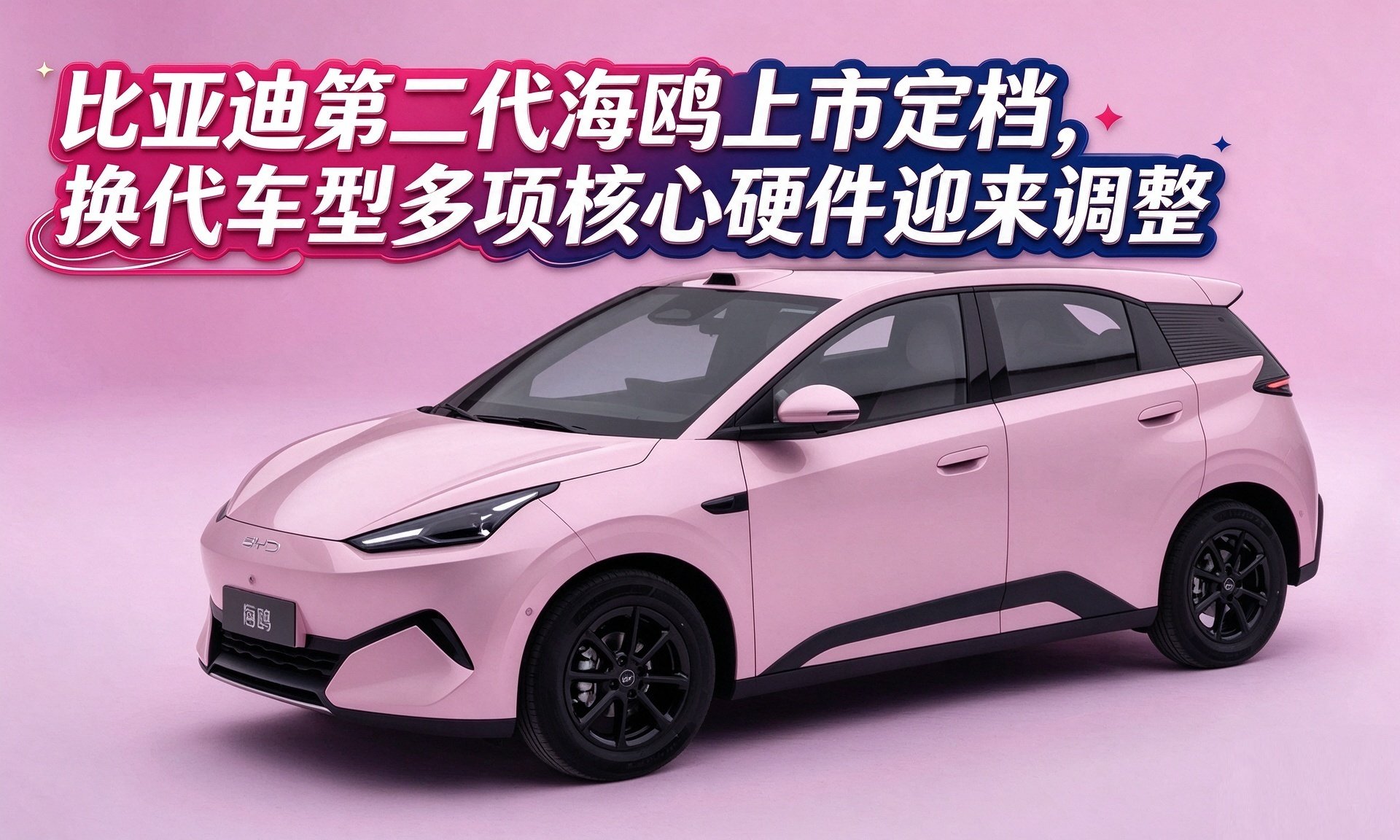
BYD has already sent out media invitations, and the official launch event for the second-generation Seagull has been confirmed for October 20 at the Zhengzhou racing circuit. This redesigned model has undergone extensive upgrades in interior materials, passenger space, and intelligent systems. Prior to this, Zhang Zhuo, general manager of the Ocean Network sales division, had officially announced that the blind order channel for the new car was officially open, allowing consumers to place orders in advance and wait for the launch.
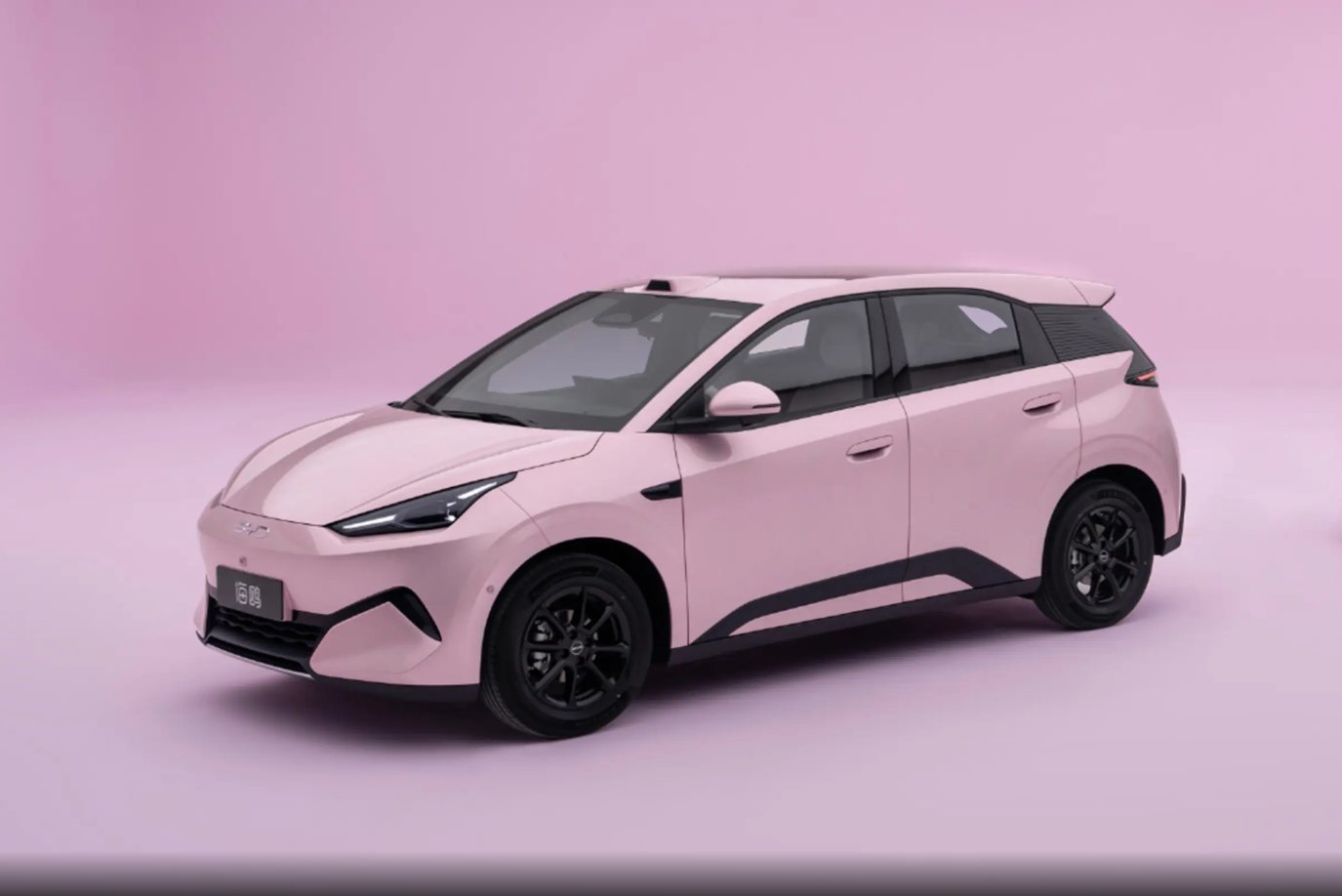
Judging from the official exterior teaser materials, the second-generation Seagull offers a total of six body colors: Lime Green, Berry Pink, Mango Orange, Iced Coconut Blue, Cream White, and Sesame Gray. Each color scheme is paired with corresponding scene promotional images, and the color naming leans toward everyday life, clearly targeting the aesthetic preferences of young user groups. The overall vehicle continues the design philosophy of ocean aesthetics, with a fully enclosed front face and sharply styled LED headlight clusters. The side of the body features hidden door handles, the wheels adopt a two-tone machined style, and the C-pillar is blacked out to create a floating roof visual effect. The overall styling is more sporty than the current model.
Compared with the current model, this generation change is quite substantial, with the core changes concentrated in four directions. First, the body dimensions have increased, with both body length and wheelbase growing, improving interior passenger space. The official description uses "big differences" to summarize the changes brought by this size upgrade. Second, the drive type has changed. The current model uses a front-mounted front-wheel-drive layout, while the second-generation Seagull switches to a rear-mounted rear-wheel-drive structure, which will change the vehicle's handling characteristics. The chassis hardware has also been updated. The original torsion beam non-independent rear suspension has been upgraded to a multi-link independent suspension, which in theory can better filter road bumps and improve ride comfort.
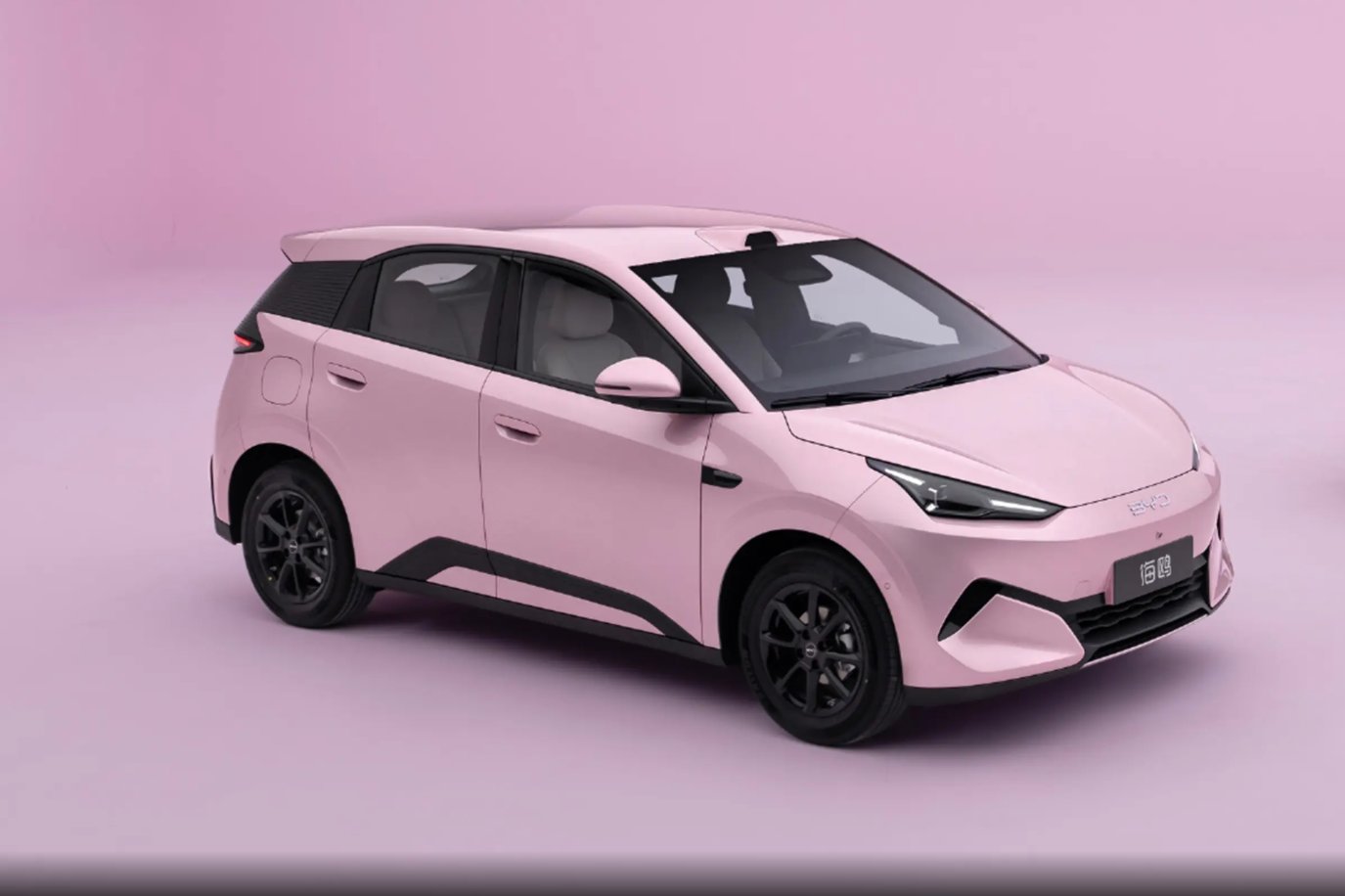
The intelligent aspect is one of the most closely watched points of this generation change. The new car is equipped with the God's Eye B assisted driving laser version, namely the DiPilot 300 system, with lidar hardware arranged on the roof. This system supports urban navigation, highway navigation, and automatic parking functions. This also means that advanced assisted driving functions are beginning to be extended down to the A0-segment pure electric small car market, whereas in the past such configurations mostly appeared on higher-positioned models.
In terms of range and replenishment, the second-generation Seagull's highest-range version under CLTC conditions can reach more than 420 kilometers, and the higher-trim version also supports fast charging. The current Seagull offers two range versions, 305 kilometers and 405 kilometers, with battery capacities of 30.08 kWh and 38.88 kWh respectively, and a fast charging power of 40 kW. By comparison, the redesigned model has improved in both range and charging speed.
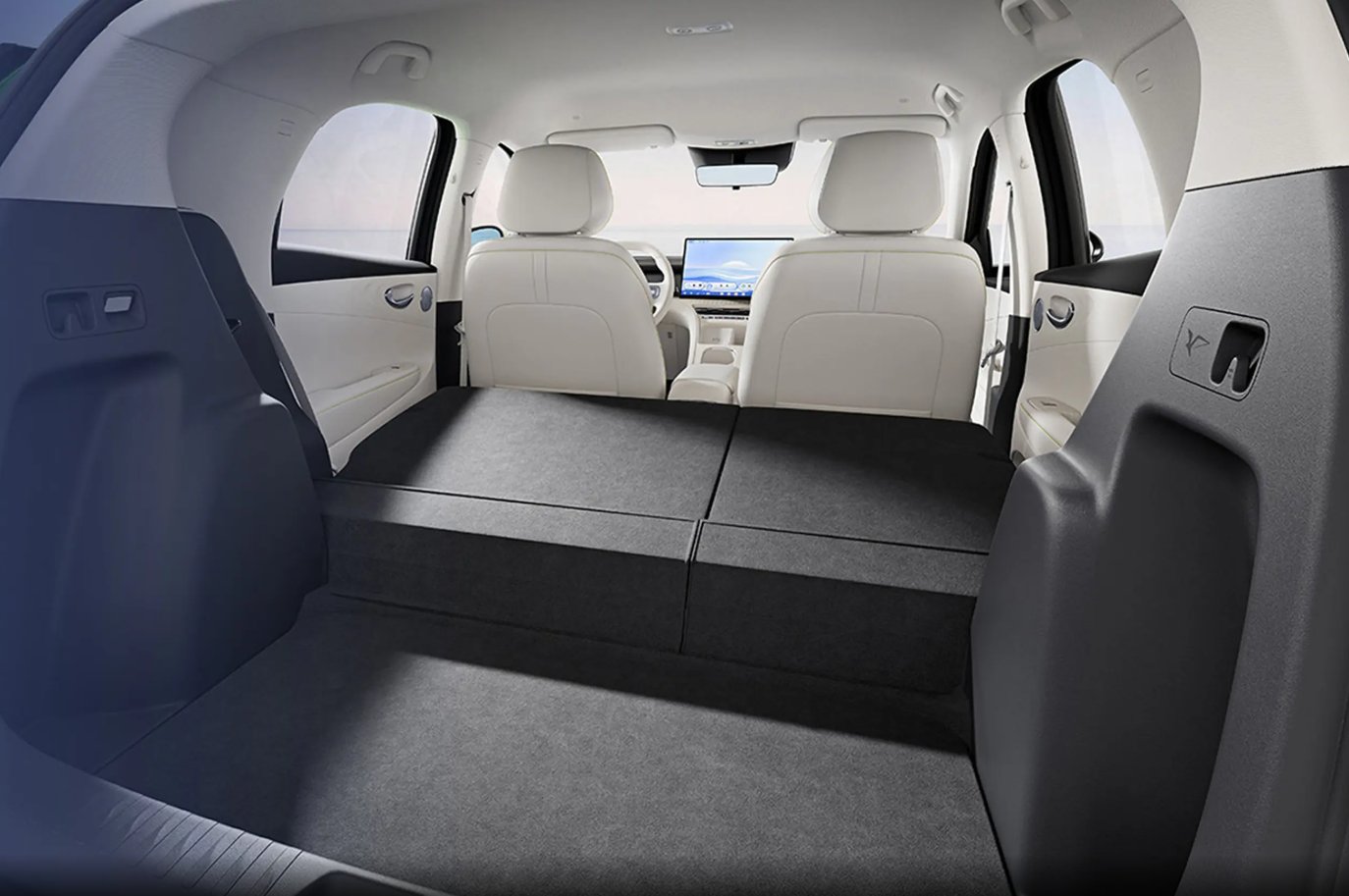
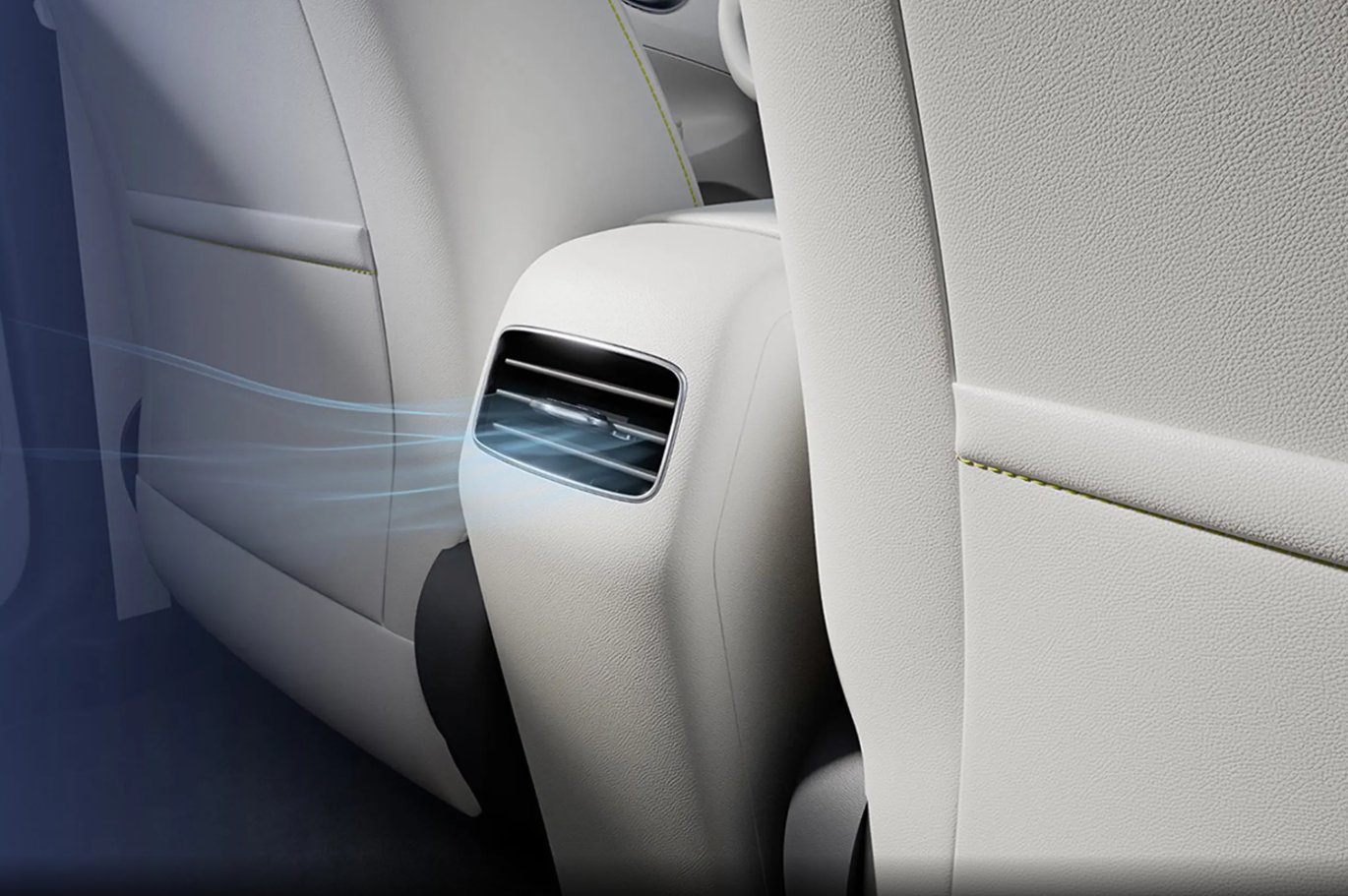
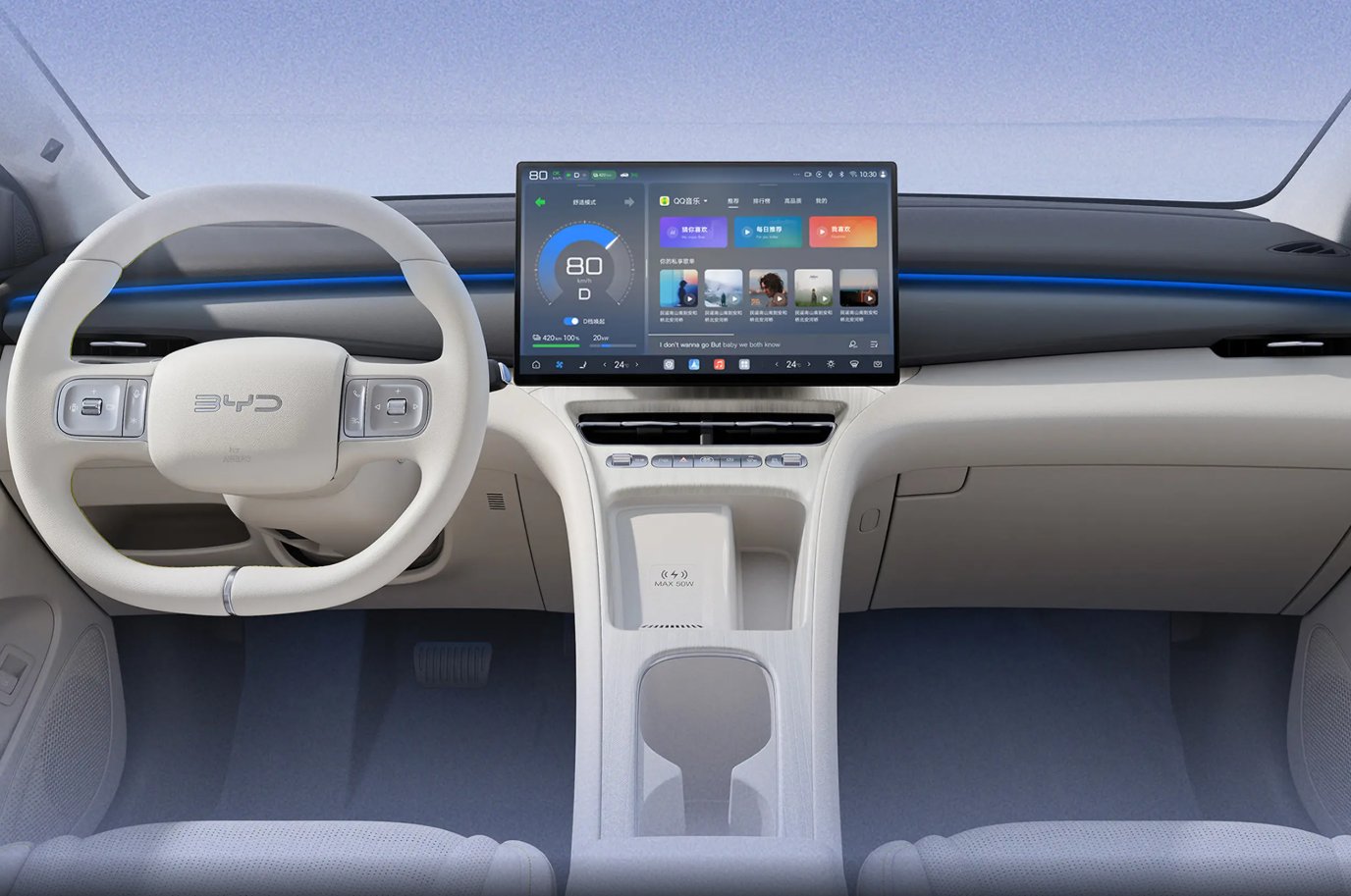
The cabin has also been redesigned, canceling the traditional independent instrument cluster and further enlarging the central control screen, giving the cockpit a stronger overall technological atmosphere than the older model. The entire interior layout has been replanned, not merely a simple screen replacement, but also adjustments in materials and functional layout, reducing the cheap feel of an entry-level commuter car.
Overall, the second-generation Seagull is no longer just a routine facelift. From body size, drive method, and chassis structure to intelligent driving hardware, adjustments have been made, and the model's positioning has also moved upward from its past role as a micro commuter car. Blind orders are currently open, and the final price will only be revealed at the launch event on October 20 at the Zhengzhou racing circuit. How the market will respond to this entirely new hardware combination will still depend on actual performance after launch.


