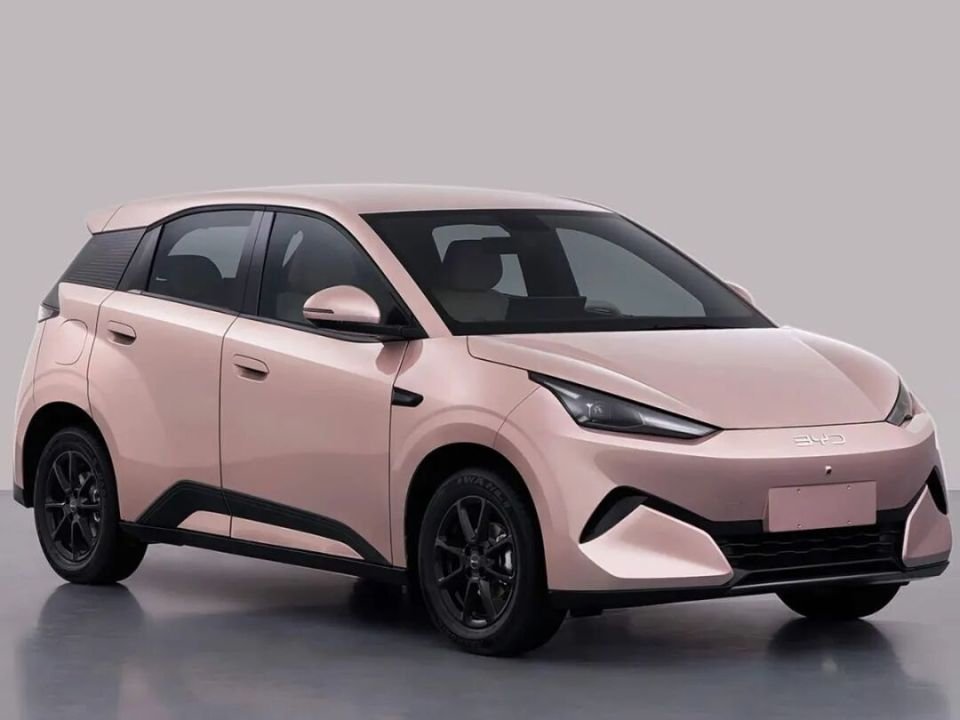
On October 20, BYD's second-generation Seagull will officially launch at the Zhengzhou racetrack. In the three years since its launch, this car's cumulative sales have exceeded 1.5 million units, with wholesale volume in August alone surpassing 36,000 units.
But this time, with the model change, the Seagull has done something not very "Seagull."
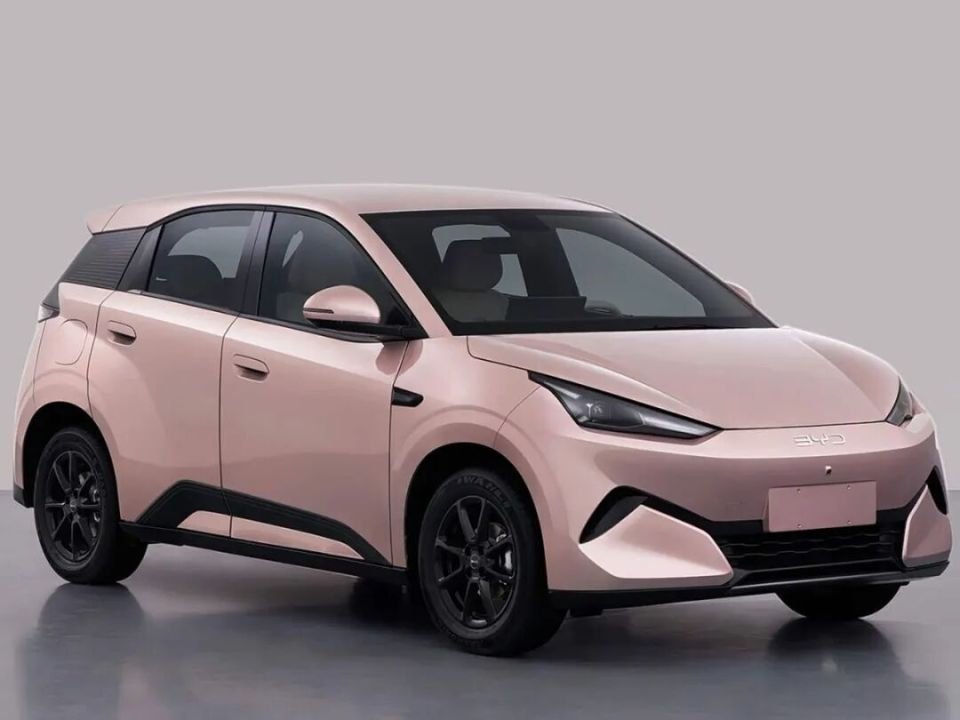
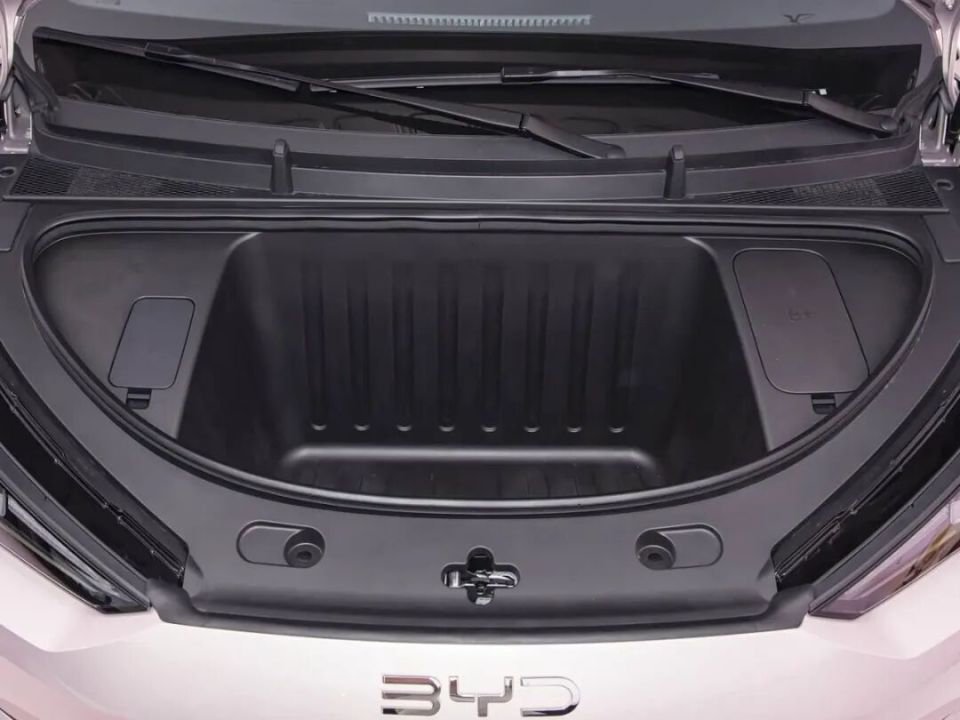
It is no longer content with being an A00-class commuter car. The current Seagull is 3780mm long with a 2500mm wheelbase. The second generation directly stretches the length to 4205mm and the wheelbase to 2650mm, increases of 425mm and 150mm. The length exceeds 4.2 meters, the wheelbase matches the Dolphin, and the seating goes from 4 seats to 5. A 94L front trunk, 1380L with the rear seats folded, and there is even a storage box hidden under the second-row seats. People who bought the Seagull before basically accepted by default that "two people fit just right" in the rear. Now, in this car's rear seats, three adults can sit without playing rock-paper-scissors to decide who crouches in the trunk.
The chassis changes are even more thorough than the size changes. The current Seagull is front-wheel drive with a torsion beam, while the second generation directly switches to rear-mounted rear-wheel drive, with the rear suspension changed to a multi-link independent suspension. Motor power rises from 55kW to 95kW, with a top speed of 150km/h. Tire width increases to 205mm. Put this combination on a 4.2-meter small car, and it feels like a completely different car from the current model. The change in steering characteristics brought by rear-wheel drive and the improvement in rear-seat ride comfort from the multi-link suspension are differences that current Seagull owners can directly perceive when switching cars.
Range and charging have also been upgraded. The battery uses FinDreams lithium iron phosphate blade batteries, offering two versions: 320km and 420km. The higher trim supports flash charging, going from 10% to 70% in 5 minutes on a dedicated charging pile. The current Seagull's 40kW fast charging takes half an hour to go from 30% to 80%. Flash charging is not standard across the entire lineup, but even if it is only on the higher trim, this charging speed is unique in the A0-class market.
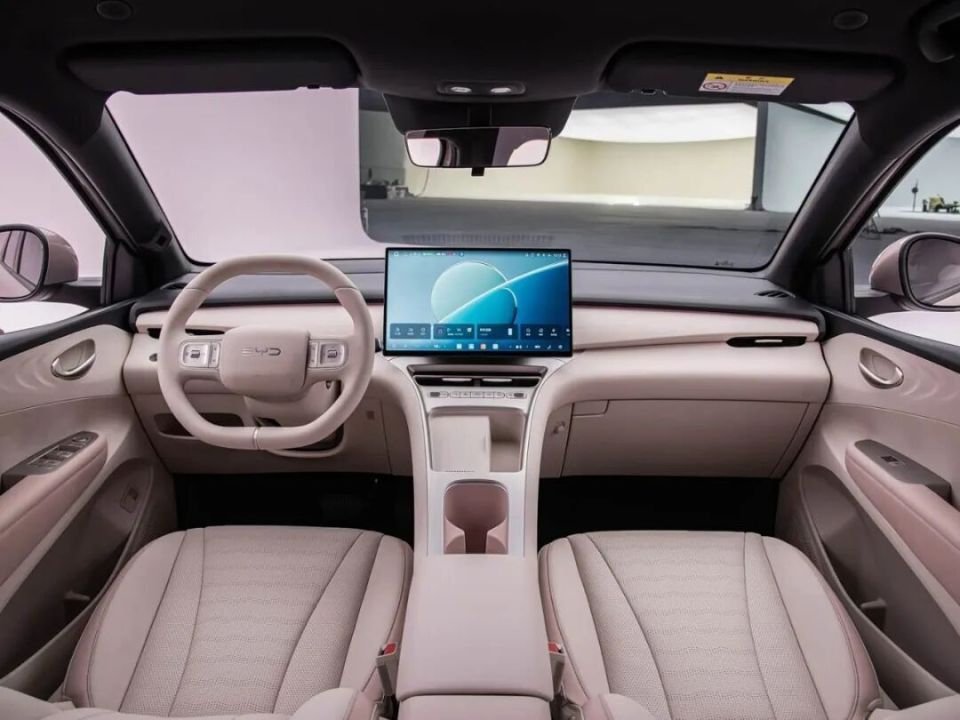
The cabin's equipment list would have been unbelievable two years ago. The traditional instrument panel is eliminated, replaced by a 15.6-inch floating central control screen plus a column shifter. 50W wireless charging, driver's seat massage, front-row ventilation and heating, multicolor ambient lighting, 8 speakers, and independent rear air vents. The higher trim can also be optioned with lidar and God's Eye B, supporting highway and urban navigation assist and automatic parking. A small car that once had "cheap" as its core label now stuffs a configuration list that only a B-class car would have into its cabin.
Online rumors say dealer pre-withholding prices are 85,000 to 110,000 yuan, a noticeable step up from the current model's starting price of 69,900 yuan. But pre-withholding price does not equal the final sale price, and BYD's past pricing habit has been for the official price to be lower than the pre-withholding amount. The key question is: can the entry-level version hold the 70,000-yuan range? If it can, then the second-generation Seagull is using A0-class product strength to attack an A00-class price. If it cannot, then it is in a head-on collision with the Geely Xingyuan - its size already exceeds the Xingyuan, and its equipment is fully aligned as well, so what remains is how the price lands.
The Seagull sold well in the past because it achieved one thing in the 60,000-yuan market: letting families with limited budgets buy a pure electric car with "no obvious shortcomings" for as little money as possible. The second-generation Seagull is doing another thing: letting young people with slightly more budget buy a pure electric car with "clear strengths" for the price of an A0-class car. Rear-wheel drive, multi-link suspension, flash charging, optional lidar - put these words together, and it no longer looks much like the configuration list of a "commuter car."
On October 20 at the Zhengzhou racetrack, the moment the price lands, whether the Seagull is truly "upgrading its cabin" or "switching tracks" will be clear.


