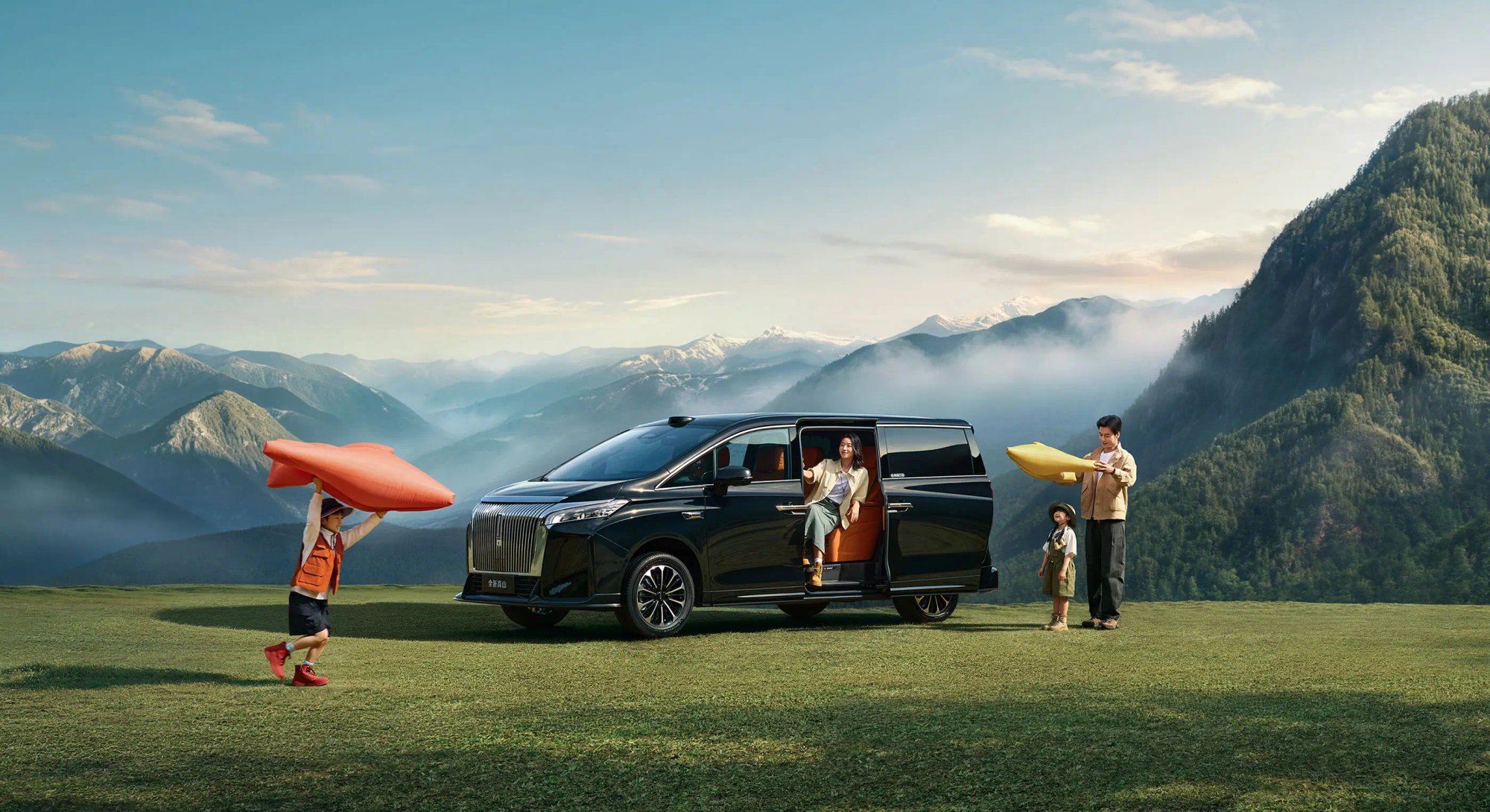
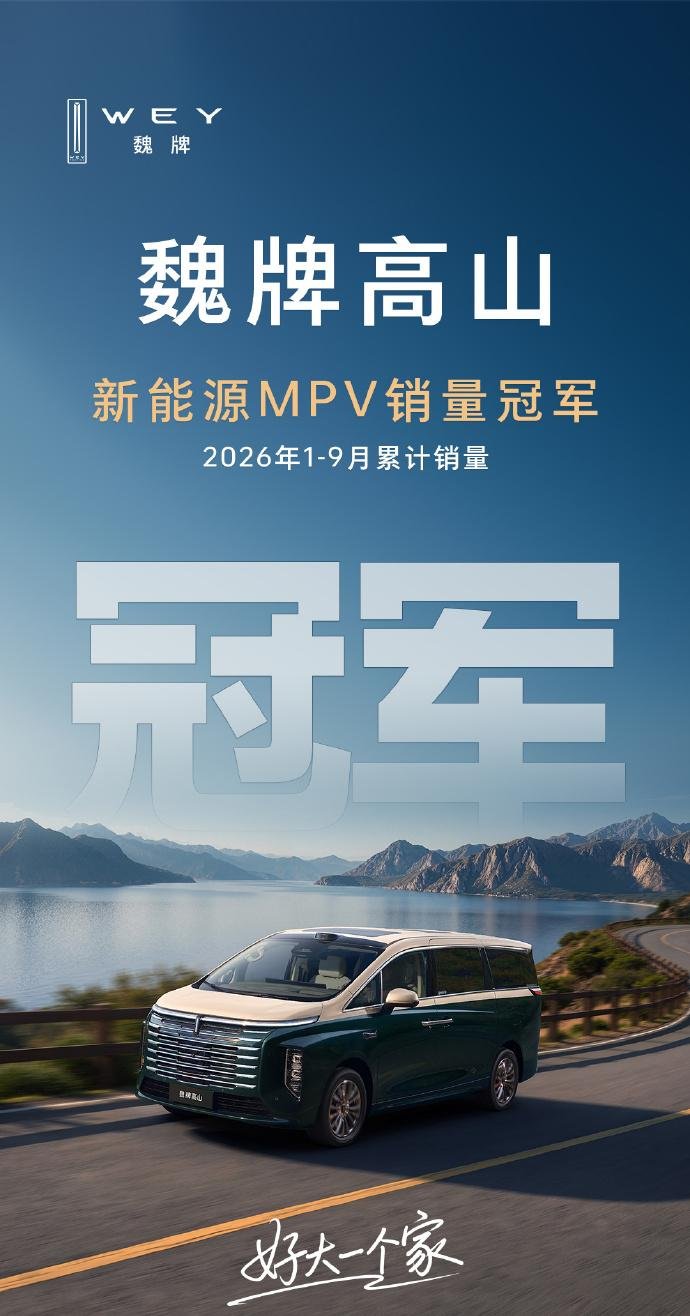
【Handsome Car Car Report】Every year after the "Golden September and Silver October" ends, the auto circle routinely reviews sales. For the cumulative sales champion of new energy MPVs from January to September this year, according to the official line, it falls on the Wey Gaoshan. To be honest, this result would have been hard to imagine three years ago—back then, the MPV rankings were still dominated by the GL8 and the Sienna, and new energy was just a sideshow. Now fortunes have turned, and what is worth discussing today is not the title of "who took the championship" itself, but why it is the Wey Gaoshan, and exactly where it won.
The Way to Break Through: From "Business Alternative" to "Family Exclusive"
First, look at a more interesting figure than sales: the Gaoshan has more than 110,000 cumulative users, of which individual family users account for 78%. This ratio says a lot—MPVs are changing from "the boss's reception vehicle" into "the whole family's travel vehicle," and the Gaoshan happened to hit this shift.
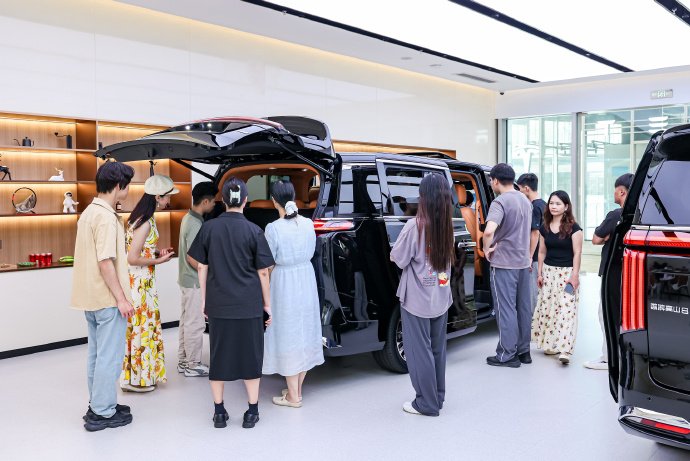
When judging an MPV, space and comfort are always the first priority. The Gaoshan 8 is 5280mm long with a 3145mm wheelbase, while the Gaoshan 9 is stretched to 5410mm with a 3275mm wheelbase, about 160mm longer than the Denza D9 (5250mm/3110mm). But size is only the foundation; the real effort is inside the cabin: a flat floor plus an ultra-long 1845mm shared rail for the second and third rows allows flexible switching between a large four-seat layout and a seven-seat layout. When traveling with children, strollers and camping gear can be thrown in freely; elderly passengers do not have to "climb" in and out. The third row is also not the "emergency stool" of traditional MPVs, but a proper seat with electric adjustment, heating, and armrests. Anyone who has sat in the third row naturally understands how important this is.
Hardcore Strength: Rejecting the "High-Low Trim" Trick, Standard Across the Line Is True Sincerity
In the current MPV market, we often see a kind of "traffic-bait" pricing: the entry version is extremely poorly equipped, and if you want usable intelligent driving or comfort features, you must pay more for the top trim. This trick is extremely unpopular in the family vehicle market, because family vehicles emphasize "safety for all" and "no weaknesses."
The cleverness of the Wey Gaoshan lies in "fully equipped from the entry level." Take safety as an example: MPV bodies are huge and have large blind spots, but the Gaoshan comes standard across the line with the Hi4 Performance Edition intelligent four-wheel-drive system. This is extremely lethal in its class. By contrast, some competitors such as the Denza D9 or Voyah Dreamer, although they also have four-wheel-drive versions, often concentrate them in mid- and high-trim models, while entry versions are mostly two-wheel drive. On rainy or snowy slippery roads or unpaved suburban roads, for an MPV fully loaded with family, four-wheel drive is not the icing on the cake, but timely help in the snow.
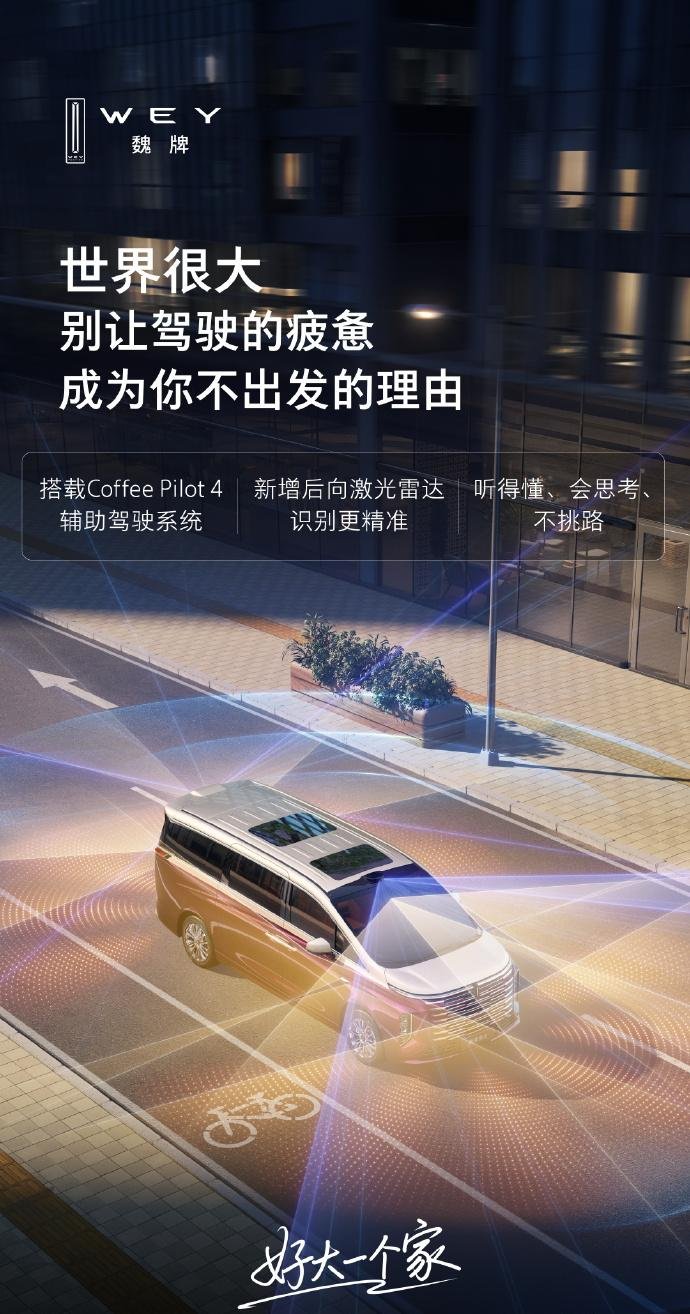
In addition, on the just-launched "Smart Edition" model, the Gaoshan goes all out on perception hardware, upgrading across the line to front and rear dual lidar (192-line front + solid-state rear), paired with the NVIDIA DRIVE AGX Thor chip with 700TOPS of computing power and the Coffee Pilot 4 system. By contrast, competitors in the same class, such as the Denza D9, currently mainly rely on a single-lidar solution, and although the XPeng X9 has excellent intelligent driving capability, there is still room for improvement in rear perception redundancy. The Gaoshan's approach of "not making safety optional" is exactly the "human touch" that family users value most.
Scenario Evolution: The "Gaoshan 7 SUV Version" That Breaks MPV Stereotypes
If the Gaoshan 8 and Gaoshan 9 are "city-defending works" that consolidate the base, then the launch of the Gaoshan 7 SUV Version is Wey's "dimensional strike" on the market.
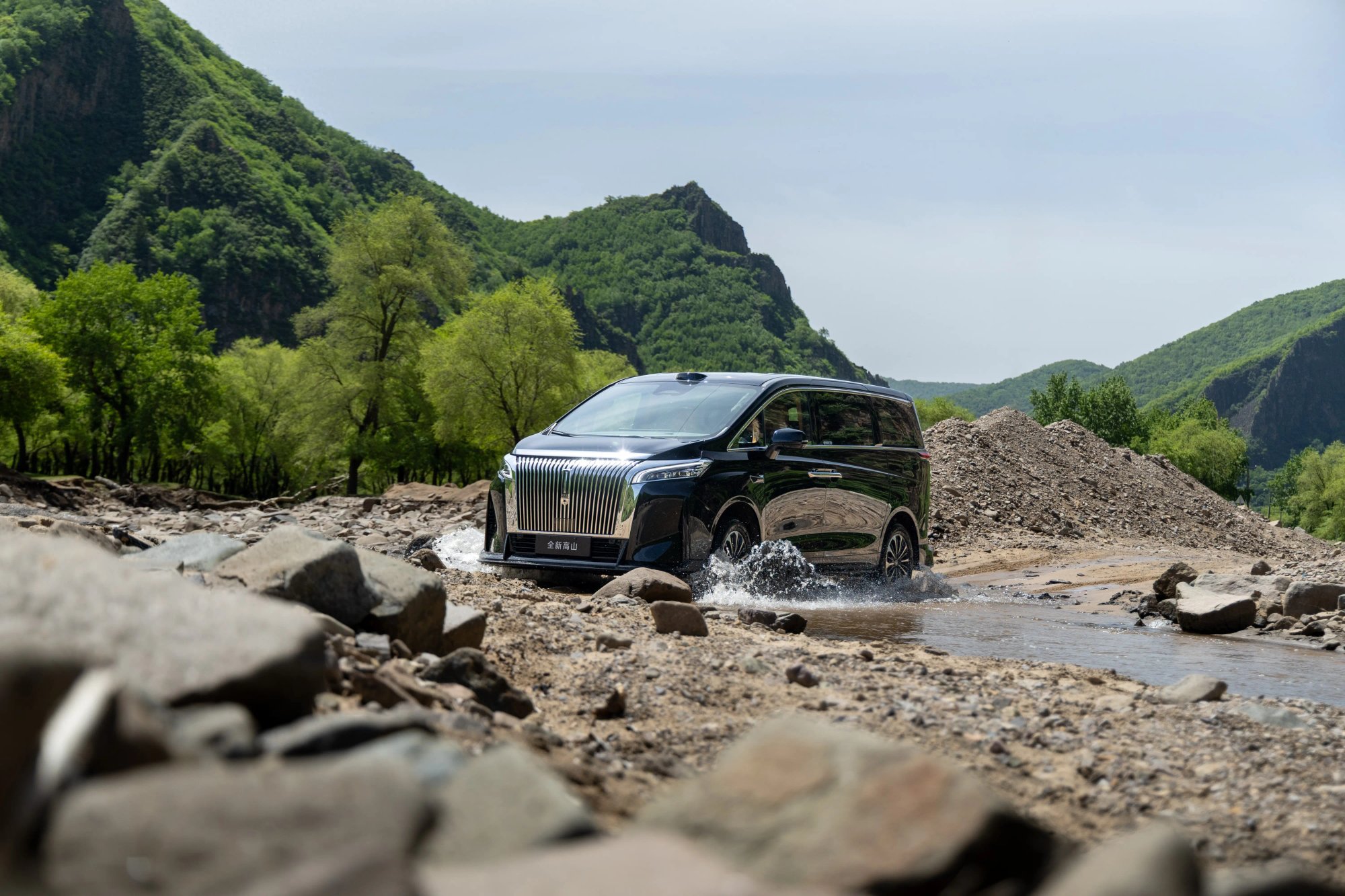
What is the biggest shortcoming of traditional MPVs? It is the boat-like swaying feeling and poor passability. Many families buy an MPV, only to find that they cannot reach campsites or handle bad roads, and in the end it can only become a "city commuter car." Through an exclusive shooting-brake kit and 185mm minimum ground clearance, the Gaoshan 7 SUV Version forcefully tears open a gap between MPV and SUV. It has both the absolute space advantage of an MPV and the passability and driving confidence of an SUV. This "one car for all scenarios" idea precisely hits young families who want to take care of their families without giving up driving pleasure. On this point, most competitors on the market are still circling within the "pure MPV" circle, while the Gaoshan has already taken the lead in crossing category boundaries.
Smart Cabin: From "Feature Stacking" to "Emotional Interaction"
In terms of cabin experience, the "Dual VLA Agent" equipped in the Gaoshan Smart Edition is a technical highlight worth watching. It is no longer a voice assistant passively waiting to be awakened, but a "family member" that can perceive emotions.
Through in-car cameras and sensors, the system can identify who is sleeping and who is crying, and can even automatically adjust air conditioning temperature and driving smoothness according to the physical condition of elderly passengers. Together with a 21.4-inch QD-Mini LED rear entertainment screen and zero-gravity rotating seats, it builds a true "mobile third space." By comparison, although models such as the Denza D9 also emphasize cabin luxury, it is more reflected in the stacking of materials such as leather and wood grain; in the AI depth of "active service" and "emotional understanding," the Gaoshan is indeed currently ahead.
Power and Four-Wheel Drive: A Rare "Standard Across the Line"
Most rivals in the same class sell four-wheel drive as a high-trim option, but the Gaoshan does the opposite—standard across the line with the Hi4 Performance Edition intelligent four-wheel-drive system. A 1.5T hybrid dedicated engine plus front and rear dual motors gives the system a combined output of 337kW and a 0-100km/h acceleration of 5.7 seconds. An MPV over 5.2 meters long running under 6 seconds sounds a bit excessive, but when climbing fully loaded or overtaking on the highway, you will understand what power reserve means. WLTC pure electric range is over 172km, so daily commuting can be driven as an EV; with a full tank and full charge, the combined range is about 950km, so there is no recharging anxiety on long holiday trips. Fuel consumption under depleted battery is around 7.15L/100km, it drinks 92-octane gasoline, and the cost of use is also manageable.
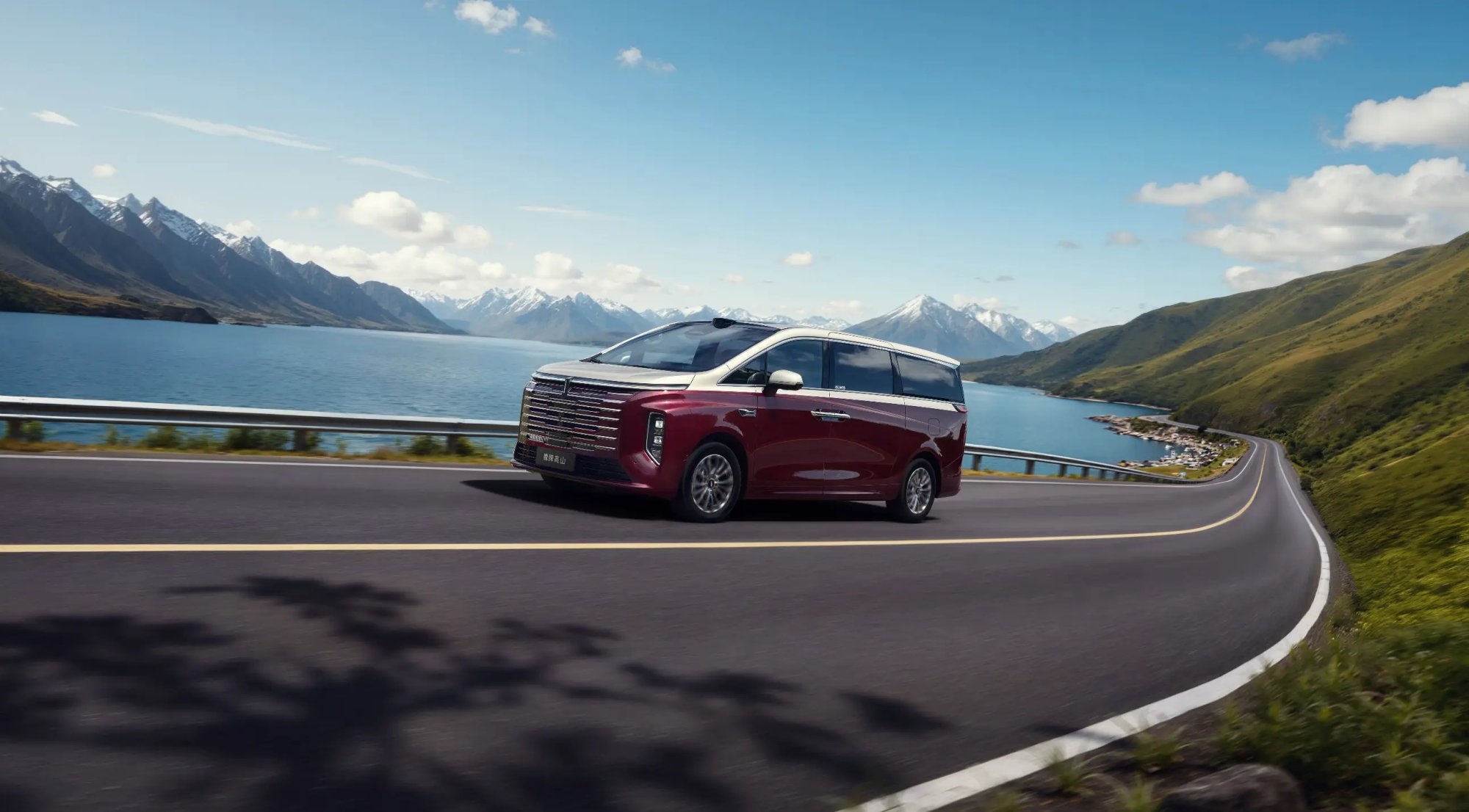
By comparison, the Denza D9's DM-i leans more toward economy, with a single-motor two-wheel-drive entry version; the Voyah Dreamer has a distinct technical label and Huawei intelligent driving support, but the threshold for four-wheel drive is higher. The Gaoshan's logic is very straightforward: MPVs often run on all kinds of road conditions fully loaded with family, so four-wheel drive should not be a luxury.
Conclusion: The Long-Termism Behind the Sales Champion
The Wey Gaoshan's cumulative sales championship from January to September is not accidental. In 2026, a year of extreme involution in the MPV market, with strong rivals such as the Voyah Dreamer, Denza D9, and XPeng X9 all around, the Gaoshan can continue to lead not by a price war, but by a deep understanding of the word "family."
It does not blindly pursue the vanity of "executive class," but fights hard against the pain points of "whole-family travel"; it does not play the trick of "stripped-down entry model as traffic bait," but insists on the bottom line of "four-wheel drive across the line, high-level intelligent driving across the line"; it is not satisfied with being a "nanny car," but expands the boundaries of family travel through the SUV version.
This championship answer sheet is not only for the market, but also for the more than 110,000 families that chose the Gaoshan. In today's auto industry, where reshuffling is accelerating, only brands that truly respect users and revere families can cross cycles and win long-term trust. The Wey Gaoshan has indeed done it!


