Recently, the 2026 China Society of Automotive Engineers Science and Technology Award was announced. The project "Key Technologies for Efficient Full-Temperature-Range Integrated Thermal Management and Vehicle Integration Application," led by SAIC and jointly completed with Shanghai Jiao Tong University, Jiangsu University, and Tongji University, won the second prize of the Science and Technology Progress Award.
Facing the long-standing pain point of new energy vehicles being "afraid of cold in winter and afraid of heat in summer," SAIC broke through the thermal management technology barriers from three dimensions: system architecture, intelligent control, and material processes. Through industry-university-research-application collaborative innovation, it formed an autonomous and controllable "China Solution," cracking technical bottlenecks such as the difficulty of coordinating multiple heat sources, the difficulty of cross-domain energy scheduling, and the complex processes of split modules, providing key technical support for domestic new energy vehicles to compete in the global market.
Achieving full-chain autonomous and controllable capabilities, breaking the material patent monopoly
Building a "temperature shield" for the vehicle, reducing system losses is key. SAIC's self-developed "full-temperature-range multi-dimensional collaborative intelligent integrated thermal management system" starts with the system architecture and pioneers a "cabin-environment primary heat exchange" direct thermal management architecture, reducing intermediate heat exchange losses; by building a six-major-heat-source cascade reuse system for the vehicle, it achieves cross-domain energy allocation among multiple heat sources such as motor waste heat, battery heat storage, and environmental heat absorption. The heat pump operating temperature extends from the industry-standard -15°C down to -35°C, allowing safe vehicle use even in extreme cold weather. The 26-in-1 thermal management integrated module developed based on this architecture reduces pipeline interfaces by more than 40%, decreases volume and weight by about 30% compared with benchmark models, and lowers flow resistance by 50%. Heat takes fewer detours, making vehicle use more energy-efficient for users.
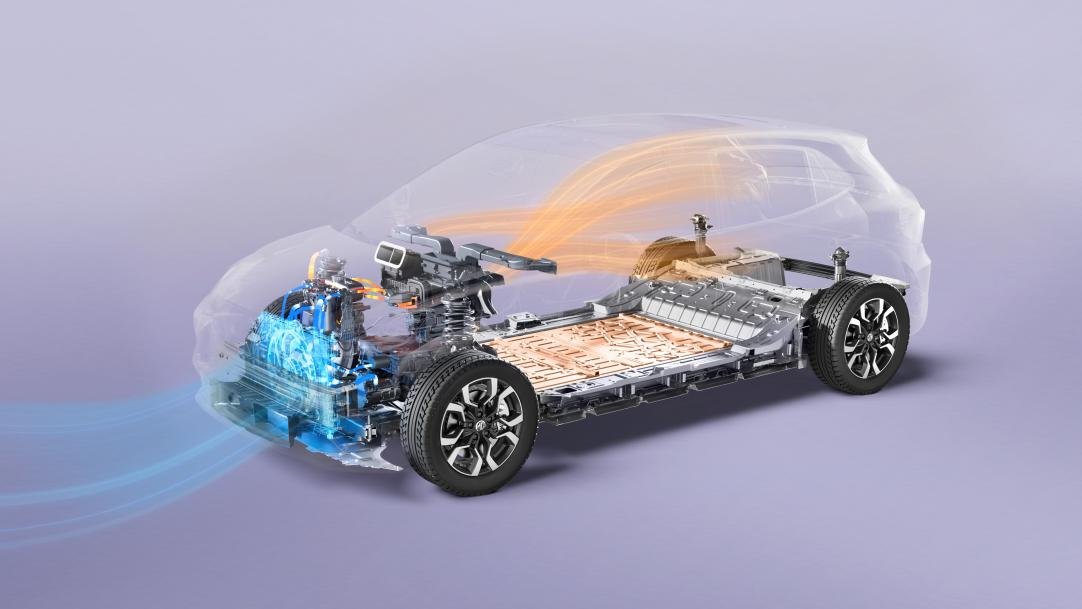
Precise scheduling of the vehicle's temperature cannot be achieved without a smarter "brain." Traditional solutions rely on 14 controllers to separately manage each component. This solution innovatively adopts a "centralized decision-making + layered execution" control architecture, streamlining the number of controllers to 3, enabling faster and more precise temperature control response; it pioneers an electrical + physical dual integration solution for brushless blowers and air-conditioning controllers, increasing blower efficiency from 36% to 75%. Upper-layer decision-making and lower-layer execution enable dynamic optimal energy allocation across full temperature ranges and multiple scenarios, giving users a more comfortable driving and riding experience.
To break free from foreign technological constraints, material processes must be autonomous and controllable. SAIC broke the patent monopoly of foreign companies represented by Tesla on aluminum-nickel alloy flow channel plate materials and created an aluminum-lanthanum-cerium rare earth alloy flow channel plate material with independent intellectual property rights, balancing properties such as castability, brazeability, low thermal conductivity, and high strength. At the same time, around this material, it innovatively developed a new pre-embedded flux gas shielded welding process, the first application in the thermal management industry, which can greatly improve post-welding cleanliness and increase the welding qualification rate to over 95%. Vehicle quality is more reliable and durable, allowing technology inclusiveness to truly land.
From architecture to control, and then to materials and processes, SAIC's "full-temperature-range multi-dimensional collaborative intelligent integrated thermal management system" has achieved comprehensive autonomous and controllable capabilities, also giving Chinese new energy vehicles greater confidence as they travel north and south and sail toward the globe.
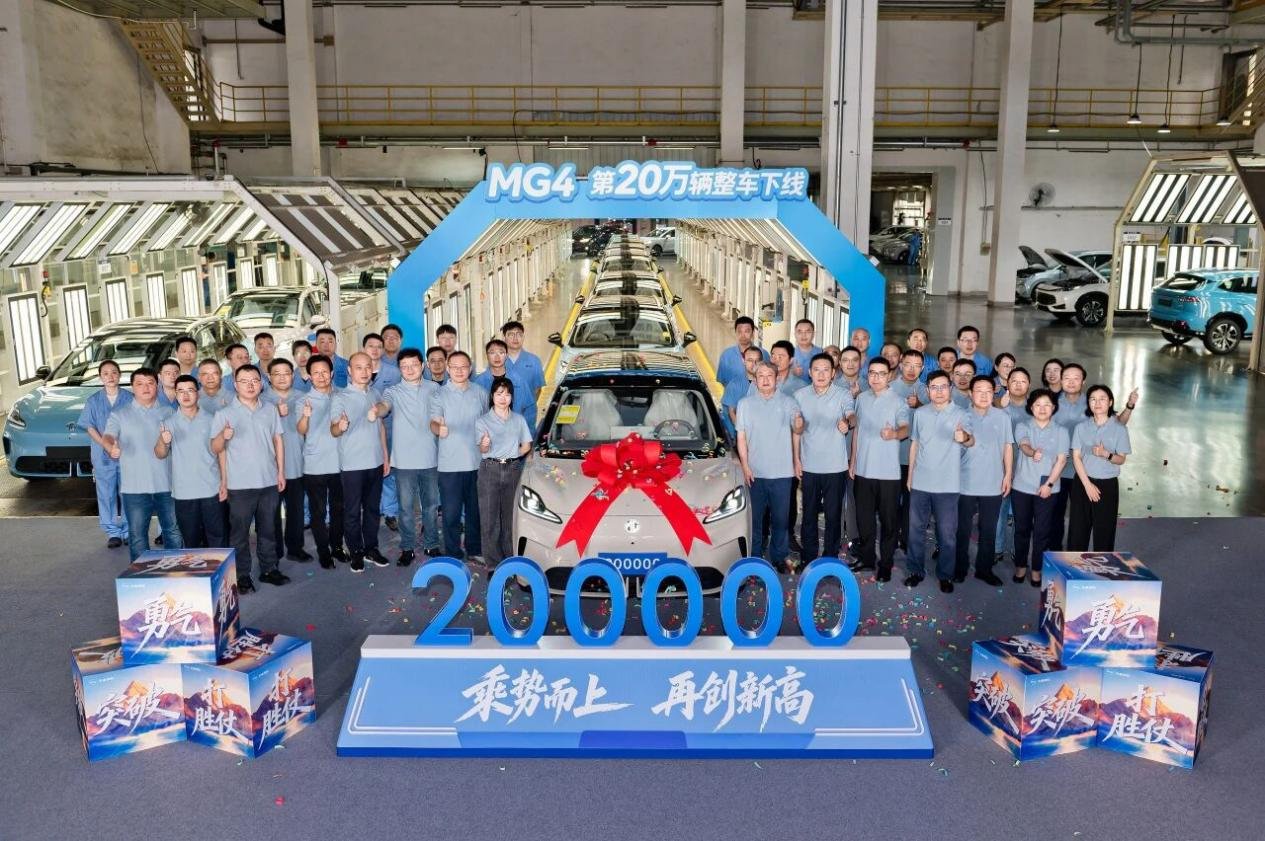
Over 420,000 units installed in the past three years, exported to more than 170 countries and regions
By adopting this solution, the all-new MG4 turns the "impossible triangle" of efficient, comfortable, and stable thermal management into a possibility, setting a new technical benchmark in the thermal management field and achieving for the first time on models in the 100,000-yuan class: air-conditioning energy consumption reduced by 50%, winter heating efficiency increased by 30%; operating temperature extending down to -35°C, covering extreme cold scenarios across all of China; at -7°C, low-temperature range achievement rate of 75%, exceeding the industry average by 20 percentage points.
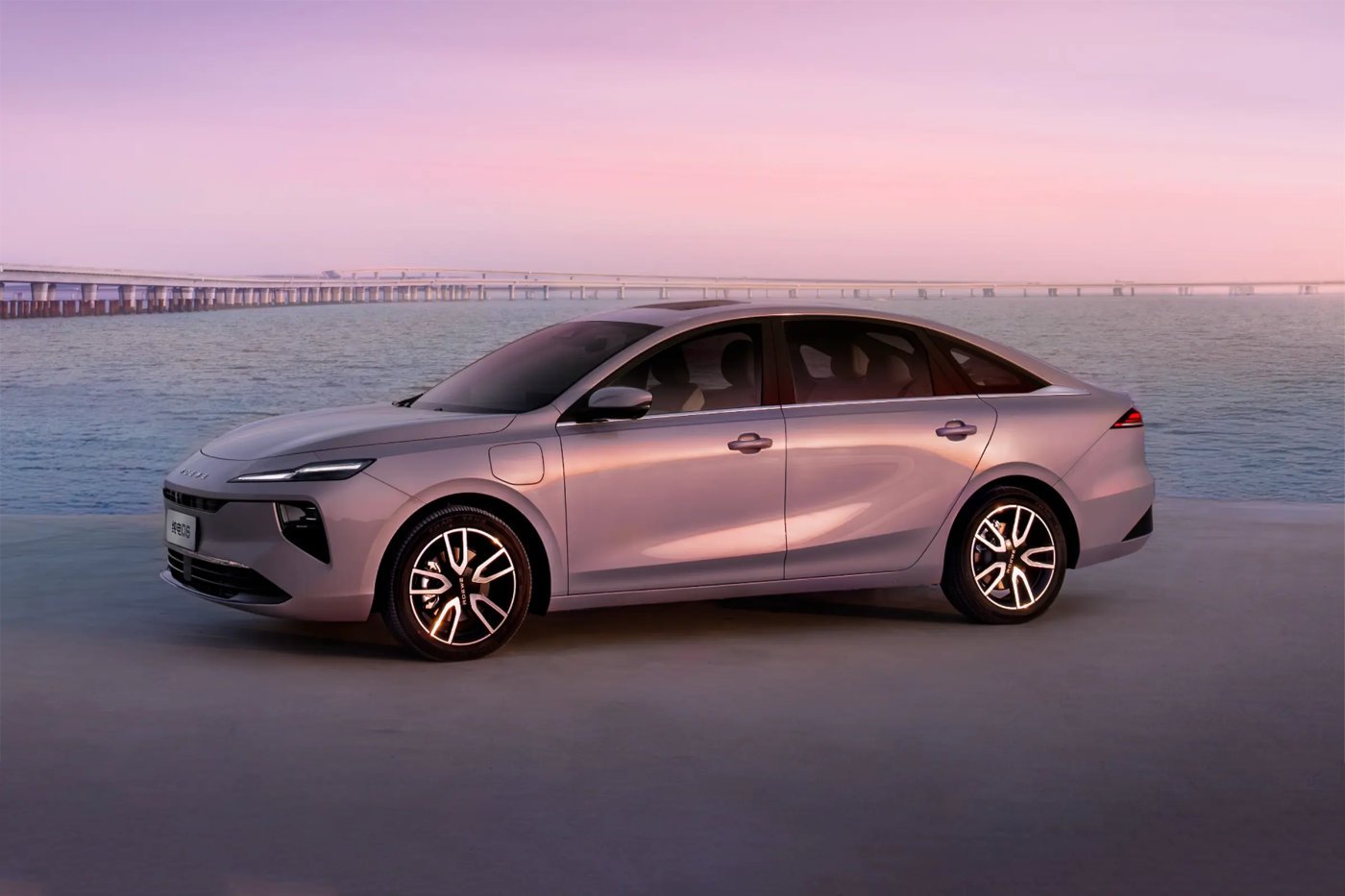
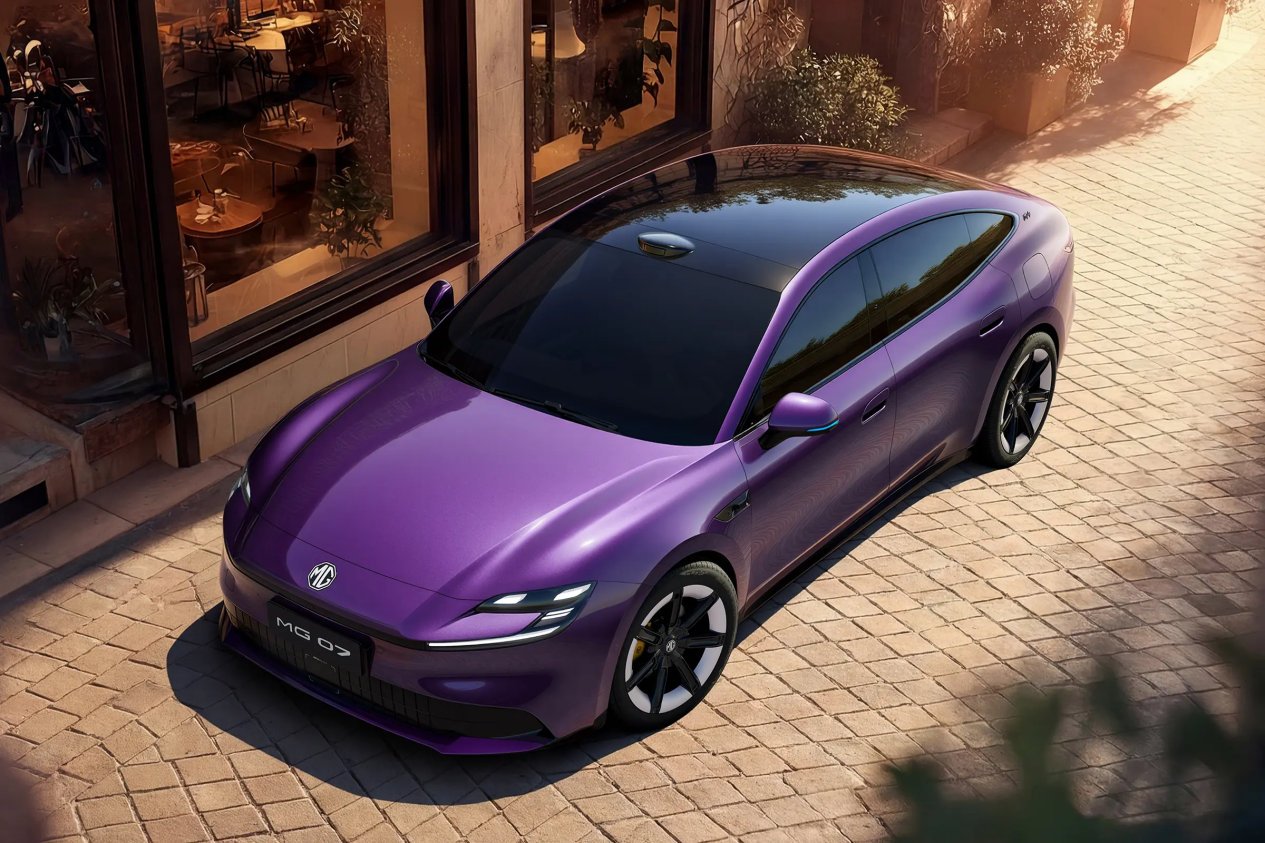
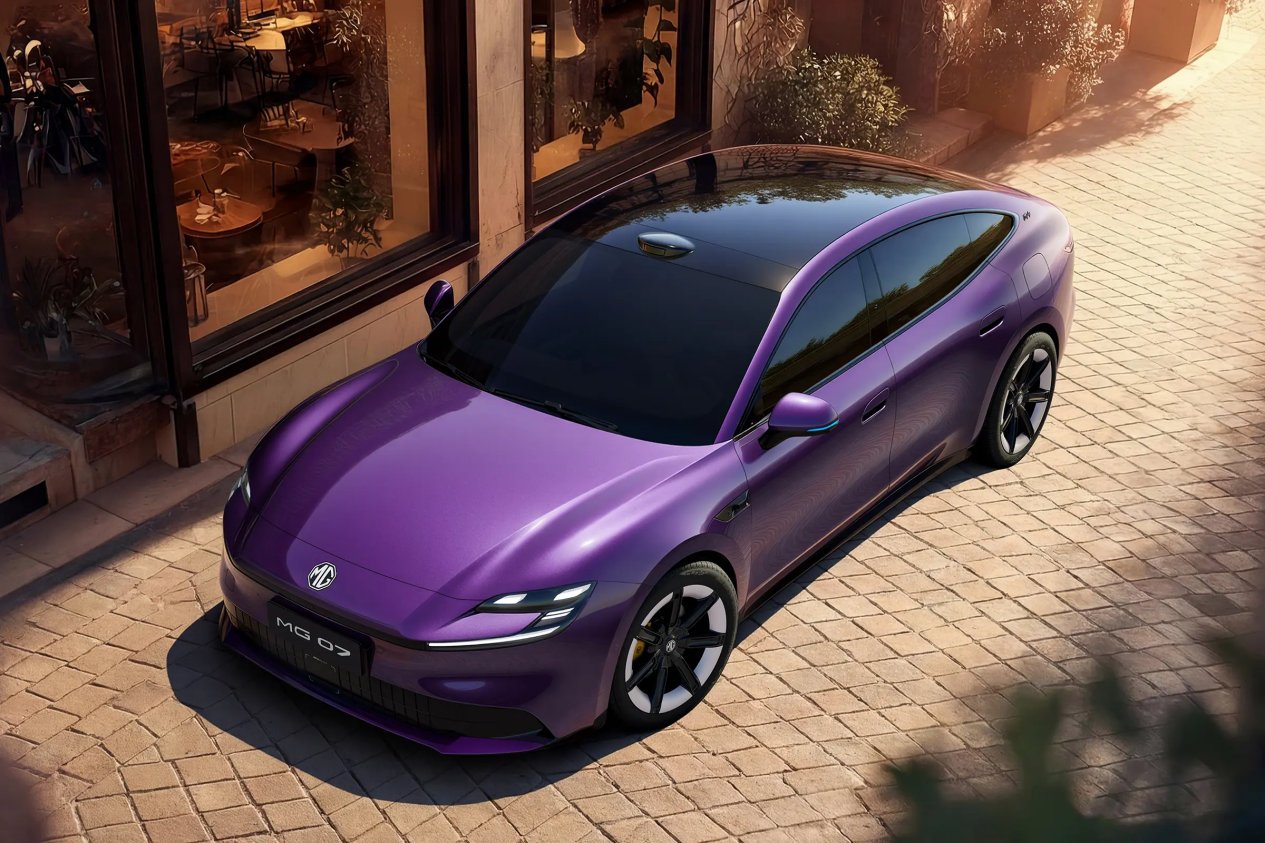
Not only the MG4, this solution has now been installed on the Roewe pure electric D6, MG 07, Shangjie Z7, and multiple subsequent models, with cumulative installations exceeding 420,000 units over the past three years, and will also be reverse-exported to joint venture and commercial vehicle brands, forming a large-scale application matrix across multiple brands and models. Models equipped with it have been exported to more than 170 countries and regions including Europe, the UK, Australia, and New Zealand, with overseas applications accounting for more than 50%. At the same time, this solution has built a core patent portfolio with fully independent intellectual property rights: 75 authorized invention patents and 3 core European patents; leading the formulation of 3 industry standards, among which the "Durability Test Specification for New Energy Vehicle Thermal Management Systems" is the first in China, filling a gap in this field in one stroke.
This award is not only a coronation of new energy vehicle thermal management technology, but also a vivid microcosm of China's automotive industry moving from following to leading in key areas of the new energy track. In the future, upholding the philosophy of "understanding cars and understanding you better," SAIC Passenger Vehicle will persist in independent innovation of core technologies. While enabling more users to enjoy the benefits of technology, it will help Chinese new energy vehicles move from product export to technology export and standard export, and gain more say on the global competitive stage.


