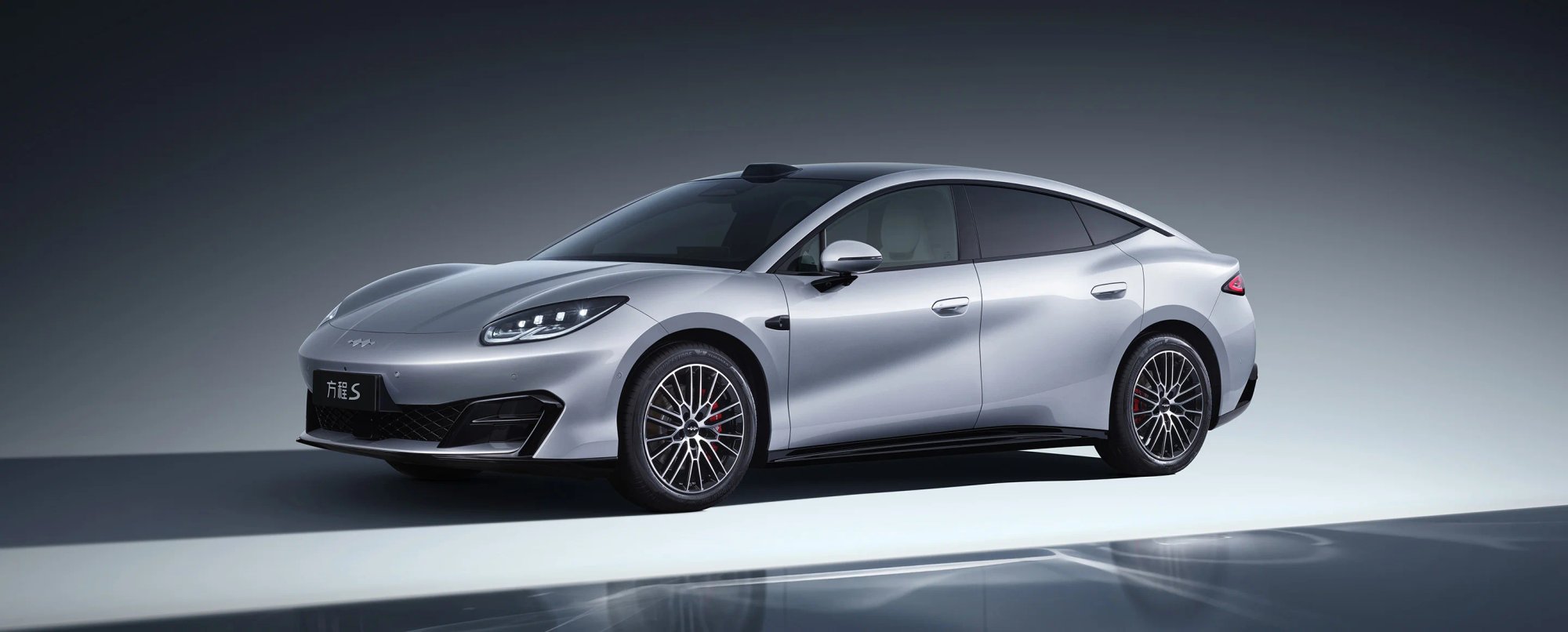
Among 200,000-yuan-class pure electric sedans, every single one right now is bragging about smart driving, bragging about screens, bragging about refrigerators, TVs, and big sofas. But the first to truly stuff million-yuan-class chassis technology into one is the Fangcheng S. We all know Fangcheng Bao is a brand that started with hardcore off-road vehicles, and suddenly building a sedan is not a whim. You have to know that in the same class it has to face strong rivals like the Xiaomi SU7, Tesla Model 3, and Zeekr 007. What exactly does the Fangcheng S rely on to break through?
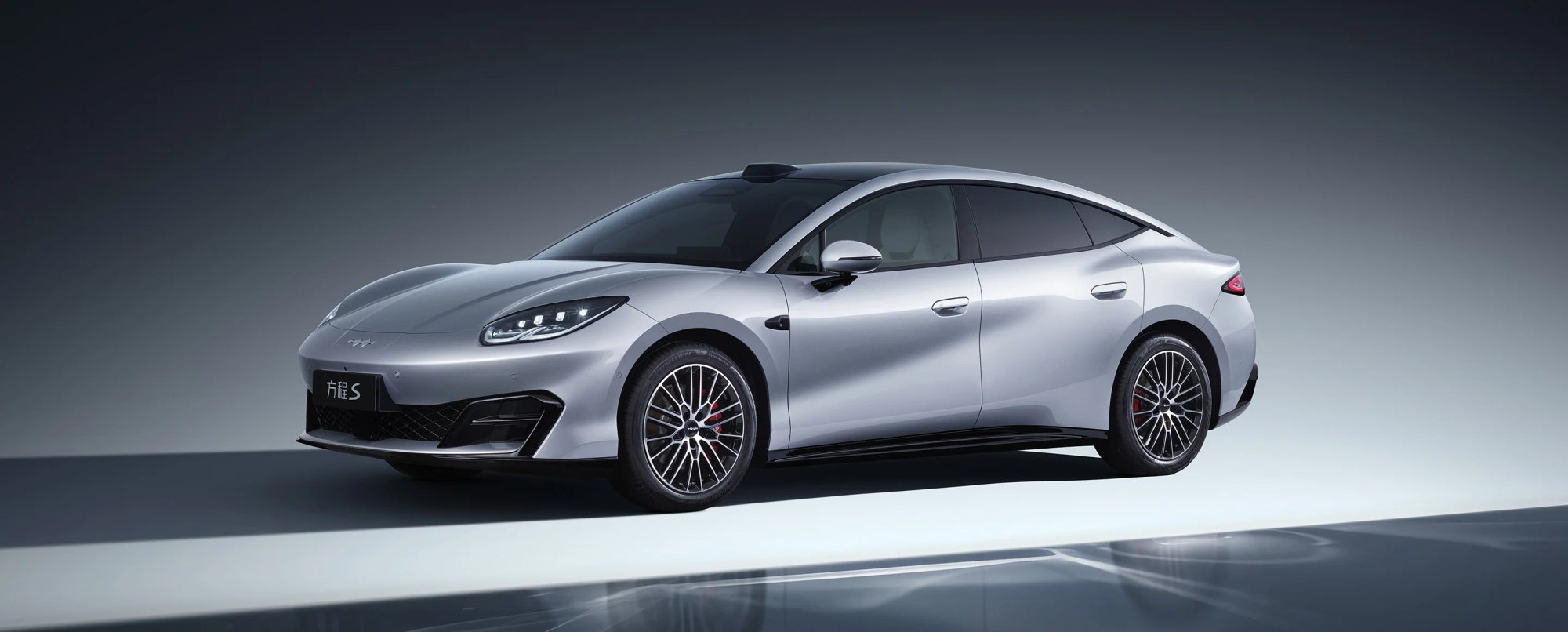
First, look at the price. The Fangcheng S starts at 189,900 yuan, quite a bit cheaper than both the Xiaomi SU7 and Model 3, as if it is playing the value-for-money card. But what Fangcheng Bao is doing this time is technology trickle-down. Yunian-M, the same magnetorheological suspension as million-yuan-class supercars, pulled directly down to the 200,000-yuan level. It is like at the same price, others use mechanical hard drives while you get a solid-state drive.
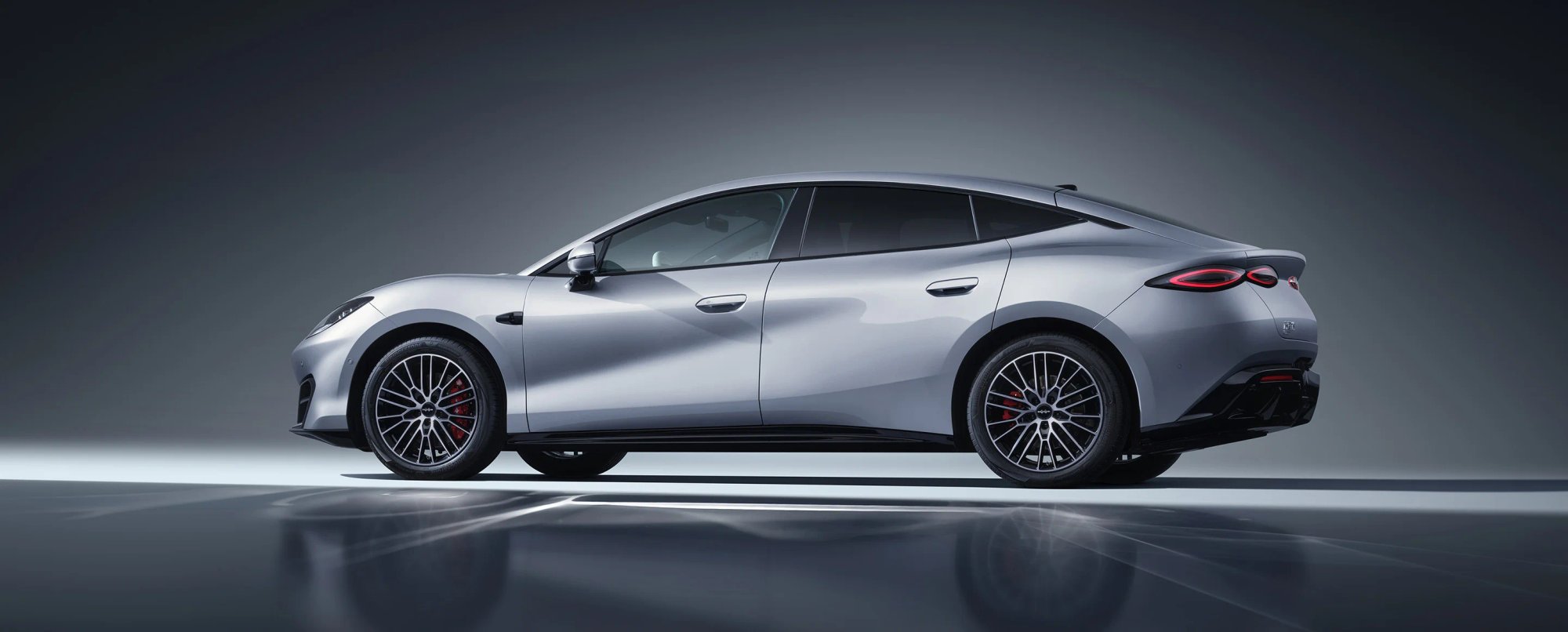
Most so-called "smart suspensions" on the market use CDC, adjusting damping by changing valve opening. What about the Fangcheng S's magnetorheological setup? A response speed of 1 millisecond, adjustment frequency of 1,000 times per second, damping range of 100 to 10,000 N, steplessly adjustable across a hundredfold range. In actual driving, when you go over a speed bump, it does not feel like a "duang," but like a "puff." The body is held up by a force, then gently set down. During high-speed lane changes, the body feels pressed to the ground, with body roll suppressed extremely well. Through continuous curves, the suspension reacts faster than your steering wheel. This is a real physical-level crushing. Yunian-M is not just a shock absorber; it is a complete system. The preview camera sees the curve radius in advance, the chip makes millisecond-level decisions, and damping, electric drive, and braking coordinate as three parties. In plain terms: the car knows how to take the corner before you do.
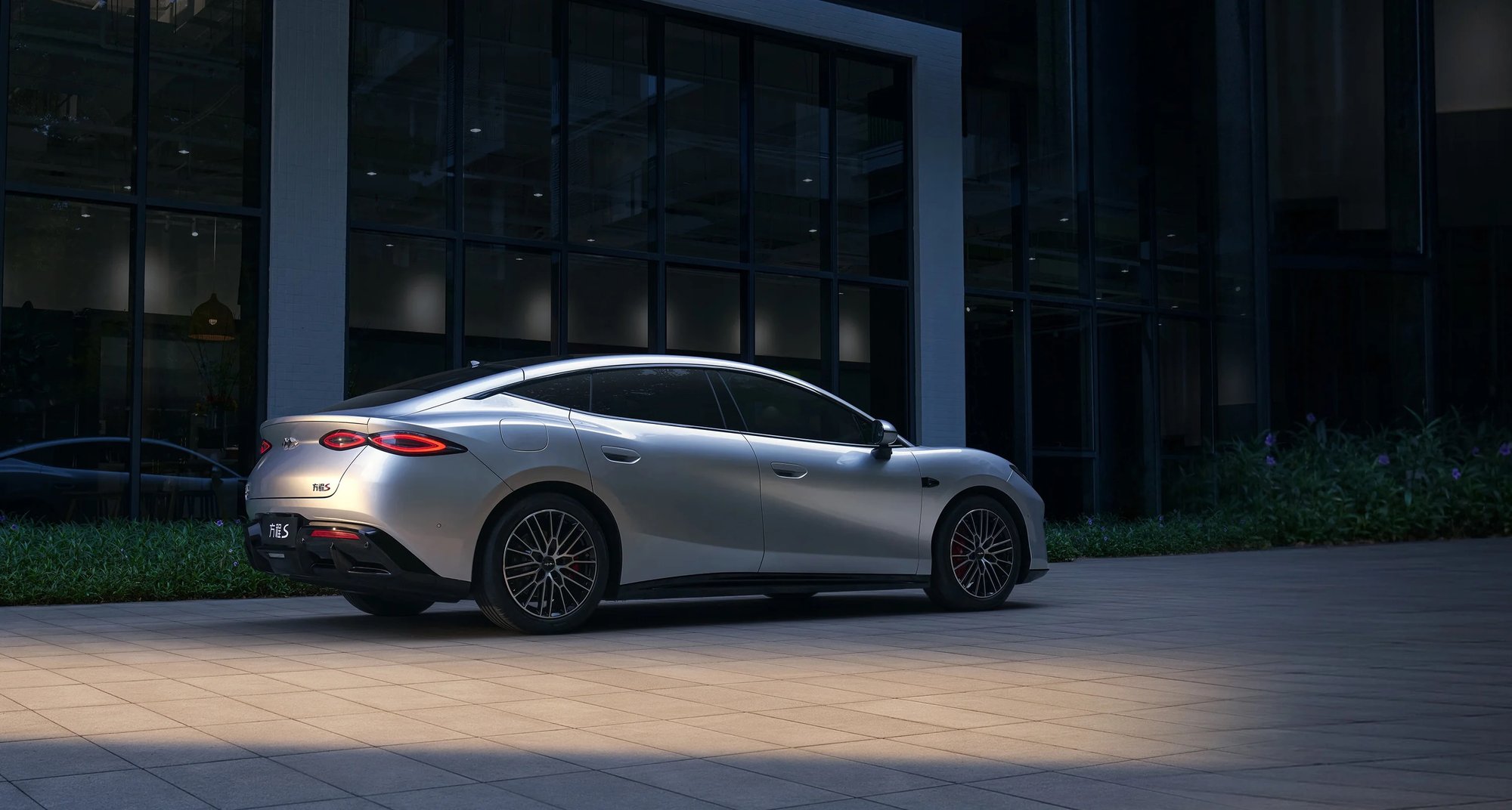
On the power front, the rear-wheel-drive version does 0 to 100 km/h in 5.8 seconds. The all-wheel-drive version does 0 to 100 km/h in 3.6 seconds. The numbers are explosive, but what surprised me more is the rear-wheel-drive version—power delivery is extremely linear, city commuting is silky smooth, highway overtaking is effortless, and it completely lacks that irritable feel of a "performance car." The all-wheel-drive version is a different story. One press of the accelerator and the pushback pins you into the seat. 3.6 seconds is no joke.
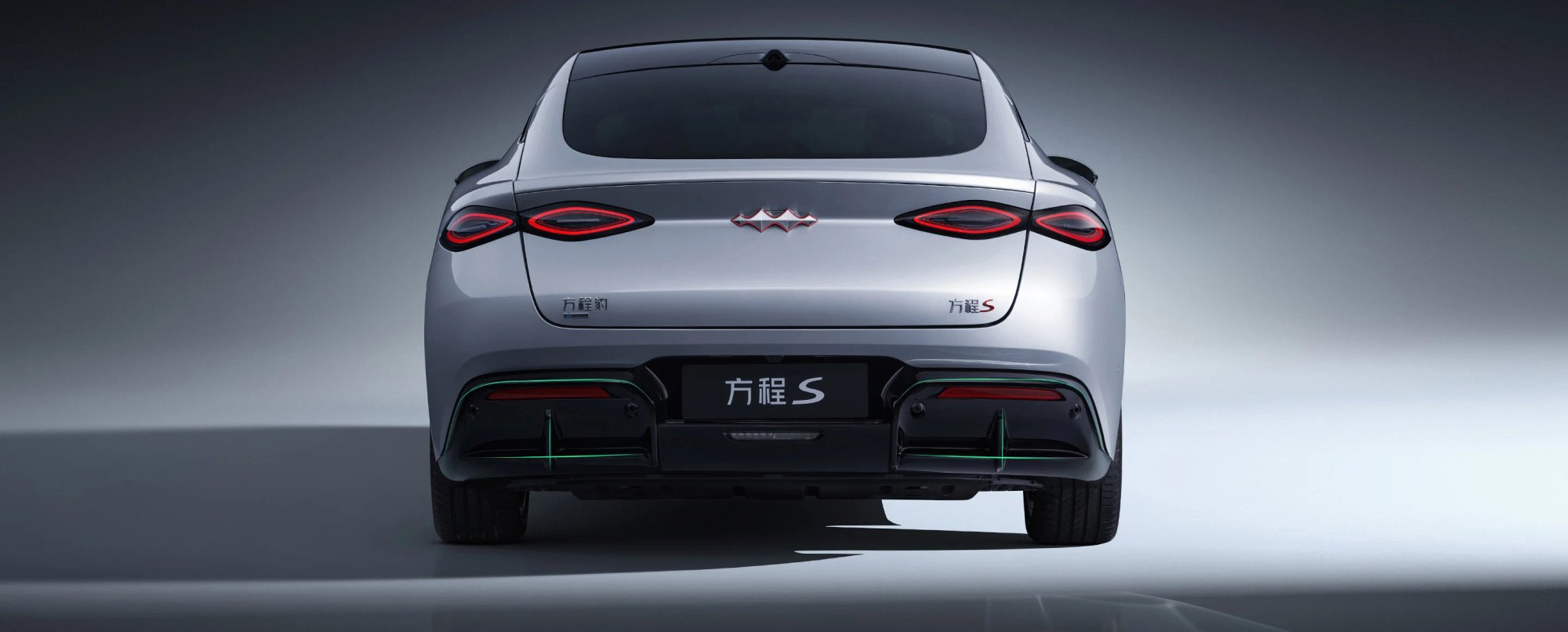
On chassis hardware, there is a front double wishbone and rear five-link setup, plus the same staggered tires as BMW M models—narrower in front and wider in rear. Handling is more stable, and steering is lighter. There is also intelligent coasting torque control iSTC. When coasting on icy roads and the wheels are about to lock up, the motor rapidly adjusts regenerative torque to keep slip rate at the optimal value. On ice, it remains stable and controllable at 90 km/h, and there is also high-speed blowout stable stopping. You may never use this function in your life, but the one time you do, it is the one that saves your life.
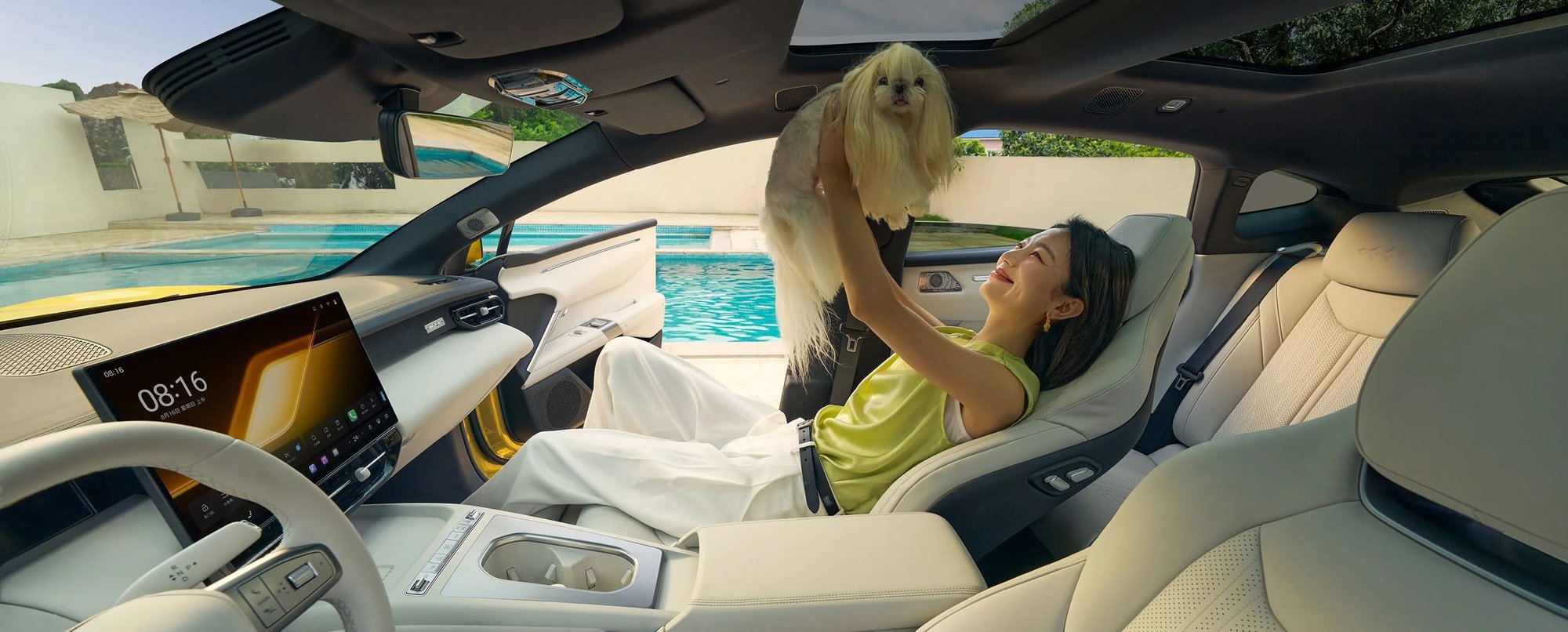
Sitting inside the car, there is a 26-inch AR-HUD, a hexagonal sport steering wheel, a driver's one-piece sport seat with 12-way power adjustment, and a passenger zero-gravity seat with 16-way power adjustment plus a 121° lie-flat mode. A 20-speaker Devialet system, 128-color wraparound ambient lighting, a car refrigerator, and a fragrance system. All five senses are maxed out. Smart Ecosystem 2.0, with three open interfaces: PIN port, magnetic attachment, and threaded mount. The Diva smart dial makes expressions, and the multi-function buttons let you swap keycaps as you like. This idea is very interesting, turning personalization into a lifestyle users can continuously participate in.
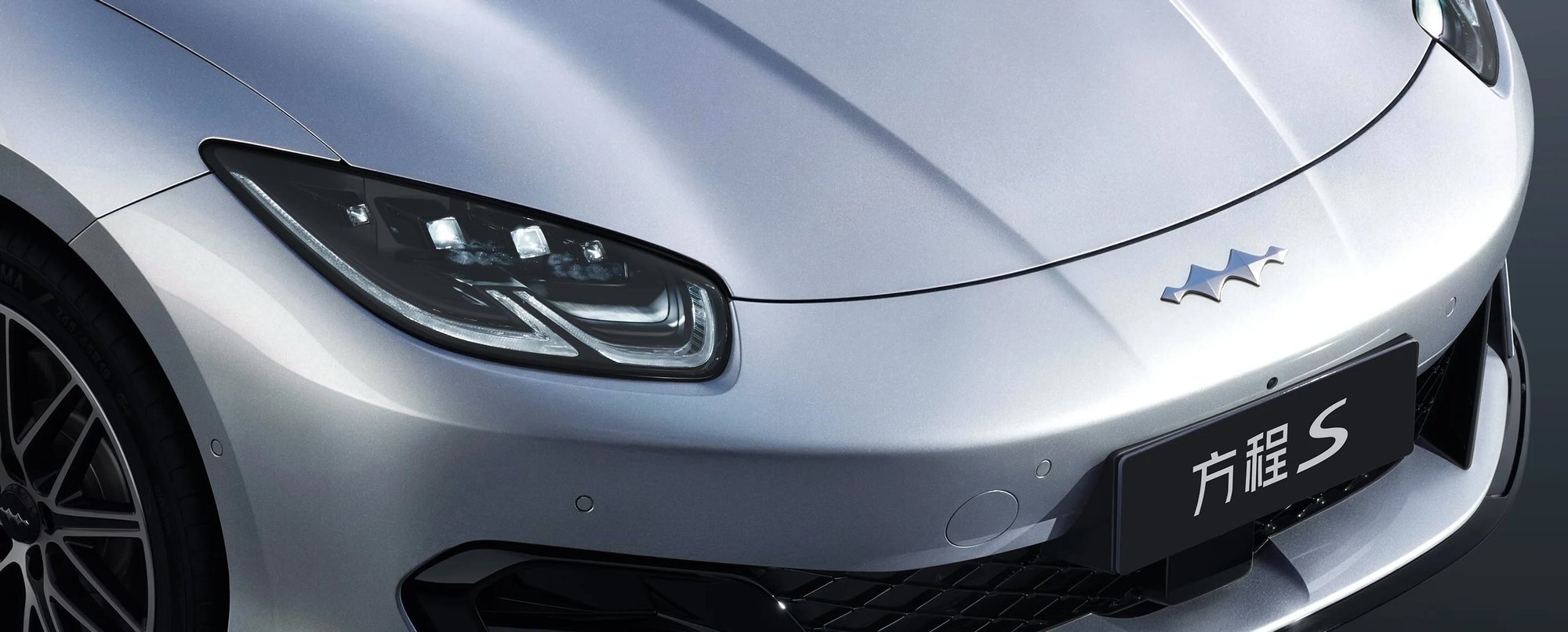
Finally, can the Fangcheng S catch up to the hit myth of the Titan 7? Actually, judging from its product strength, selling well is no problem at all. The data is not really important; the experience matters more. This car's equipment is sincere enough, and it also gives back a long-lost sense of driver-car communication. That is where the value lies. Being comfortable to use and still fun to drive is enough.


