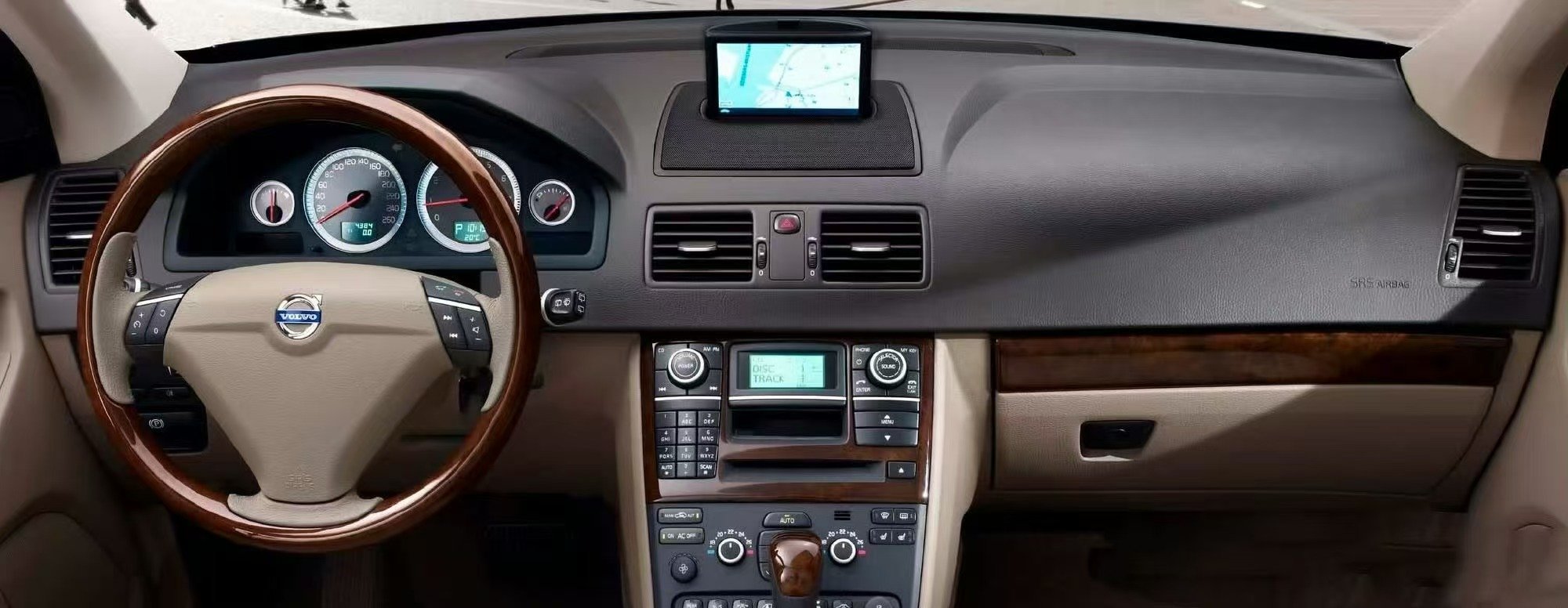
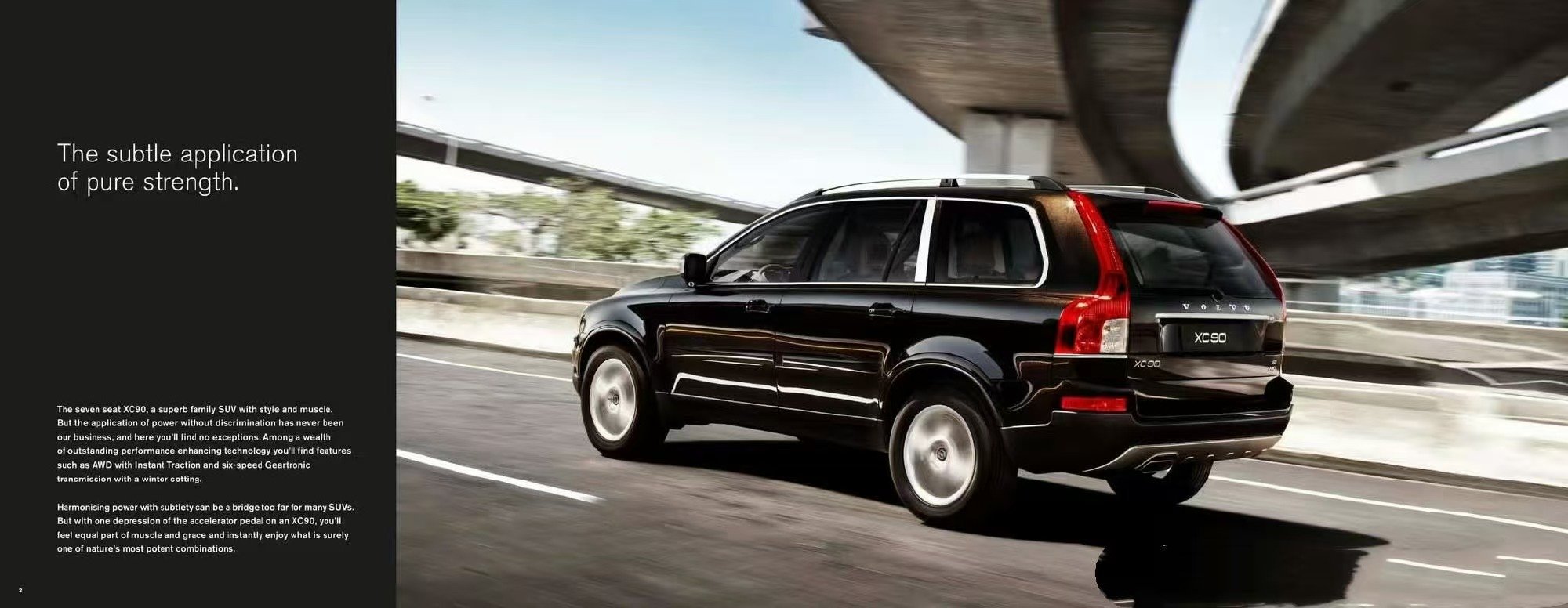
Since its launch in 2002, the Volvo XC90 has occupied an important position in the luxury SUV market. The Volvo XC90 made its debut at the North American International Auto Show in 2002. Built on the Volvo P2 platform, it was Volvo's first SUV model. The material refers to the 2007 XC90, which is a mid-cycle facelift of the first-generation model, showcased at the New York Auto Show in April 2006. Exterior-wise, it adopted a new chrome grille, redesigned taillights, body-colored side moldings, door handles, and mirrors with turn signals. V8 models also came with standard brushed aluminum roof rails and new 18-inch alloy wheels. Inside, the center console was upgraded with a new display screen and aluminum-effect trim, and an auxiliary jack was added to all audio systems. In terms of powertrain, the 2006 model's 2.5-liter five-cylinder turbocharged engine was replaced by a new 3.2-liter naturally aspirated inline-six engine, which together with the 4.4-liter V8 engine formed the powertrain lineup, both matched to a six-speed automatic transmission. From consumer reviews, the 2007 XC90 received high praise for comfort, interior, and performance. Many owners consider it a reliable and comfortable model suitable for family use. The 2007 XC90 further consolidated Volvo's position in the mid-to-large luxury SUV market, and its performance in safety, comfort, and design established a good reputation for the Volvo brand in this segment. At the same time, the model introduced advanced technologies such as Blind Spot Information System (BLIS) and adaptive xenon headlights, which were later gradually applied more widely across other Volvo models and the entire automotive industry. At the same time, Volvo Super Topic the XC90 Sport model launched in 2007 laid the foundation for the later R-Design series models, expanded the XC90 product line, and met the needs of different consumers for sporty-styled vehicles.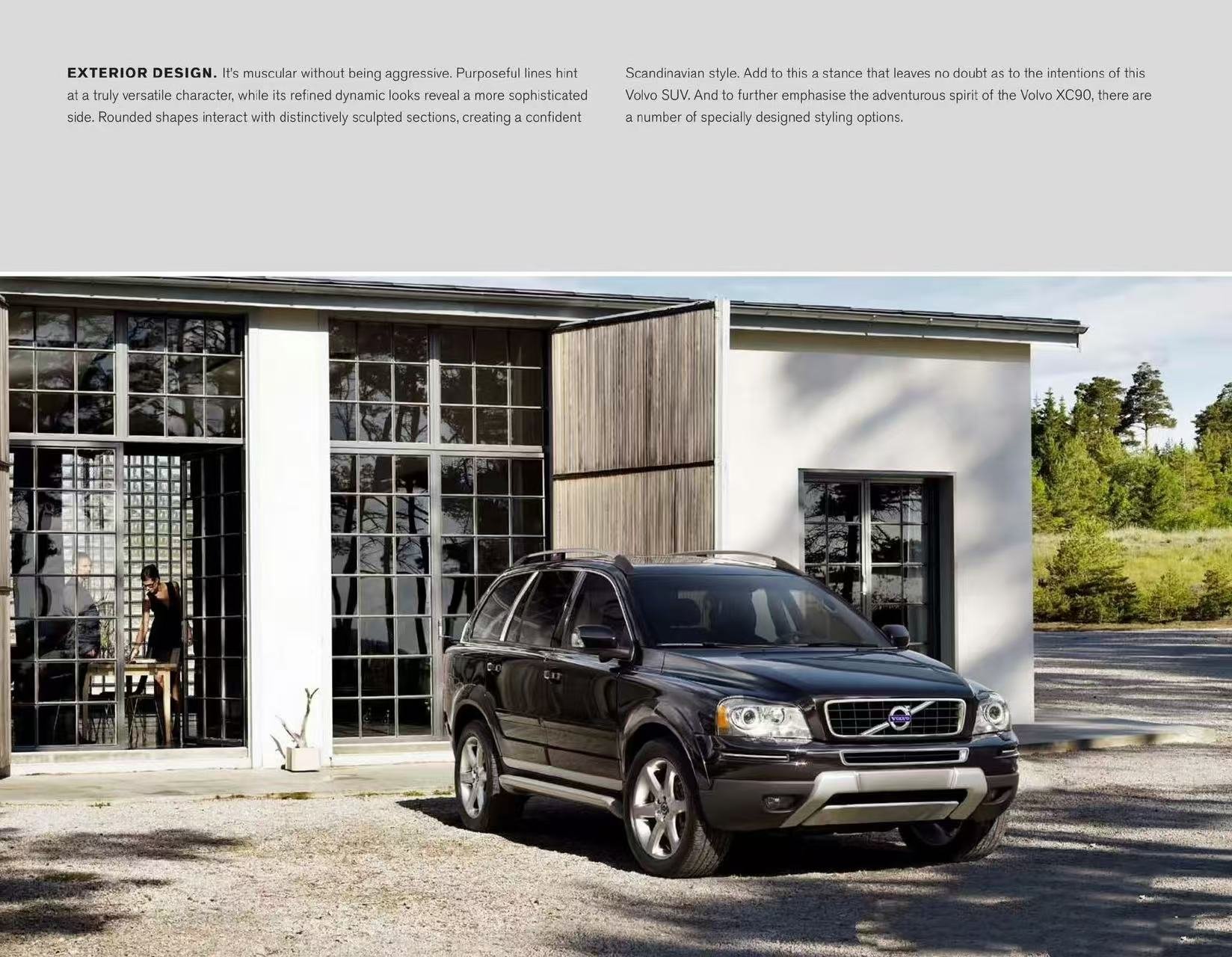
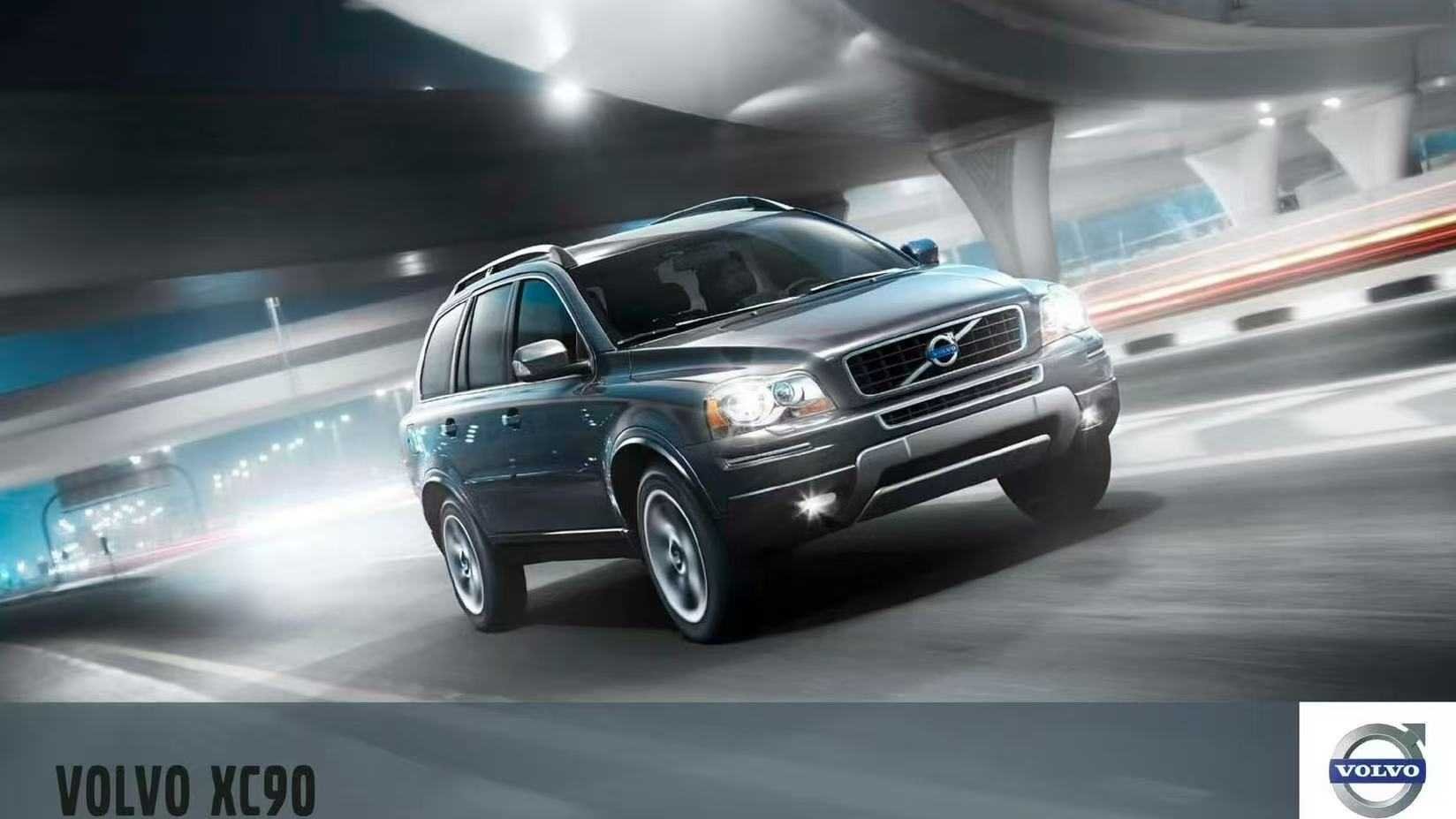
Volvo XC90 since its launch in 2002
Related Stories

funnytechnology
Shenzhen Takes Off, China's Denza Soars! APEC Official Designated Vehicle First Batch Delivery Ceremony Grandly Held

ZXKC20200214
Geely Auto Appears at 2026 Sustainable Global Leaders Conference, Empowering Sustainable Development with Technological Innovation

StarCoreLabs
Hybrid sedans under 150,000 yuan: Seal 06, Volkswagen ERA 5S, MG 07 PHEV — how to choose?