Not long ago, another batch of JAC Hunter PHEVs was delivered to the Sichuan State Grid and immediately dispatched to production and operation frontlines across various cities and prefectures. This is already the second bulk delivery of Hunter PHEVs into Sichuan within the year, with nearly 200 units delivered to Sichuan State Grid alone this year. As a model that has long been deeply cultivated in the industry market, JAC Hunter has seen over 400 Hunter pickups delivered to State Grid systems across the country this year, undertaking line inspection, equipment maintenance, and disaster emergency response tasks, fully guaranteeing peak power supply. At a time when the penetration rate of new energy pickups remains low, such repeated "additional purchases" by industry users clearly go beyond simple vehicle procurement—it is a revolution in efficiency for "production tools."
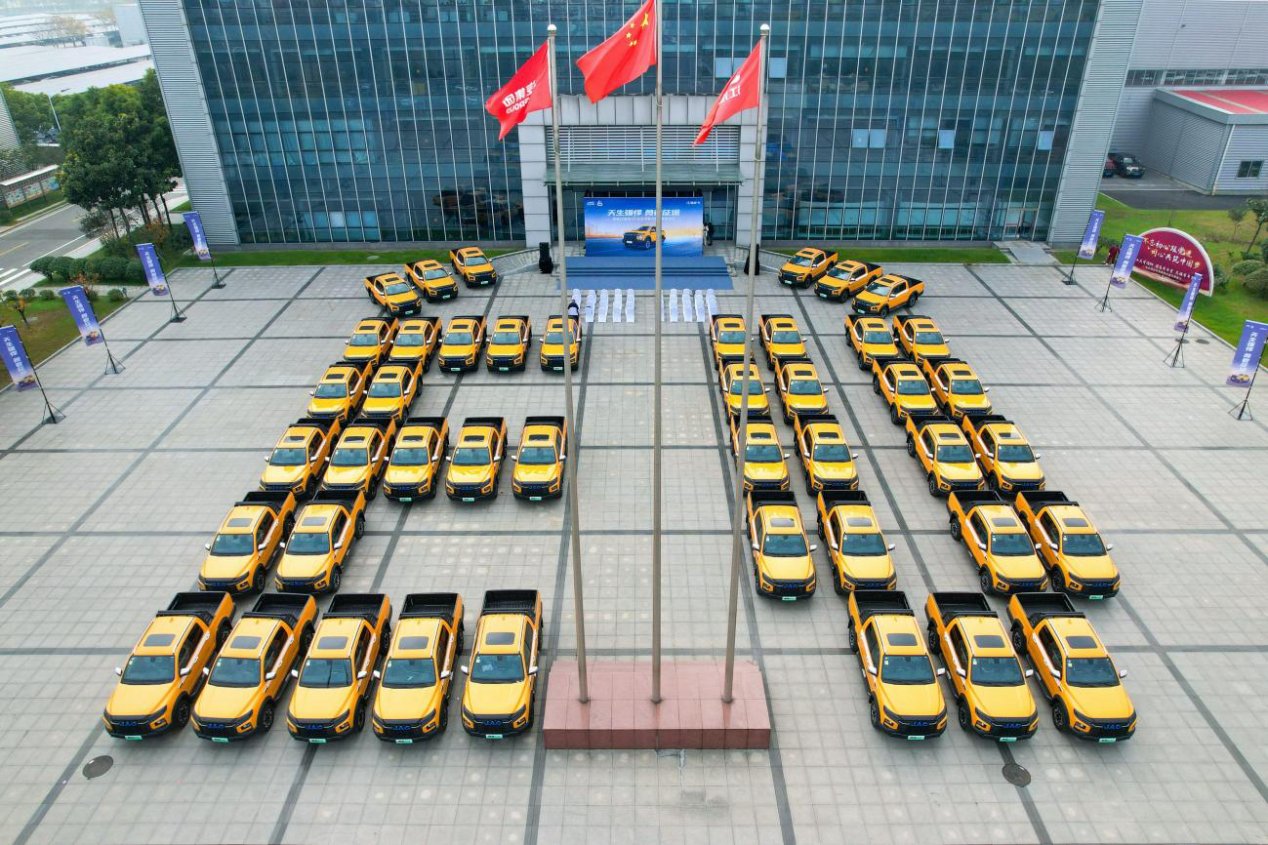
Industry users need reliability and a clear return on investment
Sichuan's terrain is complex, with mountains and hills interlocking, and unpaved mountain roads, steep slopes with sharp turns, and muddy shallows everywhere. For industry users in power inspection, engineering emergency repair, and communications maintenance, the vehicle is a mobile workstation. Traditional fuel pickups have sufficient power but high fuel consumption, pure electric pickups save money but suffer from range anxiety, and ordinary hybrid models often "reveal their true colors" in depleted-charge states. What industry users need is a new energy pickup that can deliver stable output around the clock and under all operating conditions, with controllable long-term usage costs.
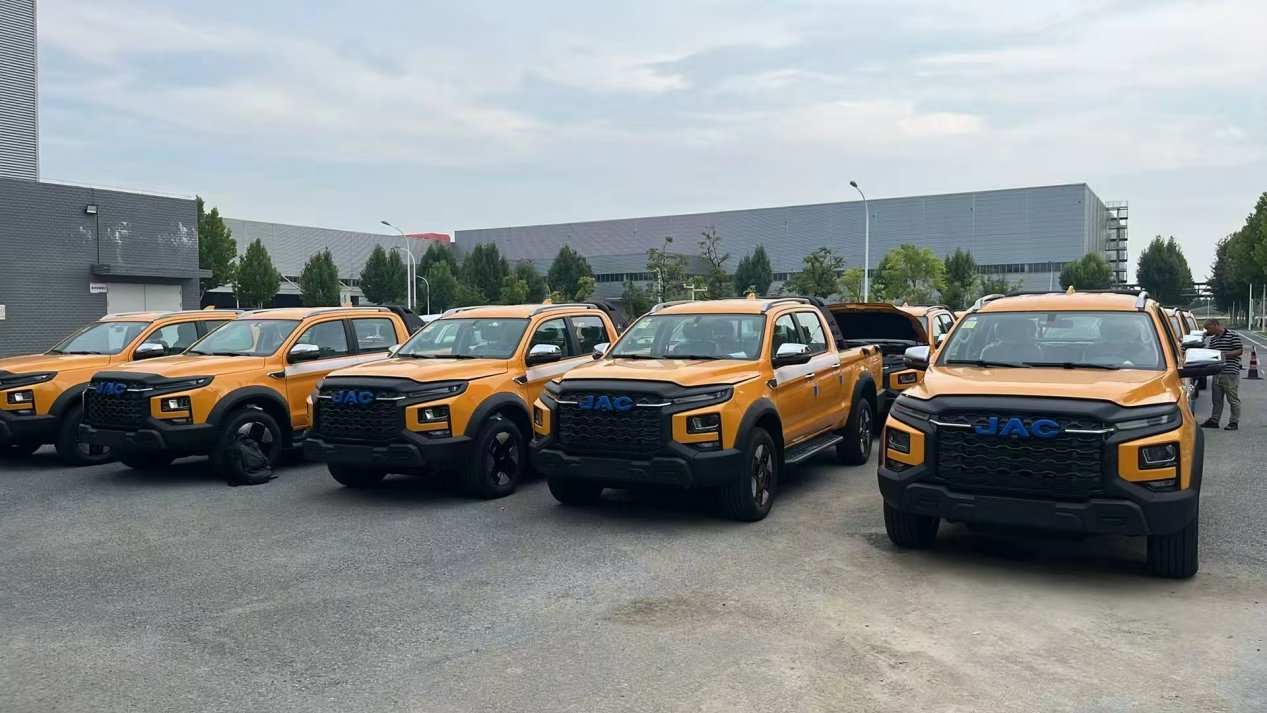
This is precisely where the Hunter PHEV finds its entry point. It does not treat "new energy" as a gimmick, but instead uses the H-Power super electric hybrid architecture to make "fuel-or-electric" a truly deployable productivity tool.
From heavy-load mountain roads to field recharging, both needs and pain points are addressed
On the complex operating road conditions typified by the mountainous areas of southwestern China, payload and performance are hard requirements. The Hunter PHEV is equipped with the industry's first 4DHT decoupled electric hybrid system, with system peak torque reaching 1000N·m, maximum horsepower exceeding 520 hp, and 0-100 km/h acceleration in just 5.9 seconds. Crucially, even in a depleted-charge state, relying on the 2.0TGDI hybrid engine for direct drive, power does not degrade. This means that climbing steep slopes fully loaded with emergency repair materials and getting out of muddy roads can both be handled with ease. Combined with 100% extreme climbing capability, intelligent electric four-wheel drive and intelligent three-lock system, as well as a tank-turn function with a turning radius of only 3.7 meters, it can maneuver flexibly even on narrow mountain roads and village lanes.
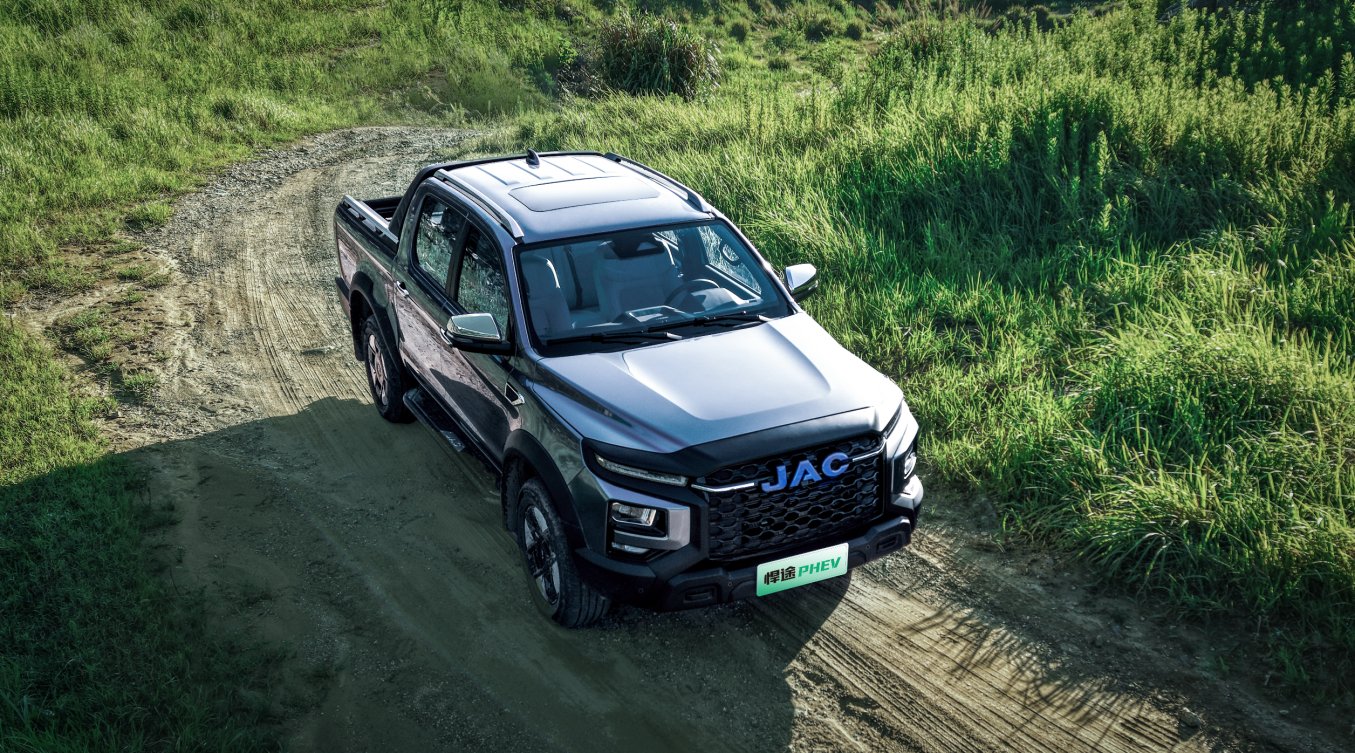
Range and cost are another account that industry users must settle clearly. The Hunter PHEV's comprehensive range exceeds 1000 km, eliminating the need for frequent recharging on long-distance cross-city and cross-county operations; pure electric range exceeds 100 km, with daily short-distance inspection costs at only about 0.1 yuan per kilometer. Fuel consumption in depleted-charge state is as low as 8.1L/100km, and with 30-minute fast charging, efficient recharging is possible even in remote operating areas. For industry customers with high-frequency vehicle use, this "fuel-or-electric" combination saves real operating profit.
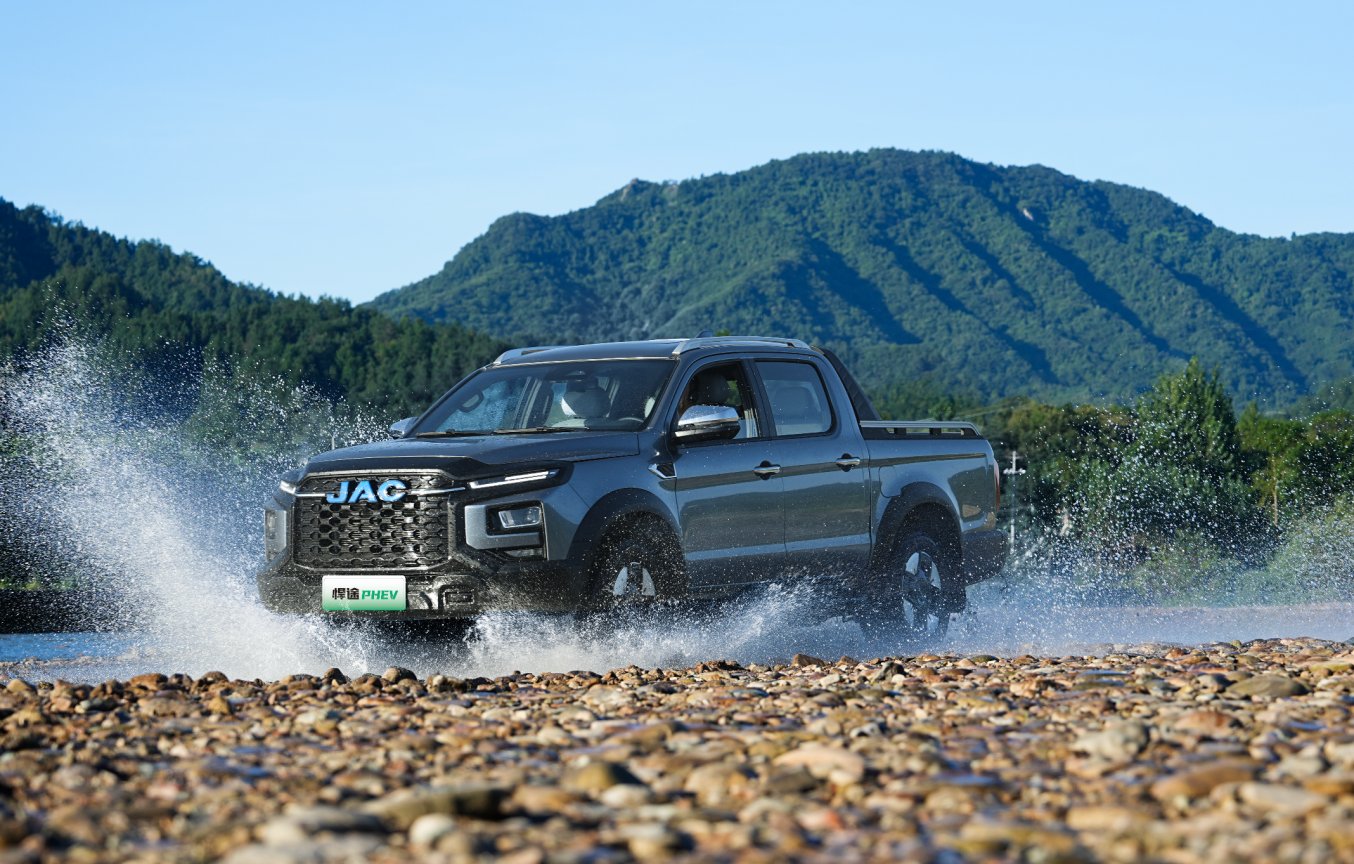
What truly makes industry users "never want to go back once they've used it" is the scenario adaptation in the details. A 3.5-ton towing capacity and ample cargo bed space easily carry repair tools and operational supplies; standard 3.3kW external discharge, expandable up to 15kW, with 9 power interfaces throughout the vehicle, turn the vehicle into a "mobile power station," making it possible to power electric saws, electric drills, and drone battery charging at any time. The Tiantong satellite phone function further provides a safety backstop in remote mountain areas without signal coverage.
Product essence: a two-way convergence of rugged DNA and electric hybrid technology
The toughness of the Hunter PHEV is not a pile of specifications. The body-on-frame chassis and Hunter Shield chassis endow it with the durability that a pickup should have, while the H-Power architecture gives this ruggedness a smarter expression. Intelligent switching among four modes—pure electric, extended range, direct drive, and combined oil-electric drive—keeps the engine and front and rear motors always operating in the most efficient range. This logic of "electricity-led, intelligent drive" retains the pickup's tool attributes while filling the gaps of traditional fuel pickups in energy consumption, quietness, and power-use convenience.
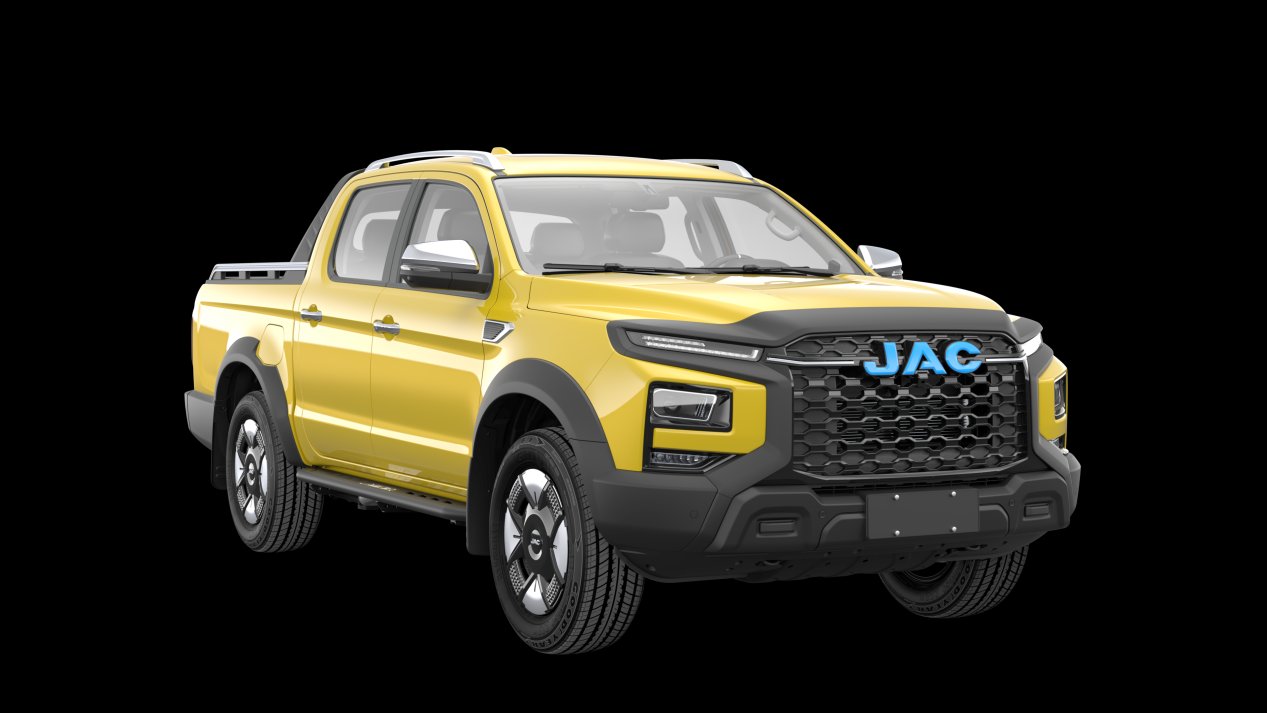
It is worth mentioning that JAC Hunter has long accumulated experience in the industry market. Previously, hundreds of Hunter EVs were delivered to power grid systems across various regions, and this year the Hunter PHEV has successively won bulk orders. From power grids to broader industry users, the Hunter PHEV is using the same product logic to respond to common needs across different scenarios: reliable, efficient, low-cost, and full-scenario.
Conclusion
The repeated choices of industry users are a two-way convergence based on scenarios and value, and also a validation of product stability and performance reliability. It shows that when a new energy pickup truly understands the needs of industry users and provides a "one-step" solution with hardcore technology, the market will give the most direct feedback. From the mountains of southwestern China to thousands of industries, the Hunter PHEV is consolidating its position as a value benchmark for pickups—as the "world's first thousand-torque electric hybrid pickup"—not through slogans, but through every trip, every recovery from trouble, and every cost saved.


