What can 100,000 yuan buy? Two years ago, that was a price point at which a self-owned brand couldn't even afford to install a single lidar. Now, Volkswagen has put a pure electric car with urban NOA on sale for 99,900 yuan.
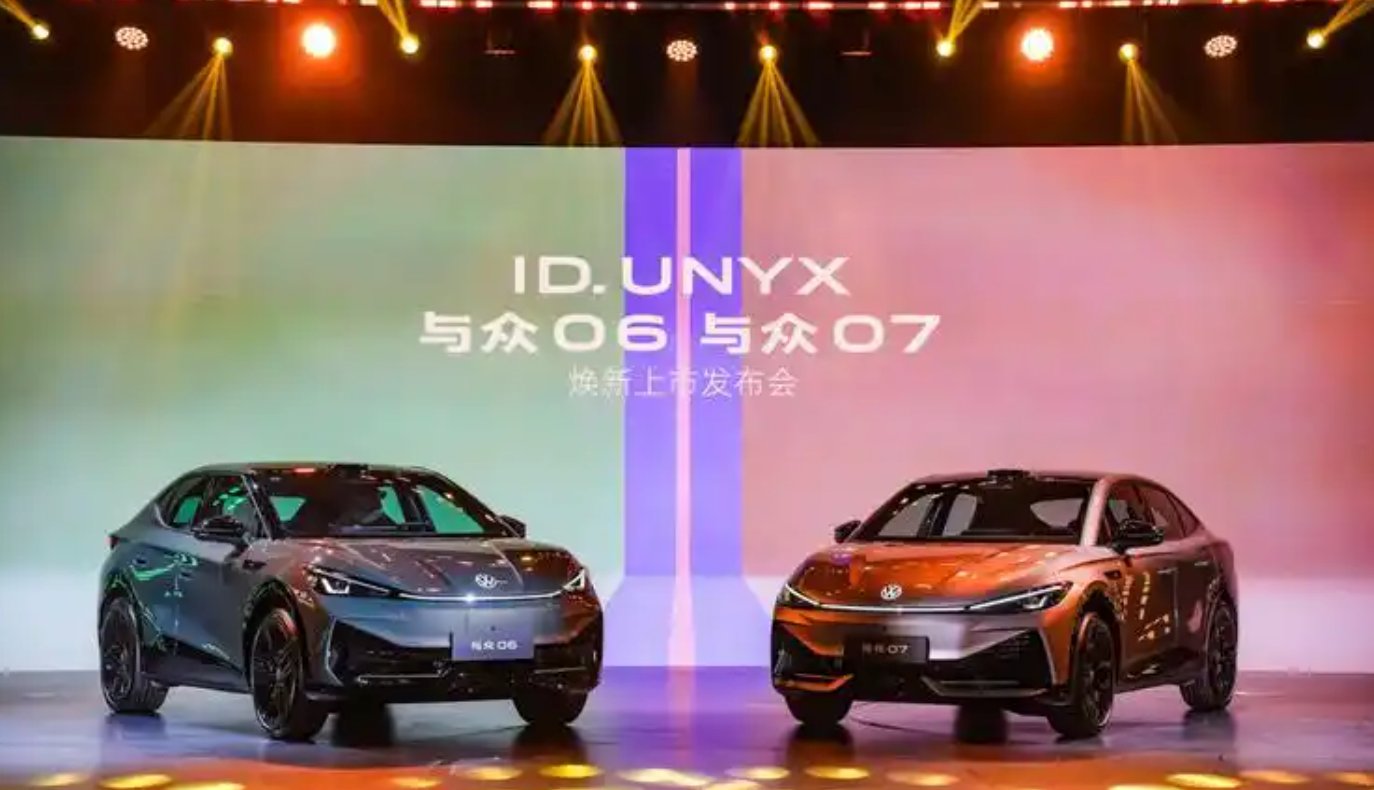
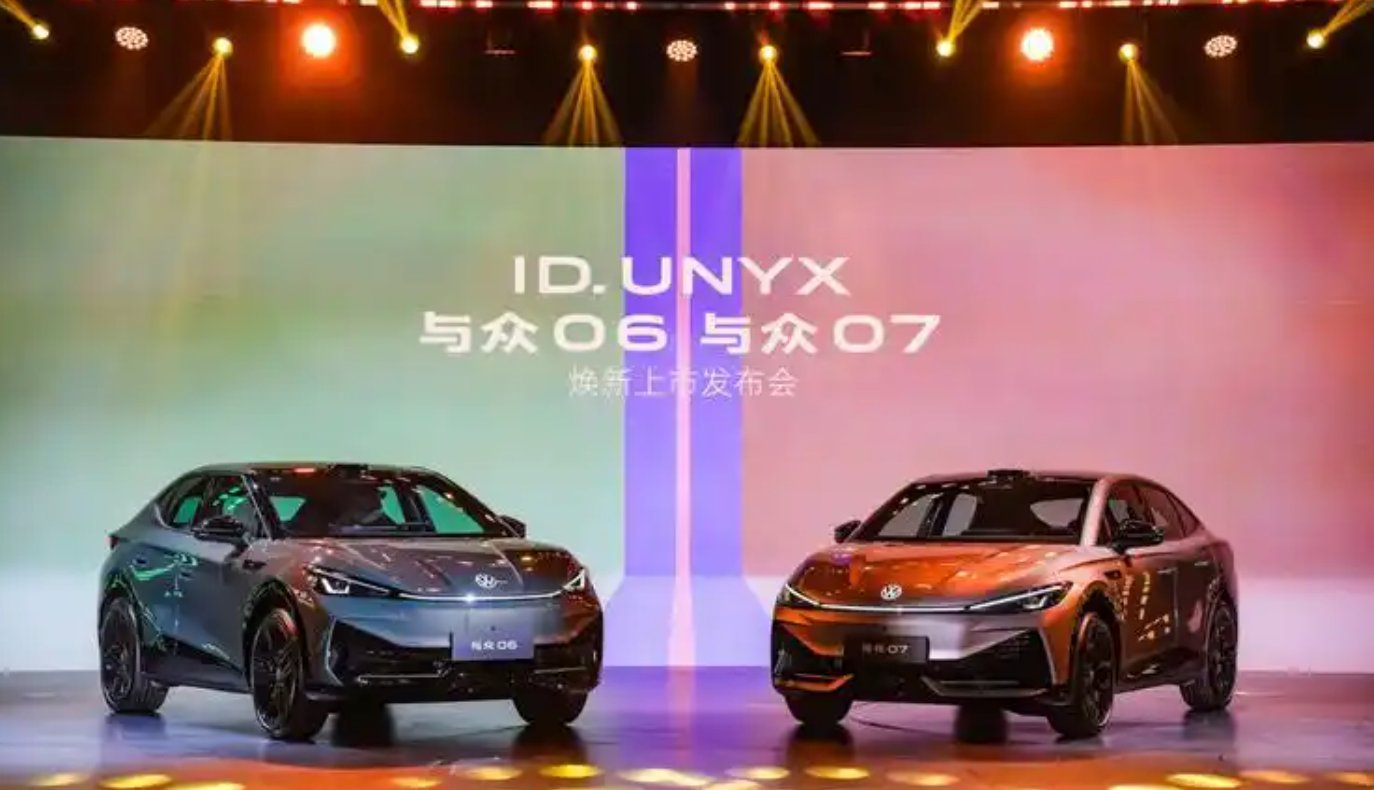
On October 17, Volkswagen Anhui refreshed and launched two new models, the ID. UNYX 06 and ID. UNYX 07. On the surface, this is a routine model update, but in my view, it is more like a "bowing of the head" in Volkswagen's electrification strategy in China—and a necessary bow that has come far too late.
1. Starting at 99,900 yuan: Volkswagen is finally willing to bend down
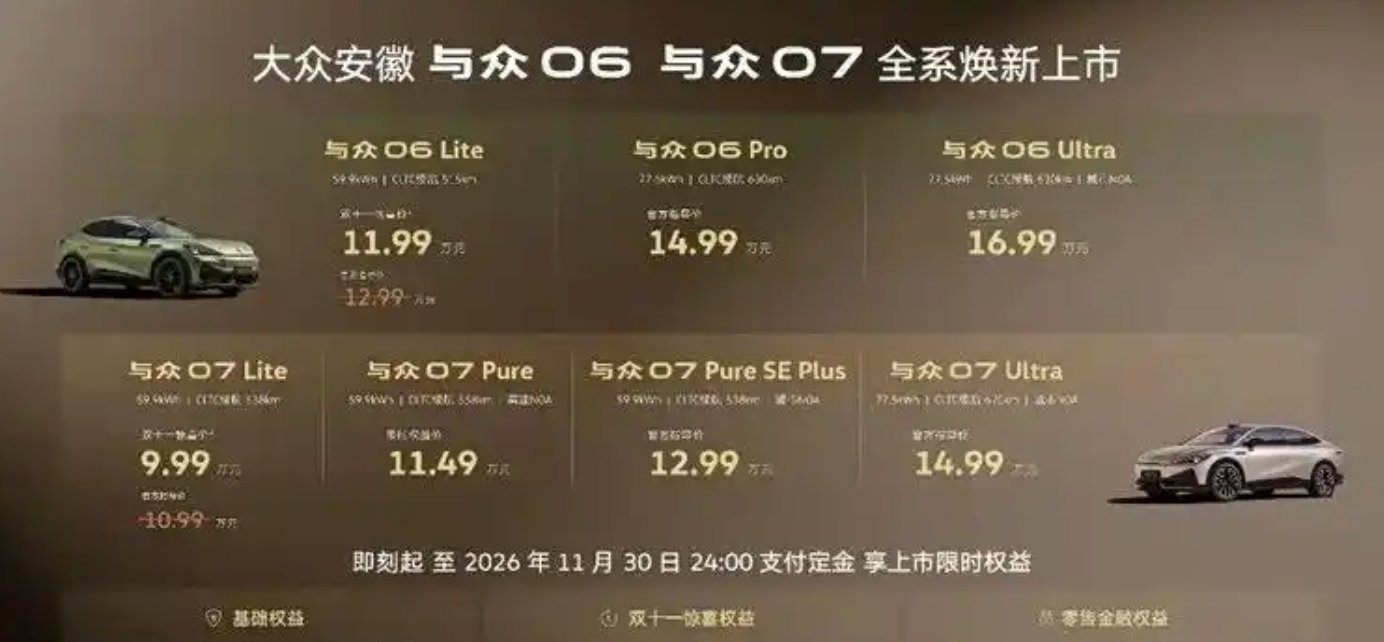
First, the most explosive information point: the ID. UNYX 07 Lite starts at 99,900 yuan, and the ID. UNYX 06 starts at 119,900 yuan. What does this mean? It is the first time in the history of Volkswagen's pure electric products that they have entered below 100,000 yuan, and it also marks that Volkswagen's electrified products have officially bid farewell to the old era of "only playing above 150,000 yuan."
Frankly speaking, Volkswagen's arrogance in the pure electric market has come at a cost. The previous failure of the ID. series already proved that carrying the VW badge does not mean Chinese consumers are willing to pay a premium above 150,000 yuan for "oil-to-electric" conversions. This time, the ID. UNYX duo directly cuts the threshold to the 100,000 yuan range, and the thoroughness of the posture shift exceeds expectations.
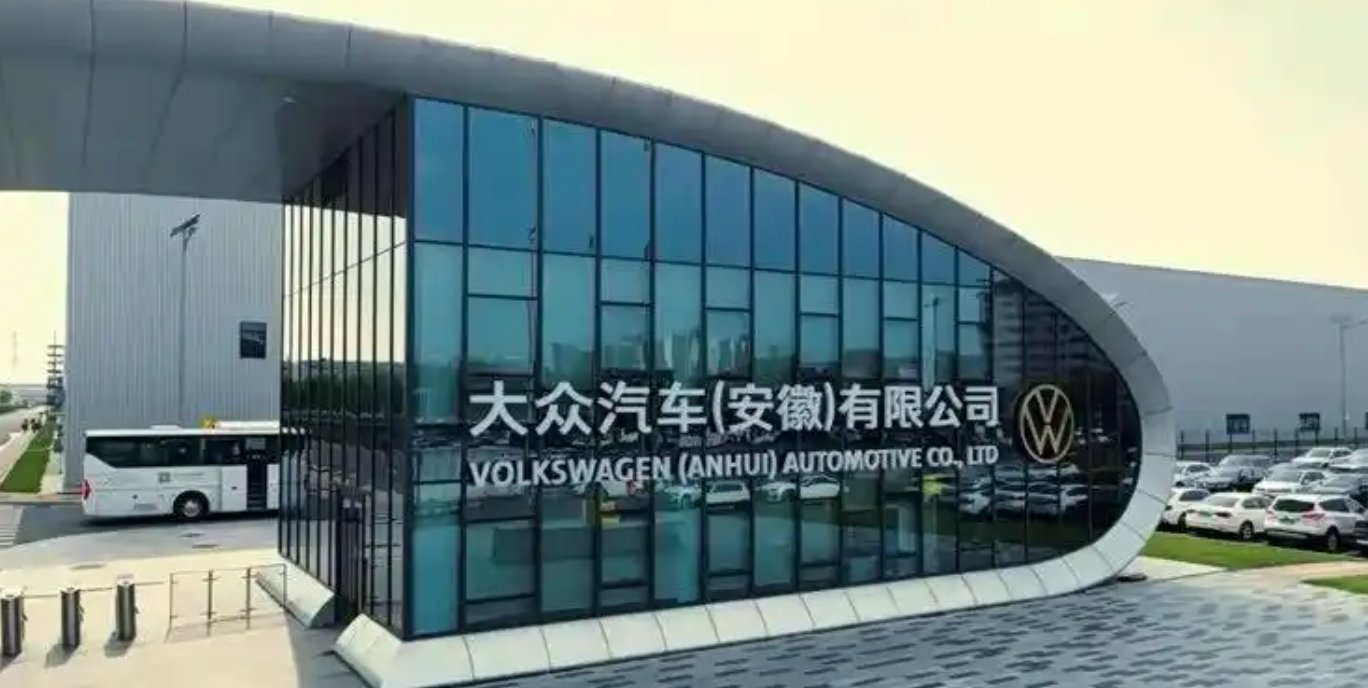
The confidence behind Volkswagen daring to price this way is actually hidden in production capacity—by August this year, Volkswagen Anhui's 100,000th complete vehicle had rolled off the line. Once scale arrives, costs are diluted, and only then is there room for prices to move lower. This is the beginning of a positive cycle, not a desperate all-in gamble of losing money to gain attention.
2. The real killer move: lidar is not a gimmick
Price is only the敲门砖—the door knocker. What truly made me sit up and take notice is this intelligent driving configuration.
The newly added version is equipped with the Horizon Journey 6H chip, with 420TOPS of computing power, paired with a 192-line lidar, directly enabling urban NOA navigation assistance. Note that this is not something like highway NOA that "everyone has," but urban navigation covering the full scenario from parking space to parking space.
Let me say something that may offend peers: within 150,000 yuan, offering a 192-line lidar plus full urban NOA, there is currently almost no rival at the same price point. Many self-owned competitors' lidar-equipped models are still priced above 160,000 or 170,000 yuan, or even simply make do with a pure vision solution. As a joint venture, Volkswagen has instead achieved "leapfrogging" in this configuration dimension—this would have been unimaginable a year ago.
Together with a 77.5kWh large battery, the ID. UNYX 06 and ID. UNYX 07 achieve CLTC ranges of 630km and 670km respectively. Large battery + long range + high-level intelligent driving—this combination punch in the 100,000-170,000 yuan range does indeed look solid on paper in terms of competitiveness.
3. The foundation is still Volkswagen's old specialty
Lidar is the new story, but Volkswagen's moat remains those "old-school" things: high-strength steel accounting for over 80%, batteries passing 436 full-scenario safety tests, and 3.5 million kilometers of durability verification for the complete vehicle.
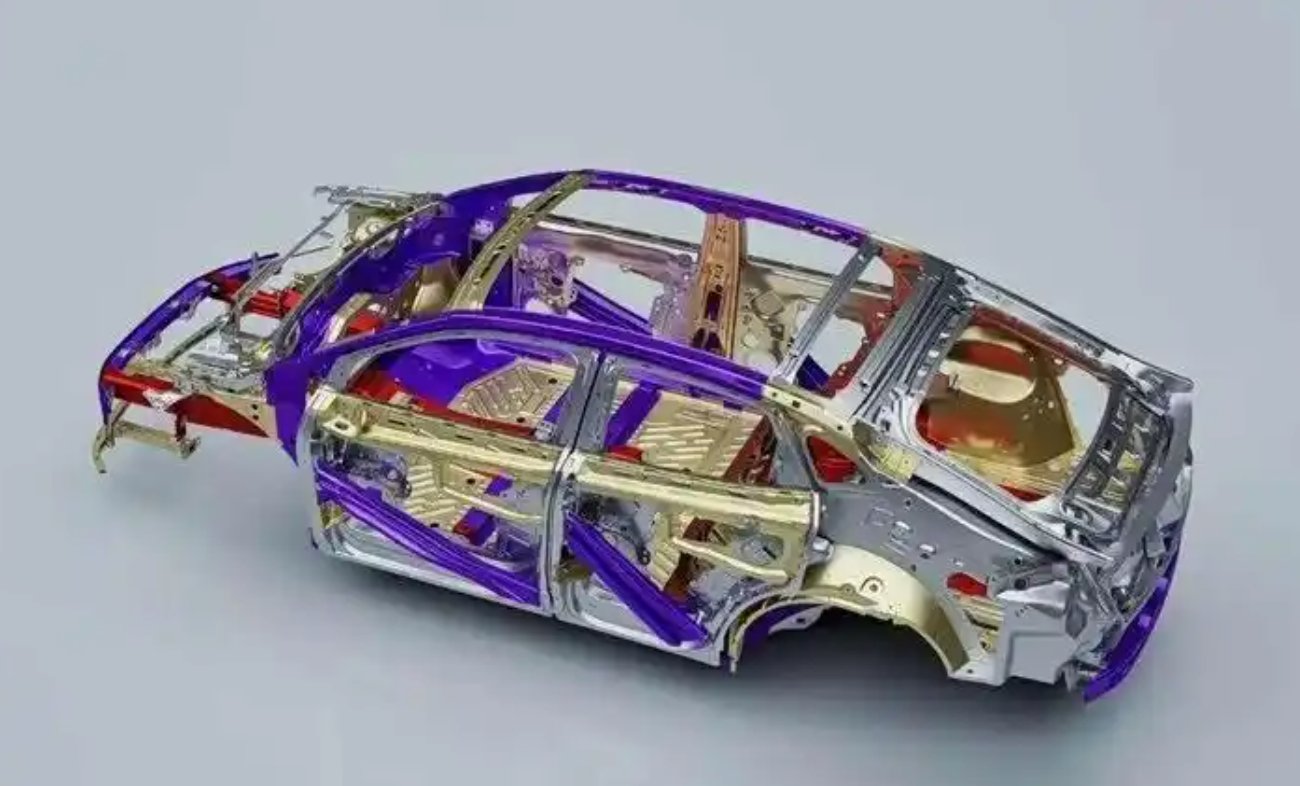
To be honest, these parameters will never be as eye-catching as the word "intelligent" at a launch event, but after three to five years of real-world use, what users care about is precisely this "invisible solidity." German-quality endorsement + globally unified verification standards—this is one of the few differentiated weapons Volkswagen has when facing the price war from self-owned brands.
4. The shortcomings are equally obvious—don't let enthusiasm go to your head
As a media person with many years in the industry, pouring cold water is also part of the job. The problems of the ID. UNYX duo are equally clear:
First, channels are a hard flaw. Volkswagen Anhui's stores are still concentrated in first- and second-tier cities, with a network scale of 200 outlets, completely incomparable to the downward-reaching networks of mainstream self-owned brands. Consumers in third- and fourth-tier cities "can see it but can't buy it," and no matter how low the price is, it cannot be converted into sales.
Second, cockpit localization remains a weak point. VW OS 1.3 and the large-model voice assistant can be considered to have caught up, but in terms of application ecosystem and the richness of local functions, compared with self-owned brands that have deeply cultivated the domestic market, there is still a generational gap.
Third, brand perception is misaligned. Many consumers still cannot tell the difference between Volkswagen Anhui's products and the ID. series from FAW-Volkswagen/SAIC Volkswagen. If awareness is not established, no matter how strong the product is, it will be discounted.
5. This shot is actually aimed at everyone
The entry of the ID. UNYX duo impacts more than just a particular competitor. The 100,000 yuan-class pure electric market has always been the bloodiest red ocean of price competition. Volkswagen entering with intelligent driving and quality is equivalent to forcing all opponents to accelerate configuration upgrades.
The signal most worth noting here for self-owned brands is: joint venture brands are rapidly localizing, and they have learned the playbook of self-owned brands—using configurations to trade for market, and using scale to trade for cost. More joint ventures will follow this strategy in the future.
But conversely, the response path for self-owned brands is also clear: brands like Jetour can still hold their own users through scenario differentiation such as "travel+," their basic盘 in lower-tier channels, and exclusive attributes such as outdoor power discharge/light off-roading. Joint ventures moving downward does not mean self-owned brands retreating; the key is whose long board is longer.
Written at the end
The refresh of the ID. UNYX 06/07 is the most "Sinicized" product decision since Volkswagen entered China: the price is ruthless enough, the configuration is competitive enough, the range is long enough, and the quality is stable enough. The shortcomings lie in channels and brand awareness, and these are exactly the lessons that take time and money to make up.
The threshold of the 100,000 yuan-class pure electric market has been raised another notch by this model update. For consumers, this is a good thing; for peers, it means the good days are truly over—even Volkswagen has started flipping the table, so who can still sit and eat?


