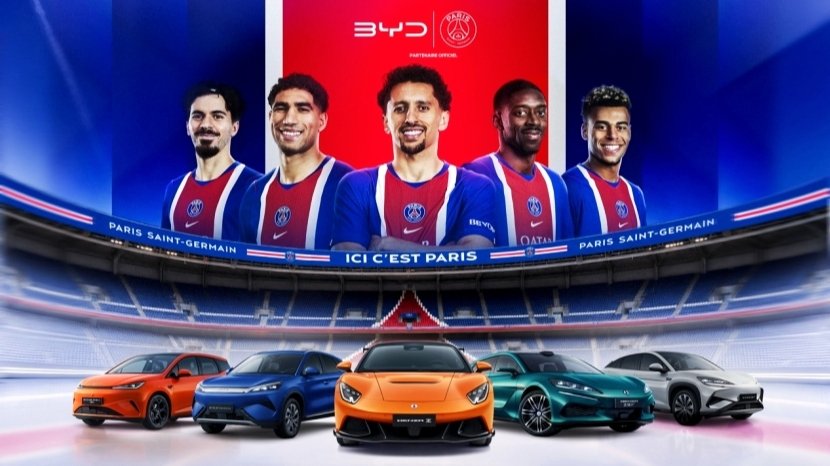
Soon, the entrance to Paris Saint-Germain Football Club's (PSG) locker room will be filled with Denza pure electric vehicles. Why? Recently, BYD signed a long-term contract with this powerhouse club, with the partnership running until June 2029. In the view of Zhidianchexun, this is not a simple strategic cooperation, but a "tactical push forward" by a Chinese new energy giant into the heart of Europe.
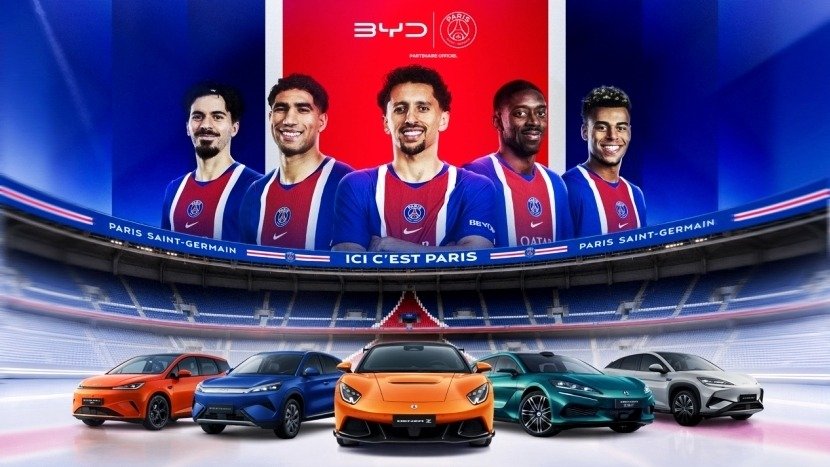
Imagine the Parc des Princes emptying out on a weekend, with tens of thousands of fans pouring toward the metro and parking lots. Over the next three seasons, BYD will likely give some lucky fans a ride home in a Denza dedicated vehicle. That quiet, comfortable post-match mobility space is more memorable than any advertisement. After all, who wouldn't want to climb into a serene electric car and keep celebrating after their team wins?
BYD already has a full matrix of pure electric and hybrid vehicles in Europe, and this cooperation is equivalent to showing off a "dribble past defenders" in the French market. Retail outlets are accelerating expansion, and combined with PSG's global fan base, every home match feels like a giant test-drive invitation. Football has become the most vivid brand language, turning technical specifications into emotional resonance in the stands.
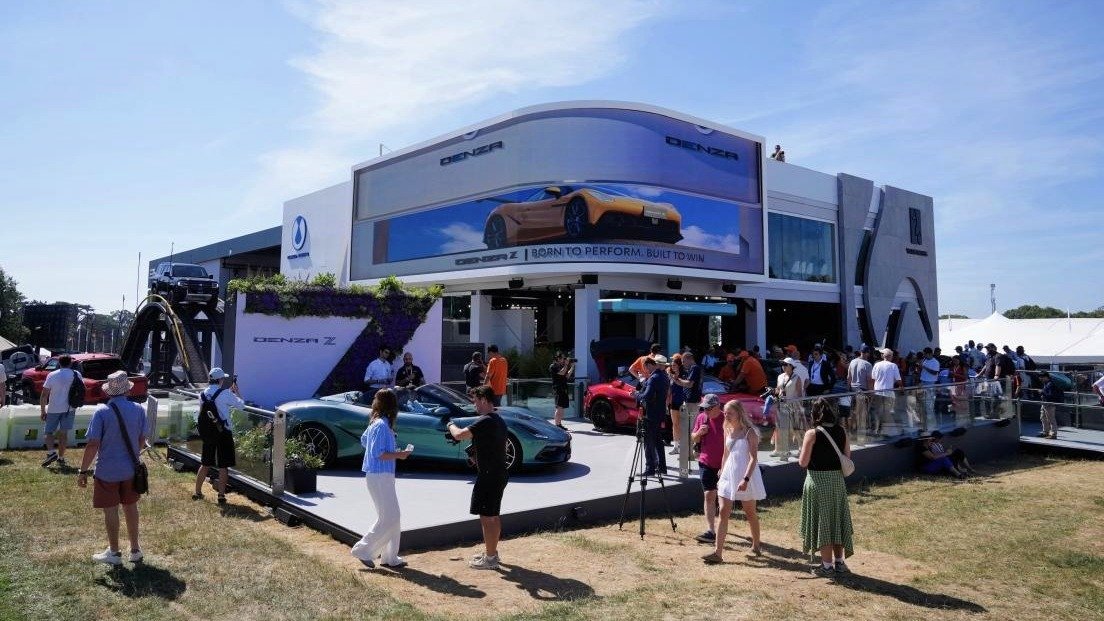
As BYD Executive Vice President Li Ke said, BYD "uses technological innovation to satisfy people's yearning for a better life," while PSG executives called the two sides "a match made in heaven." One has spent twenty years grinding away at batteries and electronic controls, while the other strives for excellence in on-pitch tactics. This spiritual alignment has more staying power than simply throwing money at a title sponsorship.
In the future, Denza will provide vehicle support for the club's daily operations, meaning that everything from coaching staff commutes to player receptions will incorporate the Chinese electrification experience. In the heartland of European luxury cars, a window to a "mobile living room" is quietly opening. Players riding in Denza vehicles to and from the training base every day is the most authentic product endorsement, more persuasive than any brochure.
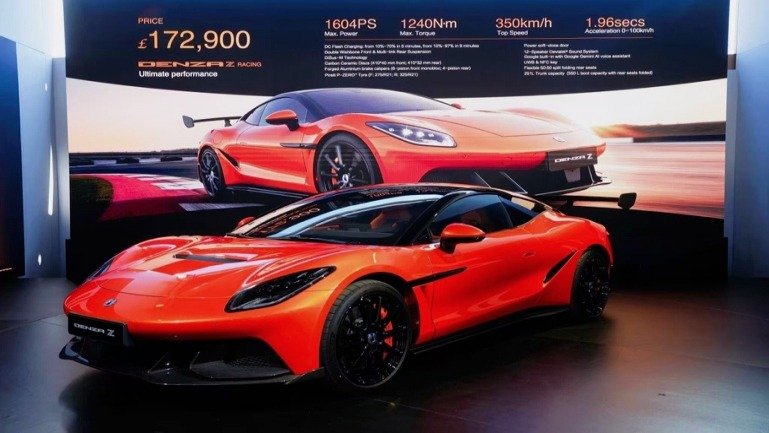
BYD's business already covers more than 120 countries and regions worldwide, and this cooperation is more like patient passing in midfield. Using the universal language of football, it conveys brand warmth to audiences who love innovation and high-quality living. Sport knows no borders, and neither does new energy. The blending of the two gives cold industrial products a passionate emotional bond.
Parking spaces are tight in old European city centers, and charging pile distribution is still uneven, so BYD's hybrid solution fits this complex scenario perfectly. Fans driving to home matches can glide quietly into the city center in pure electric mode, while hybrids handle weekend away-match trips to the suburbs. The product matrix precisely solves mobility pain points, and the cooperation amplifies this ability to solve everyday hassles.
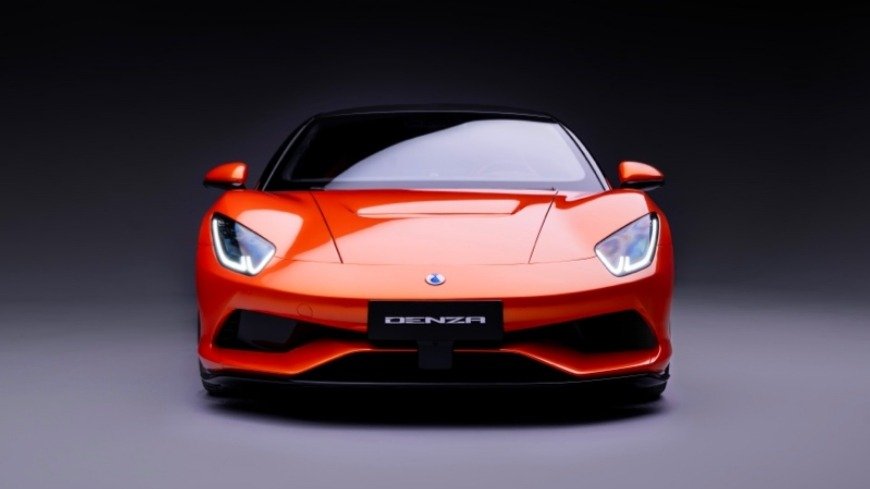
The two sides plan to advance the cooperation through global communication and fan interaction, and in the future there may be online challenges, offline experience days, and even co-branded merchandise. Cars are no longer cold transportation tools, but part of fans' lifestyles. Just as a jersey is worn on the body, an electric car also drives into daily life, adding real touchpoints between brand and users.
Final thoughts
The partnership between BYD and PSG appears to be a cross-industry cooperation, but in essence it is a deep penetration of Chinese new energy vehicles into the European market. When Denza vehicles resonate passionately with European football, beyond sales figures, the goals scored in brand mindshare are even more precious. Over the next three seasons, there will be roaring in the stands and speeding on the roads, and BYD has already firmly pressed the electric pedal.


