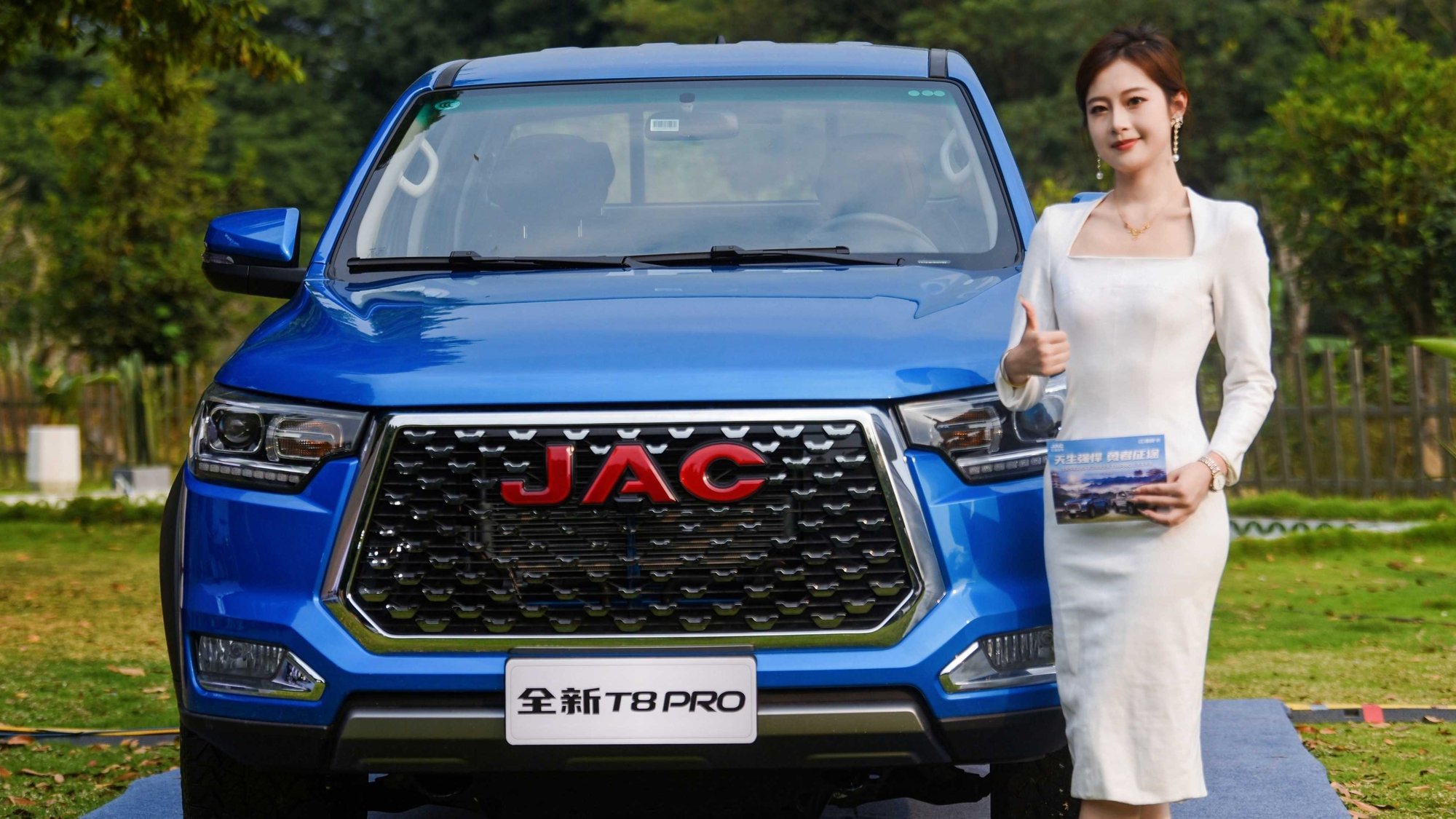
In the Chinese automotive market, pickup trucks were long labeled as "tool vehicles," but driven by the dual forces of consumption upgrading and policy relaxation, a revolution around "pickup value reconstruction" is unfolding. In this transformation, the JAC T8 PRO stands out with its precise positioning of "suitable for business and family, capable of passenger and off-road use," becoming the best carrier for the needs of users in the new era. Through an in-depth analysis of its product logic, we can glimpse the direction of Chinese pickup evolution.
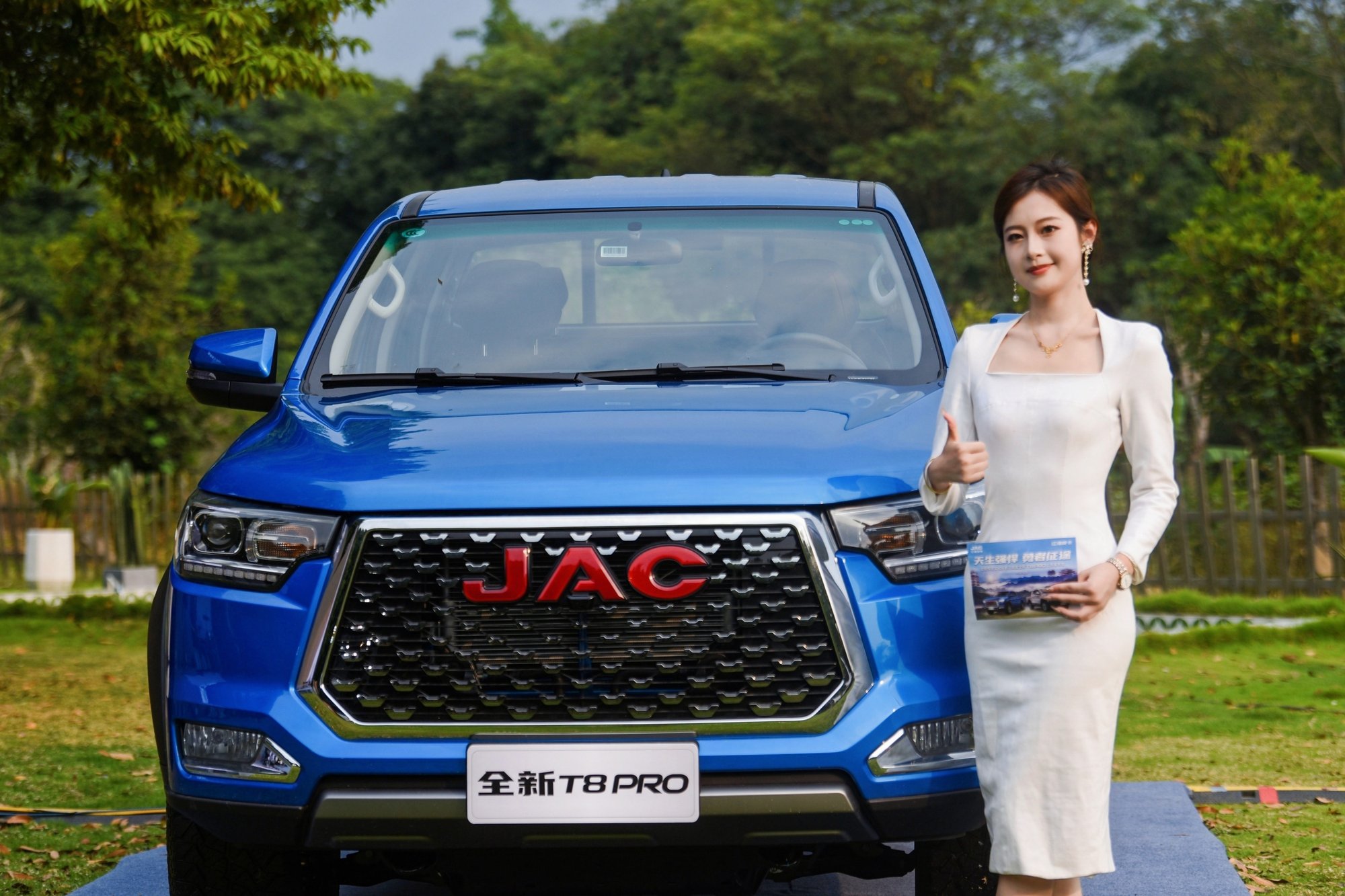
I. Design Revolution: From "Tool Attribute" to "Lifestyle Symbol"
While traditional pickups were still clinging to functional design, the JAC T8 PRO was the first to break the mold. Its "Obsidian Edition" full-vehicle blackened design language integrates a matte black grille, blackened wheels, and an off-road kit, combined with the technological feel of LED light clusters, creating a strong visual impact. This rugged character is not merely superficial—a golden ratio approach angle of 29° and departure angle of 26°, paired with 245mm of ground clearance, gives it the confidence to conquer unpaved roads.
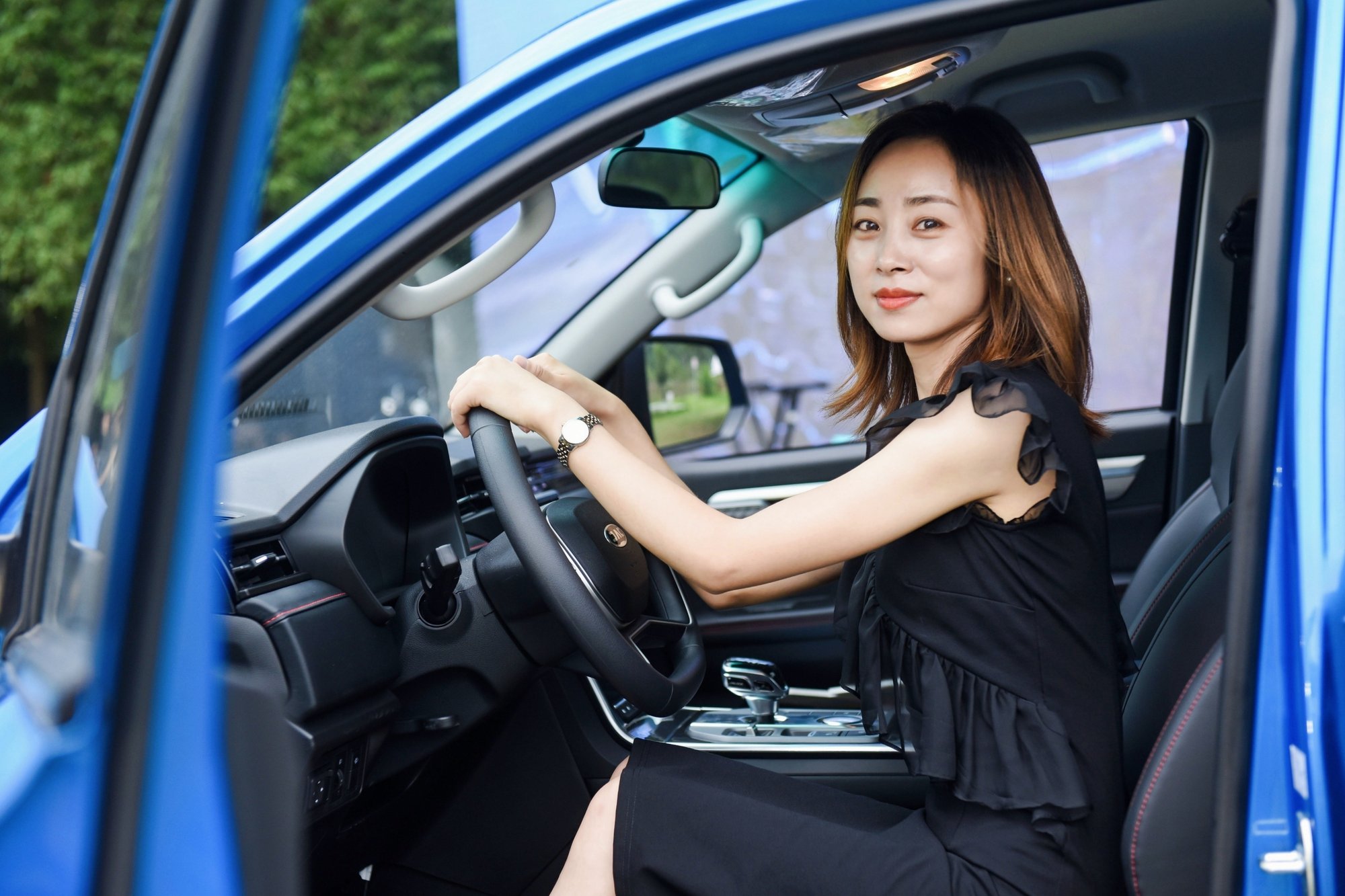
The passenger-vehicle-oriented transformation of the interior is even more disruptive. The combination of a 13.5-inch vertical central control screen and a 7-inch LCD instrument panel, together with red-and-black contrasting seats and leather soft wrapping, completely bids farewell to the "roughness" of traditional pickups. More noteworthy are the detail optimizations: rear air conditioning vents, seat heating, and a double-layer center armrest box—features usually found on SUVs—marking that the T8 PRO is redefining the "comfort standard" of pickups.
II. Scenario Breakthrough: A "Mobile Space" Spanning Business and Life
The core competitiveness of the JAC T8 PRO lies in its precise coverage of diverse scenarios. For entrepreneurs, its 1810mm extra-long cargo bed adopts a flat-bottom design, and together with the 1.82-ton payload capacity of the 3380mm long-wheelbase model, it can easily carry bulk goods such as building materials and agricultural products. The addition of a roll bar and bedliner coating solves the pain point of traditional pickups being prone to wear.
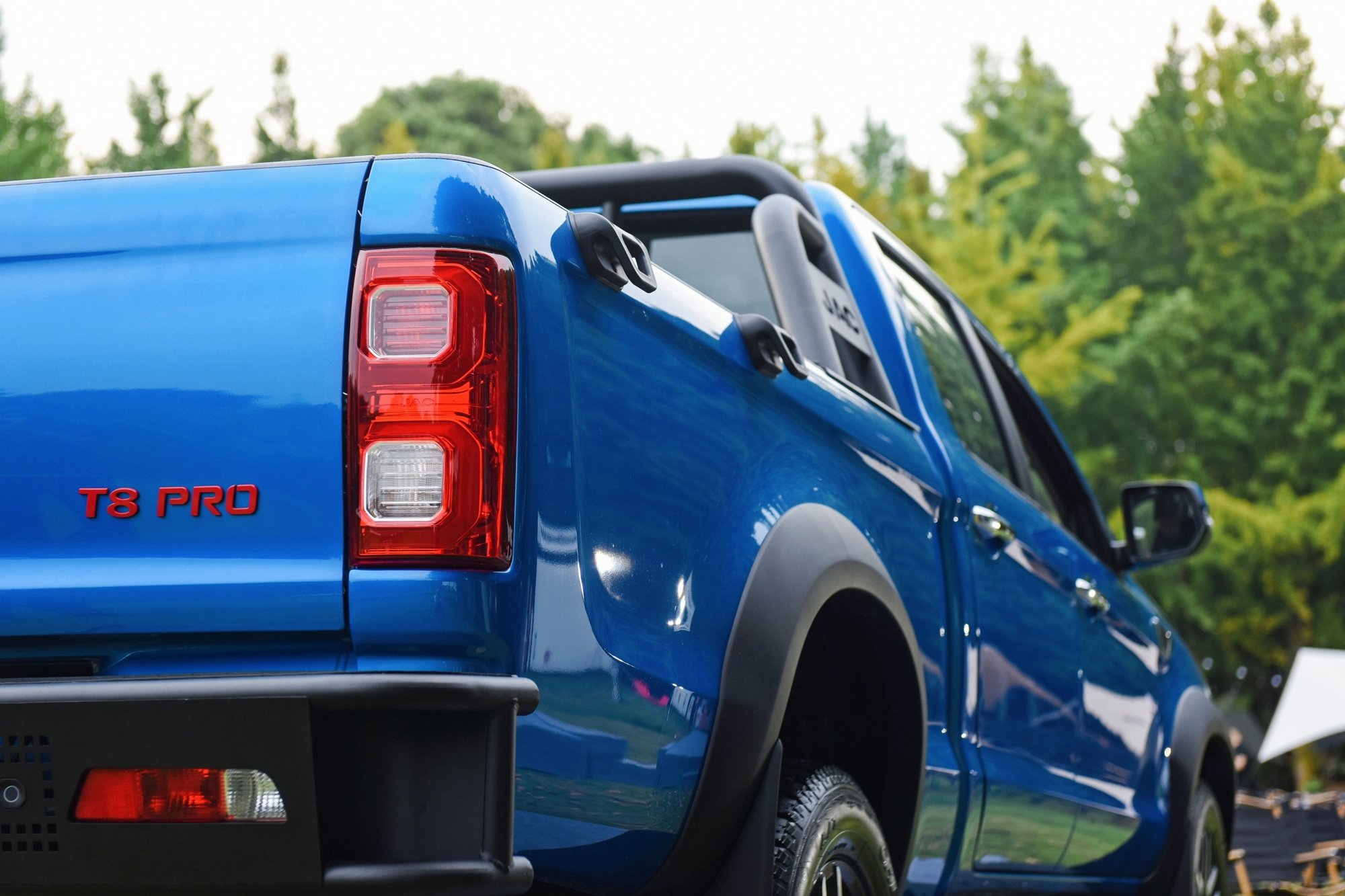
When the scenario switches to family travel, its 3090mm standard-wheelbase version optimizes rear space so that legroom reaches 820mm, and together with NVH noise reduction engineering and chassis vibration filtering calibration, it completely overturns the stereotype that pickups are "uncomfortable to ride in." This "two sides in one vehicle" characteristic is exactly the "efficiency and quality together" that users in the new consumption era pursue.
III. Technology Empowerment: Redefining the "Performance Boundary" of Pickups
In terms of the powertrain, the T8 PRO's 2.0CTI diesel engine shows technological depth. A peak torque of 410N·m can burst out at 1500rpm, and together with the ZF 8AT transmission, it not only ensures power reserve when climbing under heavy load but also achieves an ultra-low fuel consumption of 8.5L per 100 kilometers through 0.3-second fast shifting. This balance of "strong power and low energy consumption" reflects the breakthrough of China's diesel engine technology.
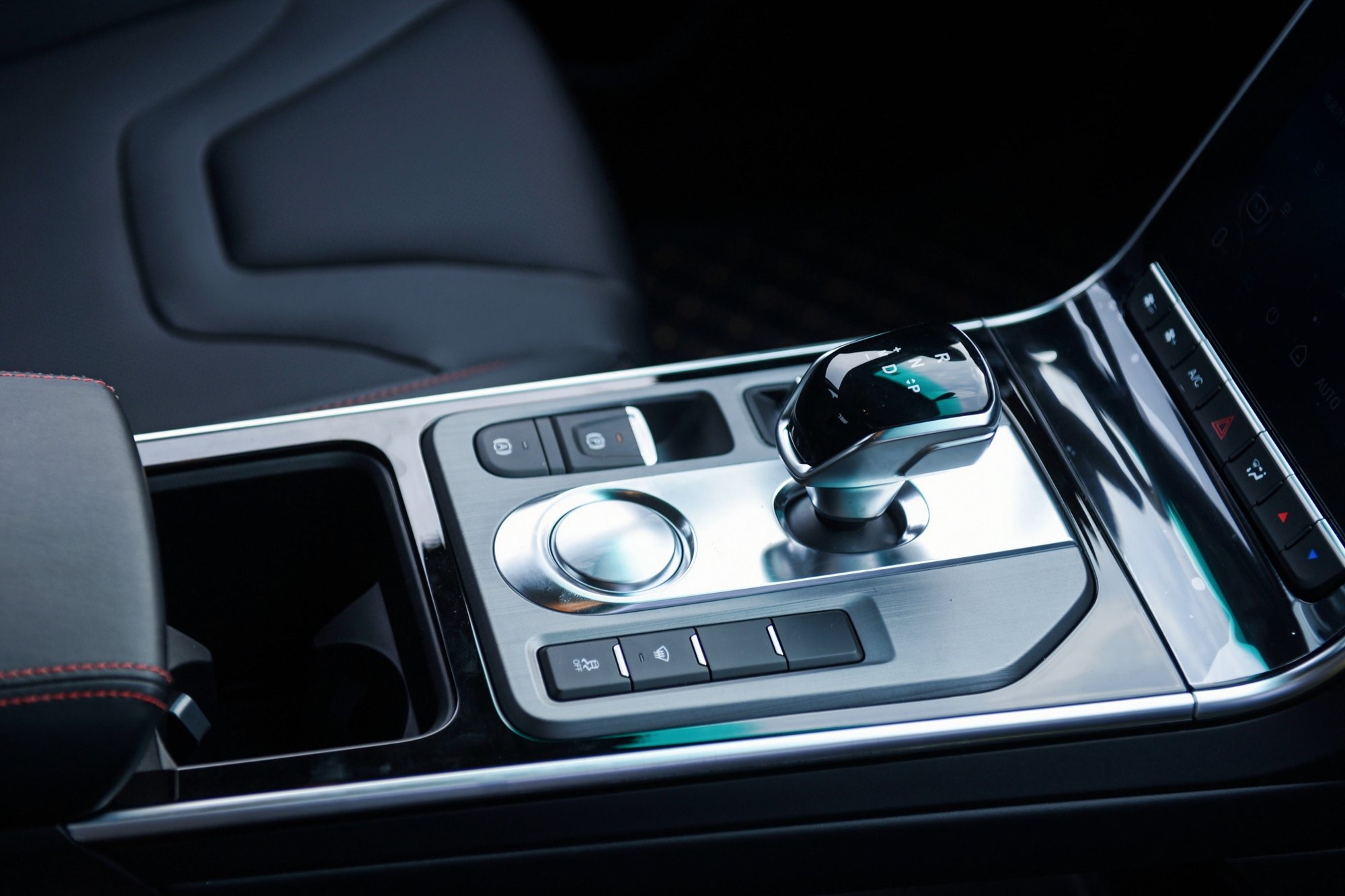
The shaping of off-road performance shows even more ingenuity. The combination of the BorgWarner part-time four-wheel-drive system and the Eaton differential lock, together with 7 driving modes including sand and snow, builds a complete escape system. The "black technology" configuration of the cold-region version—including -40°C cold-start technology and electric heating for brake lines—demonstrates the company's deep insight into segmented scenarios. When these technical details are combined with AT off-road tires and a reinforced chassis skid plate, the T8 PRO already has the credentials to challenge professional off-road vehicles.
IV. Intelligent Evolution: "Technology Equality" in the Pickup Field
On the intelligent track, the T8 PRO's J-LINK 3.0 system breaks the technological barrier between pickups and passenger vehicles. Its voice control system supports 253 commands, from navigation settings to air conditioning adjustment, all of which can be done "by speaking without lifting a finger." Remote vehicle control is even more practical: starting the engine in advance for warm-up in winter and remotely turning on the air conditioning in summer—these configurations once exclusive to luxury cars are now becoming reality on pickups.
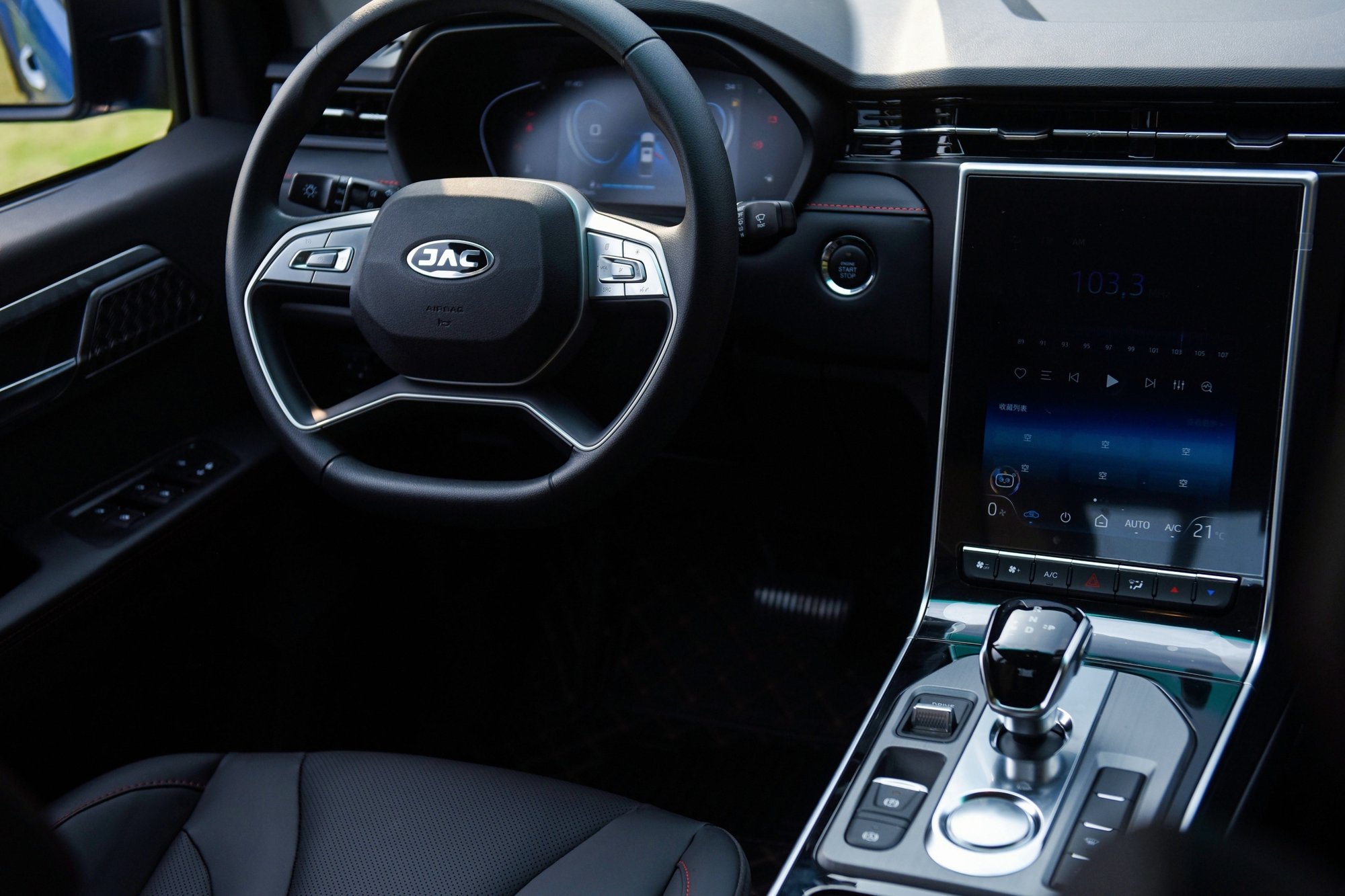
The downward extension of safety technology is equally critical. The Bosch 9.3 version ESP system, together with electronic limited slip, can correct body posture in real time on rain and snow roads; high-definition 360° panoramic imaging and transparent chassis technology allow this 5.6-meter-long "big guy" to maneuver flexibly even in urban alleys. This "technology equality" strategy is the key to the T8 PRO winning over family users.
V. Market Implications: The "Value Leap" of Chinese Pickups
The pricing strategy of the JAC T8 PRO carries deep meaning: it precisely positions itself between tool-type pickups and high-end passenger-vehicle-oriented pickups, achieving a "dimensional strike" by pushing down configurations. For individual merchants, it is more comfortable and presentable than a micro truck; for family users, it offers greater functional extensibility than an SUV; for off-road enthusiasts, it provides 80% of the performance experience at less than half the price of a joint-venture vehicle.
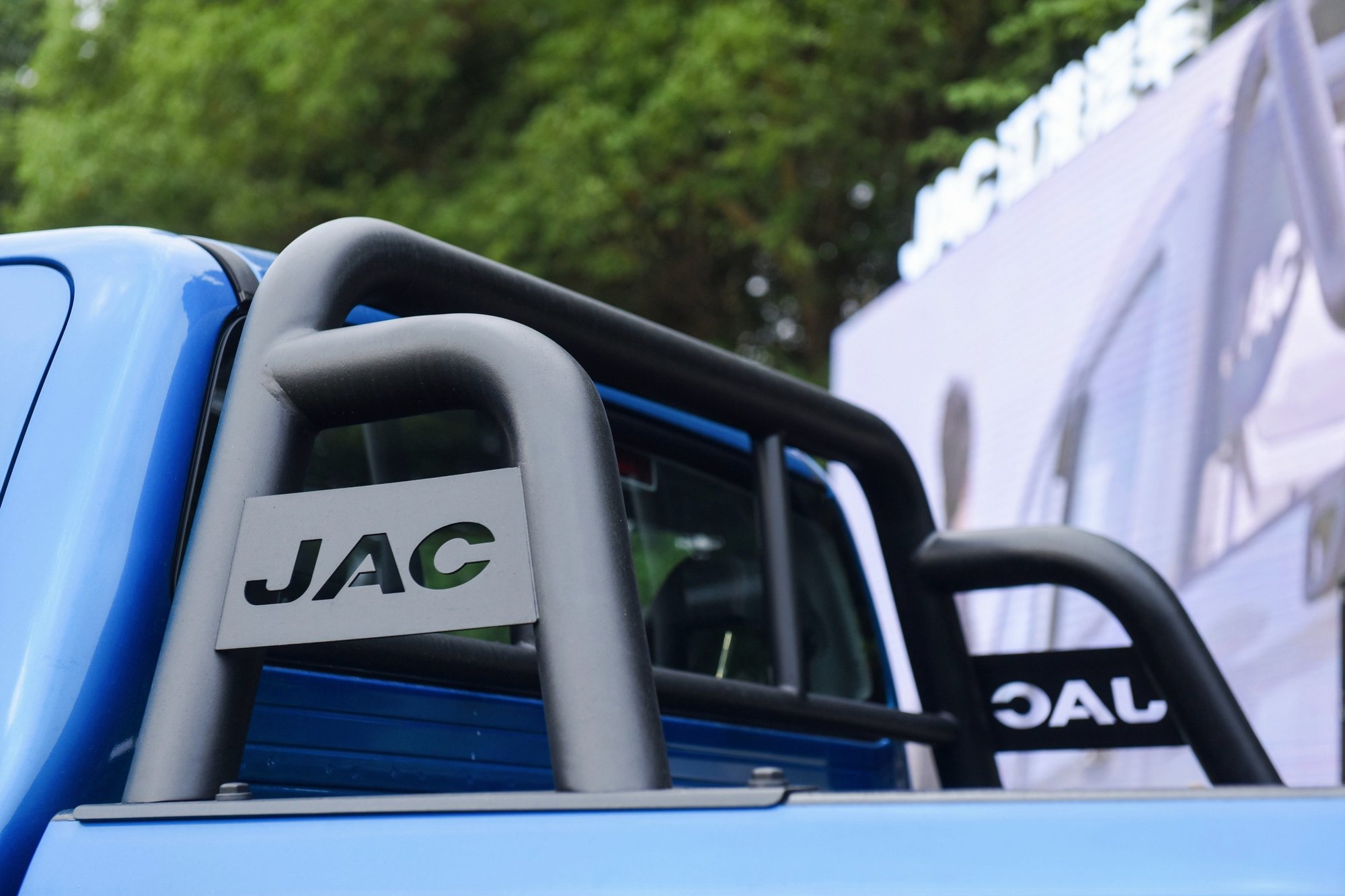
This positioning reflects the deep changes in China's automotive market: users are no longer satisfied with a single function but pursue "full-scenario coverage capability." The success of the T8 PRO confirms that when a product can simultaneously satisfy "wealth-creation tool + life partner + toy attribute," it possesses the energy to rewrite the market landscape.
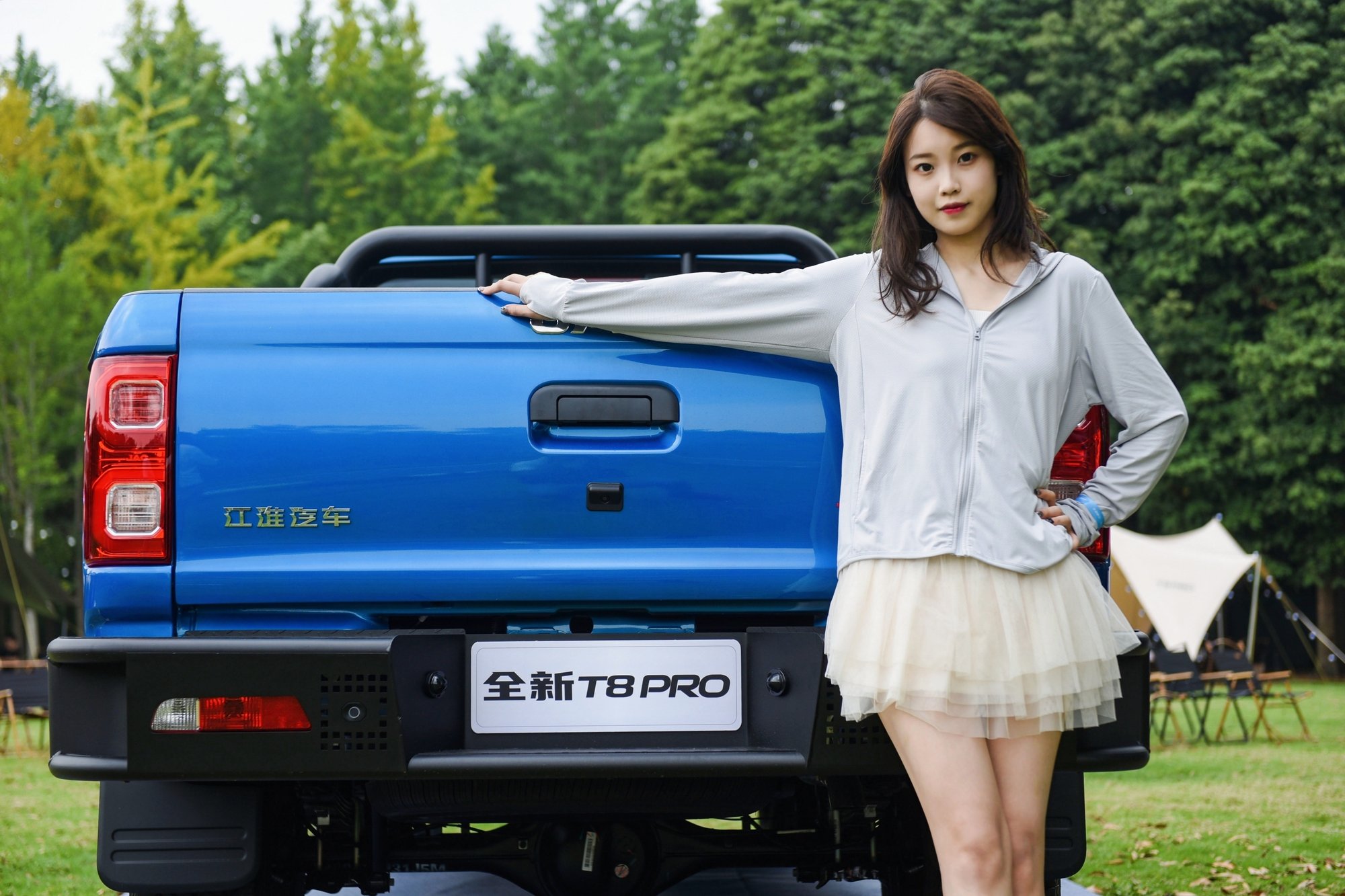
The breakthrough of the JAC T8 PRO is essentially a precise deconstruction of user needs. In an era of consumption stratification and scenario segmentation, it did not choose to be an "all-around hexagon warrior," but instead built a unique value moat through a triangular architecture of "commercial reliability + passenger comfort + off-road playability." The significance of this vehicle has already surpassed the product itself—it marks that Chinese pickups are officially evolving from means of production to carriers of lifestyle, and this transformation may reshape the market landscape of the next decade.


