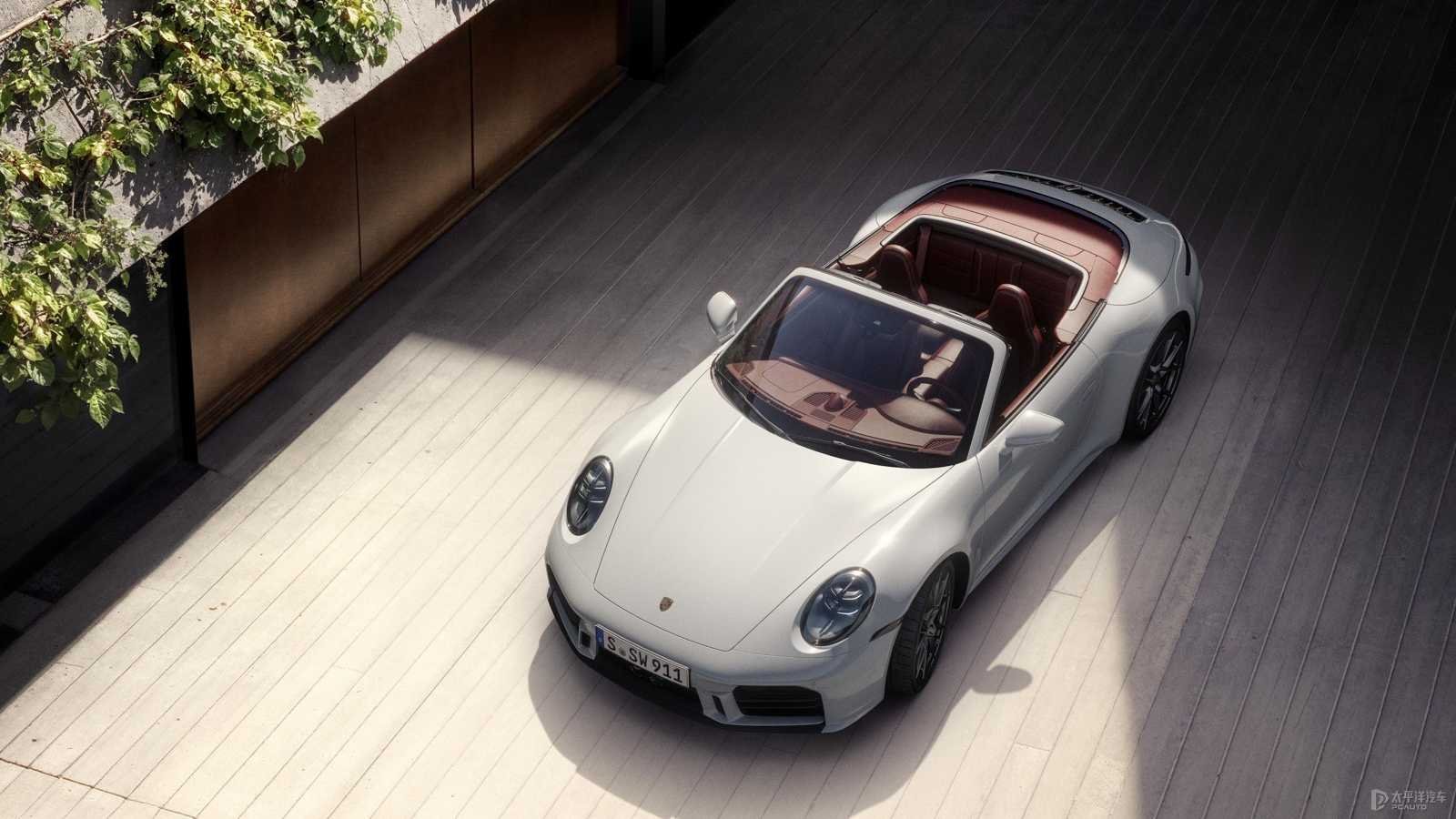
Porsche's latest financial report shows that in the first three quarters of 2025, Porsche staged a cliff-like fall from "luxury car money printer" to a speck of profit: operating profit plunged from 4.035 billion euros in the same period last year to 40 million euros, a drop of 99%, and the single-quarter loss in the third quarter was as high as 8 billion yuan.
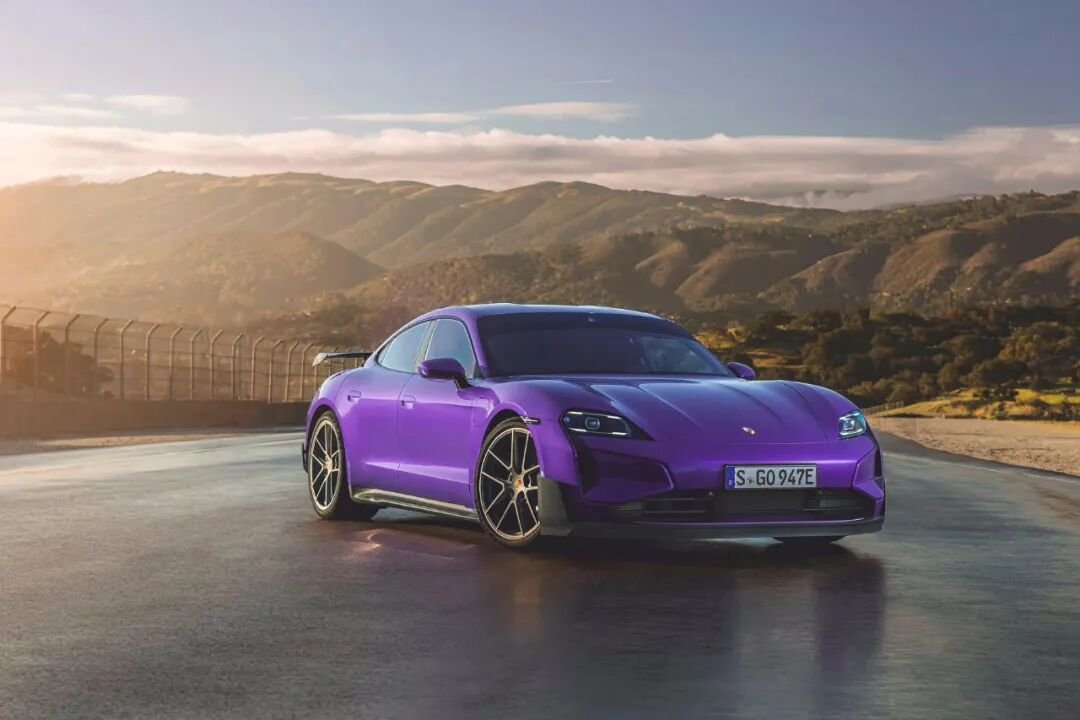
Against the backdrop of profits nearing zero, Porsche announced price increases in the U.S. market. This seemingly crazy decision actually hides a dual logic:
Cost pass-through and the battle to defend profits
A 700 million euro tariff loss in the U.S. market forces price transmission, and CFO Bai Yuhan bluntly said that the price increase is to "ensure a reasonable profit margin." This move precisely leverages the core user profile — consumers in the North American market who buy flagship models such as the 911 are far less price-sensitive than they are attached to brand value, and some car fans bluntly said, "As long as the fuel-powered 911 is still around, I'll buy it even if the price goes up."
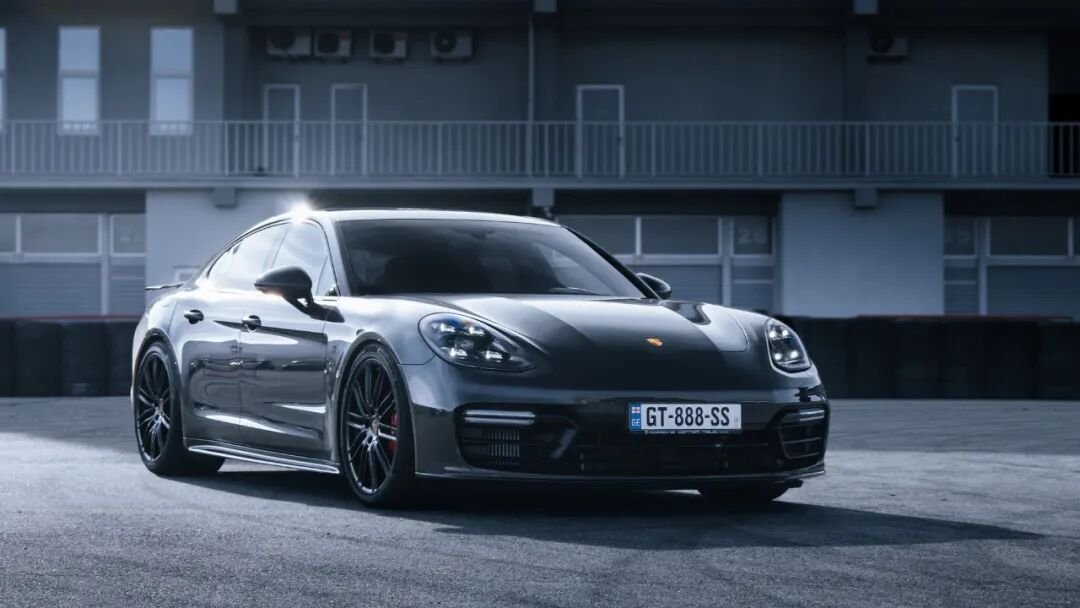
A life-or-death defense of brand positioning
As a luxury brand priced above 500,000 yuan, Porsche well understands the industry iron rule that "discounting means death." At a time when Mercedes-Benz and BMW are successively using promotions to protect sales, it chooses to raise prices to maintain a high-end tone and avoid falling into the vicious cycle of "brand depreciation - sales decline." JPMorgan analysts interpreted this as a "healthy correction that squeezes out bubbles."
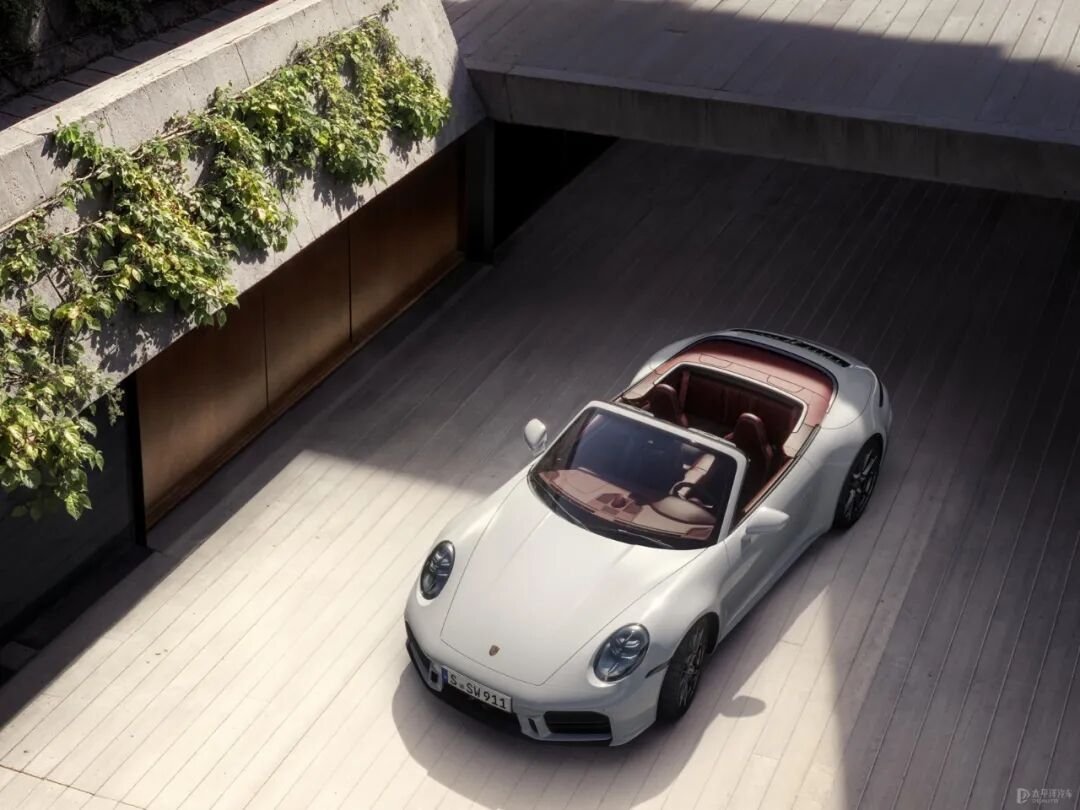
A contraction strategy to reduce costs
The cost-cutting measures of planning to lay off 1,900 regular employees and dismiss 2,000 temporary workers may reduce costs in the short term, but could weaken the combat effectiveness of the technical team — especially at a critical stage when electrification R&D still requires investment. And whether the change of leadership, with CEO Oliver Blume stepping down at the end of the year and former Ferrari CTO Leiters taking over, can solve the strategic wavering left by the "dual CEO" problem remains unknown. This means that at least 3,900 families will be affected. Porsche, once representing top luxury status, now has to survive through "cost cutting."
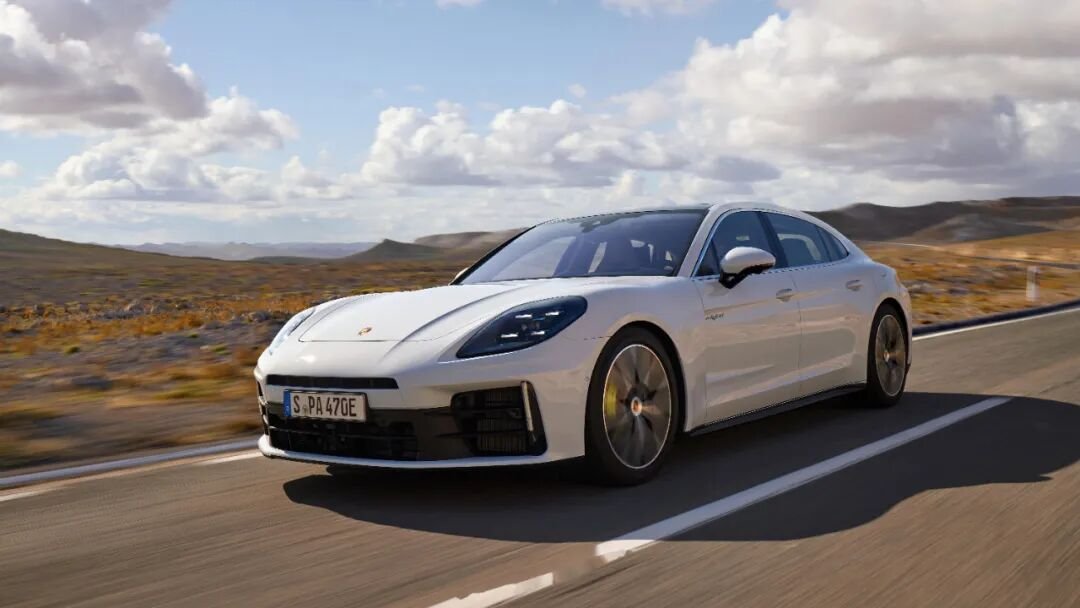
Reducing investment and terminating in-house battery research and production
Although terminating in-house battery production can avoid a 25% cost disadvantage, excessive reliance on suppliers such as CATL may result in losing technological initiative. And postponing the electrification target to 2035 conflicts with the global emission reduction trend and China's market policies, and may face stricter policy sanctions in the future.
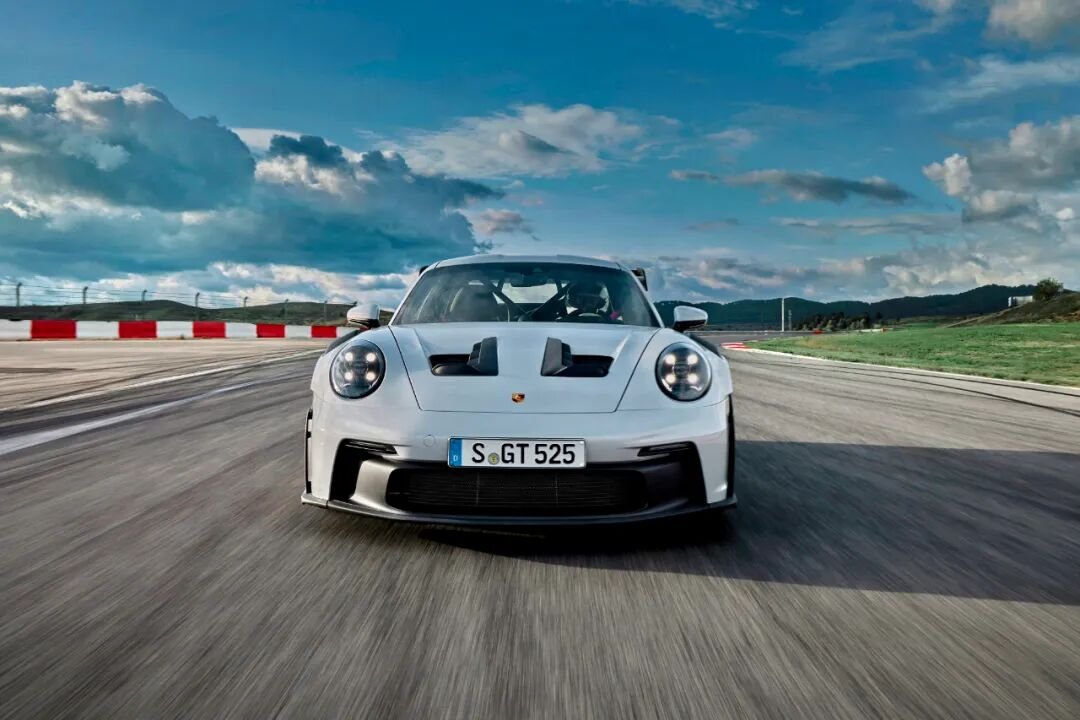
The life-or-death question of luxury car transformation
Porsche's predicament is a microcosm of the collective anxiety of traditional luxury brands: Mercedes-Benz's sales in China plunged 27% in the third quarter, and BMW's fell 11.2%, both unable to escape the dual squeeze of electrification transformation and the impact of Chinese brands. Its case reveals a cruel truth: under the wave of intelligent electrification, the era of relying solely on brand premium has ended.


