In 2026, domestic new energy vehicles officially bid farewell to the incremental era and entered a deep competition cycle of stock-based gaming.
The wave of price involution that lasted for years is gradually receding, and the industry is completing a profound value correction: the path of relying solely on low prices to exchange for scale and using bulk orders to inflate financial statements is becoming increasingly difficult to sustain.
When the tide recedes, the truth becomes clear: many automakers once relied on B-end operational orders to prop up impressive sales figures, but after the dividends faded, the private consumer market targeting ordinary families could not sustain growth, and sales quickly lost momentum.
Truly valuable growth has never been the numerical carnival on financial statements, but the recognition cast by countless ordinary families with their real money.

Relying on a comprehensive set of systematic reforms including the Hyptec AION BU system reform, full renewal of the dual brands, product iteration and upgrading, and all-domain user operations, AION has made C-end private consumers the core pillar of sales and embarked on a steady upward development curve.
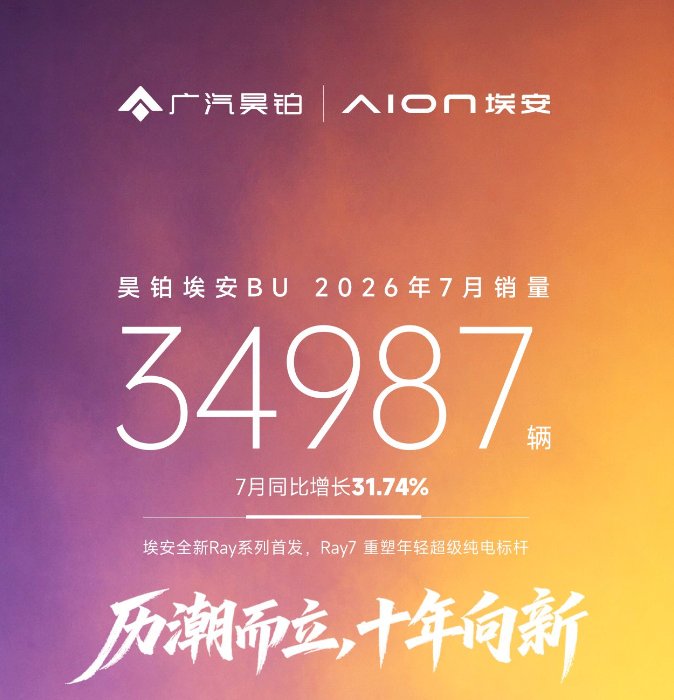
In July 2026, Hyptec AION continued its upward momentum after the reform, with terminal sales reaching 34,987 units, a year-on-year increase of 31.74% and a month-on-month increase of 3.87%, achieving five consecutive months of double-digit year-on-year growth. In the first half of the year, the proportion of C-end private users climbed to 81%, and the sales structure completed a fundamental iteration.
Compared with the past situation where B-end orders accounted for the majority, now 80% of sales come from ordinary individual consumers. The qualitative change at the structural level carries far more weight than mere numerical growth.
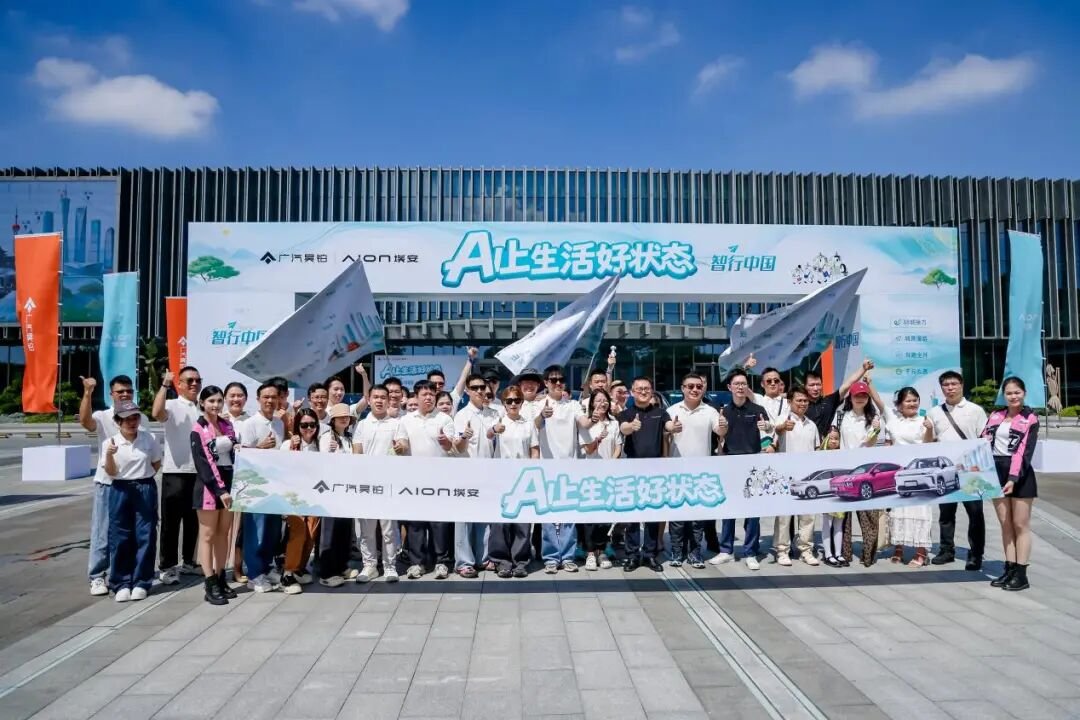
The brand insists on listening to users' real demands and creating national models that fit ordinary consumers' vehicle usage scenarios. Its two main products also continue to lead their respective segments.
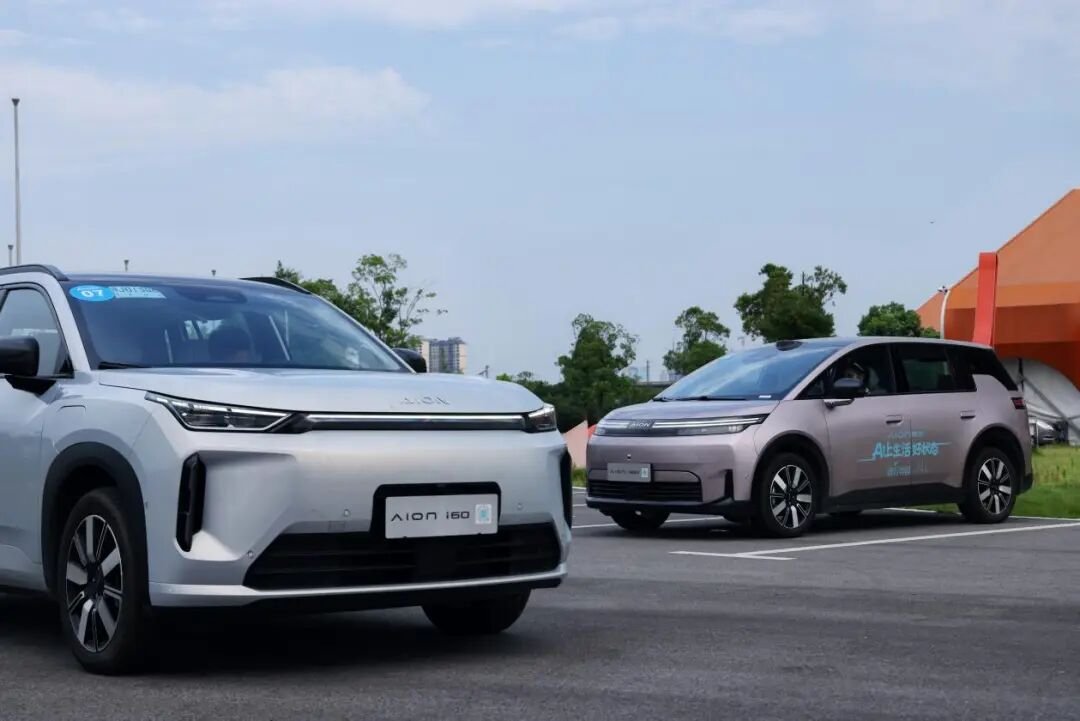
The i60, as a "cultivation-style blockbuster" iterated through user co-creation, has stable monthly sales exceeding 10,000 units, precisely hitting family users' core demands for large space, high reliability, and low-cost vehicle use; the N60, meanwhile, brings L4-derived LiDAR intelligent driving down to the 100,000-150,000 yuan price range, deeply favored by young users, who account for 79.8% of its buyers, making it the sales champion in its segment.
Relying on the vehicle quality, spacious interior, and ride experience honed in the mobility market in its early years, AION has accumulated broad public praise and has also become an important reference for the private consumer market in judging the product strength of family vehicles.
Today, the industry's elimination race has reached its latter half. Short-term volume pushing is no longer the primary goal; staying healthy and going far is what matters most. In the past, the industry was keen on competing over parameter gimmicks and chasing single-month sales explosions; now the market has returned to rationality, and consumers are beginning to see through the superficial glitter, placing greater emphasis on sales structure, user composition, underlying product reliability, and the systemic capability for continuous iteration.
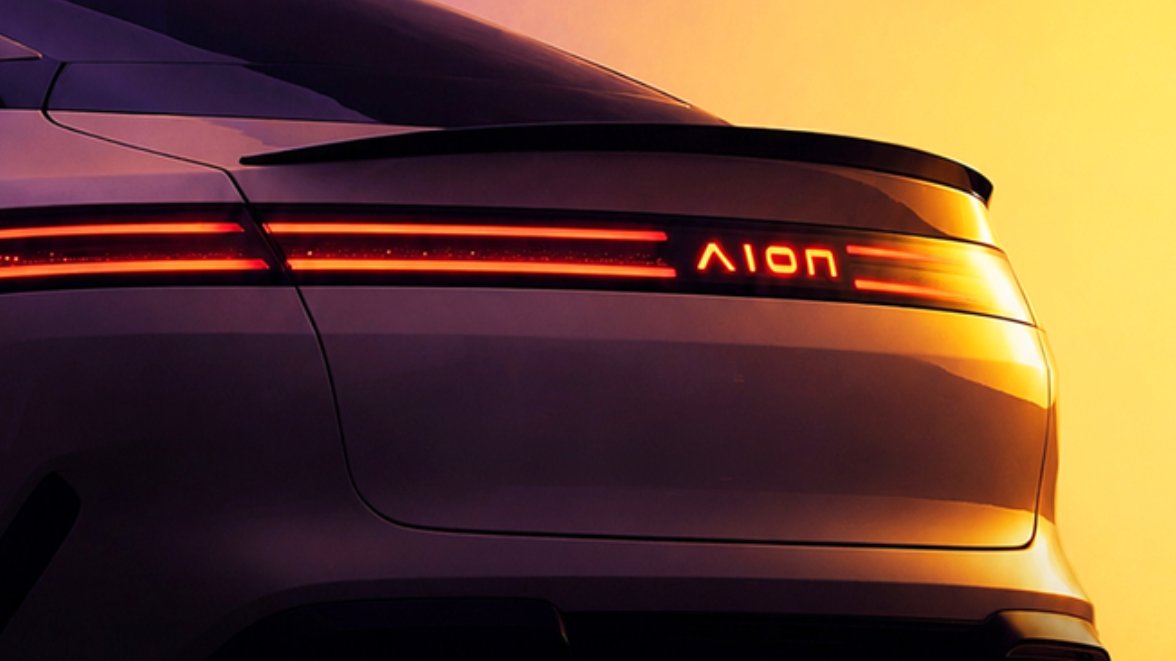
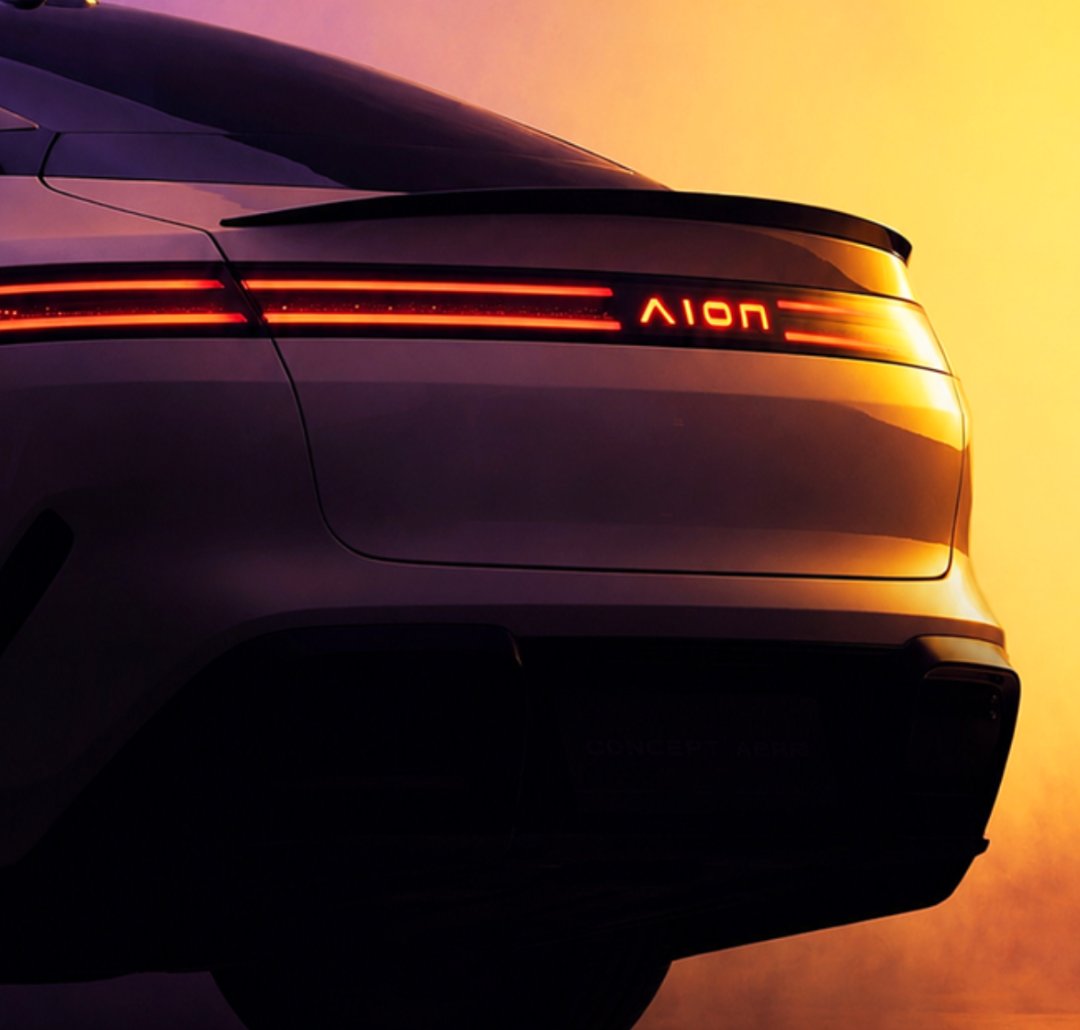
Therefore, on July 28, at the important milestone of the brand entering its tenth year, it officially released the all-new vehicle series Ray. The first model, Ray 7, simultaneously completed its preview debut and will officially make its appearance in mid-to-late August.
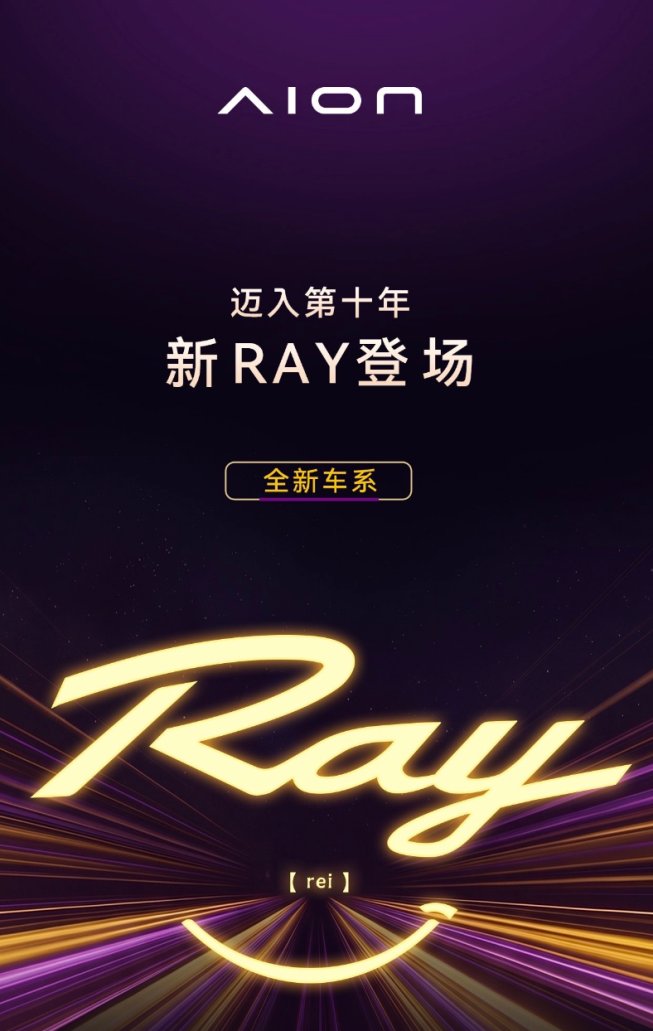
Ray is light, and also a ray. The Ray series is clearly declaring to the outside world that AION is moving further from "building good national cars" toward "building cars that young people love."
In other words, AION's core impression on the market in the past was "easy to use, durable, and good value."
But what Ray aims to do now is, while retaining these advantages, truly bring AION into young users' emotional checklist.
Conclusion
So, July sales of 34,987 units, a simultaneous increase of 31.74%, prove that the results of Hyptec AION's BU system reform have begun to materialize.
From rapid product iteration to clear dual-brand positioning, and then to quality verification and service assurance, Hyptec AION has formed a growth closed loop. Therefore, we have reason to believe that Hyptec AION's new growth logic is sufficient to navigate through even more intense industry cycles in the future.


