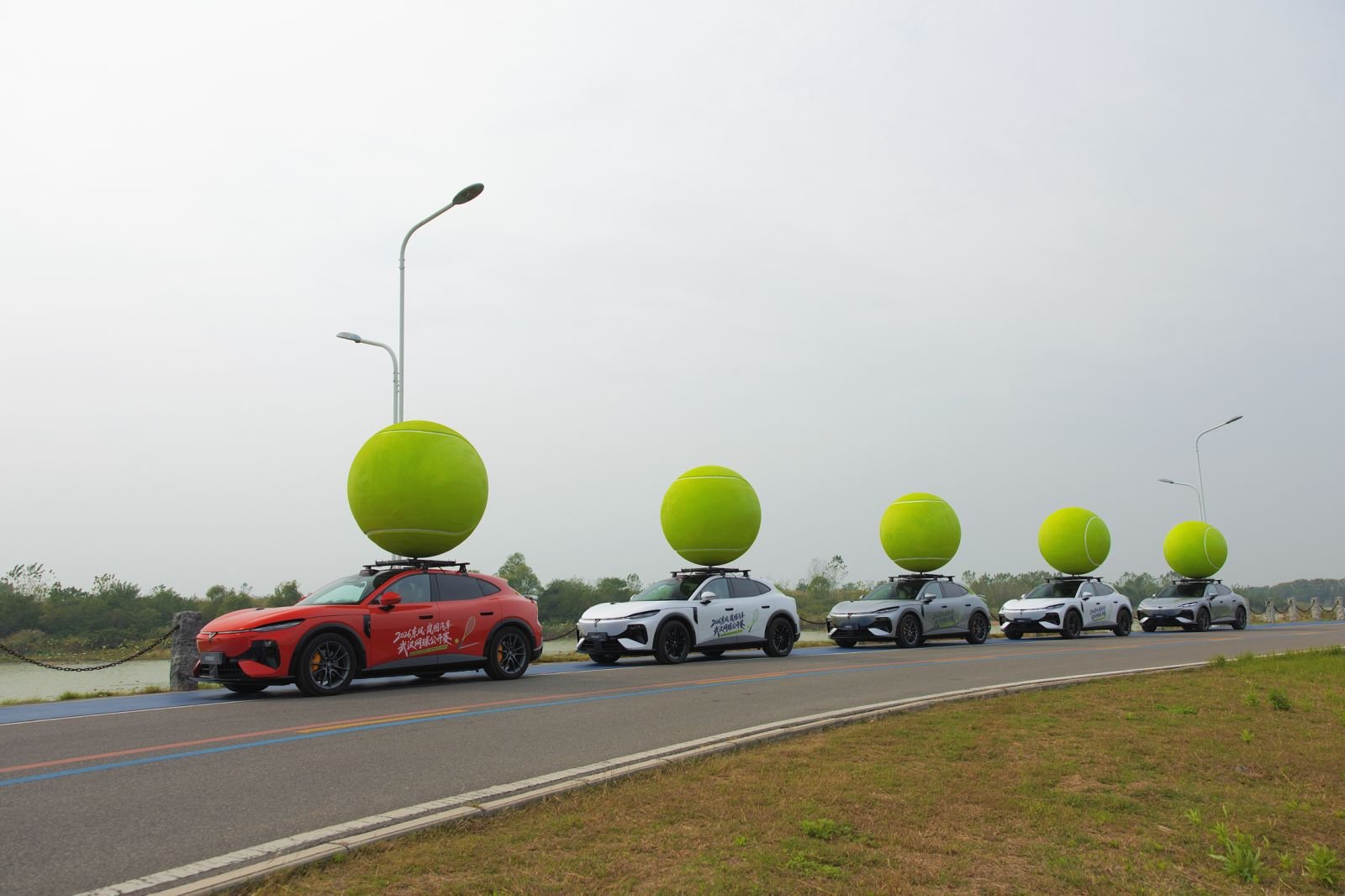
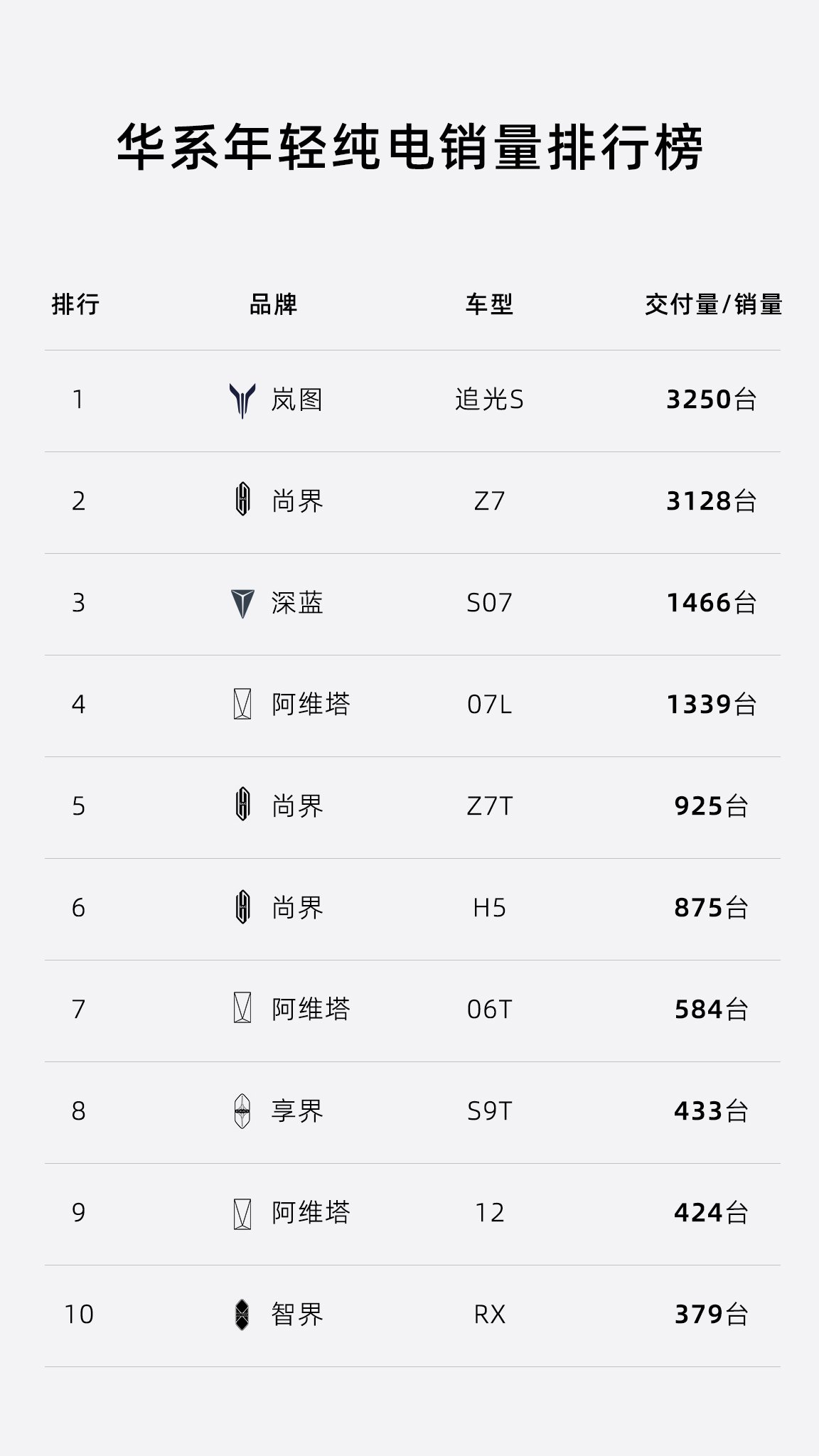
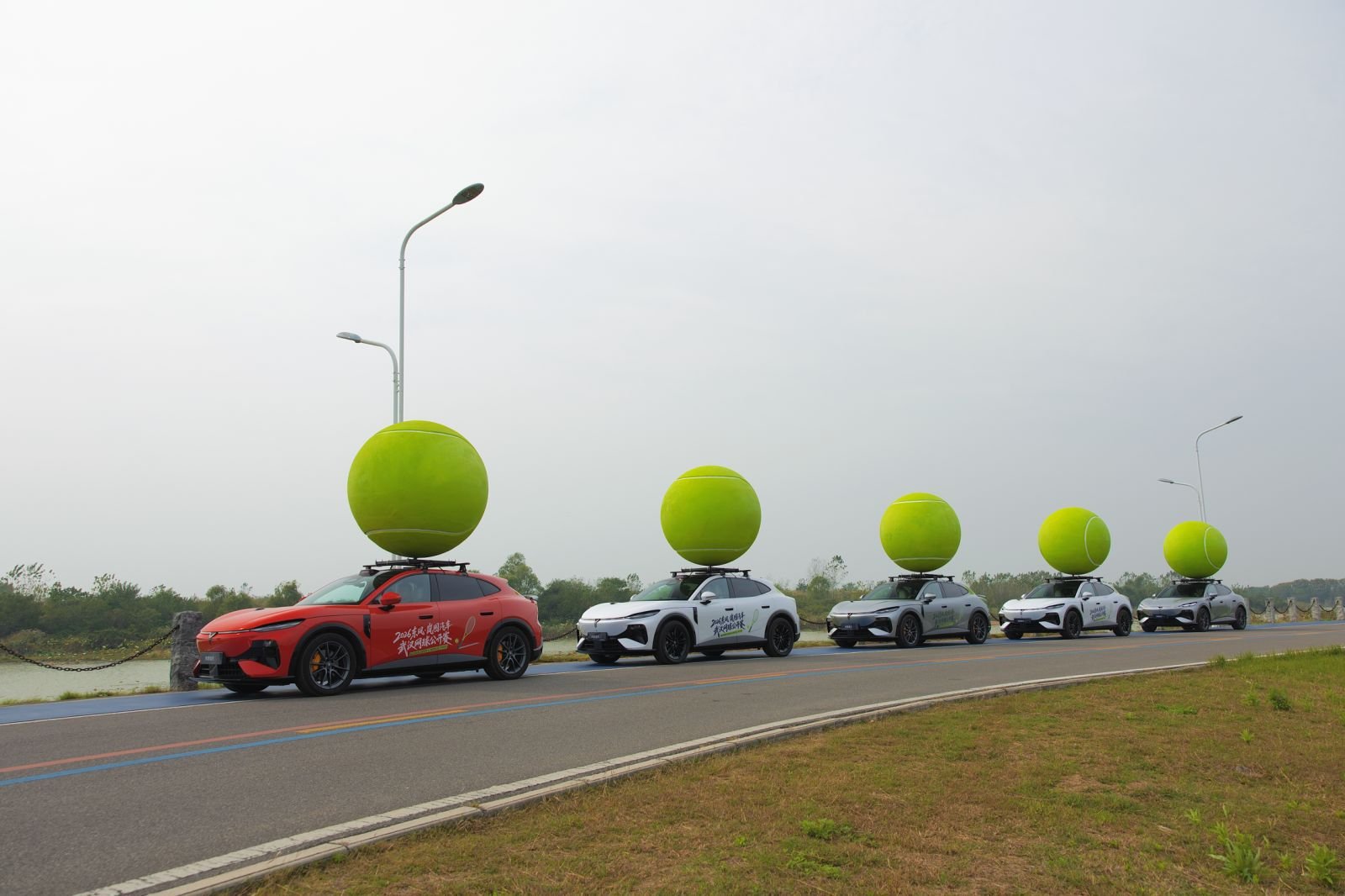
In September, the Voyah Passion S claimed the top spot in Huawei-family young pure-electric sales. Against the crowded Huawei-family landscape of “five realms and three territories,” this result is unusual. Young buyers looking for a car with Huawei intelligent driving have never had as many options as they do today. The Passion S broke through not by pushing one strength to the extreme, but by doing something few in today’s segment truly achieve: it refuses to force young users into trade-offs among looks, intelligent driving, sportiness, and space.
At the 220,000-yuan level, four lidars are “standard,” not “optional”
The hardest anchor of the Passion S is the mismatch between price and hardware. With a limited-time benefit price starting at 223,900 yuan, all three versions come standard—without exception—with Huawei Qiankun ADS 5 and a four-lidar setup: one 896-line dual-optical-path image-grade main lidar, plus three DTOF blind-spot-filling lidars positioned on both sides and the rear of the body, with 33 high-performance sensors across the vehicle forming a 360-degree omnidirectional perception matrix. The dual side blind-spot fillers give more real confidence when passing oncoming traffic in narrow old-town alleys and parking in mechanical spaces, while the rear blind-spot filler can identify blind-spot targets that traditional perception easily misses, such as suspended charging boxes and sunken steps.
Only by bringing the reference frame into view does the weight of this “standard” become clear. The Smart Realm RX’s four-lidar matrix starts only at the 319,800-yuan Ultra version, leaving a price gap of nearly 100,000 yuan between it and the Passion S’s entry threshold. The Wenjie M6 pure-electric entry version is 229,800 yuan, but uses a single in-cabin common-optical-path lidar solution—the roof lidar is removed, and air suspension is dropped along with it. In the 220,000-yuan budget band where young buyers are most concentrated, the Passion S does not treat four lidars as a high-trim decoration, but makes it the baseline of “full spec at entry.”
No compromise on chassis: sportiness must be “complete,” not “skewed”
The Smart Realm RX is a car that maximizes driving fun: an AMG-background team-tuned chassis, 0–100 km/h in 3.6 seconds, and braking in 32.4 meters—the numbers are impressive enough. But the fastback styling’s compression of rear headroom is a clear trade-off it makes between “driving control” and “practicality.” The Passion S does not take this one-way street. Front double wishbone and rear five-link all-aluminum independent suspension are standard across the range, EDC adaptive magic-carpet suspension smooths the gap between daily commuting and spirited driving, and the 360° tunnel loop challenge verifies body rigidity and handling limits in a visualized scenario.
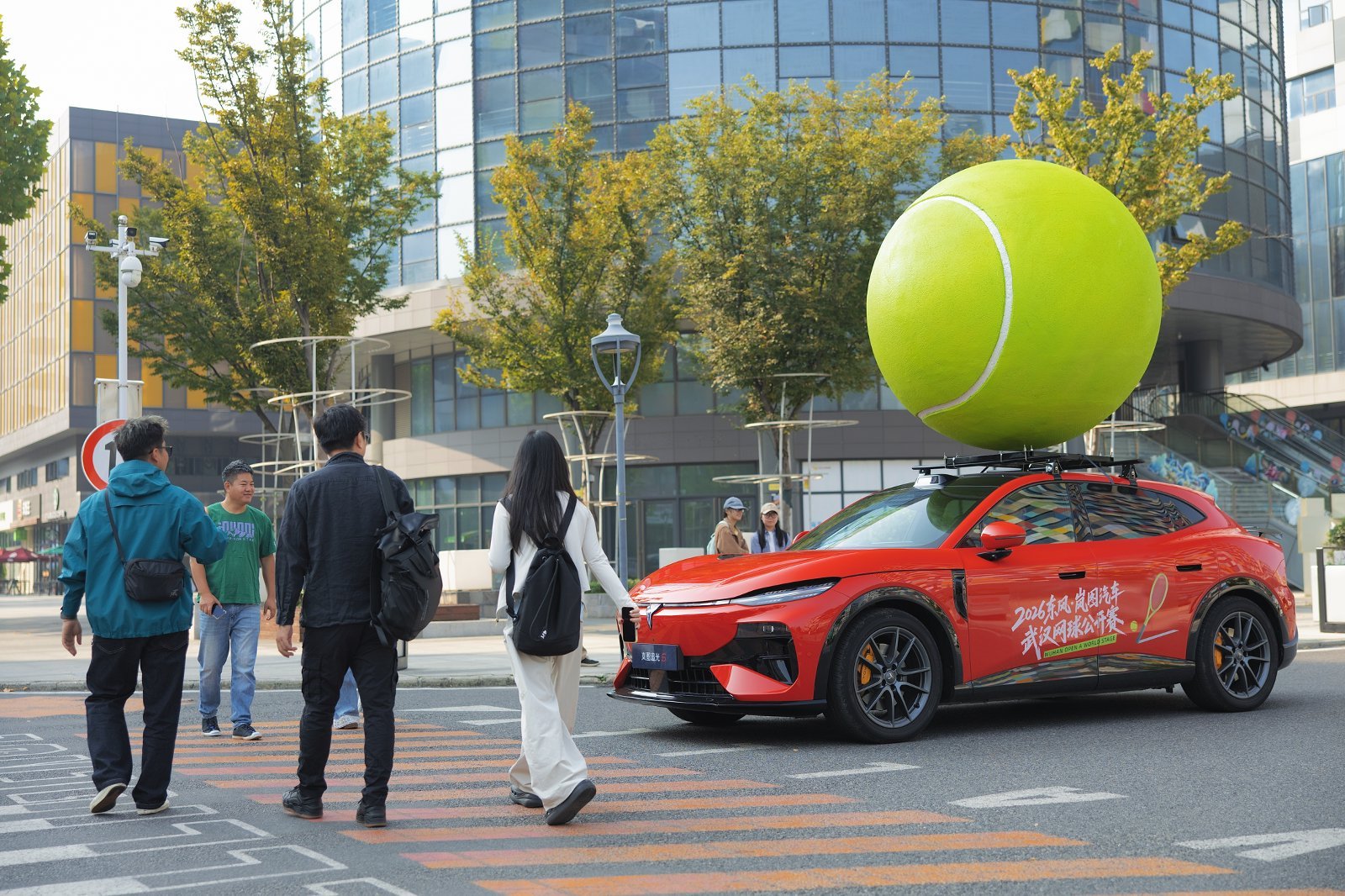
With a 5,050 mm body length, 3,000 mm wheelbase, 90% cabin utilization rate, and dual zero-gravity seats for driver and front passenger, the Passion S’s sporty stance does not come at the expense of rear-seat and cargo capacity. The Qijing GT7’s shooting-brake personality is distinctive enough, but its orientation naturally leans toward a niche crowd; the Shangjie Z7 takes a balanced route, yet its sporty label is not sharp enough. The Passion S sits between the two, but is more “greedy” than both: the stance must be low-slung, the chassis must have resilience, and space must not shrink.
The underlying logic of a sales champion: turning “give it all” into a product philosophy
The Passion S’s equipment list has another easily overlooked feature: HarmonyOS Cockpit 5.2, dual zero-gravity seats, 800V + 5C ultra-fast charging, and LFC super rear-wheel drive are not “bait” scattered across different price points, but an experience foundation present from 223,900 yuan onward. Recharging 515 km in 15 minutes makes 800V no longer just a symbol on the spec sheet.
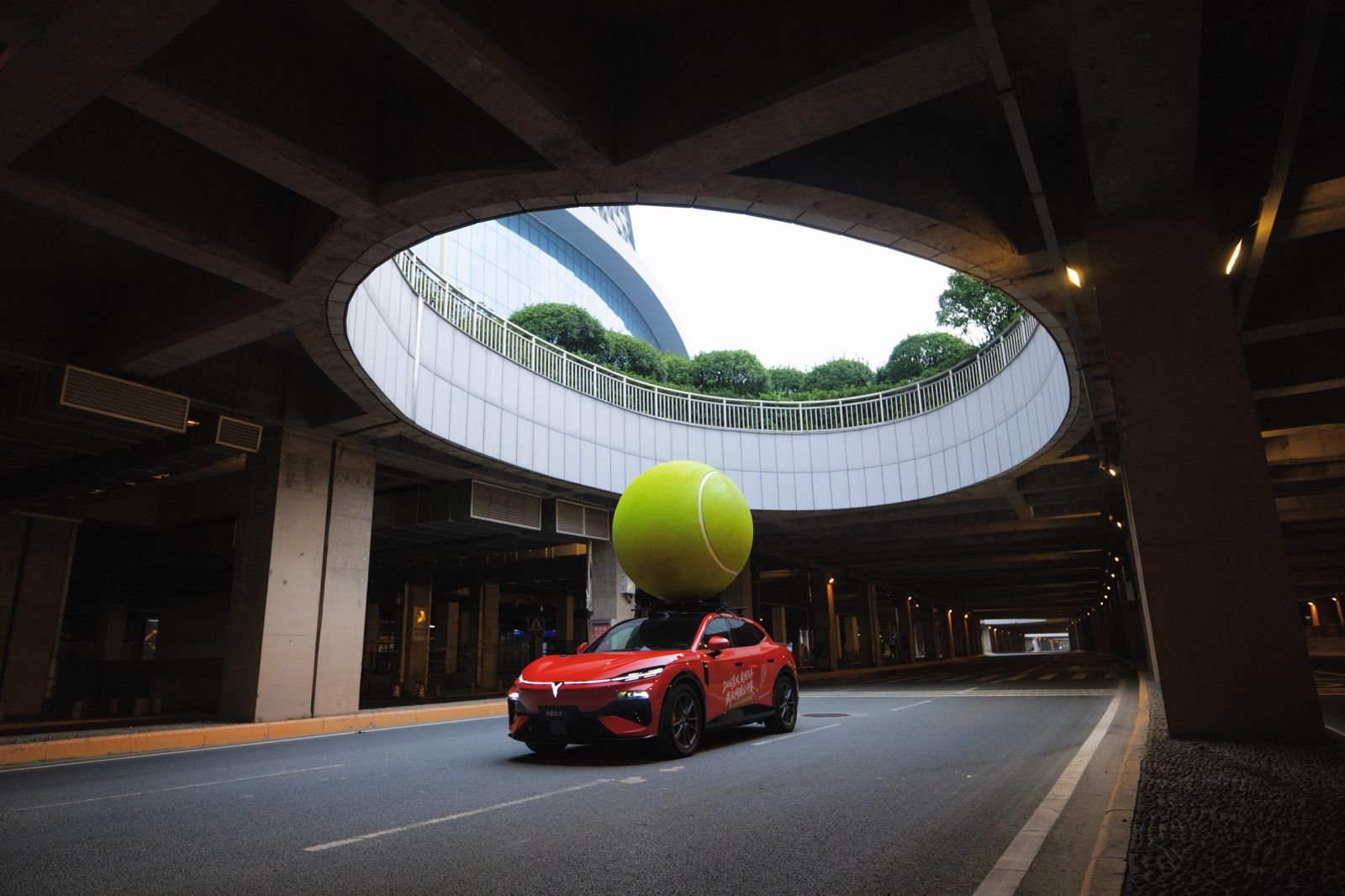
When the Smart Realm RX pushes high-level intelligent-driving hardware above 300,000 yuan, the Wenjie M6 subtracts features on its entry version, and the Qijing GT7 and Shangjie Z7 each define narrower audiences, the Passion S chooses another path: use one car to cover young people’s real checklist of “wanting both,” rather than forcing them to cross an item off the list.
Ranking first in September sales is the market casting a vote for this path. It shows that in the young pure-electric market, what is truly scarce is not some extreme strength, but a complete product that does not require users to endure one shortcoming for the sake of another highlight.
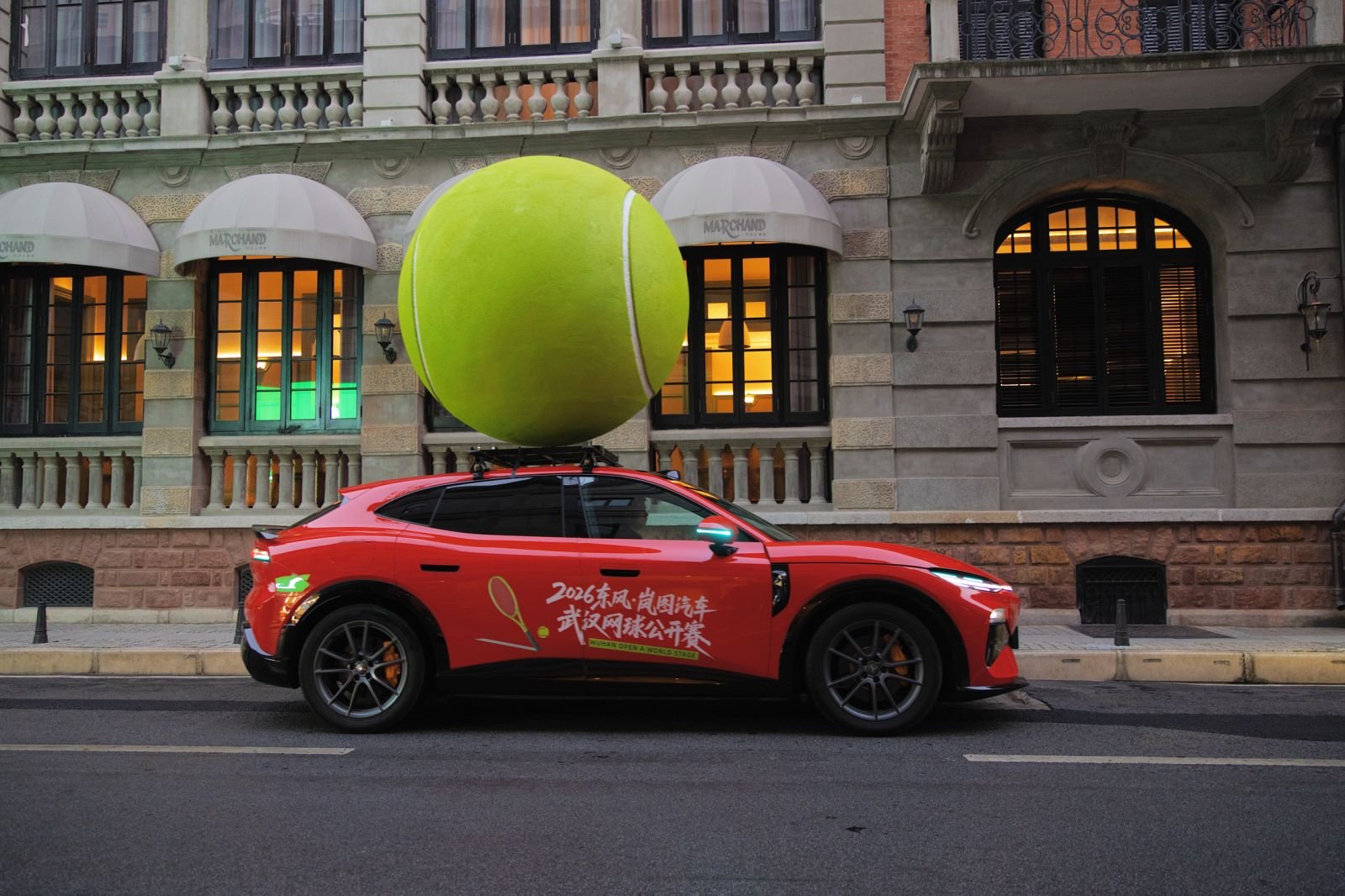
The Voyah Passion S’s “give it all” is essentially a reaffirmation of young consumer values: a good choice does not have to be a choice made after compromise. When the 220,000-yuan level is equated with Huawei four-lidar for the first time, what the Passion S draws is not just an equipment line, but a new baseline for “whether it is worth it.”


