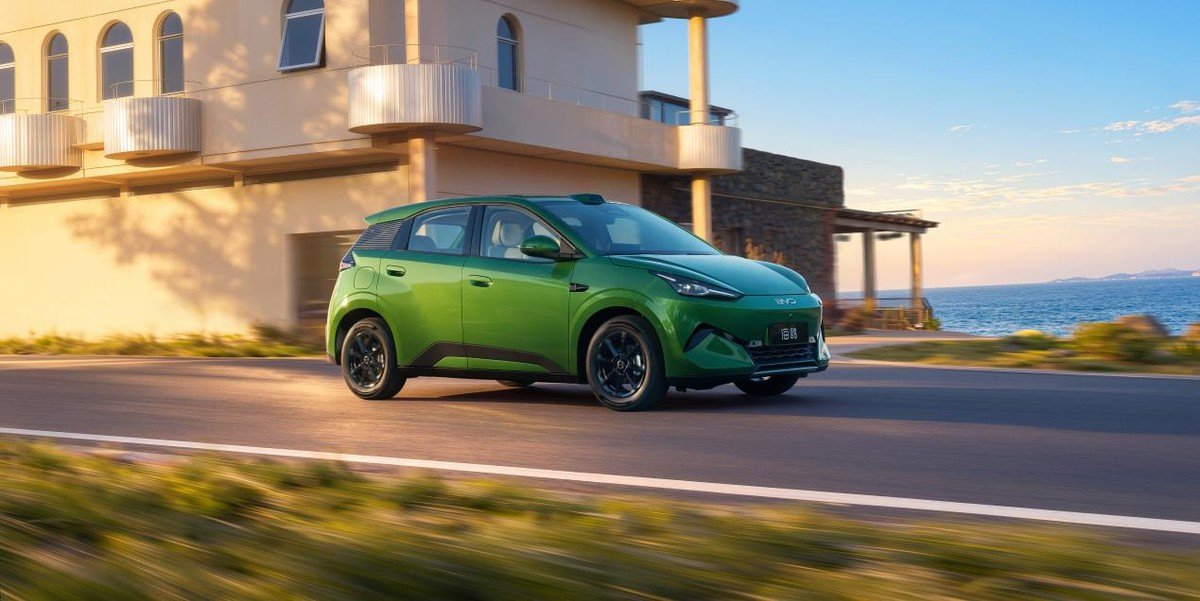
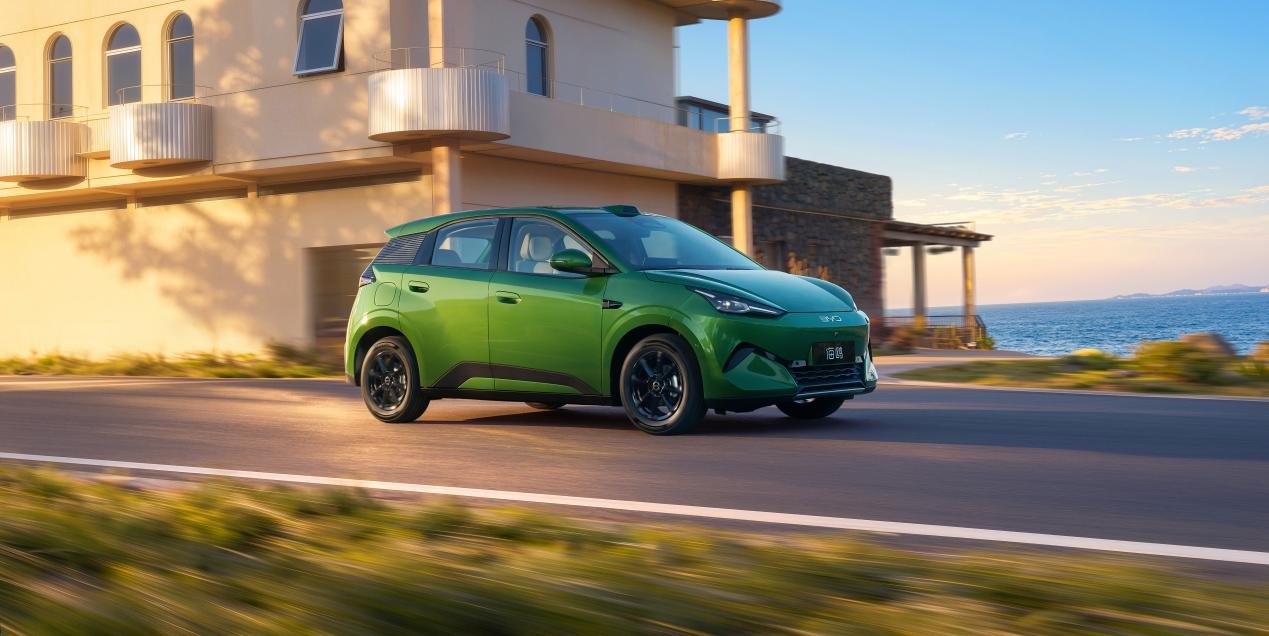
The second-generation Seagull is BYD's disruption of the small-car market.
Since its launch in 2023, cumulative sales of the Seagull have surpassed 1.55 million units, making it the fastest global pure-electric model to surpass one million in cumulative sales. But the pressure on the Seagull is also mounting. The strategy of latecomers is simple: priced about the same as you, but with a slightly longer wheelbase and a size a notch bigger.
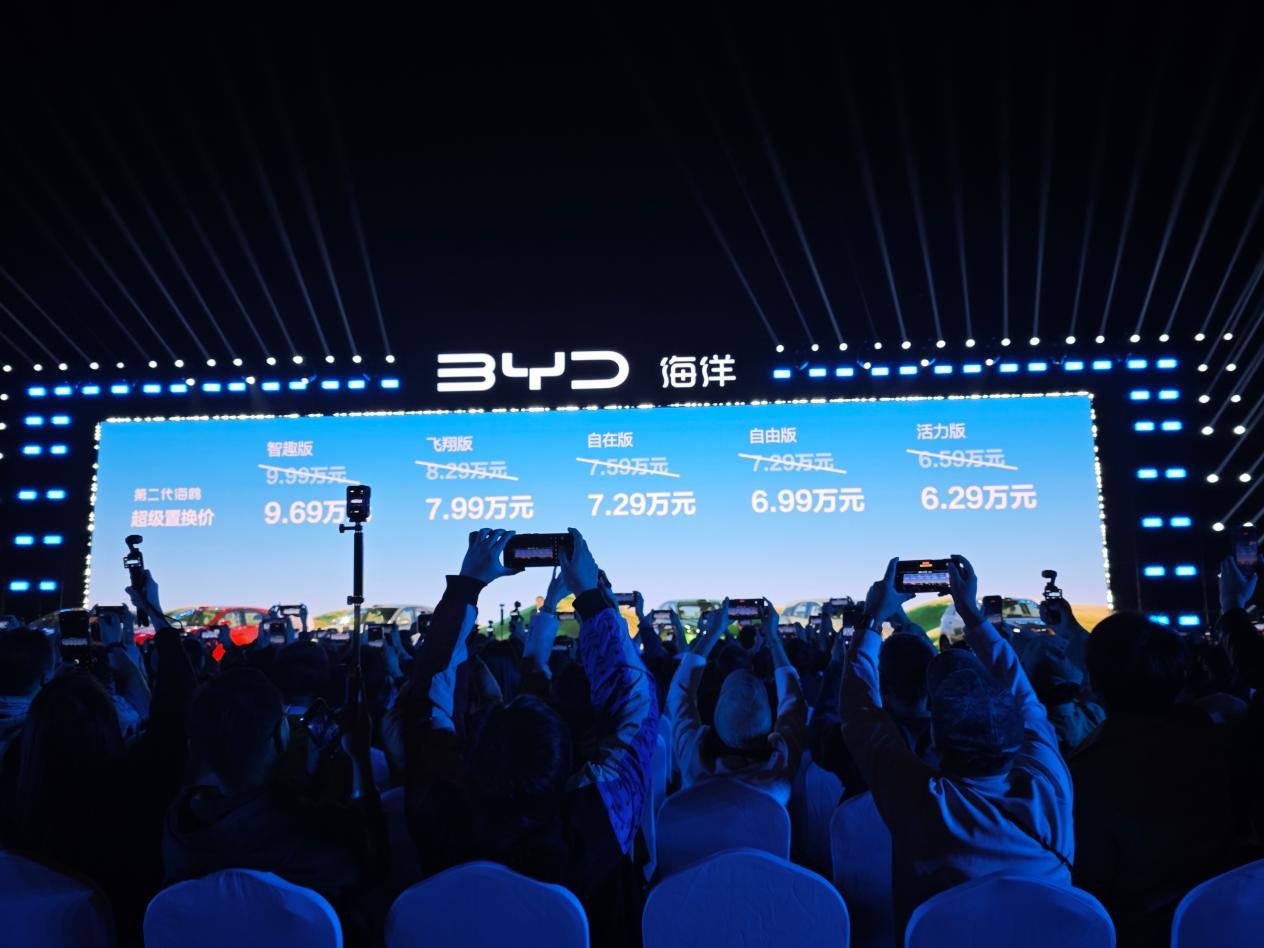
What's so hard about being "big"? So here comes the second-generation Seagull. Five versions, official guide price 65,900–99,900 yuan, super trade-in price 62,900–96,900 yuan. Not only is the price attractive, but this time the second-generation Seagull isn't just bigger in size—it's "big" thoroughly and comprehensively.
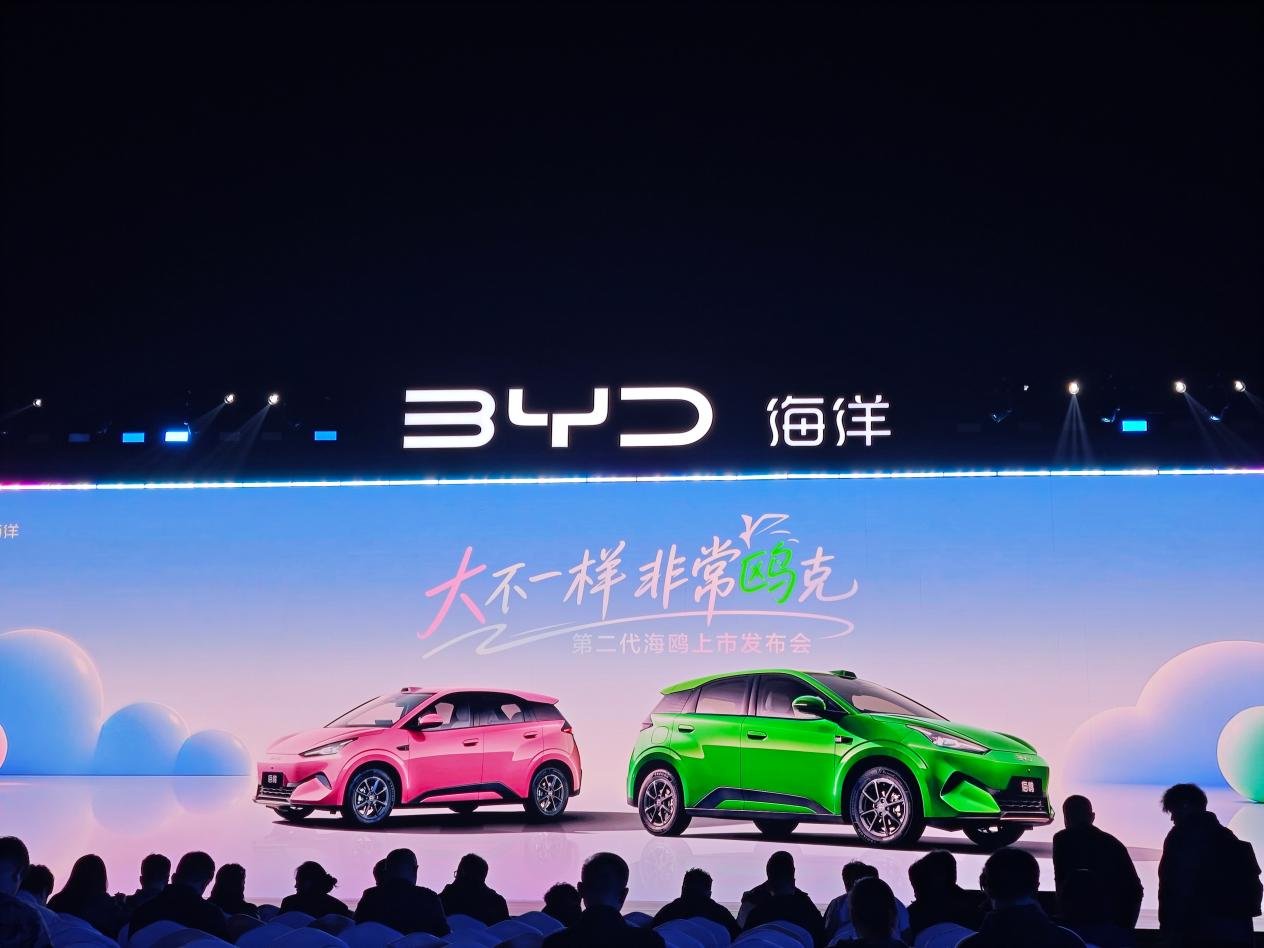
"Big" in comfort
Let's start with the most tangible changes. The second-generation Seagull's dimensions are now 4205×1810×1570mm with a 2650mm wheelbase, and rear legroom, headroom, and hip room have been comprehensively optimized, changing from a four-seater to a proper five-seater.
Don't underestimate this "four seats to five seats." All A0-segment small cars in the past shared an unspoken consensus: the rear seats are decoration—fine for kids and pets, but not for adults, and a family of five had to take two cars to go out. Users complained about this for years, and manufacturers kept responding with "that's just how small cars are."
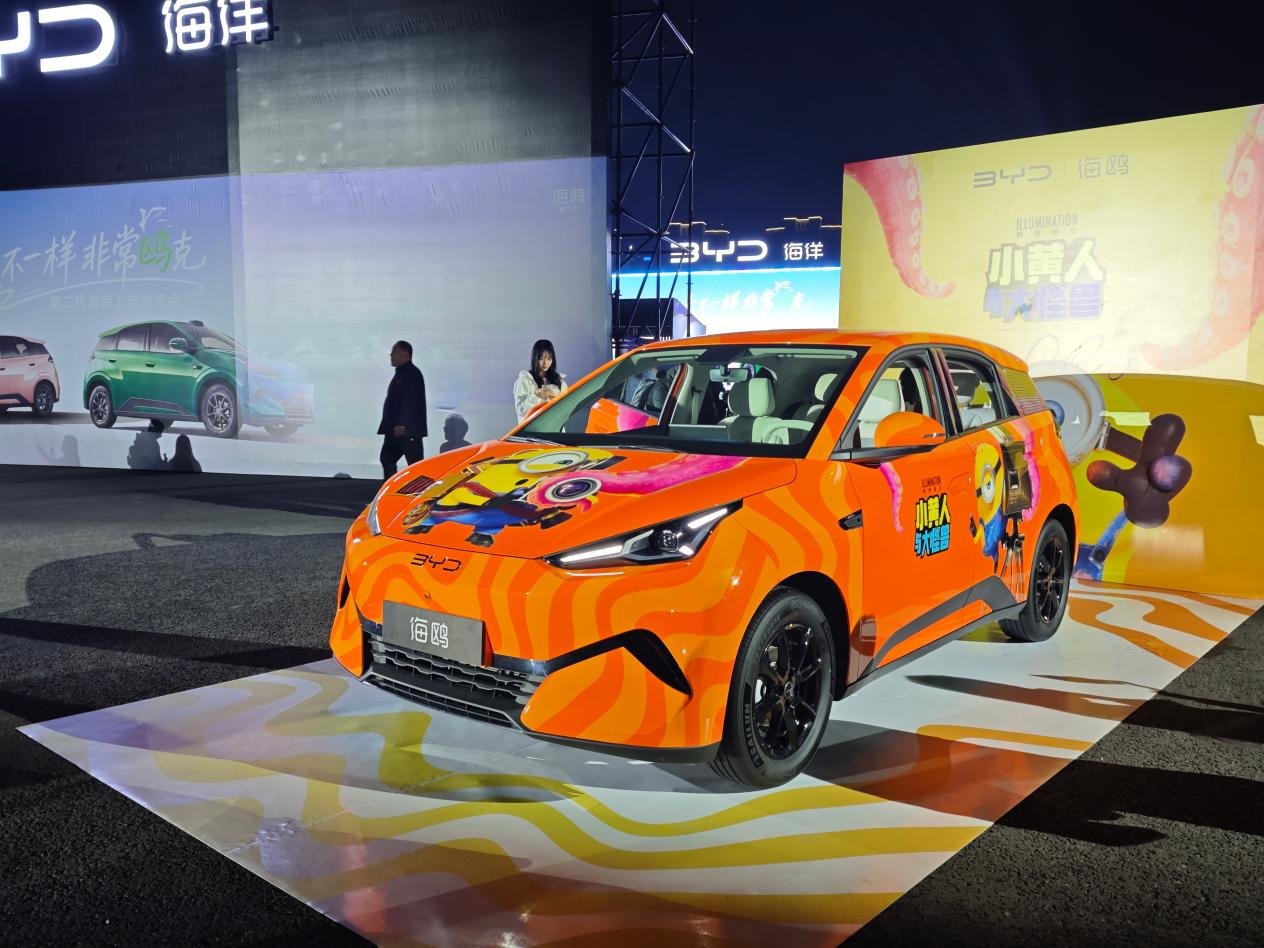
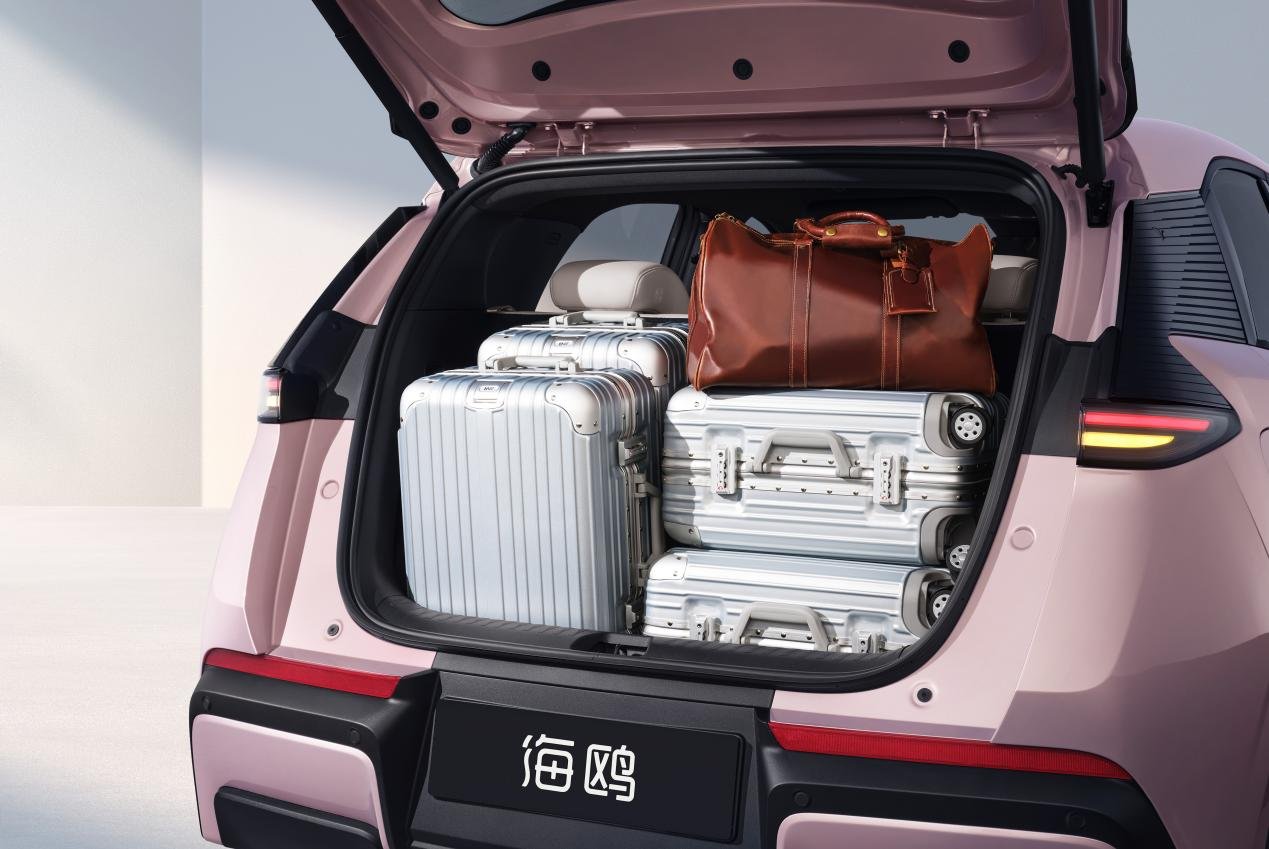
The second-generation Seagull directly kills that excuse. Three adults in the rear aren't cramped, and the 94L front trunk can fit a 20-inch suitcase; in its normal state the trunk holds 2×24-inch + 2×20-inch, so five people and five suitcases can travel together; folding the second row expands it to 1380L with a depth of over 1.5 meters, forming a large flat floor. There are also more than 30 storage spaces throughout the car, including a 1.62L hidden automotive-grade tissue box, a total of 24L of second-row storage boxes, and hidden hooks.
The driver's seat has 6-way and the passenger seat 4-way power adjustment, the front seat cushion width is 504mm (best in class), both front seats have three-stage heating and ventilation, and the driver's seat adds massage. The full lineup gets automatic air conditioning, 50W wireless charging, multi-color ambient lighting, and 8-speaker audio. Individually none of this is astonishing, but putting it all together in a 60,000-yuan-class small car means something different—it's telling you that small-car users deserve these too.
Put plainly, this is A0-level money for loading capacity and comfort close to an A-segment car. For a family vehicle, that's more useful than any flashy spec.
"Big" in freedom
Once a car gets bigger, the biggest worry is losing agility. The core advantage of a small car is easy parking and easy U-turns; if that's sacrificed for space, the tail is wagging the dog.
The second-generation Seagull keeps its minimum turning radius at 4.95 meters. The car grew a size, but agility wasn't discounted. Tight garage spots, U-turns in old downtowns, parallel parking—it still performs like a "small car." The chassis uses rear-mounted rear-wheel drive plus a rear multi-link independent suspension, the motor's maximum power is raised to 95kW with 130N·m peak torque, and top speed is 150km/h. For a commuter car, that reserve is sufficient, and highway lane changes won't make you nervous.
"Big" in intelligence
LiDAR-assisted driving and a smarter infotainment system have both arrived.
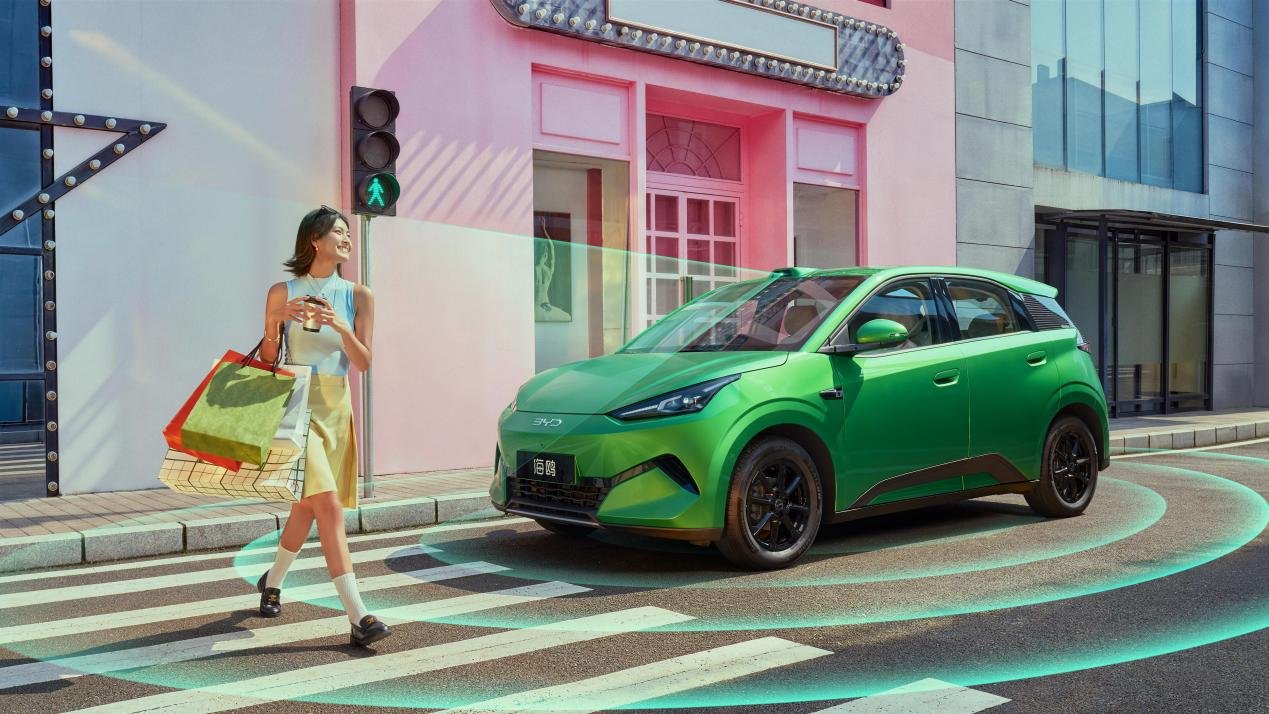
God's Eye B - assisted-driving LiDAR edition (DiPilot 300) has been fitted to this A0-segment small car, supporting urban navigation assist and highway/expressway navigation assist, and it likewise promises "dual backing" for intelligent parking and urban navigation. This isn't simple stacking of features but equalization of assisted driving—the speed at which technology trickles down is far faster than most people expected.
What's more tangible is that "backing commitment." For parking scrapes or problems with urban navigation, the boundaries of responsibility are written out in writing, which is still rare in the industry. For novice drivers and female users, full-scenario parking assist covers complex parking spots; when facing a difficult spot, you can simply get out and let the car park itself. What this feature solves isn't a technical problem—it's a psychological burden.
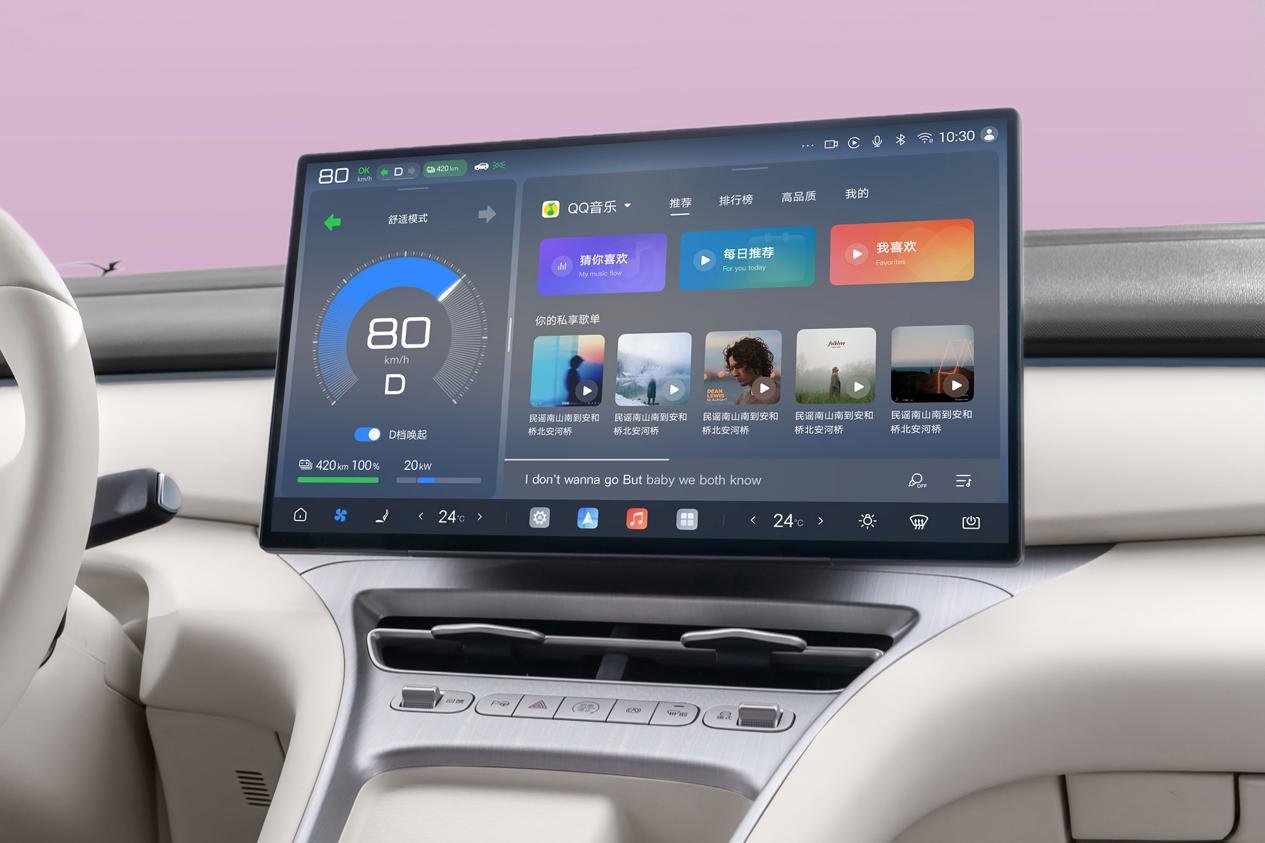
The cockpit is DiLink 150 plus a 15.6-inch central screen, and the smart instrument cluster independently displays core driving information such as speed, battery level, and turn signals—so even if the infotainment occasionally lags, driving information is never interrupted. Add to that full-lineup smart entry, seamless unlock, and smart power on/off: approach with your phone to unlock, press the brake and shift to go. There's also a rare-in-class knock-to-unlock front trunk—two light taps and it pops open; this kind of small design is very clever.
"Big" in freedom
The second-generation Seagull is currently the smallest model equipped with BYD's flash-charging technology. Charged in 5 minutes, fully charged in 9 minutes, and only 3 minutes more at minus 30 degrees; flash-charging versions also come with 12 months of free flash-charging benefits.
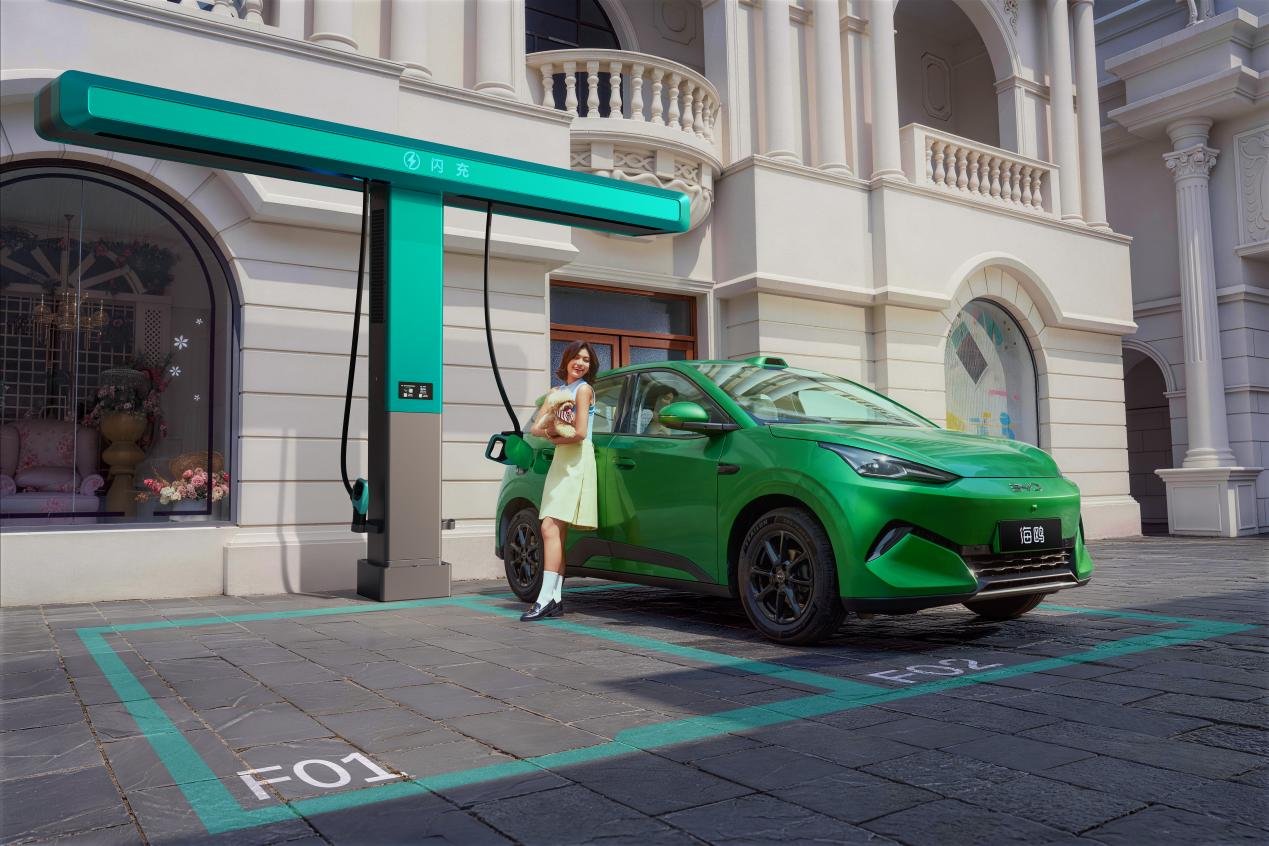
I've always believed that small-car users are actually more sensitive to charging than large-car users. Small cars are mostly used for high-frequency short trips; once out of power, what's affected is rigid scenarios like commuting. The point of flash charging is to compress "charging" from "making a special trip" into "topping up along the way." As of now BYD has built 12,165 flash-charging stations, with a year-end target of 20,000. Of course, how much of this experience you can realize depends on whether stations are densely enough deployed where you frequently go—this is worth confirming on the ground before purchase.
Range comes in two CLTC versions, 320km and 420km; relying on a 0.28 drag coefficient and lightweight engineering, energy consumption can be as low as 9.0kWh/100km. Going farther on the same kilowatt-hour is, for a small car, much smarter than piling on battery capacity.
"Big" in safety
Although it's just a small car starting at over 60,000 yuan, the second-generation Seagull still adopts a high-strength body structure paired with up to 6 airbags. The number of airbags matches A-segment and even B-segment cars.
The full lineup comes standard with Sentry Mode plus千里眼 (remote vision), tire-blowout stability control within 60–140km/h, and AEB automatic emergency braking—things you don't see day to day but that save lives in an accident; making them standard across the lineup deserves recognition.
Commentary:
You see, being big isn't actually hard, but being big to this extent still takes BYD.
But the most positive significance of the second-generation Seagull isn't actually "big"—it's "not settling." In the past, when buying an A0-segment small car, everyone knew the score: a car for tens of thousands of yuan, with the price sitting there, would inevitably have some shortcomings, weaknesses, or cost-cutting—in other words, you made do.
The second-generation Seagull brings a whole attitude of "getting serious" into the small-car market: five seats, LiDAR, flash charging, dual backing, 80 standard features. Things that used to belong only to higher-segment cars are now compressed into a car costing just over 60,000 yuan. The benefit to users is direct—a commuter car no longer equals "making do." For the entire small-car market, this amounts to resetting the passing line.
When even a 60,000-yuan small car starts talking about five-seat space, urban navigation, and fully charging in 9 minutes, those small cars that feel their way across the river by following BYD and主打 "refinement" and "design sense" must answer a question anew: where exactly can your value still stand?
Ordinary people were never just after cheapness—they want "worth it." The second-generation Seagull is less about being "big" differently and more about giving a small car the dignity it should have. That is the toughest confidence behind the Seagull's generational change.
Note: Images are from the internet, rights belong to the original authors; if there is any infringement, please contact us for deletion, and thanks to all.
This article aims to explore the transformation trends of the automotive market; the cases mentioned are based on public market data and common industry phenomena and do not constitute commercial evaluation of any specific brand or company.


