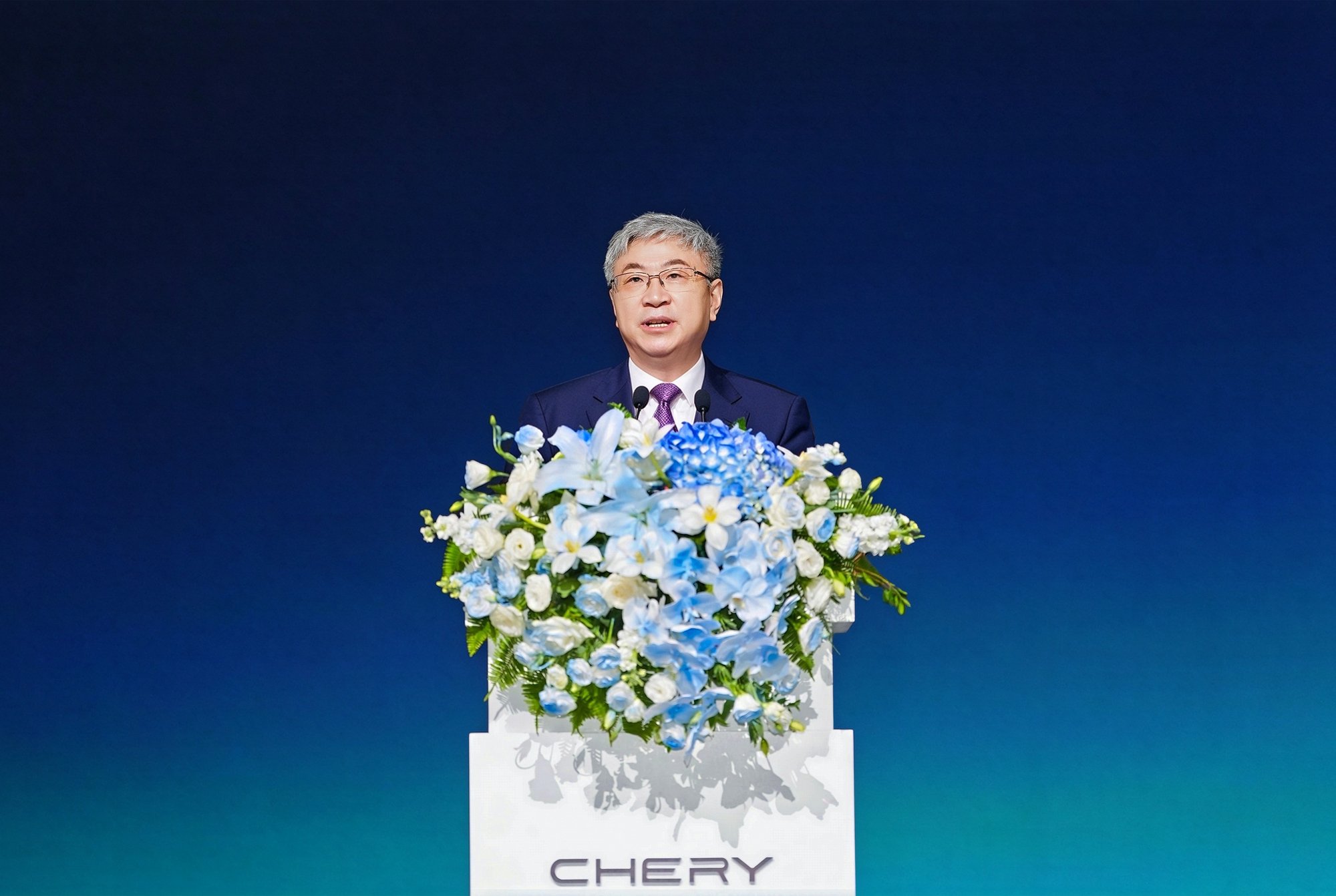
If an automaker's launch event features robots, flying cars, agricultural machinery, and atmospheric water generators as the main attraction, you would most likely suspect you had walked onto the wrong set.
Admittedly, this scene genuinely unfolded at the 2026 Chery Global Innovation Conference.
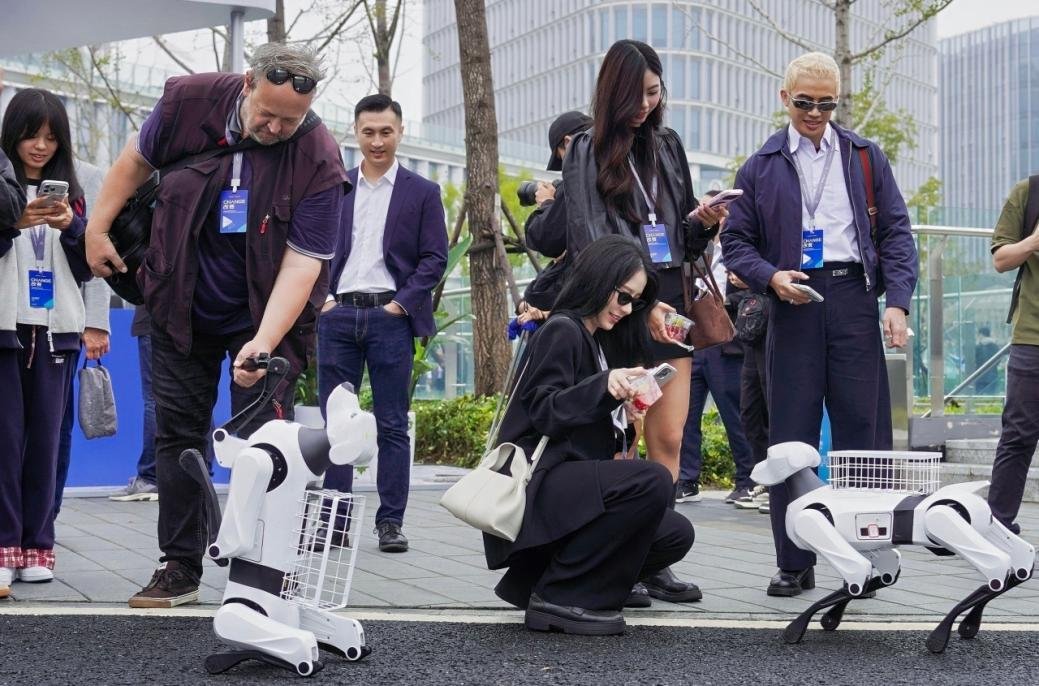
Chery Chairman Yin Tongyue remarked with a smile during his opening speech that a leader had exclaimed after touring the exhibition area: "Chery's cars increasingly don't look like cars, and Chery increasingly doesn't look like an automaker." He was pleased to hear it—because that is exactly what Chery wants to be: a high-tech innovation company "wearing an automaker's vest."
In this author's view, that statement may well be the best key to understanding this conference.
Not "adding AI," but "genetic recombination"
Over the past few years, when automakers talked about intelligence, most were "bolting on" smart features to existing architectures. Chery's answer this time is more radical: turning the blade inward, using AI to recombine its own DNA.
The vertical-domain foundation model CheryMind unveiled at the conference is the technological bedrock of this logic. It is not a public-facing chatbot, but an "enterprise brain" born for physical AI—backed by 700TB of enterprise knowledge, 200PB of engineering data, 25 million clips of coach-level driving data, and 5 million clips of robot motion-capture data.
⟦24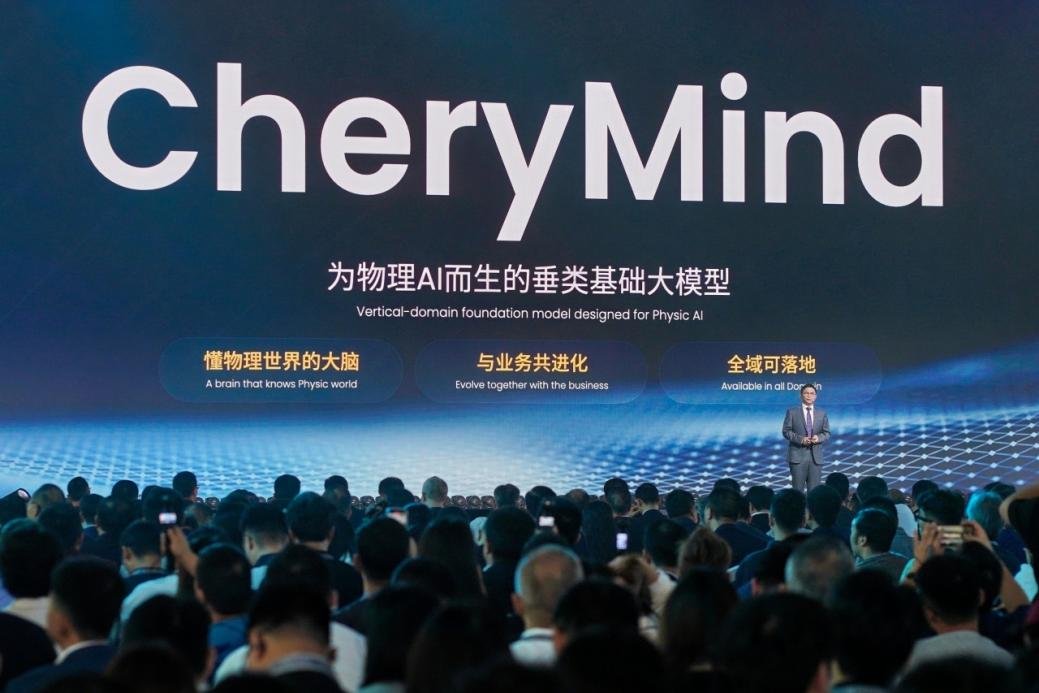
CheryMind reshapes R&D and manufacturing processes with vertical models for CAD, quality, and manufacturing on one side, while extending toward the product end with vertical models for smart cockpit, intelligent driving, flight control, and agricultural machinery OS on the other. With 1,500+ end-to-end business processes, 400+ enterprise systems connected, and 60,000+ daily employee users, these figures show it is no longer just a concept on a slide.
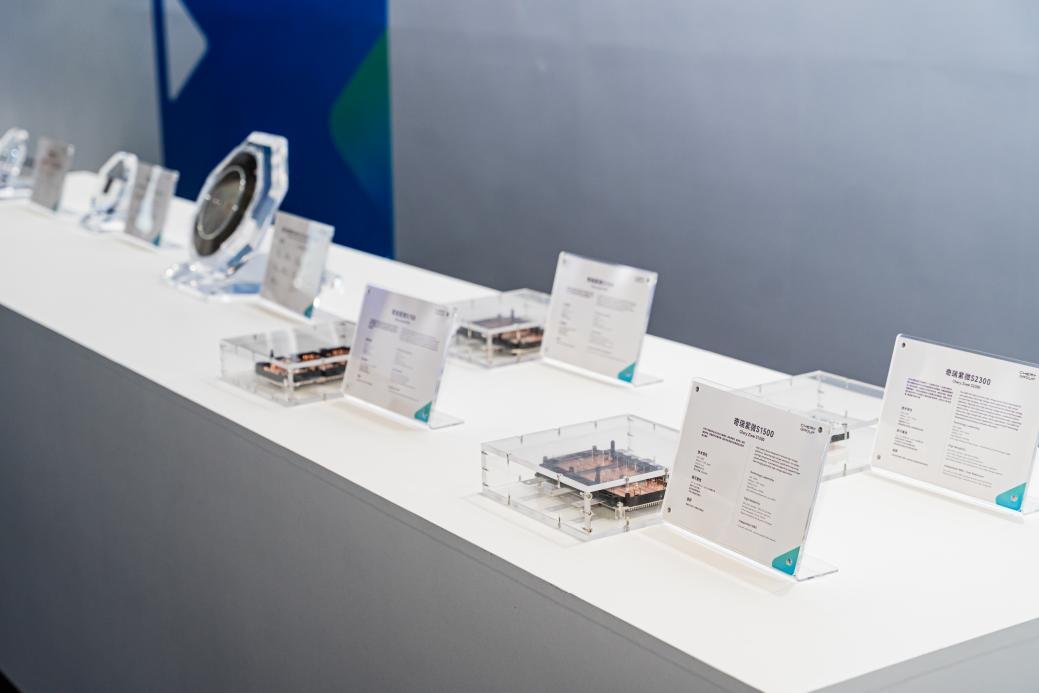
Paired with its self-developed Ziwei chip series, Chery aims to close the loop of "compute—model—scenario": the C100 central computing chip targets physical AI edge deployment, with vehicle NPU computing power of 2,400 TOPS supporting 100B large-model deployment; the S-series automotive-grade silicon carbide chips cover the full 750V—1,500V platform range. The significance of software-hardware synergy is that AI is no longer a bolt-on feature but a "nervous system" grown into the vehicle.
Eleven major technology clusters: breaking "the future" into tangible scenarios
What this conference lacks least is "hard goods"—eleven core technology clusters, nearly every one pointing to a specific freedom: freedom of mobility, freedom of energy, freedom of food, freedom of life.
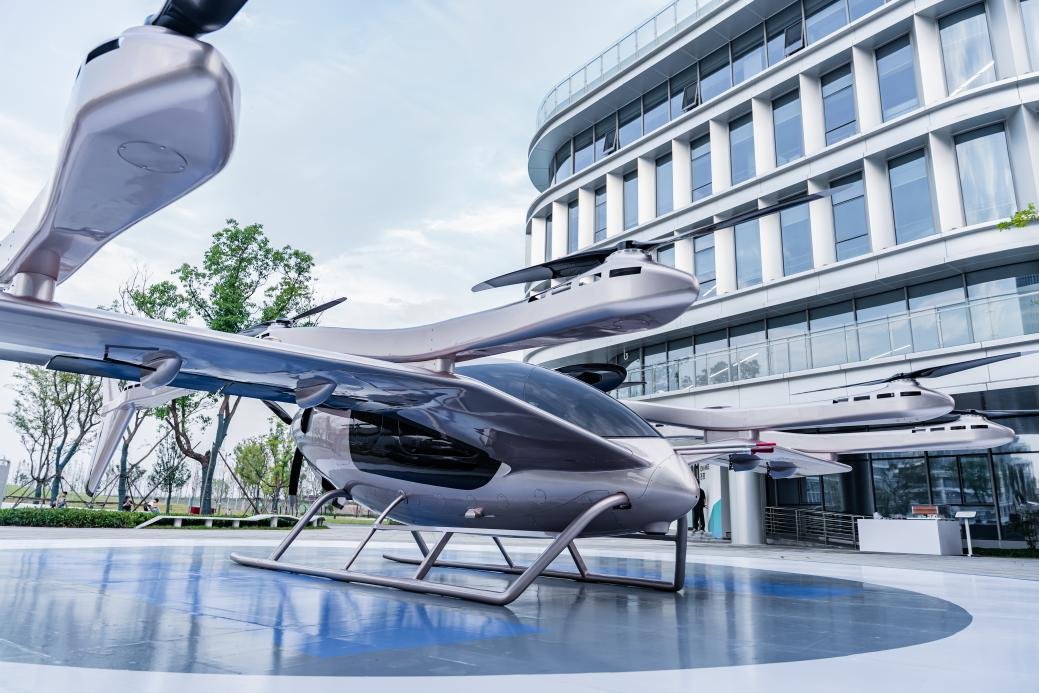
On the mobility front, the industry's first globally native front-installed Robotaxi is planned to achieve 100,000 units in global operation by 2030, with five native layers plus six layers of safety, pushing autonomous driving from "modified vehicles" toward "front-installed mass production"; the two Lingxiao eVTOL models target short-range passenger transport and long-range travel respectively; Falcon assisted driving covers regulatory access in 130+ countries/regions, with Falcon 900 aimed squarely at highway and urban L3; the Lingxi 8D intelligent sensing cockpit connects five domains through the AIOS full-domain architecture, turning the cockpit from "people finding functions" to "functions finding people."
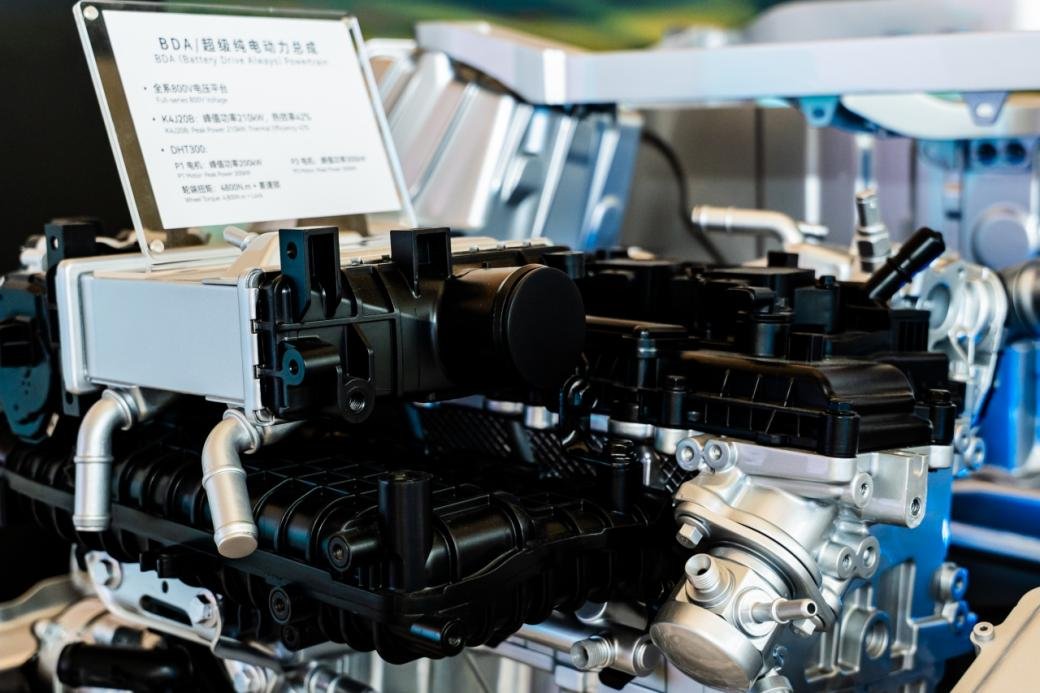
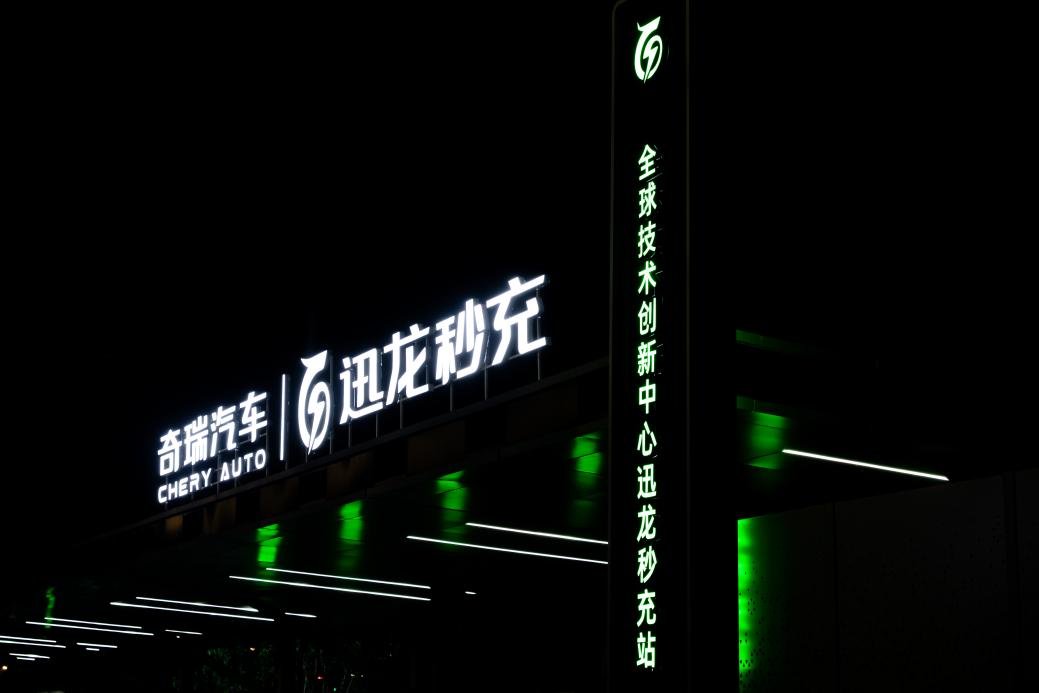
On the energy front, Xunlong instant charging claims "500 kilometers of range from 5 minutes of charging," V2G vehicle-grid interaction offers users a ledger of 3,000+ yuan in annual returns, and the plan for 20,000 V2G stations globally by 2029 turns vehicles from power-consuming devices into grid nodes; solid-state battery cells reach 400Wh/kg energy density, with a pilot line landing in 2027; solar-powered cars plus atmospheric water generation produce up to 6 kWh of electricity per day and 5 liters of direct drinking water daily, reducing carbon by over 200kg per year.
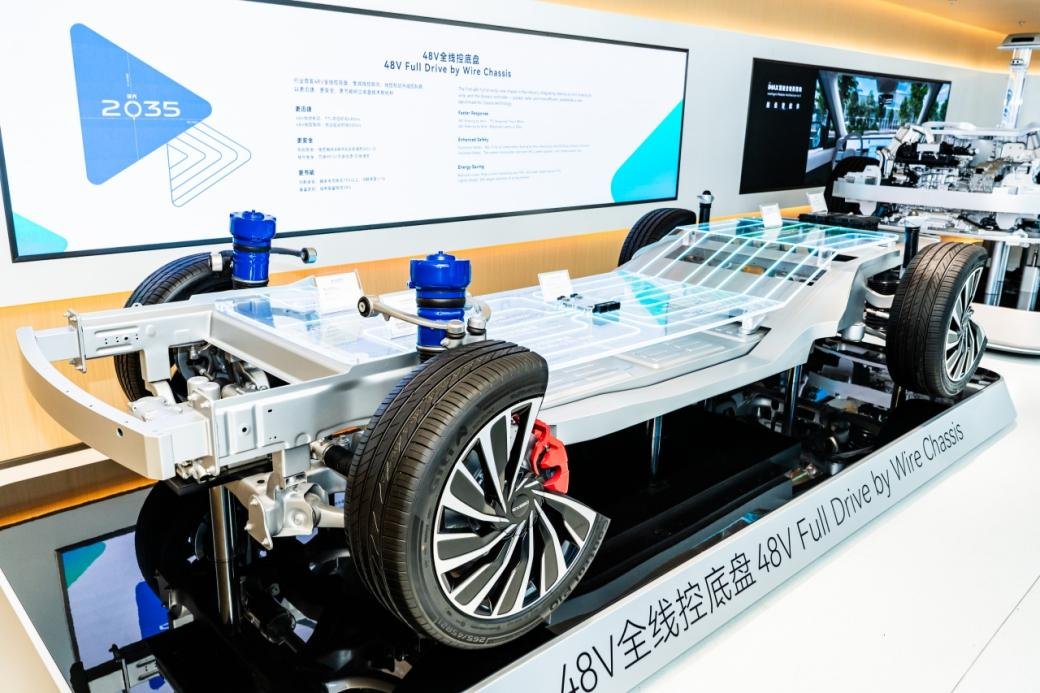
There is also a native 48V low-voltage electrical system and a 4-in-1 intelligent driving unit—the latter integrates EMB, in-wheel motors, four-wheel independent kingpin steering, and active suspension into the wheel end, with a maximum wheel-end steering angle of 90°, supporting lateral driving and原地 U-turns. Any one of these technologies alone would be enough for a full launch event, yet Chery has packaged them into a "future life operating system."
The real watershed is the difference between "ecosystem organizer" and "product manufacturer"
If one views this conference merely as Chery's technology show, one underestimates its industry significance.
First, AI going onboard is shifting from a "feature race" to a "foundation race." While most automakers are still competing over the number of cities where intelligent driving is available and cockpit voice wake-up rates, Chery has pulled the competition up to the level of enterprise large models, self-developed chips, and cross-scenario reuse. CheryMind's value lies not in how strong any single feature is, but in enabling knowledge, data, and engineering experience to flow across businesses—today for making cars, tomorrow for making robots, the day after for making agricultural machinery. Once this "foundation capability" takes shape, followers will find it very hard to catch up through point features alone.
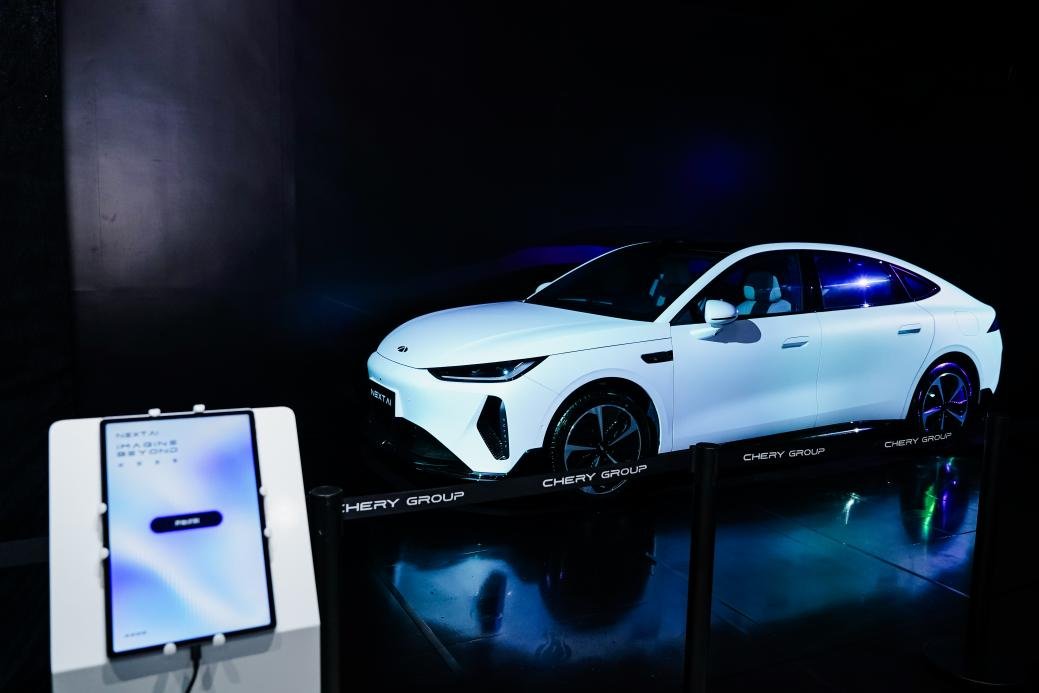
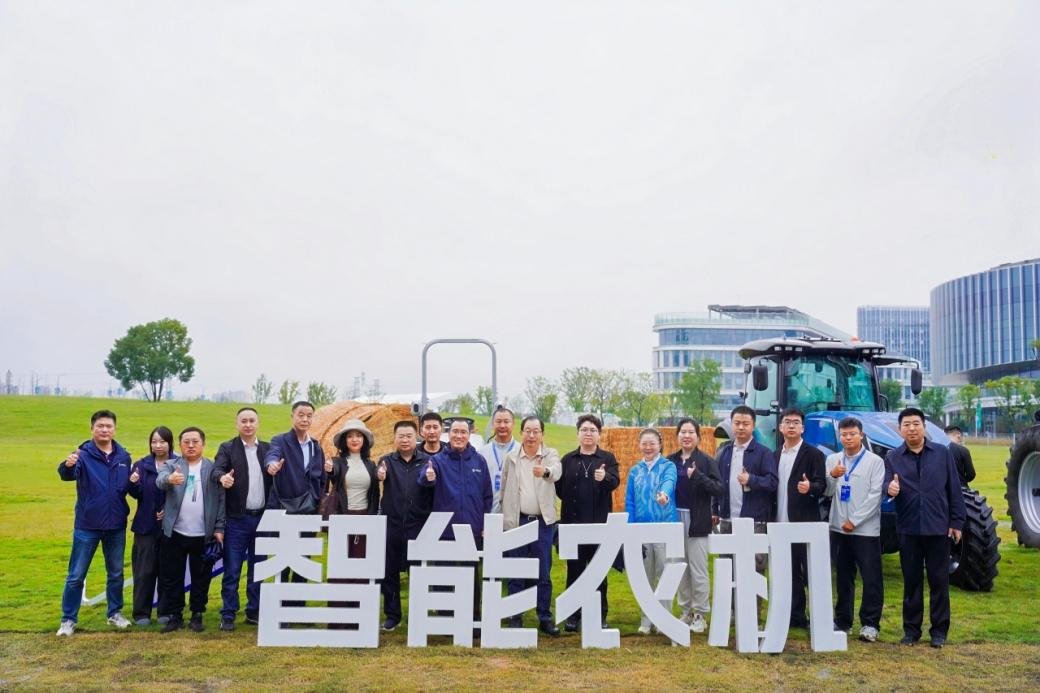
Second, the boundaries of automakers are being redefined by AI. Chery reuses automotive technology in Moja humanoid robots, Robotaxi, eVTOL, commercial vehicles, motorcycles, agricultural machinery, and electric boats, forming an "industrial ecosystem rainforest" where 500+ subsidiaries and branches coexist. Chairman Yin has set a rule for this cross-sector expansion: every time it enters an industry, it brings elevation, not involution. If put into practice, this means automaker competition will shift from "who sells more" to "who can spill capabilities into more industries."
Third, globalization is moving from "product going global" to "system going global." Chery's Globalization 3.0 formulation is "In somewhere, For somewhere, Be somewhere," shifting from a Chinese mindset to a local mindset. Exports of 1.551 million vehicles in the first three quarters and 529,000 new energy vehicle exports—about one-seventh of China's NEV exports—are the confidence behind this logic. But more noteworthy is that it sets its domestic capacity utilization target at around 90% and continues to grow and strengthen its Wuhu base—globalization is not abandoning the local but using global capabilities to feed back into the local.
Fourth, technological values are becoming a new competitive dimension. Yin Tongyue says Chery is "insatiably greedy for technological innovation and as timid as a mouse about safety." In an era of runaway AI capability, this "timidity" is instead a rare kind of clarity. The further technology advances, the more responsibility must keep pace—this should not be just a slogan but should become a shared baseline for the industry.
At thirty, standing firm: big companies look at scale, great companies look at contribution
Next year Chery turns 30. In his speech, Yin Tongyue raised a question: What is the difference between a big company and a great company? His answer: big looks at scale; great looks at contribution.
The answer this conference offers is hidden in the technological vision of "creating greater value for human freedom," in the 2035 vision of smart agricultural machinery serving 1 billion mu of farmland globally and helping increase grain output by 60 billion jin, and in the promise of a "research institute without walls" and "giving policy, giving a stage, giving funding, giving market, and tolerating failure."
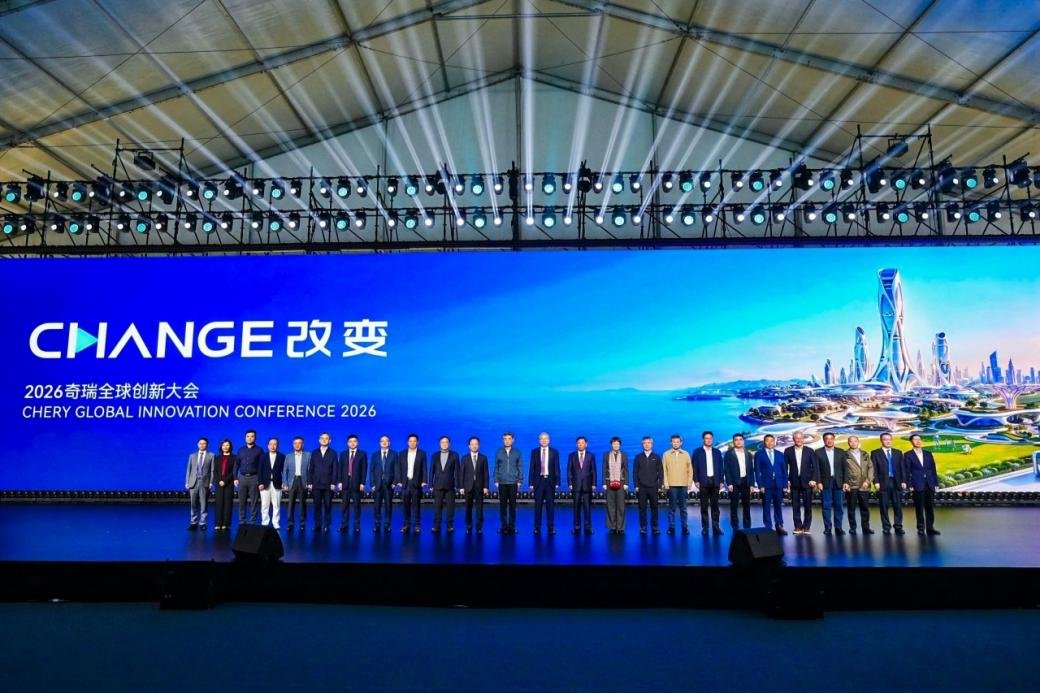
Whether Chery can become a great company is still too early to conclude. But at least at this conference, it did not choose to be a safe follower; it chose a harder direction: first change itself, then change the world. For China's auto industry, which is navigating the deep waters of intelligent transformation, this courage of "turning the blade inward" is perhaps more worth seeing than any single specification.


