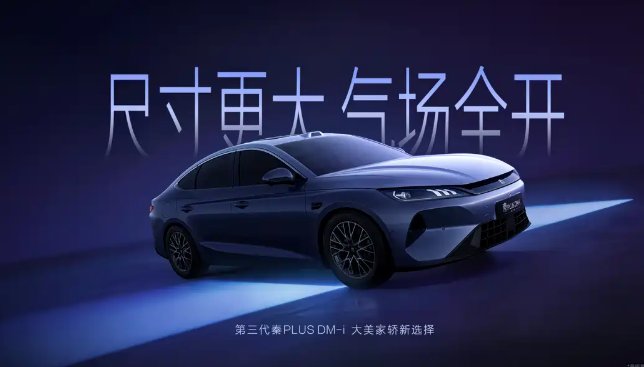
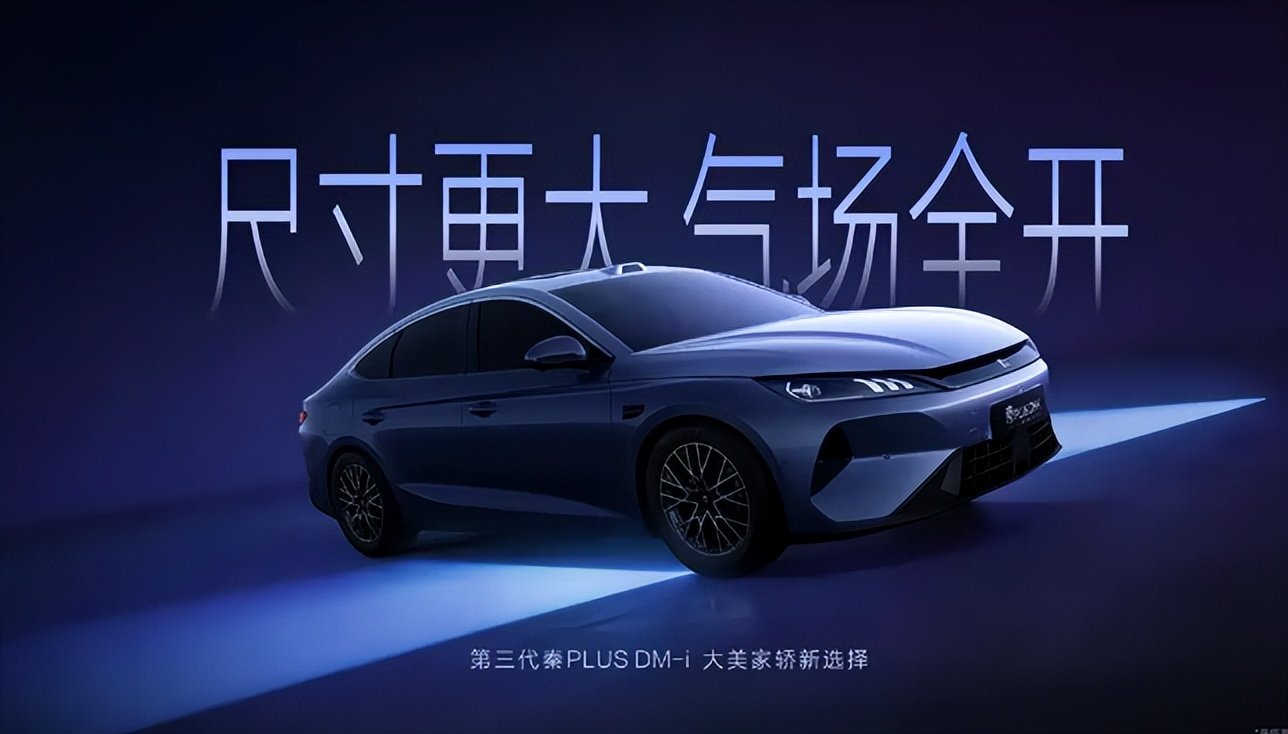
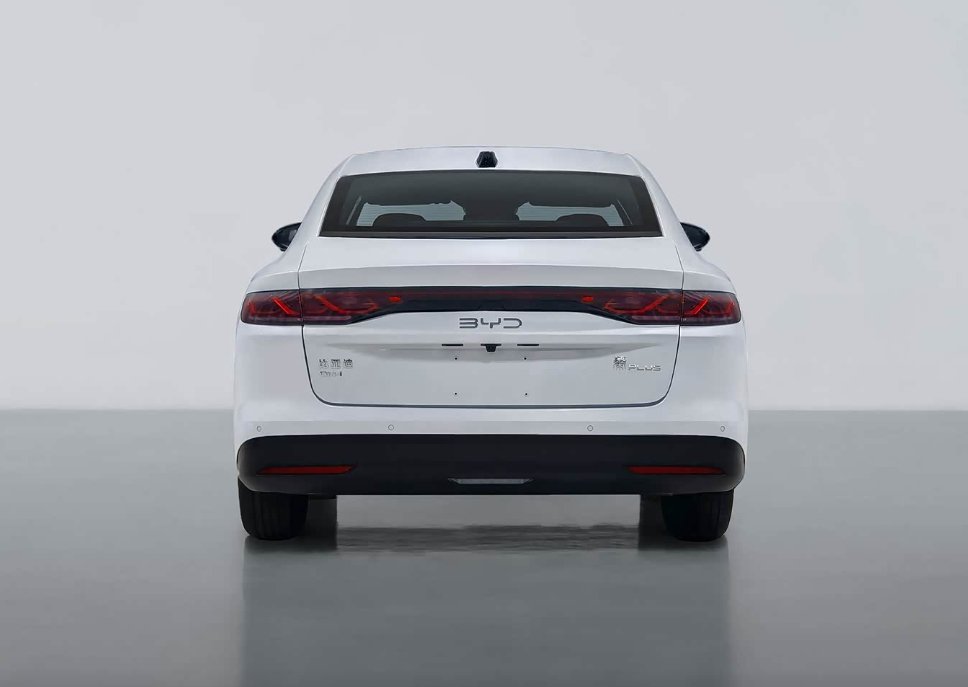
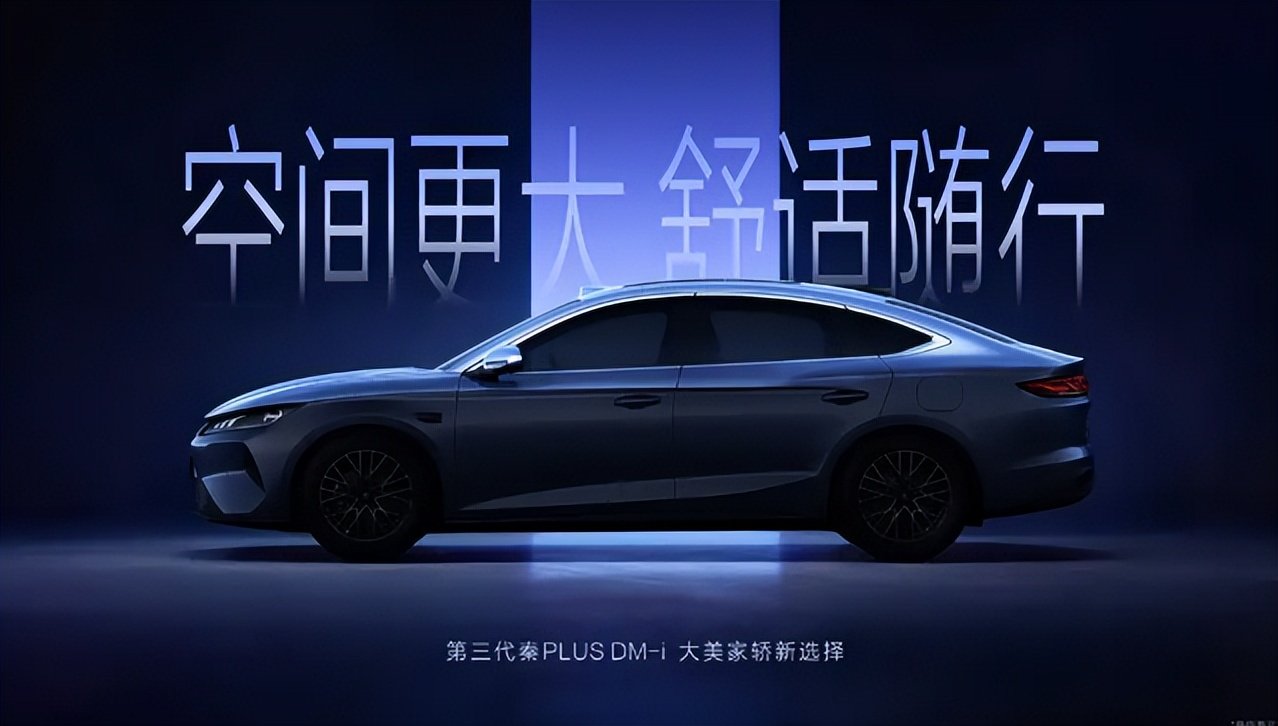
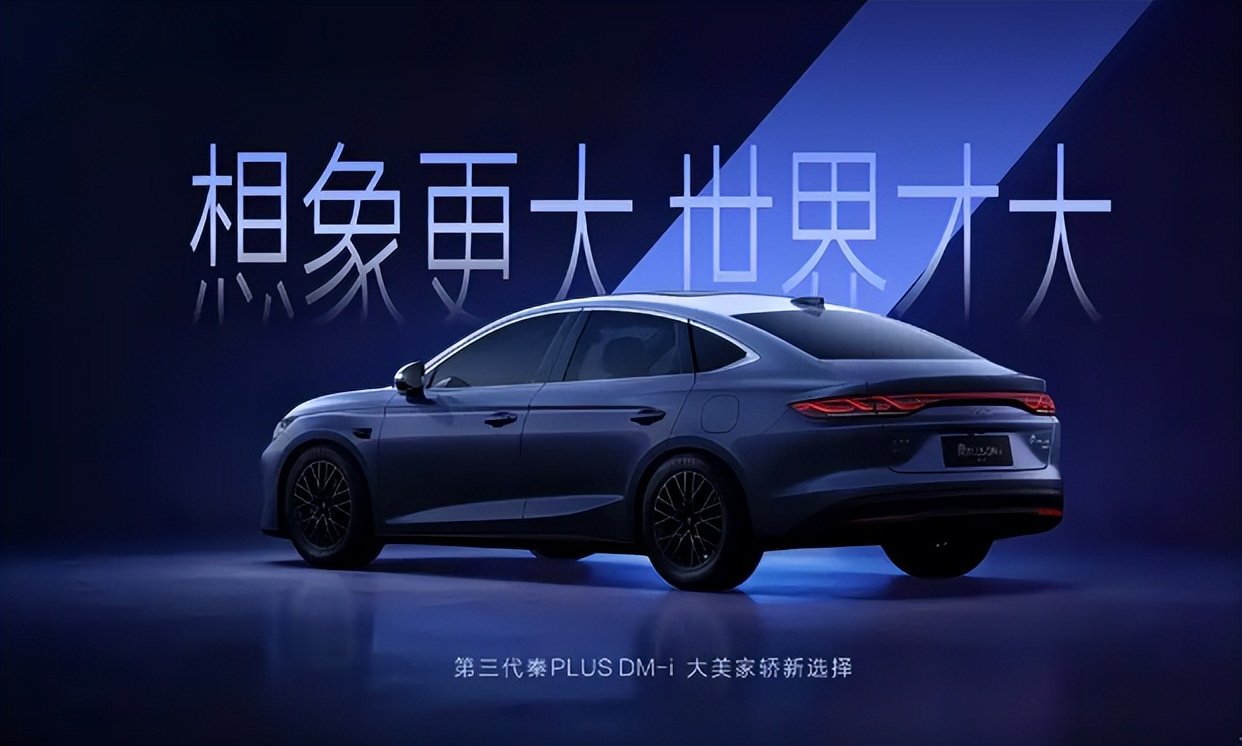
Brothers, the official images of the third-generation Qin PLUS are out. I took a look, and I feel something's a bit off.
Why? Because this car is probably going to cause trouble for its own "predecessor."
If you don't believe me, let me start with a rather counterintuitive point.
Everyone's talking about that lidar on the roof, but personally I think the most worth-discussing aspect of this car isn't what it added, but what it didn't change.
That's right, it's still the 1.5L naturally aspirated engine, 74kW.
Yes, still that same old familiar friend we all know only too well.
This is where I'll dig in. No fluff—I'll directly pit this car against its direct rivals in the same class.
Let's lay out the facts first, no making things up.
What's confirmed so far: length 4840mm, width 1900mm, height 1498mm, wheelbase 2800mm, curb weight 1520kg.
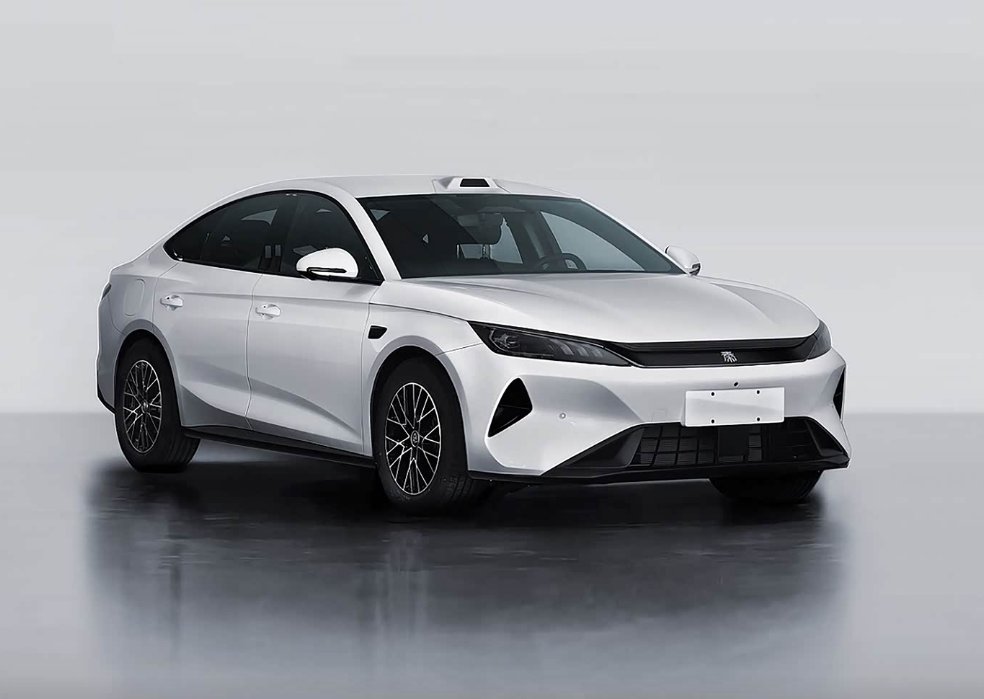
Motor peak power 120kW, two battery options—16.227kWh for 107km pure electric range, 24.337kWh for 160km.
Optional roof lidar, expected to launch in late October.
Price? The official hasn't given one yet.
As for which company makes the lidar? What smart driving system it pairs with? How much the option costs? Also not disclosed.
Its rivals in the same class are actually its own family plus two familiar faces from outside.
Let me be honest here—the Qin PLUS's biggest rival has never been anyone else. It's BYD itself.
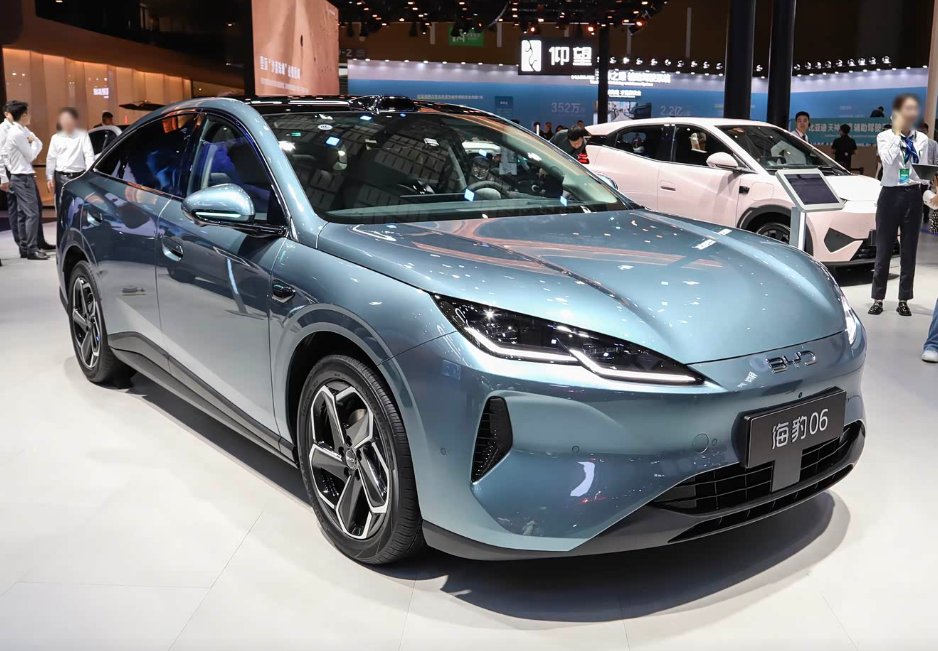
Seal 06 DM-i, Qin L DM-i—their price ranges squeeze together, and BYD plays the left-hand-fights-right-hand game better than anyone.
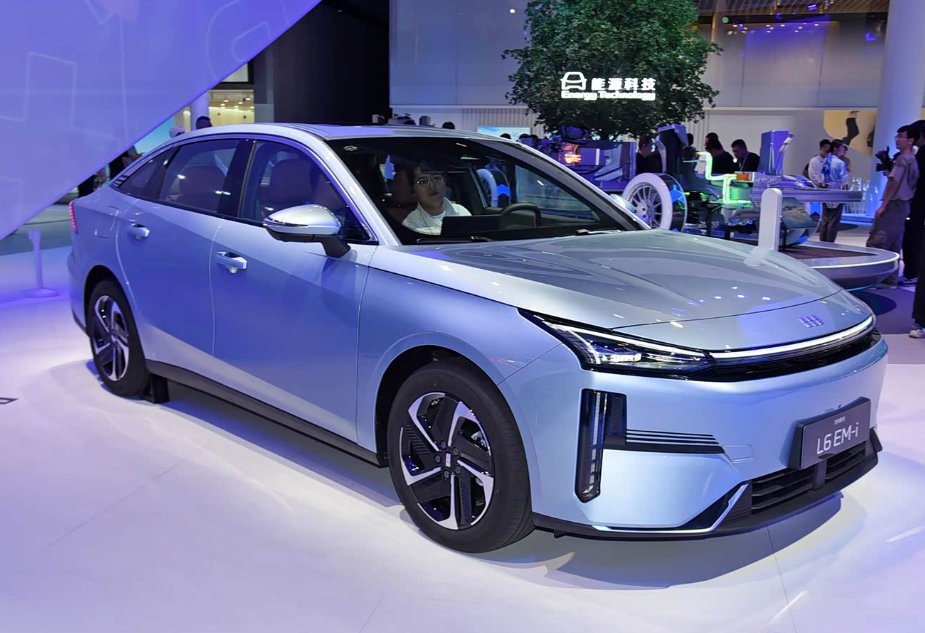
As for outside rivals, plug-in hybrid sedans like the Geely Galaxy L6 are the most direct competitors.
Their approach is very clear—smart cockpit first, stacked with features, and prices pushing downward.
I won't list numbers here—just make a comparison table yourselves before buying and you'll see.
Actually, the Qin PLUS's trump card is just two words: fuel economy.
As for the lidar thing, I have to say something very realistic.
I bet many of you brothers get super excited when you see "lidar," thinking this car is about to become a smart-driving god.
Hold on!
Radar is hardware—how well it works depends on software and algorithms. Just because the hardware is on the car doesn't mean the experience follows.
Let me use a vivid analogy: it's like buying a top-of-the-line treadmill at home doesn't mean you can run a marathon.
There's an even more realistic issue—it's optional. And optional means extra money, and they haven't said how much.
For a family sedan主打 value for money, would optioning a radar push the price into an awkward position?
On this car, the lidar is first and foremost a "face-saving feature," used to match competitors' spec sheets and give salespeople one more talking point.
Whether it actually works well—we'll have to wait until real cars hit the road.
As for 16kWh vs 24kWh, which one to buy?
This is genuinely a good topic worth arguing about.
Supporters of the smaller battery will definitely say: I commute thirty to forty kilometers a day, 107km pure electric is enough, saves money, saves weight, why spend more.
And supporters of the larger battery will still say: 160km pure electric, charge once a week is enough, it's basically driving an EV, and you can avoid the depleted-battery fuel consumption too.
My view?
Heh, it depends on whether your home has a charger.
If you have a fixed parking spot and can charge at home, the big battery is truly great—you basically won't burn fuel day to day. That's the correct way to use a plug-in hybrid.
If you don't have a charger, don't be too hard on yourself with the small battery either—you can't charge anyway, so the big battery is just lugging around a lump of iron for nothing.
The worst thing about buying a plug-in hybrid is buying one and not charging it. Then you're just driving a fuel car carrying hundreds of pounds of battery—pure self-inflicted suffering.
Honestly, let me point out a few shortcomings.
First, the 74kW engine isn't impressive in today's plug-in hybrid world.
Of course, the logic of plug-in hybrids is motor-primary, engine-for-power-generation-secondary, so this number isn't the core.
But at highway speeds in depleted-battery state, that feeling of having power but not being able to use it could well be a complaint—specifics will have to wait for a test drive.
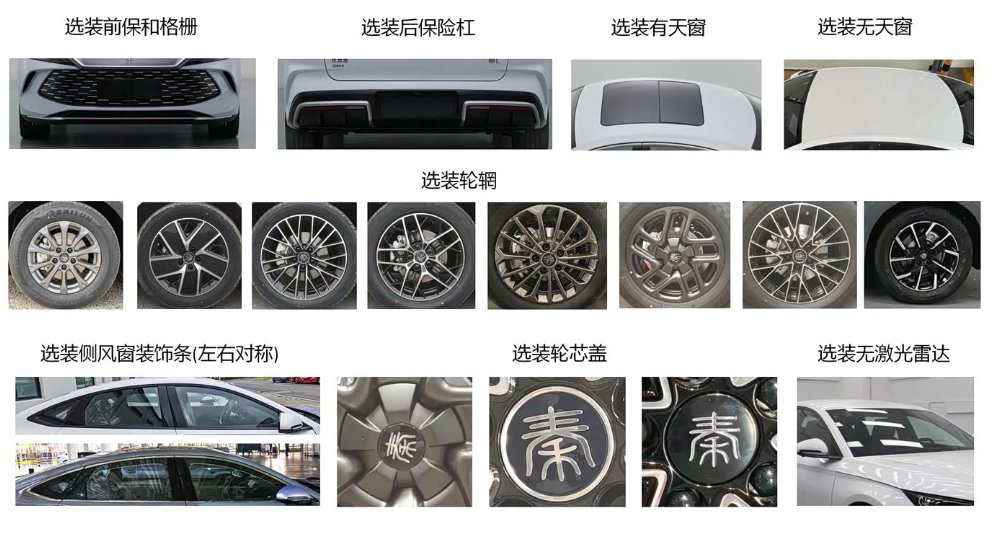
Second, tires are 215/65 R16 or 215/60 R17—for a car that's 4840mm long, that's on the narrow and conservative side.
The upside is comfort, fuel savings, and cheap tire replacement.
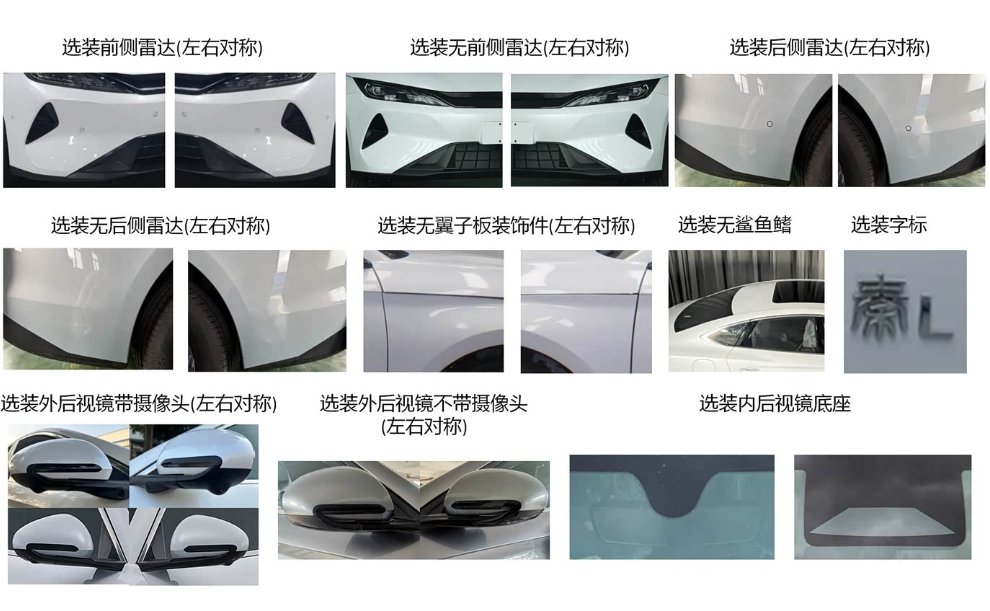
The downside is don't expect it to be sporty—the sporty vibe on the exterior is mostly just styling propping up appearances.
Third, approach angle 13°, departure angle 14°—enough for a family sedan, but don't think it can handle rough roads.
Finally, a few heartfelt words for brothers thinking of buying.
Don't rush to place an order. It doesn't launch until late October—before the price comes out, all discussion is just talk on paper.
Wait for the price, then put the Galaxy L6, Qin L, and Seal 06 DM-i at the same price point side by side and you'll know the answer.
I've always felt that the Qin PLUS's advantage was never all-around superiority, but being good enough, worry-free, and hassle-free.
Does this logic still hold today?
If it really pushes the price into place and doesn't jack up the price for the lidar, I'll be convinced!
But if it's the same old script of bare-bones lower trim and expensive upper trim......
Then tell me, who is this car actually for?


