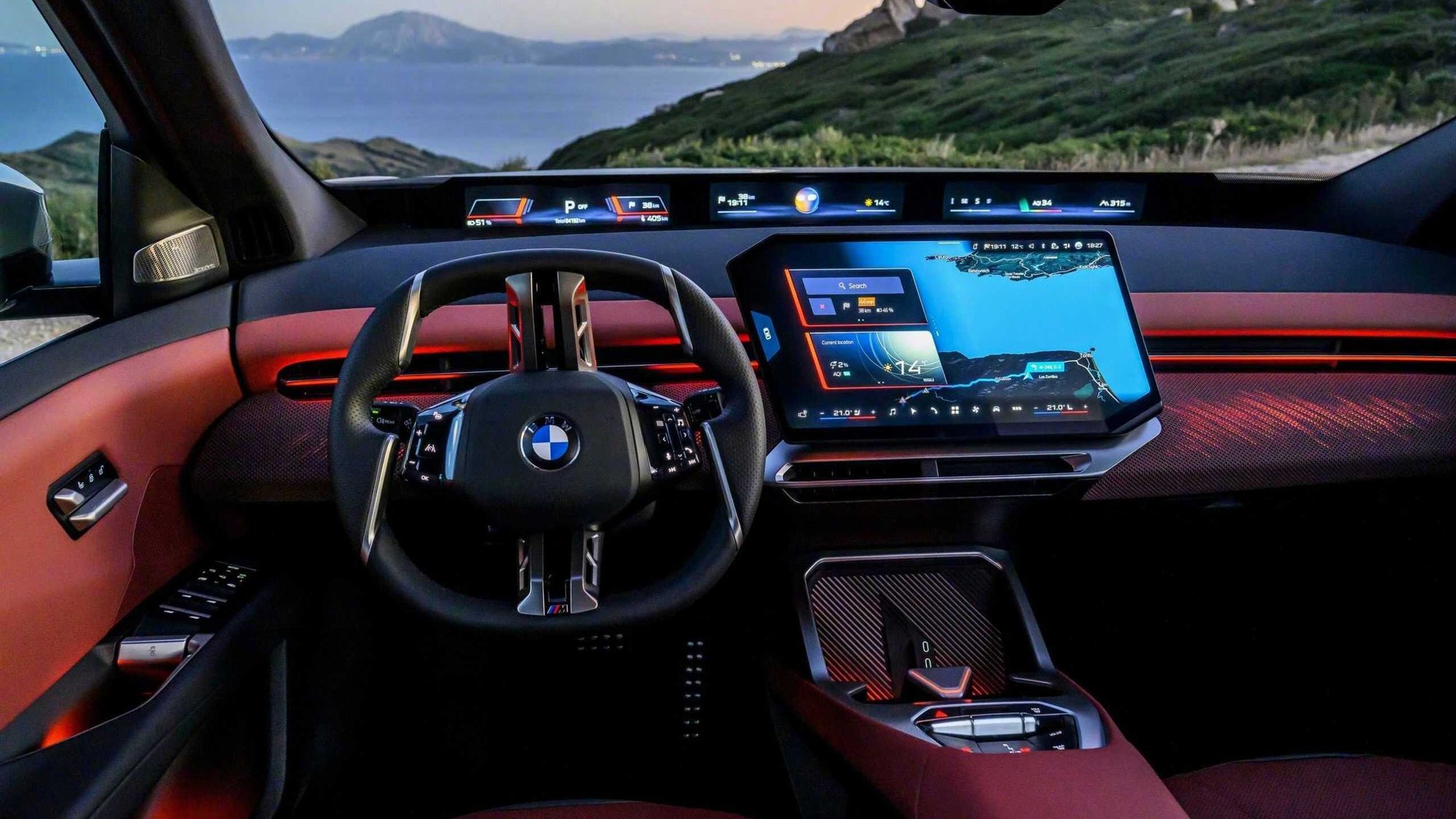
In the past two years, when you get into a new car—especially those labeled "smart"—the salesperson rattles off an introduction: how bright the big screen is, how high the chip's computing power is. But the very next day after you actually drive it home, your conversation with it still stays at "Hello, XX, turn on the AC" and "Navigate to the office."
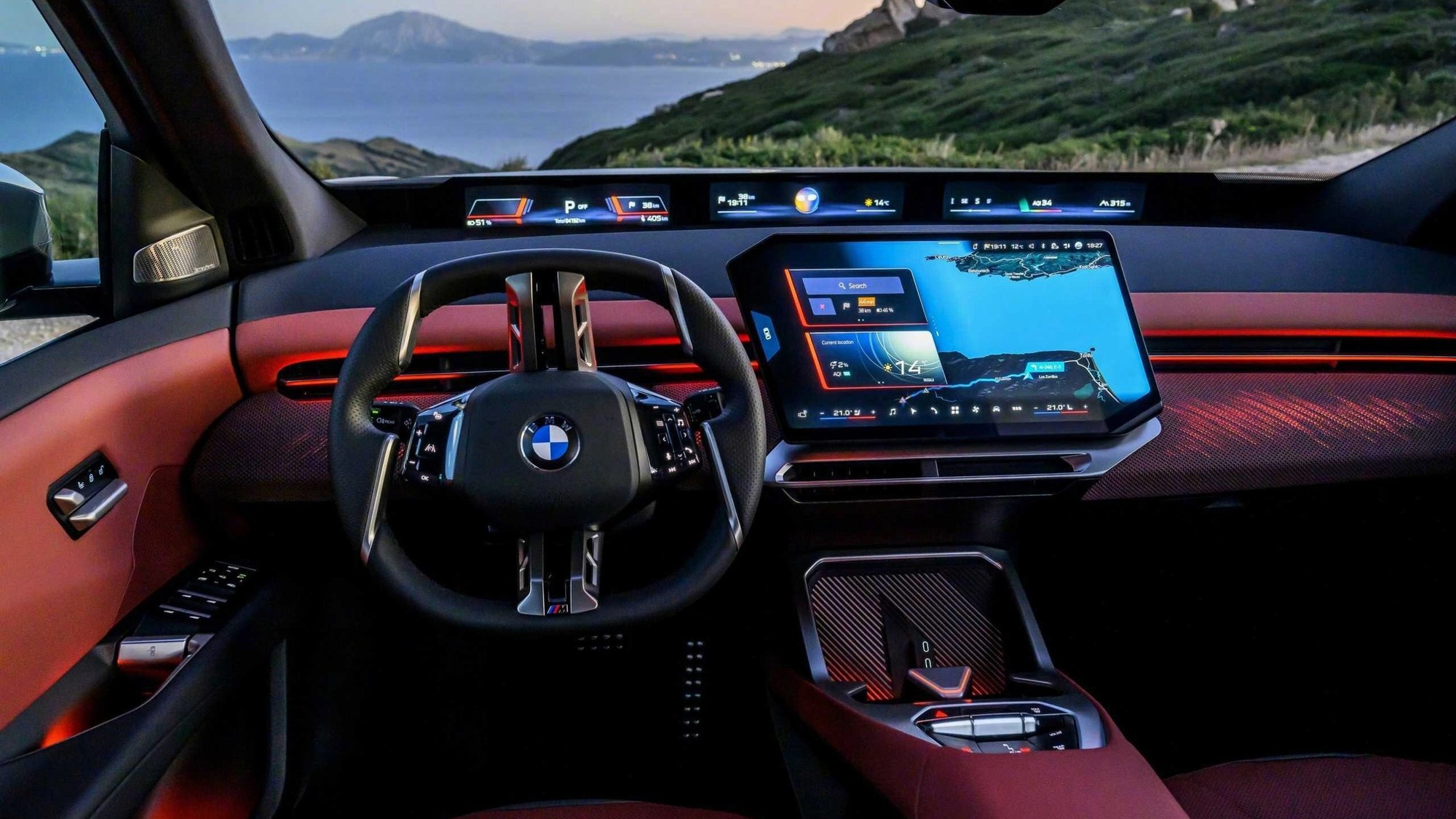
So much for "smart"? It feels like they just installed a fancier "Siri" in the car. Why is that? We may have been unfair to the automakers. It's not that they aren't trying—it's that the battle over the "smart cockpit" has only truly entered the "bayonet-fighting" stage starting this year.
The old voice assistants, to put it plainly, were just "digital mouthpieces." You say "roll down the window," and it wouldn't dare open the sunroof—that's called a command. Starting this year, a new species called "AI Agent" is quietly killing off the "voice assistant" we all know.
For example, you get into the car on a weekend, sweating profusely with your kid, and say: "Tonight I want to take the kid for a light dinner, and pick up some fruit along the way." In the past, the car system would most likely be clueless—at best it would navigate you to the nearest mall and that's it.
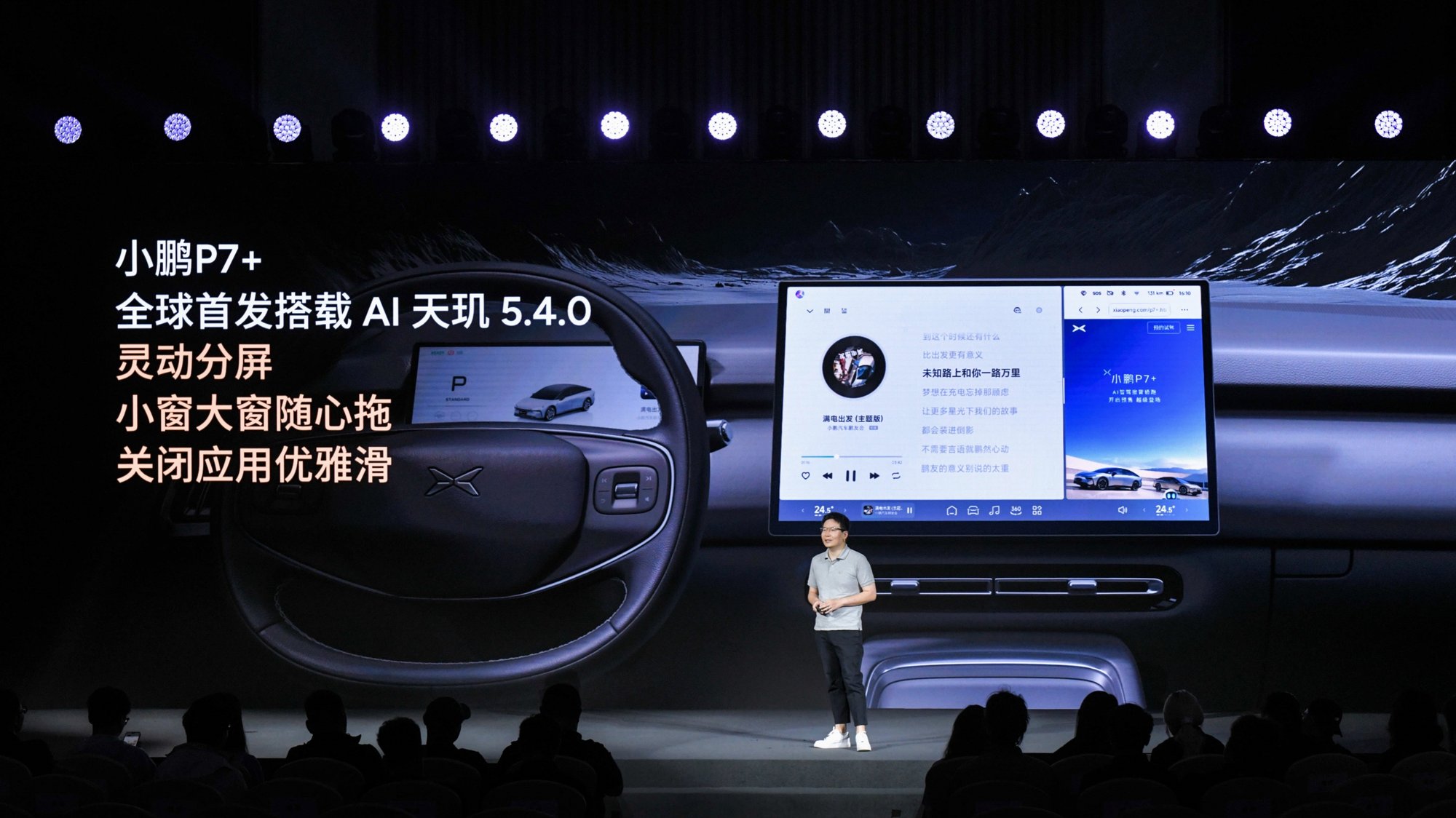
But today's AI agents—like XPeng's AI Tianji or Li Xiang's NOMI—first search for nearby parent-friendly restaurants with high ratings, then plan a route to a mall with supercharging piles, generate the optimal route based on real-time traffic, and even reserve a charging spot for you. By the time you finish dinner and buy fruit, the car is fully charged and you just drive off.
See, the gap between "executing an action" and "accomplishing a goal"—that's the evolution from "tool" to "butler." Why is this possible? Because today's AI doesn't just listen to you—it's starting to "see."
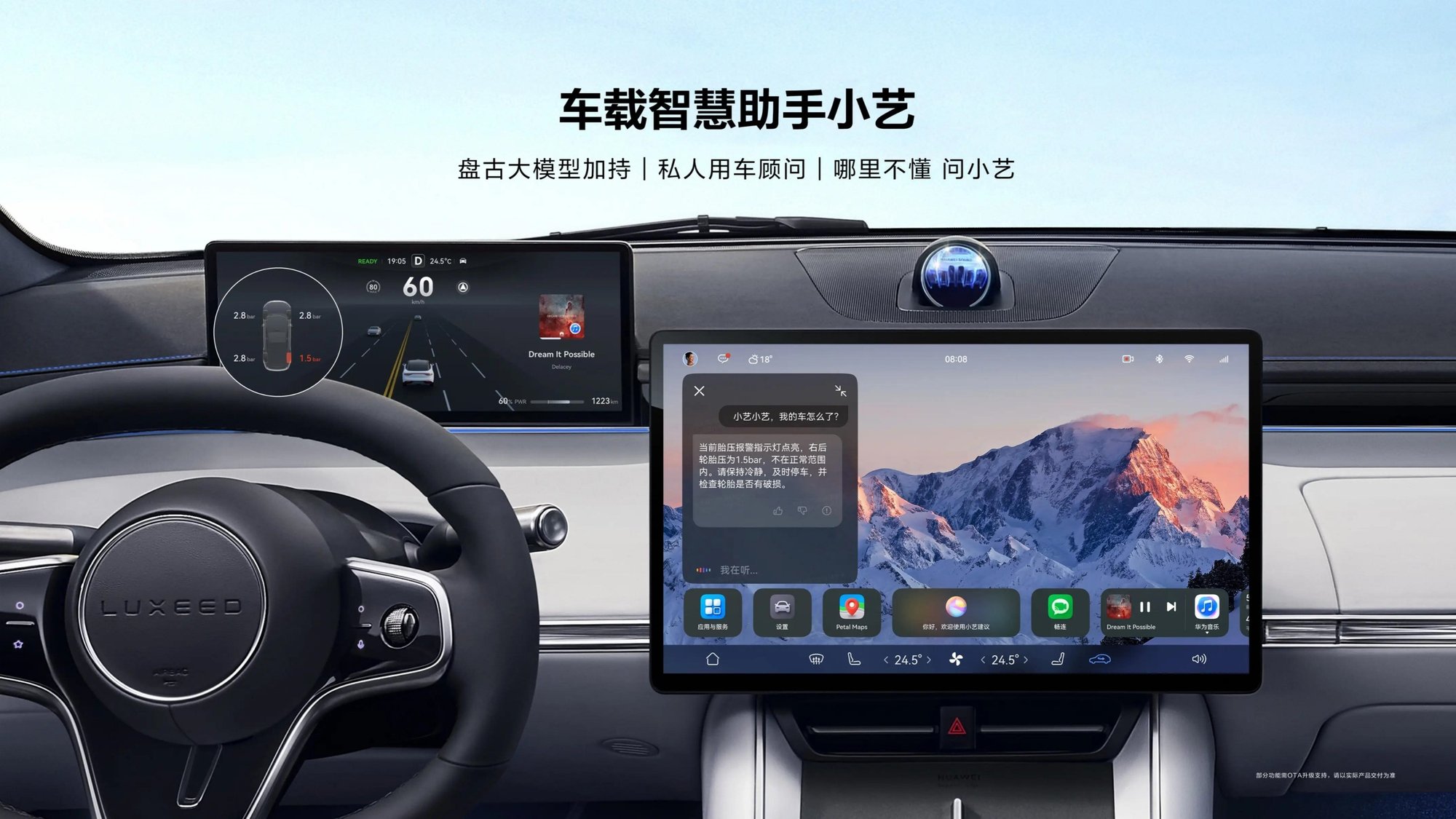
Take Xiao Yi in Huawei's HarmonyOS cockpit, for instance—it integrates in-cabin cameras and infrared perception. If you're careless enough to leave a pet or child in the back seat, it can directly trigger a safety alert. This kind of understanding based on multimodal perception makes the car no longer a cold machine.
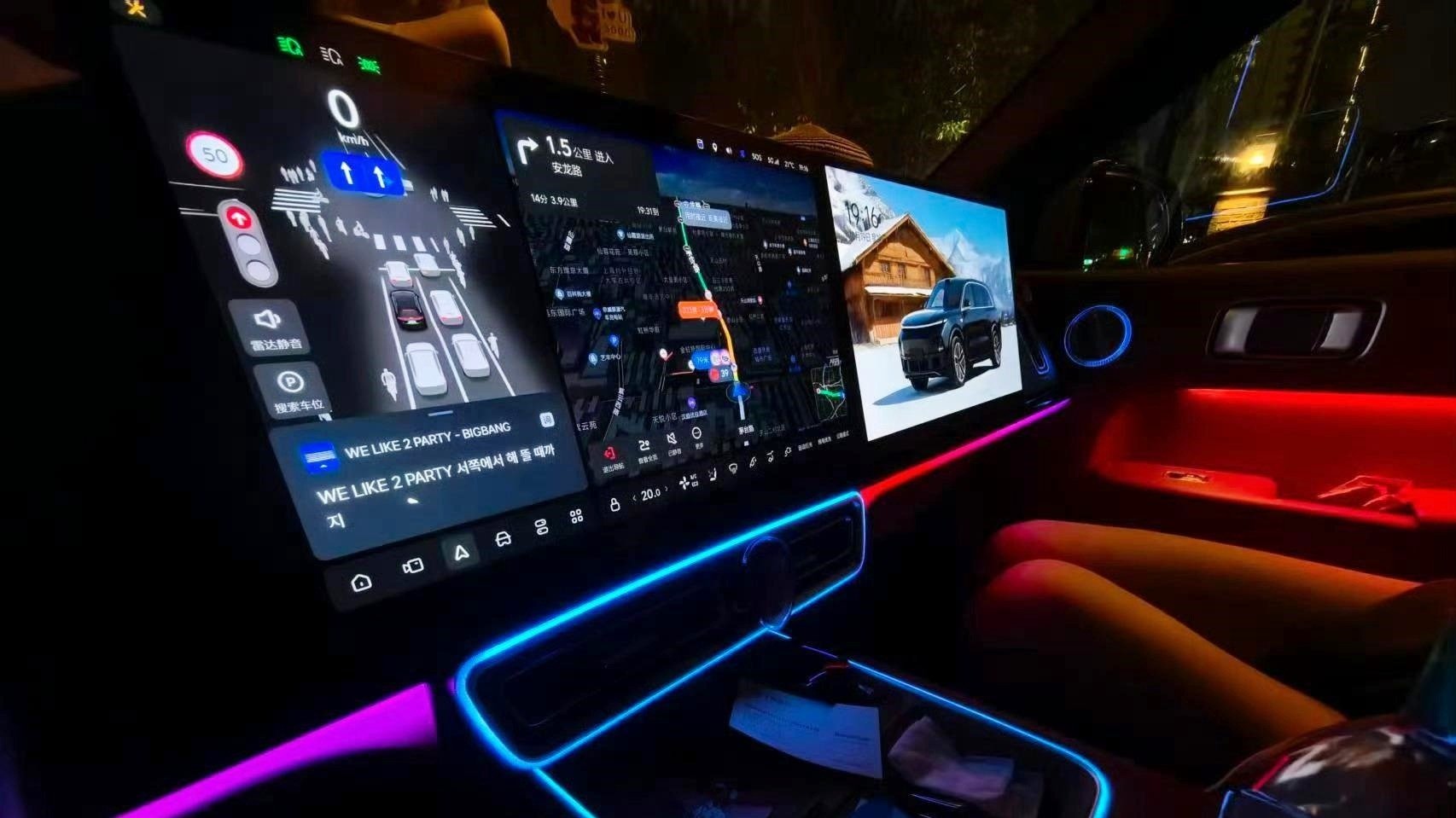
What's even more "terrifying" is that this thing is starting to "hold grudges." Li Xiang's assistant, based on large models, continuously records your habits. For example, if you always unconsciously avoid congestion, or always eat at certain fixed restaurants, after enough times, the next time you get in the car, it will have already adjusted the route and recommendations for you.
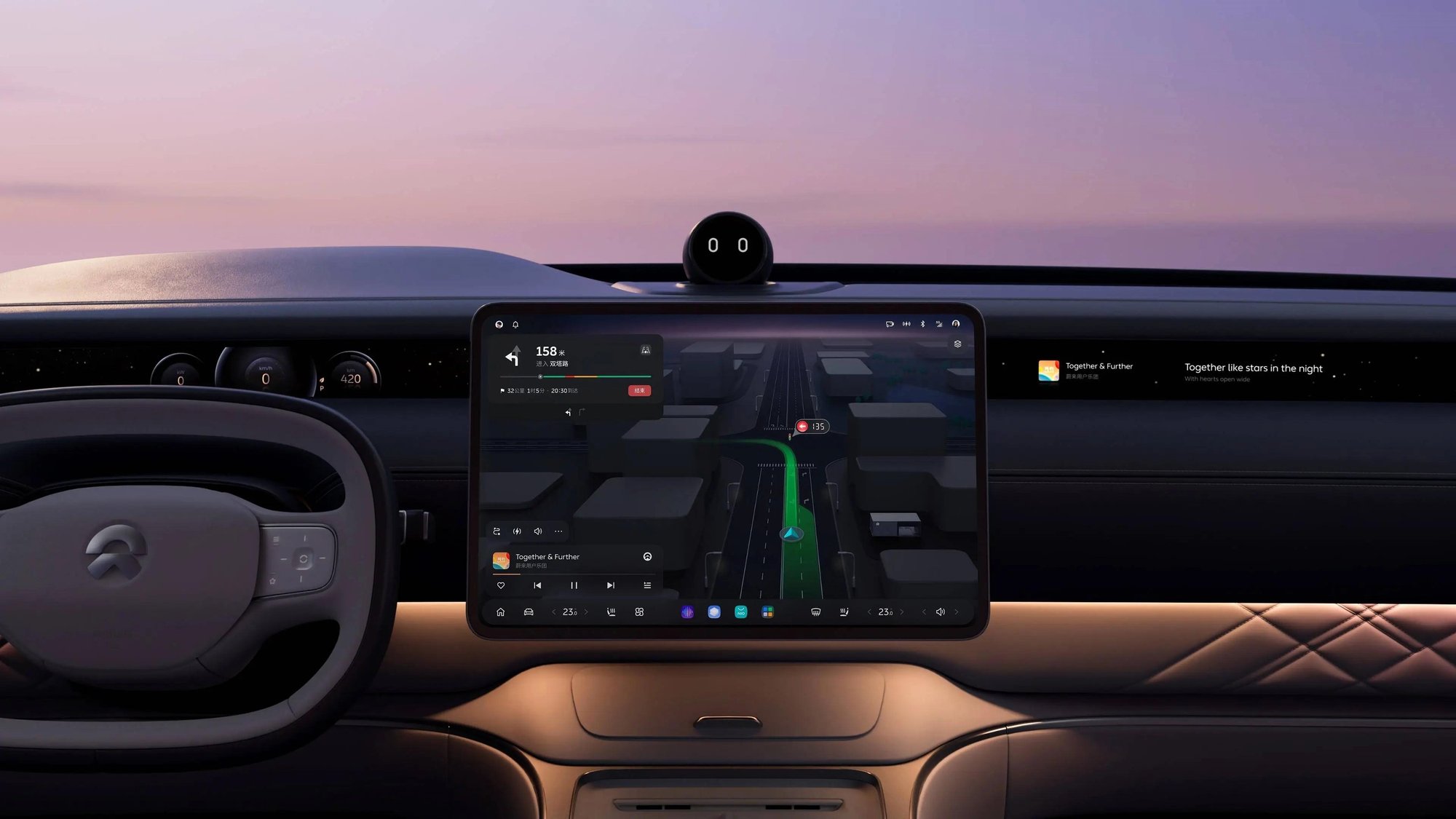
This feeling of "the more you use it, the more it understands you"—once you get used to it, you can never go back. Of course, AI Agents are still evolving rapidly, and there's no "all-around champion" yet. Some excel in driving scenarios (XPeng), some in ecosystem connectivity (Huawei), and some focus on emotional companionship (NIO's NOMI).
Final thoughts
In my view, a car system that can precisely and quickly catch your "by the way" and "and then what"—that's the only true test of "real intelligence." As for those cars still stuck in the "Q&A" era—really, it's time to cut prices and clear inventory. When you use your car day to day, what "too lazy to move" pain points do you most want AI to solve for you?


