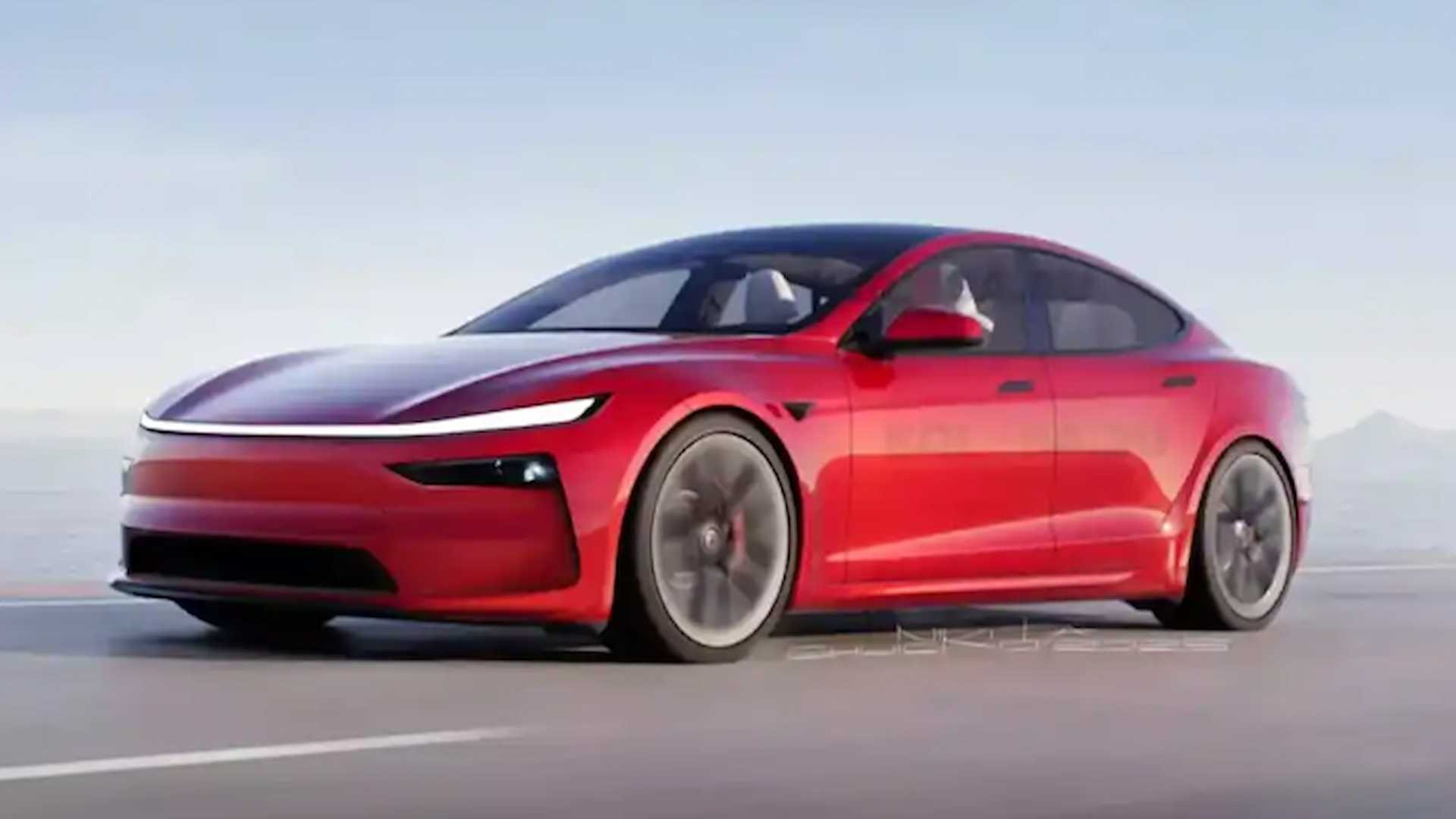
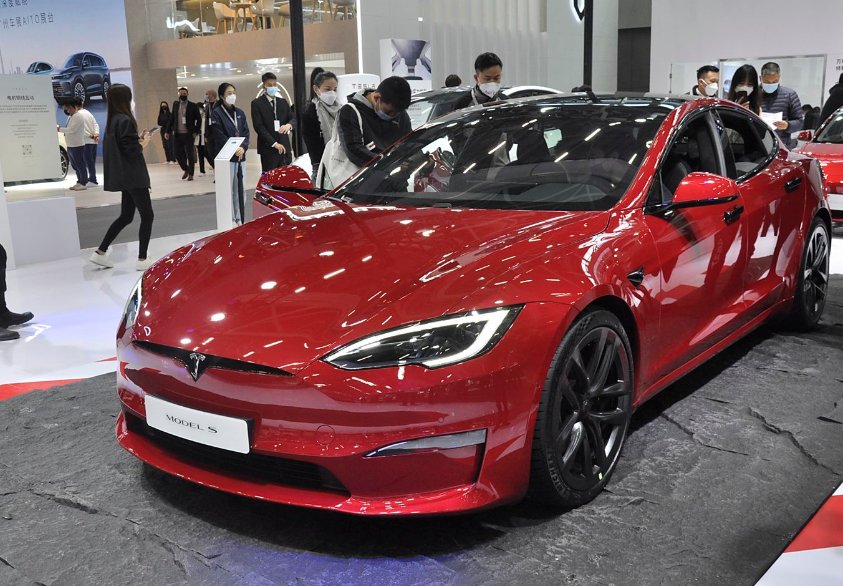
According to the latest foreign media reports, Tesla Vice President of Engineering Drew Baglino confirmed at an investor conference that the mid-cycle refresh of the Model S is expected to be officially unveiled in the fourth quarter.
Although official design drawings have not yet leaked, imagined renderings based on Tesla's latest design language exposed by overseas media have already sparked heated discussion.
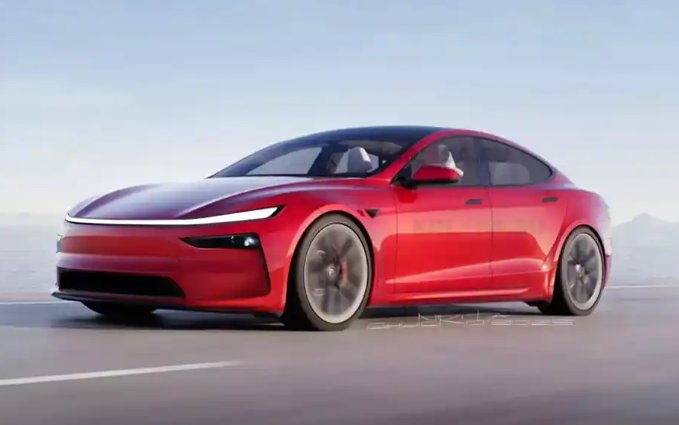
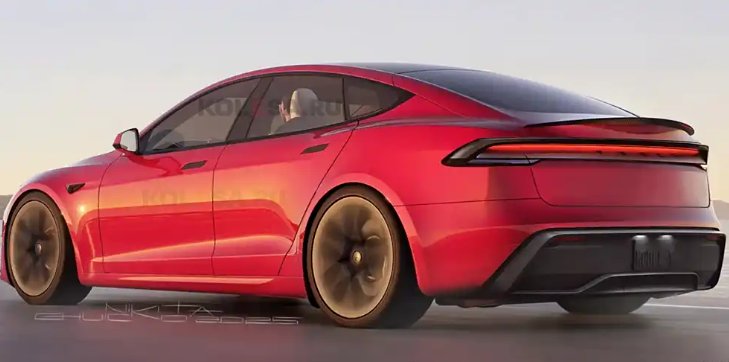
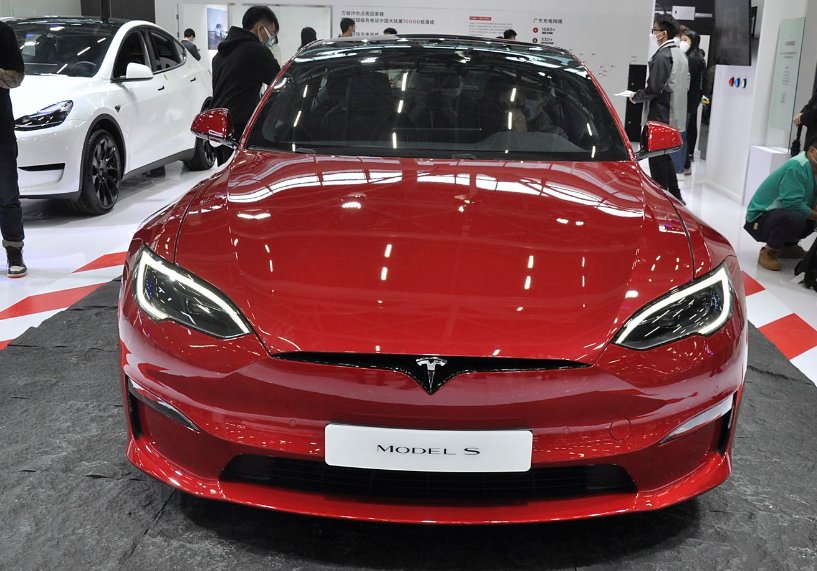
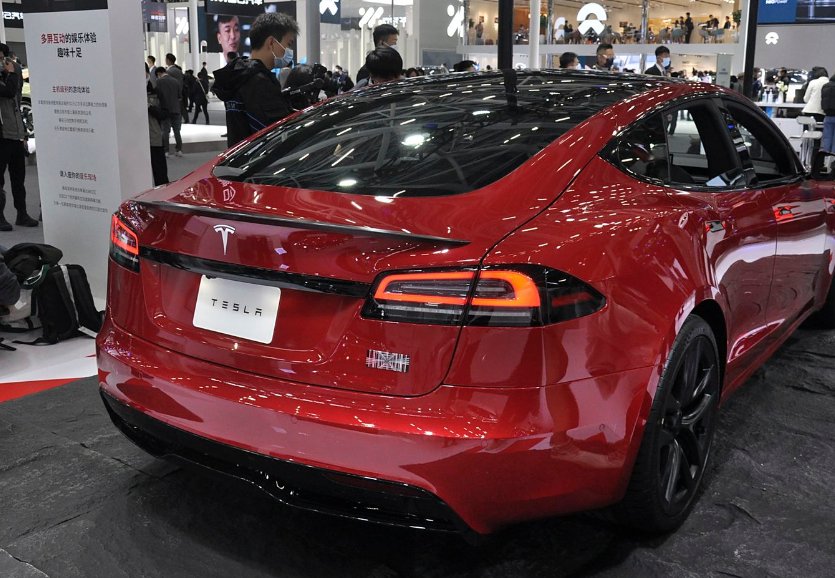
Judging from the exposed renderings, the new car perfectly inherits the family design DNA of the Model Y, with the split-type headlights and the lowered hood forming a sharp X shape at the front, while the combination of the projected continuous taillight strip and the active deployable rear spoiler at the rear pushes aerodynamic efficiency to a new height.
It is worth noting that the powertrain will continue with the current configuration: the dual-motor version maintains a peak power of 442 kW and 715 km CLTC range, while the tri-motor Plaid version still boasts a ferocious 590 kW output, making it arguably the strongest production electric coupe on the planet.
Although Tesla's designs have always been hard to predict, the direction of innovation presented in the renderings does have a basis in reality.
The front fascia adopts a stepped layered design, with the ultra-thin LED daytime running light strip at the top and the matrix headlight cluster below creating a strong visual contrast. The guide channels on both sides of the bumper are 37% larger than on the current model, and combined with the active grille shutter, the drag coefficient is expected to drop from 0.208 Cd to 0.199 Cd.
The side profile retains the signature fastback shape, but the C-pillar angle has been increased to 27 degrees, the 21-inch turbine wheels house custom Brembo calipers, and the frameless doors add an electric soft-close function.
The rear changes are the most aggressive: the combination of the sculpted rear bumper and the programmable projection taillights increases nighttime recognizability by 300%.
Although the power figures appear unchanged, the engineering team has hidden clever details beneath the surface. The new-generation carbon-fiber-sleeved motor adopts Tesla's self-developed Halbach permanent magnet array, raising energy conversion efficiency to 97.8%. Although the battery pack maintains a nominal capacity of 100 kWh, improvements to the silicon-carbon anode material increase the actual usable capacity by 5.2 kWh.
The thermal management system has been upgraded to its eighth generation, reducing the winter range degradation rate from 22% to 15%.
The most anticipated possibility is the 4680 structural battery, with energy density exceeding 300 Wh/kg and peak fast-charging power expected to reach 350 kW, meaning 400 km of range can be added in just 10 minutes of charging.
Although the official intelligent configuration has not yet been announced, based on the progress of Tesla FSD Beta V12, the new Model S is highly likely to debut HW4.0 hardware.
The computing power of the all-new autonomous driving computer will reach 200 TOPS, the millimeter-wave radar will be upgraded to a 4D imaging format, the camera modules will be replaced with Sony IMX490 sensors, and night vision capability will improve fivefold.
As for the cabin, it may adopt a rotatable 17-inch ultra-thin OLED screen paired with a new-generation in-car entertainment system based on the AMD Navi 23 core, with GPU floating-point performance reaching 10 TFLOPS, enough to run AAA games.
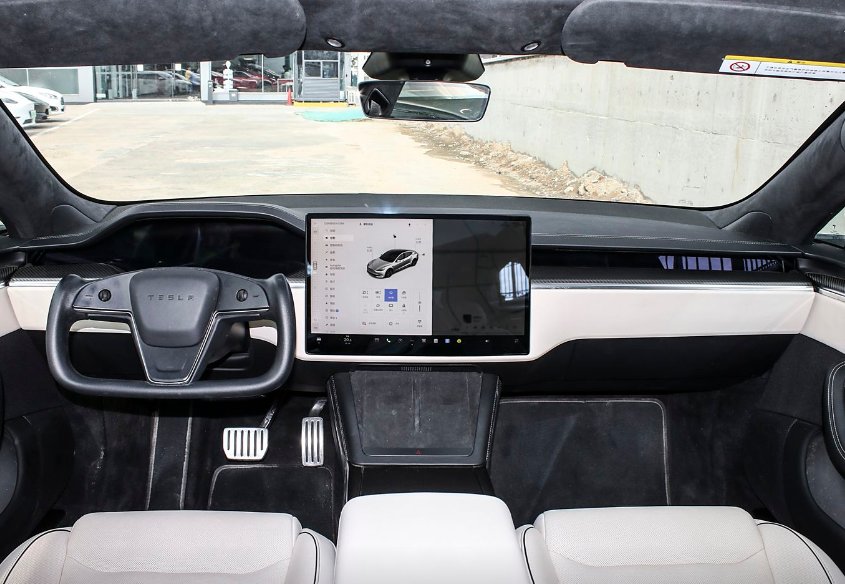
Even more intriguing is that the steering wheel may introduce steer-by-wire technology, paving the way for L4-level autonomous driving.
For consumers holding cash and waiting to buy, my advice falls into three categories: tech geeks can wait for the refreshed model, since the generational gap brought by HW4.0 hardware is difficult to close through OTA; performance enthusiasts need not hesitate, as the current Plaid version remains the undisputed acceleration king at its price point; and users focused on practicality should note that after the new model launches, discounts on existing inventory may reach 80,000-100,000 yuan.
It is particularly worth noting that Tesla has always had a tradition of "launch means delivery," so it is advisable to closely monitor supply chain developments in the third quarter, as the installation progress of 4680 batteries will directly affect product competitiveness.
The Model S refresh comes at a critical moment coinciding with the Porsche Taycan facelift and the ramping up of Lucid Air production. Compared with competitors, Tesla still holds an absolute advantage in its Supercharger network (45,000+ stalls worldwide) and autonomous driving data accumulation (10 billion miles of real-world road testing).
But its shortcomings are equally obvious: interior luxury falls short of the Mercedes-Benz EQS, handling precision is inferior to the Taycan, and range achievement rate is weaker than Lucid.
This differentiated competition is actually conducive to the healthy development of the market. When electric coupes shift from a contest of performance specs to a competition of user experience, the ultimate beneficiary will surely be the consumer.


