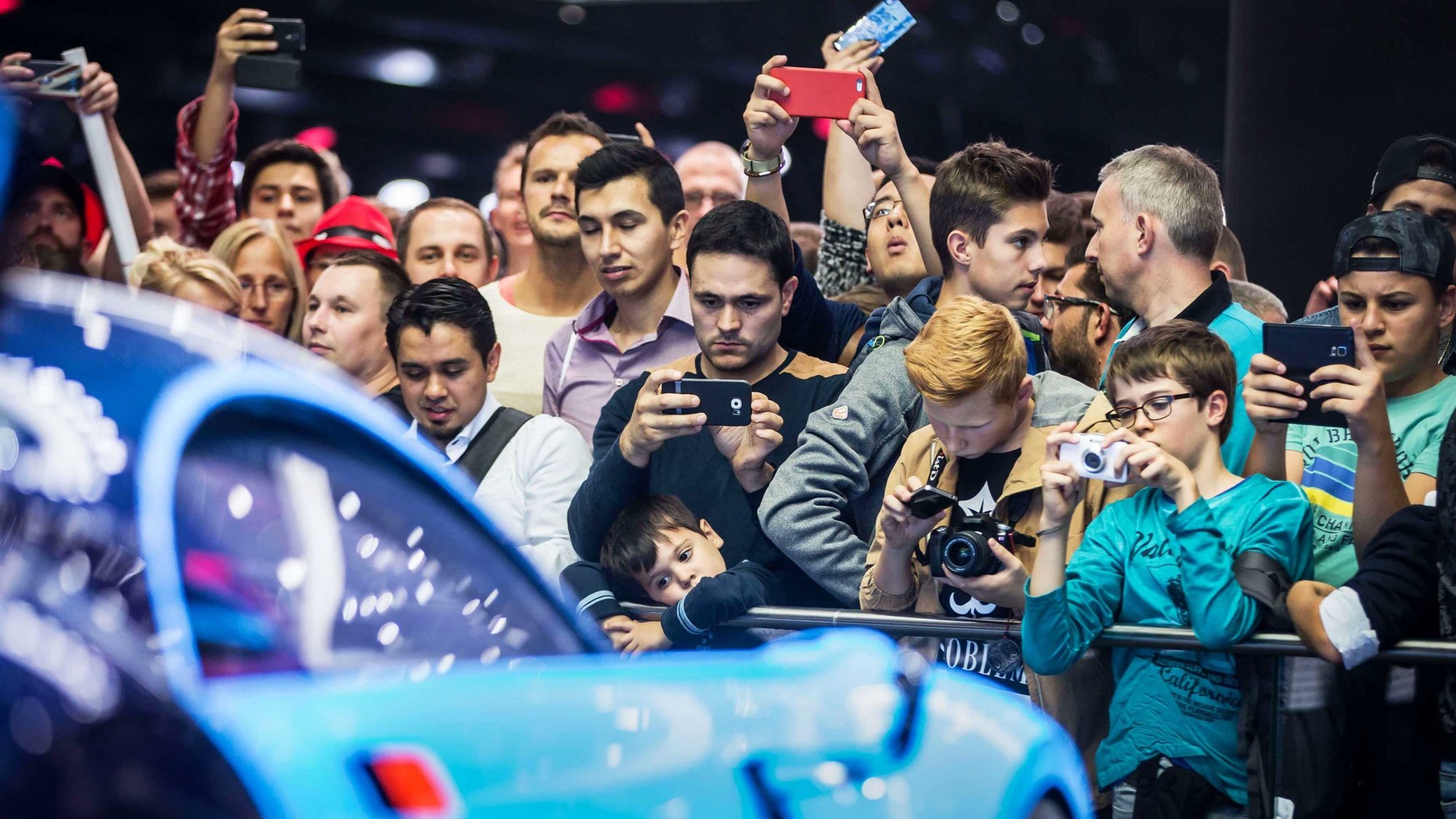
September 3, 2026, is an epoch-making day. On this day, a "ruthless character" was born, and that is the Tesla Cybercab. Don't blame me for being excited—this thing is simply a "madman" design, doing away with both the steering wheel and the brake pedal!
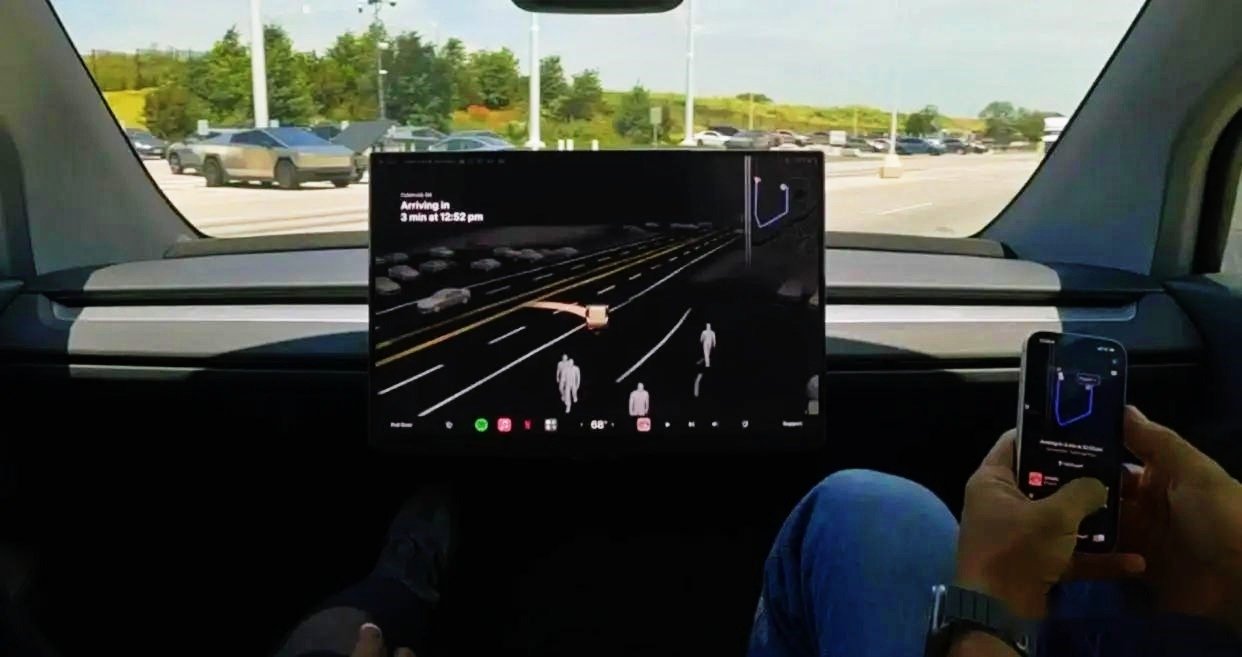
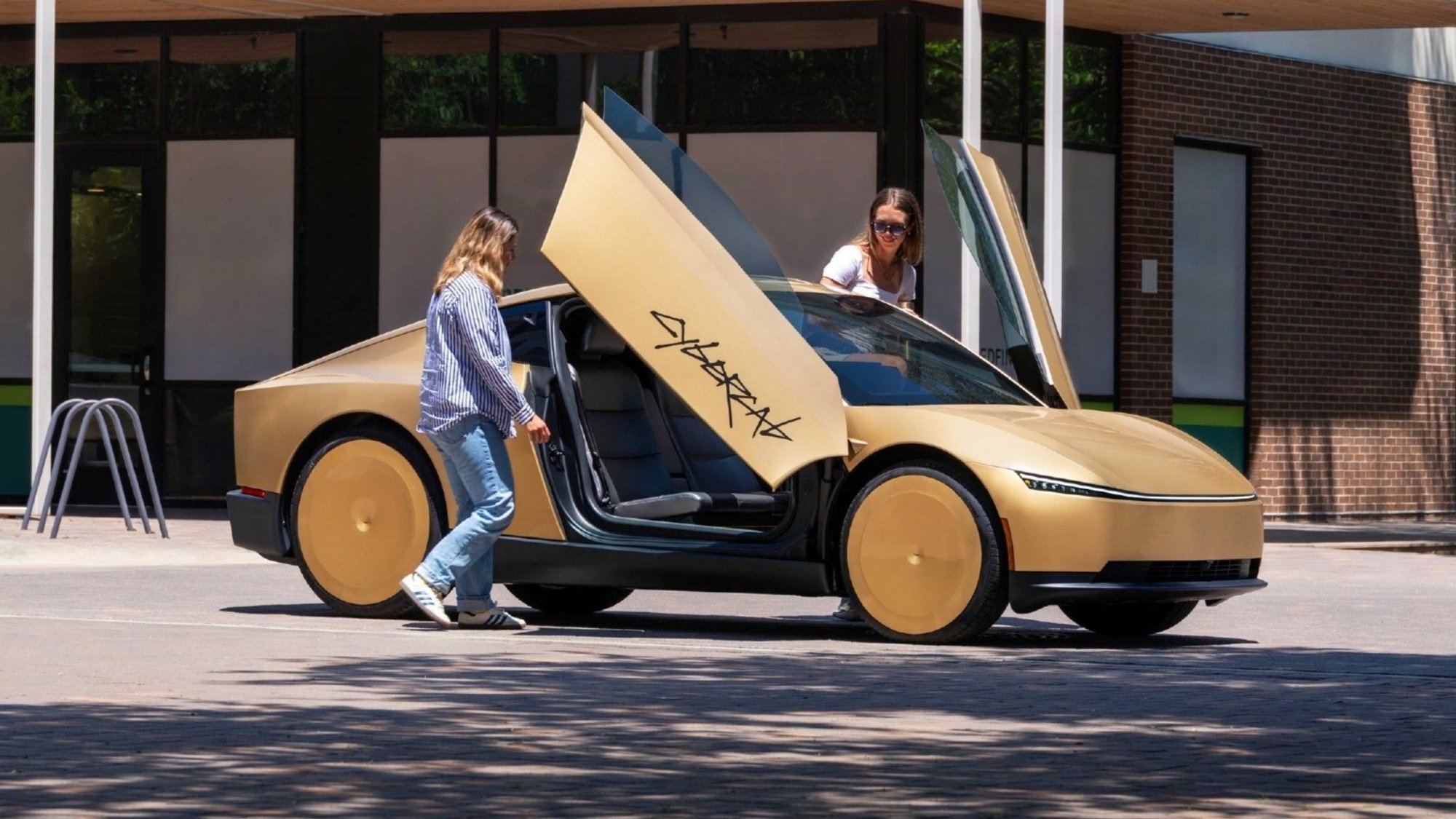
This is hardly a car; it's clearly a "mobile living room" with four wheels! The Tesla Cybercab even skips the rearview mirrors, leaving just a big screen standing there, paired with sleek butterfly doors. Musk put it bluntly: this car is not for you to drive, it's for you to ride in.
Imagine being stuck in morning rush-hour traffic, the driver next to you anxiously slapping the steering wheel, while you slump in the Tesla Cybercab, binge-watching shows, catching up on sleep, or even handling a few documents, and the car casually drives you to the office. This is the true picture of technology changing life.
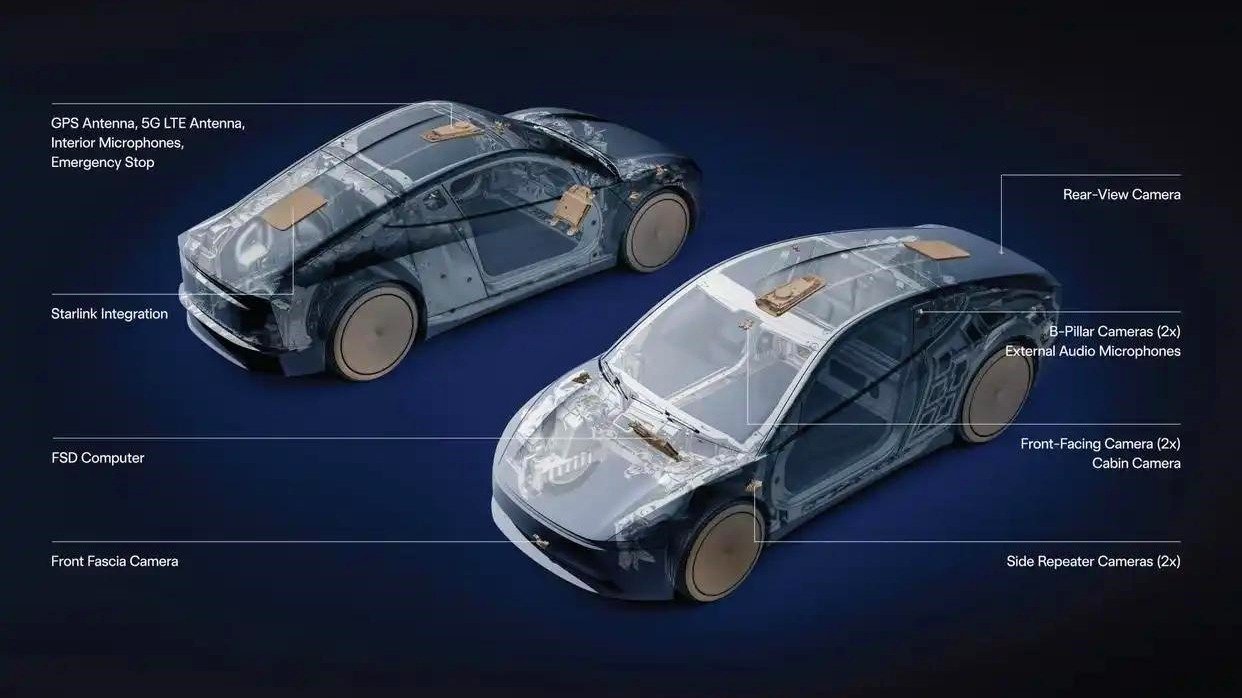
Of course, the Tesla Cybercab's rollout depends on FSD backing it up. This time Tesla has pulled out its trump card, V14.3, said to be the "final piece of the puzzle," with the underlying code completely rewritten, 10 billion miles accumulated globally, and reliable on the road.
More importantly, FSD entering the domestic market is basically a done deal. Those 3 billion kilometers of Chinese road-condition data in Shanghai Lingang were not run in vain; with localized training completed and FSD V14 entering China, the "Grok moment" for our domestic assisted driving is truly about to arrive.
However, no matter how impressive Tesla is, it cannot run roughshod in China. The recently released national autonomous driving standard has directly put a "tight headband" on L3 and L4: if an accident happens while the car is driving itself, the automaker is responsible; but if the system asks you to take over and you do not react within 10 seconds, then the responsibility lies with the driver.
This is very clear. In the future, driving a car with L3 or L4, you can confidently let the system drive, but your hands must be ready to rest on the steering wheel at any time—though the Tesla Cybercab may really have nowhere to rest them. When buying a car in the future, what is compared is not zero-to-hundred acceleration, but whose system has fewer takeover requests and offers a more reassuring ride.
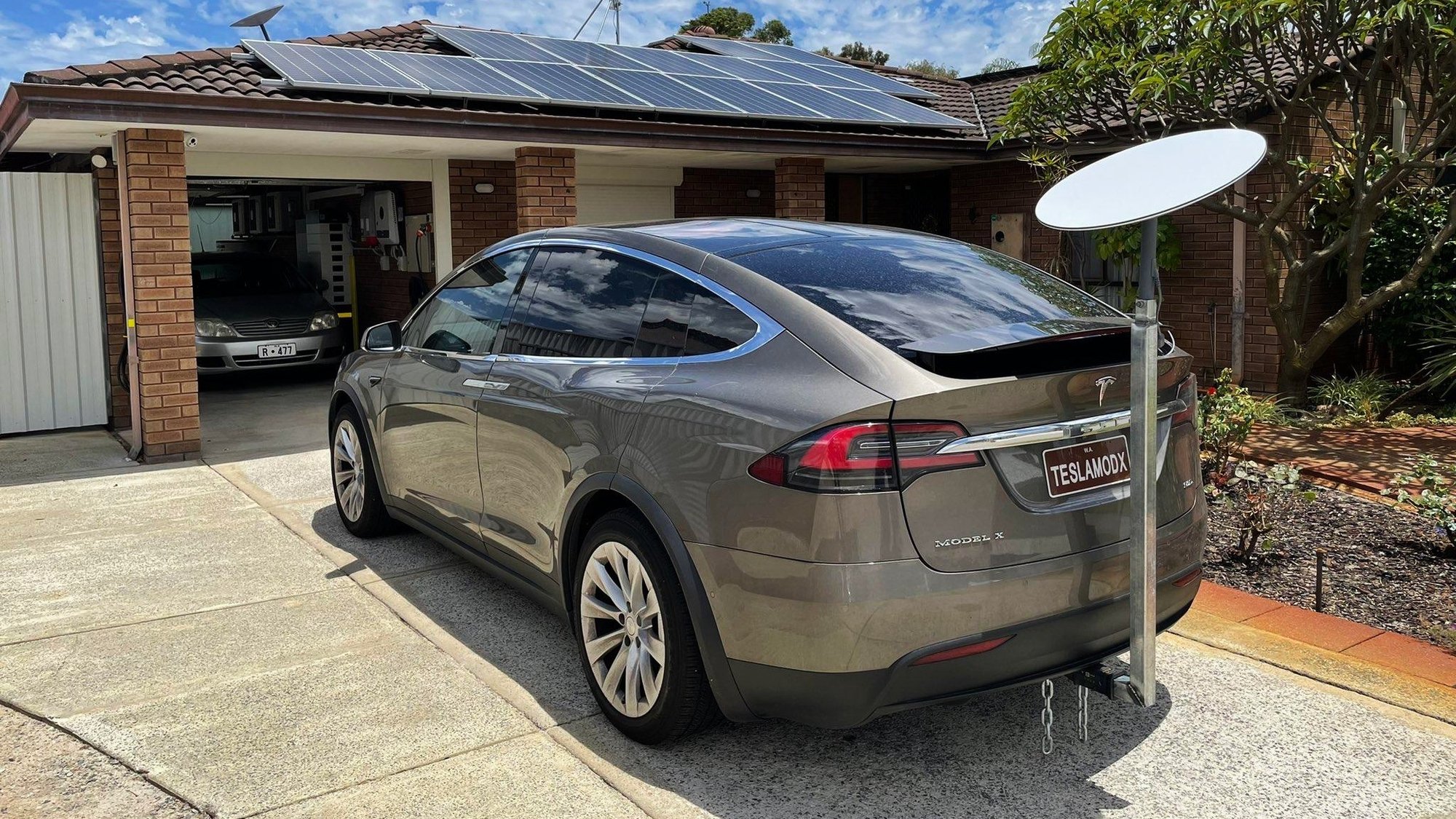
Looking back at Musk's big chess game, the Tesla Cybercab is only a piece on the board. Behind it is the grand interconnection of chip manufacturing (Terafab), the AI engine (Grok), Starlink, and the Optimus robot, weaving a giant AI net covering the physical world.
Final thoughts
In the end, the Tesla Cybercab is just the beginning. Whether it can succeed like the iPhone dropping the keyboard back then still depends on real capability. The first people to eat crabs will either become legends or become dinner-table stories. But at least the era of travel without a steering wheel is truly almost here!


