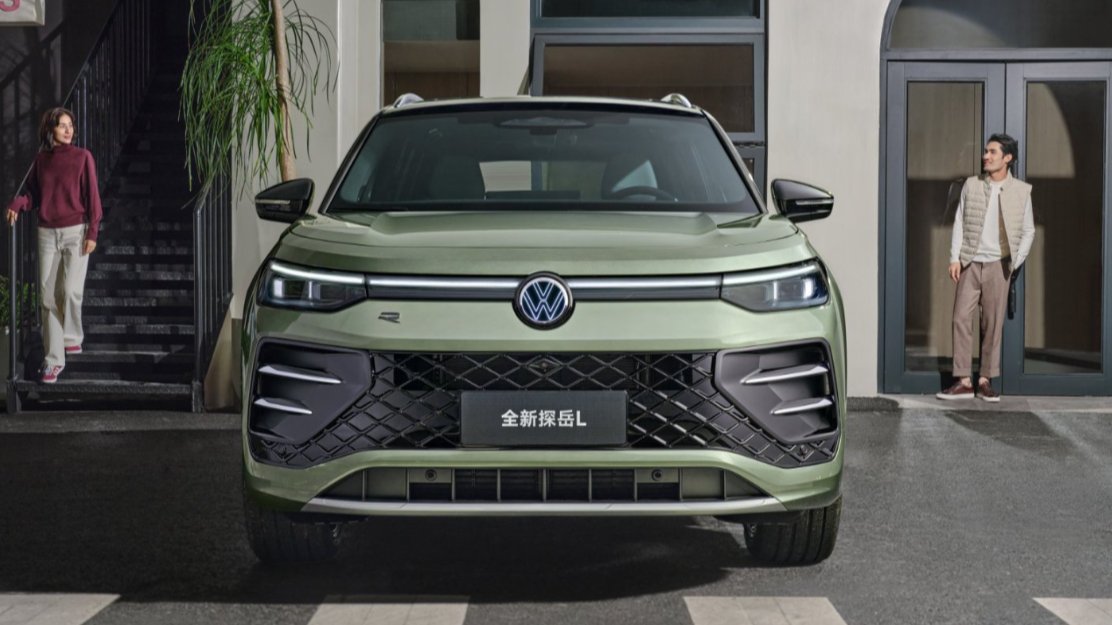
The all-new Volkswagen Tayron L from FAW-Volkswagen is officially on the market! One-price full payment starting at 176,900 yuan, with a 2,791 mm wheelbase—the longest in its class. The IQ.Pilot intelligent driving system is closing in on the new forces. Is this "king of fuel cars" about to flip the table?
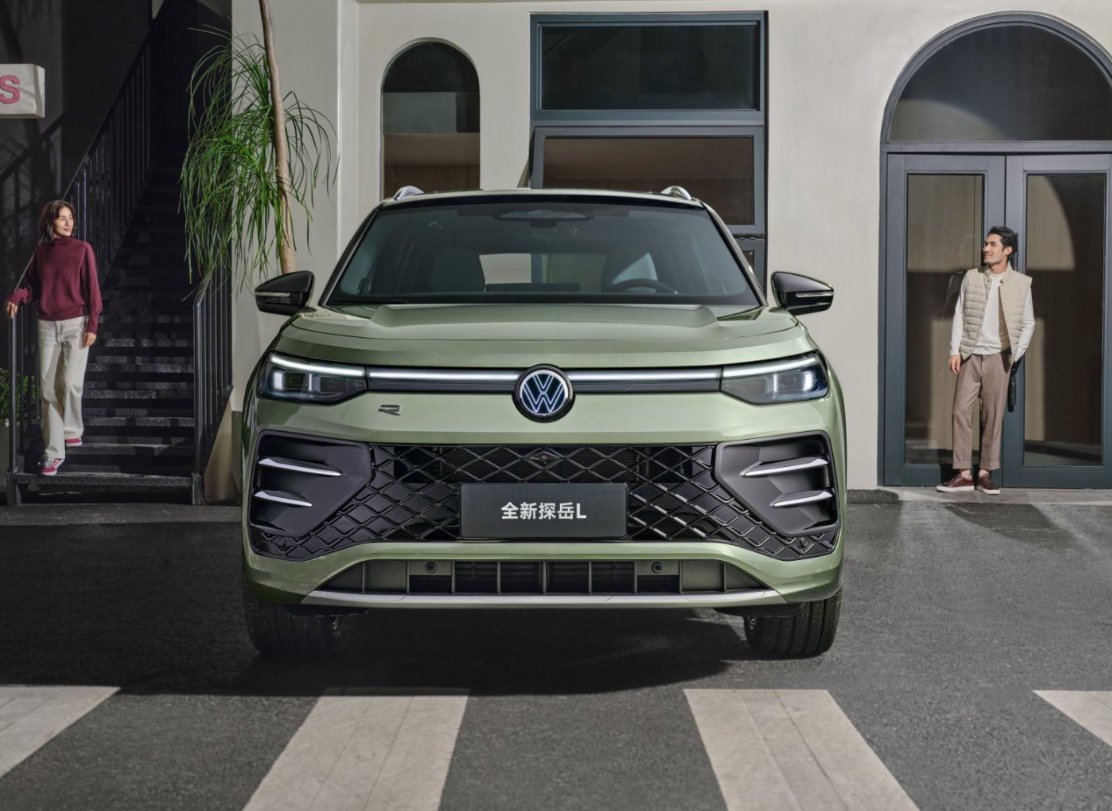
As an automotive reviewer who does not accept payments from automakers, today we're going to take everyone through this "new intelligent pioneer SUV"—the all-new Tayron L.
With an official guide price starting at 176,900 yuan, it immediately talks tough as the "king of intelligent fuel cars"—but does it really have the goods?
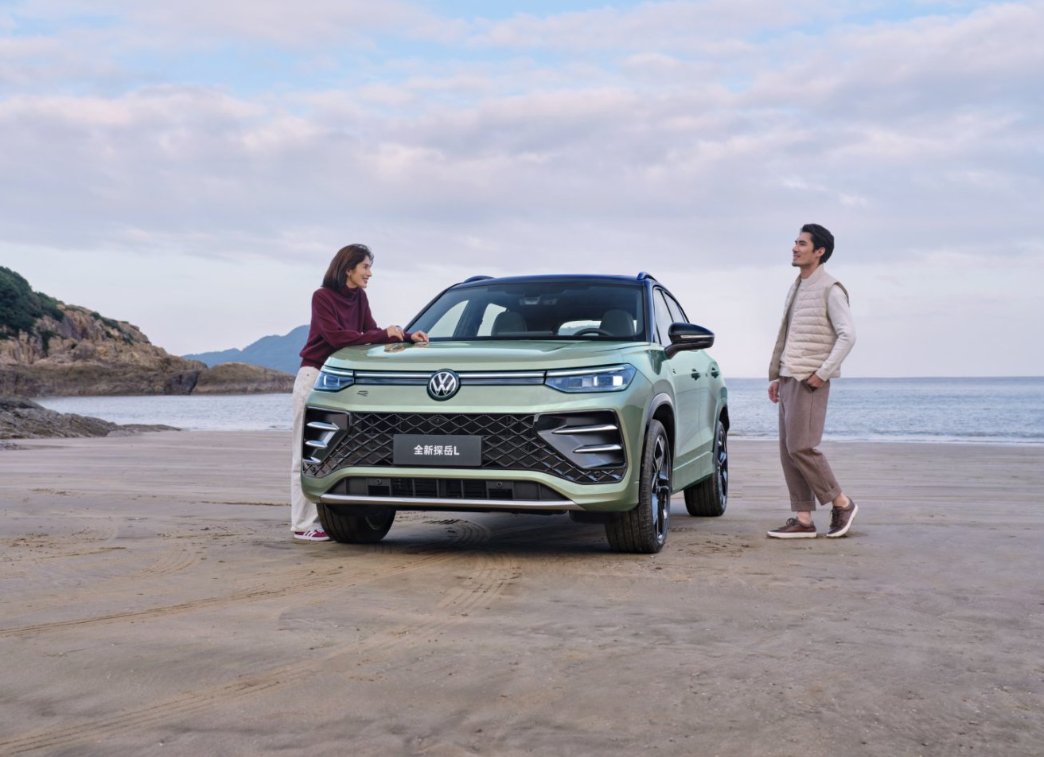
Compared with its old rival in the same class, the Tiguan L, how dare it claim that "the more you climb, the stronger you become"? No hype, no bias—let's get straight to the hard facts!
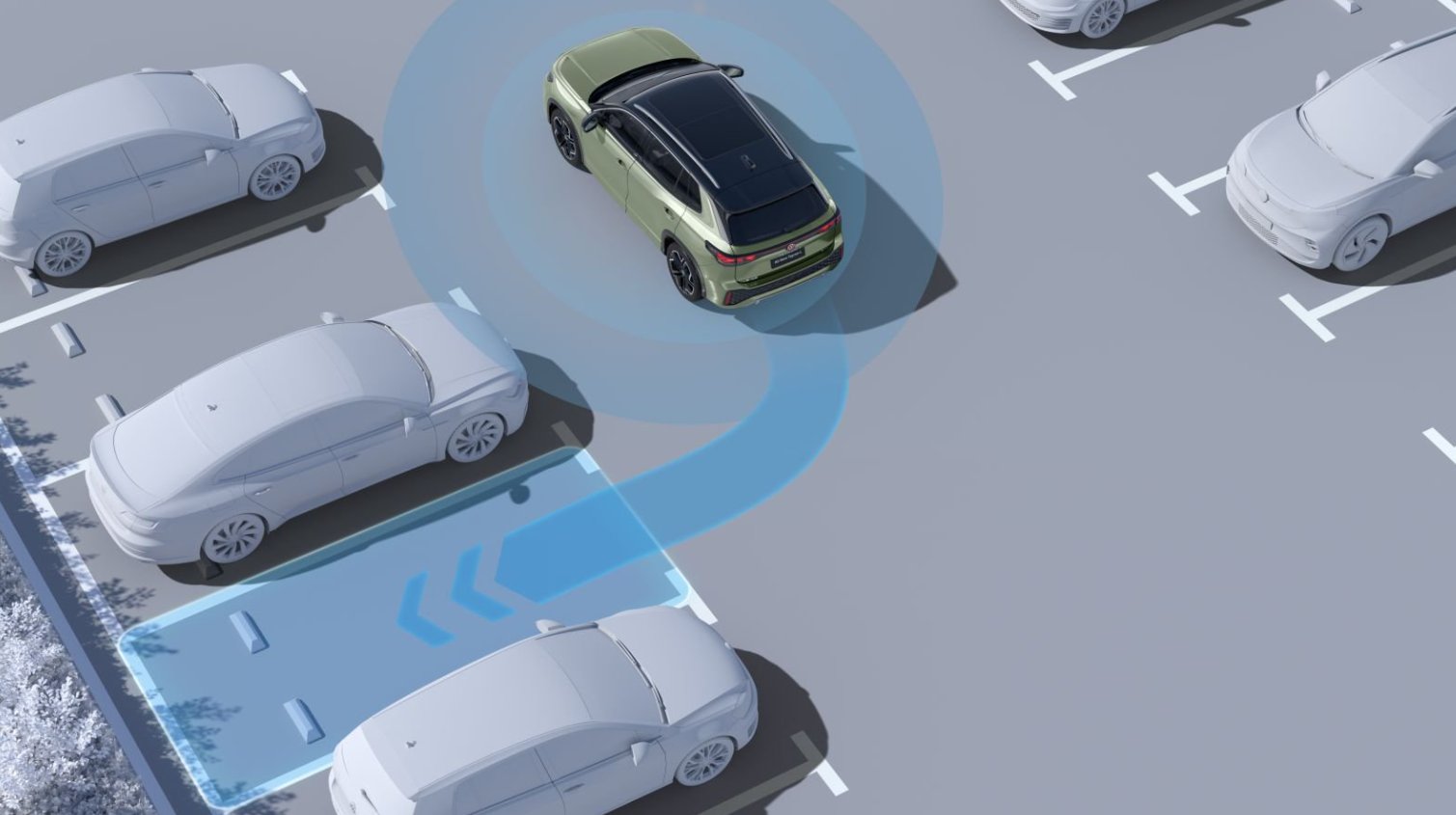
If the NOA that the new forces hype to the skies is "tech wizardry," then the Tayron L's IQ.Pilot is "a dimensionality-reduction strike from a legacy automaker."
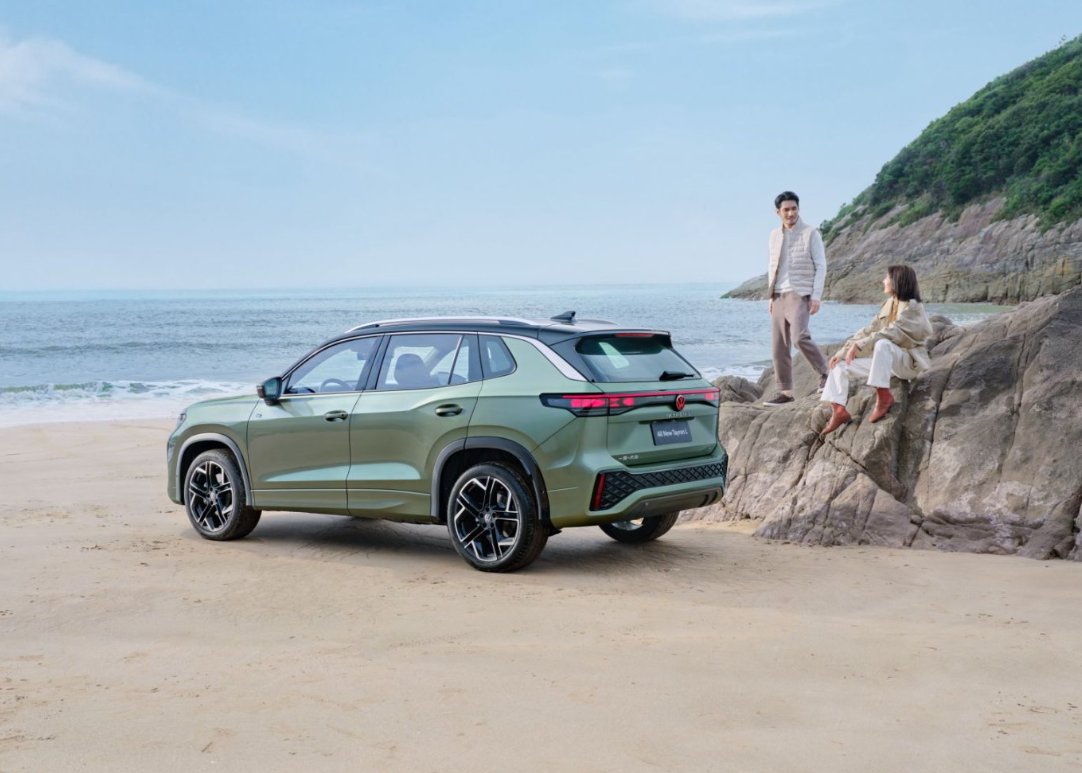
This high-level intelligent driving system, developed jointly with DJI and Huawei, is in real testing more than a notch stronger than the Tiguan L's Travel Assist.
Predictive adaptive cruise directly takes on EVs: a lead car braking hard? Speed-limit signs? Blind spots in curves?
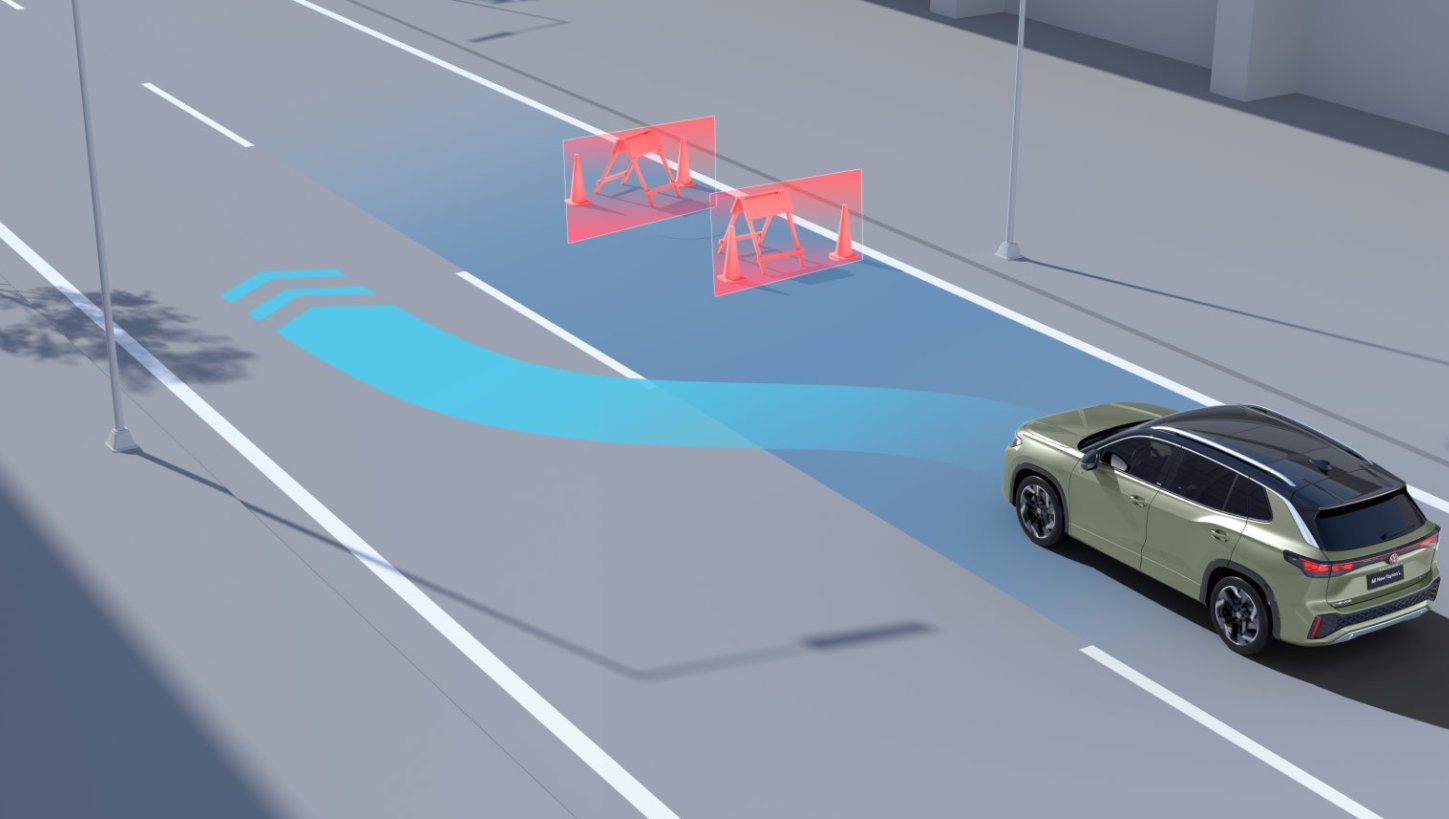
It can actually combine navigation data to predict and decelerate in advance, and its automatic speed reduction when going through roundabouts is smoother than an experienced driver.
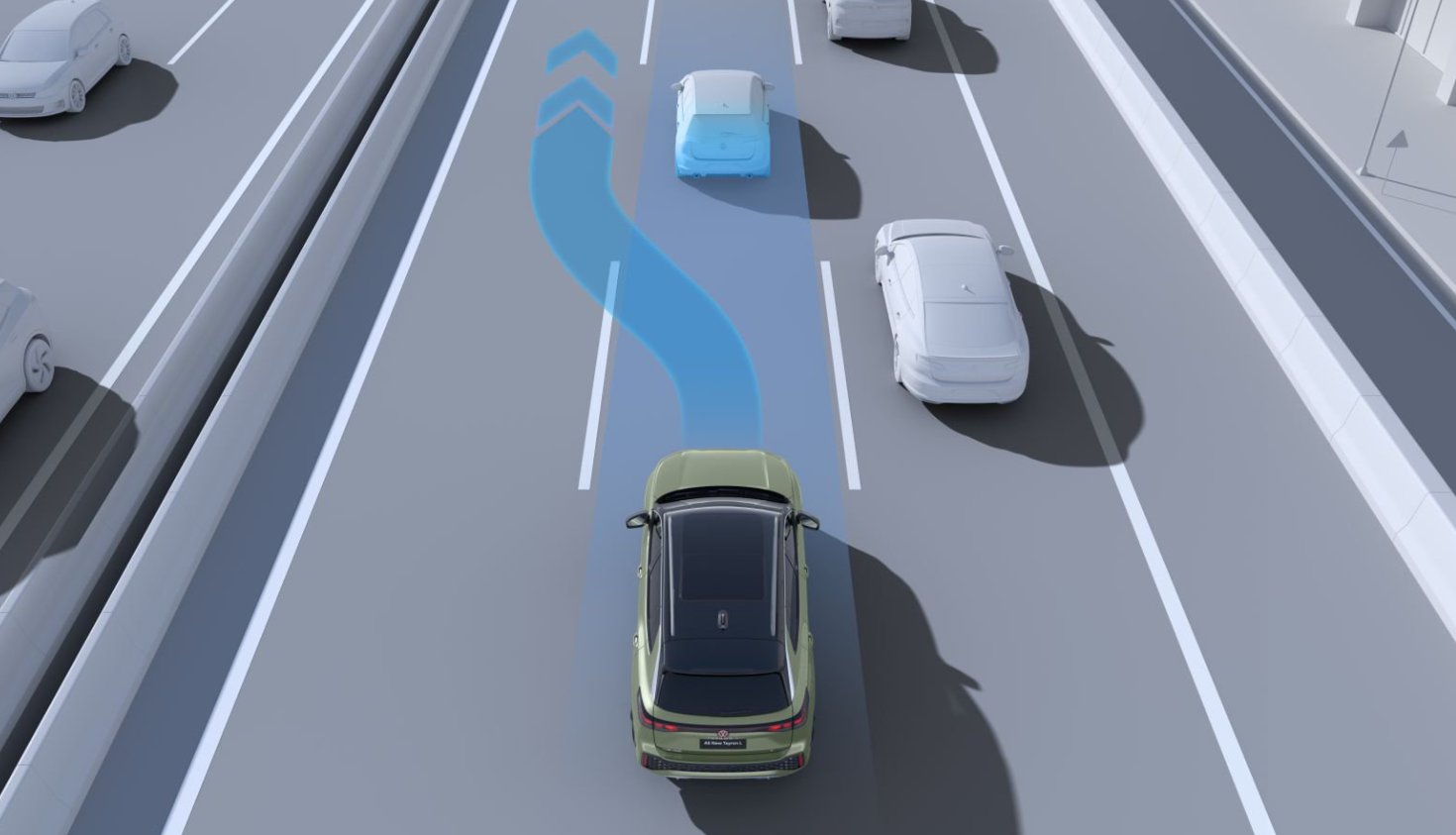
Even more impressive is its intelligent response to cut-ins: in traffic, when the car next to you forces its nose into a 1.5-meter gap, it can still brake and yield without breaking a sweat.
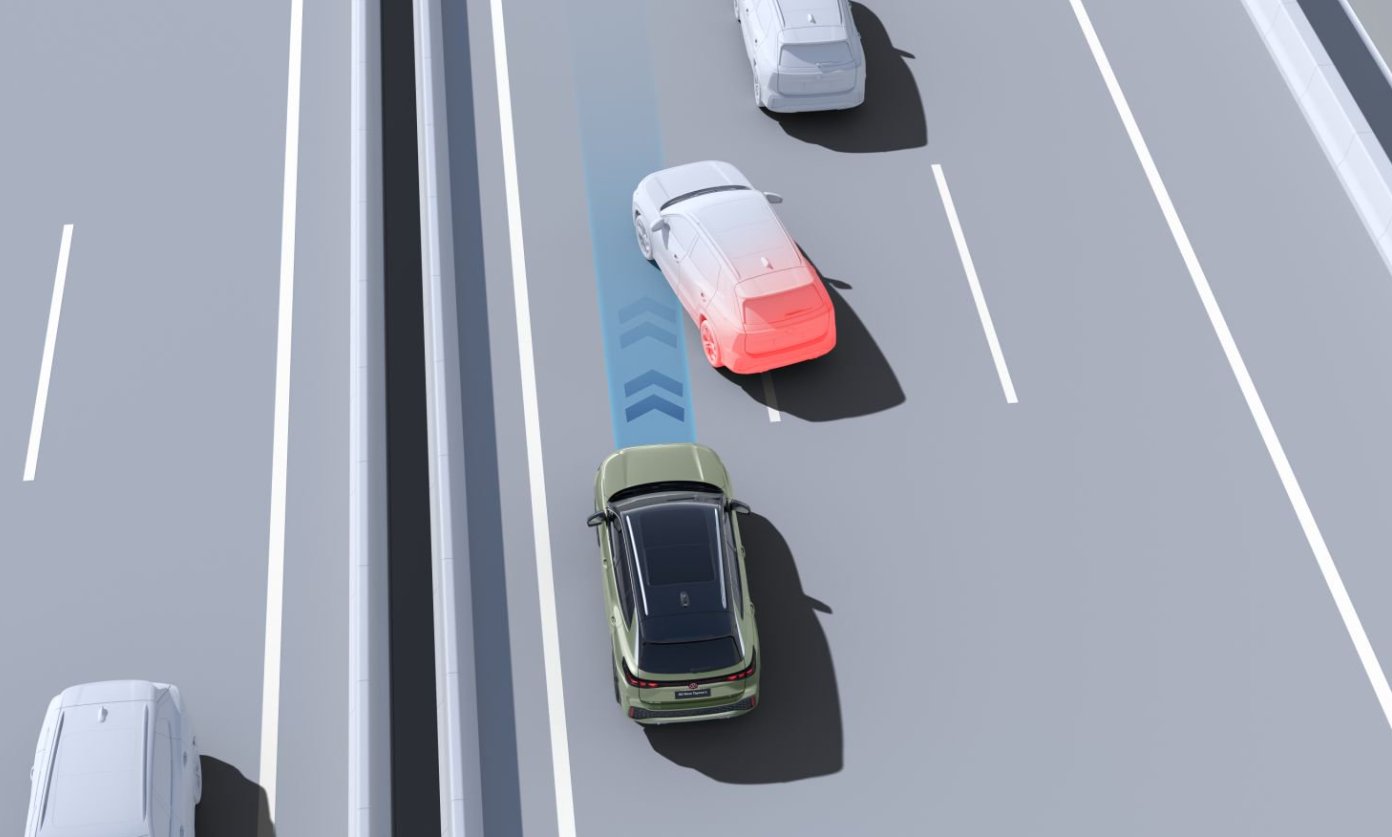
As for intelligent obstacle avoidance, for tricycles crossing the road or delivery riders popping out from blind spots, the Tayron L's stereo camera triggers an alert with a single glance, while the Tiguan L is still using traditional millimeter-wave radar, with its recognition rate for two-wheelers cut in half.
The most impressive part is intelligent lane change via the turn signal stalk—the moment you flick the indicator, the system instantly calculates lane lines, the distance to front and rear vehicles, and the speed difference, changing lanes more decisively than a human. Nearby Tiguan L owners watching this can only exclaim, "Has this fuel car been possessed?"
Open the door, and the Tayron L's "future starship" cockpit immediately makes the Tiguan L's inherited interior feel utterly defeated. A 15-inch 2K floating screen paired with the Qualcomm 8155 chip offers very nice swipe responsiveness.
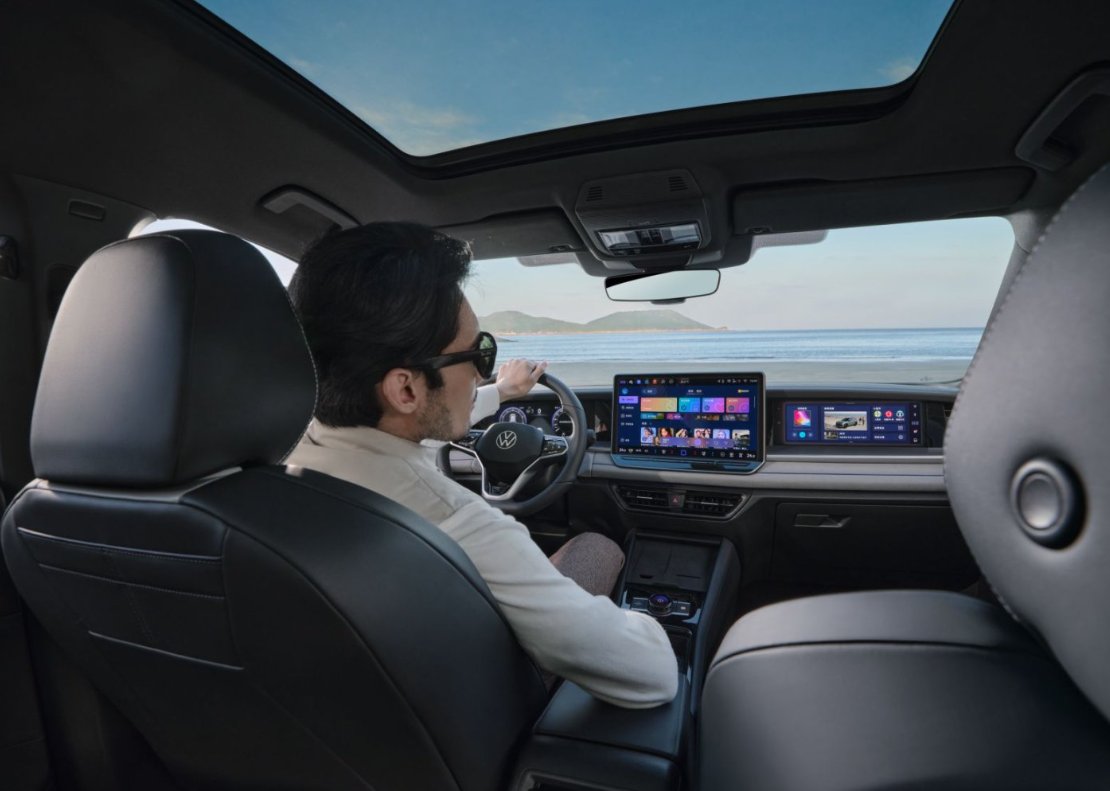
The front passenger's exclusive 11.6-inch entertainment screen is even more ruthless—Douyin, dramas, and phone mirroring all at once, while the Tiguan L's front passenger can only silently pull out their phone.
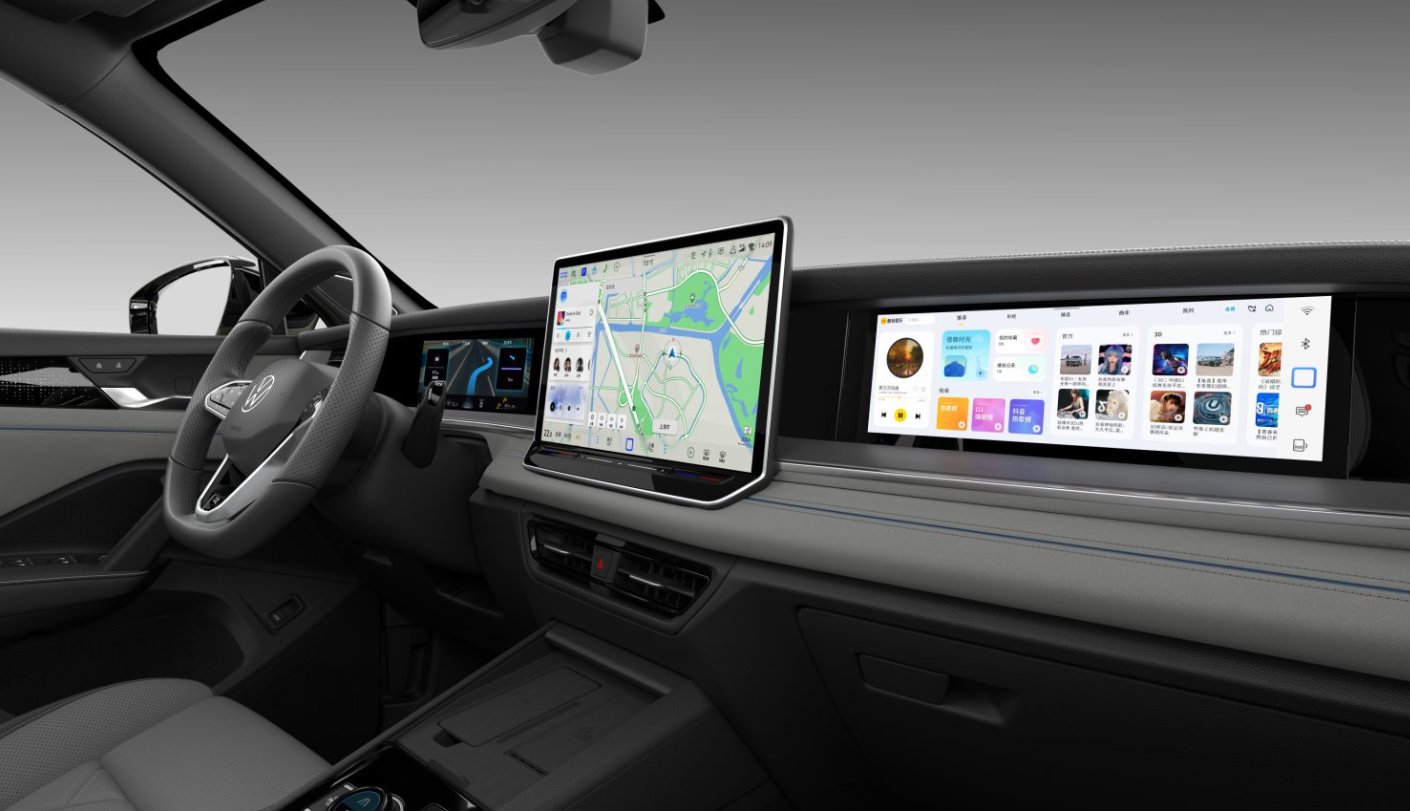
Getting in at night is the real highlight! With the 30-color ambient lighting and IMD light-transmissive trim turned on, diamond-shaped starlight patterns flow with the music, and the roof directly becomes a starry sky—the atmosphere is maxed out.
The Tayron L's wheelbase is a full 41 mm longer than the Tiguan L's, and rear legroom reaches a fist plus three fingers (in real testing, a 1.8-meter-tall strongman does not hit his knees), while the second-row seatback can even recline into a semi-lying mode.
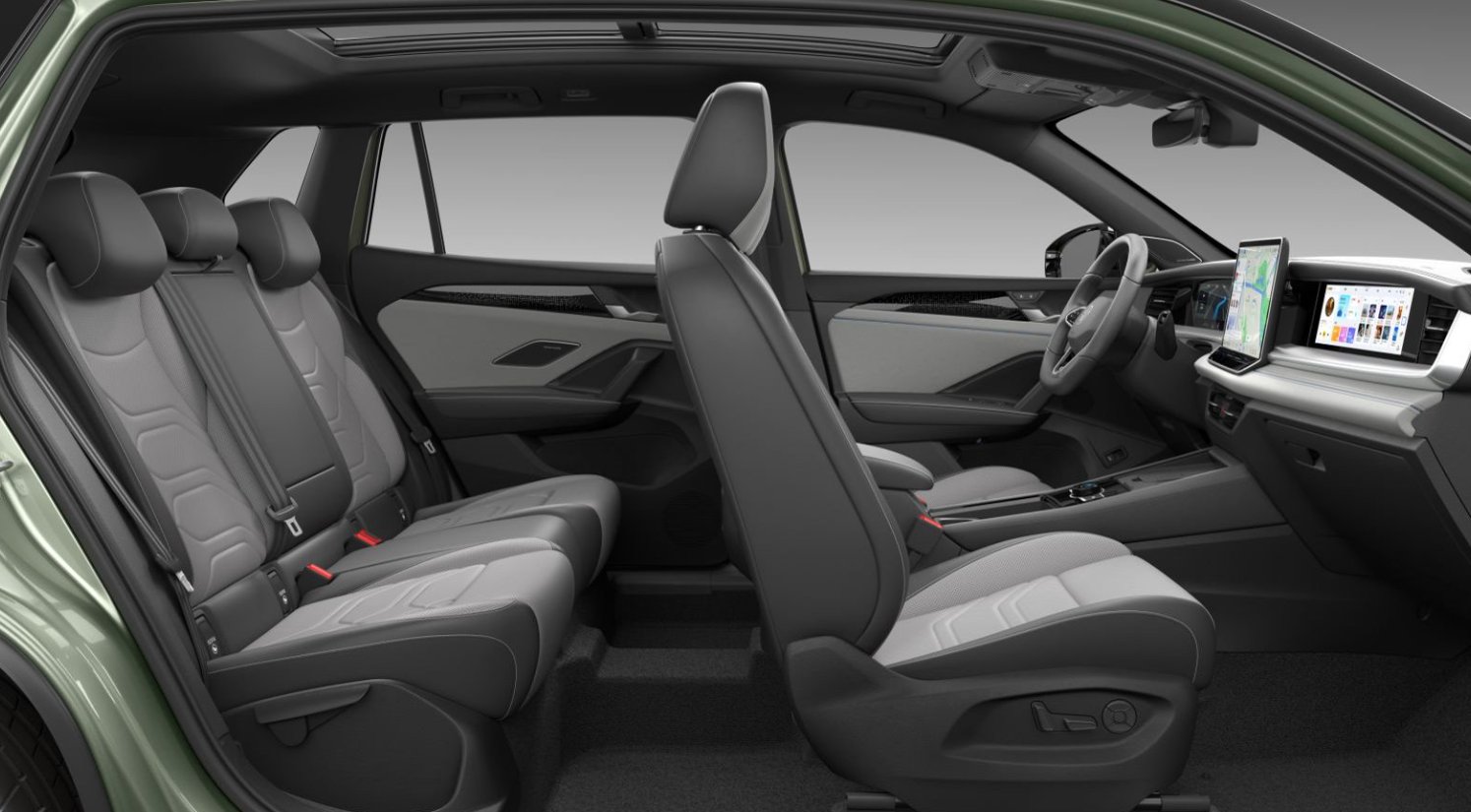
Even more absurd is that the rear floor hump is only 3 cm high, so the middle passenger finally does not have to do the splits!
The storage design is also full of tricks—the trunk can hold two 28-inch suitcases and still stack two carry-on bags, and with the rear seats folded, it instantly becomes a 1.8-meter "camping bed."
I figure Tiguan L owners will slap their thighs when they see this: "If you'd said earlier it had this much space, who would have paid extra for an MPV?"
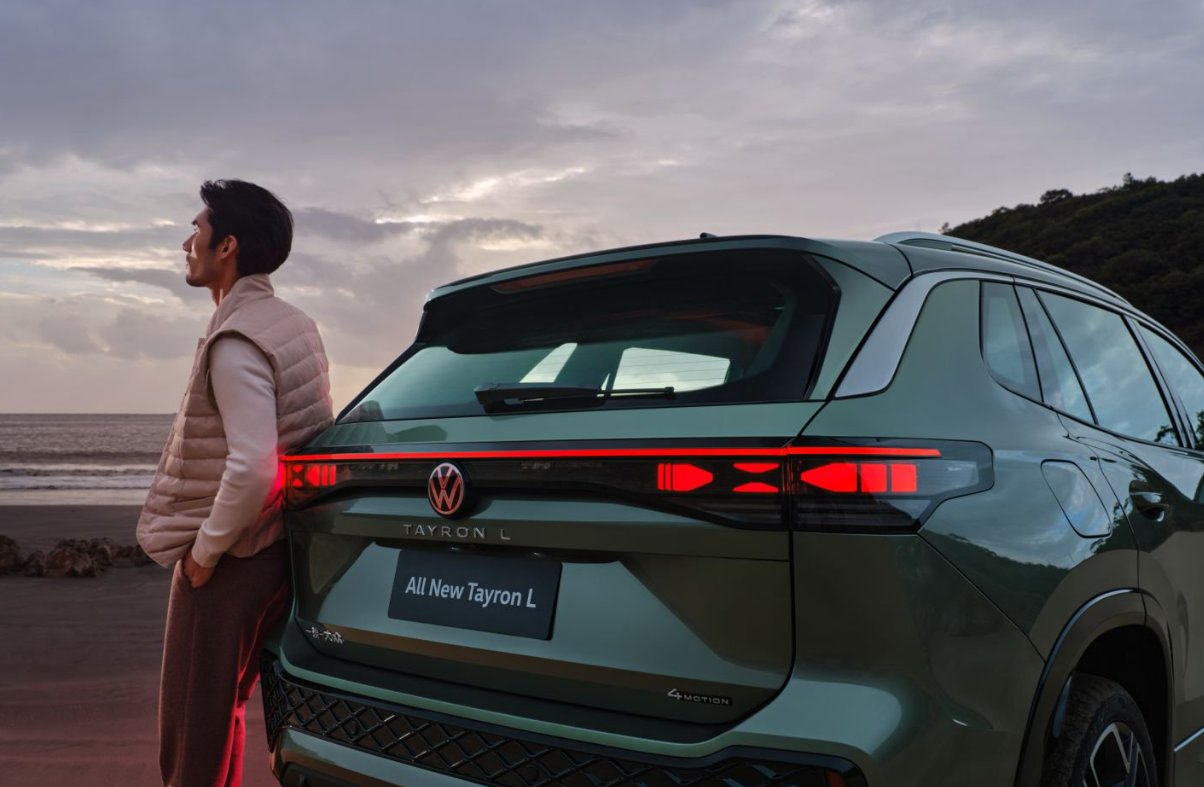
This time the Tayron L offers two front-end designs: the R-Line Black Knight and the Fashion Edition. The former has a blacked-out grille with blade-style wheels, maxing out the aggressive look; the latter uses chrome vertical bars for a refined route, firmly grasping the business vibe.
At night, the IQ.Light intelligent matrix headlights are even more impressive—60 LED pixels provide segmented lighting and automatically shield the other lane's light during oncoming traffic, instantly turning high-beam abusers into well-behaved angels.
Having said all this, whether to buy or not—I think a rough summary makes the answer clear. No more, no less, three aspects, for reference only:
1. The starting price of 176,900 yuan is 20,000 cheaper than the Tiguan L, yet the equipment adds L2+ intelligent driving, matrix headlights, and three-zone climate control.
2. The 1.5T Evo2 engine consumes only 6.8 L/100 km, while its power is still a good bit stronger than the Tiguan L's 1.4T.
3. The whole vehicle has undergone 2 million kilometers of durability testing, and the chassis cavity wax-filling process prevents rust for ten years, with German quality as steady as an old dog.


