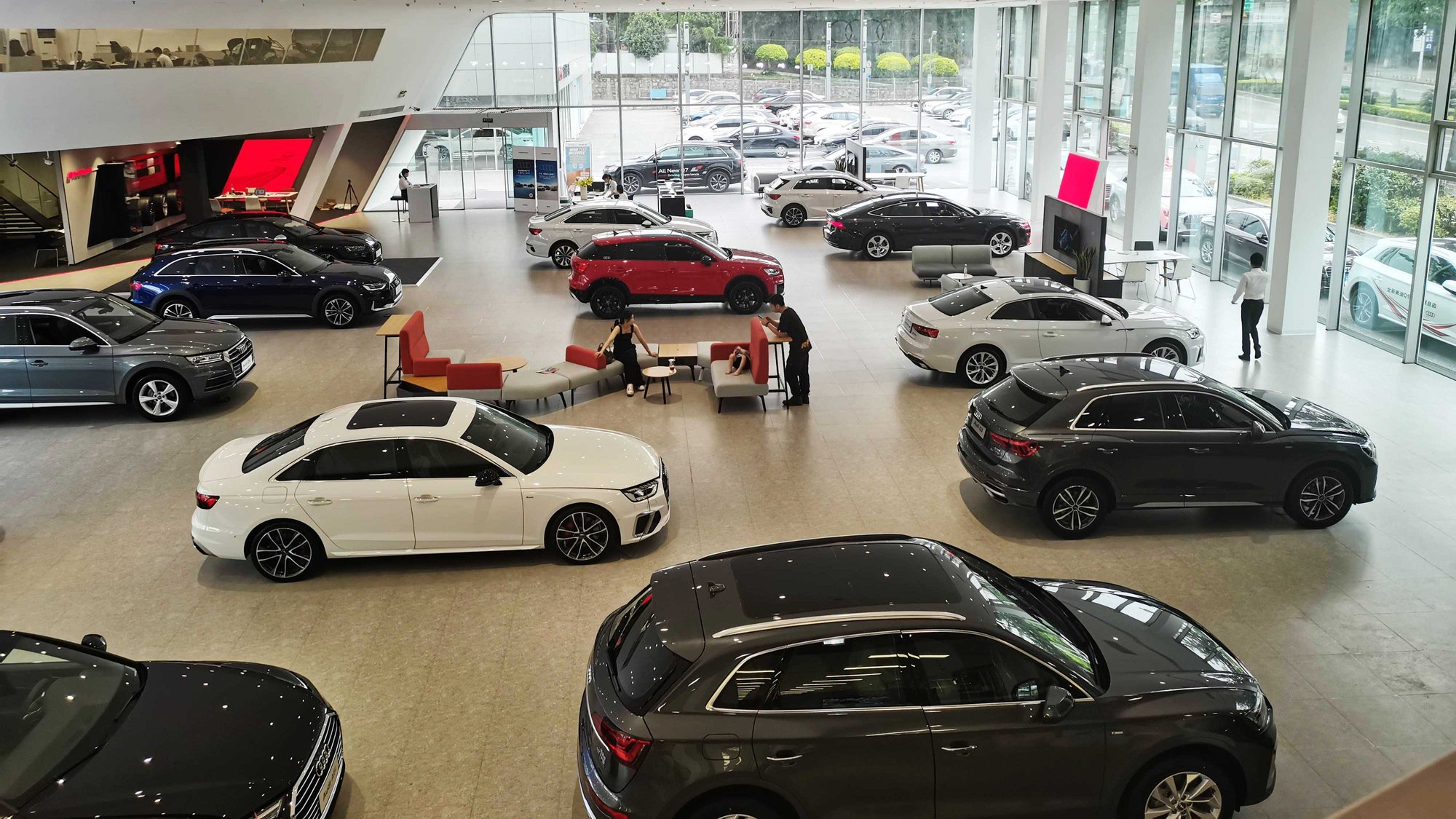
Last week I passed by a Mercedes-Benz 4S dealership, and there were only three cars left in the showroom, with more salespeople than customers. The BMW dealership next door was even more blunt: a note posted in the after-sales reception area said, "Merged into XX store, please book maintenance in advance." The luxury car 4S dealerships that once bustled with crowds are now going through a "silent tide."
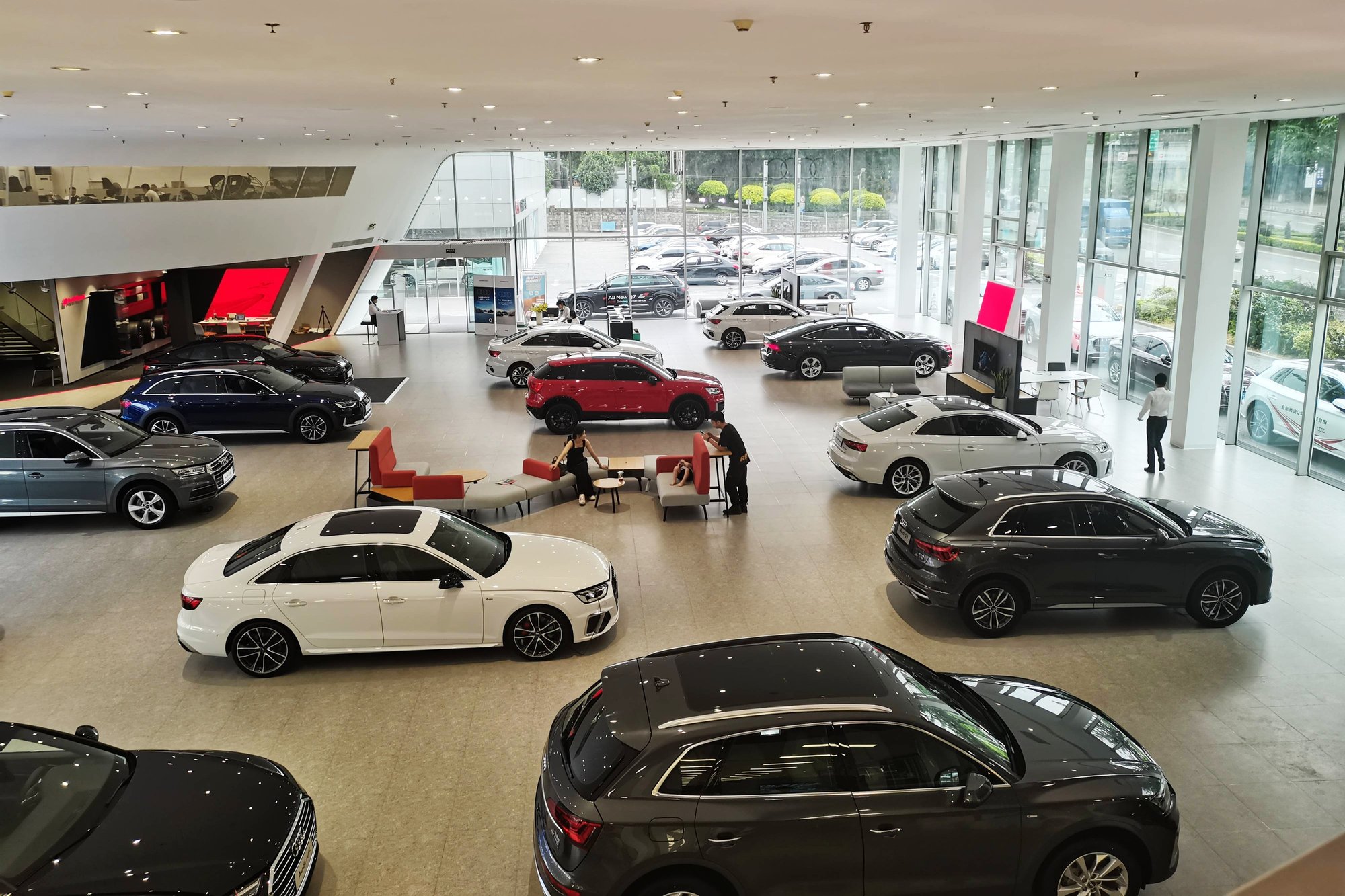
This is not an isolated case. Data shows that in the first half of 2026, China's retail sales of fuel vehicles fell 26% year on year. Among them, Mercedes-Benz fell 28%, BMW fell 18%, Audi fell 16%, and Porsche fell 32%. Luxury car dealers are "paying the bill" for all of this.
You might think that with sales declining, they could just order fewer cars and tough it out. In theory, that's not wrong. But the problem is that the biggest hidden danger for these luxury car 4S dealerships is not volume, but price. Guide prices have been cut again and again, and financing is also shrinking, yet consumers still are not buying it.
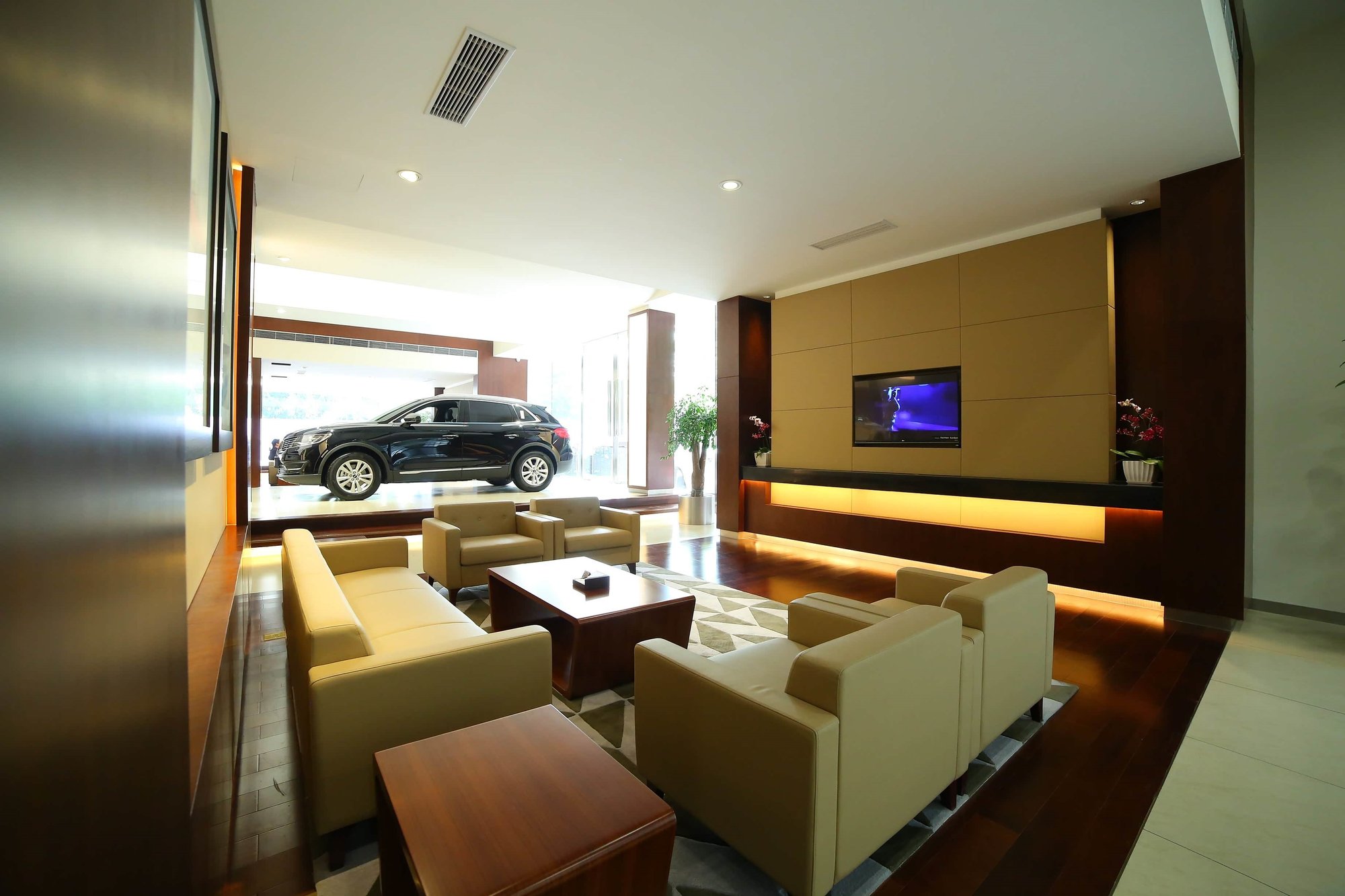
Why? High oil prices, fading subsidies, and diversion toward electrification—these "three mountains" are weighing on them, and the foundation of fuel luxury cars is loosening. This is hardly good news. Since the beginning of the year, the stock trends of Zhongsheng Group, Yongda Auto, and Meidong Auto also reflect this. Moreover, the after-sales segment, once the ballast stone, is now being "backlashed" as well.
In the past few years, maintenance service revenue grew at a compound annual rate of 10%, making it a veritable cash cow that supported the entire store. But this year trouble has arrived. Think about it: if the 4S store near your home closes, would you make a special trip of dozens of kilometers to another one for maintenance? Most likely not, and then for your next car you would switch to another brand.
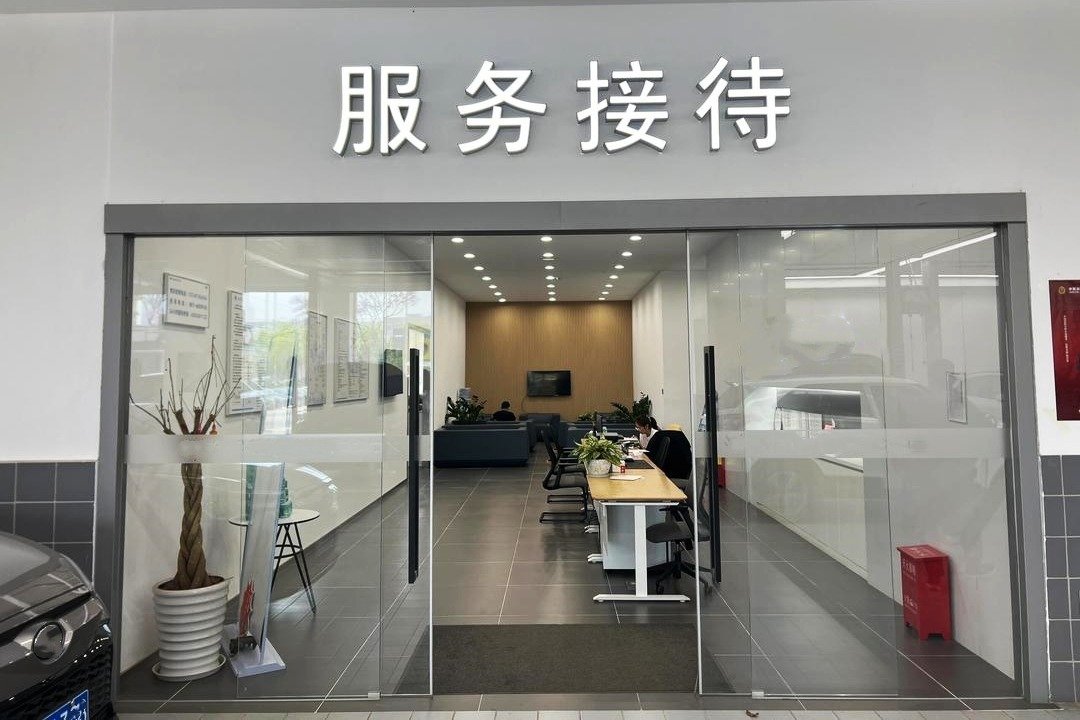
Zhongsheng Group is relatively better off. It has independent maintenance centers and can still take in external customers. Yongda Auto and Meidong Auto do not have this buffer. Meidong Auto in particular pursues a "single city, single store" model, with just one store in a city. If it closes, customers are directly handed to others.
Can things recover by 2027? Most likely not. In addition to declining sales and after-sales loss, dealers' operating costs are also worrying. In the future, the luxury brand 4S dealerships you are familiar with may continue to disappear, maintenance and repair options will change, and the pricing system will also be reshaped.
Written at the end
The market logic has completely changed. In the past, it did not matter if luxury car 4S dealerships lost a little on new cars, because financial commissions made it back, and after-sales maintenance earned more profit. With three pillars supporting them, they could get by. What about now? All three pillars are shaking at the same time. In a word, the golden age of luxury car dealers is truly over.


