As a car reviewer who never accepts payments from automakers, I always uphold the principle of "speaking with data and testifying with experience."
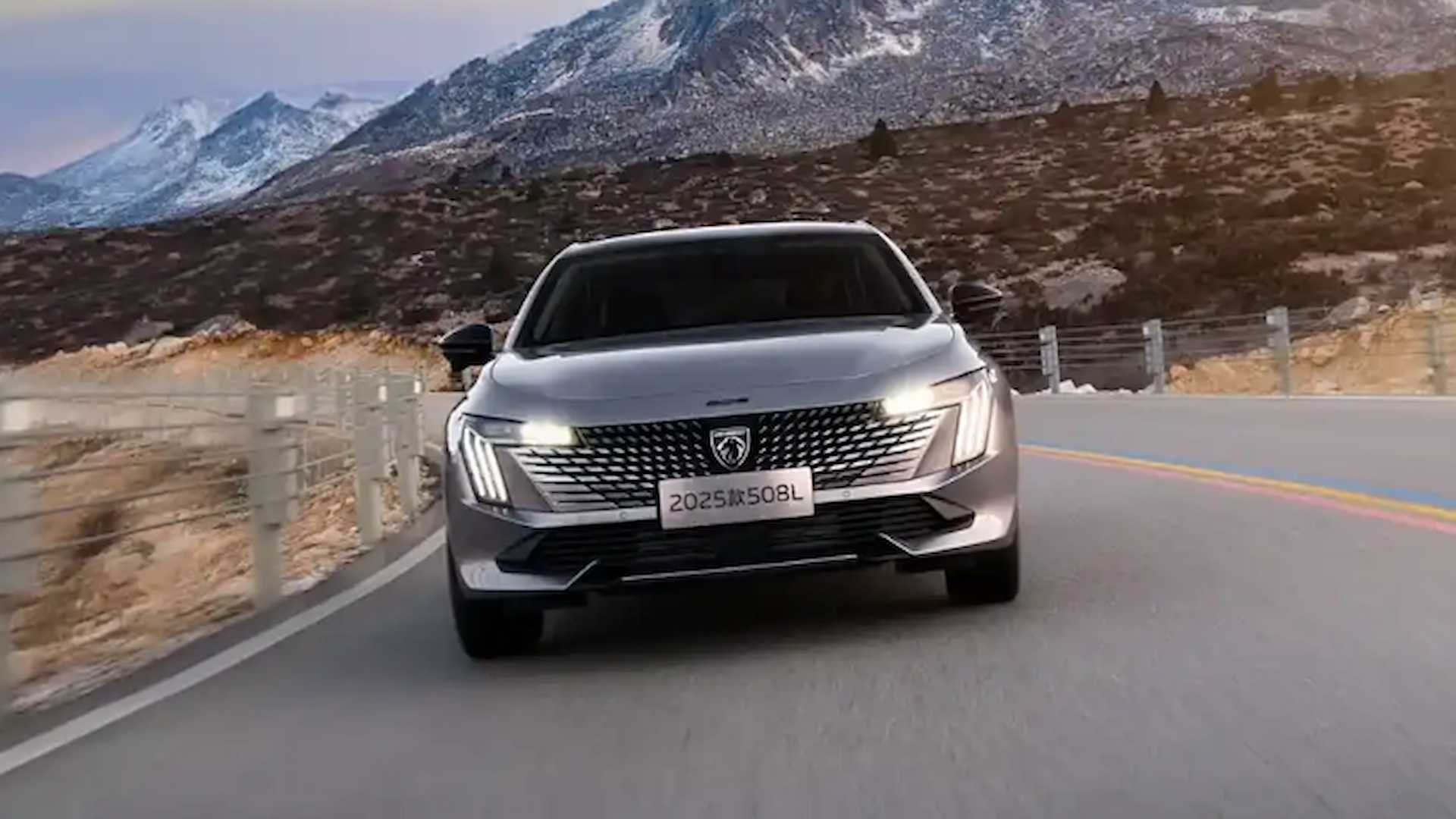
Today we're going to talk about the 2025 Dongfeng Peugeot 508L, which appears to be just an "annual facelift," but behind it lies the struggle and ambition of French cars in the Chinese market.
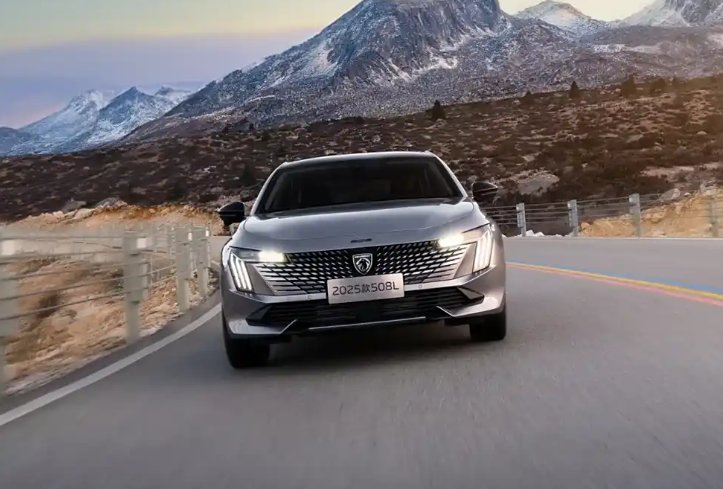
Is this car really worth buying? Is it a real upgrade or just "squeezing toothpaste"? Let's peel back its skin layer by layer!
Exterior: Classic rehash or lacking sincerity?
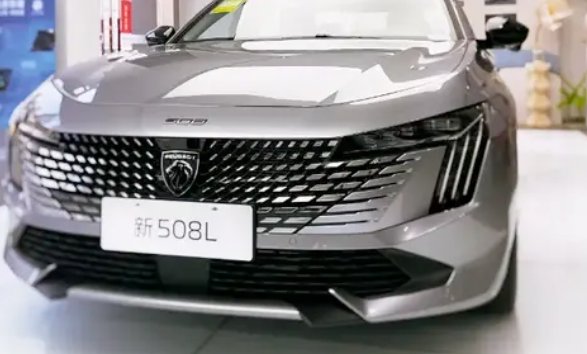
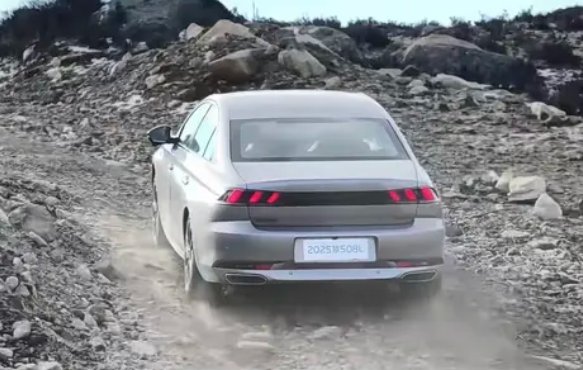
The exterior of the new 508L almost completely carries over the current design, with the frameless front grille, matrix LED headlights, and lion-claw taillights still eye-catching.
This "classic rehash" strategy may polarize consumers: those who like it think French design is unique, while those who dislike it believe it lacks innovation.
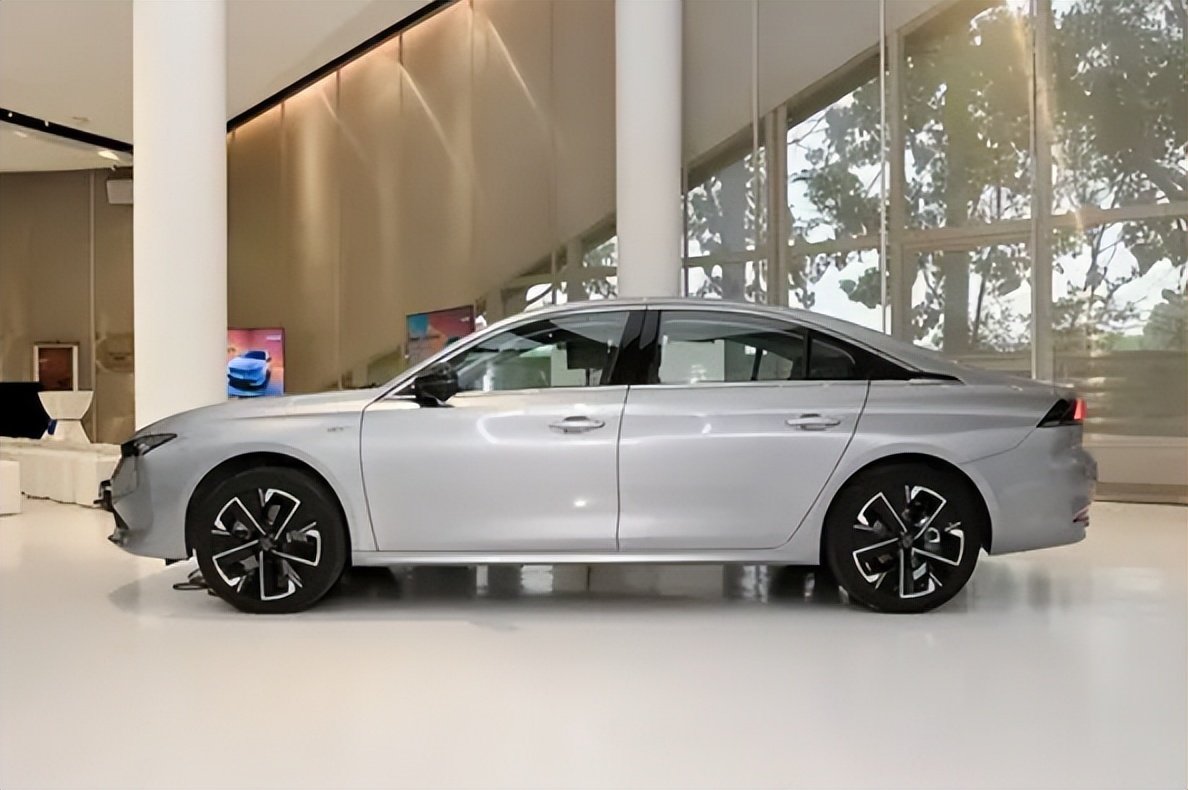
Especially when facing rivals like the Camry and Accord that keep evolving their styling, Peugeot's conservatism looks more like "resting on its laurels."
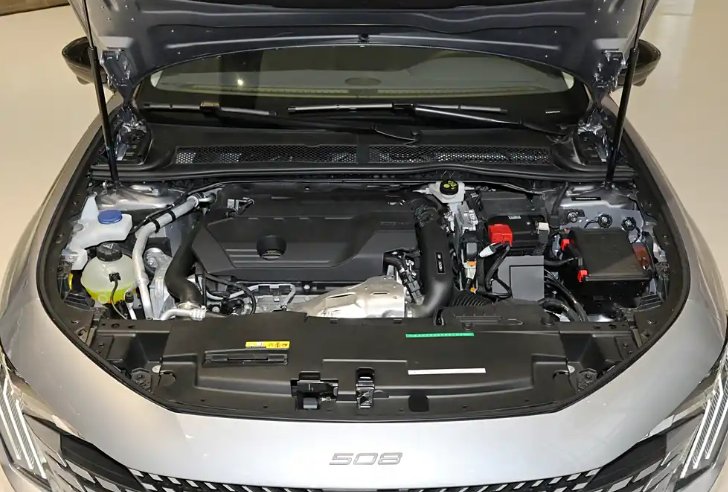
Powertrain: 211 horsepower + 8AT, strong enough but not "smart" enough.
The new car comes standard across the range with a 1.8T engine (211 hp/300 N·m) + Aisin 8AT gearbox combination, which crushes the Camry 2.0L (178 hp) on paper, but real-world experience exposes its shortcomings:
High fuel consumption: Current owners report a combined fuel consumption of 9-10L/100km, and the lack of a hybrid variant makes it look "clumsy" next to Japanese rivals.
Conservative transmission tuning: Although shifts are smooth, response in Sport mode is still not aggressive enough, slightly disconnected from its "sporty chassis tuning" positioning.
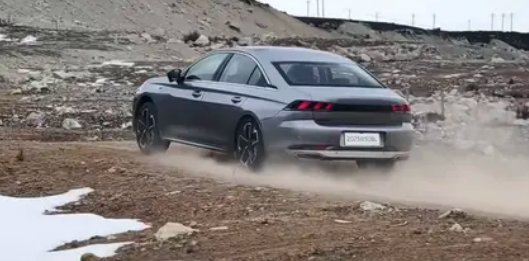
The only highlight: The AMVAR adaptive suspension system can adjust damping according to road conditions, and combined with a class-leading minimum turning radius of 5.45 meters, urban driving agility is indeed commendable.
Configuration upgrades: Real needs or pseudo-needs?
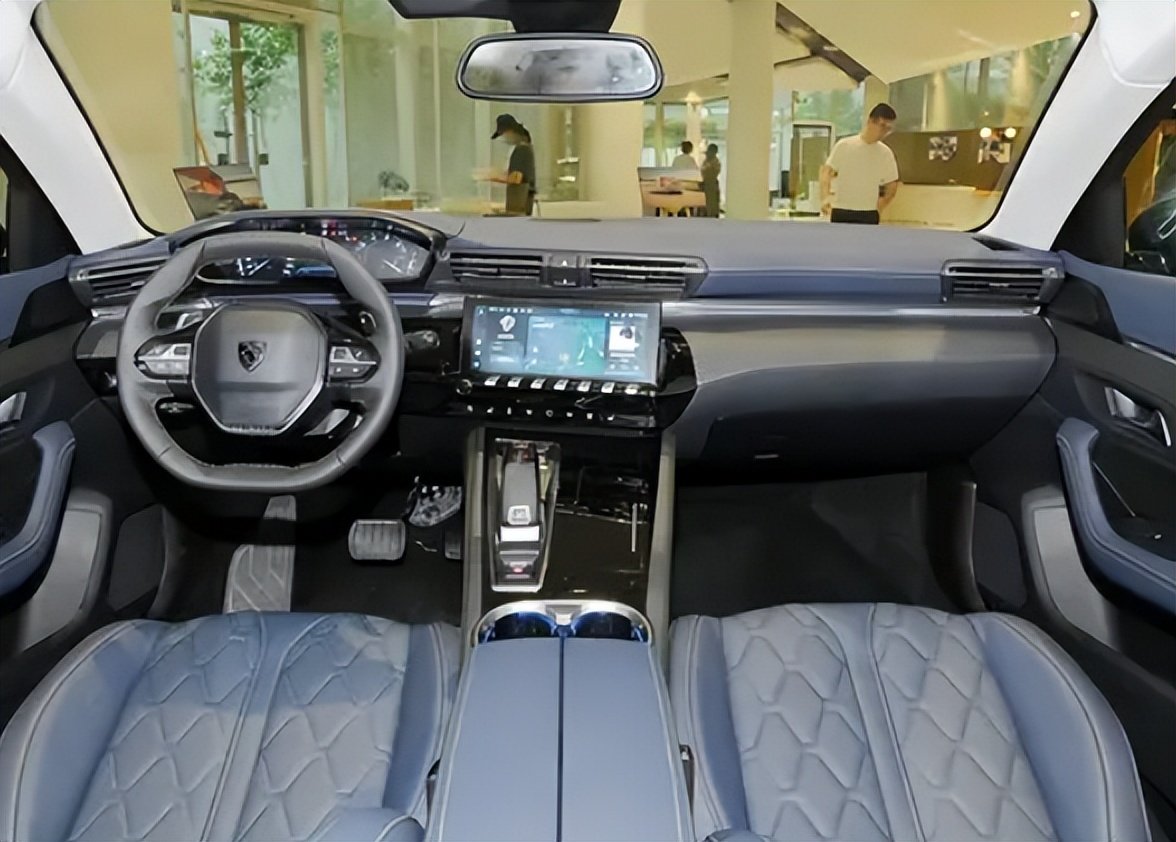
The official "configuration optimization" focuses on the infotainment system and driver assistance features: the combination of a 12.3-inch digital instrument cluster + 10-inch central control screen offers improved interface smoothness, but voice interaction still lags behind new forces.
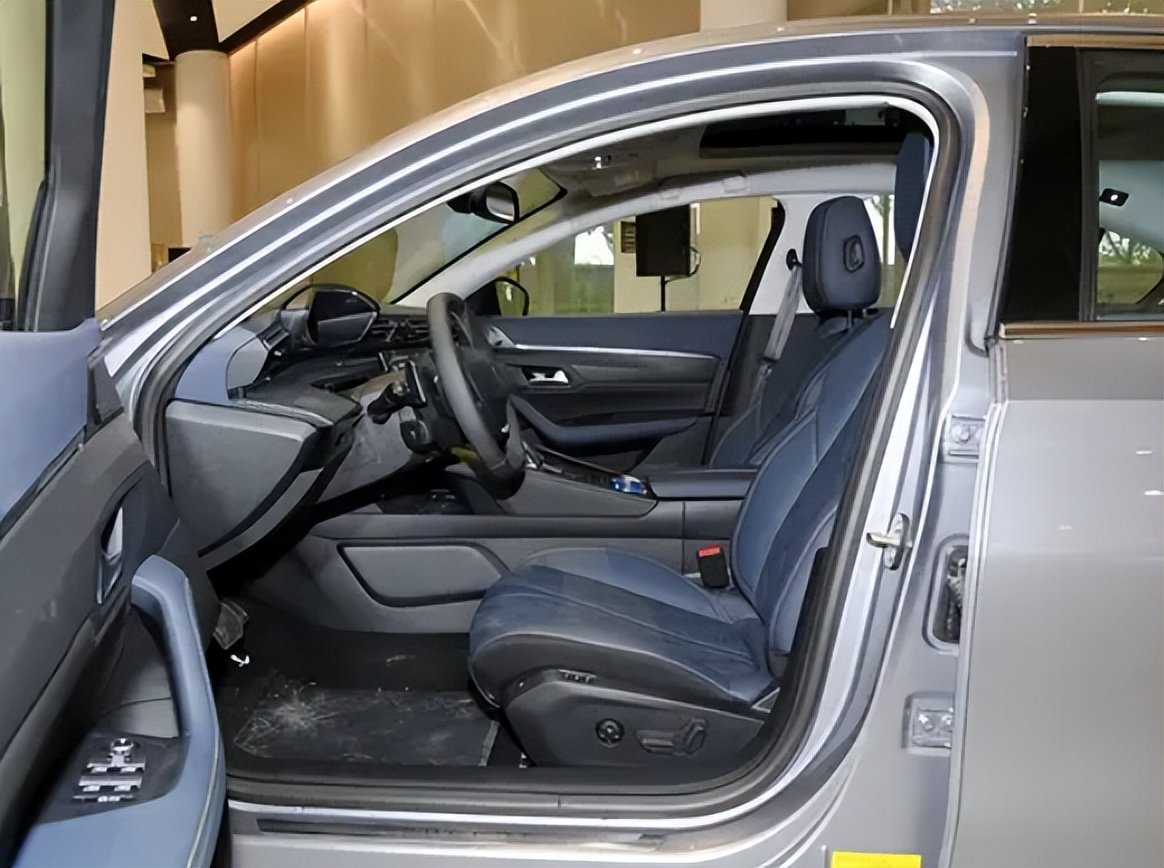
Practical, but competitors have long since made it standard—Peugeot is just "catching up on homework." Top-trim models still require extra payment, compared to the Camry's full-range standard equipment, showing insufficient sincerity.
Are these upgrades worth the price? If the current starting price of 163,700 yuan remains unchanged, facing the Camry with terminal discounts of 30,000+ yuan, how much longer can Peugeot's "cost-effectiveness" label stick?
In January this year, the Peugeot 508L sold only 132 units, less than the Camry's single-day sales.
The reasons behind this are worth digging into: French cars' domestic market share has shrunk to just 0.6%, and the wave of 4S store closures has intensified after-sales anxiety; the three-year residual value rate is below 50%, deterring rational consumers; excessive emphasis on "design aesthetics" while neglecting family car users' real needs for space and fuel consumption.
As a car reviewer, I appreciate Peugeot's commitment to design, but the market won't pay for sentiment.
If the new model's pricing still holds firm in the 160,000+ yuan range, it will likely become a "niche toy."
If French cars want to make a comeback, what they need is not minor configuration tweaks, but a thorough revolution from product positioning to customer service.
Disclaimer! This article is entirely based on public information and measured data, and has not received sponsorship from any automaker. If the views sting certain brands, please reflect on the product rather than attacking the author.


