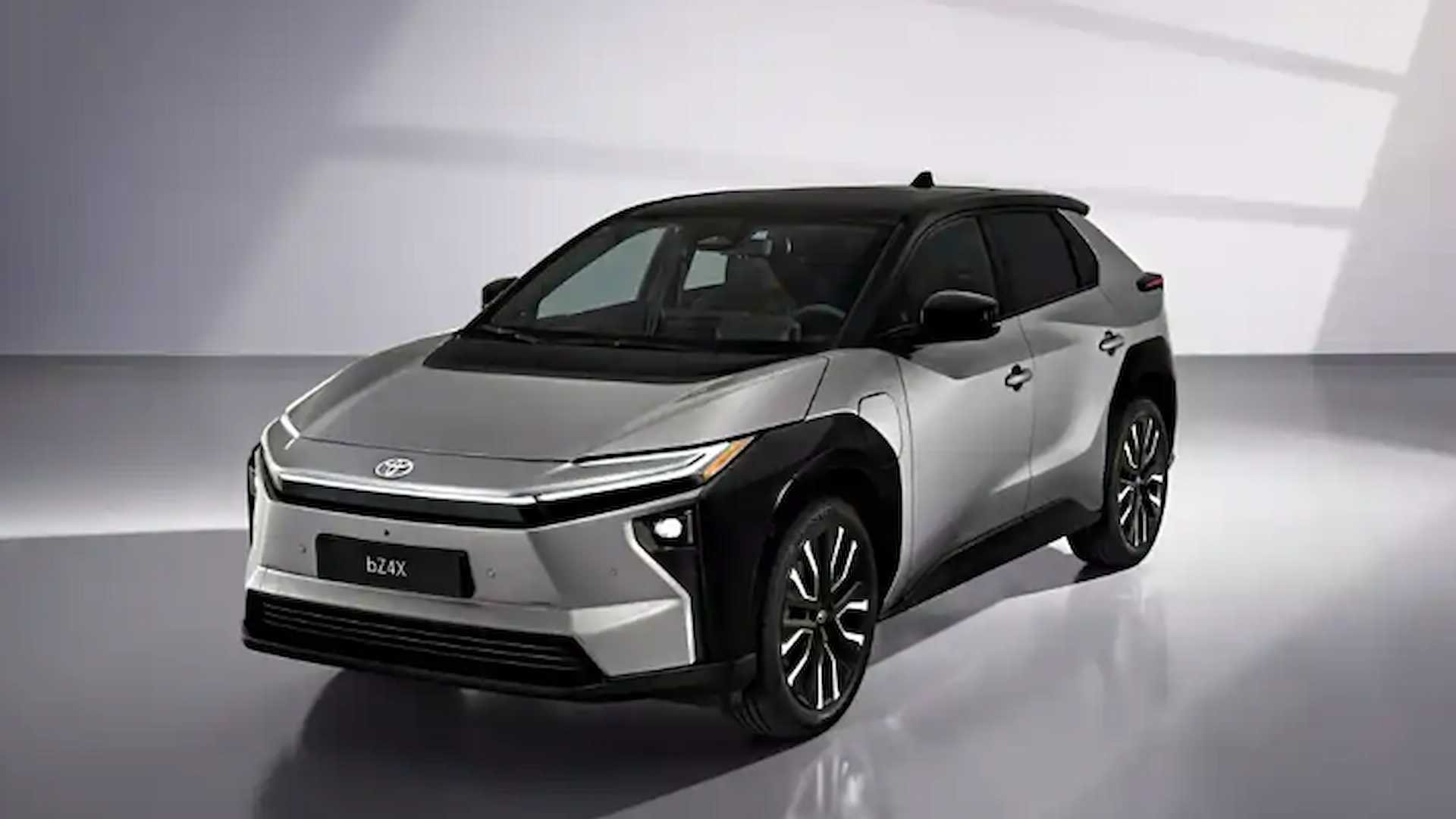
As the only car reviewer on the entire internet who dares to refund automakers' payoffs原路退回, today let's dissect the newly released 2025 Toyota bZ4X under a microscope.
This car's epic bug of "recognizing billboards as cars" from before the facelift still hasn't been fully resolved, and after the facelift they actually dare to raise the price?
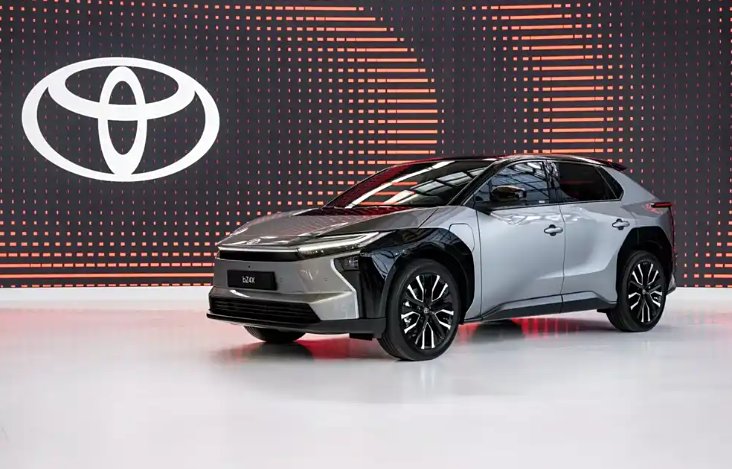
Key point: the overseas version dropped $6,000 in price, but domestic specs went the opposite direction.
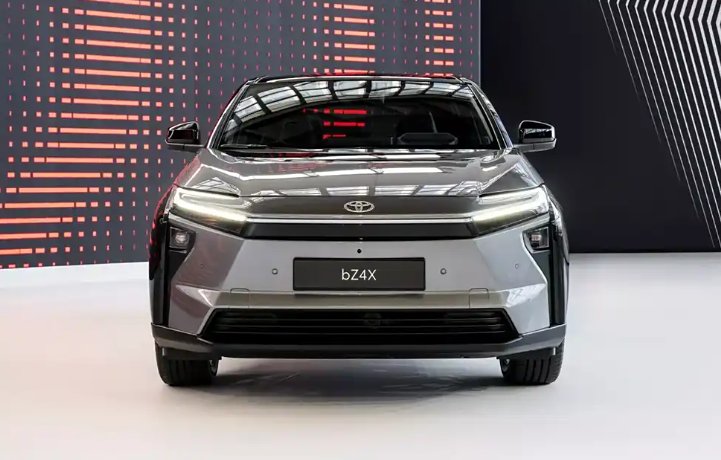
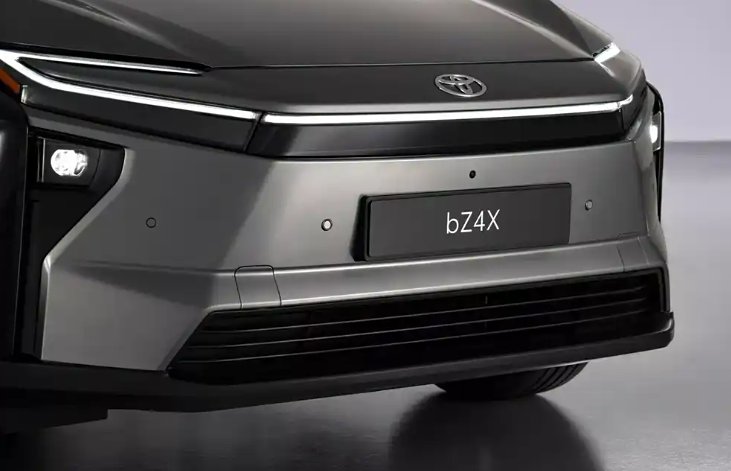
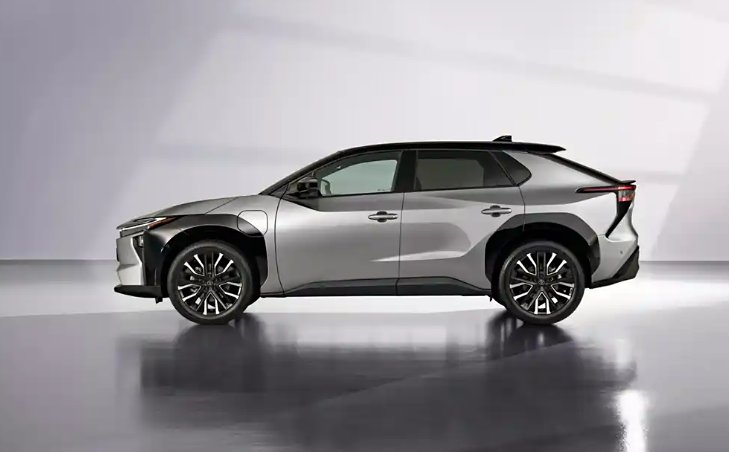
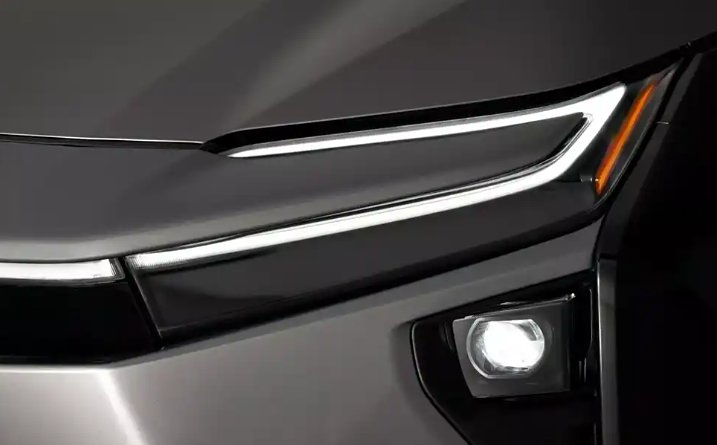
The new car claims to adopt a "hammerhead front face" and split-type headlight clusters—in reality, they just widened the old C-shaped light strip by 2 centimeters and added three chrome strips to the lower air intake.
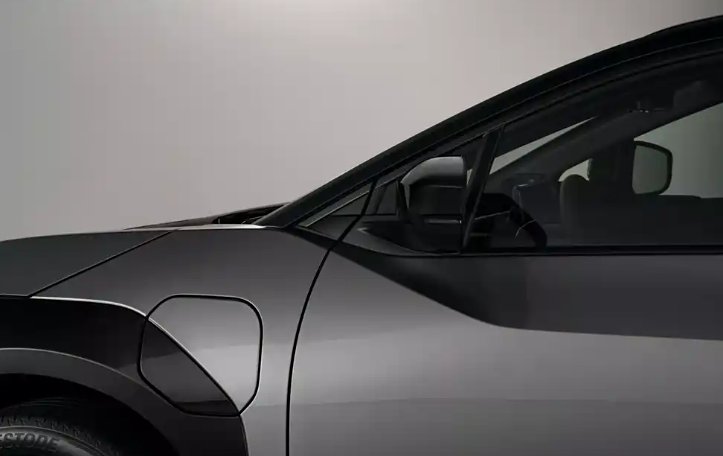
The side retains the ancestral anti-human charging port design—the left front fender position means right-hand-drive owners have to perform a parallel parking acrobatics routine to charge.
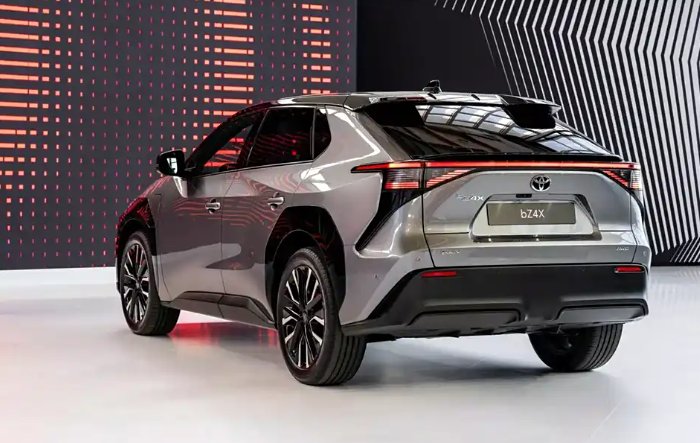
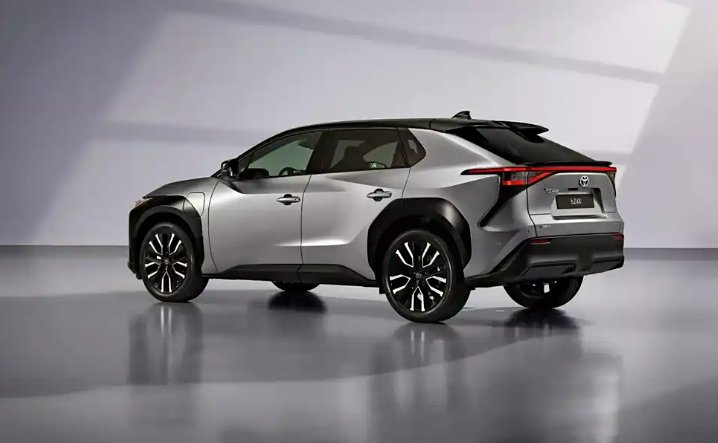
The rear full-width light cluster does follow the trend, but that segmented spoiler looks like LEGO pieces snapped off by a bratty kid no matter how you look at it.
The most outrageous move is the new Nightshade edition: full blackout treatment + red stitching seats, pure auto-parts-store ricer style.
This move is like a middle-aged uncle wearing ripped jeans—a failed case of forced youthfulness.
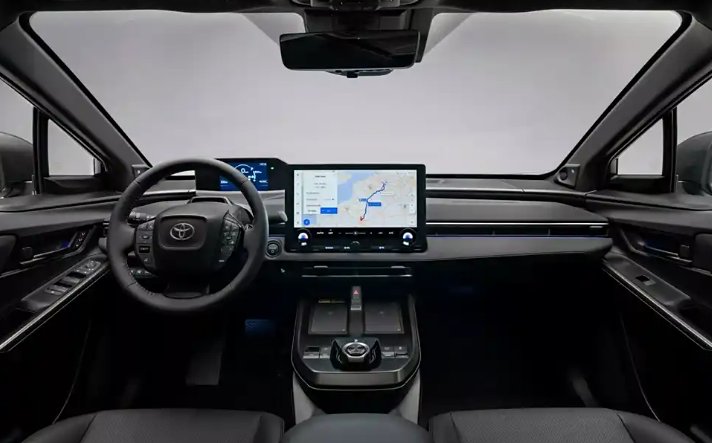
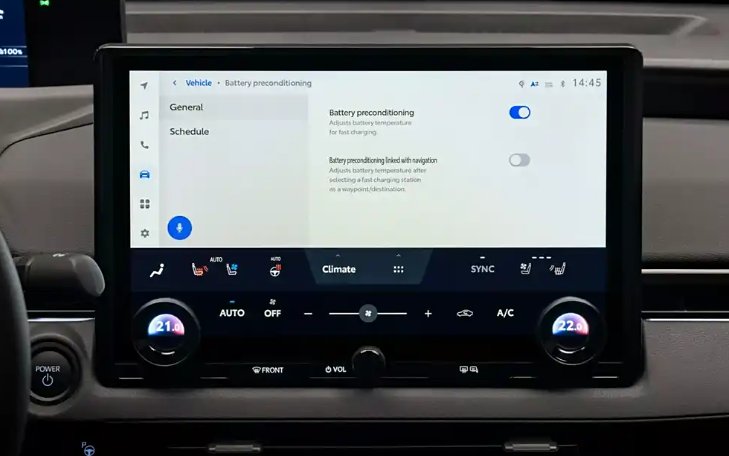
The 14-inch central control screen sounds intimidating, but the actual UI design feels like a time warp back to the Windows XP era.
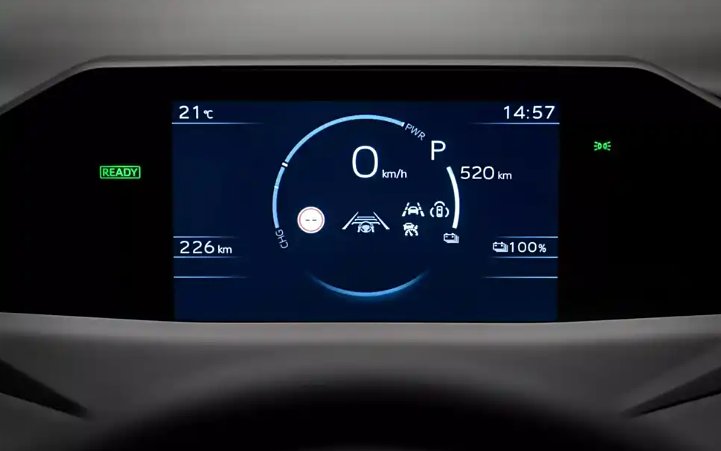
That floating instrument panel has been mocked by netizens as "looking like a digital watch glued on," with information density worse than a $1.99 smart band.
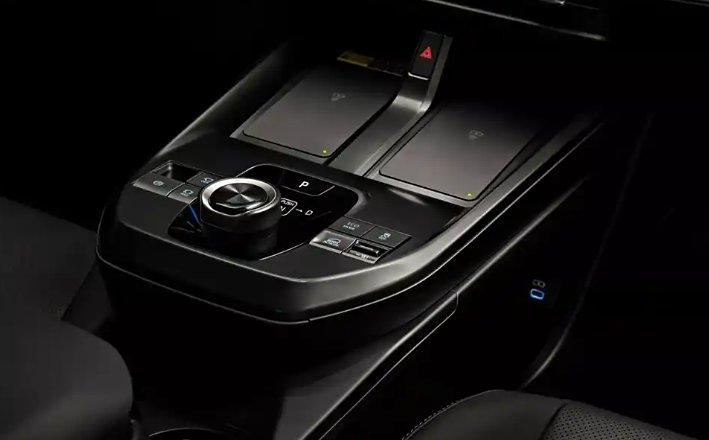
The wireless charging pad position is an epic-level brain-dead design—when you insert the phone vertically to charge, it blocks the AC buttons; when placed horizontally, it won't fit into the groove.
Even better is that the entire lineup retains the anti-human irregular steering wheel—when turning, you can't find the center-return marker. Do Toyota engineers think all car owners should have an F1 license?
The single-motor low-spec version's 123kW power + 57.7kWh battery combo directly degrades the 0-100 acceleration to the 9-second club.
Compared to domestic same-class cars that commonly achieve sub-7-second times, this performance is simply riding a bicycle on the new energy racetrack.
The most baffling thing is the WLTP range claim of 573km, but note this is lab data for the top-spec dual-motor version!
Actual reference from the old model: in North American EPA testing, the AWD version's range was directly discounted to 70% of the claimed value.
Calculating with this水分 factor, the new model's actual range might struggle to even hit 400km—in -20°C Northeast China, you'd probably need to carry a power bank everywhere you go.
The newly added front cross-traffic alert and lane change assist can only be considered driving-school instructor car level in 2025.
While NIO, XPeng, and Li Auto are all playing with urban NOA, Toyota's TSS3.0 system requires optional add-on even for automatic parking, and the infotainment smoothness is worse than a Nokia 3310.
Even more absurd is the 22kW onboard charger—now that 800V high-voltage platforms are widespread, Toyota's move is like selling brick phones in the 5G era.
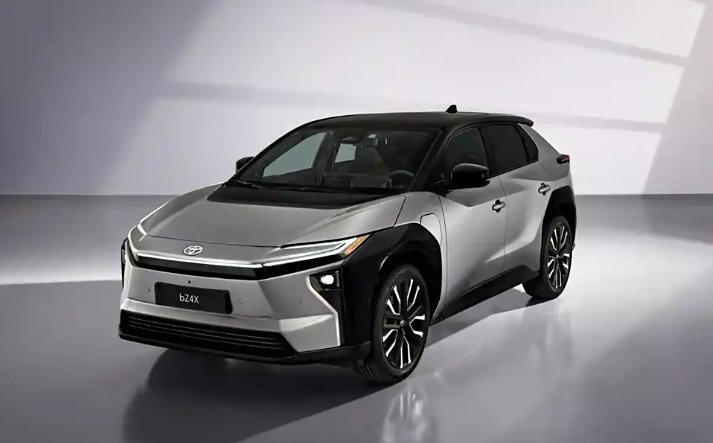
That battery preheating function sounds nice, but real-world testing of the old model showed fast-charging power plummeting 60% at -7°C, and the new model probably won't escape the "winter range assassin" fate either.
Although the overseas version dropped $6,000 (about 43,000 RMB), the domestic special edition price remains firm.
Compared to competitors: BYD Tang EV with over 600km range sells for only 250,000 RMB; GAC Aion LX PLUS with sponge silicon anode battery sells at the same price level.
The bZ4X's move is like a scenic-area restaurant—the food isn't great but they still dare to charge sky-high prices.
What's more fatal is the Easter egg Toyota itself dropped: on March 11 they'll launch a new crossover SUV cheaper than the bZ4X. Is this preparing to stage a "I kill myself" drama?


