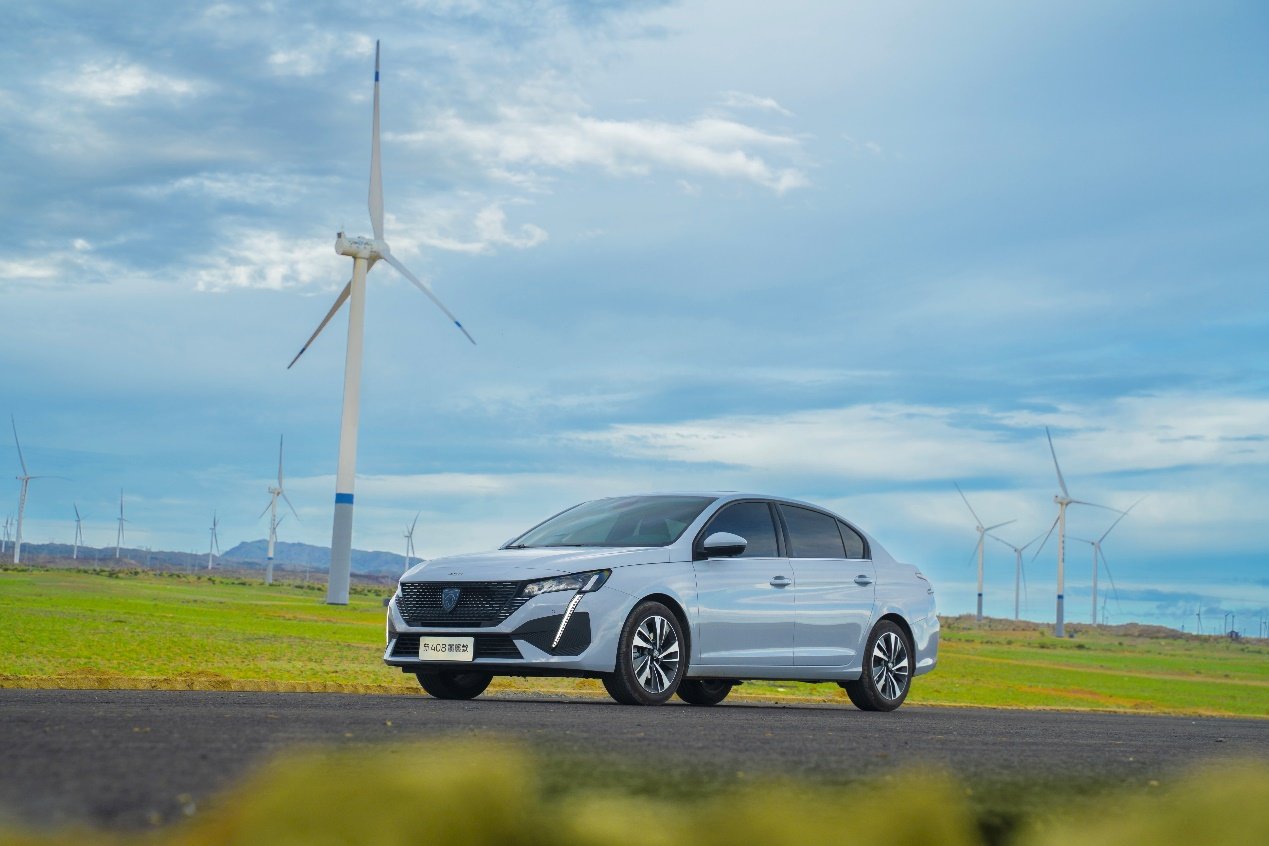
If you want to get a gasoline sedan for around 100,000 yuan, there are only a few popular options. Many people prefer joint-venture models, so today we'll pick three hot contenders - Dongfeng Peugeot 408, SAIC Volkswagen Lavida, and FAW-Volkswagen Sagitar. Their positioning is similar, but the gaps in price, power, configuration, and materials are really quite large, and for people holding cash and waiting to buy, it's easy to fall into the dilemma of "which one to choose." Today we won't compare who's better or worse, but just lay out each one's cards so you can judge for yourself.
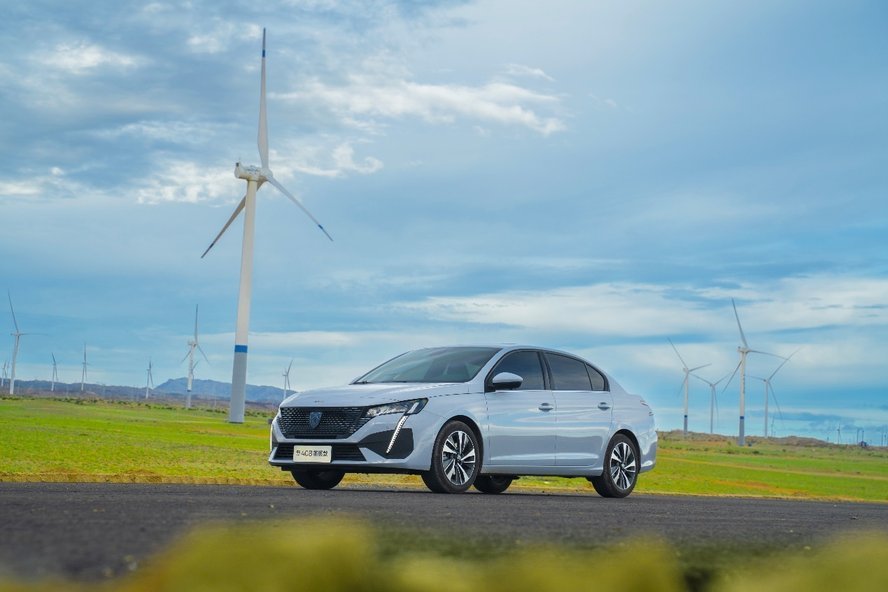
First, let's talk about "fun": young people all want a bit of driving excitement.
Young friends like a bit of passion in driving and have higher power demands, and on this point the Dongfeng Peugeot 408 has a clear advantage. The entire lineup uses the fourth-generation 360THP all-aluminum twin-scroll turbocharged engine, with a maximum power of 173 horsepower and peak torque of 255 N·m. The power versions of the SAIC Volkswagen Lavida and FAW-Volkswagen Sagitar are the same: the 1.5L engine has a maximum power of 110 horsepower and peak torque of 141 N·m. The 1.5T engine has a maximum output power of 160 horsepower and peak torque of 250 N·m. The turbocharged versions cost more than the naturally aspirated versions, and if you want more obvious power reserves at the same price point, the 408 is clearly more substantial. Another important point is that the Dongfeng Peugeot 408 is matched with an Aisin 6AT gearbox, with smooth shifting and no jerkiness, linear power delivery throughout, strong burst when accelerating to overtake, and a push-back feeling that comes as soon as you ask for it.
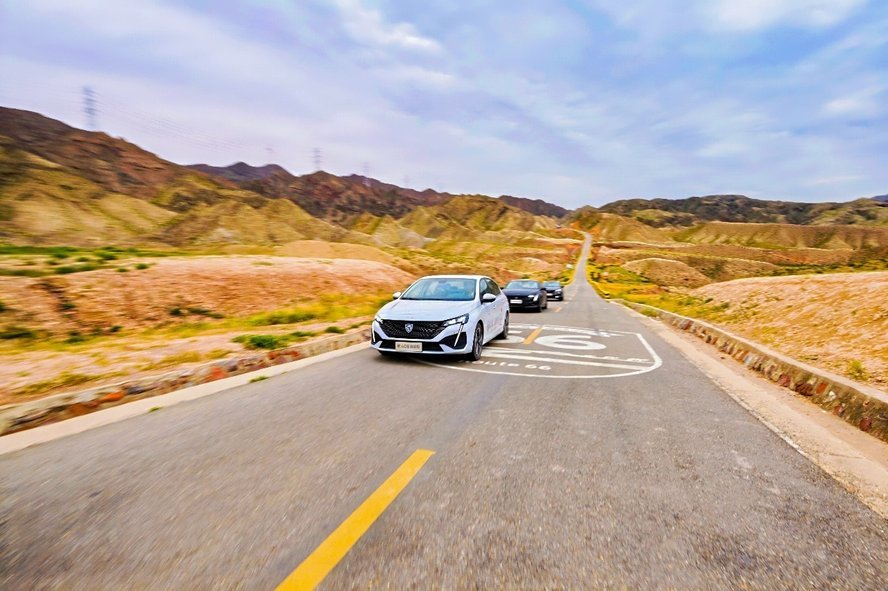
Driving pleasure depends not only on power figures but also on chassis tuning. The two Volkswagen models are tuned more toward a family commuting style, with solid suspensions and stable driving that is easy for beginners to handle. By comparison, the Dongfeng Peugeot 408, while ensuring family comfort, gives young people the handling feel they want. The century-old CLDR master-level chassis tuning is no joke - going over potholes and speed bumps won't leave you uncomfortably shaken. At highway speeds the body posture is stable, and the steering points exactly where you want it. Comfortable for family use yet fun to drive - this "both worlds" character is not often seen in this class.
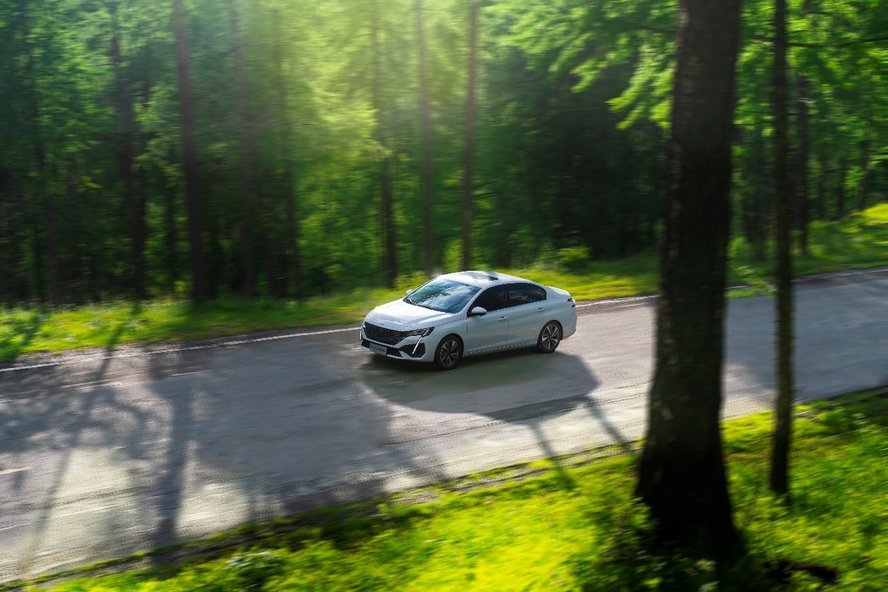
Next, let's talk about "good to sit in": the most practical happiness in a family car comes from space.
I believe many friends have encountered space anxiety with family cars. With the Dongfeng Peugeot 408 this is clearly not a problem. The vehicle dimensions are 4750x1820×1488mm, and the 2730mm wheelbase is leading in its class. The benefit of the large size is that rear passengers have plenty of legroom, and the family won't feel cramped even after long road trips. In addition, the interior has abundant storage space, so both large luggage and small items can be properly placed. The SAIC Volkswagen Lavida measures 4678×1806×1474mm, with a wheelbase of 2688mm. The FAW-Volkswagen Sagitar L measures 4812×1813×1479mm, with a wheelbase of 2731mm. Everyone can judge for themselves who has the advantage.
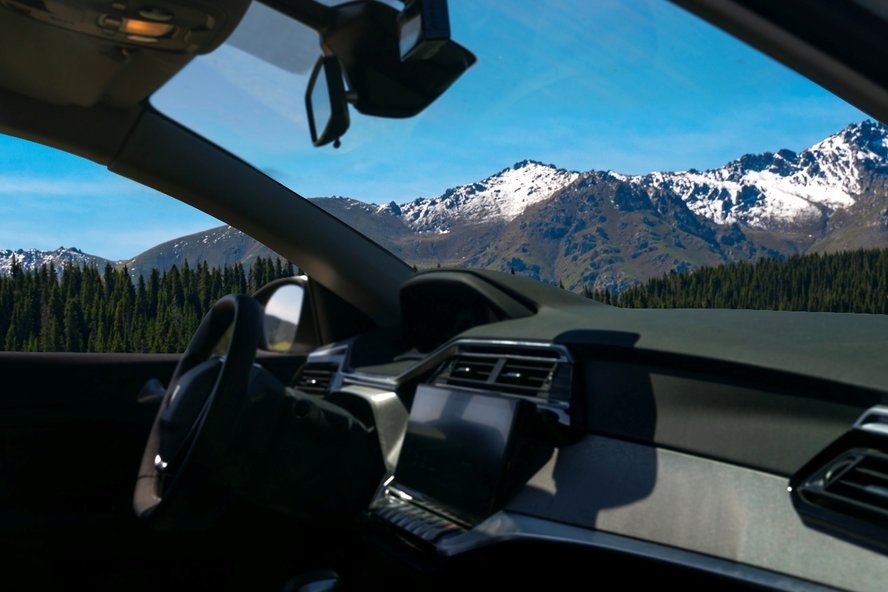
Nowadays family users pay more and more attention to cabin health and body safety. In this respect, the Dongfeng Peugeot 408 stands out somewhat. The cabin uses a large amount of eco-friendly materials, and even after the vehicle is exposed to the sun, the volatile harmful substances inside remain better than the national standard. It is also the first A+ class children's green cabin certified by CATARC, giving more peace of mind to families with children. The body materials and workmanship are equally solid, having won two authoritative awards - China Top Ten Body and Best Material - providing more assurance for the safety of the body itself. The other two German products also fully meet national standards in cabin health and body safety, reaching mainstream levels and being reassuring enough for family users.
From the comprehensive comparison it is easy to see that the three popular joint-venture family sedans each have their strengths. The SAIC Volkswagen Lavida is the preferred choice for worry-free commuting, while the FAW-Volkswagen Sagitar represents German quality. The Dongfeng Peugeot 408, meanwhile, performs in a balanced way across many aspects. What everyone values most when buying a car is certainly price - everyone likes products that are both good and inexpensive with high cost performance.
The Dongfeng Peugeot 408 also offers more sincere pricing and benefits among A+ class joint-venture sedans. The 360THP Longlong edition Latu version has a fixed price of only 89,700 yuan, and recent car buyers can also enjoy a financial plan of 10% down payment with 3 years zero interest or zero down payment with low interest. The official also provides a 5-year or 150,000-kilometer whole-vehicle warranty/lifetime powertrain warranty, making long-term use more solid and secure. As for the SAIC Volkswagen Lavida and FAW-Volkswagen Sagitar models, with the same budget you can only get the 1.5L versions, and wanting the turbo versions requires increasing the budget. Looking at the overall purchase threshold, financial policies, and warranty benefits, the Dongfeng Peugeot 408's cost-performance advantage is more prominent. If you happen to be buying a car around 100,000 yuan recently, you might as well go to a nearby 4S store and experience the strength of the Dongfeng Peugeot 408 for yourself.


