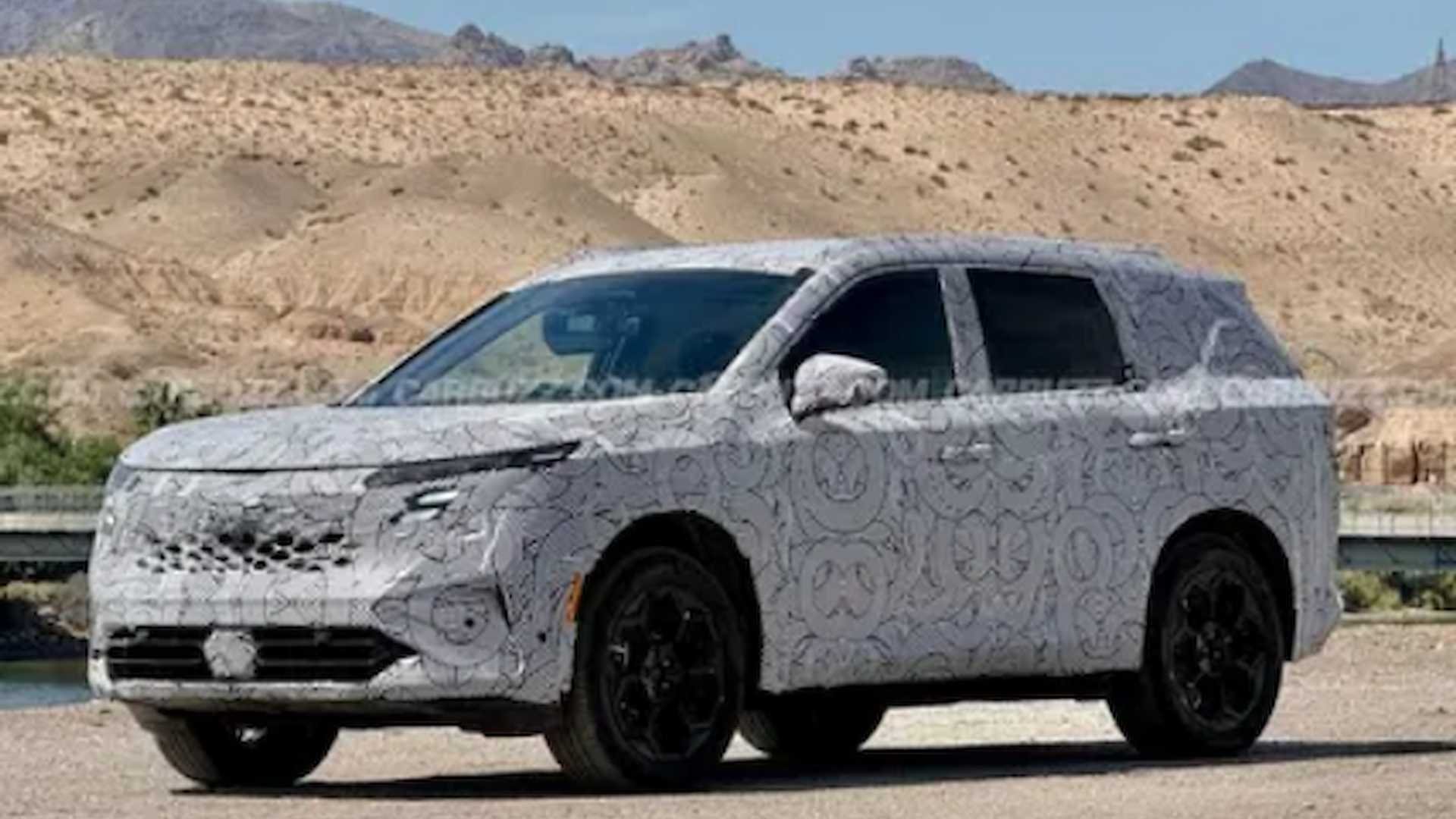
Speaking of the X-Trail, it really makes one feel both bitter and helpless, and the all-new replacement model has been exposed—is it trying to "return as a king"? Or is it "struggling at death's door"?
Looking at the spy photos taken by foreign media, I have mixed feelings and don't know where to begin...
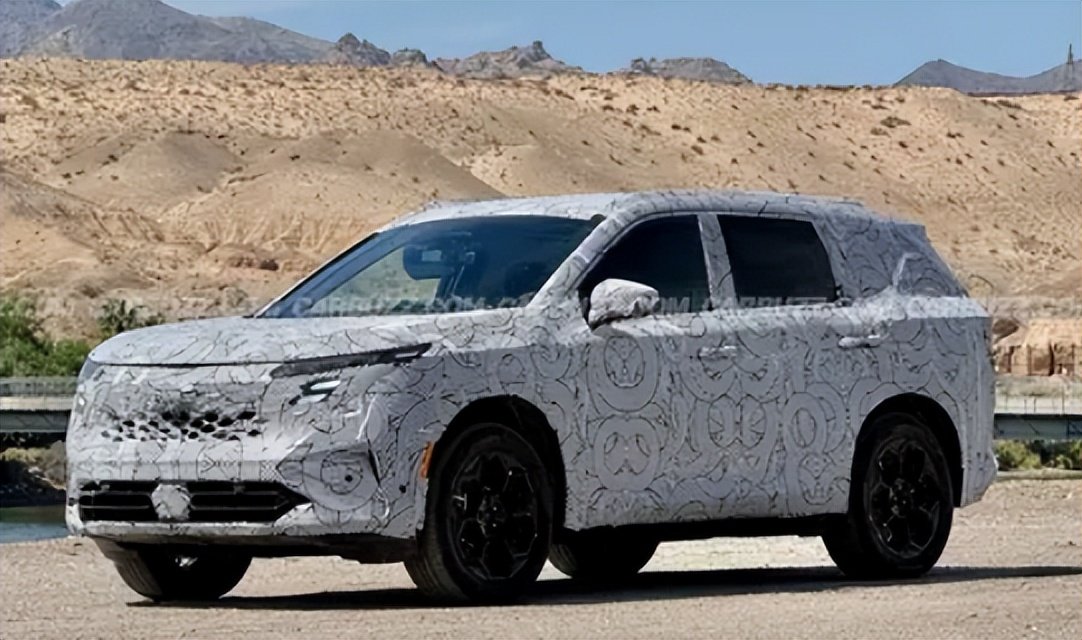
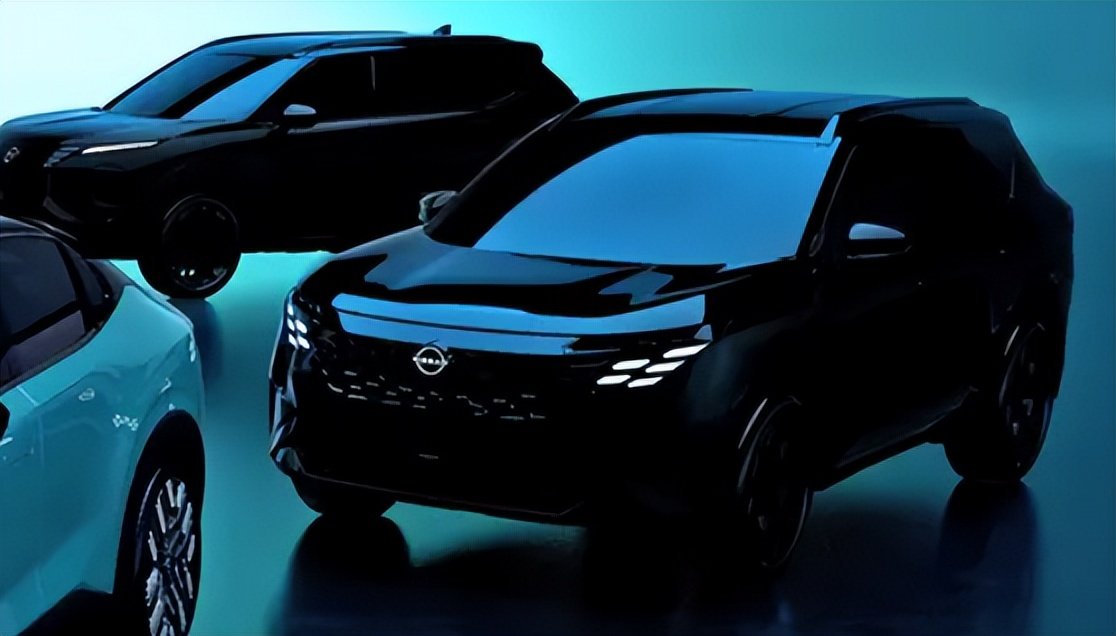
Although the test car is wrapped up tight as can be, the outline of the split headlights on the front face really can't be hidden.
Because judging from the contours and details, Nissan is dead set on making it look like a "blood brother" to the new Murano.
That mesh grille, along with the upper and lower split light clusters, is completely different from the current model.
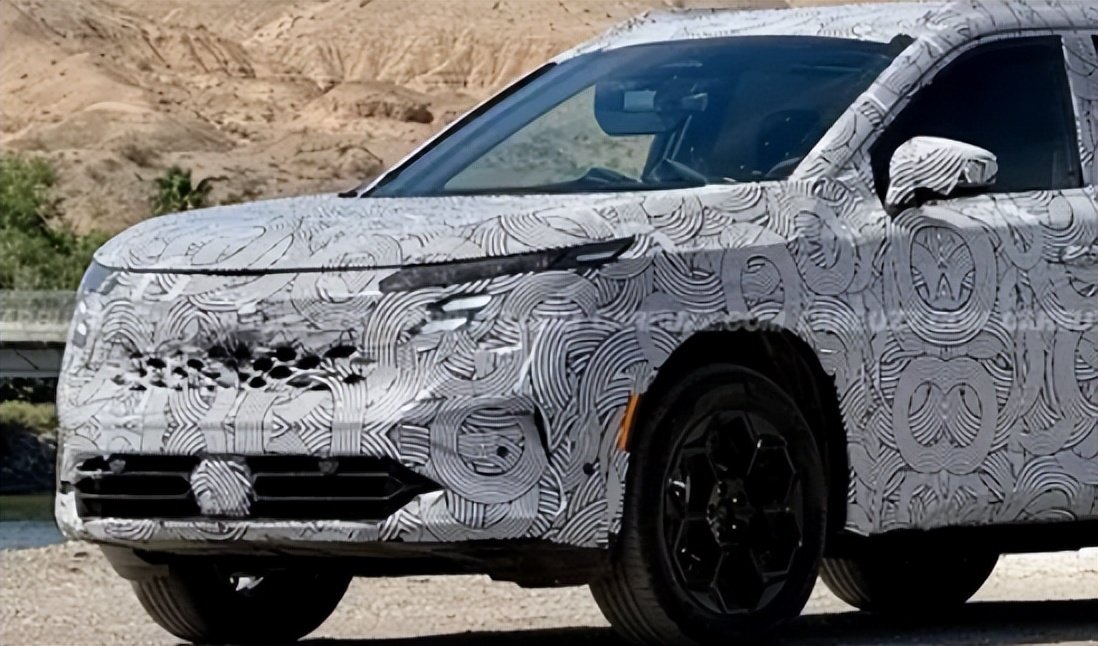
To be honest, this change is quite significant, but I just don't know how the real car will look—hopefully they don't mess it up again, otherwise it'll be another disaster.
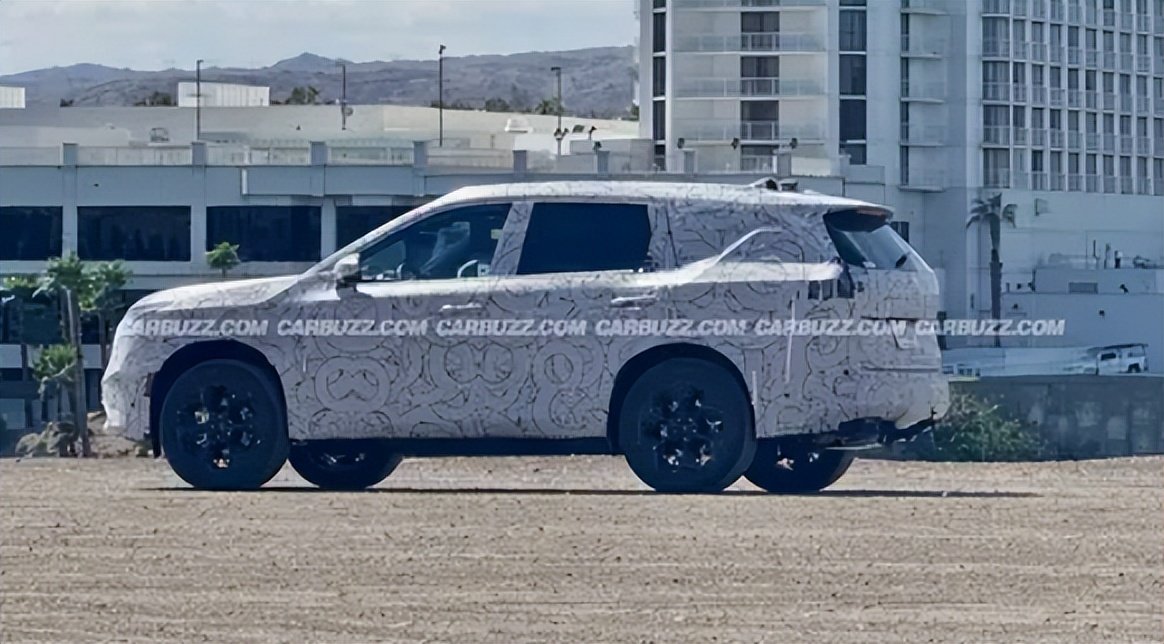
There's not much to say about the side and rear—after all, it's a camouflaged car, so you can't really tell anything.
It's still that boxy, square shape, and the D-pillar seems to be getting a floating roof design—a design that's been done to death.
Alright, alright, let's not get off track—exterior looks are all superficial. I think we need to talk about something substantial, like powertrains!
It's worth mentioning that this is the centerpiece of the redesign, and also the biggest "pain point" of the current X-Trail.
According to foreign media reports, the new car will get two hybrid systems—sounds pretty exciting, doesn't it?
One is the new-generation e-POWER, and the other is a 2.4-liter plug-in hybrid.
The e-POWER powertrain—I figure everyone should be familiar with it by now, since it's already been used on the new Qashqai.
Simply put, it's an "EV with its own generator"—that 1.5T three-cylinder engine only handles power generation and doesn't drive the car directly.
Full electric motor drive throughout, so it feels like driving an EV, with no range anxiety—definitely a good solution.
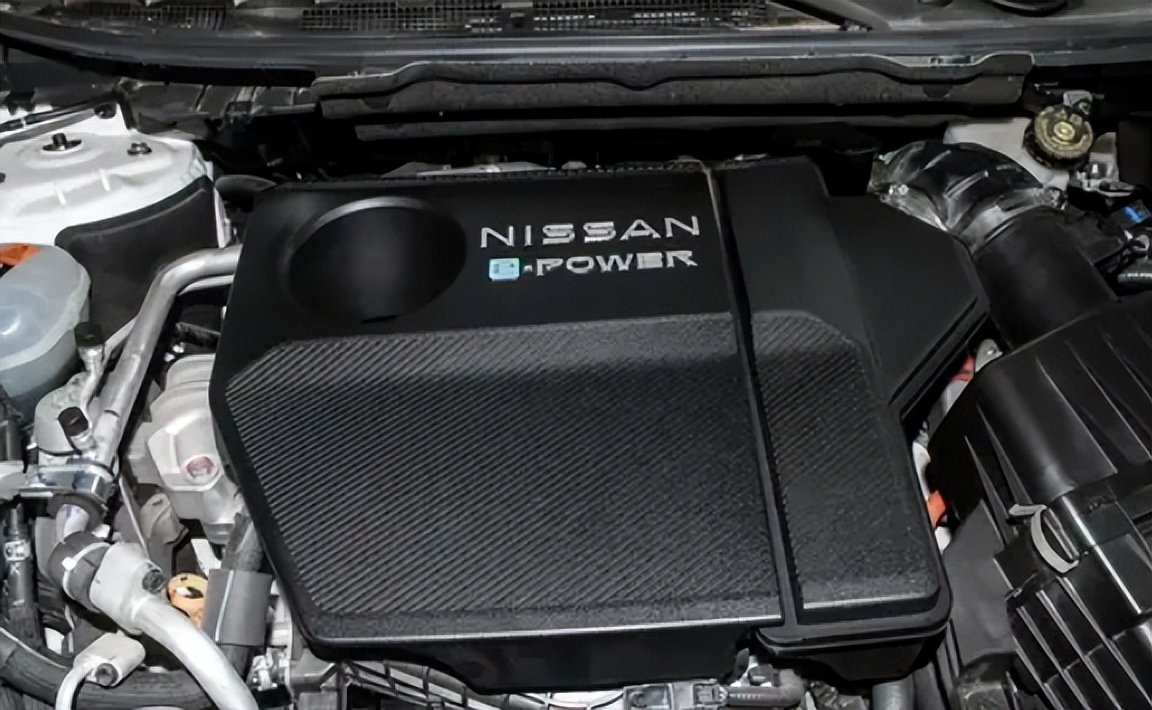
This approach, I think, is sound—it just depends on the actual fuel consumption and performance.
The other plug-in hybrid system is interesting—they directly "borrowed" the Outlander PHEV setup from their "brother" Mitsubishi.
A 2.4-liter engine paired with front and rear dual motors—the specs look decent, with over 80 kilometers of pure electric range.
For daily commuting and grocery runs, you basically won't need to burn any fuel.
But! Here's the problem! Pay attention!
Because this system has already been used on the Outlander for several years, the technology isn't exactly new.
By the time the new X-Trail launches in 2026, facing domestic market "plug-in hybrid maniacs" like BYD, Geely, and Great Wall, will it still be competitive?
I'll put a big question mark here for now—better not to speak too soon.
Thinking about the current X-Trail, it's living a pretty miserable life.
It used to be a formidable player that could compete with the CR-V and RAV4 for market share, but now it only sells around three thousand units a month, having dropped out of the top 40 in rankings.
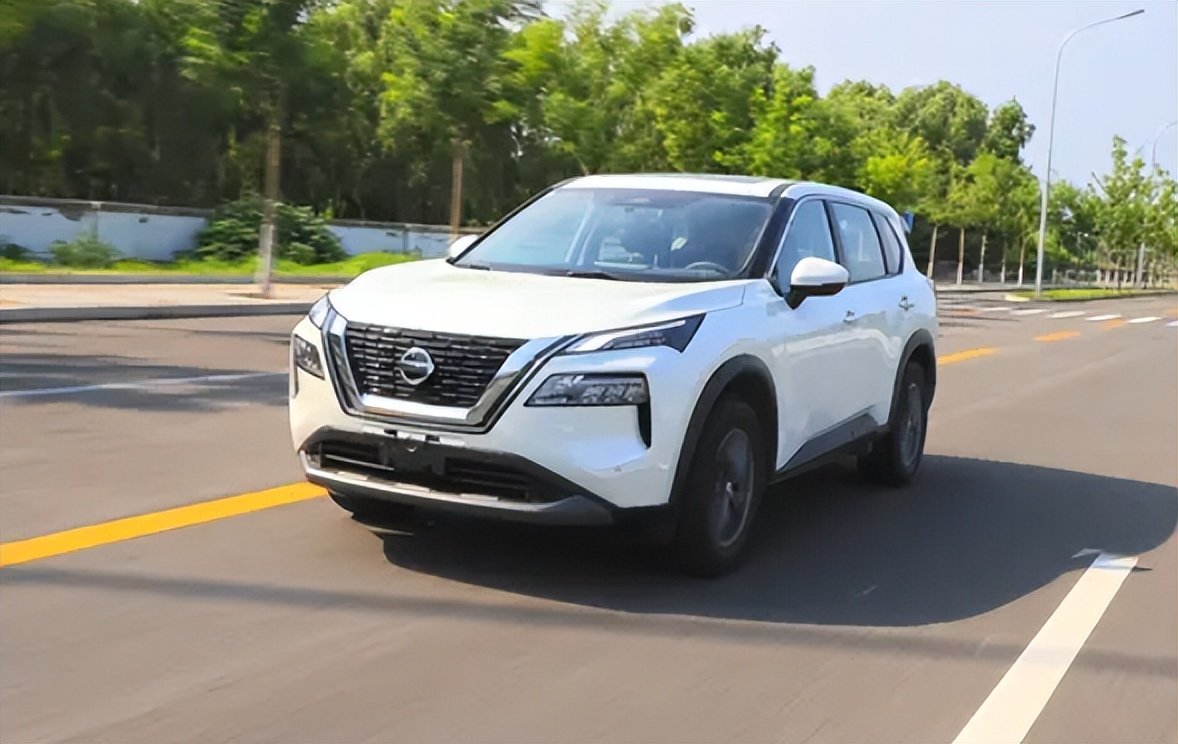
At the end of the day, it was that three-cylinder engine that ruined its own reputation.
So Dongfeng Nissan really needs to pay attention this time.
The new car's design shouldn't be too wildly imaginative—the most critical thing is the price! Price! Price!
If the e-POWER version can be priced on par with the "Two Toyotas' " hybrids, and the plug-in hybrid version shows some sincerity, then this game might still be worth playing.
Car enthusiasts, do you think the new X-Trail with these two hybrid systems can win back the sales it lost?


