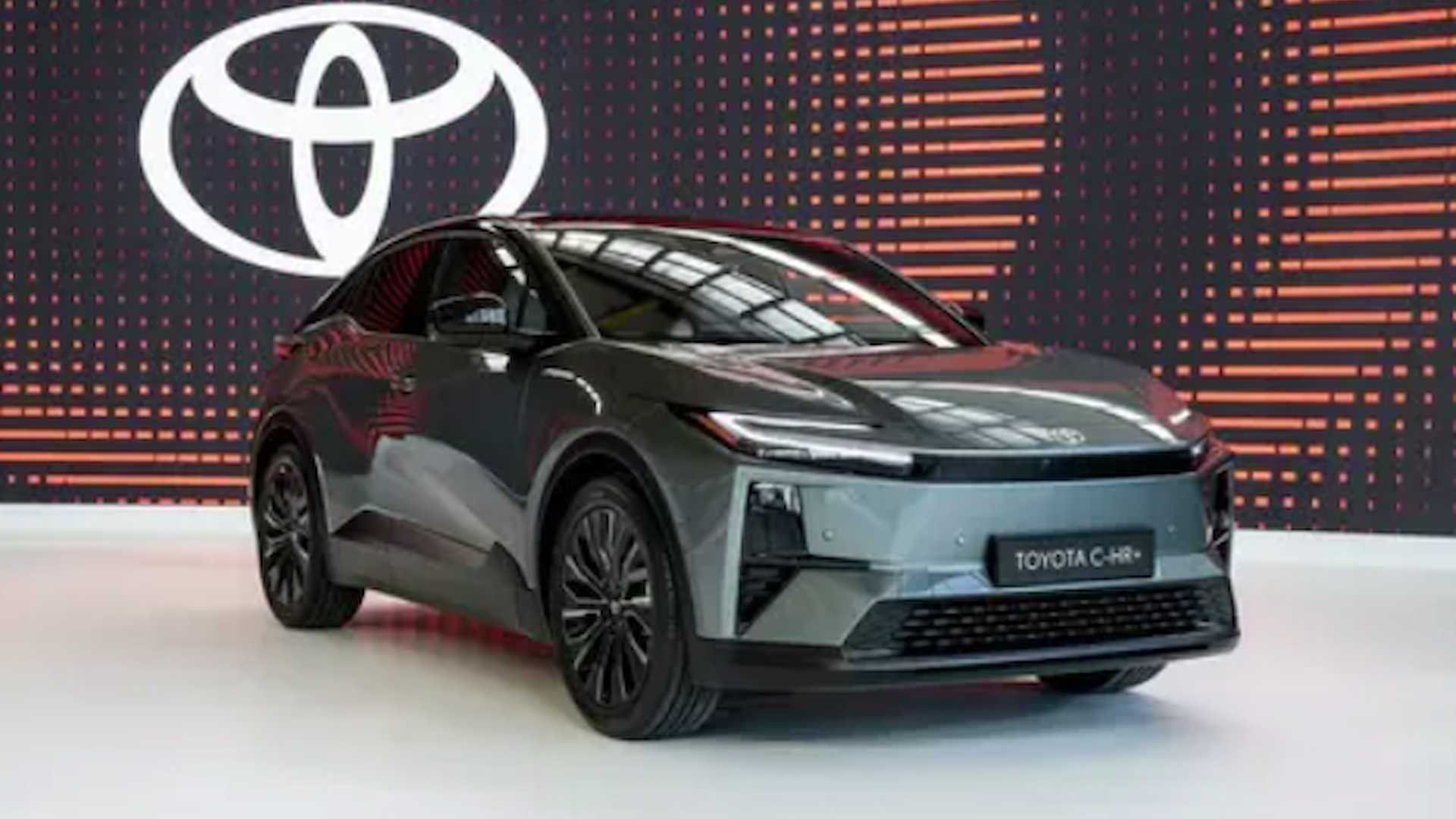
Recently, I've seen quite a few fellow reviewers roasting a Japanese electric vehicle, joking that if this car could actually sell in China, they'd livestream themselves swallowing a charging pile whole. I'm dying laughing.
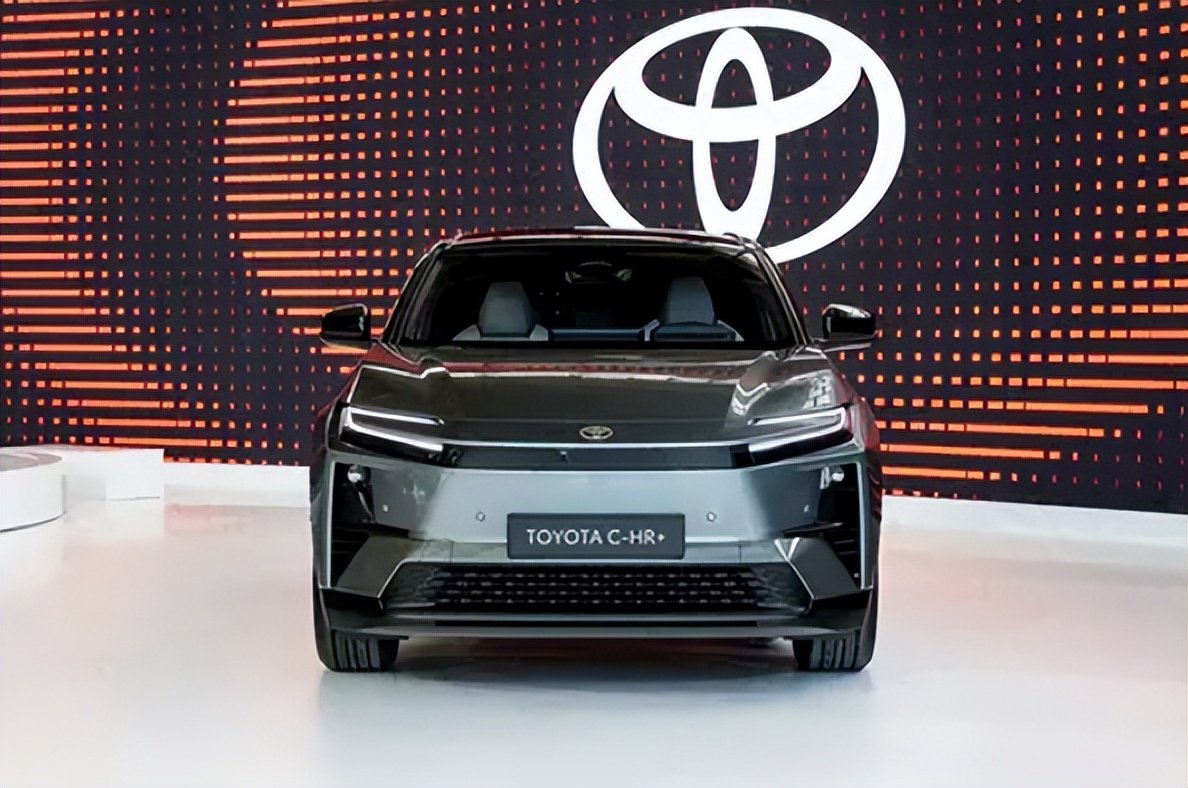
Alright, no more suspense—this car is the C-HR+ electric version that Toyota just launched in Europe.
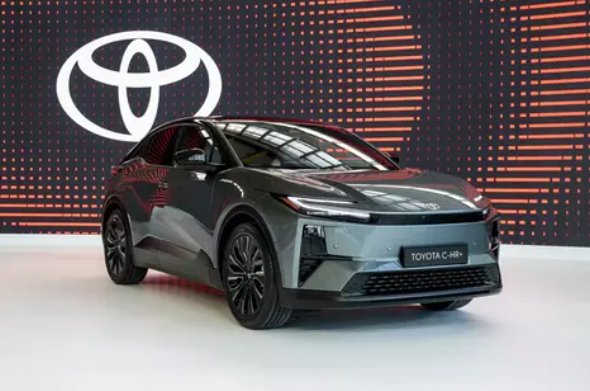
Let me give you my conclusion first: if this car dares to be imported to China in its original form, I will write Toyota a thank-you letter on the spot, thanking you for once again delivering free kills to domestic brands!
As the only car reviewer on the entire internet who doesn't take money from automakers, I dare say this car exudes a "hereditary stubbornness of Japanese new energy" from inside out. What do I mean by that? Keep reading.
The front face with its C-shaped DRLs and trapezoidal honeycomb grille is basically putting a mask on the BZ4X.
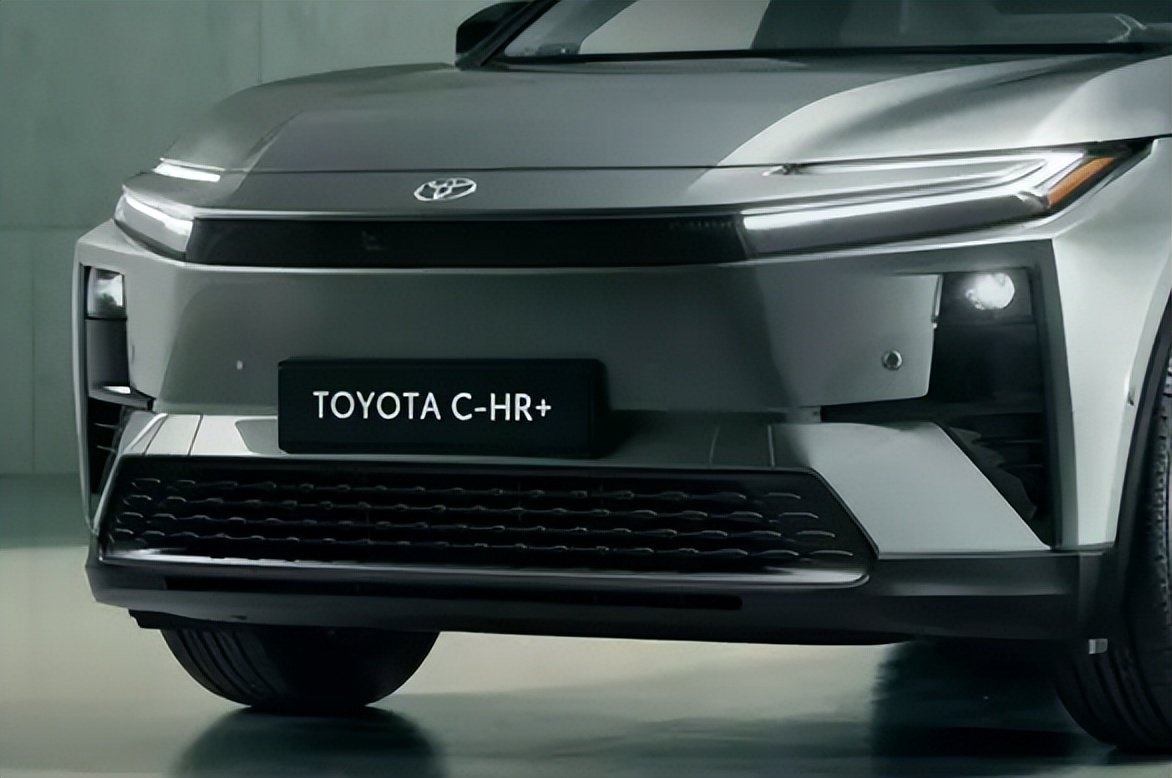
If there's any innovation, it might be hidden in that T-shaped decoration in the fog light area—this design reminds me of the newly installed parcel lockers at my neighborhood entrance.
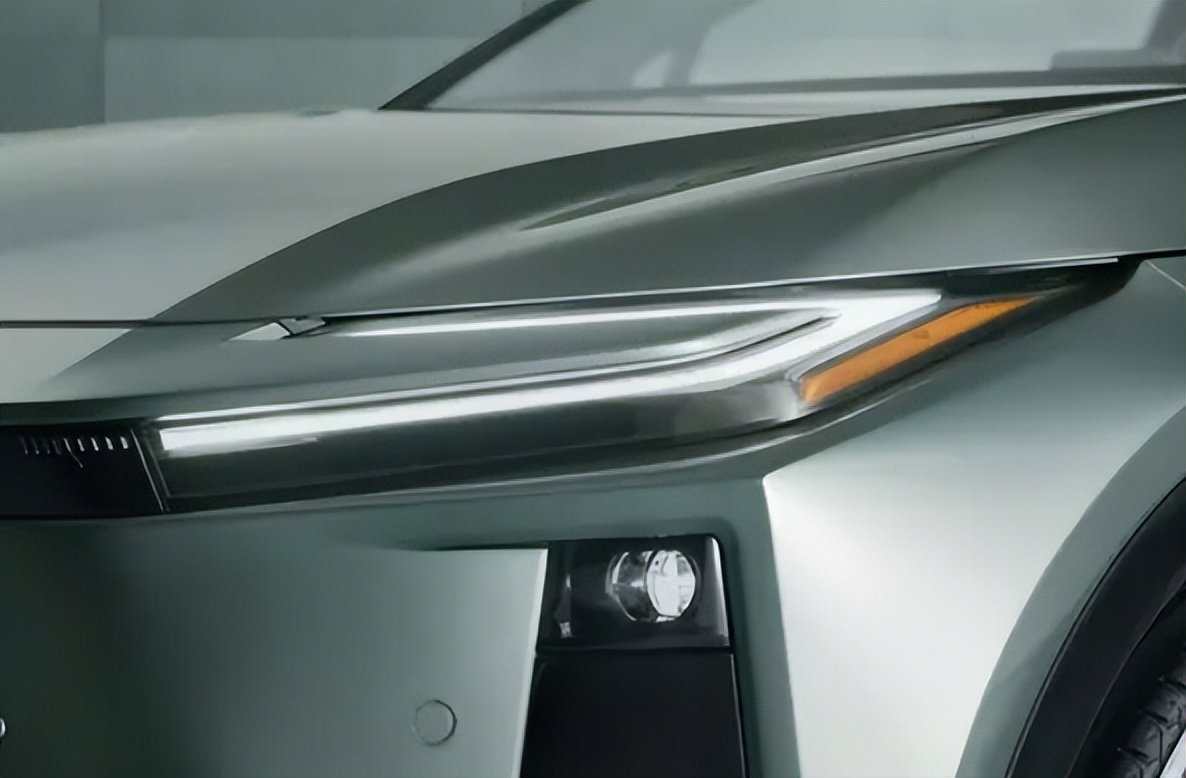
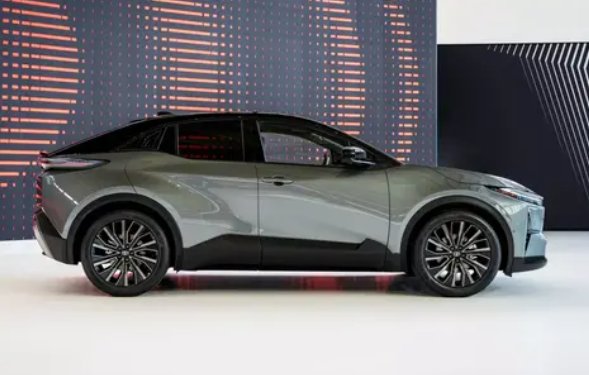
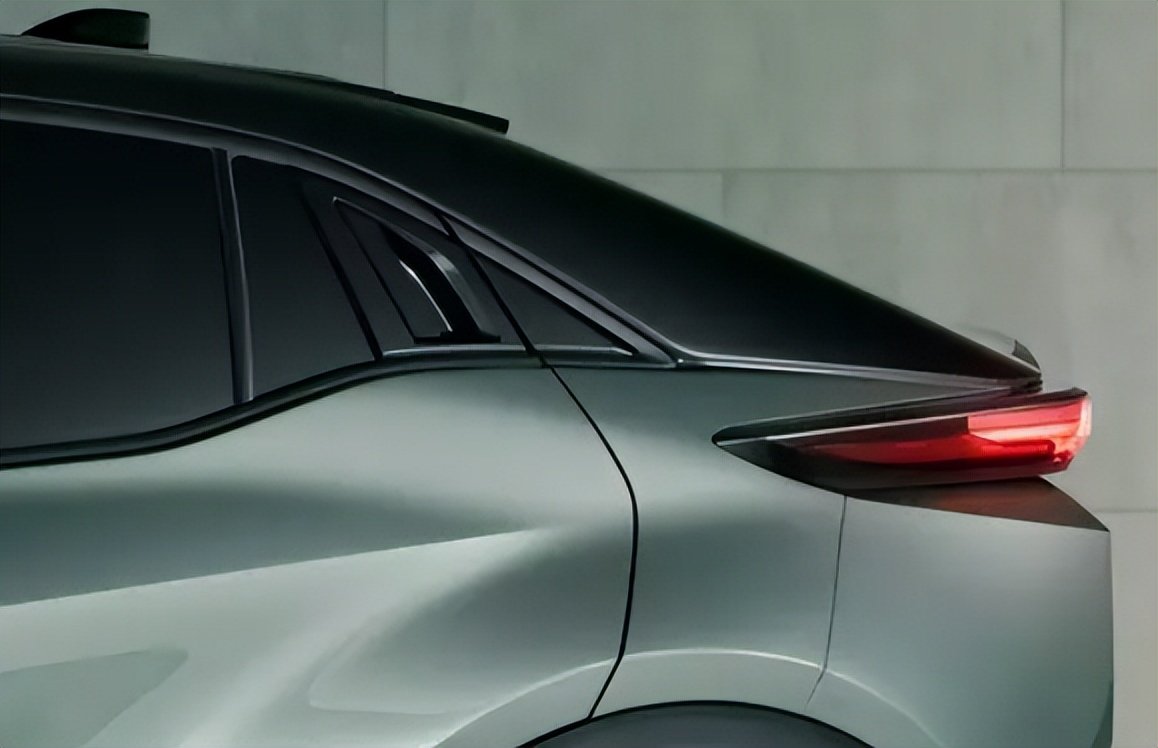
The side profile does inherit the essence of the combustion version. The enlarged rear door is like putting an extended tail on a Corgi. As for actual rear space... I'll get into that later.
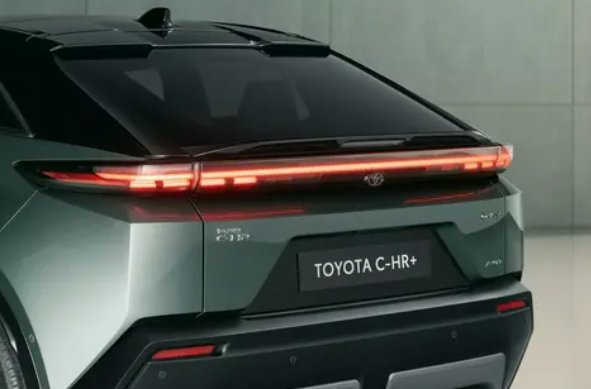
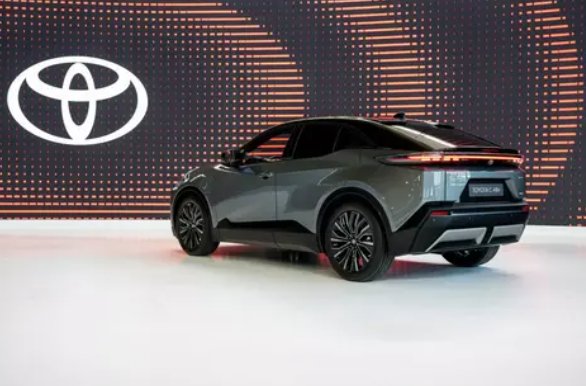
The most eye-catching part is the rear, with this so-called "three-dimensional" full-width taillight that looks like a charging toy car on a supermarket shelf from a distance.
Officially, this car is suitable for "singles or young couples," which translates to "the rear seats are only good for your dog." The 2750mm wheelbase is even shorter than the BZ4X, and the rear windows are so small they could cure claustrophobia.
Actual measured data is even more heartbreaking: knee room is two fingers more than a Hongguang MINI EV, and headroom relies entirely on chopping the roof.
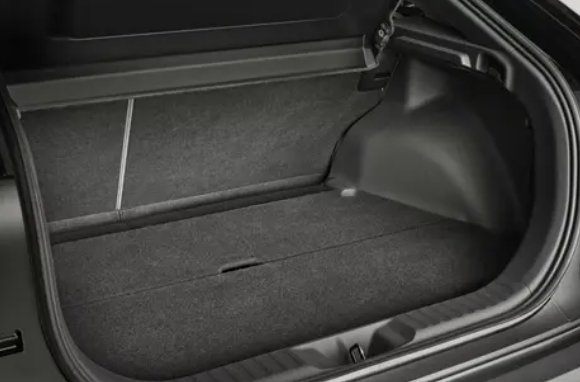
I'm baffled—Europeans are on average taller than Asians, right? Is this space design exclusively for dwarves?
The entry-level version has 167 horsepower with a 57.7 kWh battery, 455 km range, and 0-100 km/h in 8.6 seconds.
Placing these specs in 2023 is basically a fancy tribute to domestic cars—five years behind! The top-spec version with a 77 kWh battery and 600 km range, if priced at 300,000 RMB, you could buy two Zeekr Xs next door.
The most unacceptable part is the AWD version—525 km range and they dare to claim 5.2 seconds to 100 km/h. This performance probably can't even beat a Leapmotor C11.
Toyota engineers must have "good enough is enough" carved into their DNA, right?
The center console is directly copied from the BZ4X—floating screen plus rotary gear shifter—perfectly exemplifying what "lazy design" means.
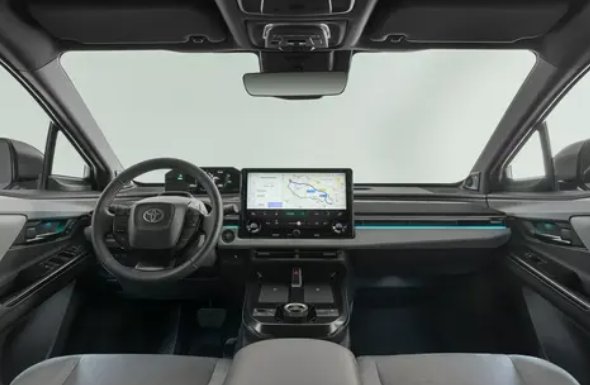
The wireless charging pad is positioned so awkwardly it could treat cervical spondylosis, and storage space is pitifully scarce.
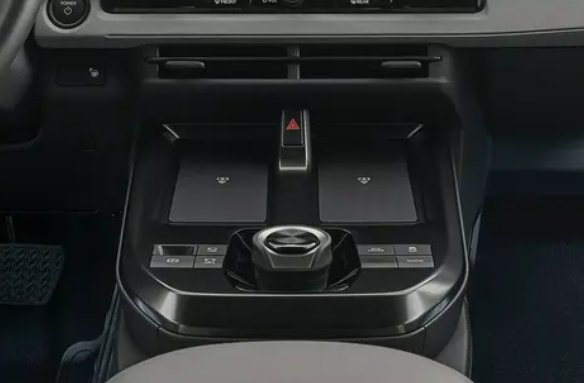
The most surreal part is the infotainment system—rumor has it they're still using resistive touchscreens. This reminds me of Nokia's glorious era of cracking walnuts.
Pricing puzzlement: who gave them the courage?
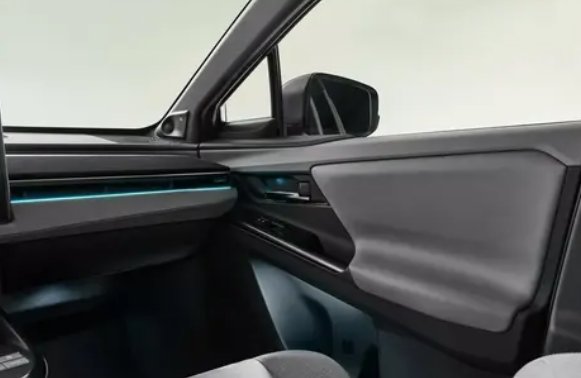
Referencing European market pricing, that converts to roughly 250,000-350,000 RMB. What can you buy in China at this price?
A fully loaded XPeng G6 with LiDAR, two Deepal S7s, or a BYD Yuan PLUS with plates and insurance paid plus money left over for hotpot.
Does Toyota think Chinese consumers are fools? Or do they think that ox-head badge is worth 200,000 RMB?
The combustion C-HR's dismal three-digit monthly sales in China are still fresh in memory, and now they've stacked the "electric daddy" debuff on top.
Even more surreal: GAC Toyota's newly launched BZ3X has already started using BYD's three-electric system. What does this tell us? Even Toyota itself understands: to play the EV game, you need Chinese teammates!
What exactly is Toyota holding on to?
From marked-up Highlanders to electric verification codes, Toyota's arrogance is visible to the naked eye. Now they've come up with the C-HR+ electric version—this move is what you'd call "precision mine-stepping"—small space, short range, high price, perfectly avoiding every single Chinese consumer pain point.
I strongly suggest Toyota executives collectively download the apps of those major Chinese auto platforms and take a good look at how insanely competitive the 150,000-200,000 RMB EV segment has become!


