Opening statement: This car reviewer insists on paying out of pocket for vehicle reviews and does not accept any commercial cooperation from manufacturers. If you spot paid promotional language, feel free to report it across the internet!
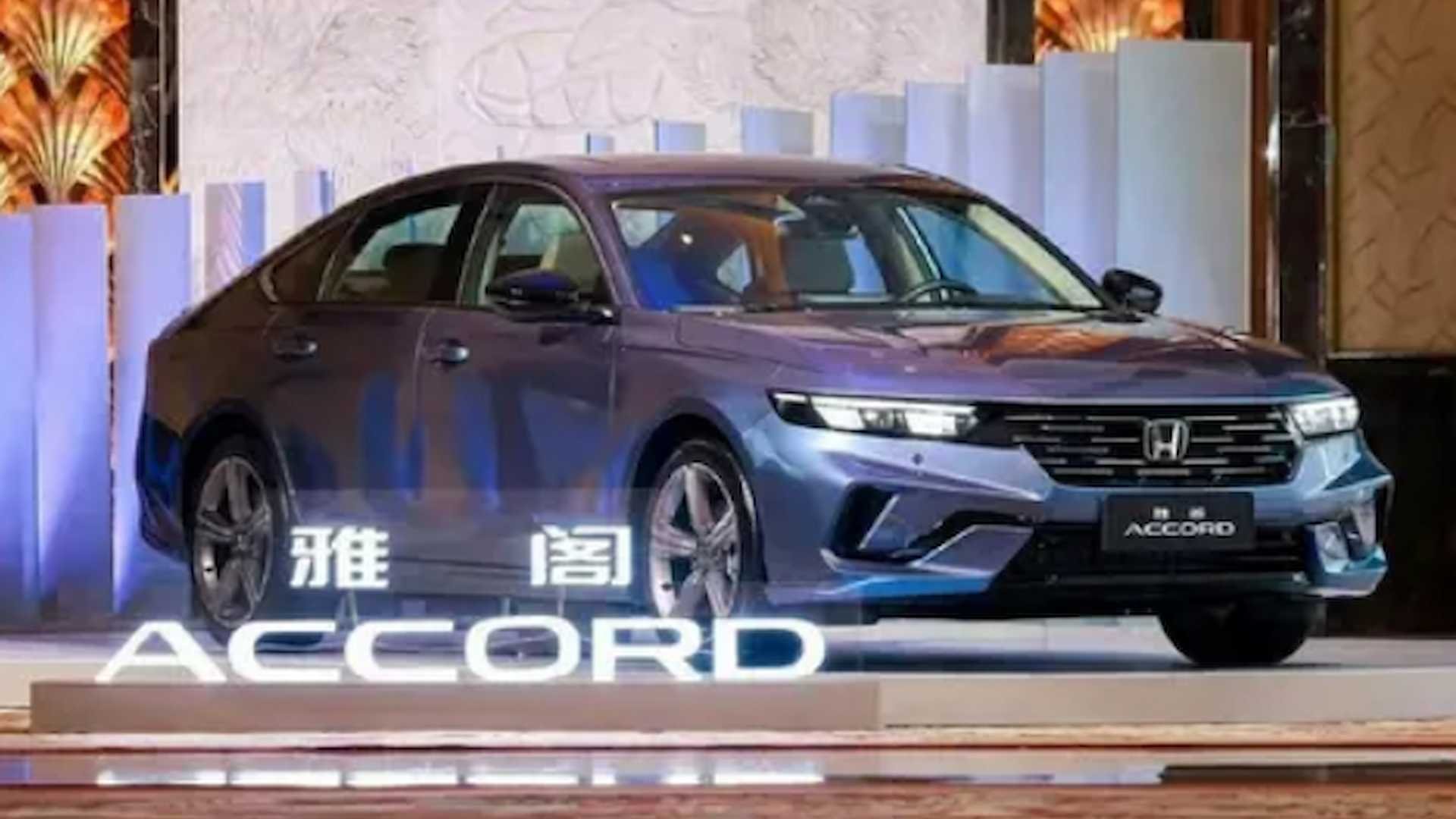
Hey everyone, today let's dissect this freshly uncaged "Japanese samurai"—the 11th-generation facelift Accord.
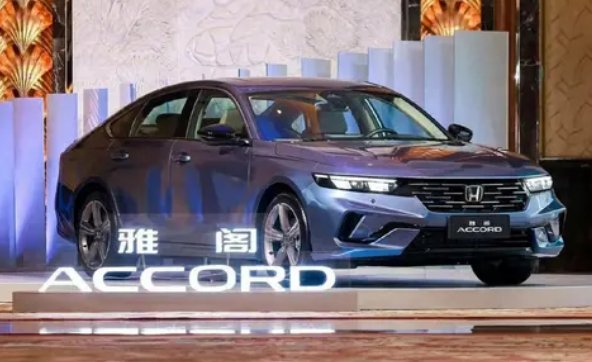
Officially they say they'll make a move on March 20, but don't rush to open your wallet—listen to me finish first before deciding whether to become the "bag holder."
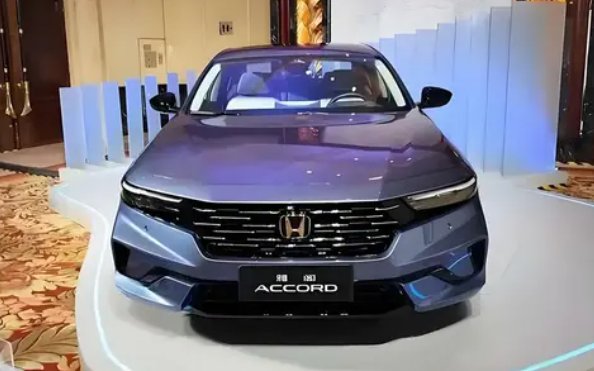
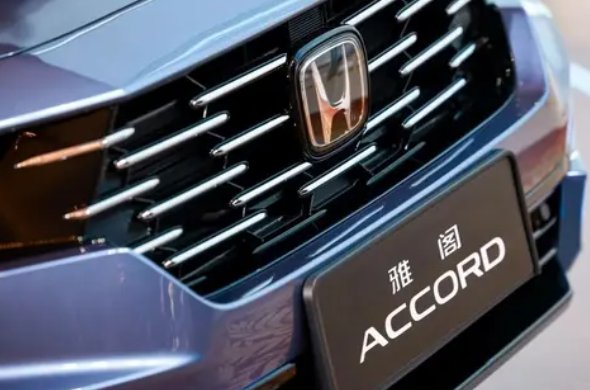
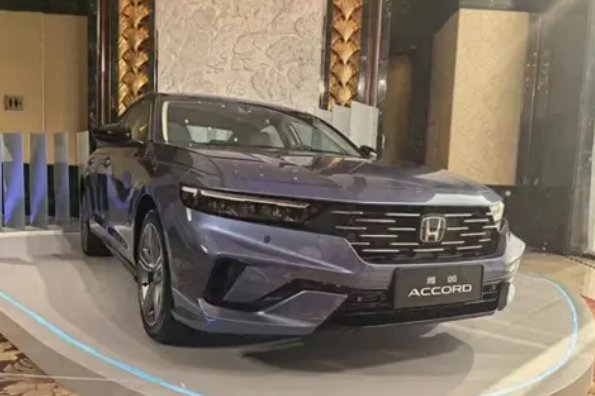
First, the most eye-catching change this facelift: the front face swaps to a dot-matrix grille, and the bumper gets fang-like styling. On the surface it's moving toward a younger look, but in reality it hides Honda's market scheming.
Have you noticed? This generation Accord's sales curve has been a roller coaster since the 2023 model year—hitting 23,000 units last December, then dropping to 11,000 units in January this year. Launching a mid-cycle facelift now is clearly a marketing tactic to give dealers a shot in the arm.
But it's not fair to say Honda has no sincerity—at least they deeply understand the Chinese consumer's truth of "buying a car by its face."
Comparing with the filing images, the front grille honeycomb diameter has shrunk from the current 5mm to 3mm! The lower surround's outward flare angle is 8 degrees more than the current model, combined with blacked-out treatment, the visual aggression is noticeably enhanced.
But here's my complaint: it's already 2024 and they're still playing the "new front face = mid-cycle facelift" trick, while the neighboring Camry has even upgraded its infotainment chip to the 8155.
Official data: body length grows from 4980mm to 4990mm—a 10mm increase isn't even as long as an adult's finger.
Anyone in the know understands this is purely "fake growth" from front and rear bumper styling adjustments—cabin space hasn't changed at all.
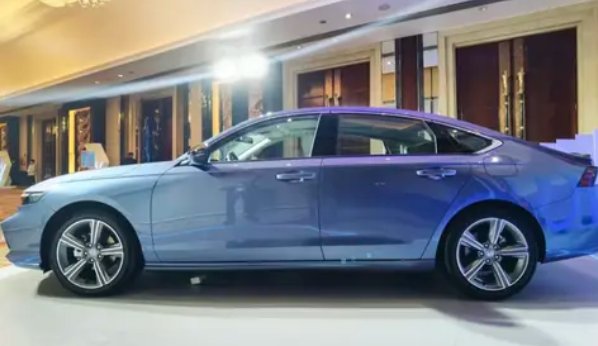
Wheelbase stubbornly stays at 2830mm—with domestic cars routinely at 2900mm+ these days, I can only call Honda's move "very insider."
Body height stays at 1449mm, a full 41mm lower than the Passat. Anyone who's actually tested the current model knows that passengers over 180cm tall easily hit their heads in the back seat. The facelift doesn't fix this hard flaw but goes all-out on exterior styling.
The 192-horsepower 1.5T Earth Dream continues to serve—this engine is practically becoming Honda's family heirloom.
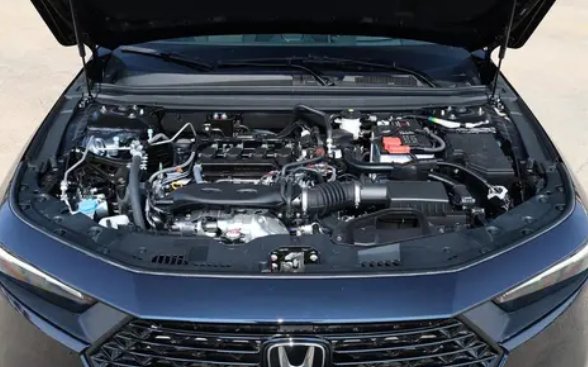
Although the specs crush Volkswagen's 1.5T (160hp), pay attention to the torque curve: the Accord's 260N·m only kicks in from 1600 rpm, while VW's 1.5T evo2 delivers maximum torque from 1300 rpm.
In stop-and-go city traffic, the Accord's low-end torque response actually gains no advantage.
The most criticism-deserving part is the CVT transmission—the belt-drive setup that's been inherited since the 10th-gen Accord.
In my real-world testing of the current model, during floor-pedal acceleration the transmission protection program directly cuts power output—this "stepping on cotton" driving experience is simply a disaster for young people.
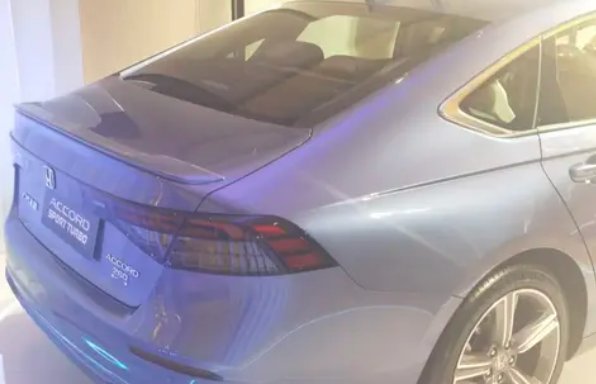
Not swapping in the overseas 2.0T+10AT for the facelift—I can only say Honda is still too stingy with the Chinese market.
Although the interior hasn't been revealed, based on Honda's track record, I dare bet:
1. The center screen is most likely still 12.3 inches (actual display area 10.2 inches)
2. Honda CONNECT 4.0 continues using the Snapdragon 820A chip (using a 2016 chip in 2024!)
3. Wireless charging power stays at 15W (domestic rivals are already at 50W)
4. Seat ventilation remains exclusive to the top trim (southern Chinese users crying in the bathroom)
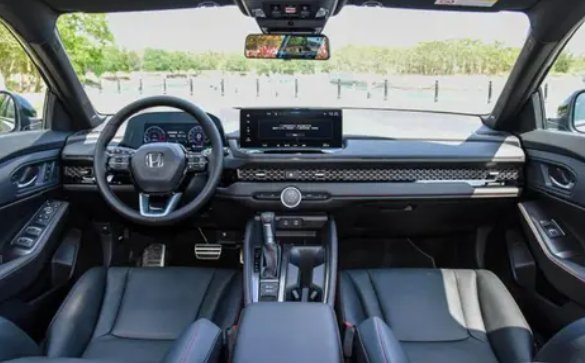
The funniest part is the current second-lowest trim doesn't even have reverse parking sensors—if the facelift still doesn't make them standard, I suggest Honda switch to selling bicycles.
Current dealer discounts have already dropped to starting from 120,000 yuan, but note this is clearance pricing! Early after the facelift launches, discounts will definitely narrow—wait three months, and if it doesn't sell, they'll quietly cut prices again.
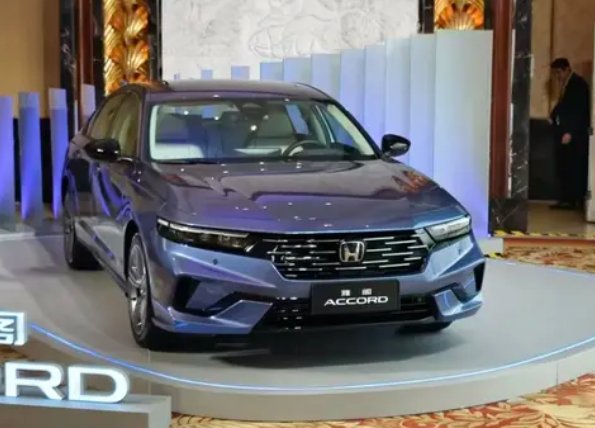
Apart from the hybrid version's fuel economy advantage, the Accord's gasoline version is comprehensively behind in product competitiveness. Not to mention disruptors like the Deepal SL03 and Neta S stirring up the market.
The data in this article comes from MIIT filing information and third-party car quality network complaint data. No form of commercial cooperation is accepted. If you spot manufacturer trolls cleaning up the comments, feel free to screenshot and keep evidence.


