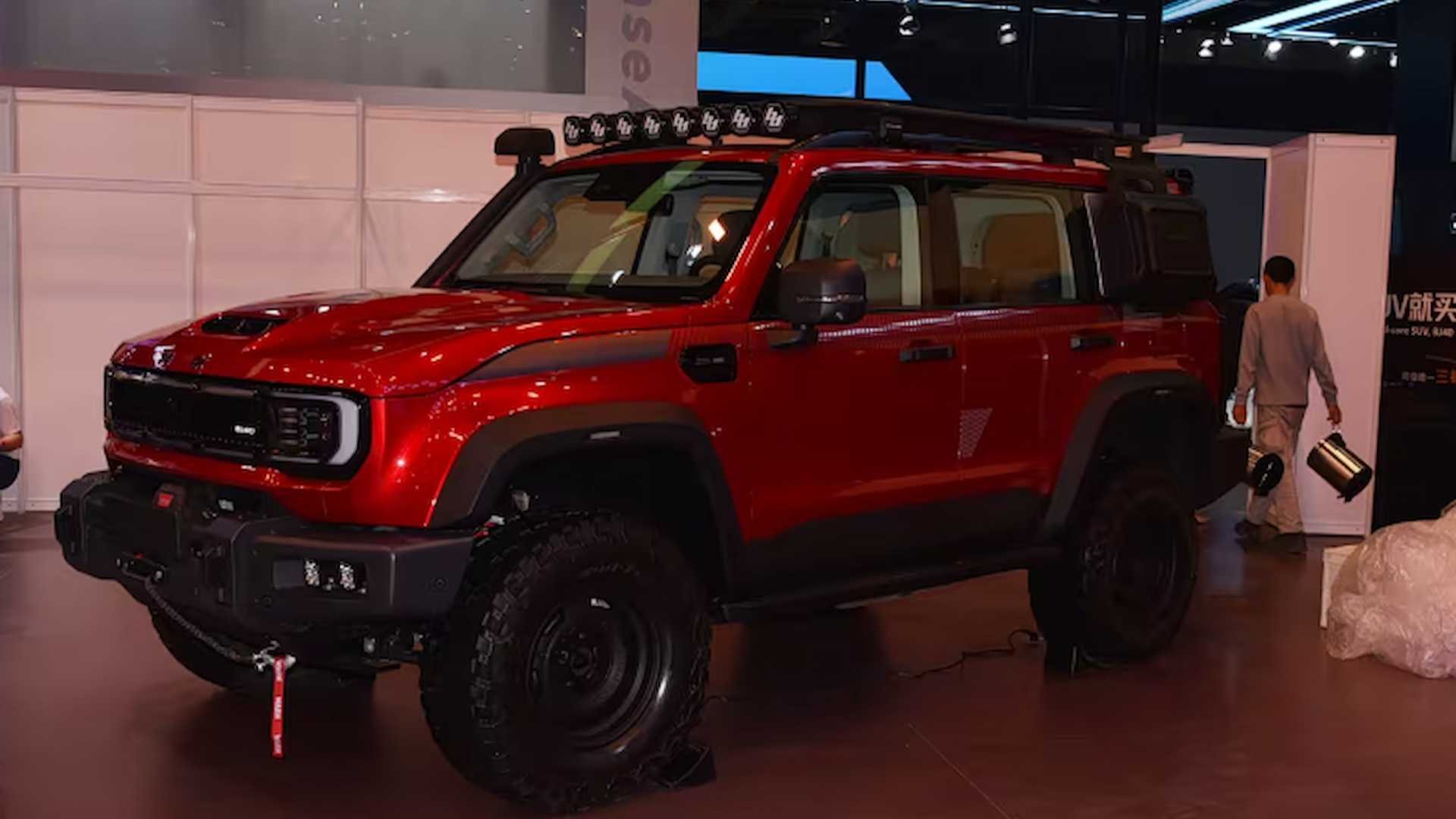
Car friends, this time, BAIC has basically flipped the price war table over, and along with it punched a huge hole through the ceiling!
When I first got this price list, you shouted and I even wondered if I was seeing things.
On one side is the 2026 fuel version, which starts at only 132,900 yuan after discounts. On the other side is the extended-range Chitu version, which goes straight to 279,800 yuan.
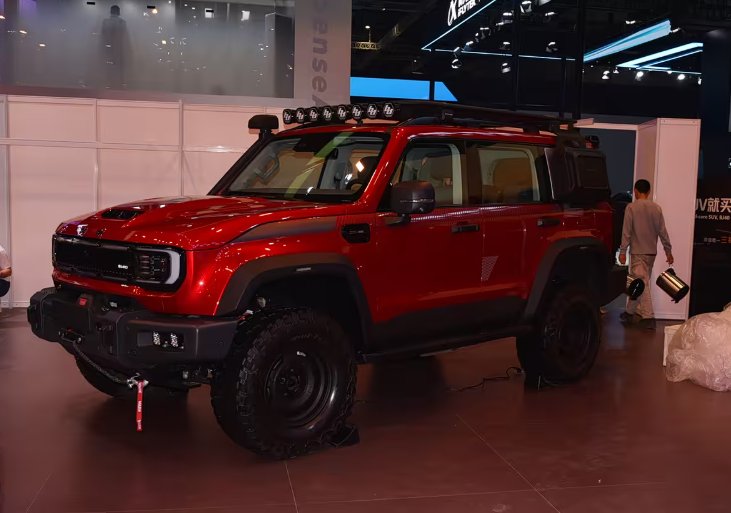
The difference in between is the price of a fully loaded Civic. Under the same body shell, can what is stuffed inside really differ by this much?
First, let's talk about this Chitu version at nearly 280,000 yuan. The presence of this car indeed feels different. With red paint all over and ground clearance raised to 300 mm. That is an exaggerated figure; an ordinary urban SUV is only around 180 mm, and this car is twice as high.
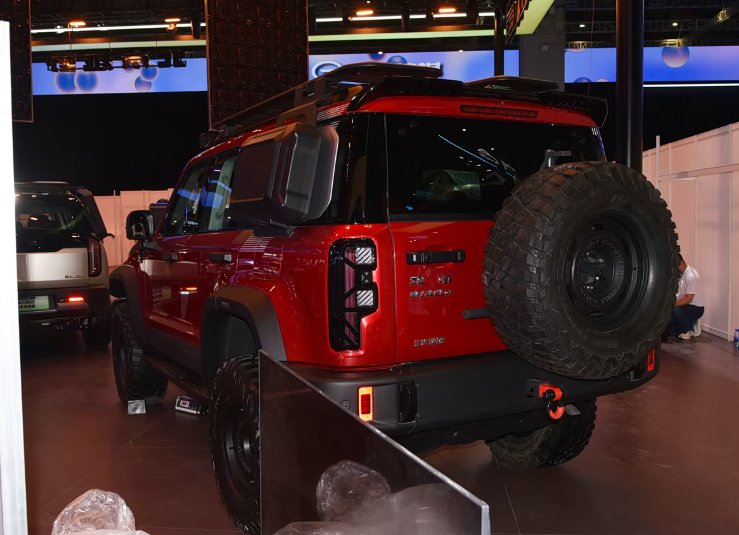
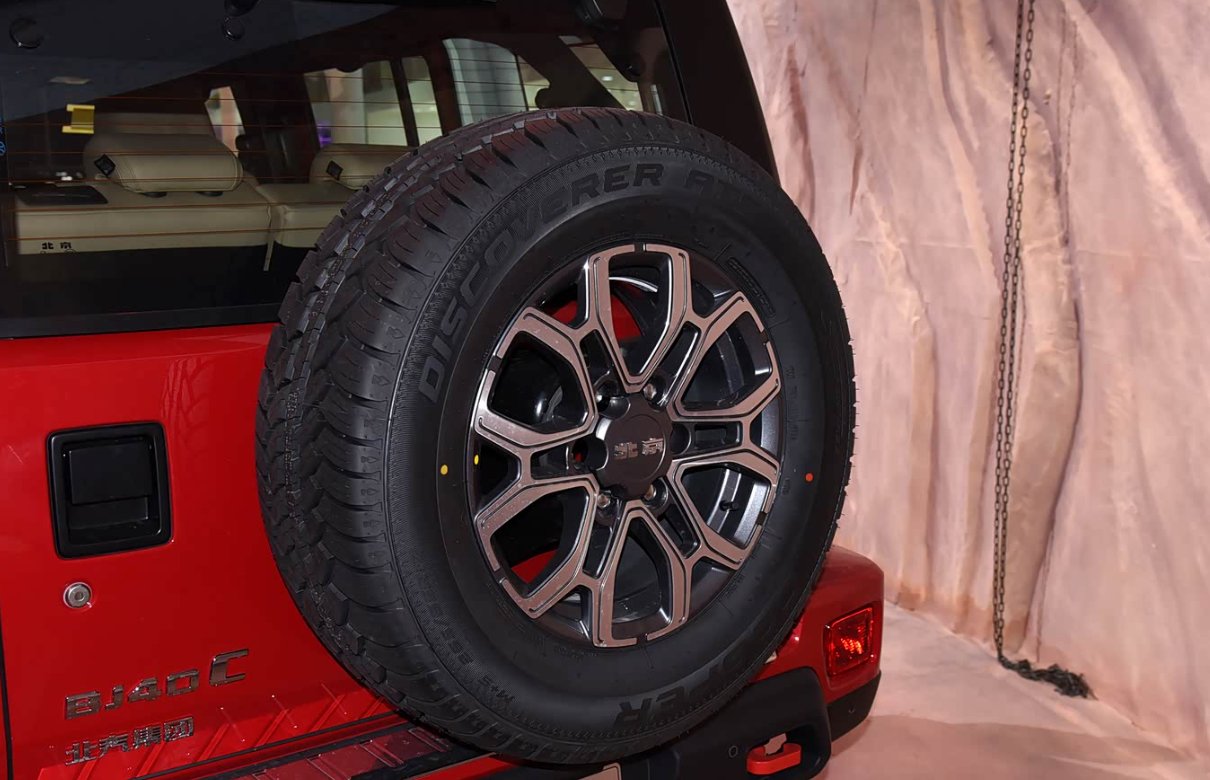
The factory gives it 295/60 R20 AT tires, and these big feet are very solid, giving you confidence when driving on bad roads.
The key is that set of two-way adjustable nitrogen shock absorbers. Anyone who plays off-road knows these are expensive. Modifying them yourself later is not only costly, but you also have to worry every day about traffic police saluting you.
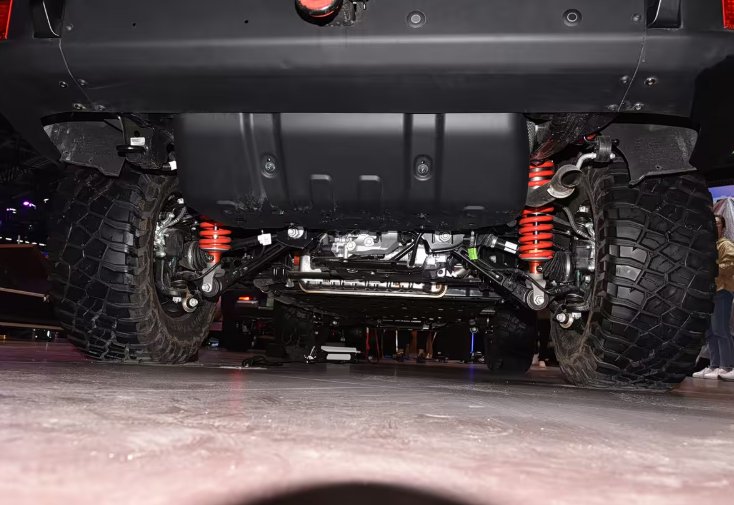
Now the factory has filed it for you, and the photo on the driving license is exactly like this. This is the greatest value of this car: arrogance that is legal on the road.
The powertrain has been switched to extended range. A 1.5T range extender works with front and rear dual motors, for a combined power of 403 kW.
Seriously, this figure is fiercer than many V8 engines. The advantage of electric drive is obvious in off-roading: torque comes directly, without needing to rev the engine and hold the rpm like a fuel car.
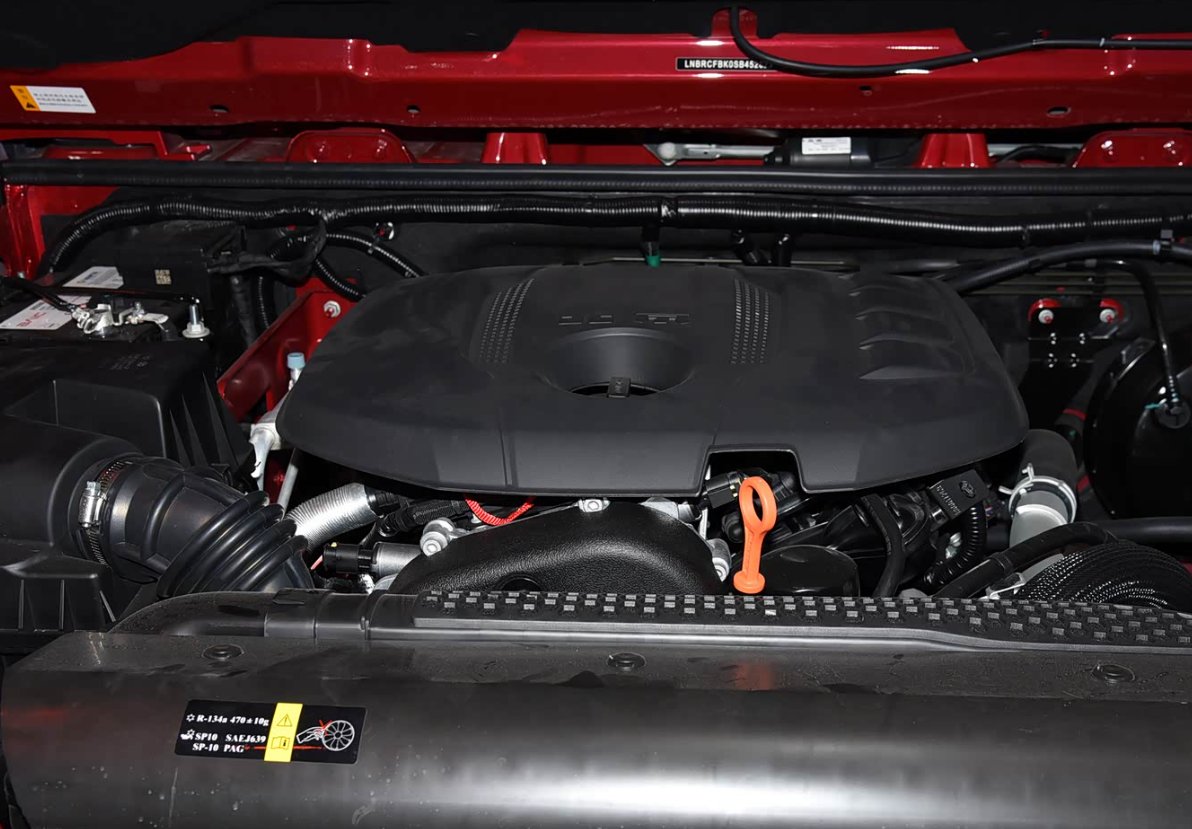
But the test for this system lies in its performance under depleted battery conditions. A 1.5T carrying such a big car and still having to charge the battery, the noise control and power degradation during high-speed re-acceleration will be the focus of future real-world tests. A 150-kilometer pure electric range is enough for pottering around the city for two days and charging once.
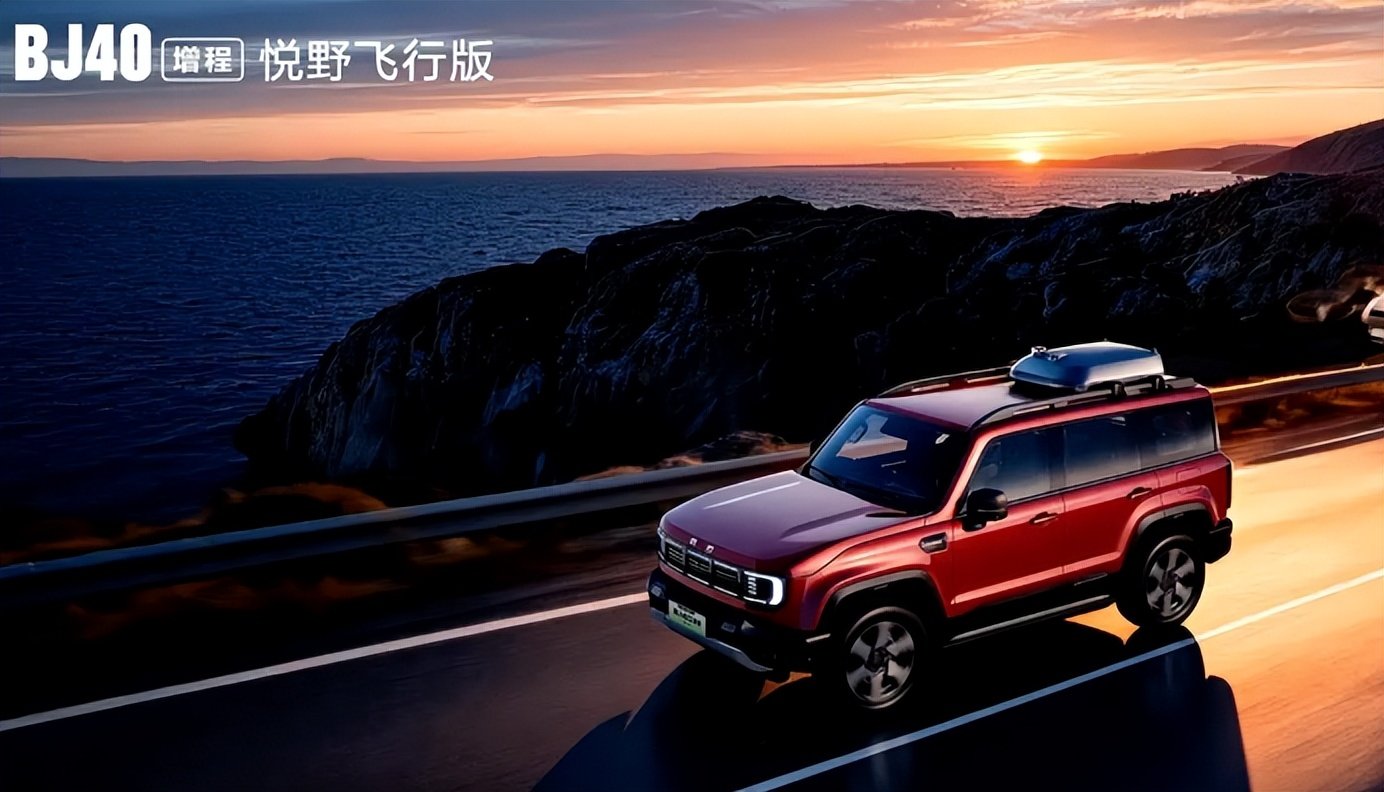
Now look at the Yueye Flight Edition, pre-sold at 247,800 yuan. It carries a drone pod on the roof, can be voice-controlled to take off, and can transmit images back. This function is quite sci-fi, like equipment fitted to a Mars rover.
For bloggers who like shooting videos or expedition teams, this is indeed a convenient configuration: no need to stop the car, take out the drone, pair frequencies, and take off.
But for ordinary off-road veterans, this thing is more like an expensive toy. If the drone crashes in the woods, you still have to climb a tree to retrieve it, and just thinking about it gives you a headache.
Looking back at the volume-selling 2026 fuel version. This is the real highlight of this launch. At a price of just over 130,000, buying a body-on-frame hardcore off-roader, what more could you ask for?
This time the whole lineup comes standard with 2.5T towing qualification, which is very useful. On weekends, hook up a RV or a motorboat and head out, legal and compliant.
Previously this kind of configuration had to be hidden or added as a paid option; now it is directly standard. BAIC has finally turned its thinking around this time.
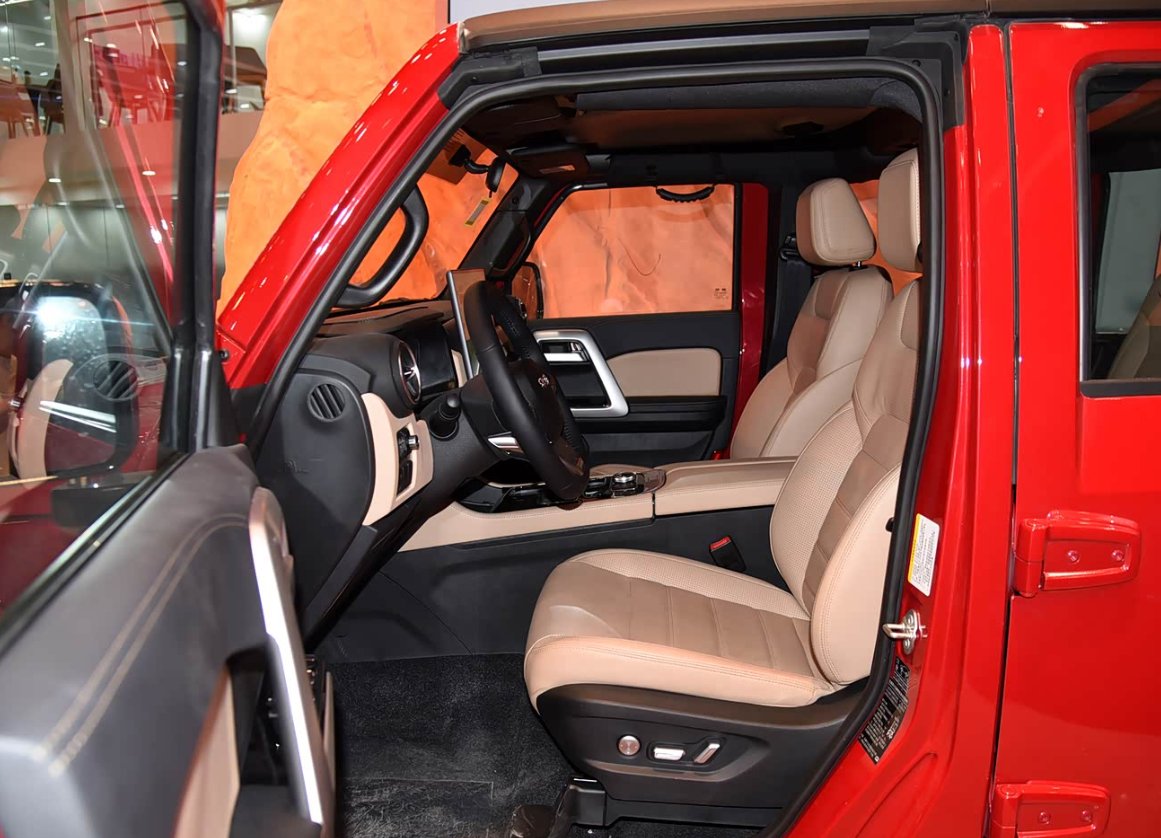
Inside, the entire lineup maxes out the screens. A 15.6-inch central control screen connects to the passenger entertainment screen. These days, car companies act as if they are not a major manufacturer unless they install a TV for the front passenger. The 8155 chip is also standard, so the infotainment smoothness should be no problem.
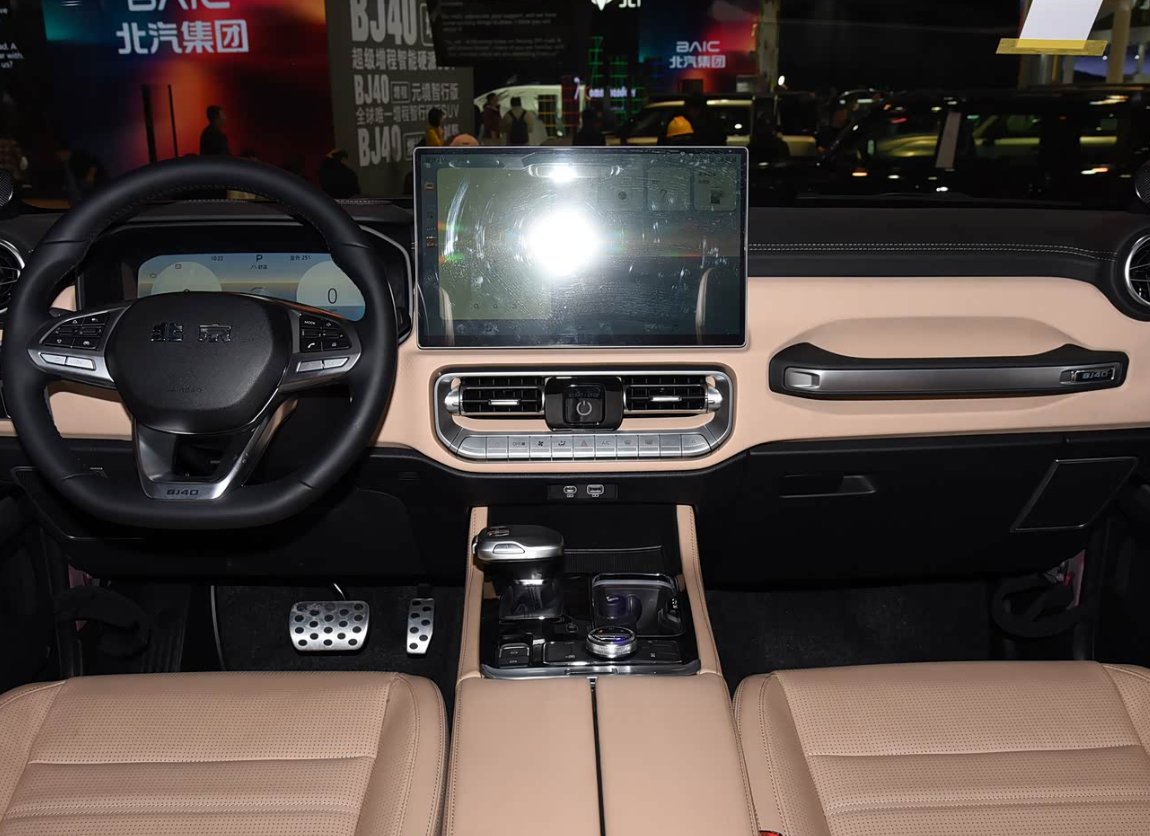
But I have to complain: off-road vehicles with so many screens, if you really go tearing through sand and over washboard roads, the screen mounts' strength and vibration resistance will have to withstand the test. Don't let the screen go black before the car even breaks.
The power is still the old lineup. The 2.0T gasoline version is matched with an 8AT, 180 kW, 395 N·m. Everyone is too familiar with this powertrain; fuel consumption definitely won't be low, but its advantage is being tough and durable.
The diesel version is also retained, which is rare. There are not many manufacturers still insisting on making diesel off-road vehicles. For people who really do rough work and run long-distance crossings, the diesel engine's high torque and long range are still irreplaceable.
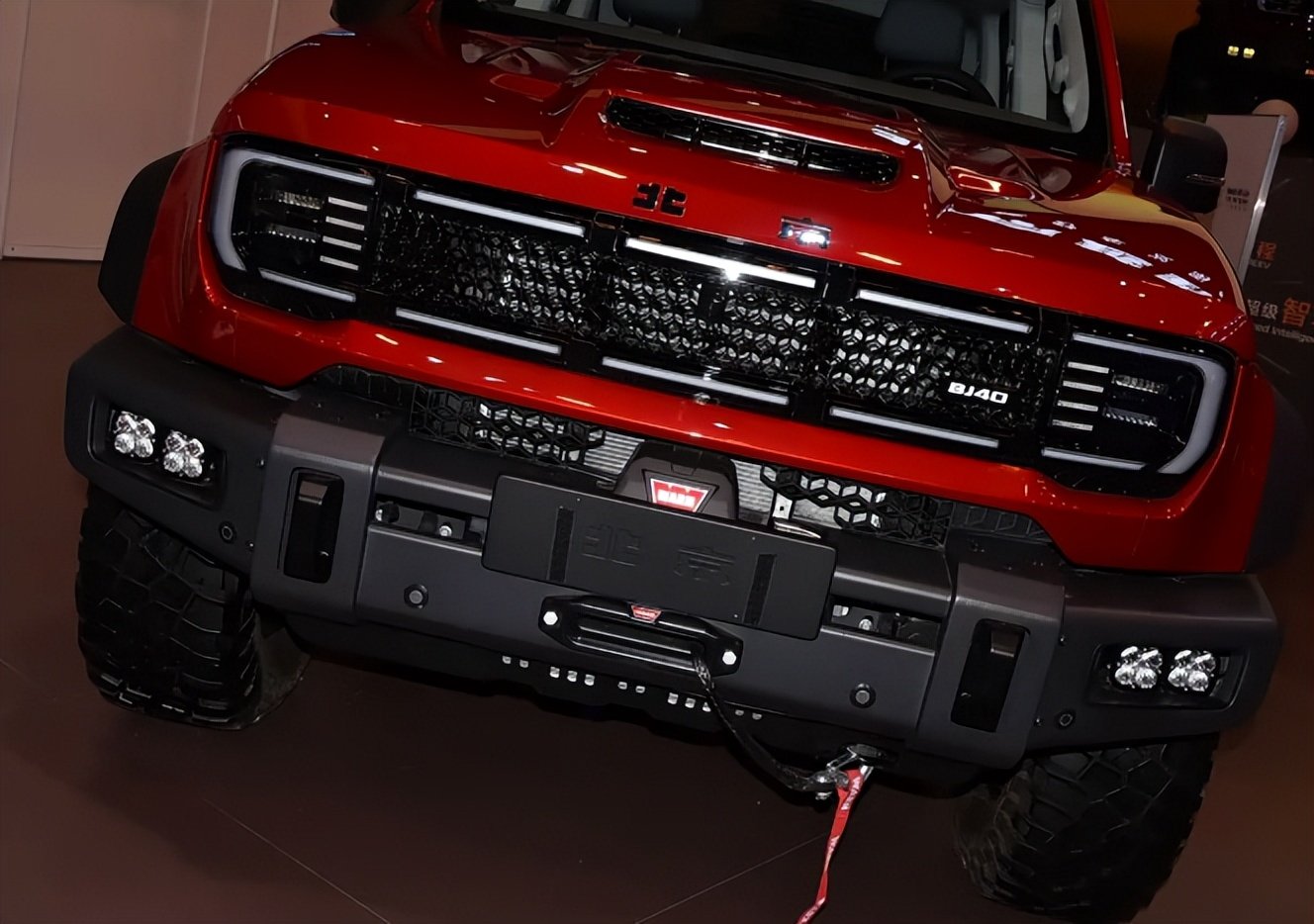
In this facelift, BAIC's knife work is very precise. For those who want the style, don't lack money, and fear trouble, go straight for the Chitu and get it done in one step.
For those who want value, just want some fun, mainly drive on paved roads and occasionally go wild, the entry-level version at just over 130,000 has extremely high cost performance. As for the version with the drone, leave it to the digital geeks to try first.
Can you buy this car? If you can accept BAIC's consistently rather rough workmanship details and are not sensitive to fuel consumption, then the 2026 entry-level version is simply a price butcher.
As for that 280,000-yuan Chitu, what it sells is not the car, but that set of legal modification paperwork and that body of expensive off-road parts. Whether it is worth it depends on how afraid you are of trouble.


