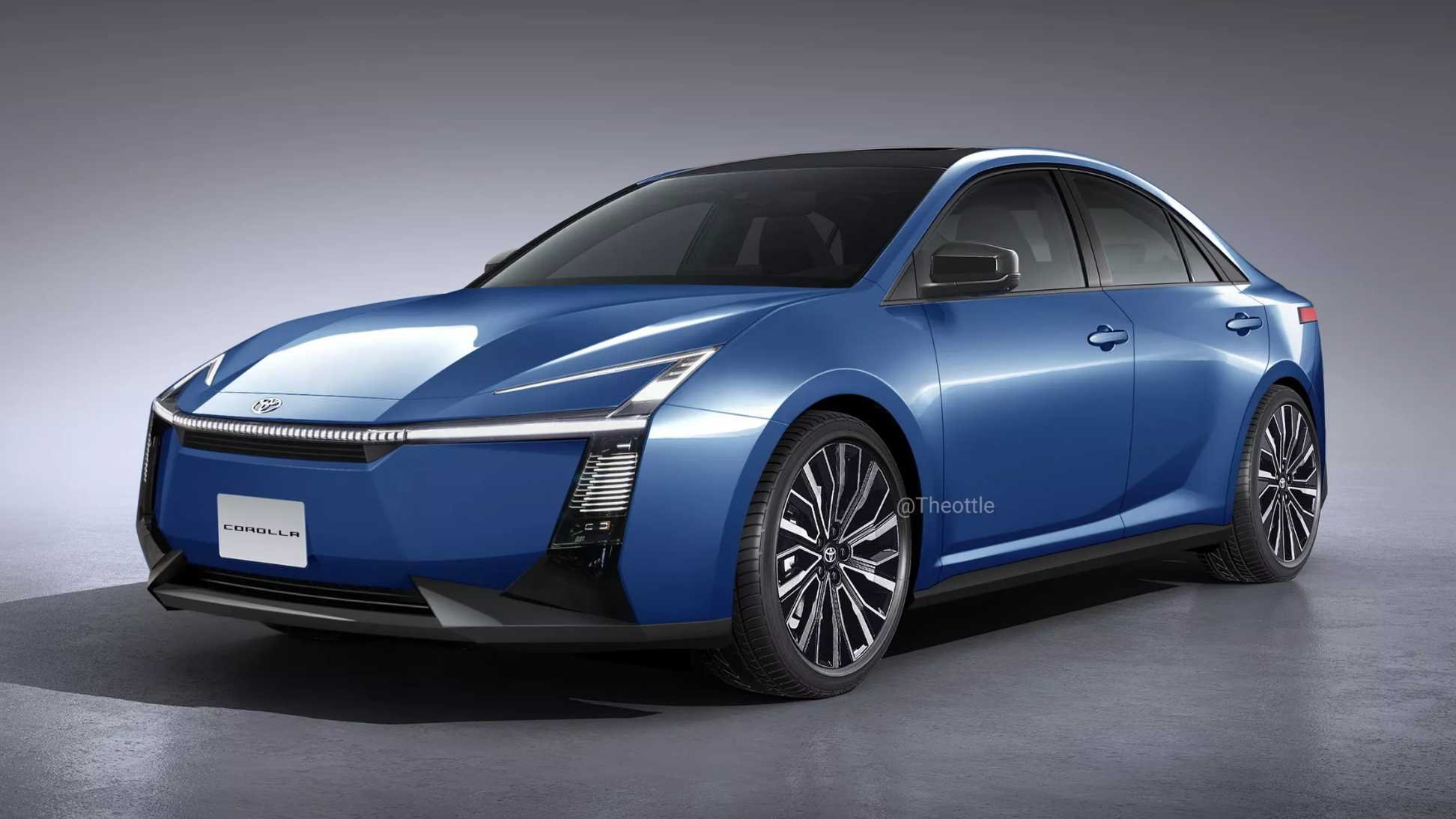
I didn't expect this—Toyota is really panicking this time.
In the past, when mentioning the Corolla, the words that always popped into my head were grocery-getter, ride-hailing car, mediocre, boring. It was like a bowl of plain white rice—it won't starve you, but don't expect any excitement from it.
But after seeing the images of the all-new Corolla concept car at the Tokyo Auto Show these past few days, Nianhan has started to doubt himself—is this still the Toyota that only knows how to live a steady,老老实实 life?
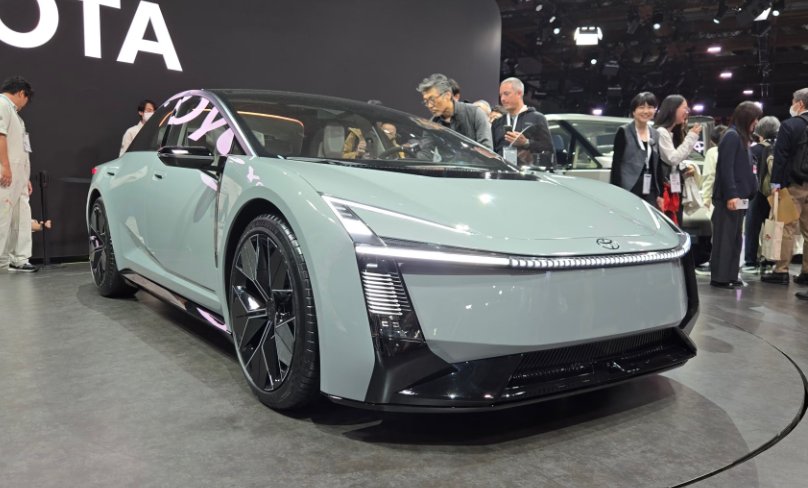
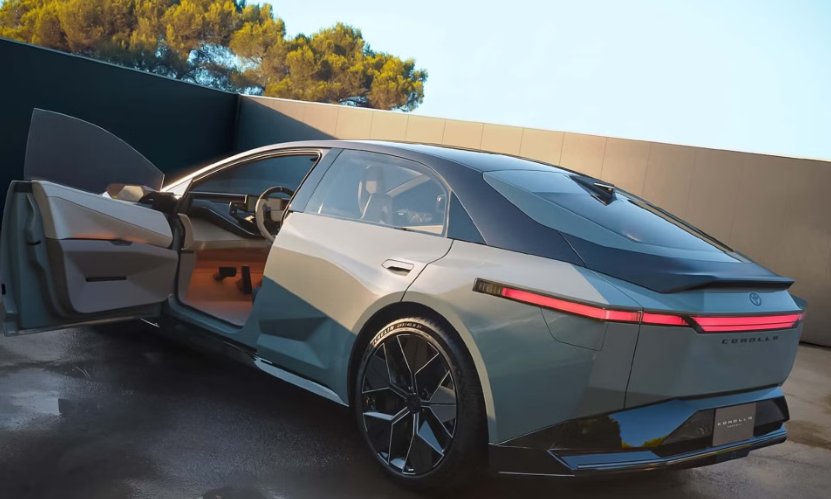
This car was created by Toyota's European design center in France. That explains it—French carmakers have always been wildly imaginative, and those weird Citroën designs are ironclad proof.
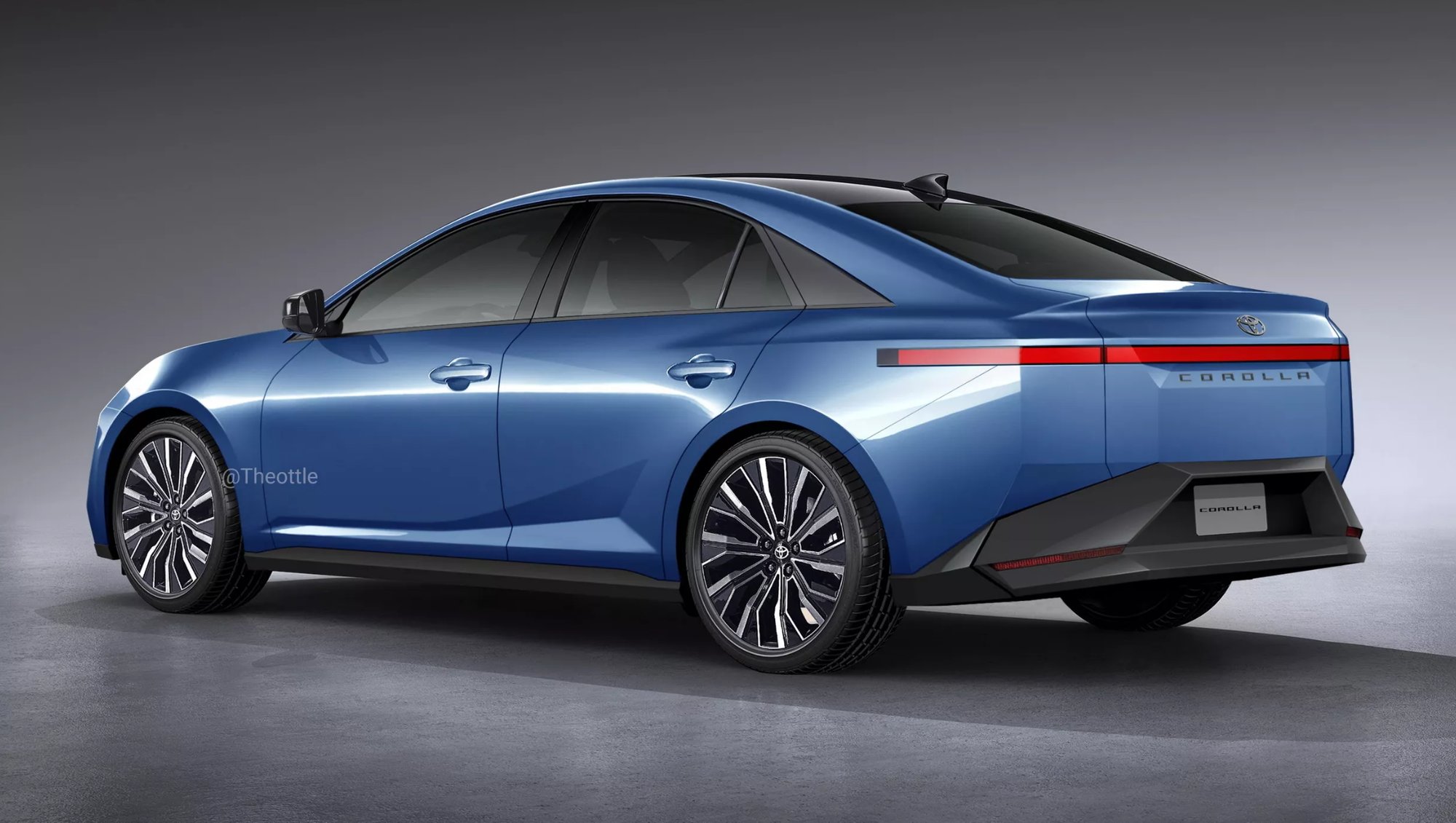
This concept car directly connects the windshield, roof, and rear window into one continuous piece.
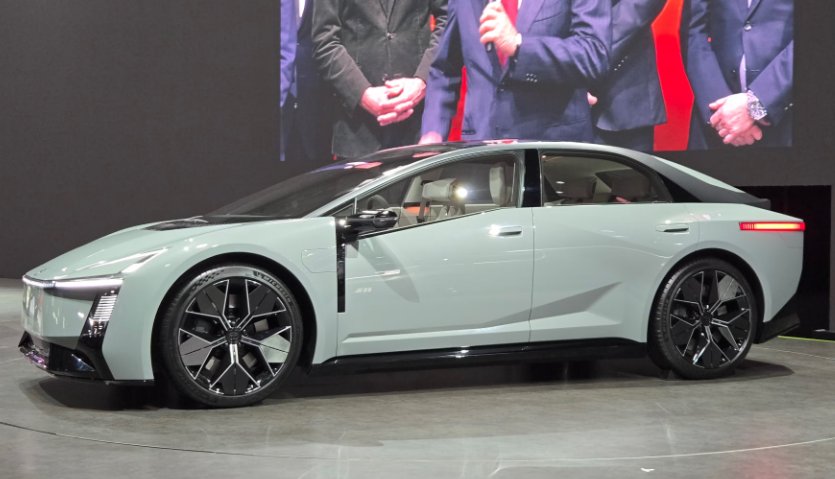
In the photos it looks transparent and extremely futuristic, but my first reaction was: in the summer in Greater Guangdong or in Chongqing the furnace, wouldn't the people inside be baked into roasted sweet potatoes? Even with the AC maxed out, it probably couldn't suppress that blazing sun overhead.
And that A-pillar, designed thinner than my pinky finger, supposedly for better visibility. Visibility is certainly better, but I just want to ask—can it hold up in a crash test?
When it goes into production, to meet safety regulations, this slender A-pillar will most likely revert to a bulky, ugly, heavy form.
The B-pillar, on the other hand, is absurdly thick—this kind of contrast really breaks Toyota's decades-old rules.
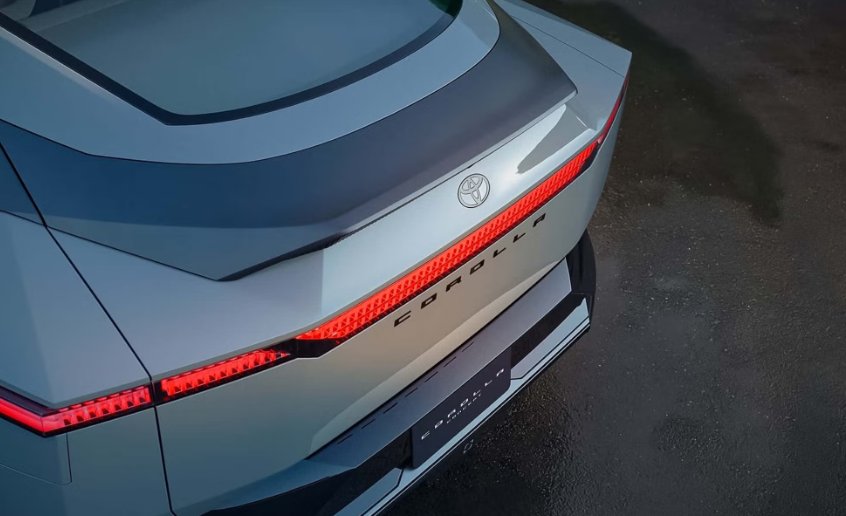
The most interesting part is the rear end. A double-layer tail design that looks like a tribute to certain old French cars, or like two cars stacked on top of each other.
This kind of design is art on a concept car, but on a production car it's a sheet metal worker's nightmare. If the rear bumper gets scraped, the repair bill could probably buy half a current Corolla.
Opening the door, the interior is even more revolutionary. The tombstone-sized center screen is finally gone. Toyota this time actually went against the trend—canceling the center touchscreen and returning to physical buttons.
Seeing this, I almost wanted to applaud Toyota. Today's new EV makers want to integrate even the toilet flush button into the screen—operating things blindly while driving is literally risking your life.
Toyota's move back, though it may not look very techy, is absolutely a design that understands driving and understands life.
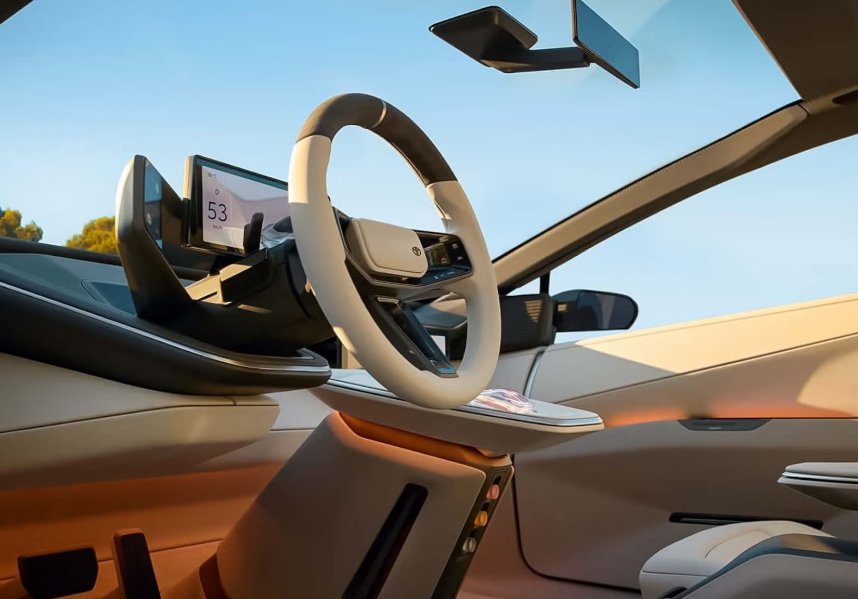
But don't celebrate too early—they made the instrument cluster and steering wheel into one integrated unit. This I don't understand. The steering wheel turns—does the screen turn with it? So when I'm cornering and want to check my speed, I have to crane my neck? Or is the screen stationary and only the wheel rim rotates?
This kind of design is common in race cars, but on a consumer car, aside from showing off, its practicality really deserves a question mark. In front of the passenger seat there's a screen—looks like the wife and kids in the passenger seat will have something to do from now on, no more pointing fingers at the driver.
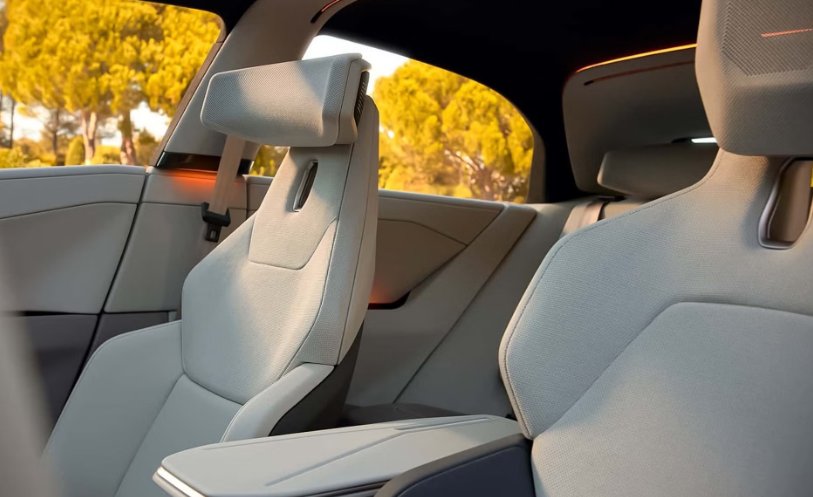
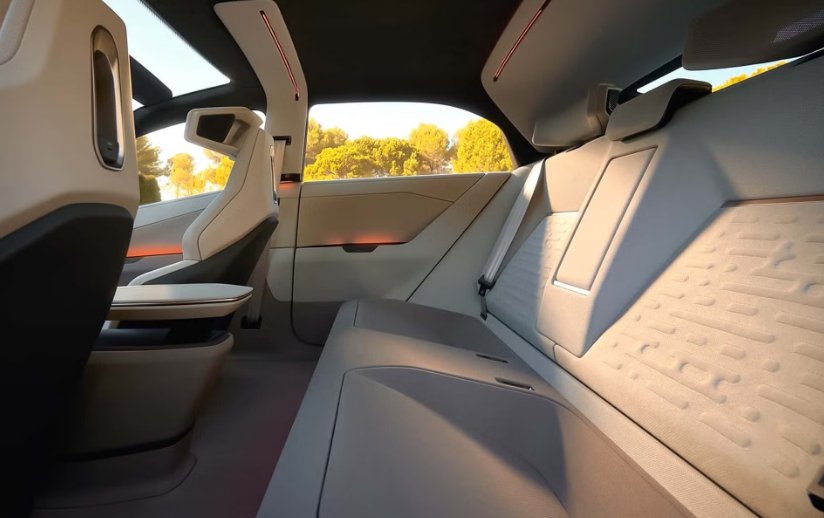
The seat headrests can rotate and deform—sounds fancy. They say it's to showcase new materials and spaciousness, but I always feel that a car is meant to be driven. Adding these Transformer-like features, aside from increasing failure rates, really doesn't have much practical use.
On the powertrain front, Toyota is still Toyota—doubling down on hybrids. The new car will use new 1.5L and 2.0L four-cylinder engines. These engines are said to have extremely high thermal efficiency and small displacement, specifically to pair with the hybrid system.
This approach is correct—pure EV range anxiety hasn't been fully solved yet, and efficient hybrids remain the king of family cars.
As for a pure electric version, there will definitely be one, but I think the Corolla's soul still lies in hybrids. Fuel-efficient, durable, won't leave you stranded on the roadside—that's what the Corolla should be doing.
There's also news that a GR version is in the works. That's good news. The current GR Yaris and GR Corolla have already proven that Toyota isn't joking around when it comes to performance.
If they can pair this aggressive exterior with GR's AWD and powertrain, then this bowl of white rice will have completely transformed into a spicy hot pot.
This concept car is expected to go into production in 2026 or 2027. Given Toyota's usual behavior, the production version will definitely be heavily watered down.
Those glass roofs, ultra-thin A-pillars, rotating seats—most likely will disappear. But even if they retain fifty or sixty percent, this generation of Corolla would still be a complete transformation.
Today's auto market is too fiercely competitive—BYD Qin PLUS has already slashed prices to 79,800. If Toyota continues to cling to the old ways, relying on its badge and resale value to get by, it will sooner or later be swept into the dustbin of history.
This concept car, whether it's a genuine expression or just a feint, at least proves that Toyota doesn't want to sit around waiting for defeat.
As for whether it can succeed, it depends on whether Toyota dares to keep this French madness alive when it goes into production—if they end up building another mediocre ride-hailing special edition, that would really be laughable.


