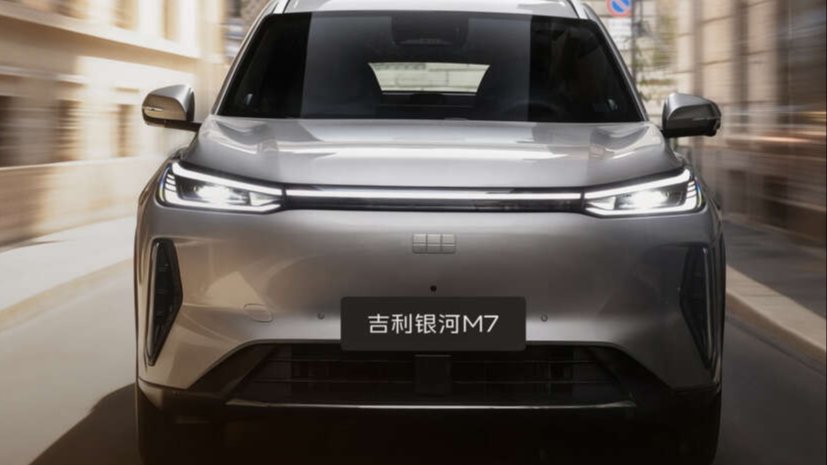
I didn't expect this—Geely moved the Galaxy M7 launch event to Milan. That move actually fits their recent ambition to push into the premium circle.
But a car doesn't turn into a Ferrari just because it's been abroad; ultimately it still has to be taken out and run on the asphalt to know its real strength.
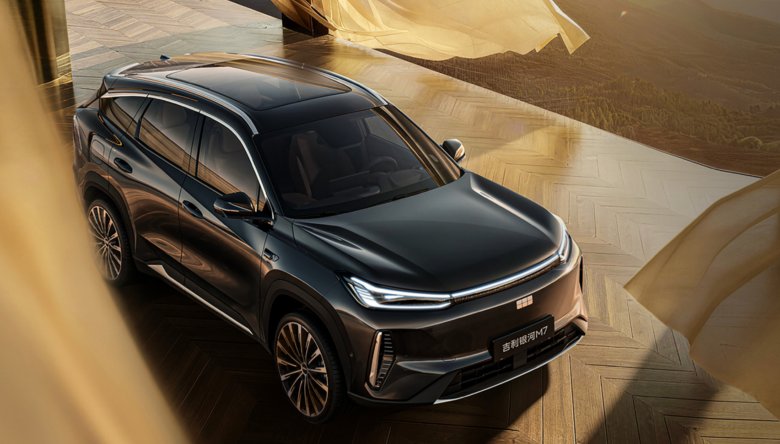
What interests me most about this M7 is not what pose it struck at Milan Fashion Week, but that its powertrain has been changed.
The previous Galaxy L7 used a 1.5T engine, which was aimed at performance—at a traffic light start it could take on the gasoline cars next to it.
But this time the M7 has directly switched to a 1.5-liter naturally aspirated engine, with a maximum power of only 82 kW.
Many people will probably start cursing when they see this figure, thinking this is just de-contenting. But I have to be fair to Geely: this move is quite shrewd.
In today's plug-in hybrid market, who still cares whether your 0–100 km/h is 6 seconds or 7 seconds? What users care about is whether they can drive a whole tank of fuel until they forget there is a gas station.
The logic of this 1.5L naturally aspirated engine paired with an electric motor is clearly following BYD's DM-i approach, which is Geely's current EM-i system.
Giving up a bit of top-speed thrill in exchange for the officially claimed 1,730 km combined range—for a family grocery-getter, that trade is worth it.
However, the 225 km of pure electric range is the real highlight. As long as you have a charging pile at home, for daily commuting the engine is basically just decoration, and may even rust from not starting for a long time.
This Shen Dun short-blade battery, made of lithium iron phosphate, is indeed safer than ternary lithium—after all, nobody wants an unpredictable bomb under their backside.
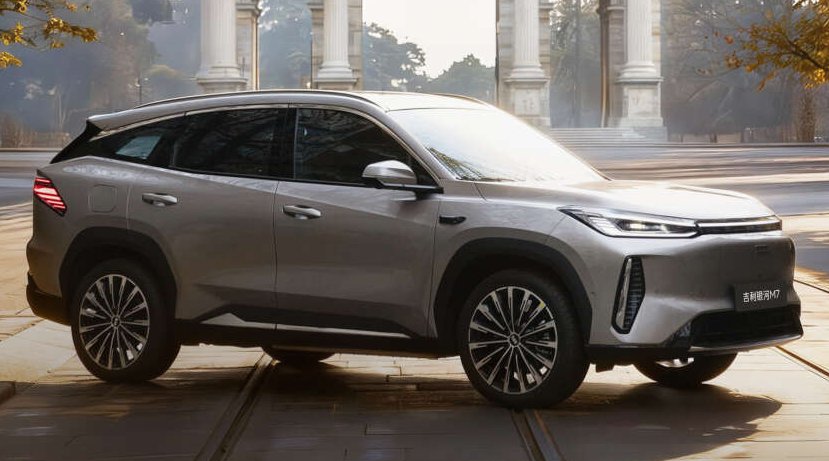
Now let's talk about dimensions. The car is 60 mm longer, now 4770 mm, but the wheelbase is still 2785 mm. Where did the extra 60 mm go? Obviously, it all went into the front and rear bumpers.
You won't feel any change in interior space; rear legroom is exactly what it was. So don't expect this car to turn from a compact SUV into a mid-size SUV—it is essentially a facelifted and stretched version of the L7.
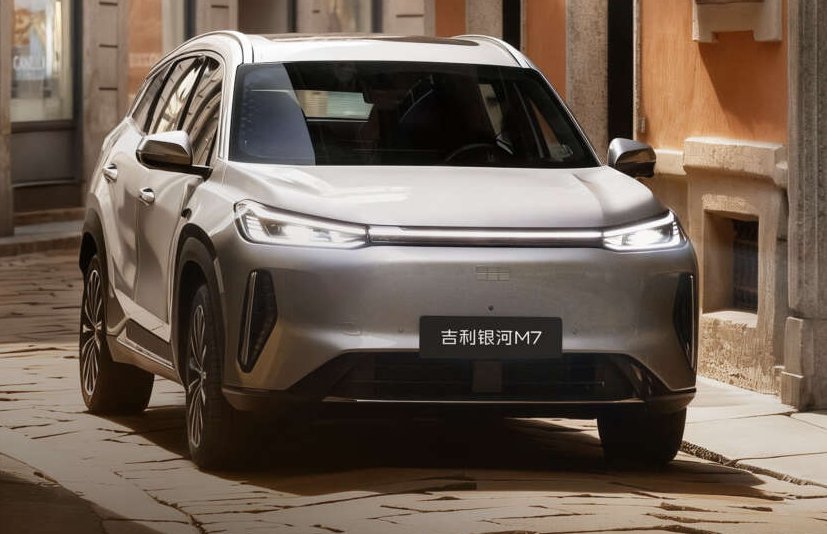
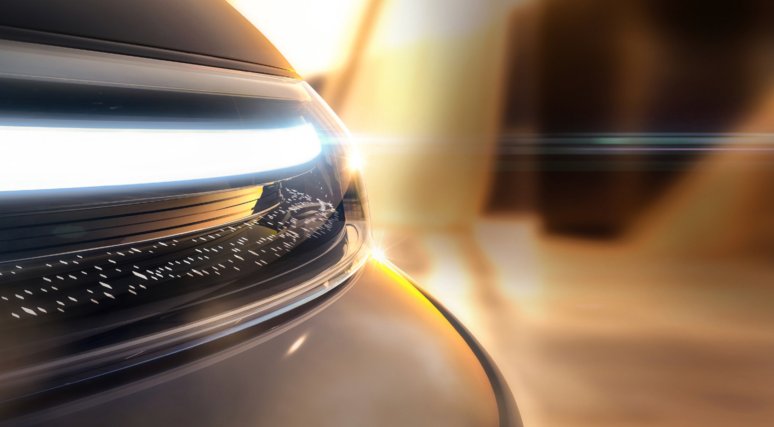
The front-end design has changed quite a lot. That full-width light strip officially uses 362 LED beads, and they even emphasize an effective illumination distance of 200 meters.
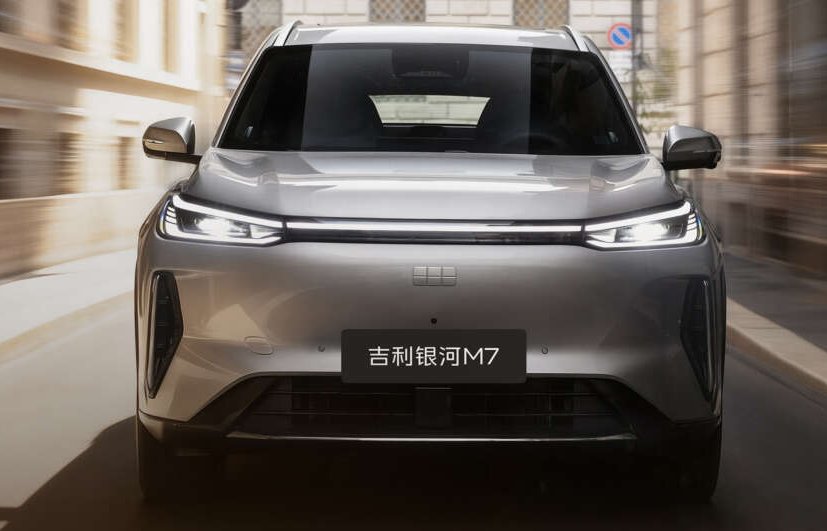
But that active grille is actually somewhat useful: it can help keep the engine warm in winter and reduce drag at high speed—that's proper thinking.
As for the interior, it is indeed far better than the old L7. The previous infotainment system was so laggy you wanted to smash the screen.
This time it finally gets Flyme Auto. I've experienced Meizu's system too, and its smoothness is indeed top-tier, with an interface logic similar to a phone, so there's no learning curve.
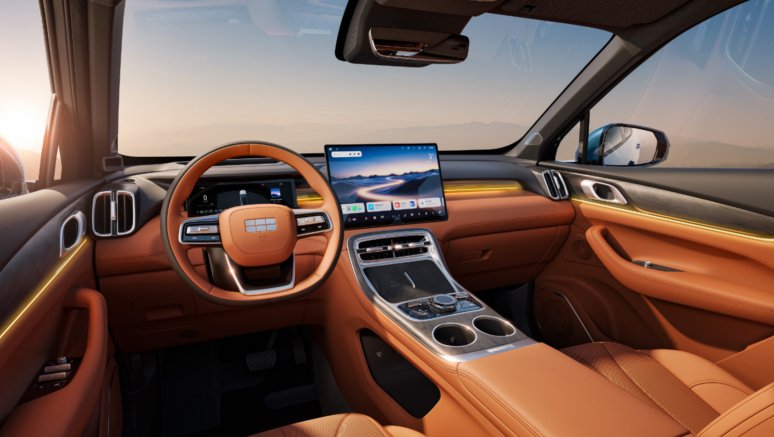
Geely has finally understood one thing: when it comes to building car infotainment, it's better to leave it to the people who build phones.
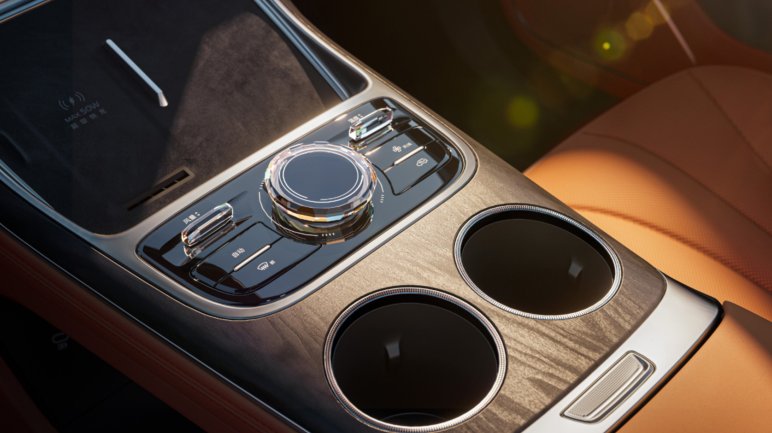
However, putting so many crystal-material knobs and toggles in the car, plus wood-grain trim, I have some reservations about this mixed style.
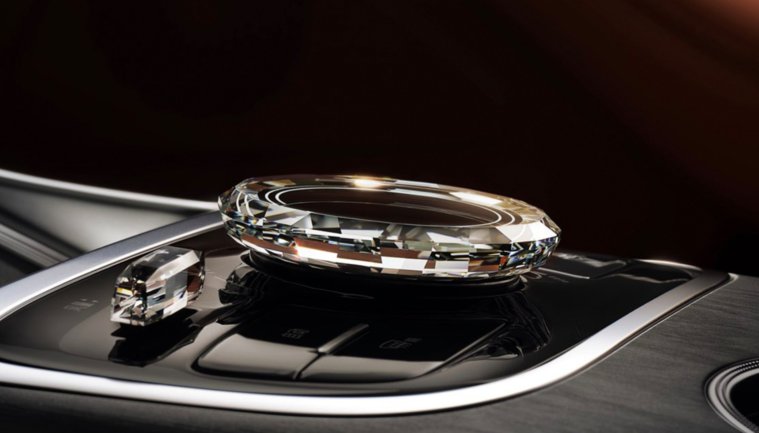
Crystal is meant to create a sense of luxury, wood grain a sense of home; piled together it feels a bit try-hard.
Fortunately, it offers three interior colors, and I hope one of them is more understated—not like a KTV private room.
The Flyme Sound audio system has 23 speakers, which is indeed a lot. But I've always stressed that with audio, more speakers isn't necessarily better—tuning is the key.
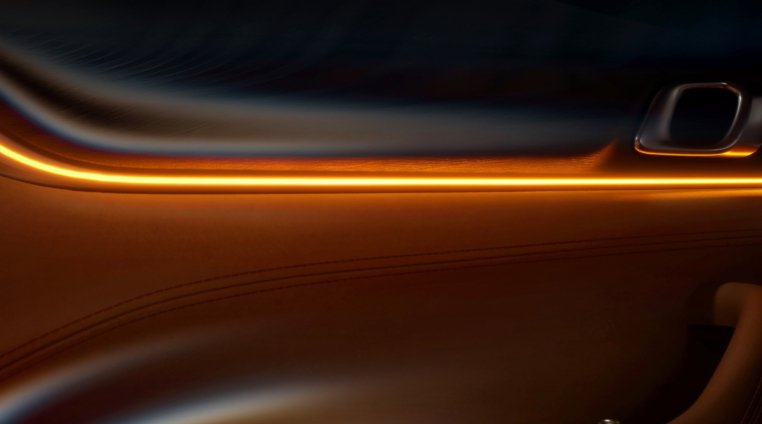
As for the long list of items in the configuration table—wireless phone charging, ambient lighting—these days a domestic car costing 100,000 yuan would be embarrassed to be sold without them, so I won't dwell on them.
Geely changing the L7 into the M7 this time is not just a simple name change; it's a U-turn in the entire product logic.
From chasing good-looking specs to chasing proven usability. Whether this car is worth buying ultimately depends on the pricing.
If the price squeezes out the fluff, even if it's just a re-shelled body and a swapped heart, it can still compete in today's market.
But if they try to raise the price under the banner of the Milan launch event, consumers will vote with their feet. After all, in today's car market, the last thing in short supply is choice.


