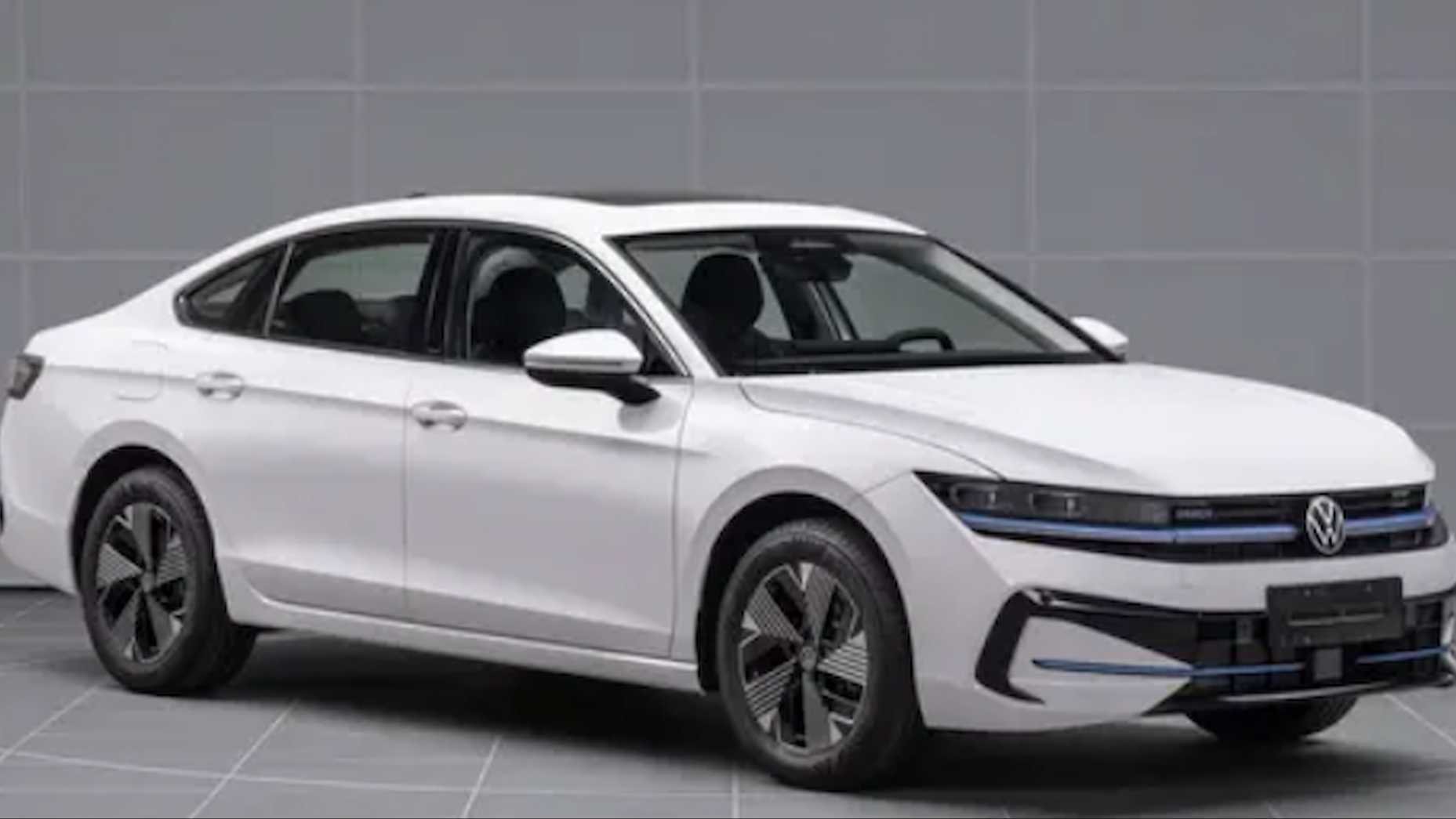
In the Ministry of Industry and Information Technology's latest tax-exempt purchase catalog, the data for the new-generation Magotan PHEV is prominently listed. I stared at those battery parameters for quite a while, especially this 22kWh—really interesting.
This number might not stand out among domestic cars, but if you put it on a Volkswagen plug-in hybrid, it really is like the sun rising in the west. You know the old GTE models had pitifully small batteries—pure electric range barely cleared the 50-kilometer passing line, and in winter with the heater on it couldn't even do 30 kilometers. This time it jumped straight to 127 kilometers—finally no longer that piece of industrial garbage that existed just to game the green plate.
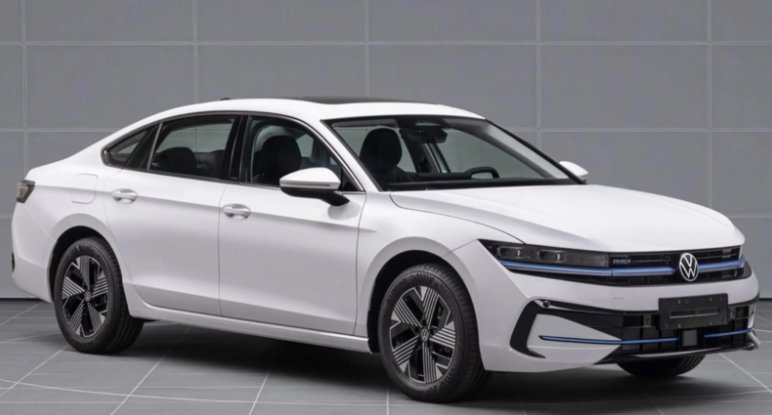
The car's biggest pain point is solved, but that doesn't mean it can walk all over today's market.
Let's look at the powertrain. A 1.5T engine paired with an electric motor. This 1.5T engine has a maximum power of only 95kW. Don't dismiss it as small—this is clearly a Miller-cycle engine aimed at fuel economy, doing the dirty work. The real muscle comes from that 145kW electric motor.

With this combination, the depleted-battery fuel consumption is 4.73L, slightly higher than the BYD Han DM-i, but in the joint-venture camp it's already a competitive player. The old driving experience of "a dragon with charge, a worm without" should theoretically improve.
Now let's talk about the exterior. Those blue horizontal trim strips in the filing photos make me frown.
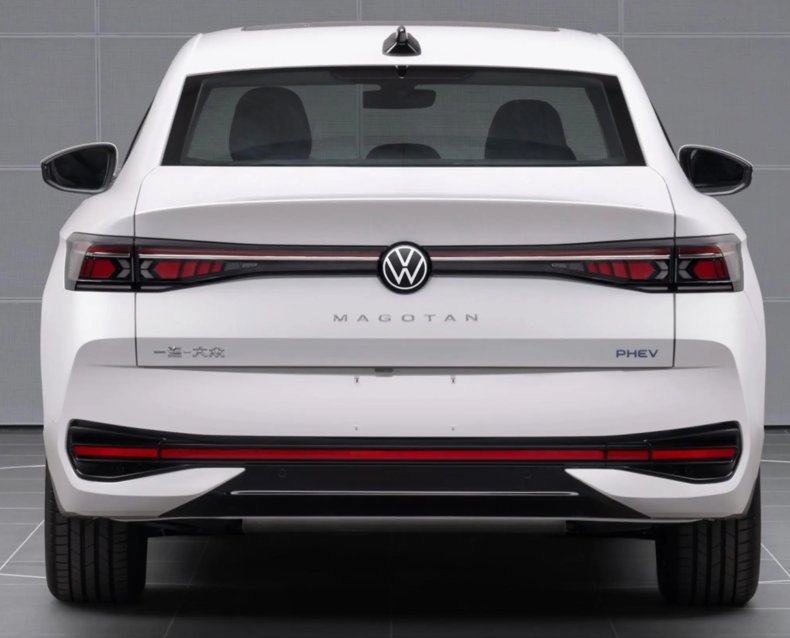
It's 2026 already, and Volkswagen's designers still think they need to slap a blue label on the face to tell the whole world "I'm new energy"? This design language is downright a leftover poison from a bygone era. True confidence is making a car look like a car, not like a walking battery advertisement.
In terms of size, the car is nearly 5 meters long with a wheelbase of 2872mm. These figures are basically consistent with the fuel-powered B9 Magotan, and a full size larger than the old model.

Space is certainly no problem—the Magotan's rear seats have never been a concern. But what I worry about is the trunk. With previous Volkswagen PHEV models, the battery pack often encroached on trunk space, creating a huge step that made even loading a large suitcase a struggle. This time with the 22-degree large battery, if they still haven't solved the battery layout issue, then the car's practicality remains questionable.
The current B-segment plug-in hybrid market is no longer what it was a few years ago.
How far has BYD Han DM-i Honor Edition slashed its price? The Accord PHEV may have been savagely criticized for its trunk step, but its dealer discounts are huge. The Lynk & Co 07, Seal 07, and other domestic newcomers—which one isn't strong?
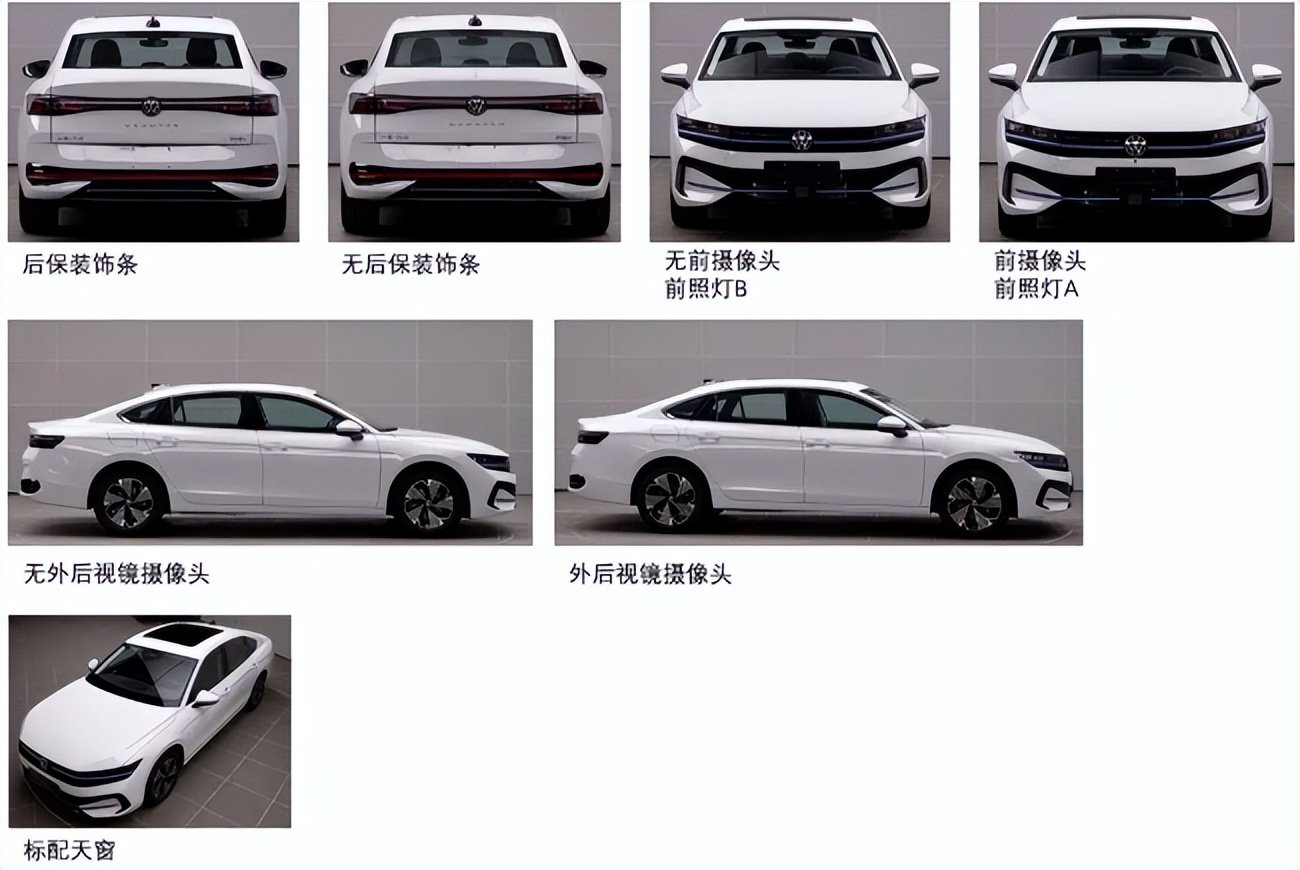
The Magotan PHEV entering the battlefield at this point is basically surviving on Volkswagen's golden brand and the texture of German chassis engineering.
If the pricing strategy still puts on joint-venture airs and starts at 200,000 yuan, it's basically dead on arrival.
Consumers aren't stupid. Before, people bought the Magotan GTE for that green plate, enduring its jerkiness and its fake range. Now domestic plug-in hybrids are thriving—smooth where you want smooth, features where you want features, range where you want range.
Volkswagen has enlarged the battery and extended the range this time, which counts as fixing the biggest shortcoming. But that's only getting a ticket to enter. The real test is in the pricing, and in whether this new 1.5T plug-in hybrid system is actually smooth.
Don't give me that German craftsmanship, laser welding talk. Today's car buyers only care about whether you can save fuel during rush-hour traffic jams, whether you go soft in the foot when overtaking on the highway, and whether you can avoid shaking their breakfast out over speed bumps.
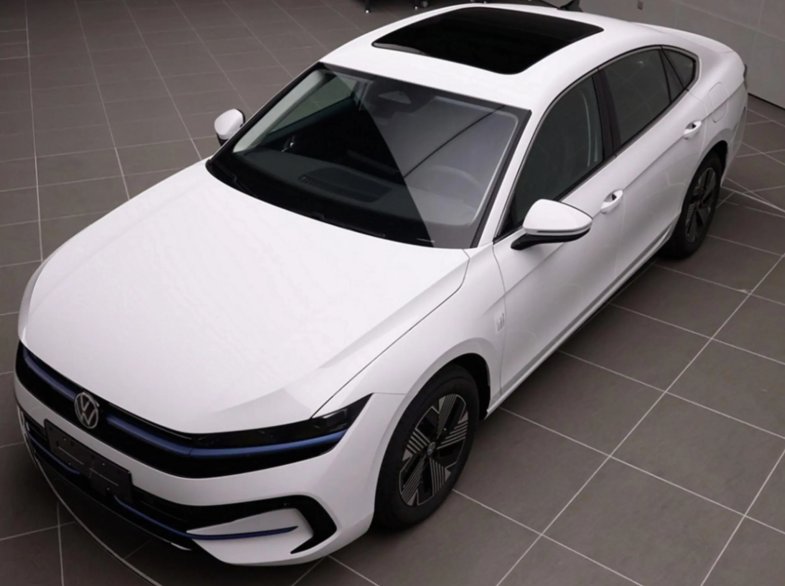
This Magotan PHEV looks like a highly complete product. But it came too late.
Two years earlier, this would have absolutely been a hit. Now? You can only call it locking the barn door after the horse has bolted. As for whether it can actually hold, it depends on whether FAW-Volkswagen has the guts to give a jaw-dropping price at launch.
Otherwise, this 127-kilometer range is just a number on a spec sheet that won't save its sales.


