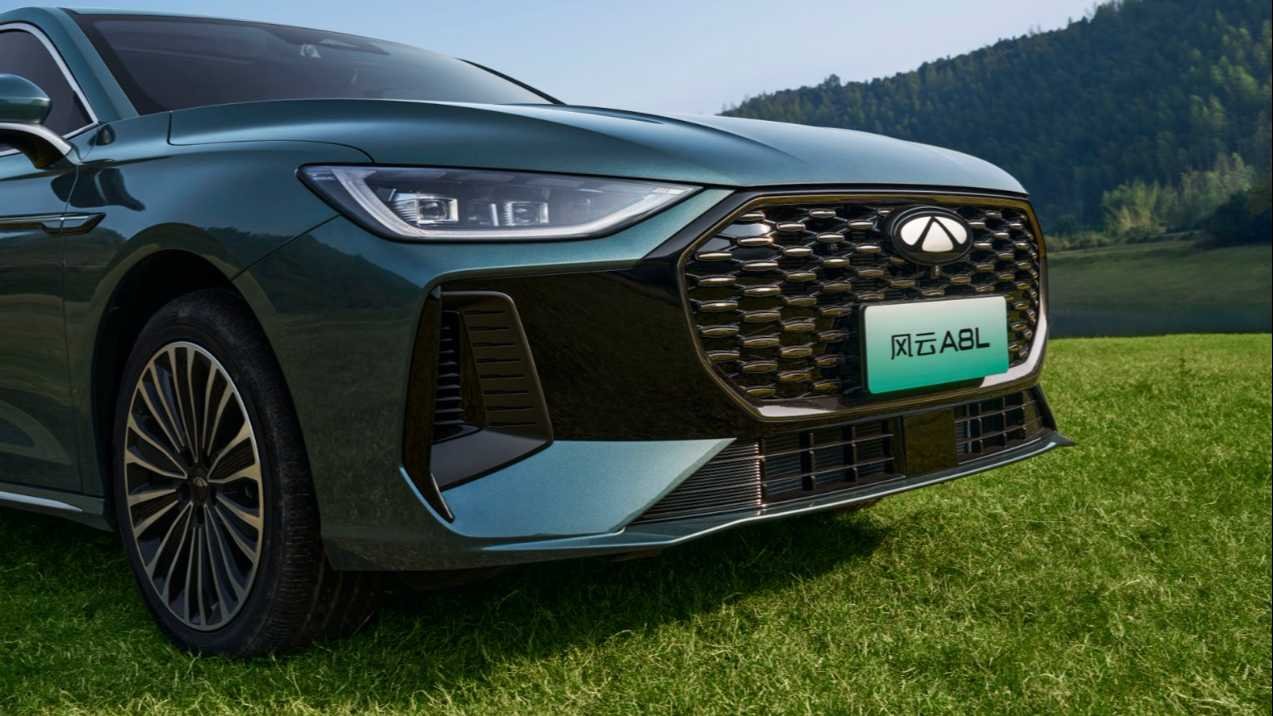
Let me talk to you guys about a pretty hardcore topic: for a 100,000-yuan class hybrid family sedan, is there really no choice besides the BYD Qin L?
Actually, that's not true. I think the Chery Fengyun A8L can definitely challenge the Qin L—and that's the honest truth.
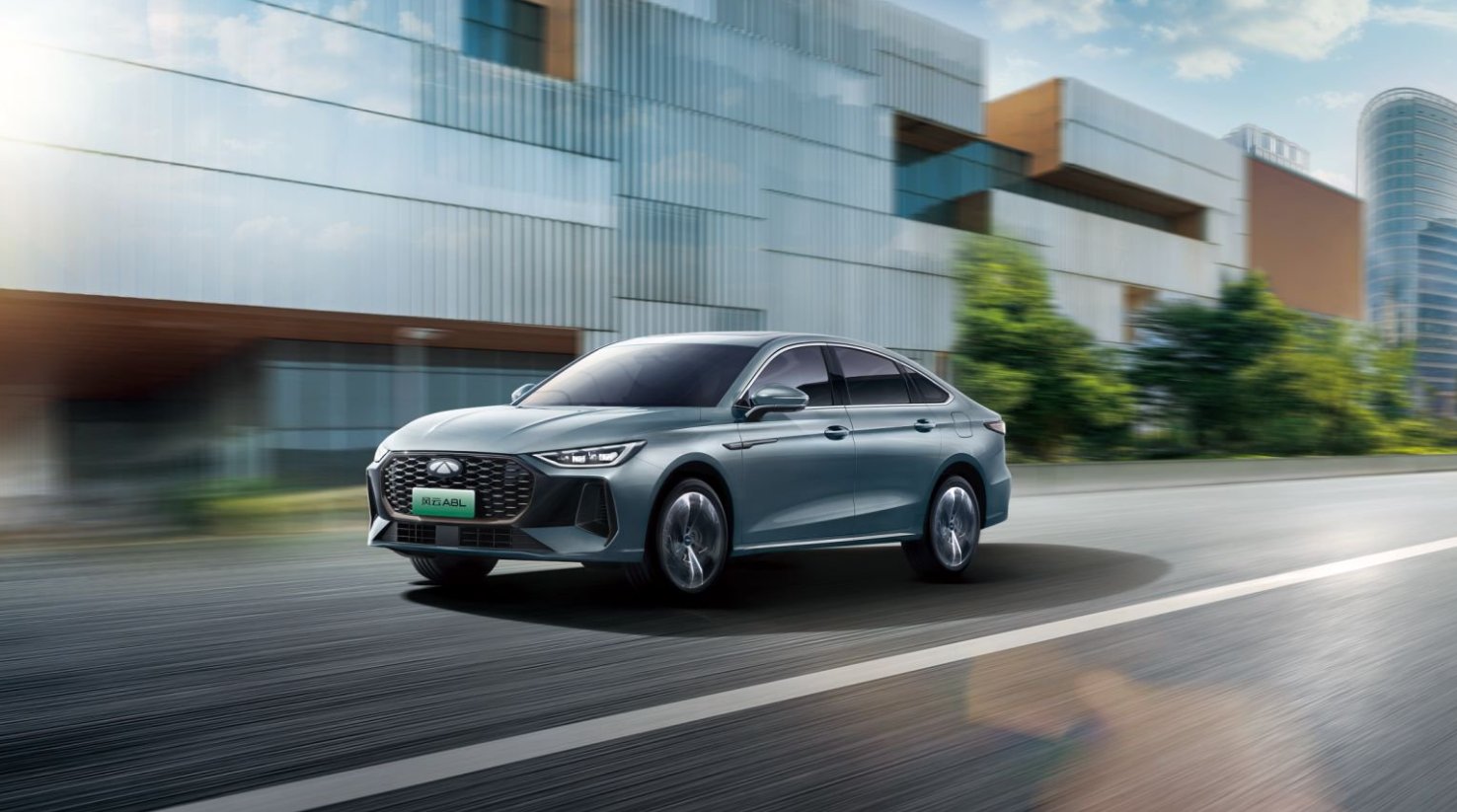
No nonsense, let me put these two cars side by side and you'll see I'm not exaggerating.
First, the most direct thing: power!
The Fengyun A8L uses a 1.5T engine, while the Qin L has a 1.5L naturally aspirated engine.
What's the difference? Put simply, driving slowly around the city, you might not feel it. But once you get on the highway and want to overtake, or climb a slope fully loaded with the AC on, the feeling is completely different.
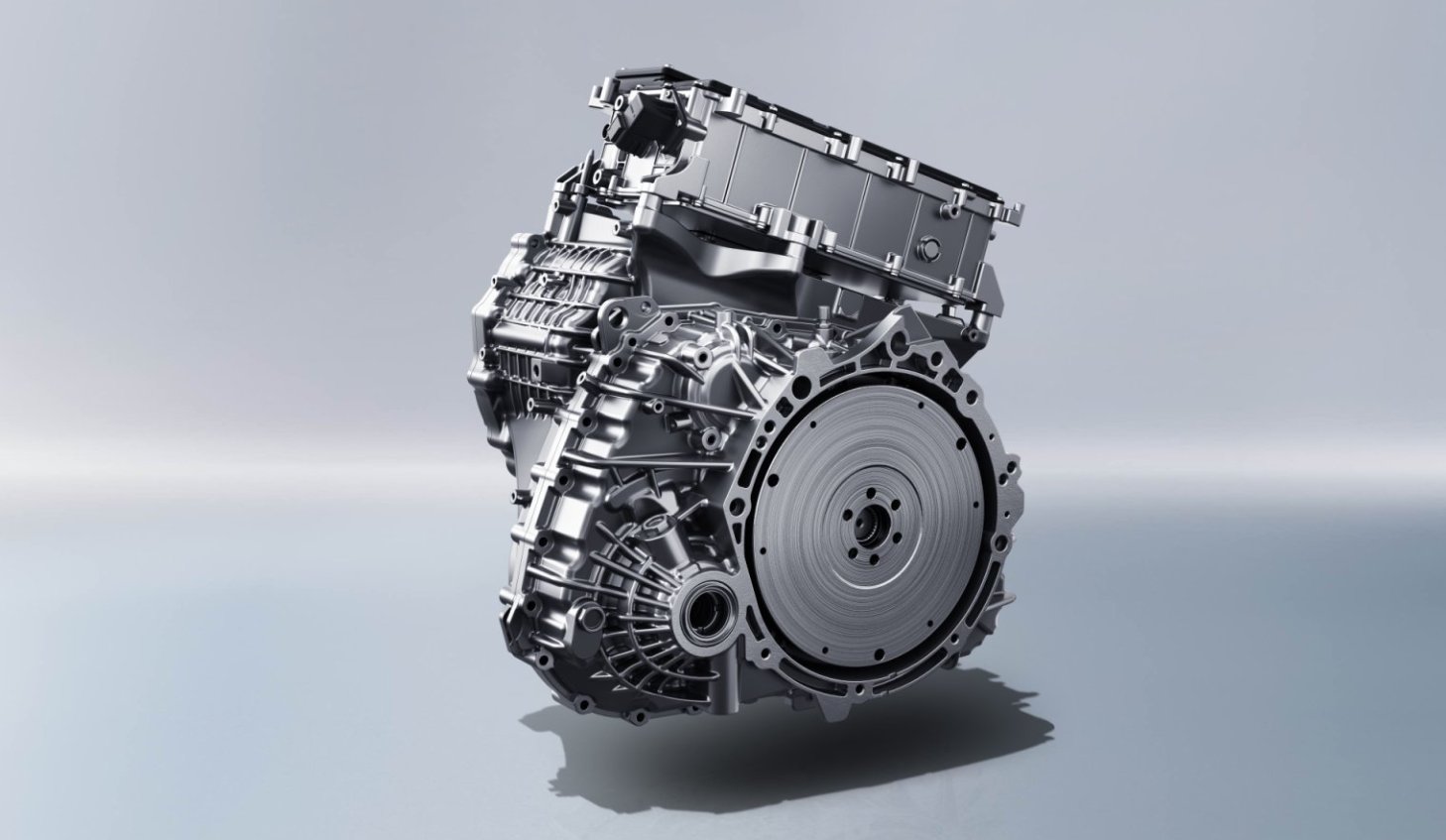
The A8L is clearly more energetic, and re-accelerating on the highway feels more confidence-inspiring. Before, people often complained that some hybrids couldn't keep up on the highway in a low-battery state—the A8L completely solves this pain point.
As for the Qin L, it focuses on smoothness and fuel efficiency, and it's completely sufficient for daily commuting, but if you want even a little bit of driving excitement, it does feel a bit out of its depth.
Then there's safety—something you can't see or touch normally, but it can save lives at a critical moment.
Looking at the data, the Fengyun A8L uses 80% high-strength steel in its body, with 20.6% hot-formed steel. The Qin L's high-strength steel ratio is 70.8%.
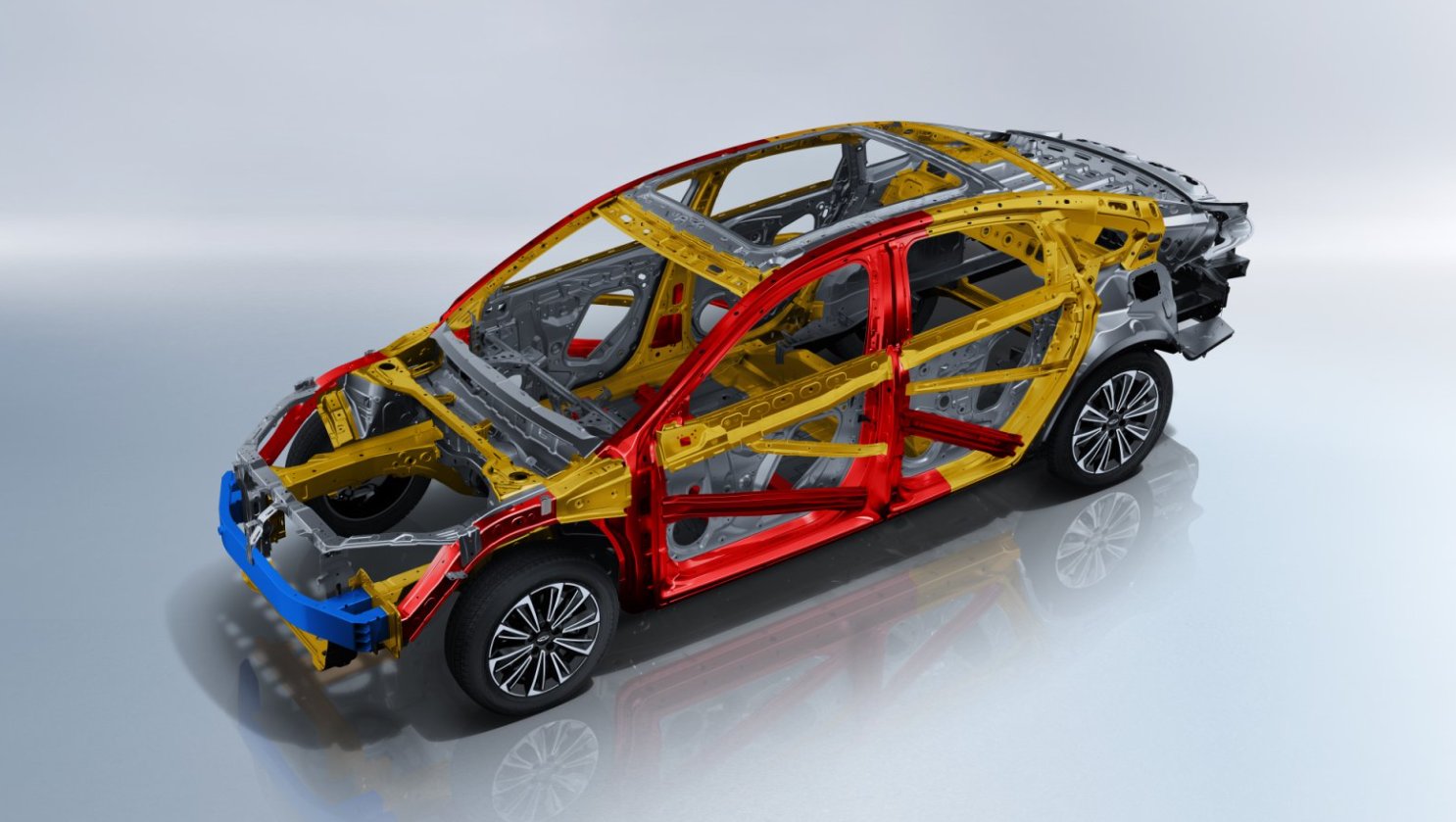
The numbers may be a bit dry, but you just need to know that the better the steel materials, the sturdier the car.
There are also airbags: the A8L gives you 10, including rear side airbags and a driver's knee airbag. The Qin L has 7.
This is absolutely necessary for families with elderly people and children, because rear-seat protection should not be underestimated.
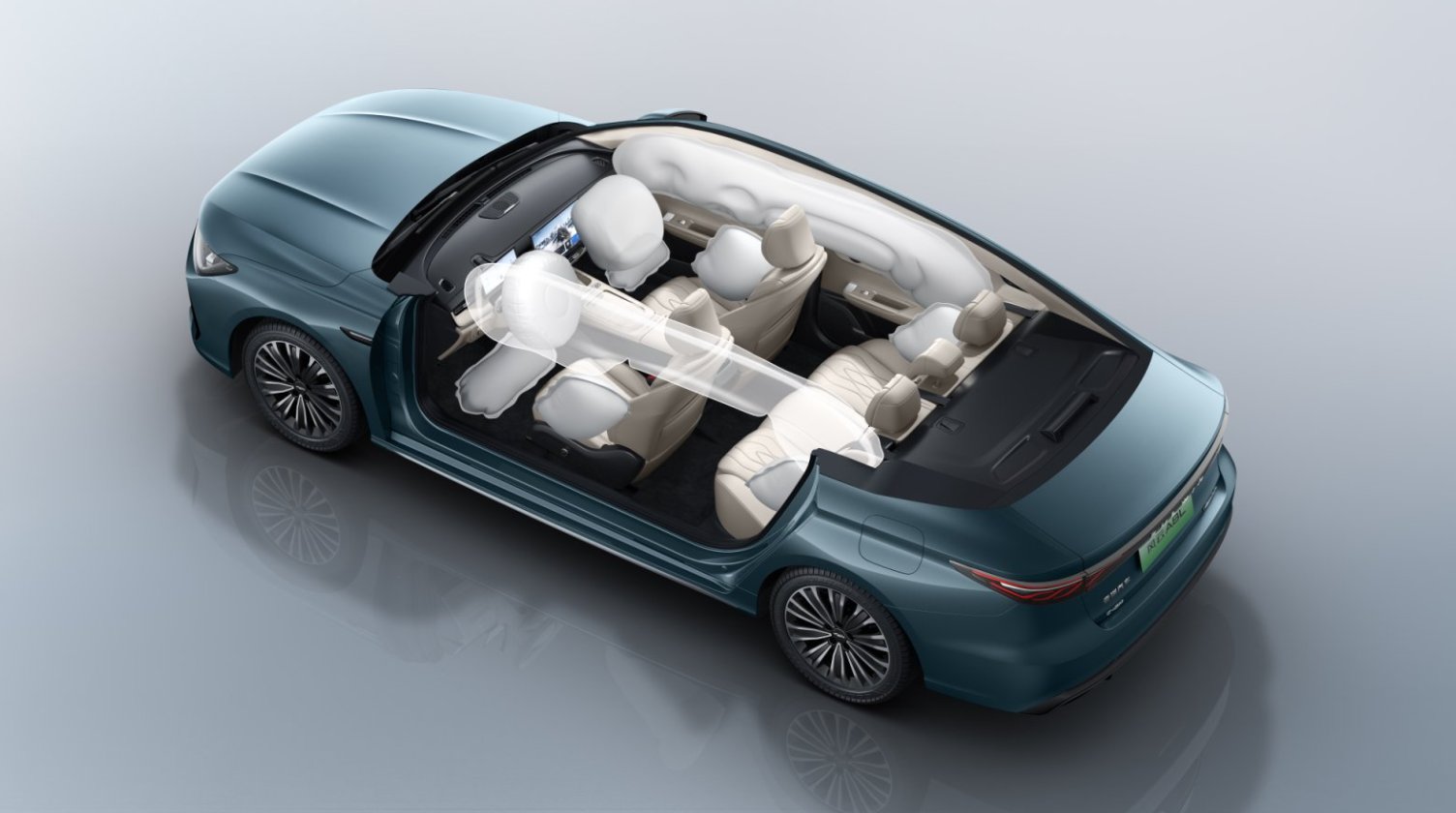
The 31-ton heavy truck side-pressure test Chery conducted before was a bit extreme, but it really shows they've invested heavily in this area.
Let's talk about the feeling inside the car, that is, comfort.
The A8L has active noise cancellation and double-layer laminated glass. When driving on the highway, the cabin is much quieter—this noticeably improves the experience.
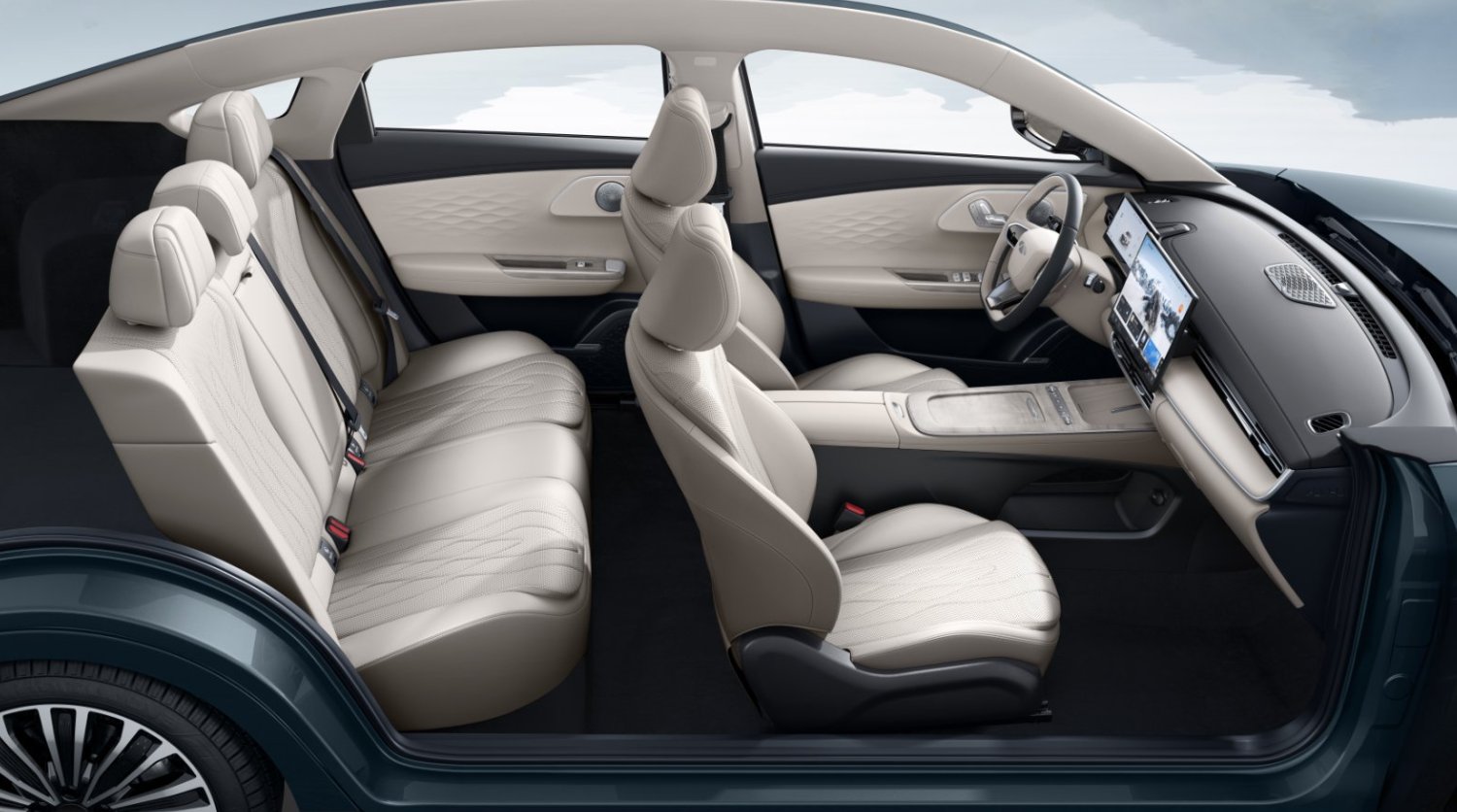
As for the seats, both cars have ventilation and heating, but the A8L's driver's seat has more adjustment options and slightly thicker cushioning.
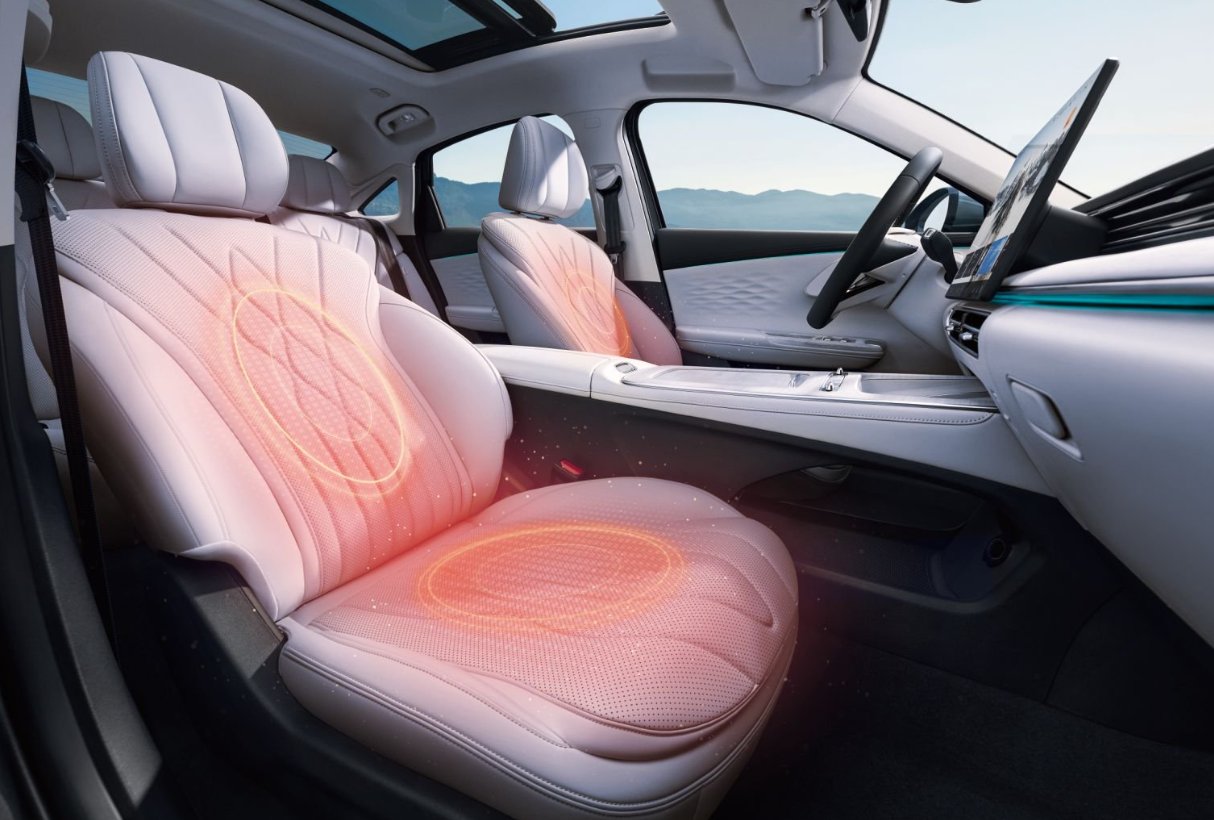
The most critical thing is the infotainment system. The Fengyun A8L uses a Qualcomm 8155 chip, while the Qin L uses a Snapdragon 665.
These two chips are more than a generation apart. Anyone who's used the 8155 knows how smooth it is—fast boot-up, everything responds instantly to touch, and it doesn't lag even with multiple consecutive voice commands. As for the 665, I can only say it's adequate.
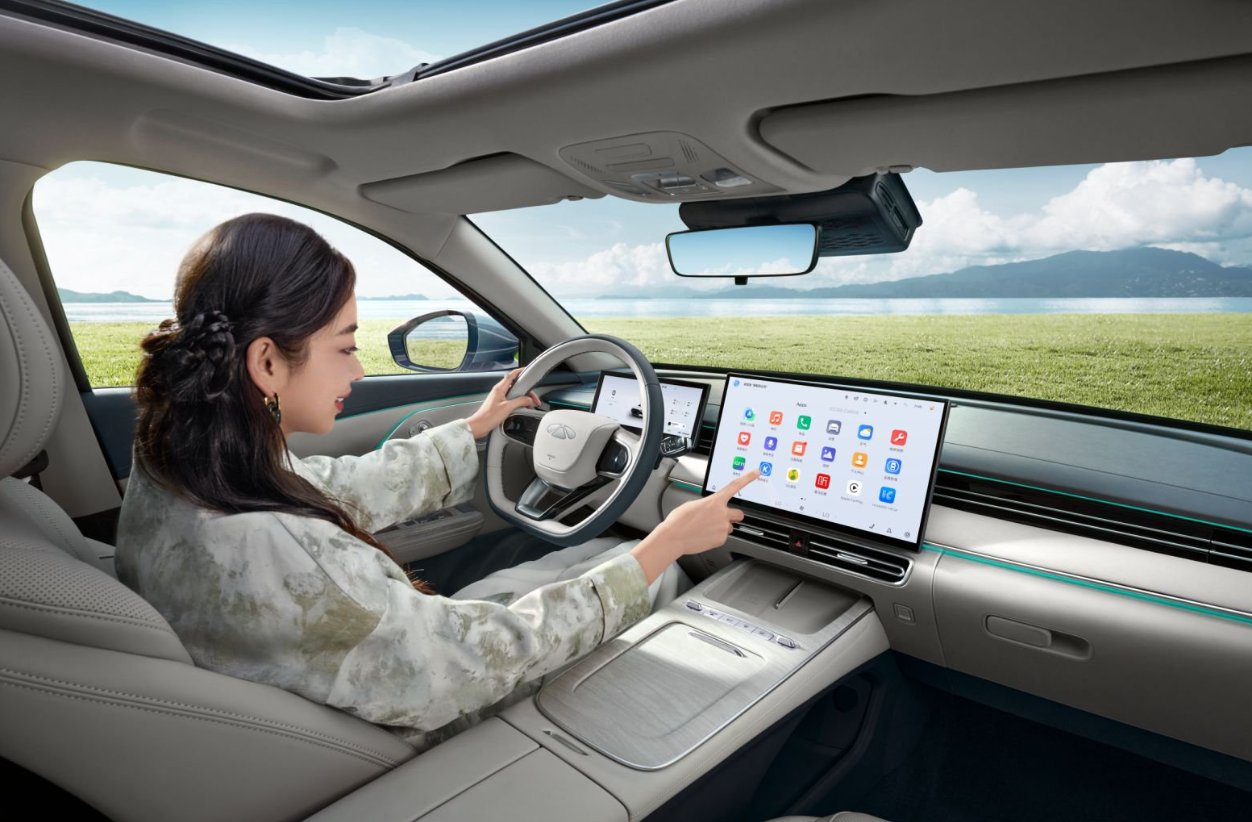
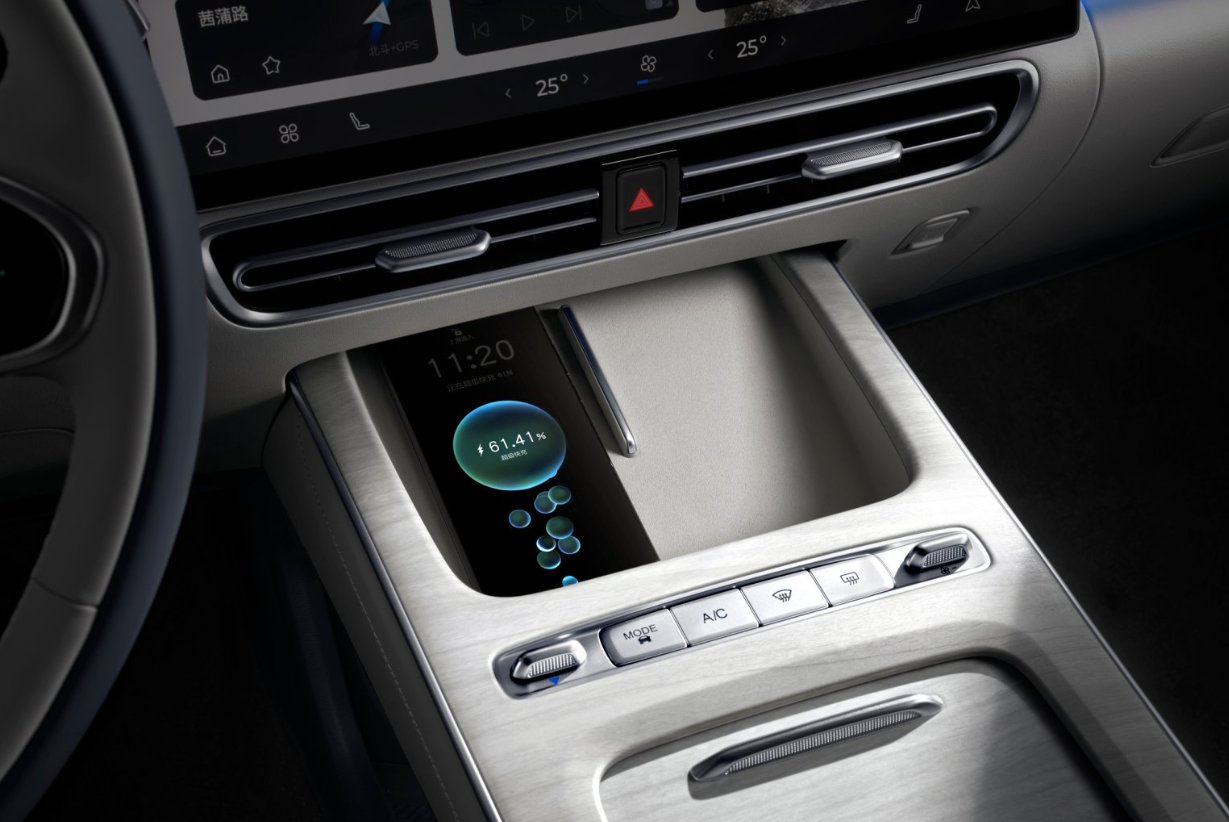
There are also some small details, like the A8L has 50W wireless fast charging while the Qin L has 15W. The A8L supports CarPlay and HiCar; the Qin L doesn't.
Finally, let's talk about fuel consumption and range—what everyone cares about most.
Both cars are fuel-saving experts, no doubt about that. The Qin L's DM-i system has a well-established reputation—it's genuinely impressive.
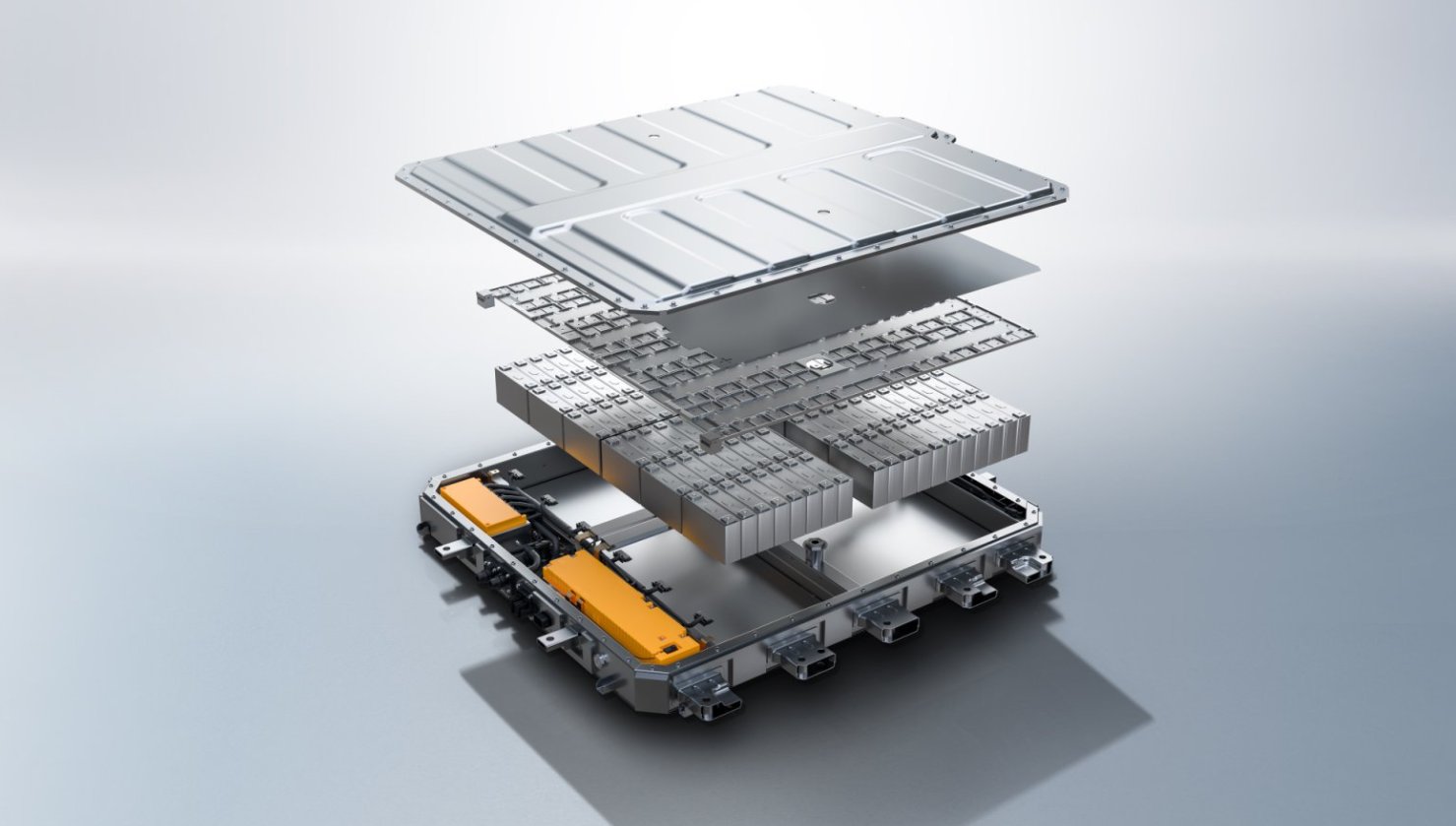
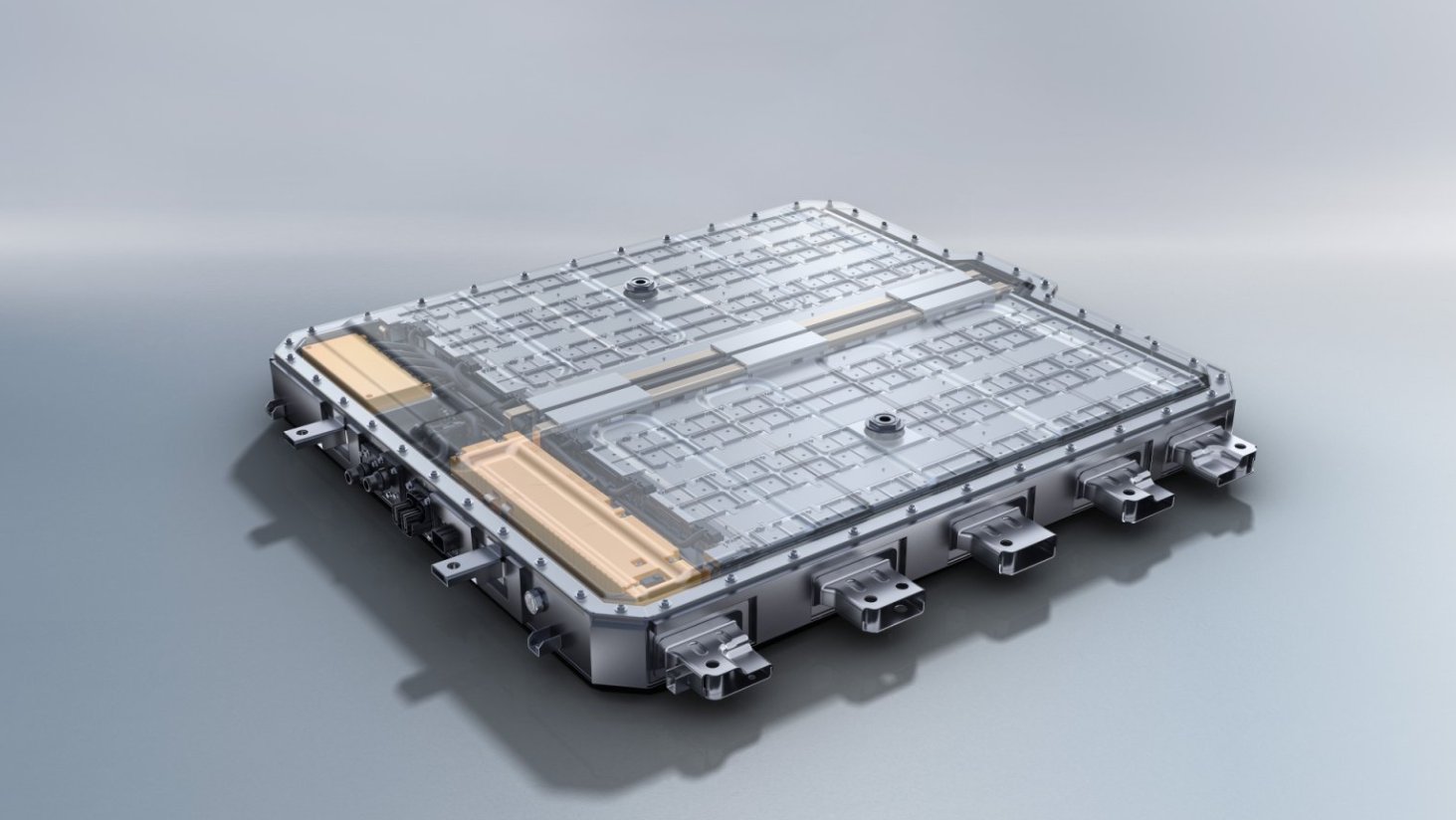
The Fengyun A8L's Kunpeng hybrid is no slouch either. In the fully-loaded highway range test Yiche conducted before, the A8L's combined energy consumption was the lowest among all hybrids in the test. This shows its engine efficiency is indeed high.
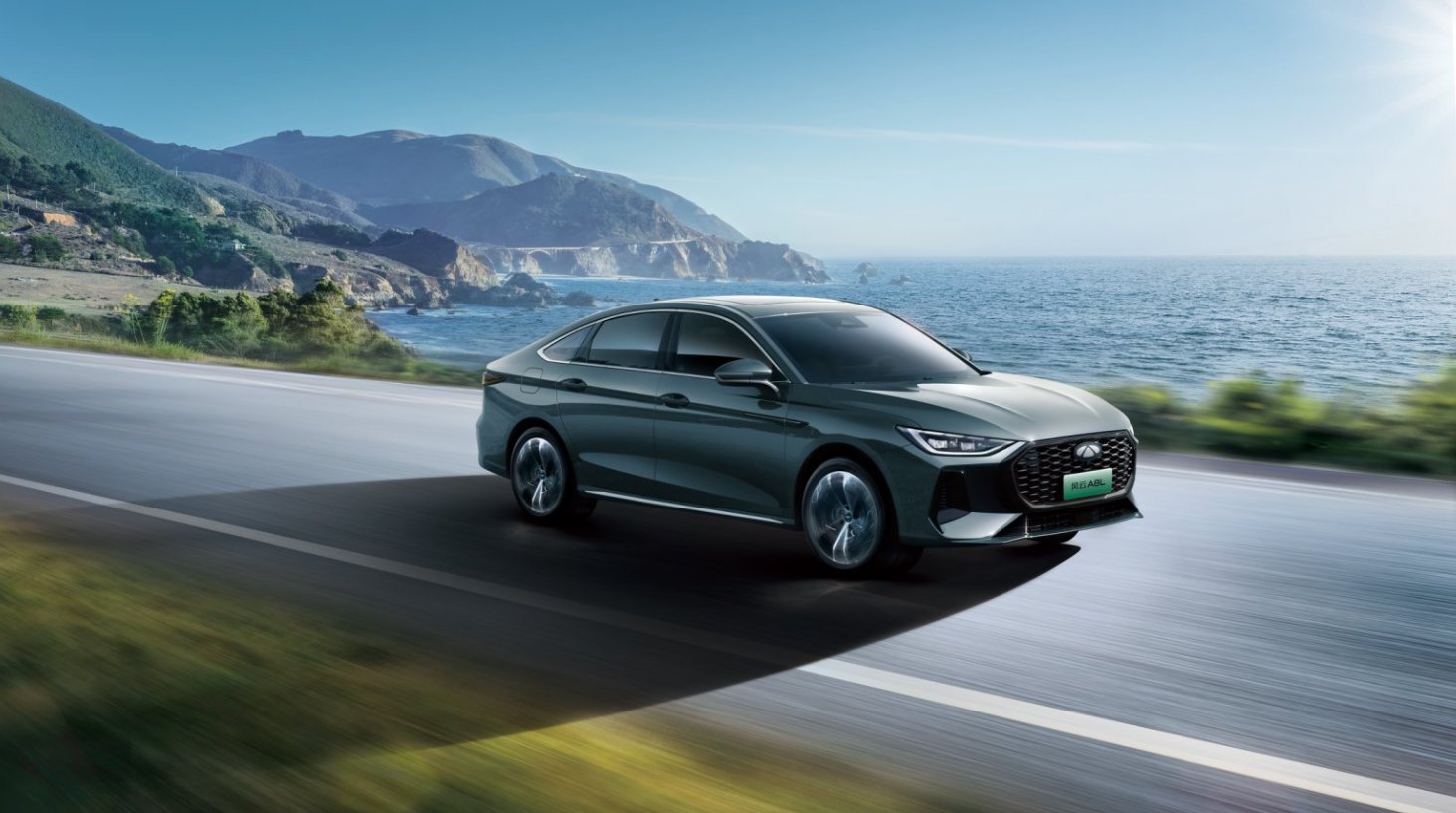
In terms of pure electric range, the A8L claims 145 kilometers, while the Qin L is 120 kilometers. And the A8L charges a bit faster too.
Alright, let's sum up. How to choose between these two cars?
It's actually very simple. If your budget is extremely tight and you just want a mature, super fuel-efficient commuter car, then go ahead and buy the Qin L without hesitation—no problem at all, the market has already proven its success.
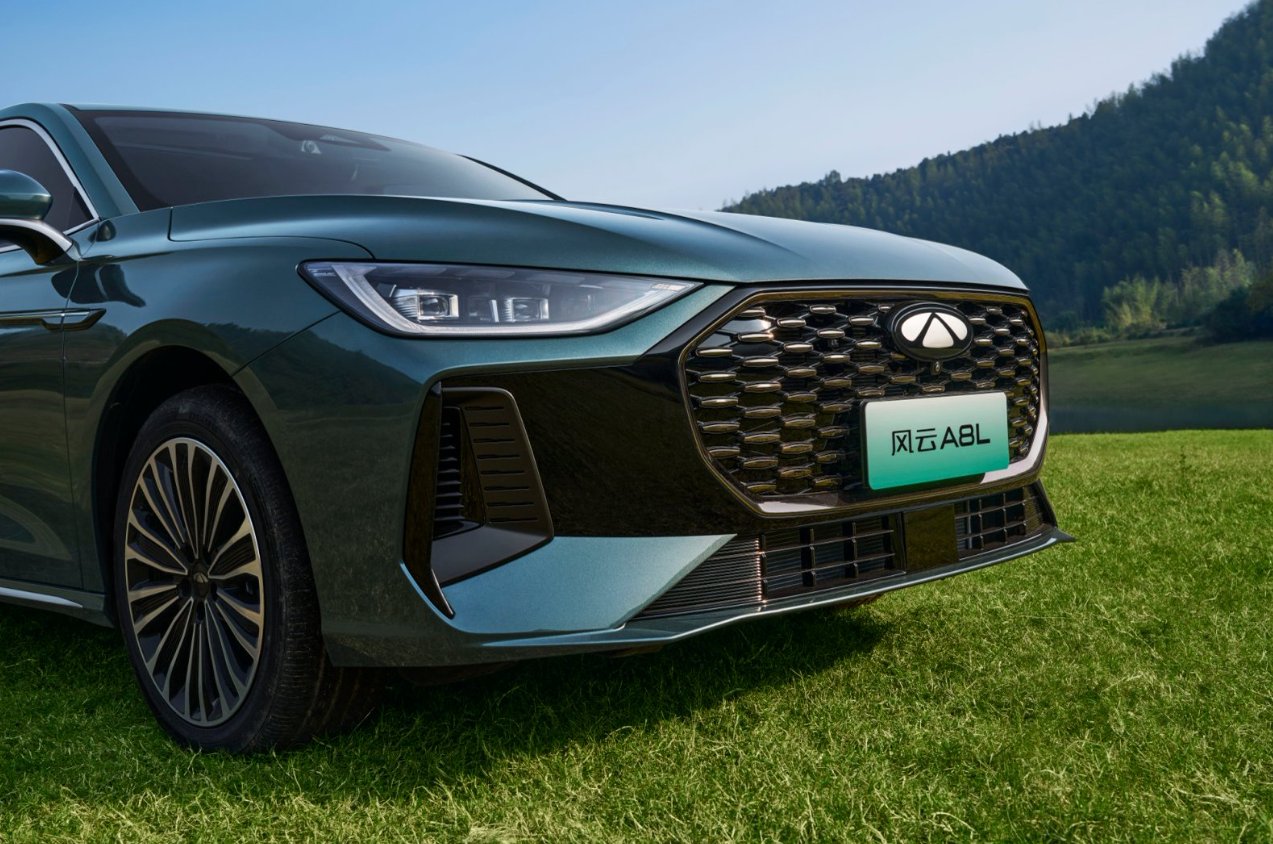
But if, on top of fuel efficiency, you also want better power, more solid materials, more comprehensive safety features, and a smoother infotainment system and a more comfortable cabin, then spending a bit more on the Fengyun A8L is, I think, worth it.


