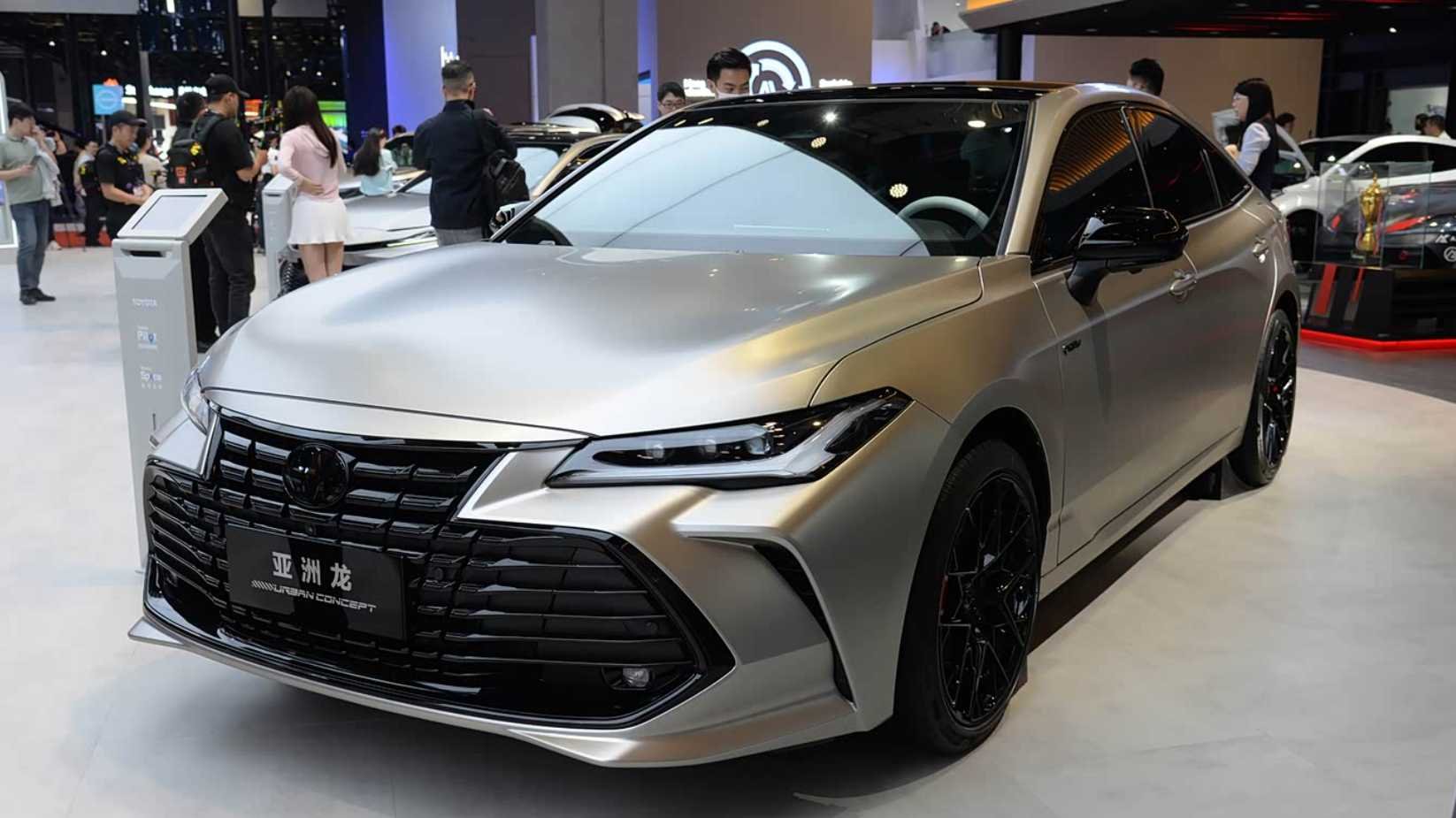
In 2026, everyone knows how brutally competitive the auto market has become, right? Joint venture brands are being ground into the dirt by new energy vehicles, forcing even established giants like Toyota to take off their suits and get into the mud.
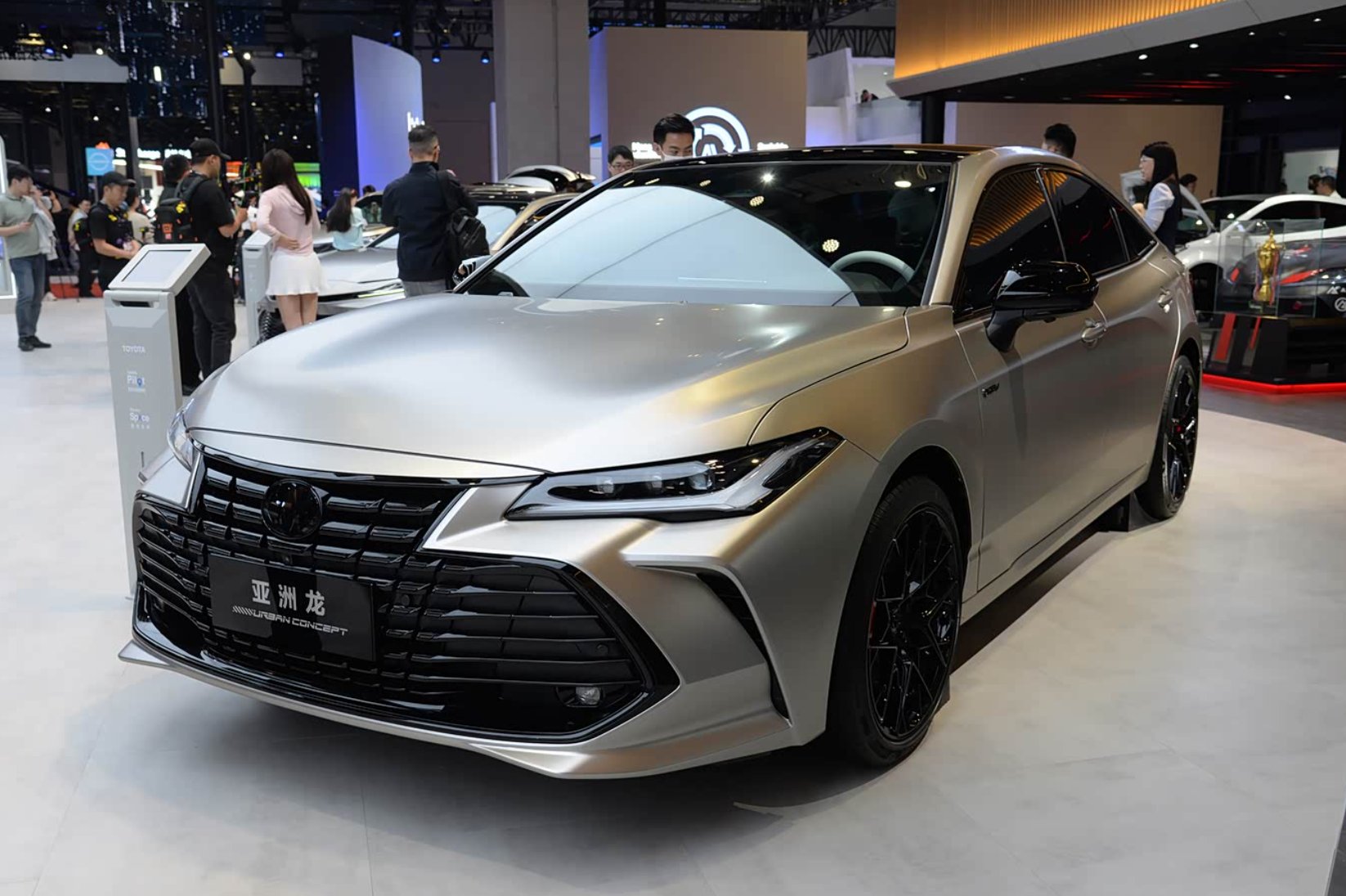
For example, the Avalon's latest move is indeed ruthless—dealers have slashed the starting price to 131,800 yuan. Selling 13,349 units in a month—in today's joint venture B-segment sedan camp, that's a real shot in the arm.
Let's look at the price first and do the math. The official guide price starts at 178,800 yuan, and now dealers are throwing out 48,000 to 70,000 yuan in cash discounts. The 2.0L entry version is 131,800 yuan for the bare car, and the full payment landing price is around 145,000 to 150,000 yuan.
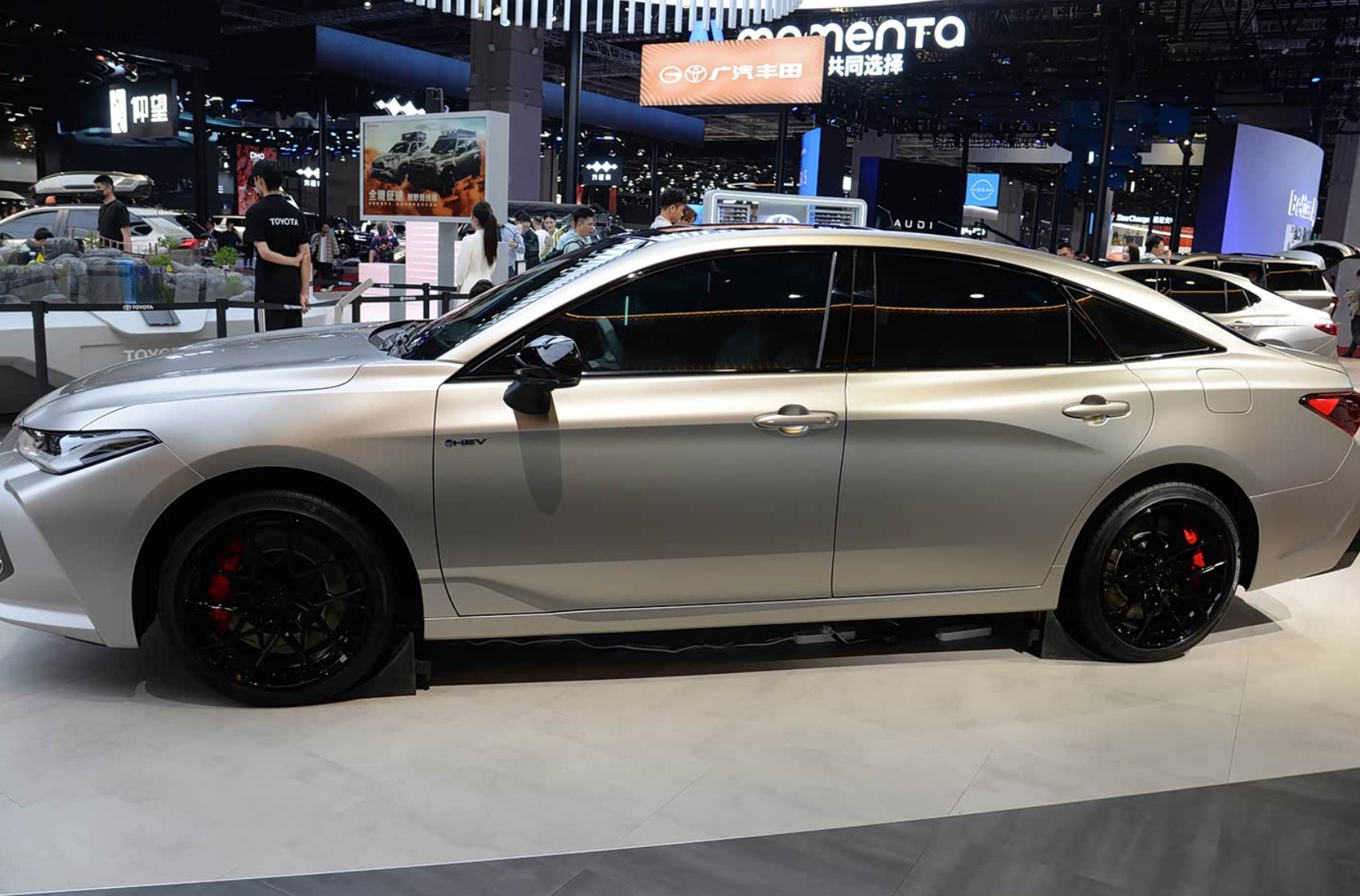
In other words, with the compact-car budget for a Sagitar or Civic, you can directly leap a class and drive home a nearly 5-meter B+ segment flagship. That's a full 10,000 to 20,000 yuan cheaper than the Accord or Magotan next door.
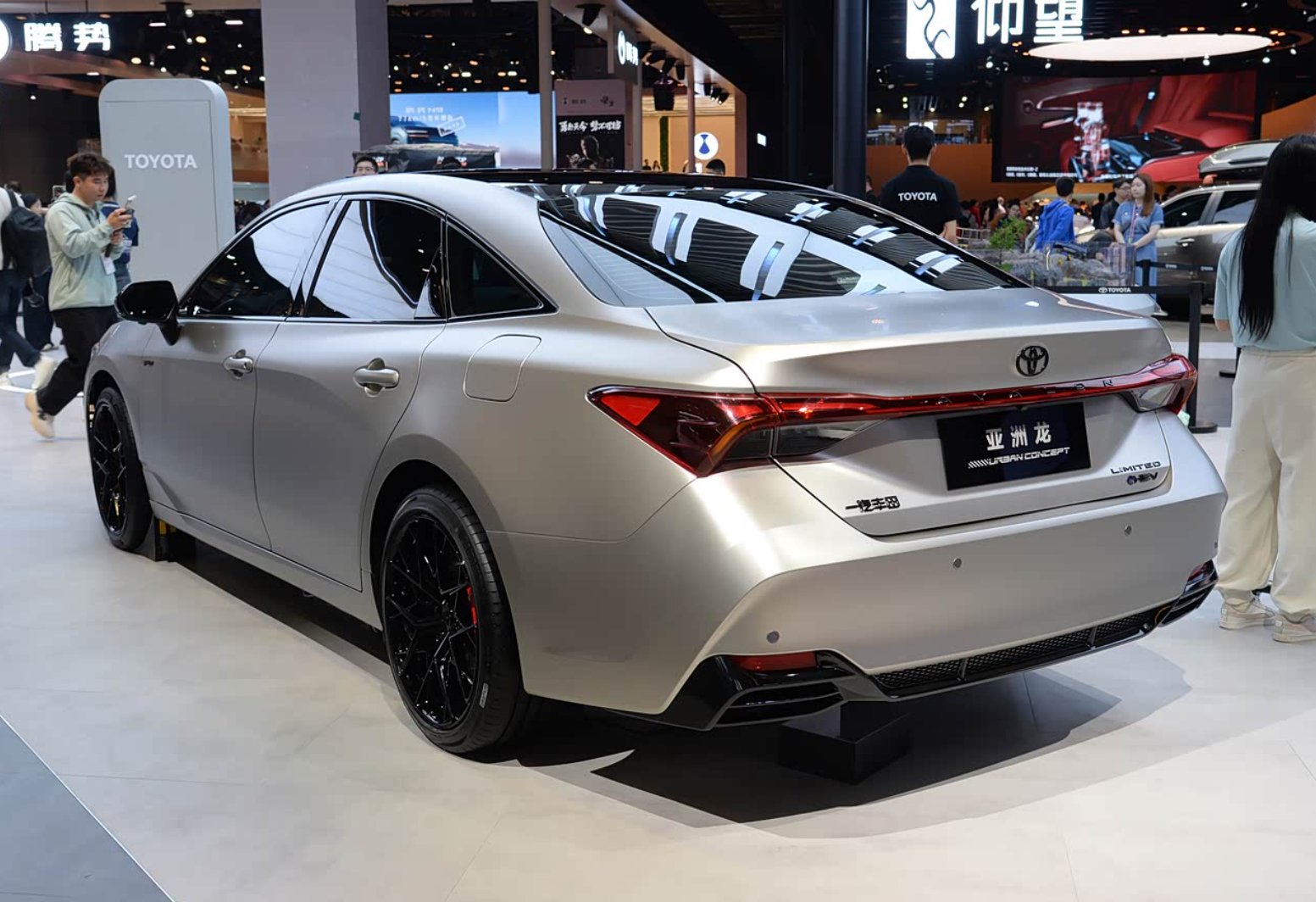
If you've been to a dealership to talk, you'll find that Toyota salespeople are straightforward now too—no fancy mandatory accessories or bundling tricks, fully transparent pricing. That's the real reason ordinary people are willing to open their wallets.
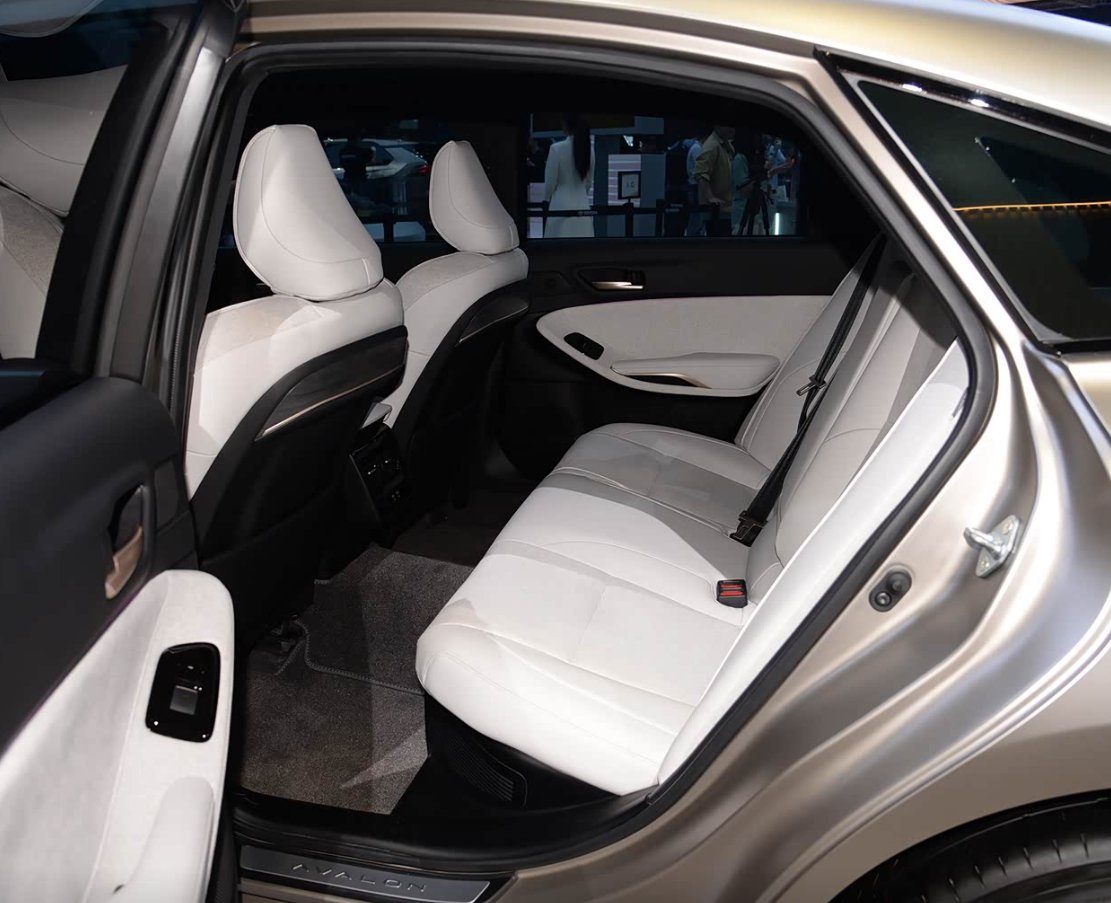
People who buy the Avalon are after that presence and practicality. A 4,990mm body length paired with a 2,870mm wheelbase—parked there in the flesh, it won't let you down for business receptions, and it's spacious enough for family commuting.
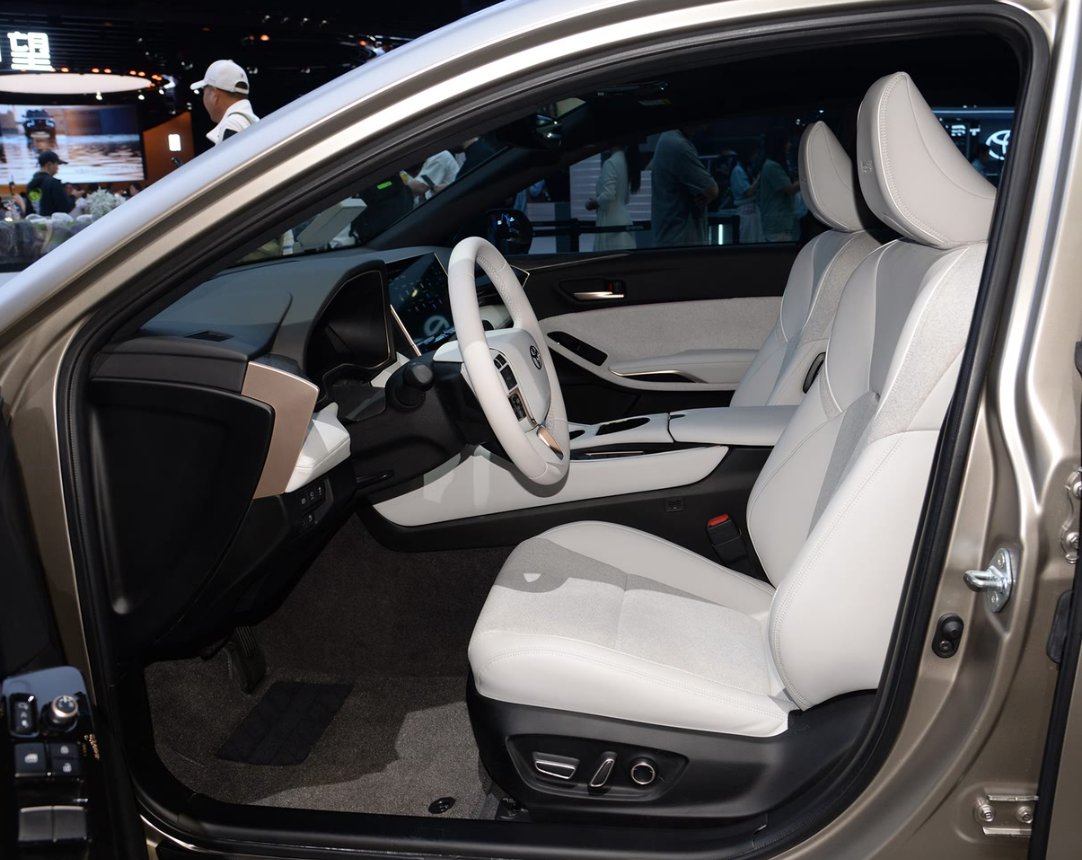
Under the TNGA architecture, the chassis has a low center of gravity, the seat cushioning is especially thick, and thigh support is spot-on—on long road trips, elderly family members won't easily get backaches.
The hybrid version's battery pack now has an optimized location and doesn't encroach on trunk space at all—strollers and several large suitcases can go in freely.
On the powertrain side, I think it needs to be broken down carefully. The 2.0L pure gasoline version paired with a CVT gearbox is all about being tough and durable—fill it with 92-octane cheap fuel, and maintenance is so cheap it makes you laugh.
But don't expect any push-you-back-into-your-seat sensation—city driving is absolutely smooth, but if you want to get to 120km/h on the highway and then overtake, you'll need to give it some patience.
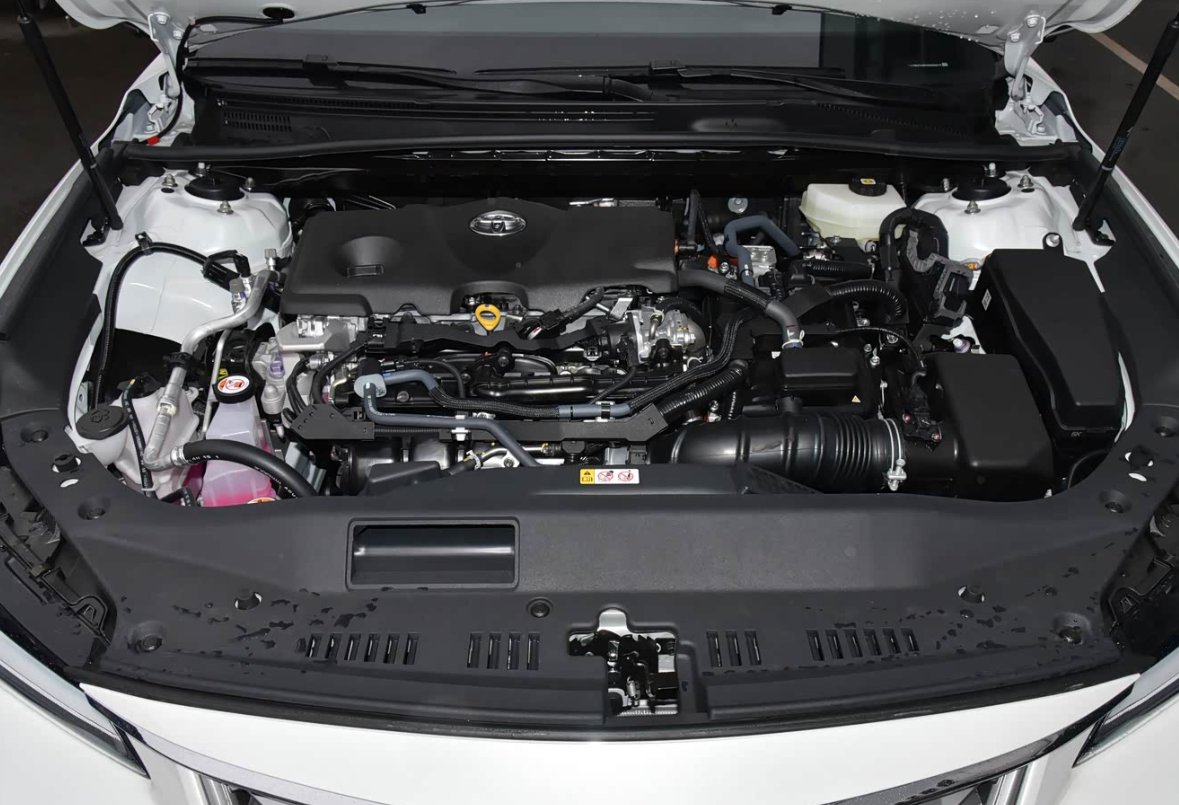
If your budget allows, I strongly recommend checking out the 2.0L dual-engine hybrid version equipped with the fifth-generation THS II system. At startup, the electric motor drives it—quiet and smooth.
Real owner feedback shows city fuel consumption is basically between 4.5 and 5 liters per 100 kilometers—one tank of gas easily goes over a thousand kilometers.
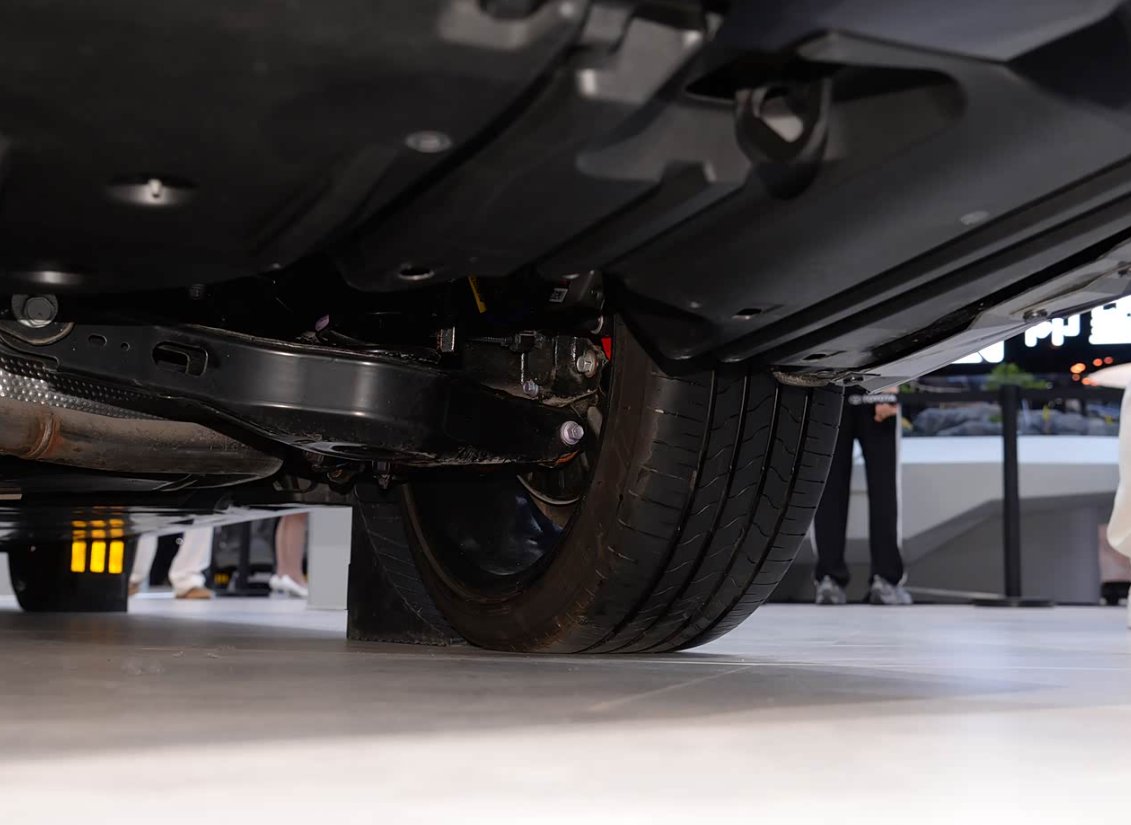
The chassis tuning is a typical front MacPherson plus rear multi-link setup, biased toward comfort but with plenty of resilience—it handles speed bumps crisply, without that floaty boat-like feel.
On the equipment front, Toyota has really maxed out the safety skill points this time. The entire lineup comes standard with 10 airbags and the TSS 3.0 smart safety package. Full-speed-range ACC, active braking, and lane centering are all included.
Driving home for the holidays on a long highway trip, turn on the driver assistance and your right foot will save a lot of effort. The infotainment system supports CarPlay and other connectivity—navigation and music are completely sufficient. But if you expect it to chat with you or play games like the new EV makers' systems, that's asking a bit too much.
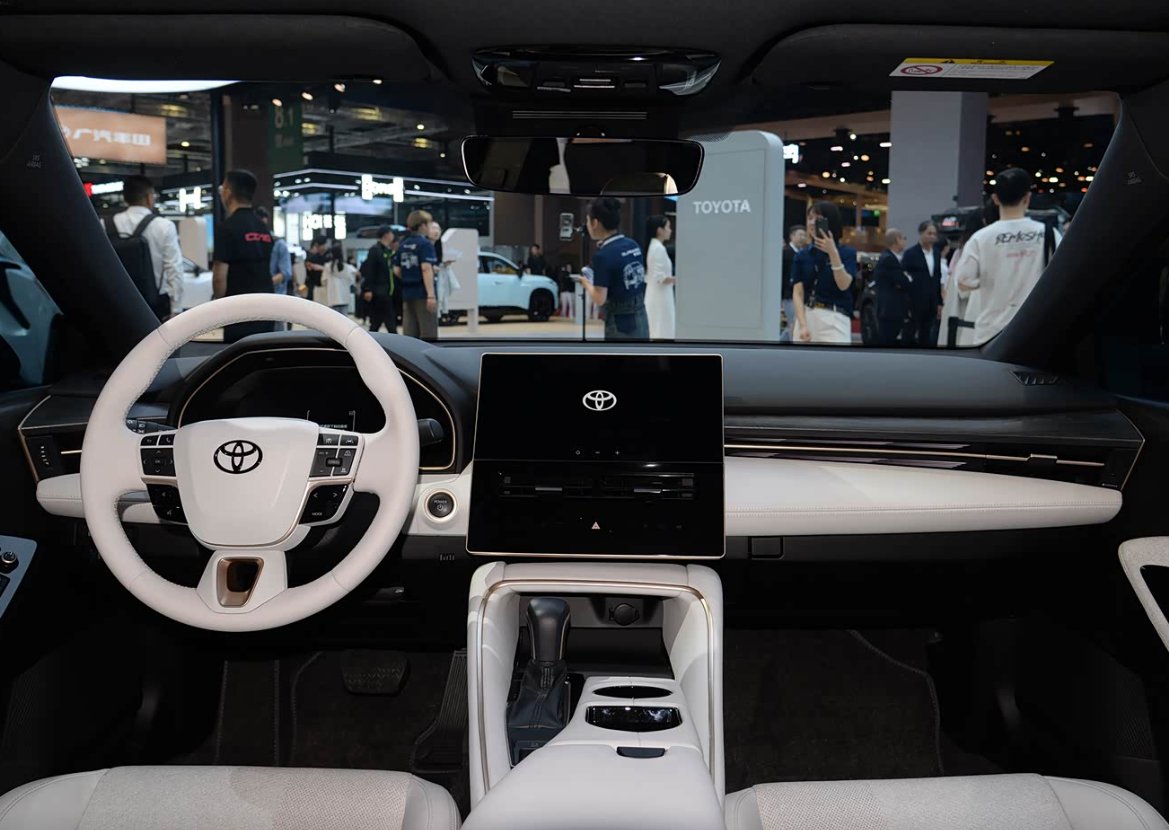
The Avalon's positioning is now very clear—it's a solid, worry-free, durable, and spacious family car.
Getting a Toyota B+ segment sedan for just over 130,000 yuan—that was unimaginable just a few years ago.
If you have a budget of around 150,000 yuan and want a car that can steadily accompany you through daily life, go test drive the Avalon—this veteran's foundations might surprise you, and who knows, you might just pick it.


