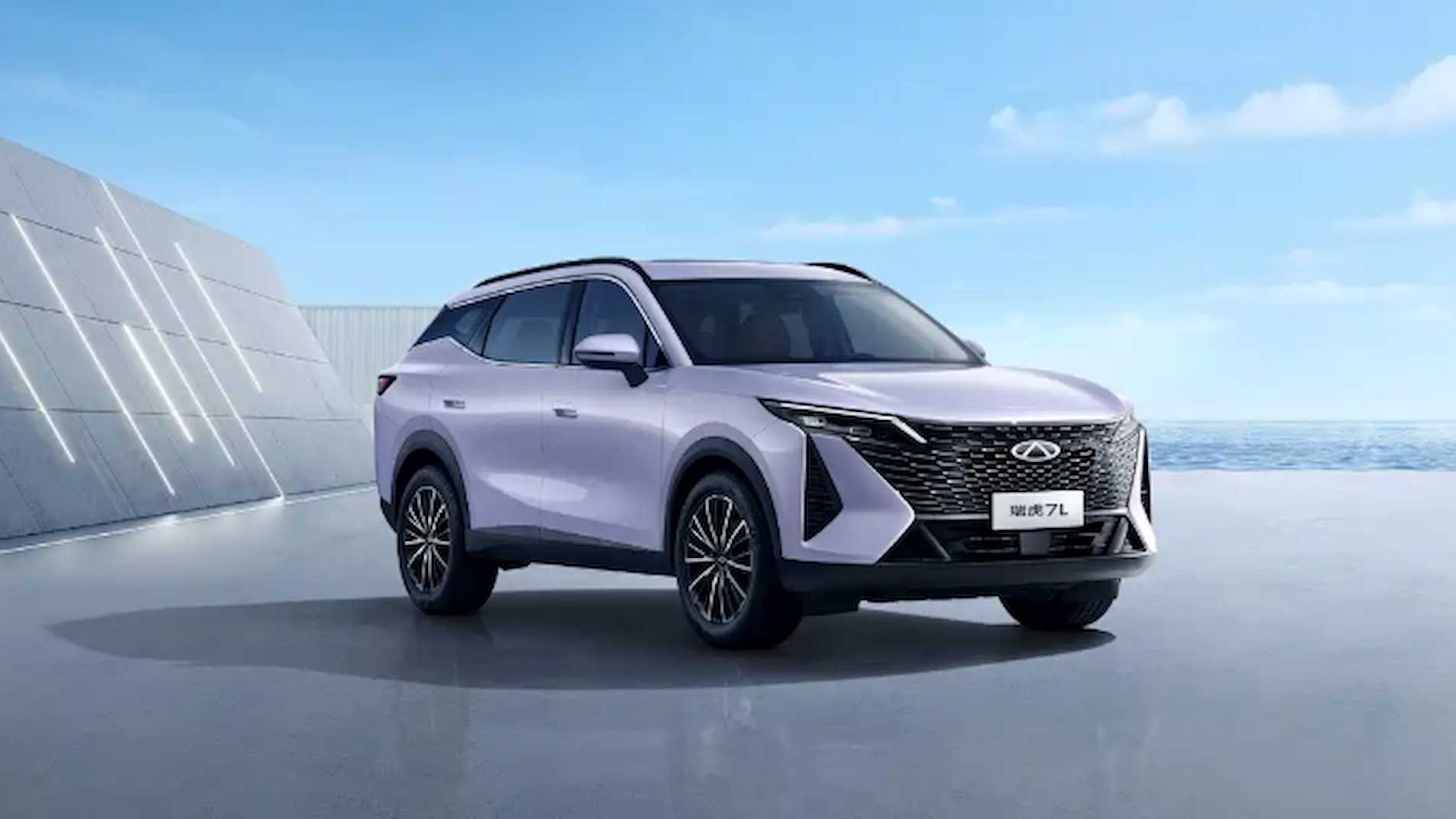
Let's talk about the Chery Tiggo 7L, whose official images just dropped—I find it pretty interesting.
Honestly, in 2026, when everyone's going all-in on plug-in hybrids and pure EVs, Chery actually rolled out a pure gasoline compact SUV.
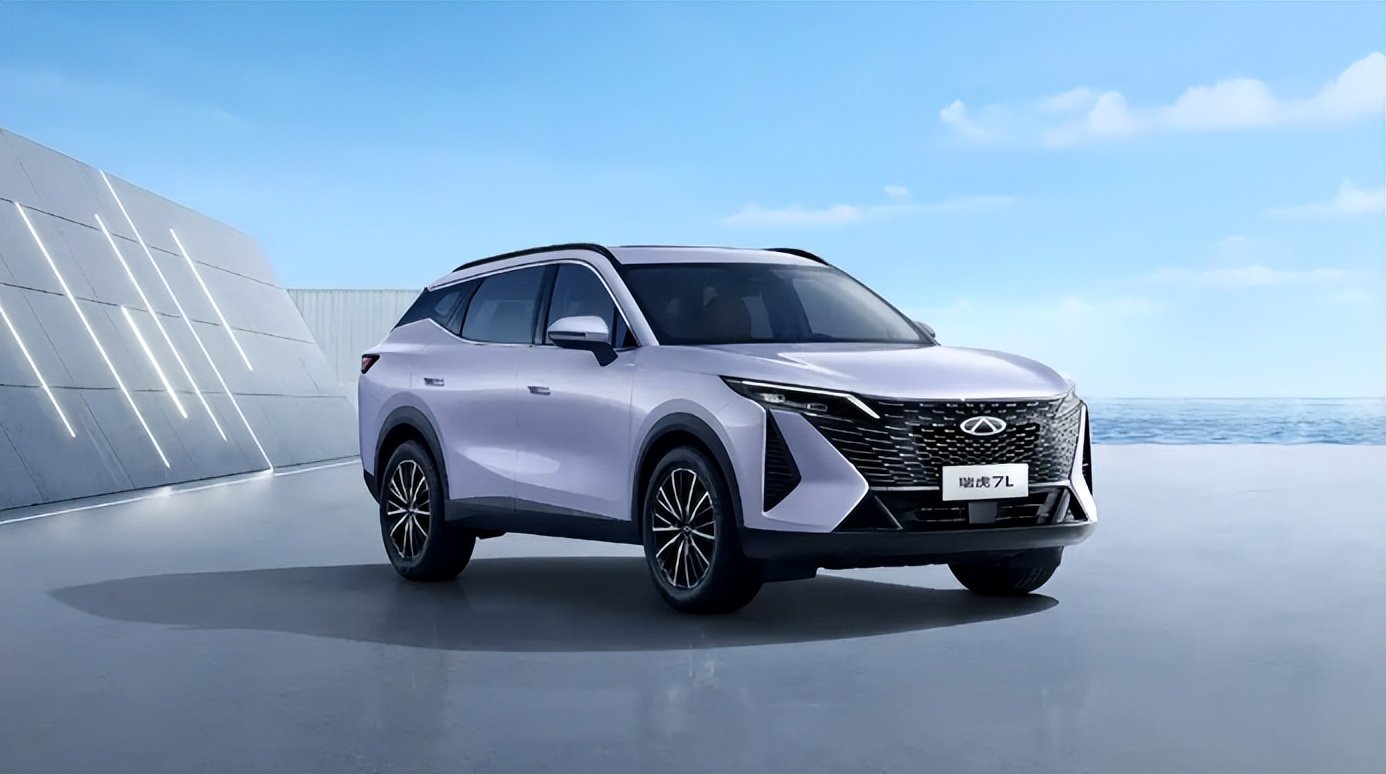
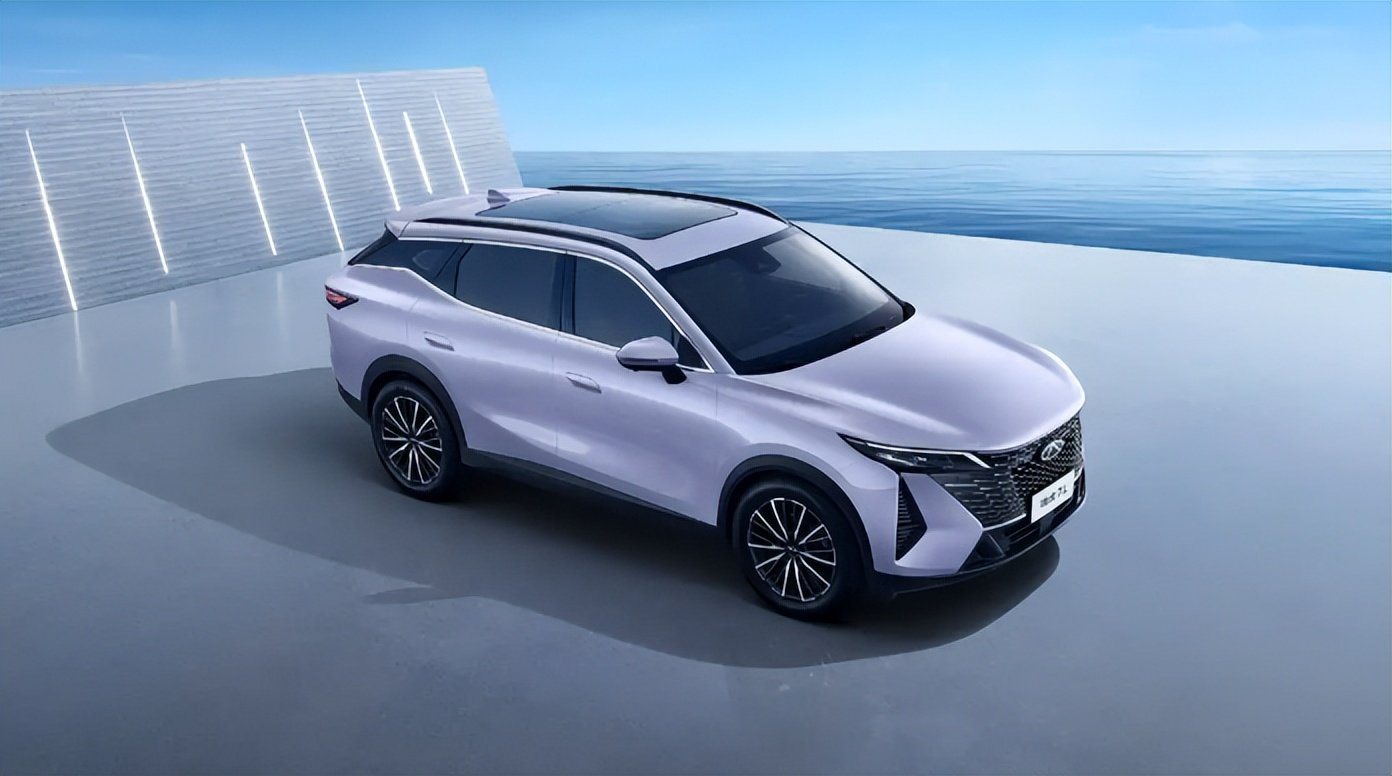
Let's look at this face directly. The Tiggo 7L uses Chery's "Natural Power Aesthetics" design language, and that frameless large grille is still retained.
Honestly, this kind of design works really well on a gasoline car—it widens the visual center of gravity of the whole vehicle, and paired with the boomerang-style daytime running lights on both sides, that sense of imposing presence when parked by the roadside immediately comes through.
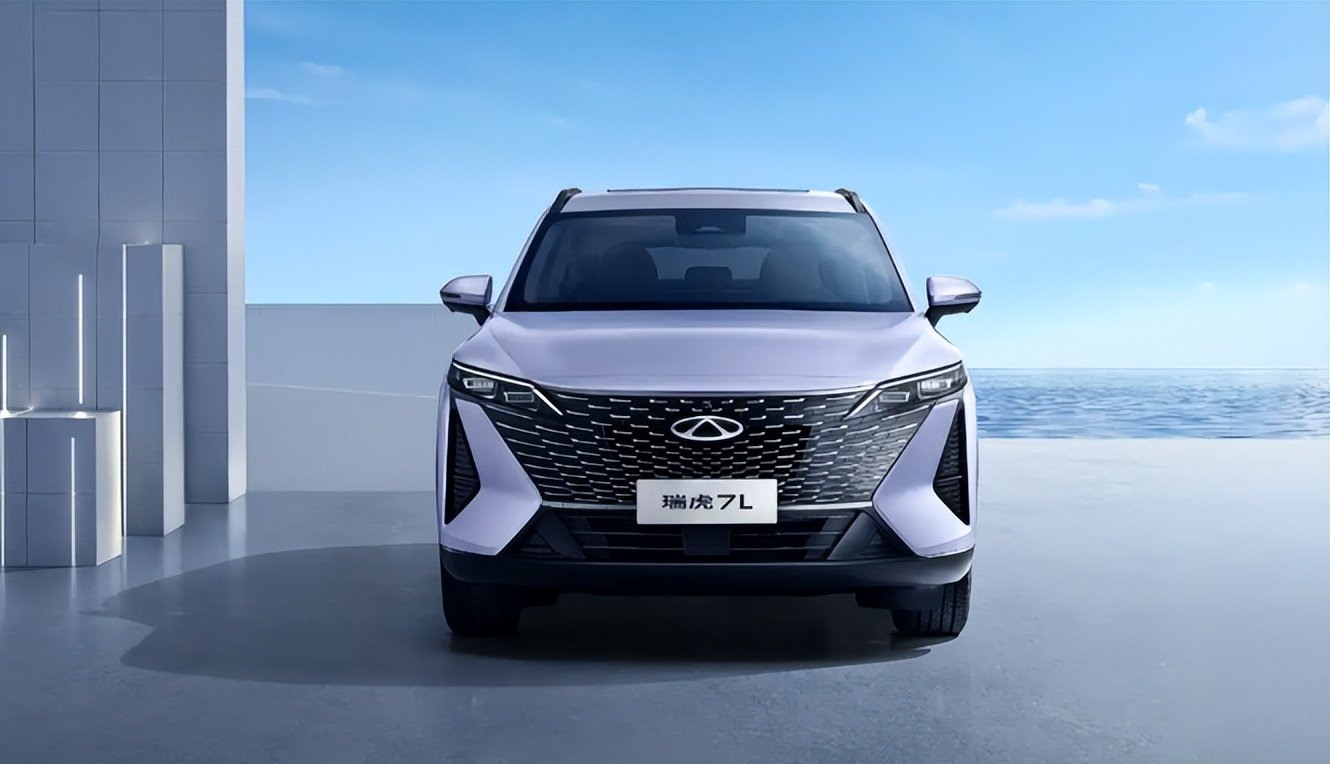
For buyers of SUVs at this level, who wouldn't want their car to look a bit more imposing?
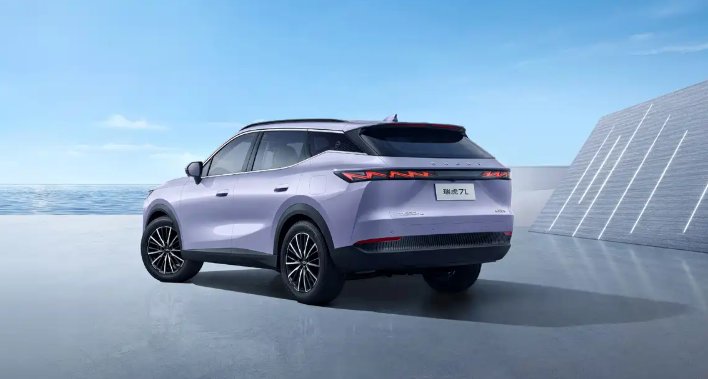
The floating roof and semi-hidden door handles on the side follow current trends, and the full-width wavy taillight at the rear has extremely high recognition when lit up.
What are the highlights inside? The amber brown interior color scheme plus extensive soft-touch materials—Chery really spent money on creating a nice atmosphere this time.
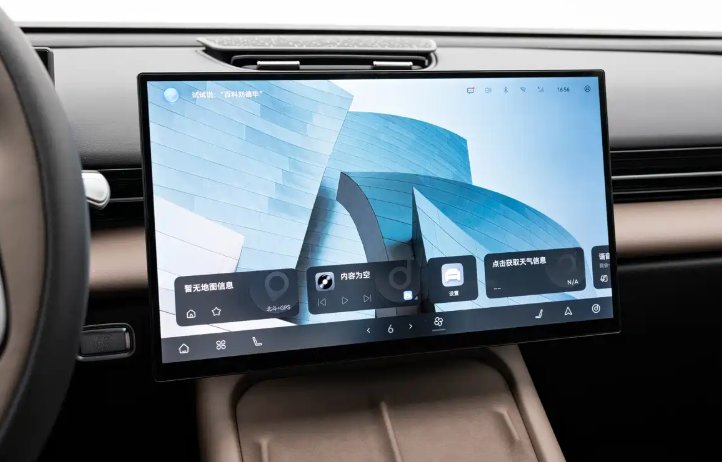
That large floating screen on the center console is quite eye-catching, but what I most want to give the engineers a raise for is that they actually kept physical buttons!
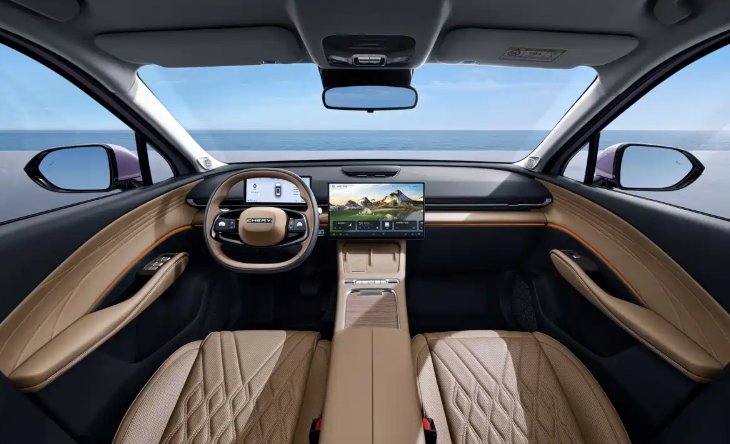
Guys, blindly operating the air conditioning and volume is a real necessity while driving—those designs that stuff all functions into the screen are genuinely not user-friendly, and they really should come learn from this.
There's also an extremely subtle but very practical engineering detail on this car—it uses a column shifter. A pure gasoline car with a column shifter directly liberates the space in the center armrest area entirely.
You can look at that island console—the wide wireless phone charging pad plus hidden cup holders make it super convenient to toss your keys or grab a milk tea on a daily basis. This kind of consideration based on real-life scenarios is far more sophisticated than simply piling on features.
As for the powertrain, although the officials are still keeping it under wraps, it's most likely the 1.6T turbocharged engine from the Tiggo 7 PLUS. 197 horsepower, 290 N·m of torque.
I'm really familiar with this powertrain—when I did an in-depth test drive before, its low-end torque performance was very solid. In stop-and-go city traffic during morning and evening rush hours, starting off and following the car ahead is not sluggish at all. And on the highway, the mid-to-high-end power reserve is completely sufficient.
As for the real fuel consumption that everyone cares about most, based on my usual driving style, this 1.6T gets about 8 to 9 liters per 100 kilometers in congested city driving, and can drop to around 6.5 liters on long highway trips.
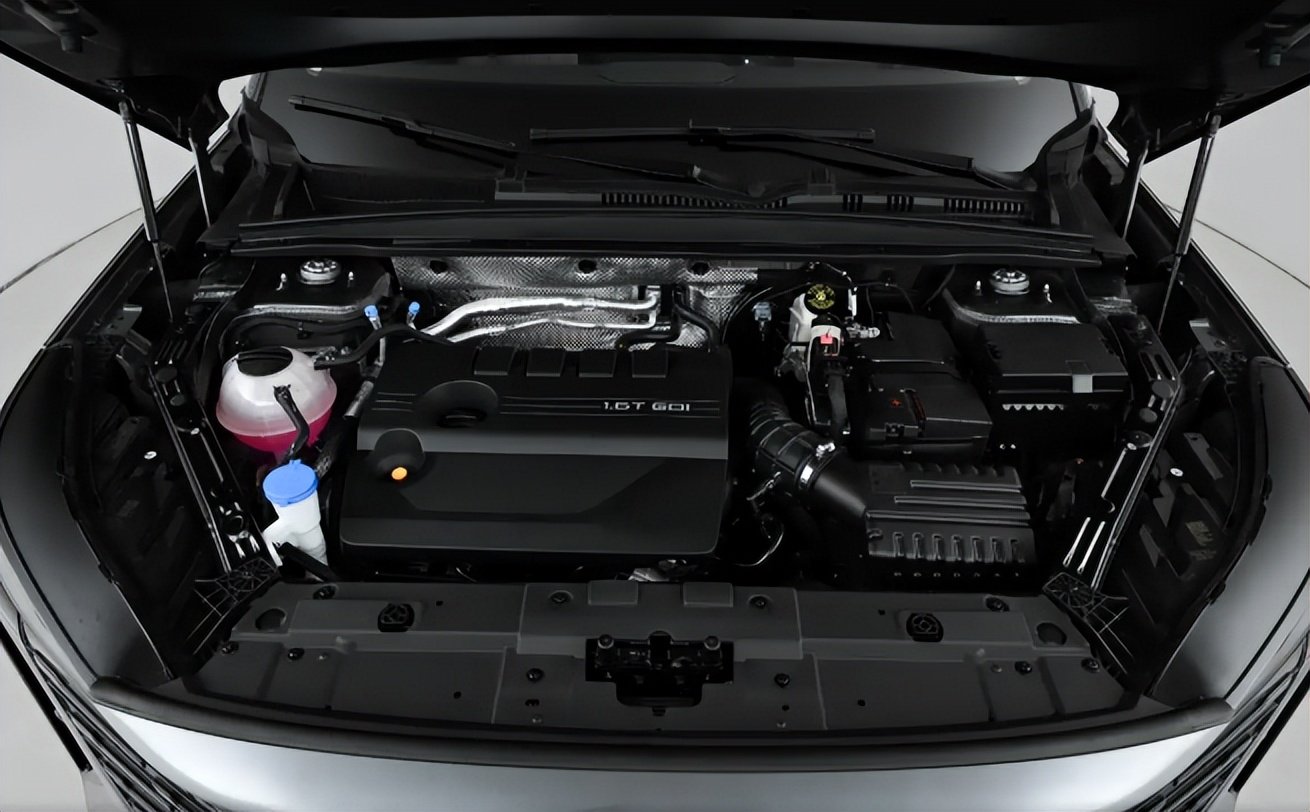
For a compact SUV that isn't light, this performance is absolutely what you'd call thrifty. Chery's technical reserves in engine thermal efficiency really can save owners from wincing at the gas station a few times.
Chery executive Li Xueyong previously made it very clear—the Tiggo 7 series is all about being a value benchmark, taking the ultimate cost-effectiveness route.
The positioning of this Tiggo 7L is very precise—it claims to redefine the new aesthetic standard for A-segment SUVs, but deep down it's absolutely not aimed at geeks chasing extreme push-back acceleration or cutting-edge smart driving.
It's tailor-made for people living in second- and third-tier cities, where charging conditions aren't so convenient, who need a tough, durable, and spacious enough first family car.
Launching in Q1 2026, the Tiggo 7L's mission is clear—to use younger design and more practical space to capture those pragmatic consumers who still hold their ground in the gasoline car camp.
Whether a car is good or not shouldn't just depend on whether it's electrified—the key is whether it perfectly fits your lifestyle.
This Tiggo 7L—I'd say it works! How much do you think this car should be priced at to win you over?


