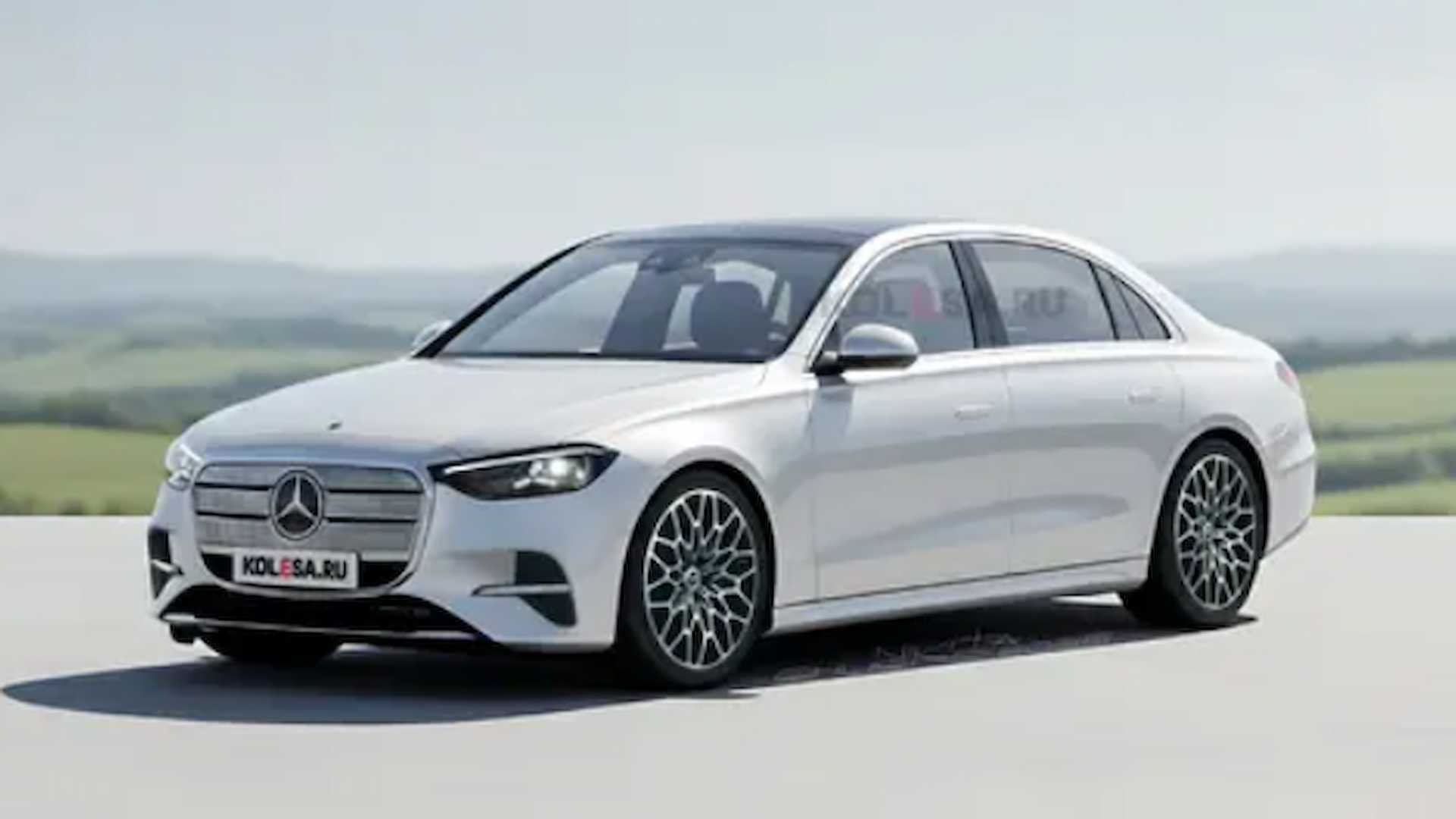
Mercedes finally bowed its head!
That "bow-shaped body" design that looked like a mouse, like a flattened steamed bun, and was mocked by countless people as ugly beyond belief is finally going to roll into the trash heap of history.
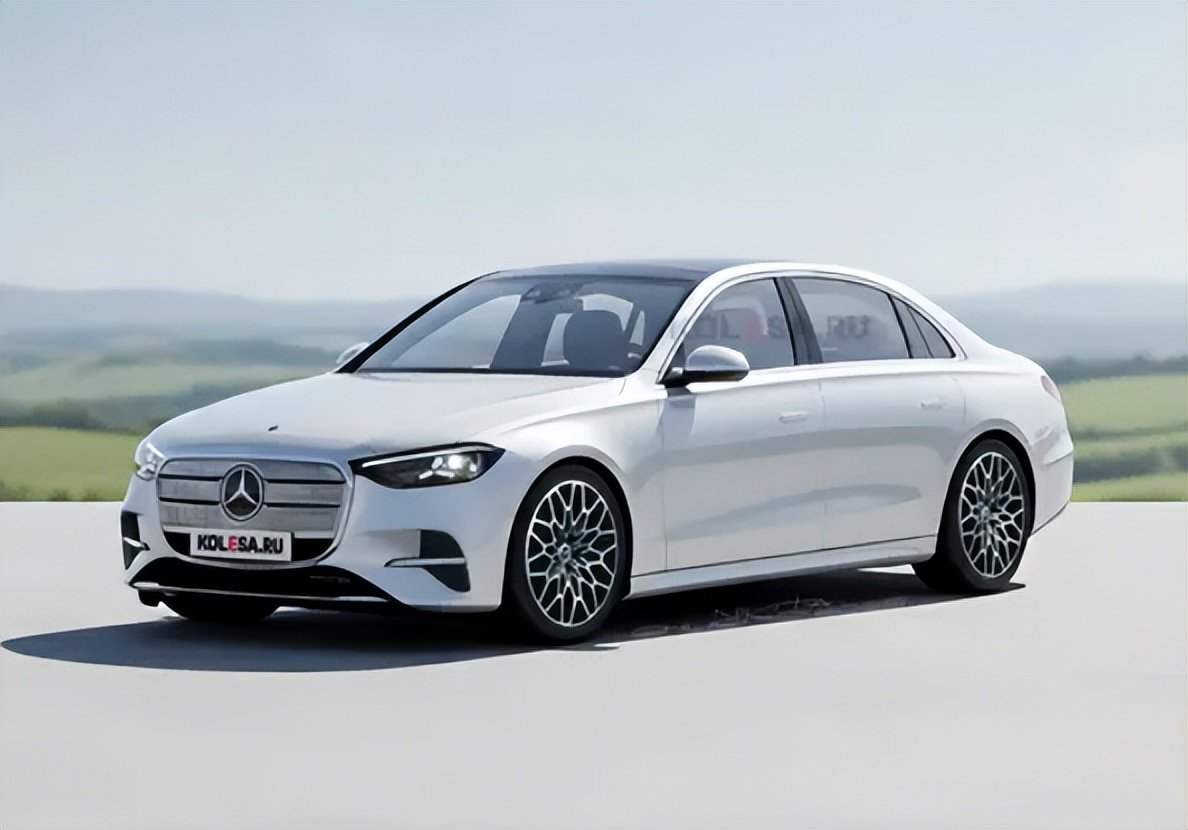
Look at this latest set of spy shots and renderings—Mercedes' designers have finally drained the water out of their brains and realized that people buying at the E-Class price point want a dignified sedan, not a freak that sacrifices everything for drag coefficient.
The current EQE's visibility on the road is pitifully low, and dismal sales are the loudest slap in the face to that failed design. The core change in this newly exposed next-generation model is that it's waving the white flag.
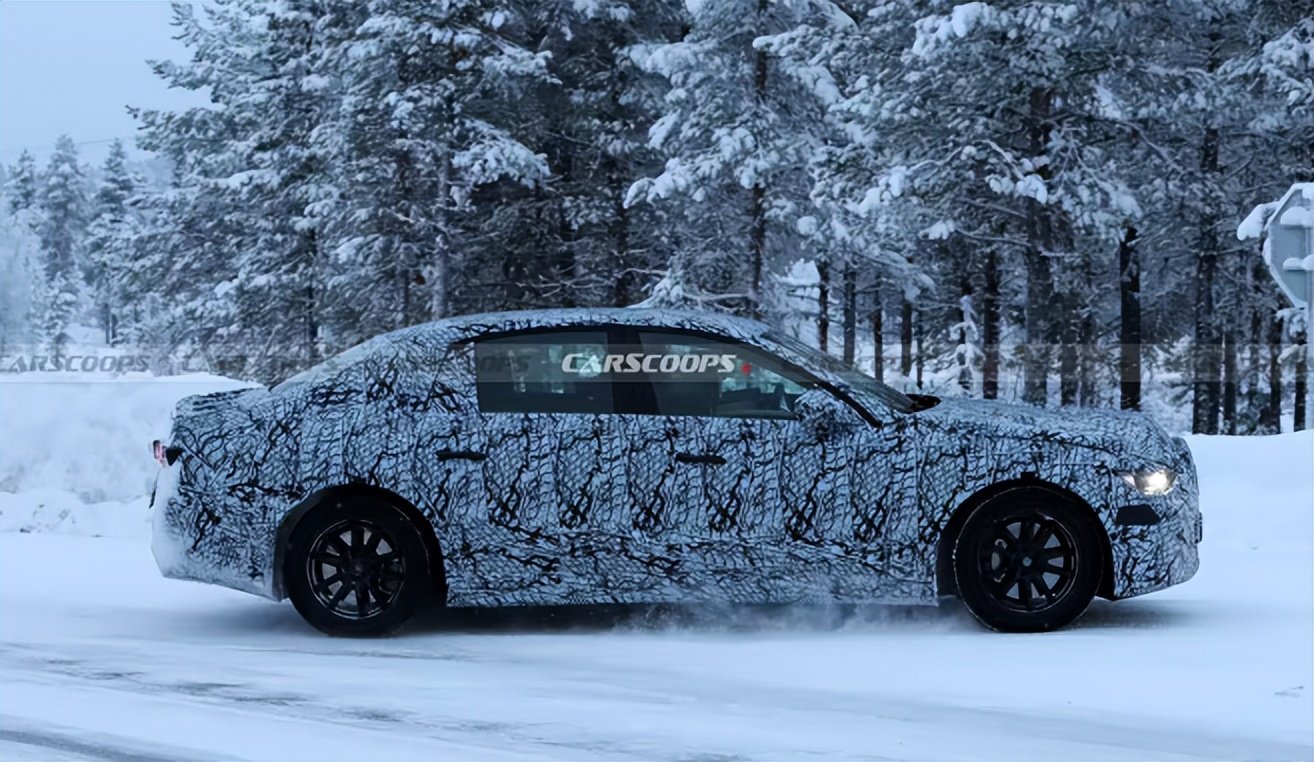
The front end is no longer stubby like a van, and the hood has a normal length and height.
That big-mouth grille, though still closed off, is doing its utmost to move closer to the fuel-burning E-Class in styling.
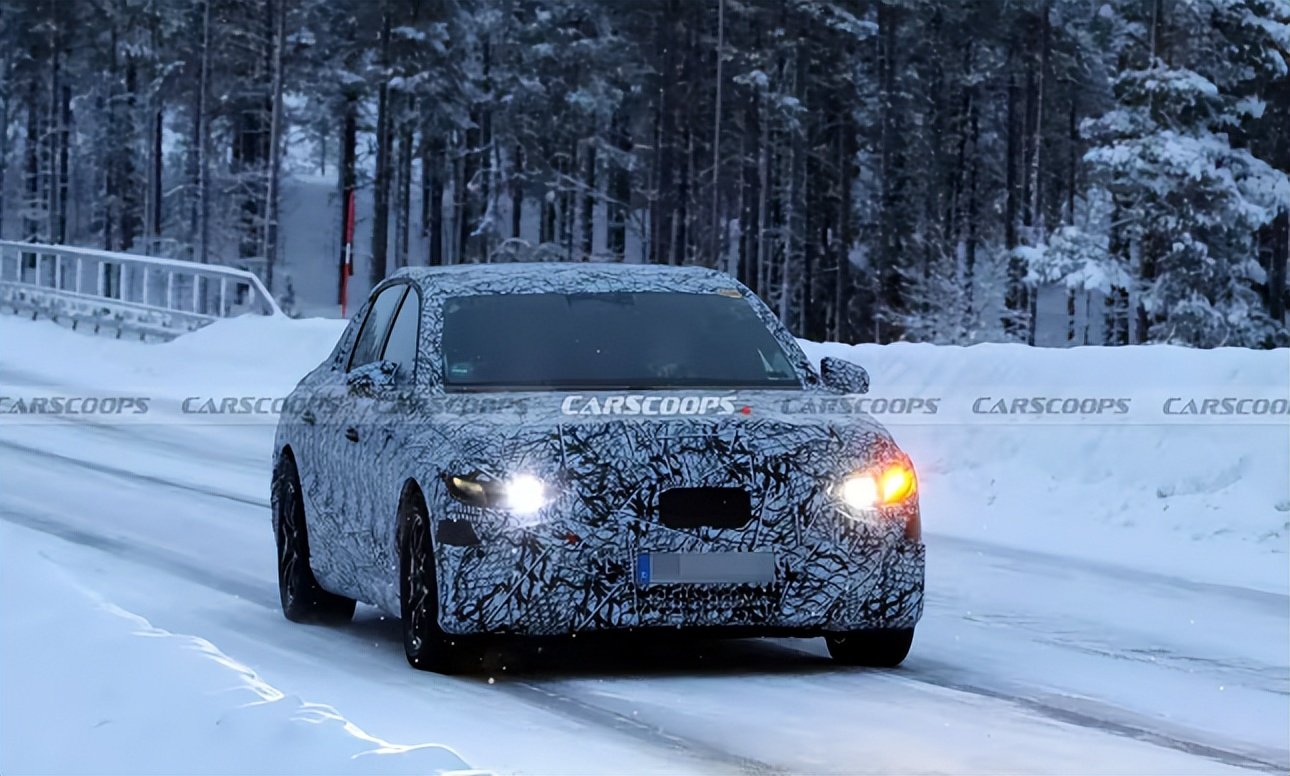
Multi-layered structure, stacked chrome strips—Mercedes now understands too: all that avant-garde tech vibe is illusory; writing the word "luxury" right on the face is the real business.
The side profile is finally normal.
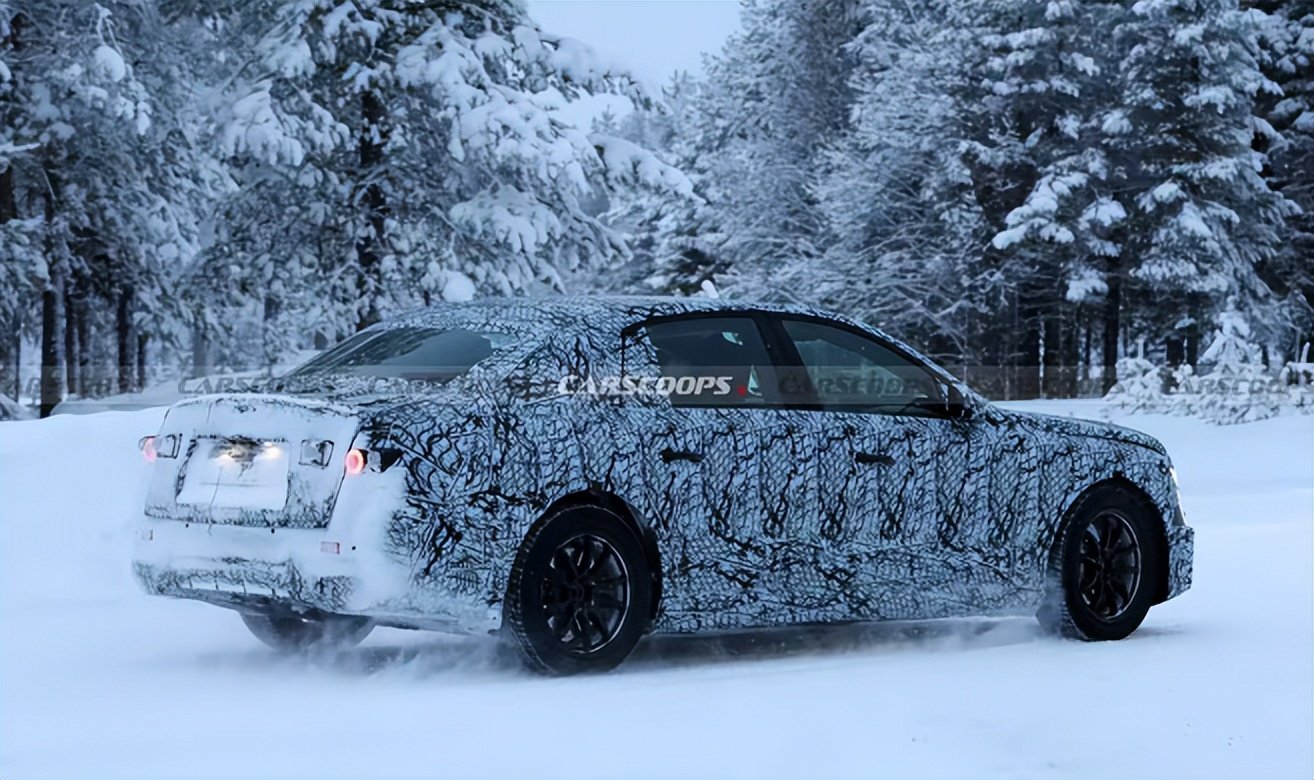
The current model's rear fastback roofline that forces you to hunch your neck when getting in is gone. The new car returns to a traditional three-box sedan structure, with the roofline extending flat toward the rear.
This isn't just a matter of looks—it's basic respect for rear-seat passengers.
Before, to squeeze out a pitiful bit of range, they compressed rear headroom to prison-like levels; now they're finally willing to change it back—so it still has some will to survive.
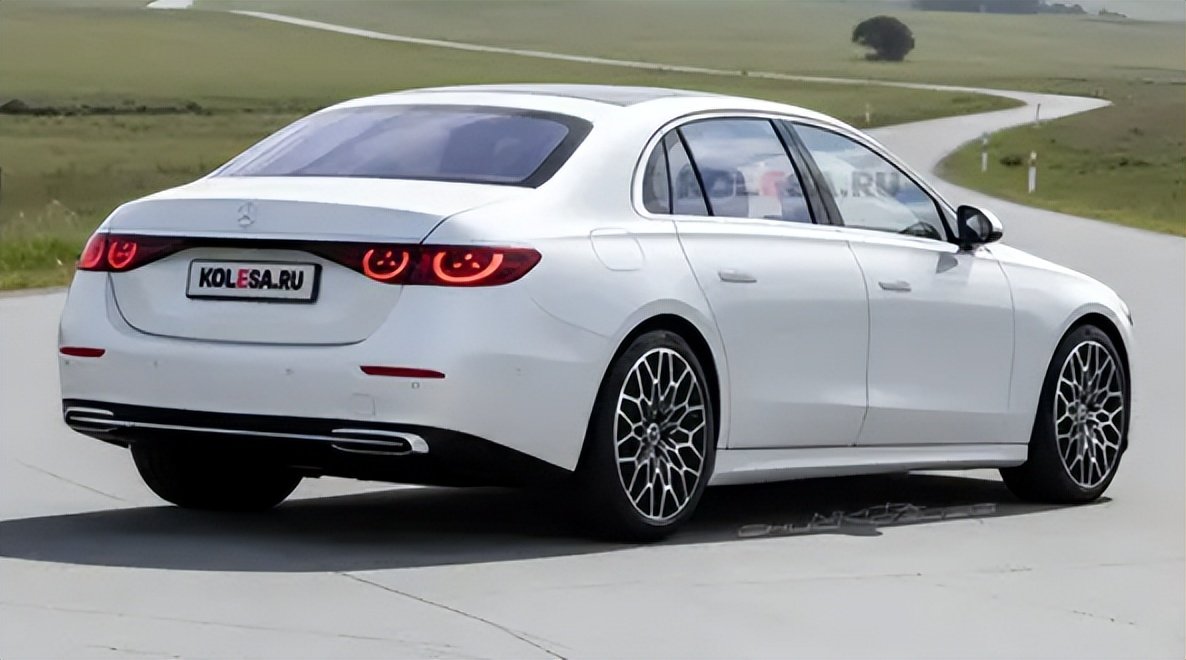
At the rear, the full-width taillight houses two three-pointed star patterns.
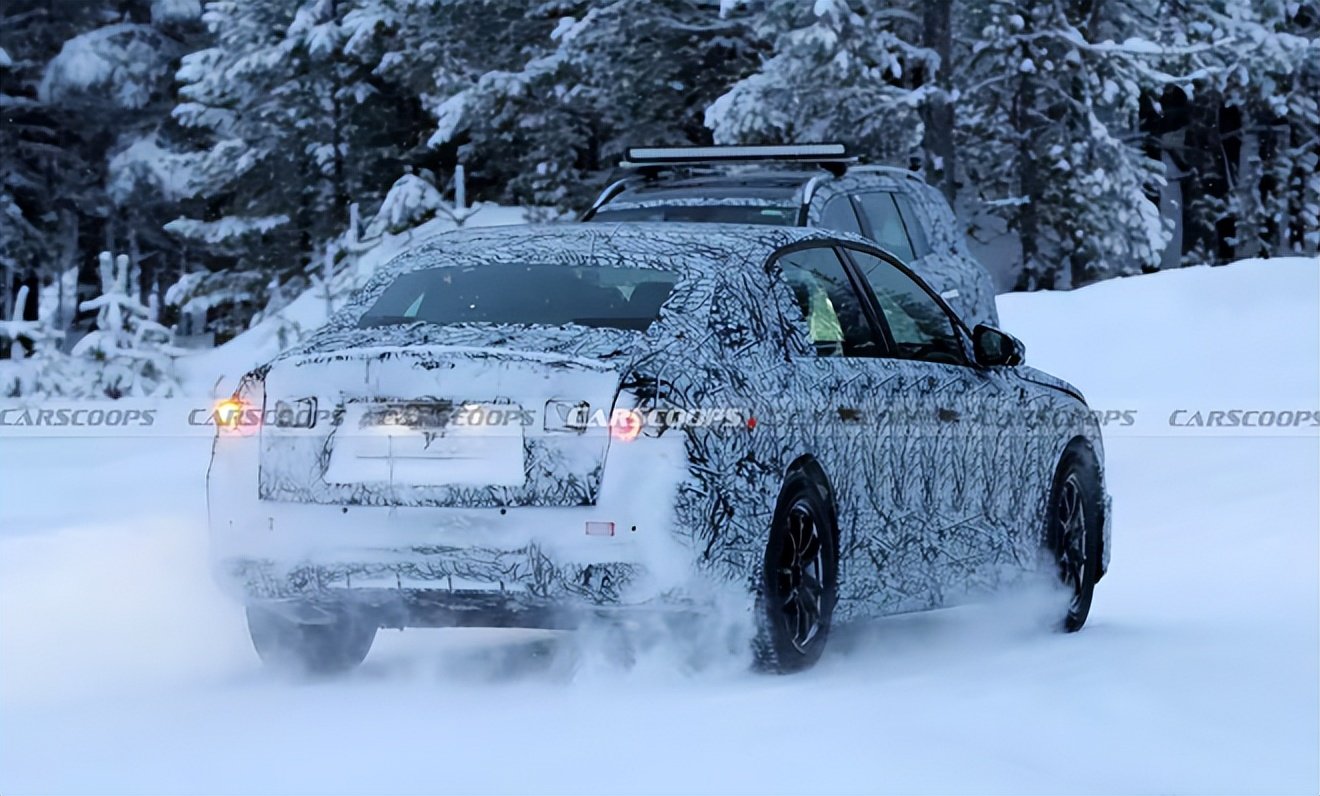
In recent years Mercedes has been especially fond of this sort of thing, as if it wants to print the logo all over the car for fear nobody knows it's a Mercedes.
Tacky as this design may be, it's genuinely highly recognizable at night. Compared with the current model's utterly forgettable rear end, this simple, brutal showing-off actually suits the target customer's taste better.
No need to guess the interior—it'll surely be that MBUX Hyperscreen setup again.
Three big screens laid out, nightclub-style ambient lighting switched on—it will certainly draw plenty of people in.
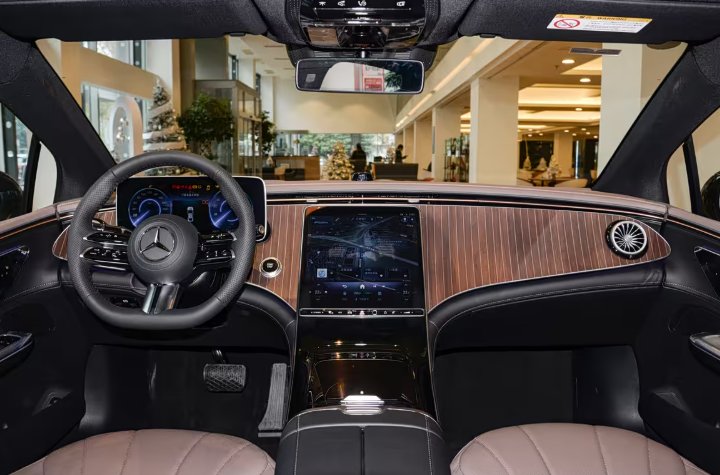
But don't forget, domestic Chinese cars have long since pushed screens and infotainment systems to the sky; this Mercedes setup was a bombshell a few years ago, but now it's merely passing grade.
The funniest part is the timeline.
Word is this car won't debut until 2027. 2027? It's 2026 now, and domestic EV iteration cycles are measured in months.
By the time this car hits the market, 800V high-voltage platforms will already be commonplace—possibly even outdated.
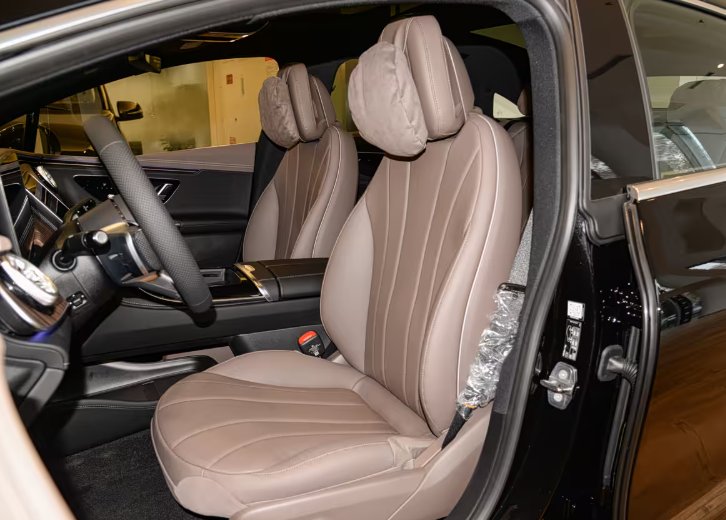
Only now thinking about 800V and a rear single-motor entry variant—this spec sheet would be considered slow even today, so what will they fight with two years from now?
The emergence of this car proves Mercedes' utter confusion in its pure-electric strategy.
At first it wanted to teach consumers about aesthetics, rolling out a bunch of round pebbles, but the market simply didn't buy it.
Now it's panicking and hurriedly slipping the fuel-car shell back on, trying to salvage sales with traditional aesthetics. This wavering, losing-all-footing posture—where is the dignity of the inventor of the automobile?
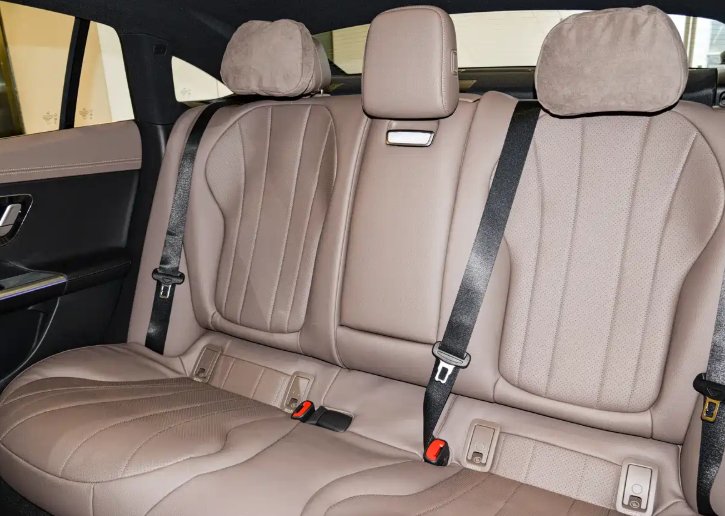
Once this car launches, relying on Mercedes' three-pointed star badge, it might sell a bit better than the current model.
But to dream of recreating the dominance of the combustion era—dream on. By the time you dawdle and get the car built, the market will have already been devoured clean by those wolf-like new forces.
This isn't just a facelift—it's an awkward, helpless struggle of a traditional luxury giant in the wave of electrification.


