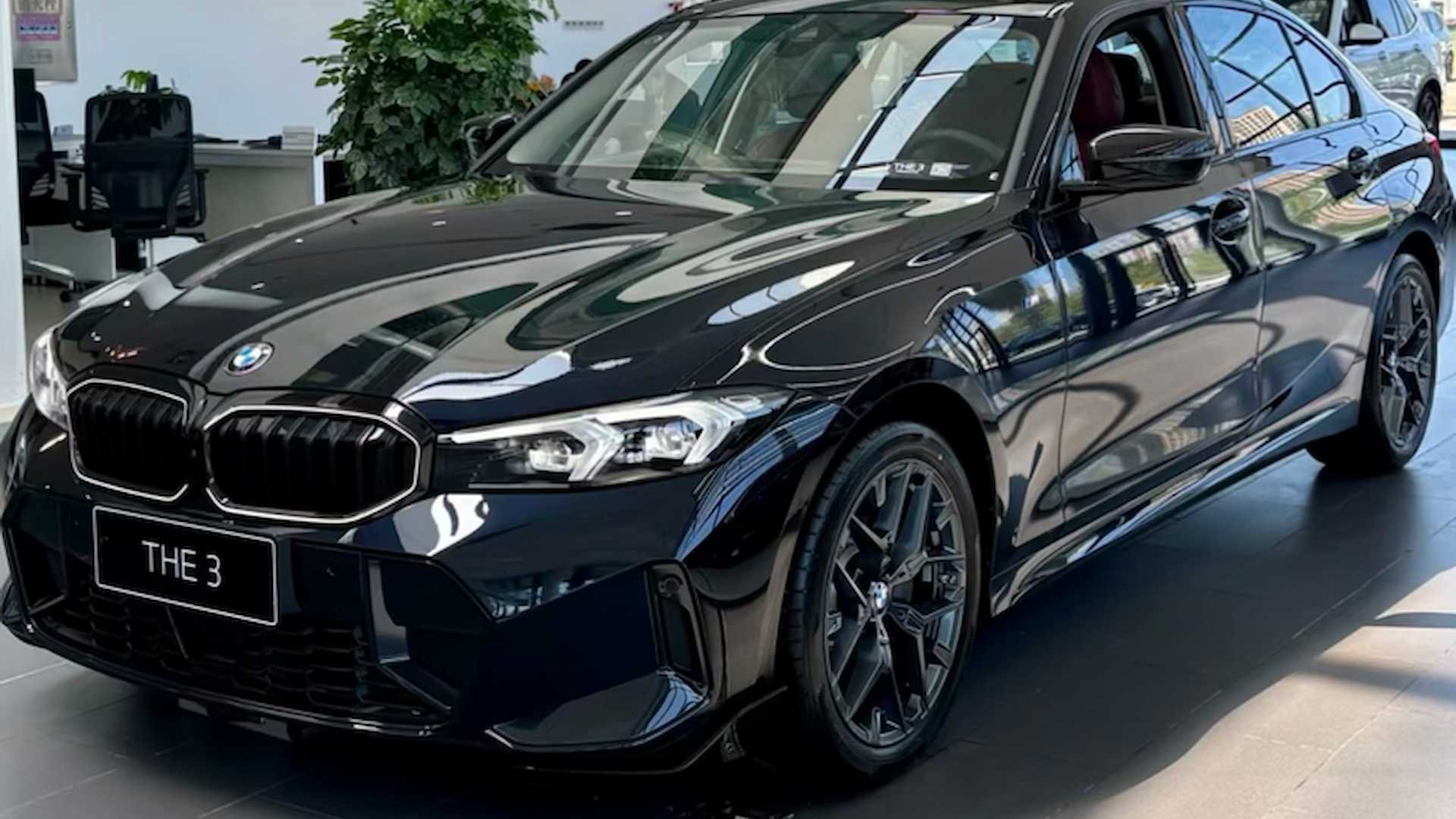
221,900 yuan! When you see this number, do you also scratch the back of your head as hard as I did?
What the heck? This is a BMW 3 Series we're talking about—the one that once required a markup and a waiting list, the sport sedan benchmark that countless young men and women dreamed about—and now it has lowered itself this much. Has the era really changed? Are the traditional luxury brands unable to hold on anymore?

To be fair, in this brutally cutthroat auto market, BMW's move is a complete lowering of its posture, delivering an extremely precise strike from above that lands right in the heartland of mainstream joint-venture mid-size sedans.
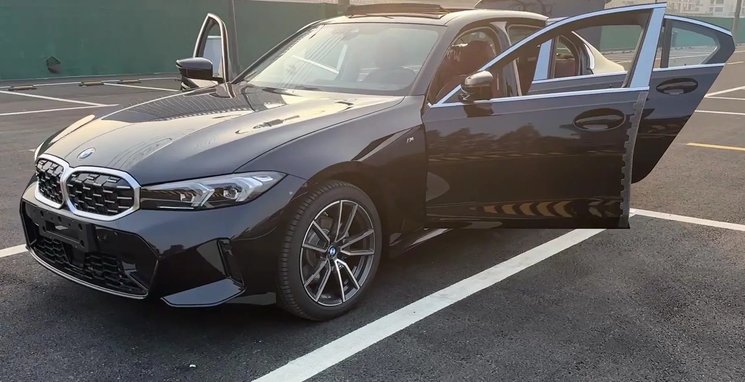
Walking around this car, you have to admit BMW's design mastery. That huge twin-kidney grille paired with the extremely slim, sharp inverted-L-shaped daytime running lights instantly gives the whole front end an aggressive edge.
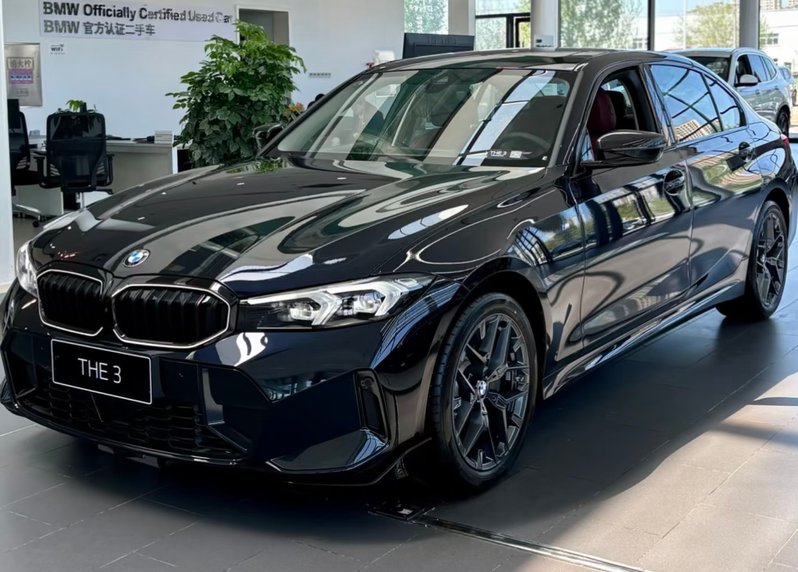
Take a closer look at the side. The classic proportions—short front overhang, long hood—are still so captivating. That inherent rear-wheel-drive stance is something front-wheel-drive-platform cars simply cannot imitate.
The sharp creases along the body, plus the signature Hofmeister kink at the C-pillar, mean that without even looking at the badge, anyone in the know can tell at a glance that this is a true-blue BMW.
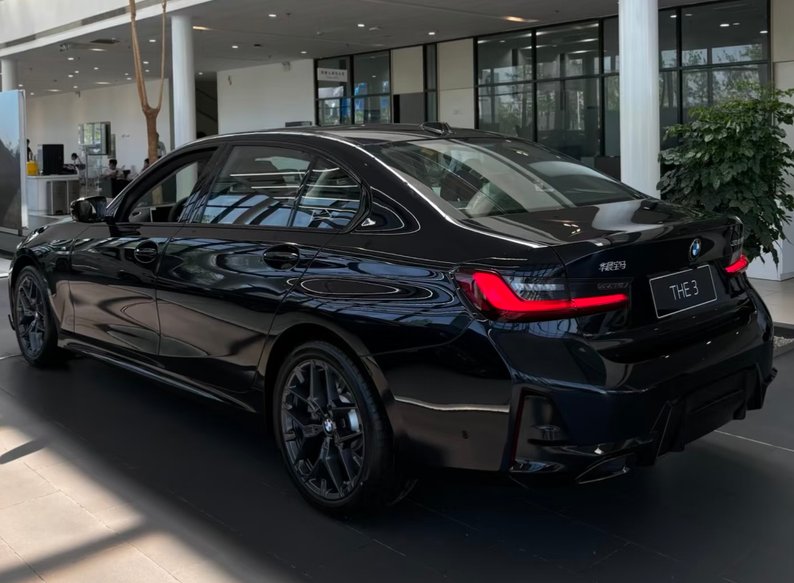
Open the door and sit in the back, and let's talk about the most loved-and-hated change on this long-wheelbase Li generation. The 2,961 mm wheelbase is no joke—spacious and comfortable.
Old-school Bimmer fans keep complaining that this generation of the 3 Series has gone soft and compromised toward comfort. Let me be brutally honest: who drives their car to the track to attack corners every day?
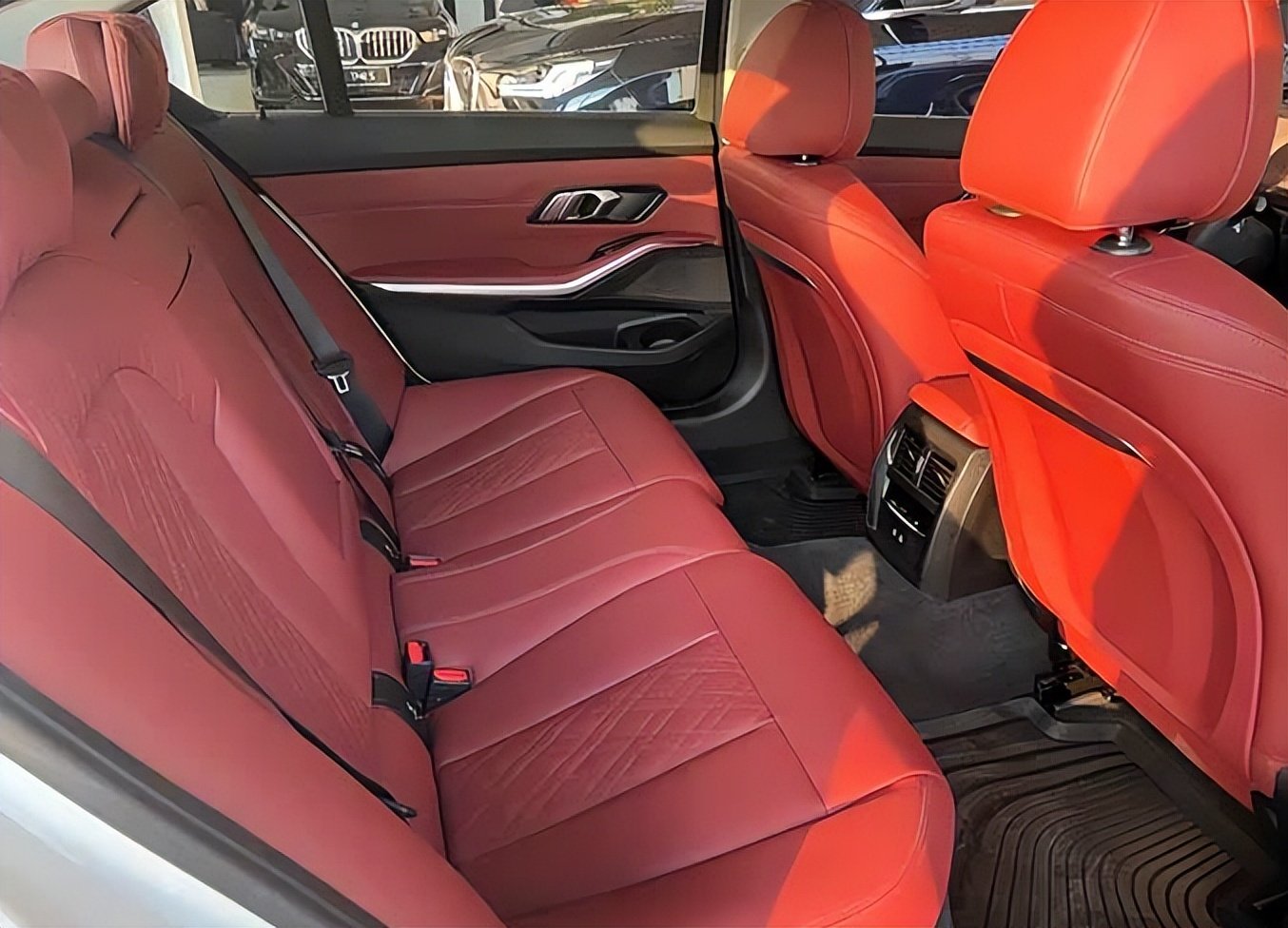
For the vast majority of real owners, sinking comfortably into wide, soft seats on the commute home and not feeling cramped in the back seat during a family weekend outing—that is the most practical, real-world need. It perfectly balances the dignity of family use and business travel.
Back to the front row: this interior is absolutely maxed out on tech feel. The 12.3-inch full digital instrument cluster and the 14.9-inch central control screen join into a single curved surface, delivering tremendous visual impact.
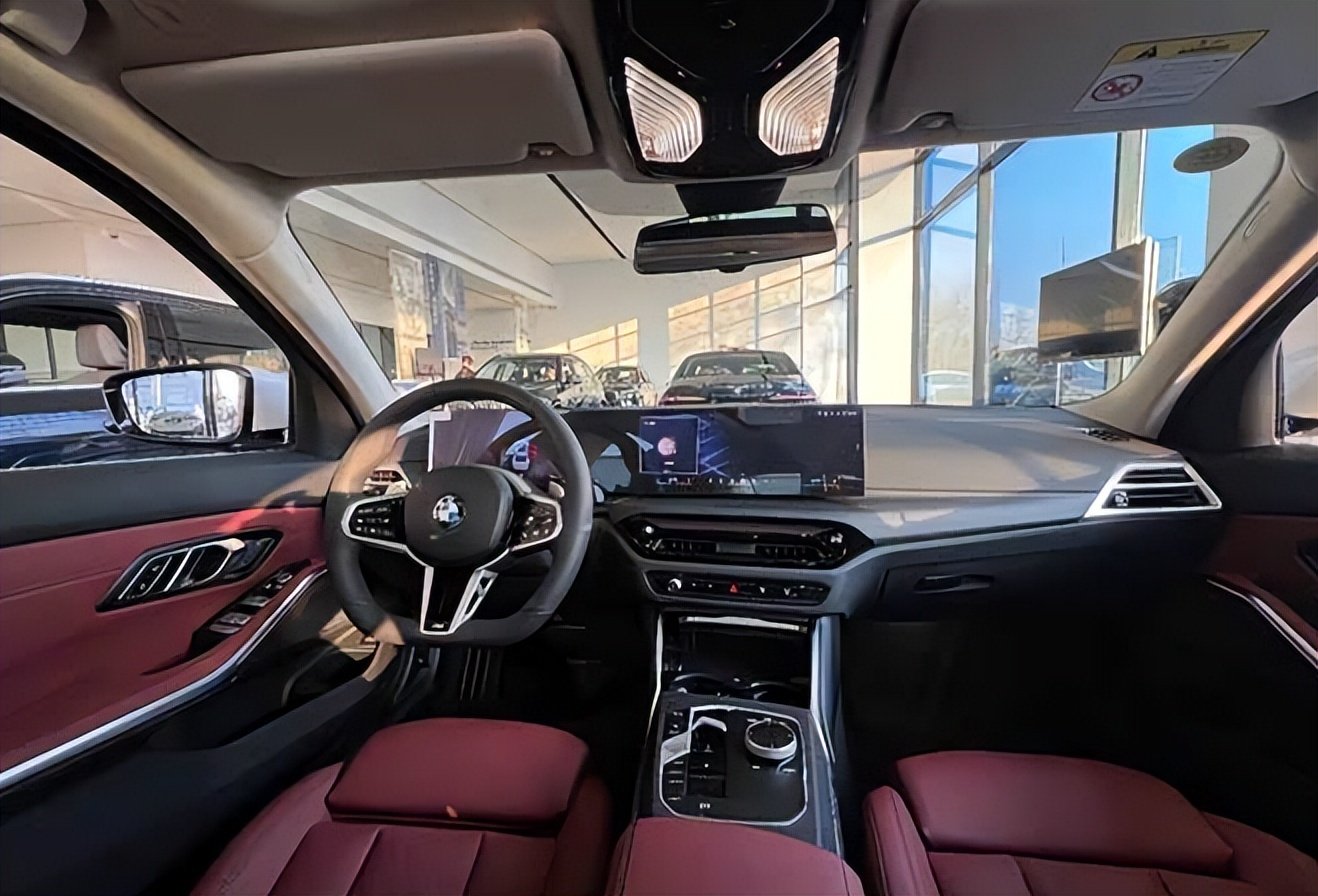
BMW also went all-in on intelligence, throwing in the Qualcomm Snapdragon 8155 chip, which together with the latest iDrive system makes touch and swipe as smooth as silk.
The voice control system genuinely surprised me—recognition accuracy can reach over 92 percent, and consecutive commands basically don't stutter.
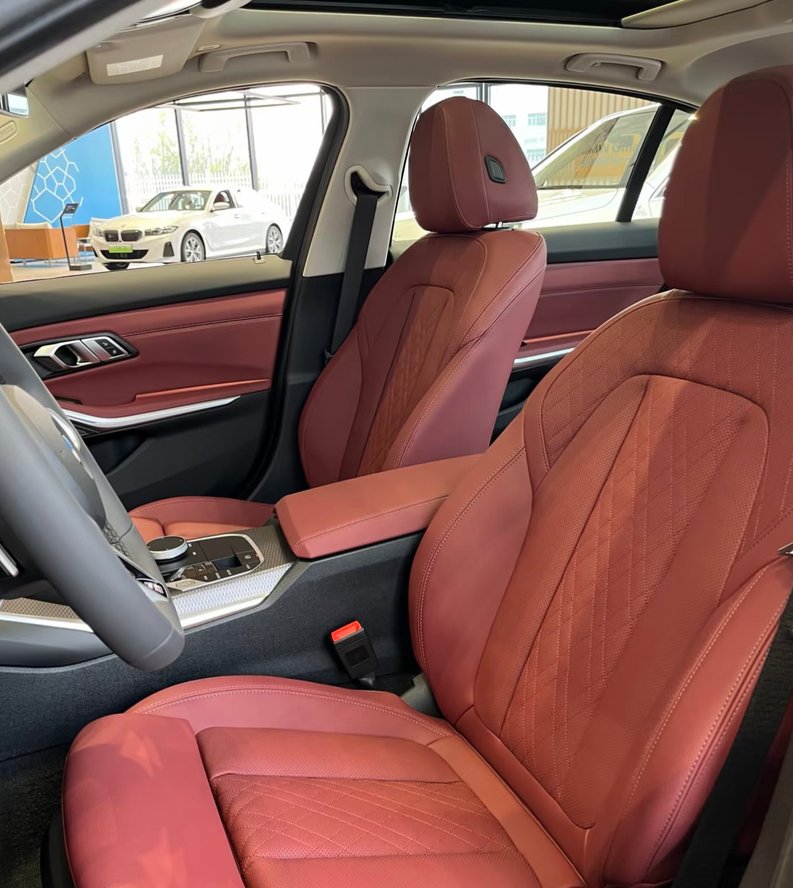
Full-speed adaptive cruise control and active braking are standard across the range, and higher trims add L2-level driver assistance and a HUD head-up display, with the entire electronic architecture supporting OTA updates.
In this era where new forces dominate, BMW's infotainment performance absolutely qualifies it as a top student among traditional automakers.
Open the engine bay: this B48-series 2.0T turbocharged engine paired with ZF's 8-speed automatic transmission is the golden combo of the longitudinal rear-wheel-drive world.
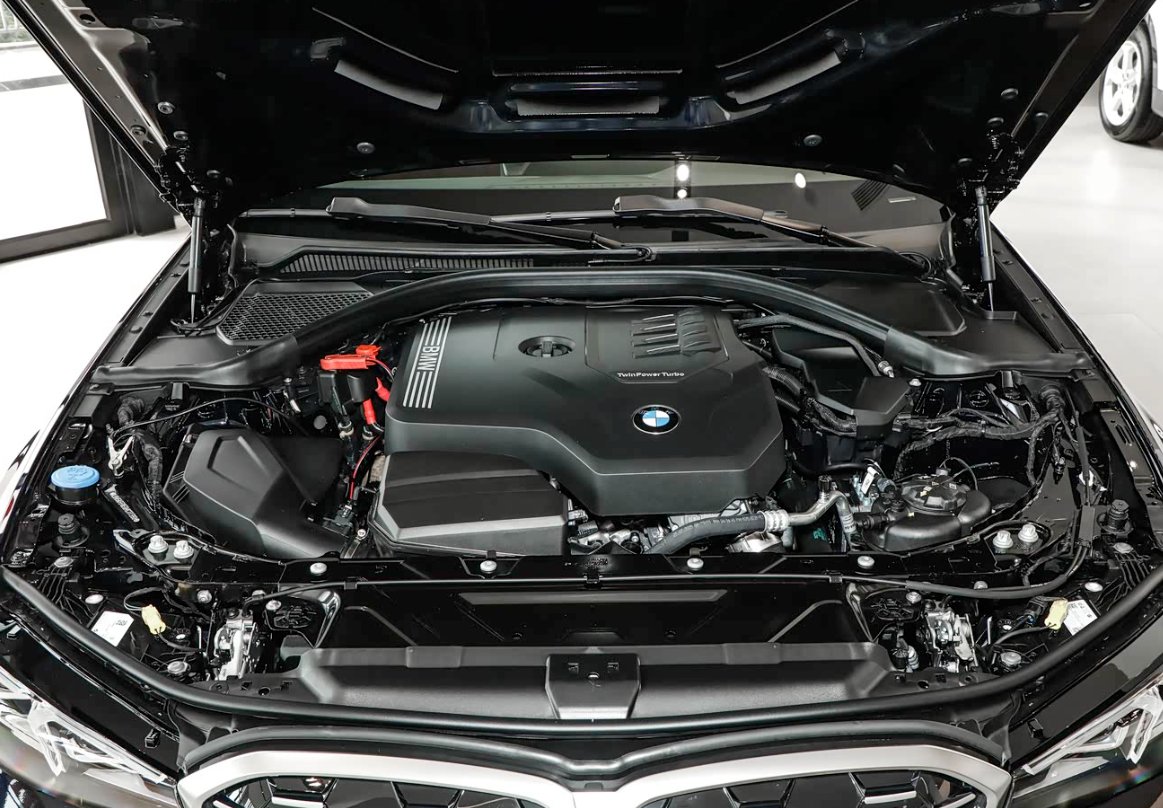
Whether you choose the 135 kW low-output 325 series or the 180 kW, 400 Nm high-output 330 series, the dense, silky-smooth quality of the power delivery is something many dual-clutch transmissions simply cannot match.
After the B48TU technical upgrade, the engine's thermal management module has been comprehensively optimized, and fuel economy is outstanding. On the highway, it can even achieve an astonishing five to six liters per 100 kilometers.
Taking this car apart, it achieves an almost frightening balance in design, space, intelligence, and power.
Sincere pricing is indeed a powerful eye-catcher, but what truly wins hearts is always a solid product foundation.
In the just-over-200,000 yuan price range, a luxury rear-wheel-drive sedan that balances face, comfort, and a chassis that hasn't lost its soul really does have an irresistible magic.
I wonder, those of you in front of the screen—when facing such a lethal BMW 3 Series, has even a ripple stirred in your heart?


