After the news of the joint investigation by the three departments came out, a very interesting phenomenon emerged: the fiercest argument was not about "why the pedal broke," but about "whether a certain car platform can be trusted." When a platform's own credibility needs to be "evaluated," every "blade" it swings cuts into itself.
1. The whistle is in its hand, and so is the business.
Economic Daily said very bluntly on October 17: a certain car platform evaluates automakers' products while also profiting from automakers' and dealers' advertising placements and lead-generation traffic. In essence, it combines the roles of "referee" and "player," creating a conflict of interest that makes it very difficult to establish credibility. This gets to the root of the matter.
The platform says it has implemented a "separation of commerce and testing," with the testing team not participating in commercial cooperation. That sounds plausible, but the problem is that separation is merely formal; it cannot separate itself from the inherent interest connection. Although the referee does not directly take money from the players, the referee lives off the players. When it comes to how the whistle is blown, who doesn't have doubts?
This is not the original sin of this platform alone. Any platform whose underlying logic is traffic and whose revenue source is automakers/dealers will have a structural role conflict when conducting "independent testing." This platform has been put on the hot seat this time because it encountered a sufficiently serious opponent and a sufficiently sensitive regulatory moment.
2. What exactly is the situation with the pedal? The truth must be investigated clearly without ambiguity.
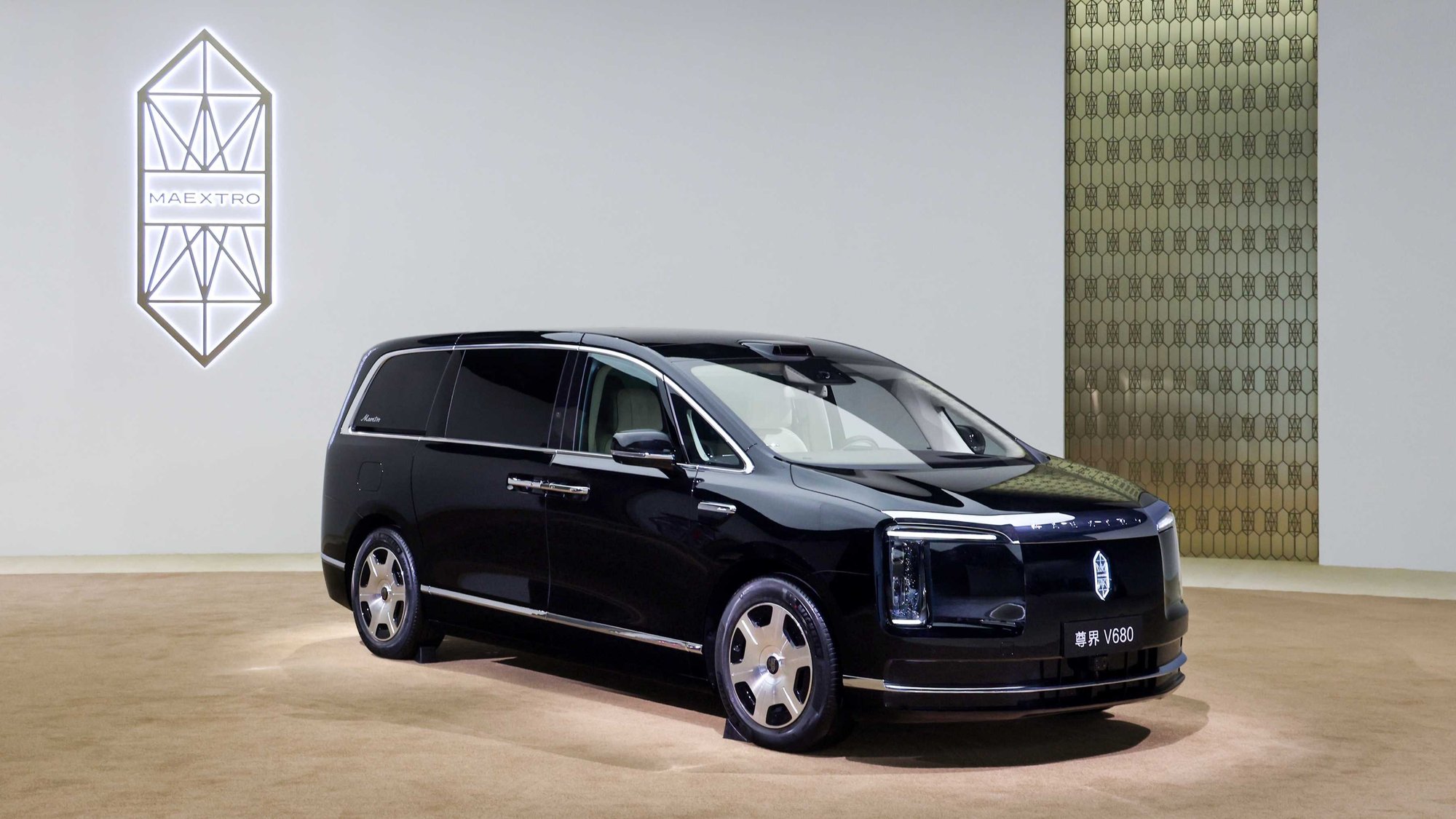
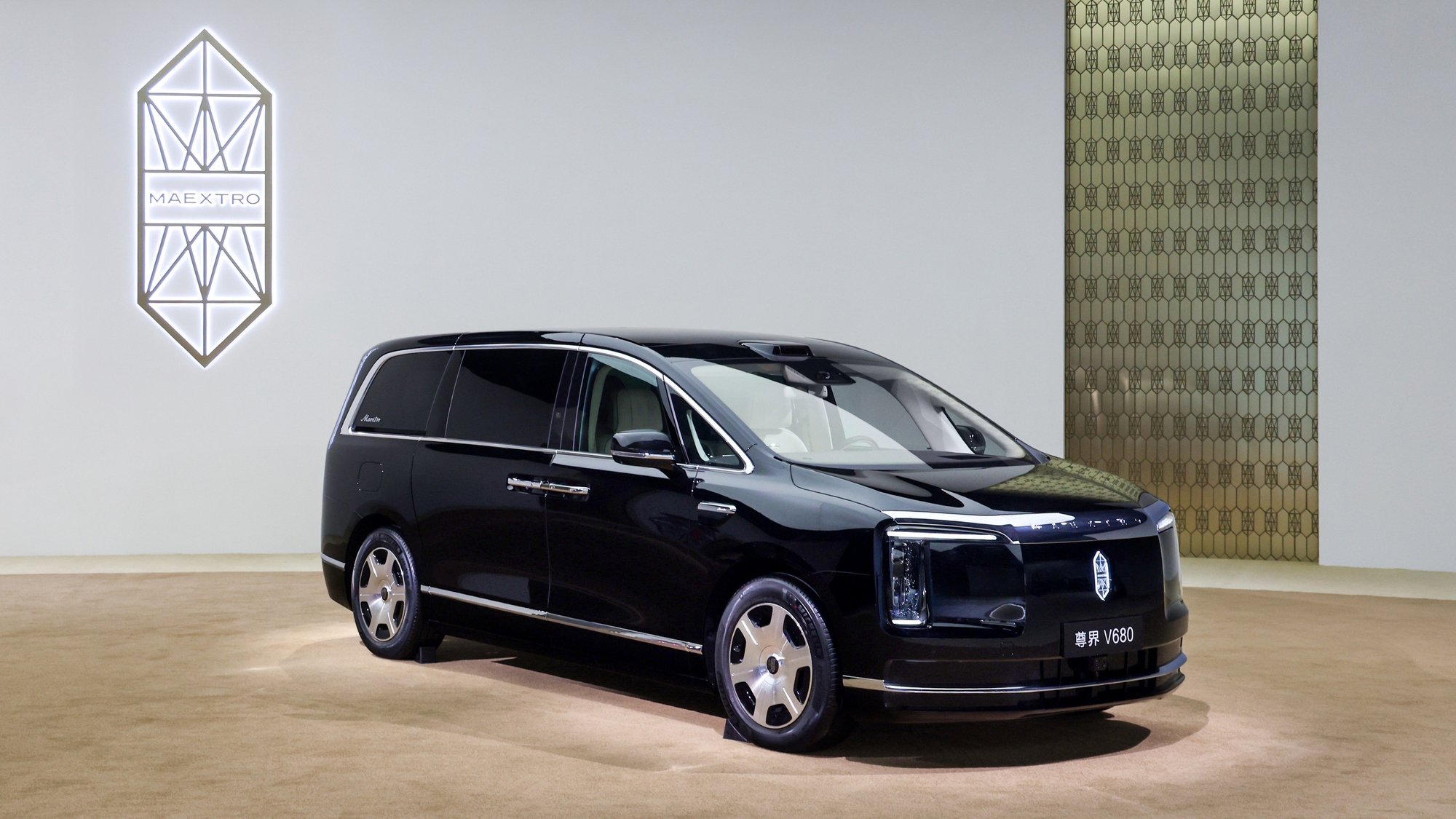
Back to the pedal itself, the currently public information is: Zunjie has produced a report from a nationally recognized third-party testing institution, showing that the brake pedal meets industry standards and, even when the load was increased to 3000N, showed no cracks or damage. The car platform, meanwhile, questions that static loading is not equivalent to dynamic loading. Each side sticks to its own account, and there is currently no definitive conclusion.
Economic Daily's judgment is fair: the specific cause of the fracture during testing should be further investigated, and at the same time, the platform's test cannot directly prove that all mass-produced vehicles have the same problem. This is precisely the significance of the joint investigation by the three departments: to ascertain the truth and handle the matter as it should be handled.
If the pedal's safety redundancy under extreme operating conditions is insufficient, Zunjie should replace it if replacement is needed, with no room for bargaining; if the product can withstand scrutiny, then the "justice" owed to Zunjie by the platform and the public opinion field must be repaid by the national investigation conclusion. Safety matters cannot be ambiguous, and matters of innocence cannot be ambiguous either.
3. Testing needs regulation, and platforms should return to being platforms.
But to be honest, even if the three departments investigate the truth about the pedal clearly, this kind of tug-of-war between similar platforms and companies will not disappear. Because the root is not in a particular component, but in testing rules. The good news is that the rules are already on the way: the "Specifications for Online Testing Activities" was issued in June 2026.
The Specifications clearly require that tests involving product functions and performance should be entrusted to inspection and testing institutions with statutory qualifications; those accepting third-party commissions or sponsorships, or having an interest relationship with the test samples, should provide prominent notice, and double-standard comparisons, malicious belittling, and confusion between commerce and testing are prohibited.
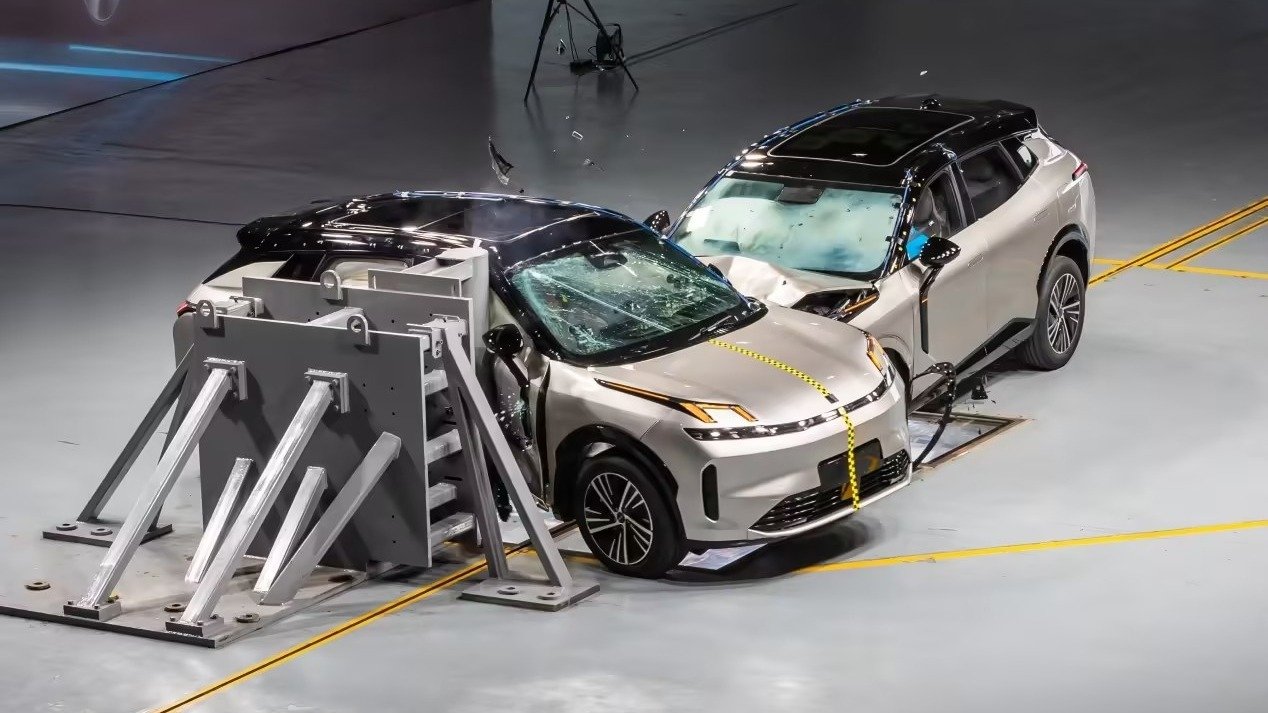
The platform's "separation of commerce and testing" is a gesture, but under its current business model it cannot achieve "independent testing." In my view, platforms like this one should position themselves well and earnestly maintain product parameters, media content, user reputation, and so on. Otherwise, the next "storm" is still on the way.
Written at the end.
Chinese automobiles have come this far, and they lack neither a platform nor an automaker. What truly needs to be established are hard requirements for automakers' R&D testing, standards and norms for product quality, and clear boundaries for platform media. In short, do not let one platform loosen the entire industry's foundation of trust.


