
On May 9, an internal announcement from NIO drew industry attention: its two major brands, Onvo and Firefly, were deeply integrated into the NIO system from independent business units. This structural adjustment is like a "surgical operation," involving not only the restructuring of multiple core departments such as product R&D and user services, but also exposing this new force's sales anxiety over its main brand Onvo. When the "multi-brand strategy" encounters the "sales ramp-up dilemma," how will NIO play this game?

Structural adjustment: from independence to deep binding
The core logic of this adjustment is simple—break down departmental walls and concentrate resources to accomplish major tasks.
On the product R&D side, Onvo's design, engineering, and other departments were merged into NIO's PD&D cluster, reporting directly to Li Bin; on the user service side, marketing, regional management, and other sections were placed under NIO's UE cluster, with Onvo's new president Shen Fei reporting to NIO co-founder Qin Lihong; the third brand Firefly was also integrated into the R&D system, but the specific plan has not yet been announced.This means that the previously "fighting separately" Onvo business unit will become a "first-level department" within the NIO system, forming closer linkage with the main brand. Some insiders analyzed that after the adjustment, Li Bin and Qin Lihong will participate more directly in Onvo's decisions. "When fighting a war, command must be more centralized."
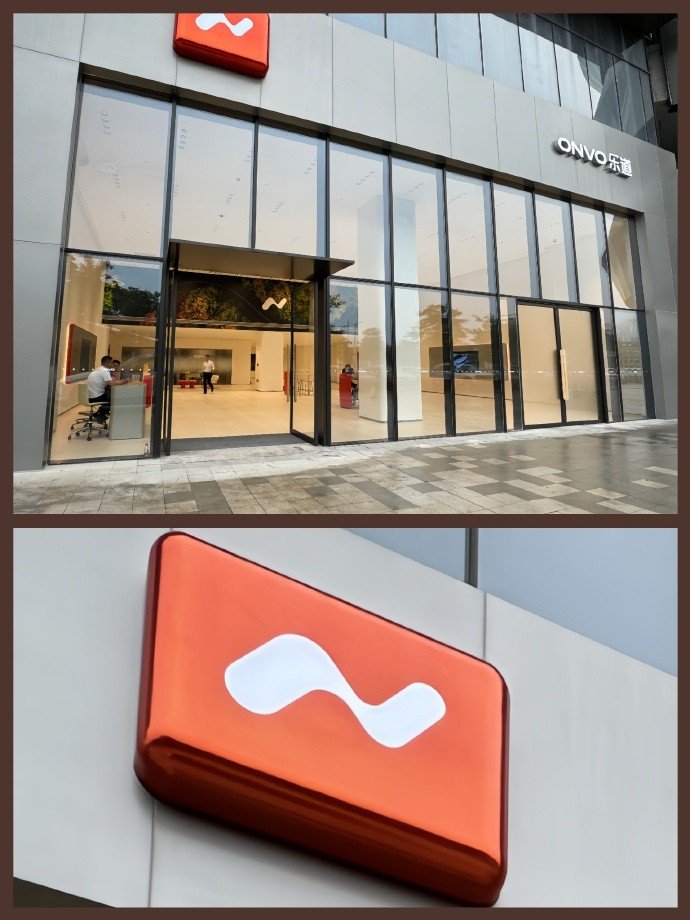
Sales dilemma: how can monthly sales of 5,000 support the 200,000 target?
Behind the structural adjustment is the awkward sales reality of the Onvo brand.
According to data, Onvo delivered 20,761 units for the full year of 2024, averaging about 1,730 units per month; entering 2025, its average monthly delivery still has not exceeded 5,000 units, a clear gap from Li Bin's proposed target of "20,000 monthly sales." By this calculation, if Onvo cannot quadruple its sales within the year, NIO's 2025 strategy of "doubling sales to 440,000 units" will most likely fall through.

A combined punch to break the deadlock: leadership change, integration, and the "combo" approach
Facing pressure, NIO has recently made frequent moves:
1. Changing leadership to stop the bleeding
In April, former Onvo president Ai Tiecheng resigned, and Shen Fei, head of the energy business, took over. This executive, who once led NIO's battery swap system, is expected to improve efficiency through "cost control + channel reuse."
2. Integration of regional resources
Onvo sales heads in Harbin, Urumqi, and other places are concurrently held by NIO regional general managers, sharing showrooms and after-sales teams. This can both reduce operating costs and leverage NIO's existing high-end image to drive Onvo awareness.
3. Betting on the "combo effect"
Qin Lihong once said bluntly: "Onvo's supply chain and costs must be taken to the extreme." After integration, Onvo is expected to share NIO's electric drive technology, intelligent platform, and even battery swap network, spreading costs through economies of scale.

A car for young people needs more "direct" answers
For young people concerned about new energy vehicles, this adjustment sends two signals:
Pragmatism: NIO is no longer fixated on "high-profile, high-spending" tactics, but is reducing costs and improving efficiency through organizational slimming; product is king: whether Onvo's first model can offer a differentiated solution in intelligence, range, and price will become the key deciding factor.Some industry insiders have done the math: if Onvo's per-vehicle cost drops by 10%, the price of its main model could drop into the 180,000 yuan range. But the premise of all this is whether the integrated team can truly achieve "1+1>2."

Final words: a crucial battle
For NIO, Onvo is not just a sub-brand, but the key to solving the profitability problem. As Qin Lihong said: "If Onvo is not done well, there is no way to talk about the company's profitability." Now that the organizational restructuring is complete and personnel matters have settled, the real test has only just begun—how to prove in the most fiercely competitive mainstream market, through product strength, that "latecomers can also come out on top."


