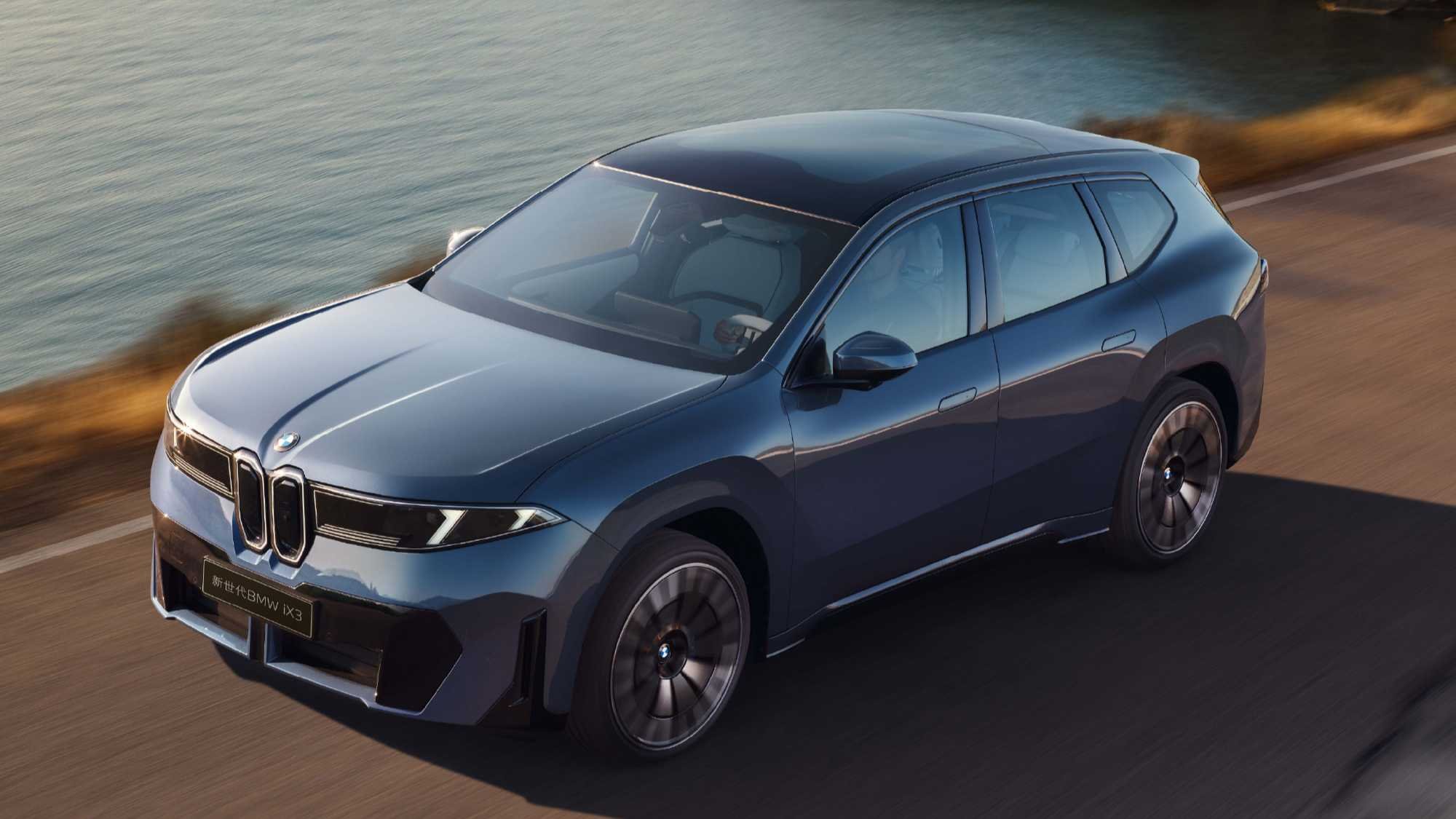
On September 5, 2025, BMW officially unveiled the new-generation iX3 at its Munich headquarters, a vehicle regarded as a key product in BMW's intelligent transformation phase. The new car adopts a 108 kWh large cylindrical battery, achieves a CLTC range of 900 kilometers, and is planned to go on sale in overseas markets by the end of 2025. A long-wheelbase version catering to Chinese users' preferences will also be revealed before the end of 2025 and officially launched in China in summer 2026. According to current information, the starting price of the domestically produced entry-level rear-wheel-drive version is expected to be around 300,000 yuan.
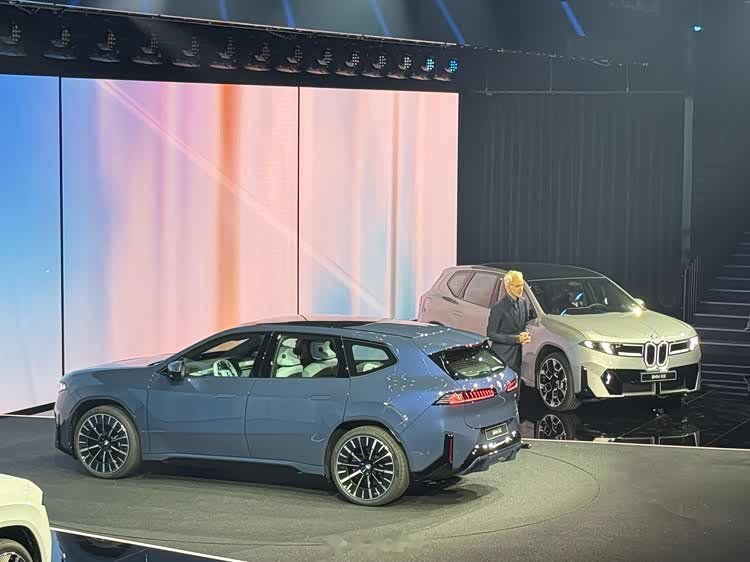
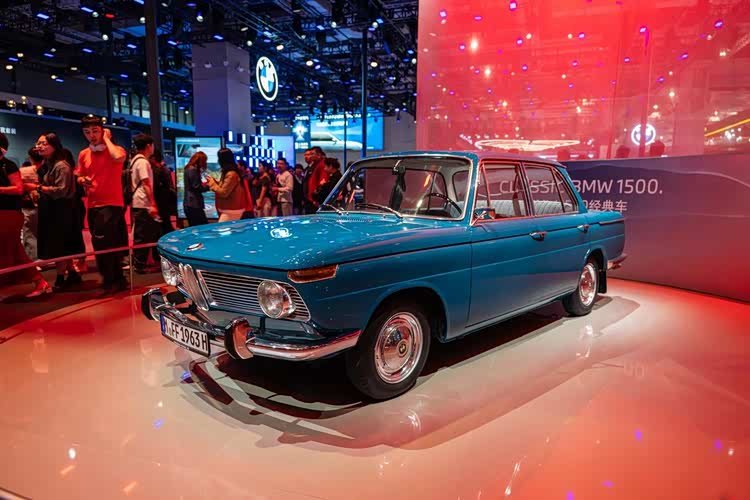
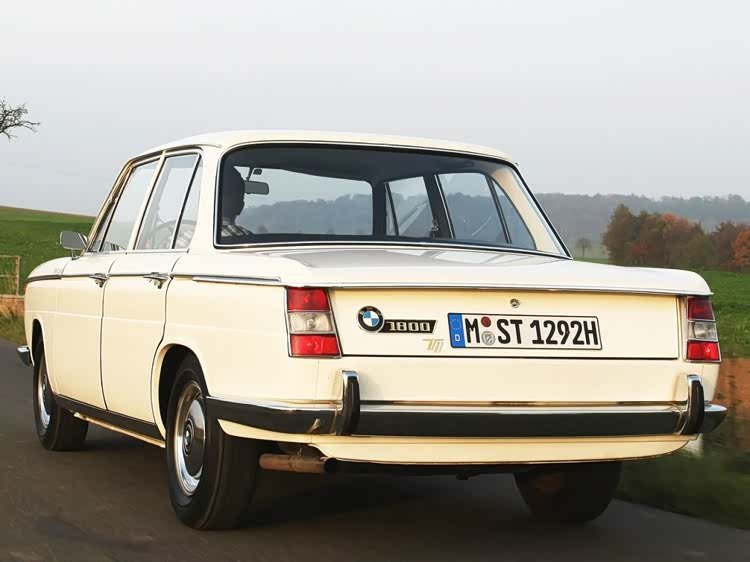
Behind the "New Generation" naming lies BMW's emphasis on comprehensive product innovation. This designation not only points to upgrades in the electronic and electrical architecture, battery, and iDrive system, but also echoes the "New Generation" model series in BMW's history—such as the 1500 and 1800—that reversed a crisis in the 1960s, demonstrating BMW's transformation aspirations in the era of intelligent technology.
On the technical front, the new-generation iX3 is based on an all-new electronic and electrical architecture, featuring BMW Panoramic iDrive and the Heart of Joy driving control superbrain, and applies a self-developed dynamic performance control system. Notably, the new car uses 4695-specification large cylindrical batteries, while 46120 batteries will be used in other models in the future. The domestically produced version will also introduce large language model technology co-developed with Alibaba, integrating DeepSeek's AI capabilities and AI agents, and supporting the HarmonyOS ecosystem and HUAWEI HiCar. Assisted driving is jointly developed by BMW and Momenta, adapted to Chinese road conditions and driving behavior.
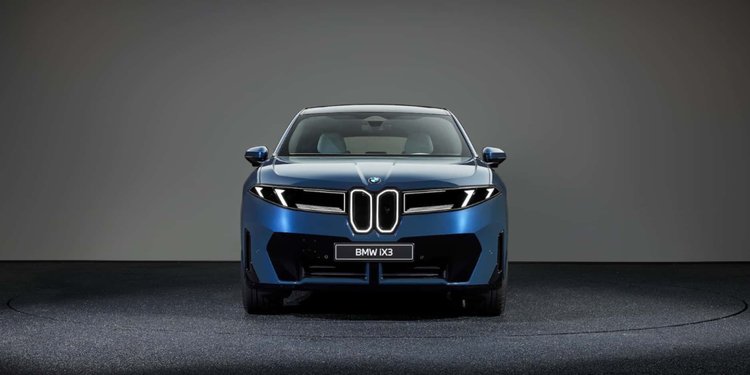
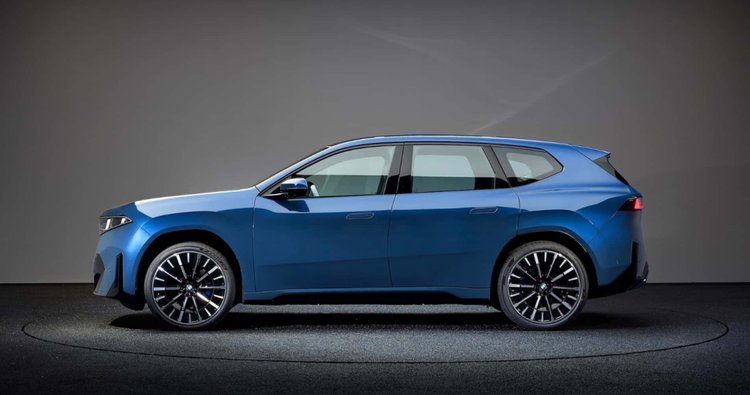
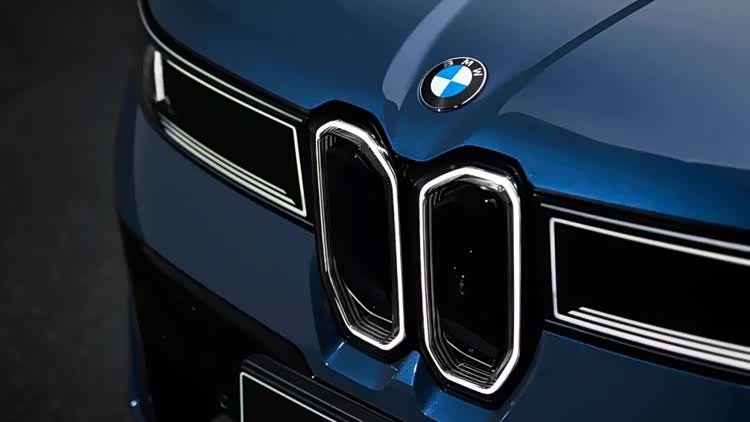
In terms of exterior design, the new-generation iX3 retains many design elements from the Vision Neue Klasse X concept car. The front face is inspired by the classic BMW 1500, with the kidney grille presented as vertical light units, and the central daytime running lights called "Angel Wings." The display model features the M Sport package and a blacked-out grille, with de-chroming becoming a new trend. In terms of body dimensions, the overseas version measures 4780/1895/1635mm in length/width/height with a wheelbase of 2895mm; the domestically produced version will have a wheelbase extended by 100mm, and the rear seats will also be lengthened accordingly to enhance passenger space.
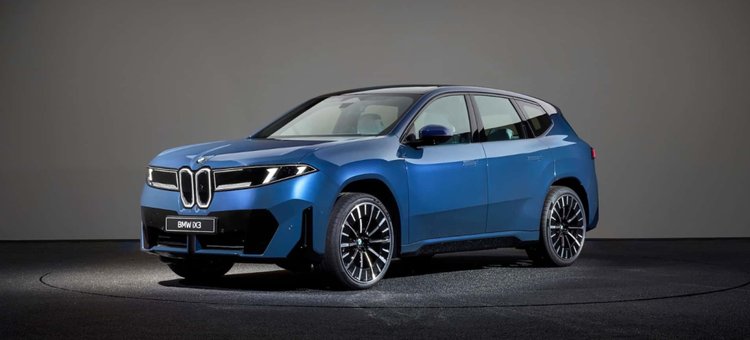
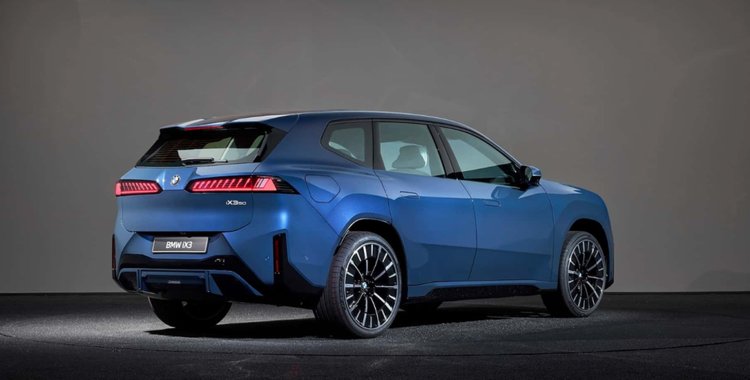
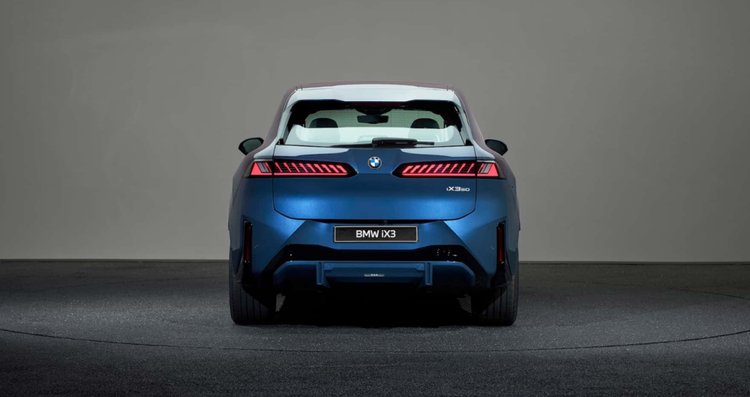
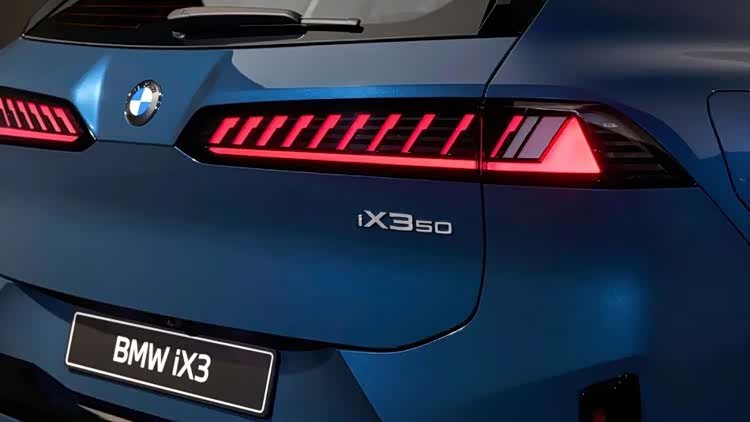
The rear does not adopt a full-width taillight design; the central recessed design echoes the M model's front face, and the rear bumper styling emphasizes sportiness and aerodynamic efficiency. The most prominent feature of the interior is the BMW Panoramic Vision Bridge, which presents information in layers through a 3D head-up display, a panoramic vision display at eye level, and the central control screen, reducing driving distractions. The new car offers two steering wheel styles, with the vertical spoke design being applied for the first time. The central control screen features an irregular layout and runs the New Generation Operating System X, focusing on operational convenience and information priority management.
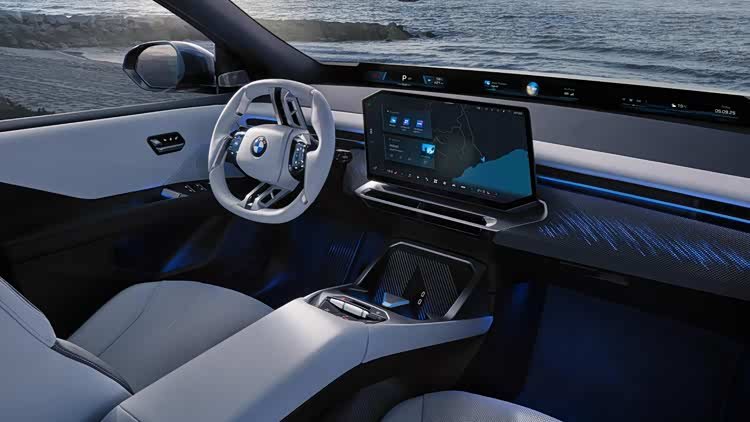
The eye-level panoramic display system uses ultra-short-throw projection technology to project a 40-inch 4K image onto the windshield and supports use with polarized sunglasses. The central and passenger screens support 6-module customization, and the domestically produced version will expand more functions. In terms of performance, the iX3 50 xDrive is based on an 800V platform, equipped with a front asynchronous motor and a rear excited synchronous motor, with a maximum power of 345kW, peak torque of 645 N⋅m, 0-100km/h acceleration in 4.9 seconds, a top speed of 210km/h, a WLTP range of 805 kilometers, a CLTC range of 900 kilometers, and energy consumption of 15.1kWh/100km. Charging power reaches up to 400kW, adding 427 kilometers of range in 10 minutes.
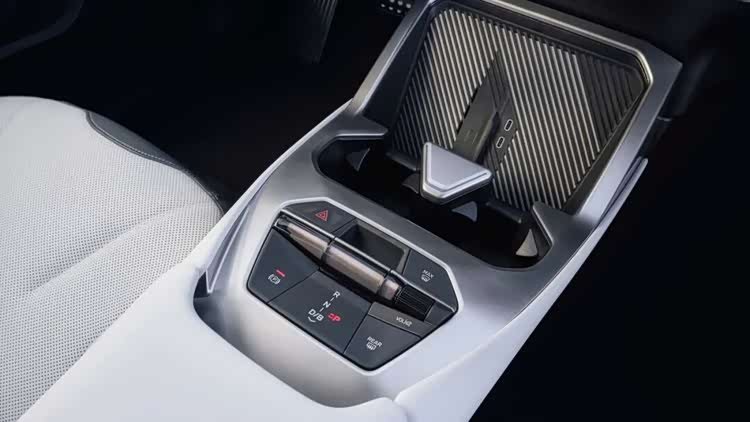
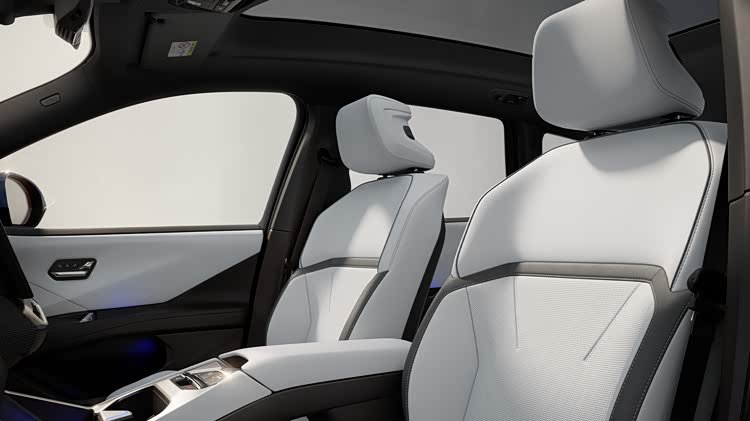
The new architecture also integrates the Heart of Joy driving control superbrain and dynamic performance control system, achieving response latency of less than 1 millisecond, improving energy recovery efficiency and low-speed smoothness, and helping alleviate motion sickness for electric vehicle passengers. The domestically produced long-wheelbase version has already begun road testing and will be launched in summer 2026. Facing the challenge of a 15.5% sales decline in the Chinese market in the first half of the year, BMW's chief financial officer stated that the new-generation iX3's battery cost is 40% to 50% lower than that of existing models, and it is expected to achieve profit margins comparable to combustion engine vehicles by 2026.
In the Chinese market, the new-generation iX3 will directly compete with luxury electric models such as the Mercedes-Benz GLC EV and Audi Q6L e-tron, while also going head-to-head with domestic brand products such as the Li Auto i6, Xiaomi YU7, and AITO M7 in the 300,000 yuan price range. BMW has demonstrated its technological accumulation and innovation intent in the intelligent transformation, but whether its domestic production pace is sufficient to cope with the rapidly changing Chinese new energy market remains to be seen. According to the plan, between 2026 and 2027, BMW will launch more than 20 new models in China and gradually complete the transition to the Neue Klasse product series.


