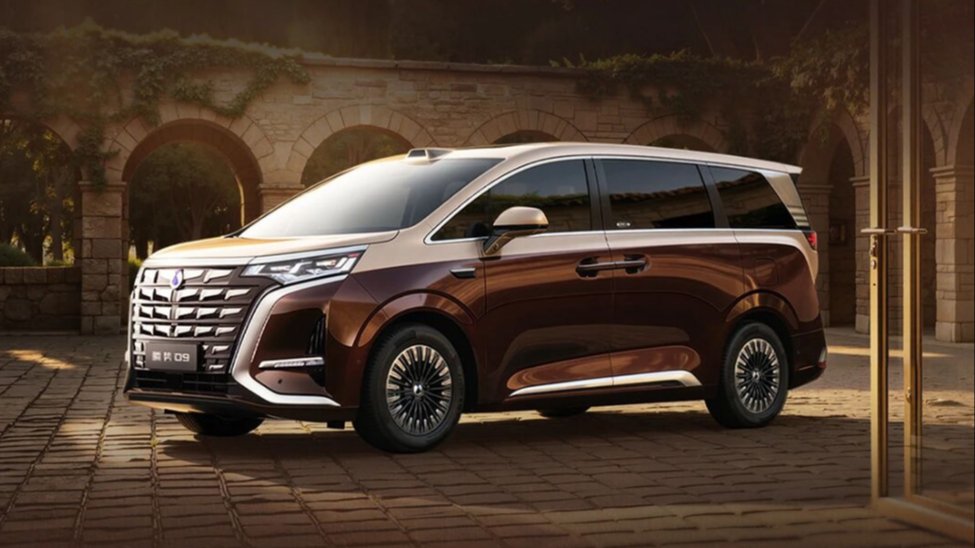
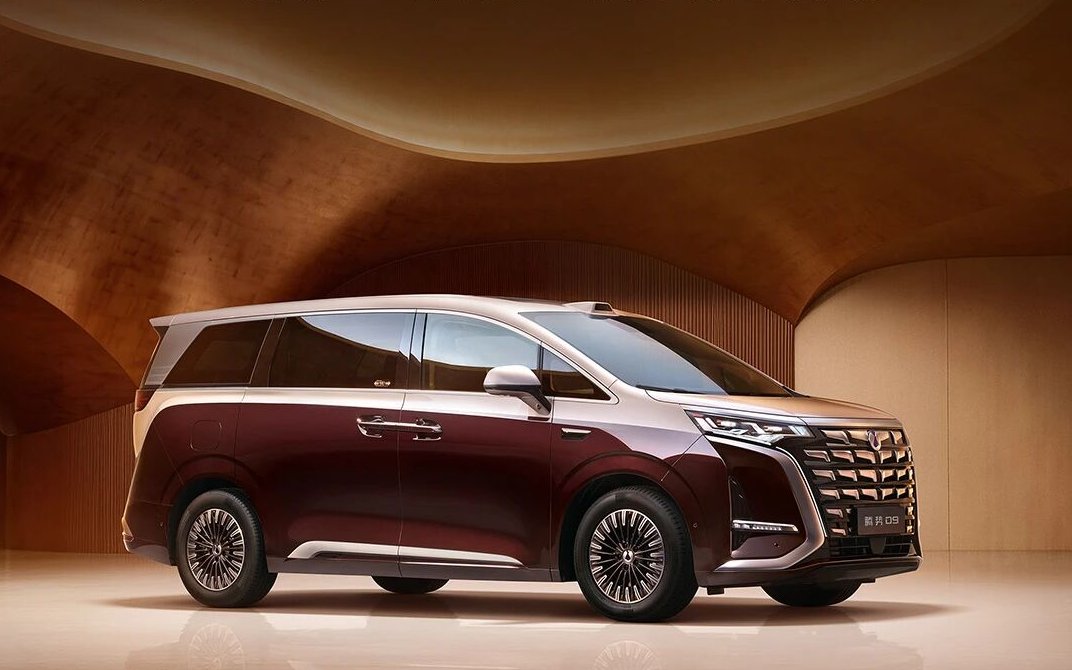
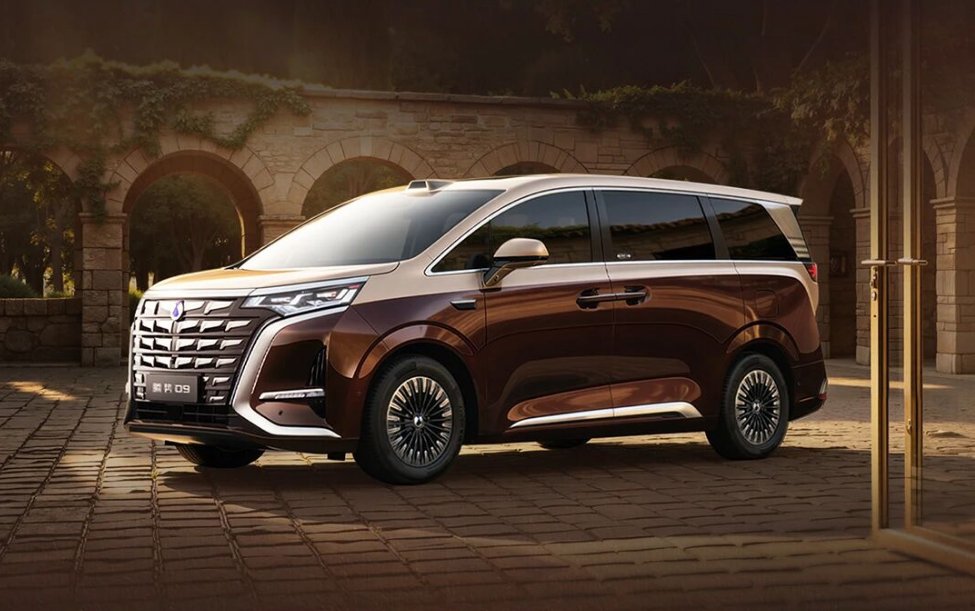
On March 29, the second-generation Denza D9 under Denza Auto officially opened pre-sales. The new car is offered in a total of 6 variants, including plug-in hybrid and pure electric versions. In terms of body dimensions, the new car measures 5250 mm in length, 1960 mm in width, and 1900 mm in height, with a wheelbase of 3110 mm, consistent with the current model.

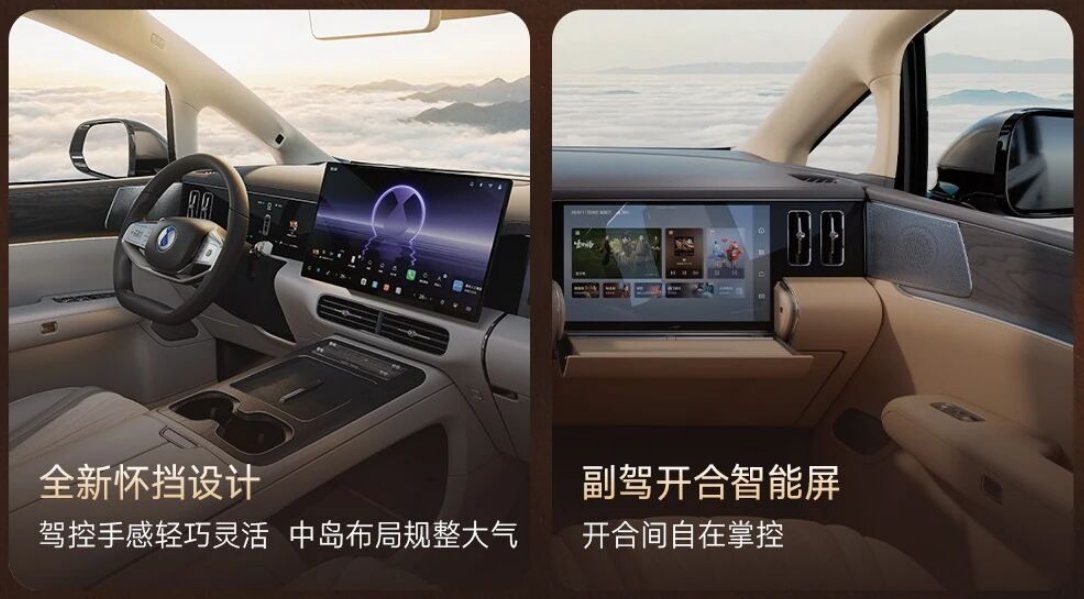
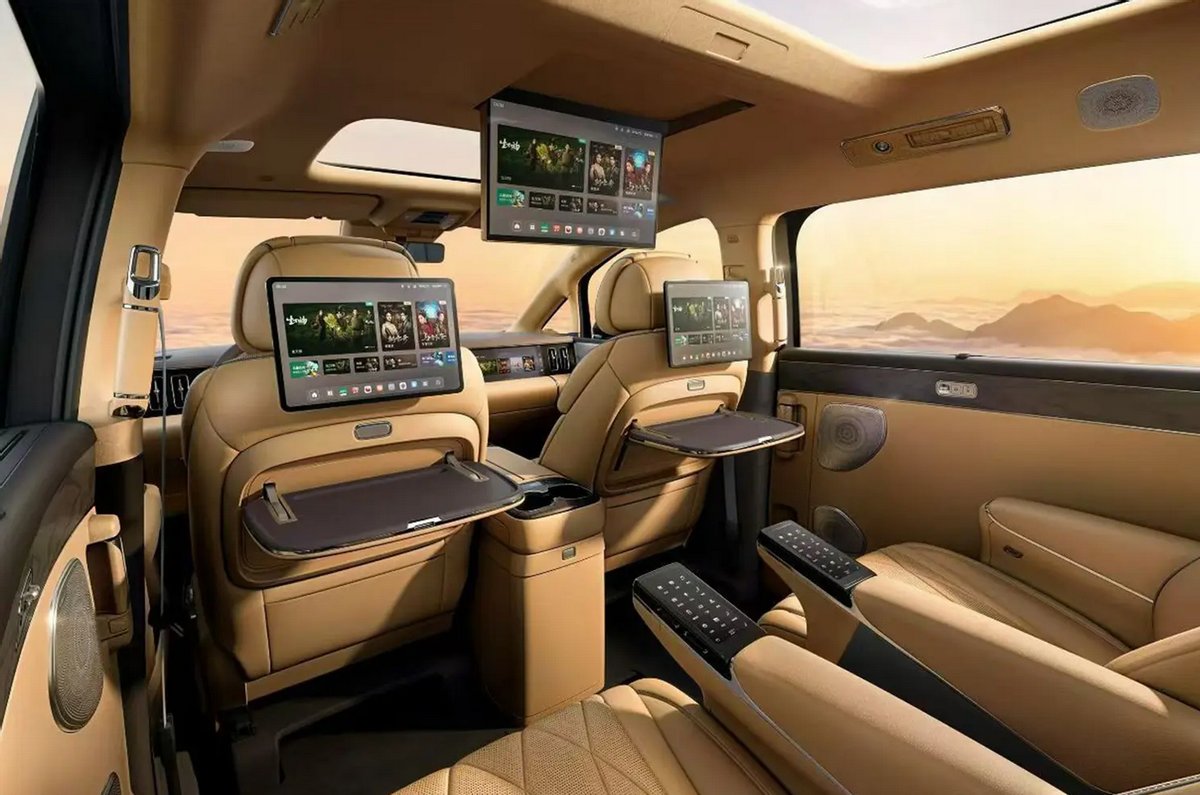
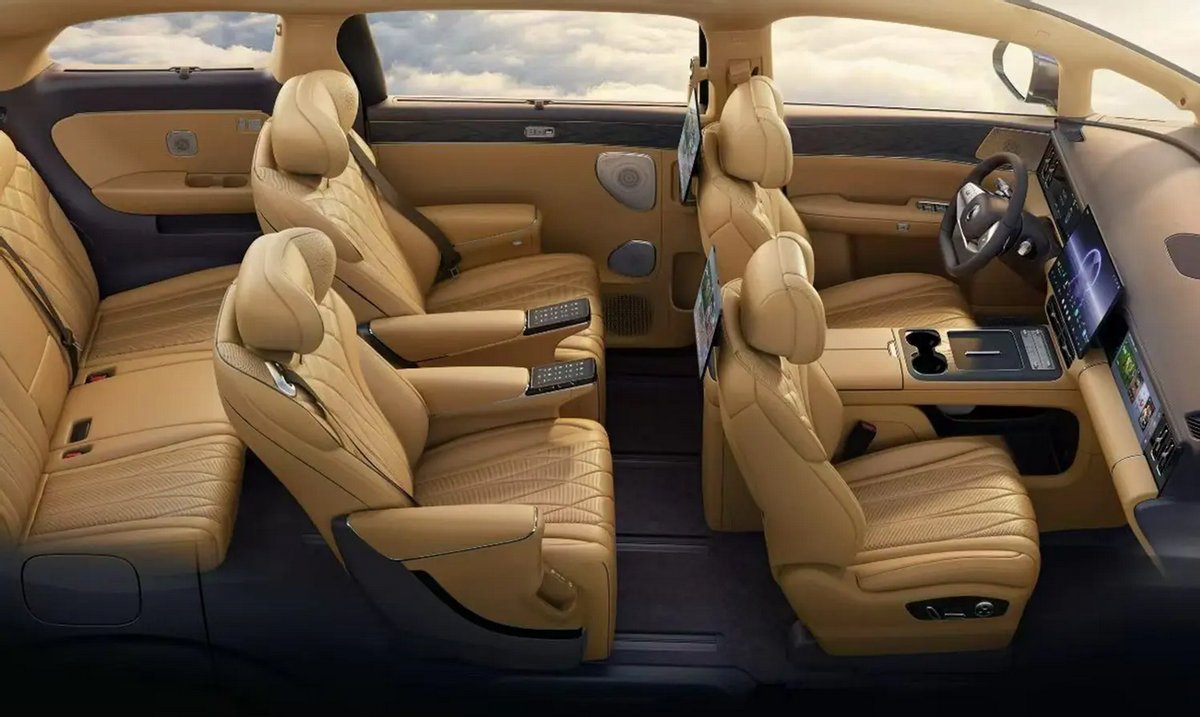
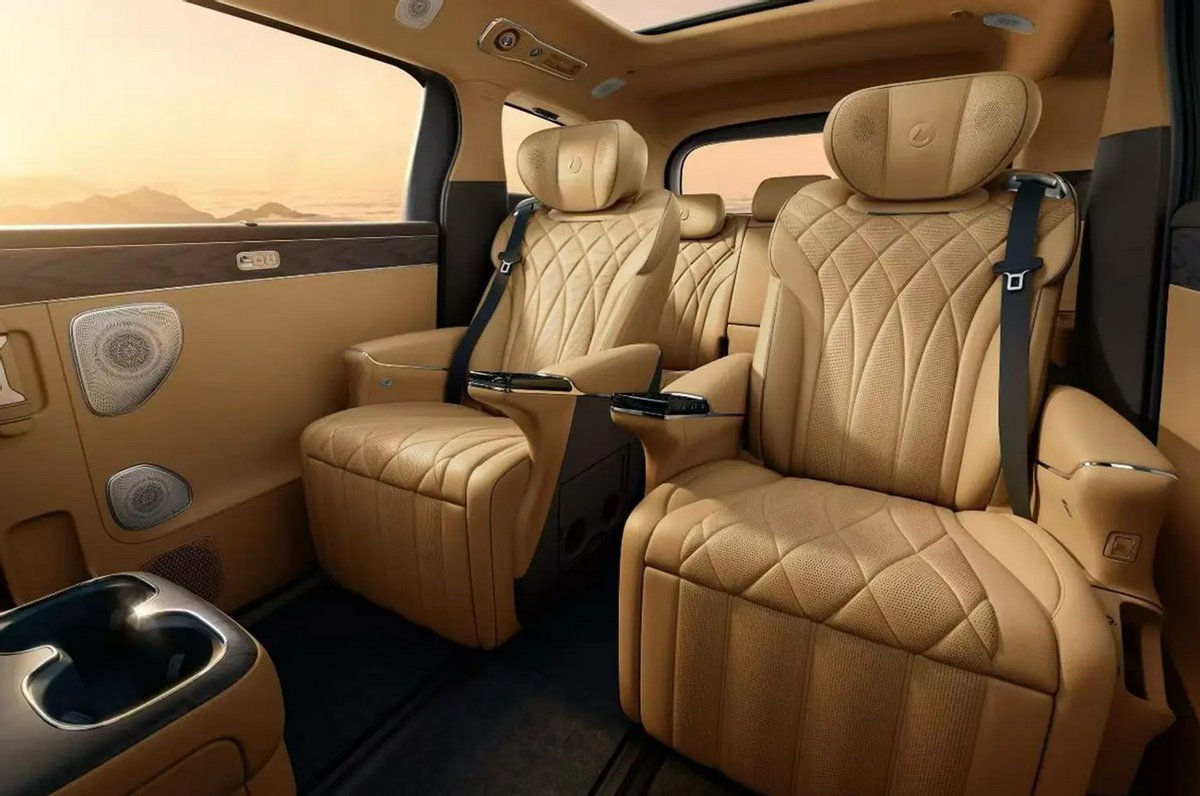
The second-generation Denza D9 has several changes in its interior layout. The gear shifter has been changed to an electronic column shifter, and the central island area therefore gains more storage space, with physical buttons, dual wireless phone charging pads, and open cup holders. The front passenger screen has been upgraded to an openable and closable design that can be folded away when not in use, forming a small table below for placing small items such as sunglasses and earphones. The second-row seats add a ceiling-mounted screen and are upgraded to zero-gravity mode.
In terms of powertrain, the plug-in hybrid version continues to be equipped with a plug-in hybrid system composed of a 1.5T engine and dual electric motors, with the engine producing a maximum power of 115 kW, the front motor a maximum power of 200 kW, and the rear motor a maximum power of 45 kW. The pure electric front-wheel-drive variant is switched to a motor with a maximum power of 340 kW, while the all-wheel-drive variant adopts a dual-motor configuration with 340 kW at the front and 70 kW at the rear. In terms of batteries, the plug-in hybrid version offers two battery capacities: 40 kWh and 66.48 kWh. The pure electric version has a battery capacity of 115 kWh.


The second-generation Denza D9 is equipped across all variants with BYD's second-generation blade battery and features flash charging technology. Under normal temperature conditions, charging from 10% to 70% takes about 5 minutes, and from 10% to 97% takes about 9 minutes. This means that by using a brief stop at a highway service area, the vehicle can complete most of its battery replenishment, with a charging rhythm closer to the refueling experience of traditional fuel vehicles. What is more noteworthy is the performance in low-temperature environments. According to official measured results, in an environment of minus 20 degrees, charging from 20% to 97% takes 12 minutes; under minus 30 degrees, the same charging range also takes 12 minutes.
Comment: Overall, this update of the second-generation Denza D9 focuses on the three dimensions users perceive most strongly: charging efficiency, low-temperature adaptability, and driving convenience. The improvement in charging speed brought by the second-generation blade battery significantly reduces the "waiting-for-recharge" feeling of both the plug-in hybrid and pure electric versions in actual use—completing a charge from 10% to 97% in 9 minutes at normal temperature means that a single service-area break is basically enough to set off with a full battery. In low-temperature environments, the decline in charging time is very small, which is a practically meaningful improvement for potential users in the northern market.
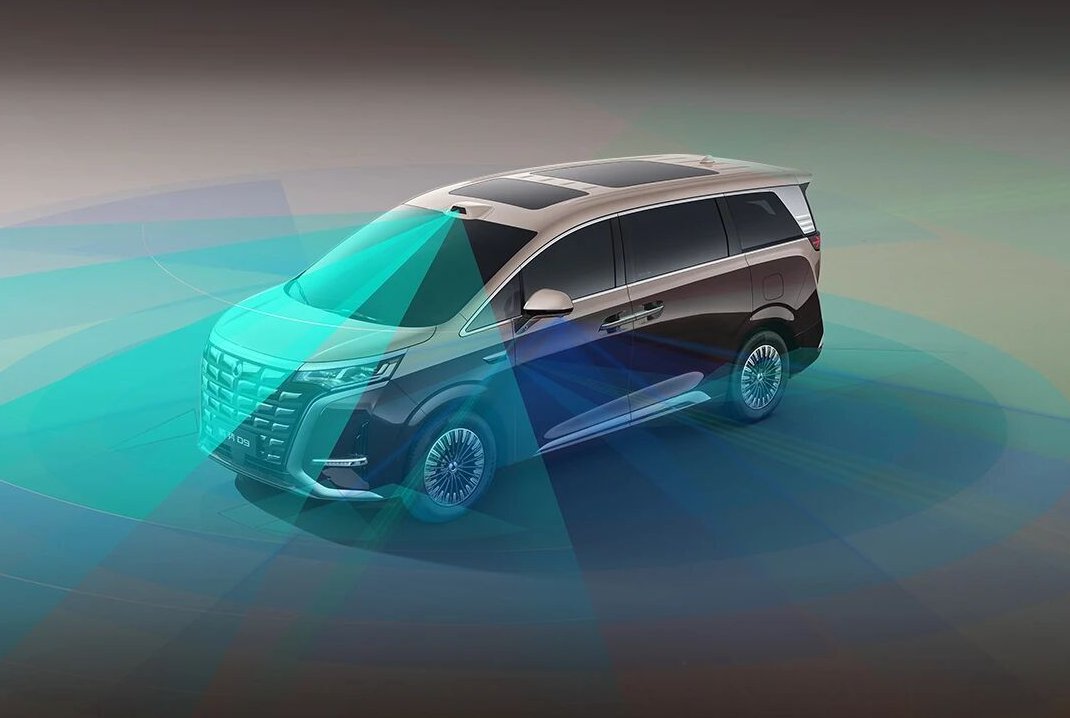
In addition to the upgrade of the three-electric system, the second-generation Denza D9 has also been adjusted in terms of intelligent driving and chassis. All variants come standard with LiDAR and the God's Eye 5.0 driver assistance system, supporting highway navigation and urban assisted driving functions. Owners of the current Denza D9 previously equipped with the God's Eye B assisted driving LiDAR version will also successively receive the God's Eye 5.0 system update. In terms of chassis, the new car is equipped with the DiSus-C intelligent body control system and also adds rear-wheel steering, improving handling agility and ride comfort.


