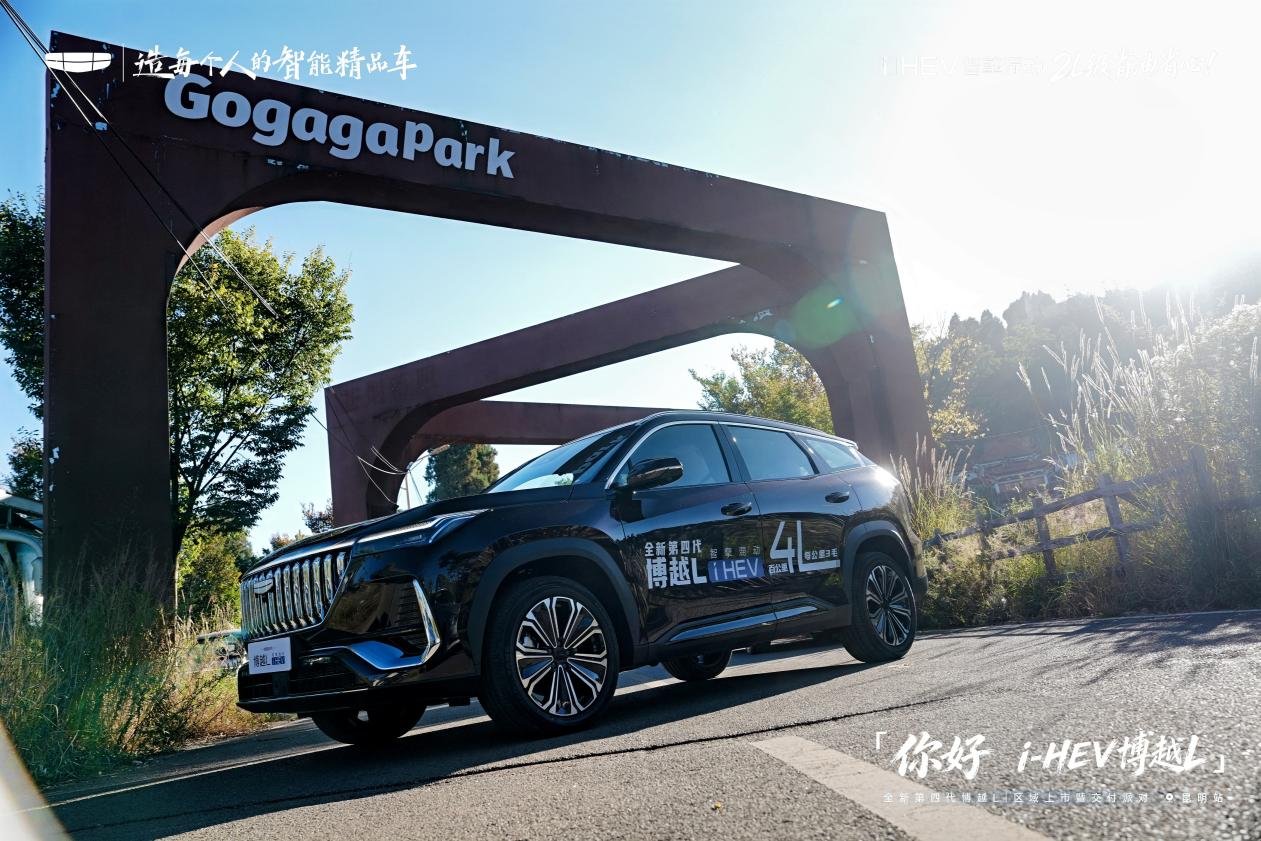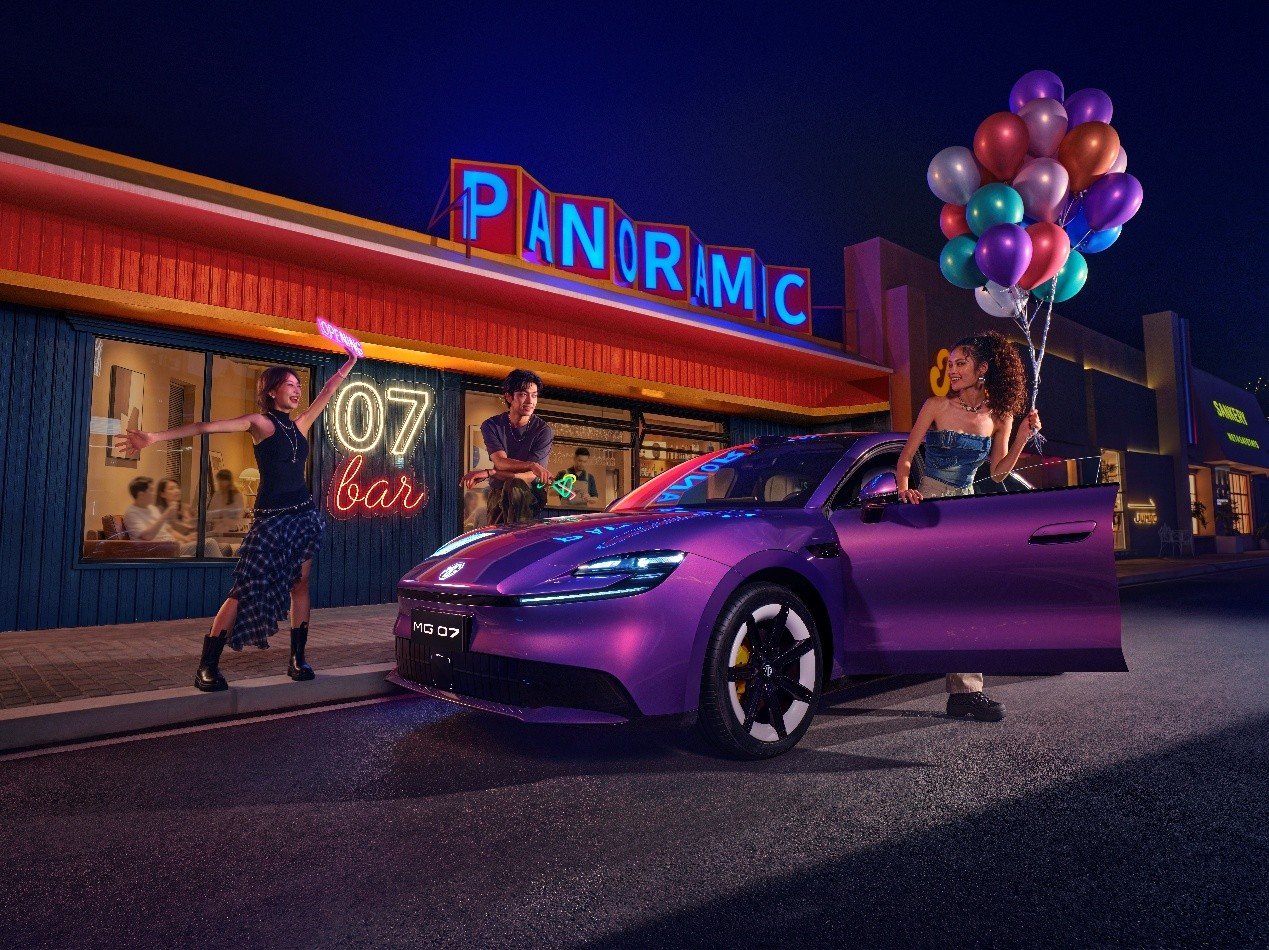
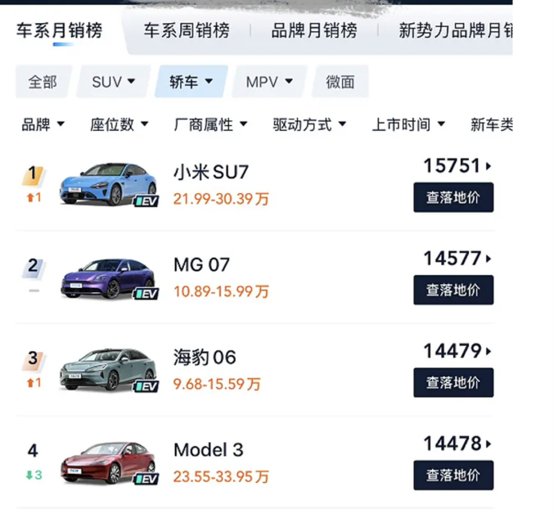
With a budget of 100,000–150,000 yuan for a hybrid sedan, most people's first reaction is the BYD Seal 06 DM-i, or the SAIC Volkswagen ID.ERA 5S that has just entered the market with a limited-time price of 89,900 yuan. The former has ownership volume and market validation, while the latter has a German badge and a low price—choosing either is not a mistake. But there is one car that has been systematically overlooked: the plug-in hybrid version of the MG 07. The pure electric version delivered 14,577 units in its first month and took second place among sedans with no qualifiers, and all the buzz was eaten up by the pure electric version, while the hybrid version instead became a "dark corner under the lamp."
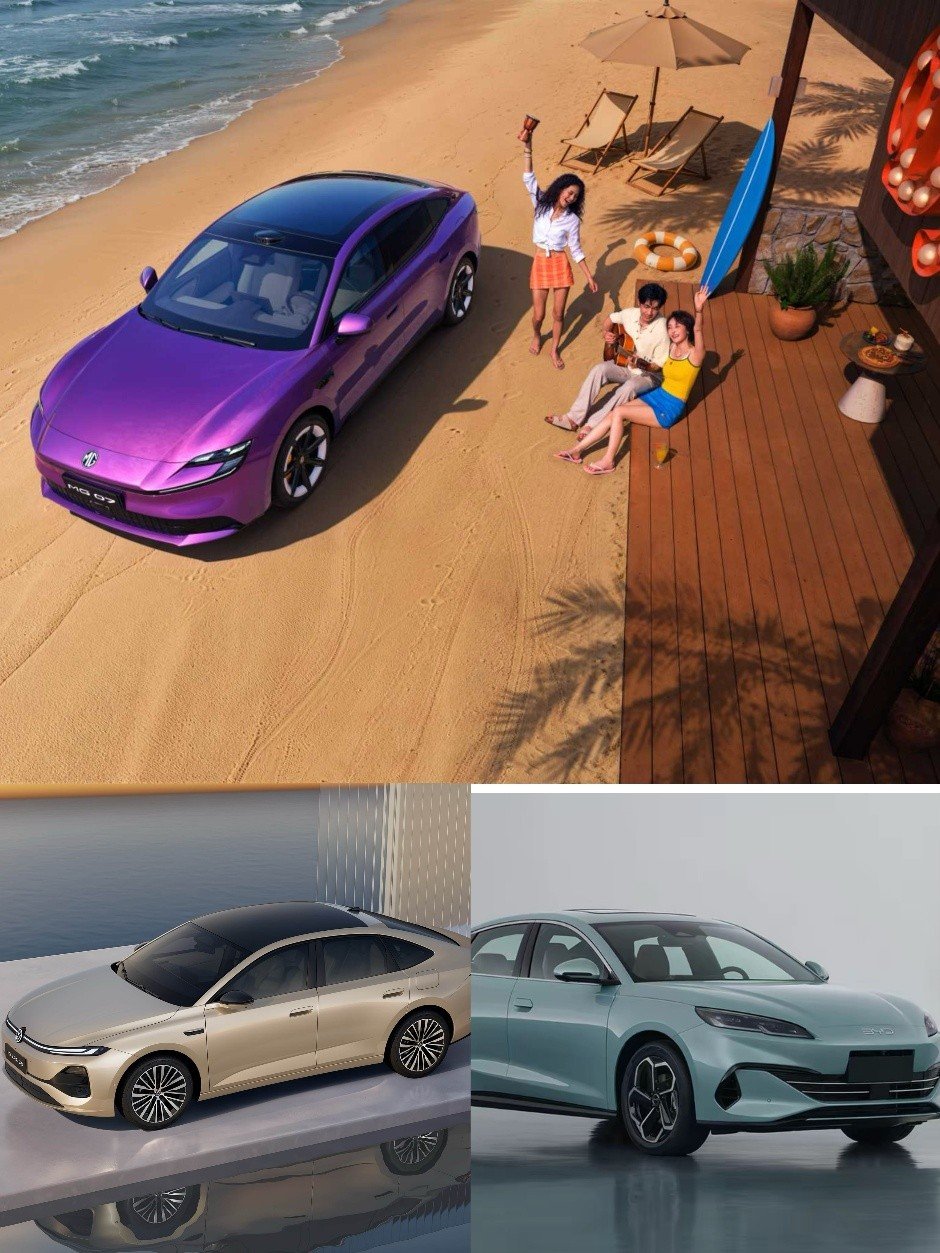
And it is precisely this overlooked version that deserves a serious look.
First, we need to talk about its technical foundation: the dual endorsement of in-house-developed ECU and European standards.
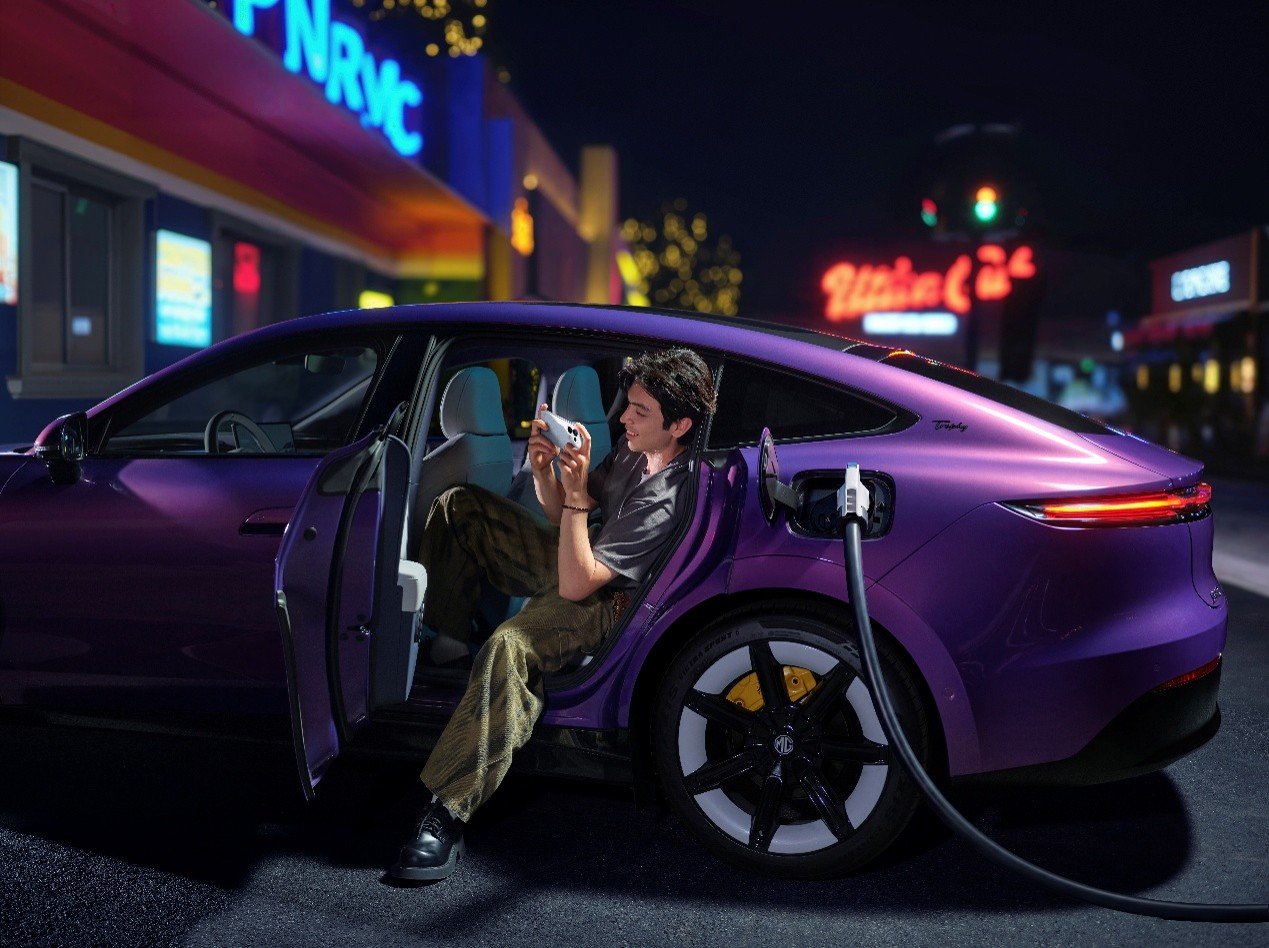
Whether a hybrid system is good cannot be judged only by nominal specifications; it depends on who holds the underlying control authority. SAIC DMH is one of the few hybrid technologies in China to achieve fully in-house development of the engine ECU, breaking the decades-long monopoly of Bosch and Continental in this core control domain. BYD DM-i itself is mature enough, but its engine ECU module is procured from United Automotive Electronic Systems under the SAIC system, so the technical origins of the three cars in the control domain overlap. The difference is that the MG 07 uses its own full set of software and hardware, with coordinated calibration that does not rely on others.
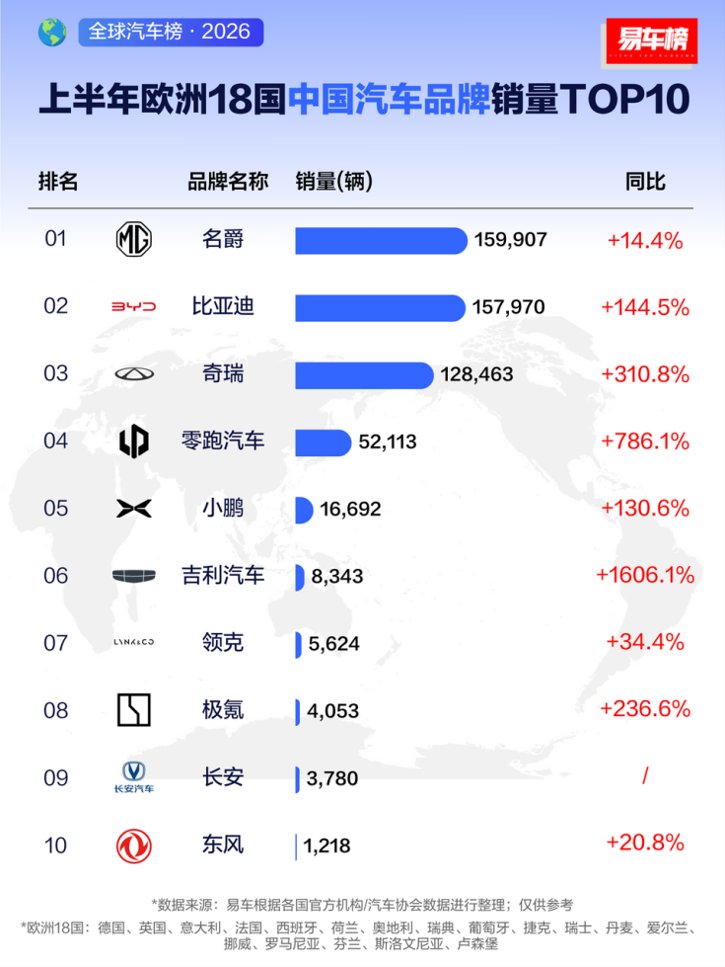
A more critical layer of validation comes from Europe. MG has ranked as the top-selling Chinese brand in Europe for 11 consecutive years, with European sales exceeding 190,000 units in the first half of 2026, and even under the EU's highest punitive tariff of 45.3%, hybrid models still achieved countertrend growth of 30%. What makes the European market demanding is this: Euro 7 emission standards impose random inspection consistency tests on in-use vehicles over 100,000–200,000 kilometers, and Germany's unrestricted highways place reliability requirements on powertrains under sustained high load that far exceed domestic requirements. The maturity that DMH has proven in real combat in Europe is now, for the first time, being fully offered domestically, and the first landing point is the MG 07 hybrid version.
This technology has even been reverse-exported to Volkswagen—the ID.ERA 5S is equipped with exactly the same-origin 1.5L plug-in hybrid system, 152kW motor, and in-house-developed hybrid ECU. Within the SAIC system, the "twin stars" sharing the same technical base itself shows that this DMH can withstand scrutiny under joint-venture standards.
Next, let us directly put the three cars head-to-head: what exactly does the MG 07 give extra?
First look at the most concrete battery and pure electric range. The MG 07 hybrid version offers a 30kWh CATL lithium iron phosphate battery, 245km CLTC pure electric range, 1,745km combined range, and 2.79L/100km fuel consumption with depleted battery. The Seal 06 Ultra Enjoy Edition has 210km pure electric range, a Blade battery, Yunian-C support, and also achieves 2.79L/100km fuel consumption with depleted battery. The ID.ERA 5S has 160km pure electric range, a measured combined range of 2,033.8km, and 2.82L/100km fuel consumption with depleted battery. In daily commuting scenarios, the gap between 245km and 160km means that MG 07 owners can achieve "one charge per week" or even more margin, while the 160km version needs to start the engine more frequently in winter or under highway conditions.
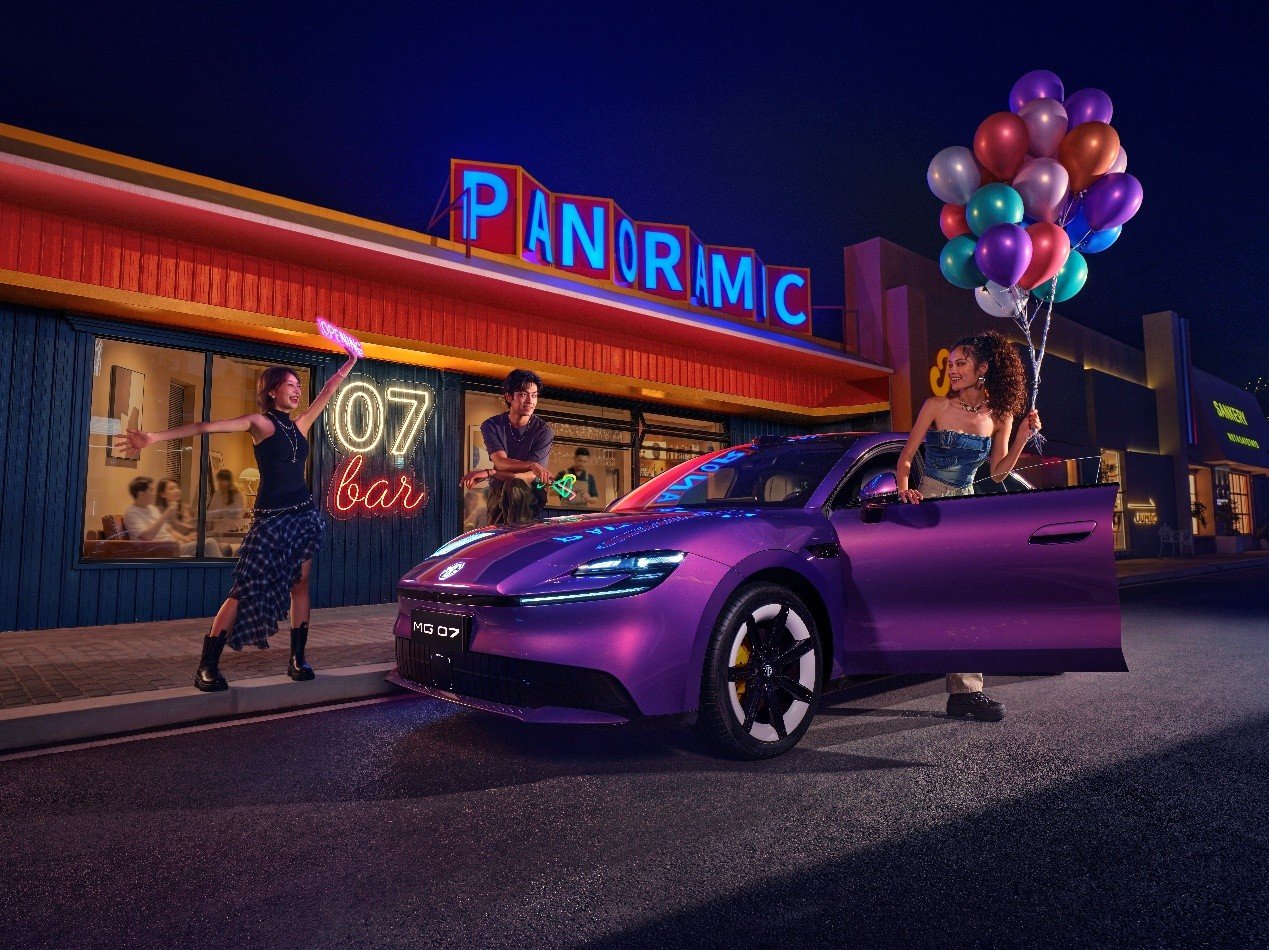
Intelligent driving is where the MG 07 creates a generational gap. The 115,900 yuan 245 LiDAR version directly offers the Momenta R7 world model plus LiDAR, with 272TOPS of computing power, and perception hardware including 11 cameras, 1 LiDAR, 1 4D millimeter-wave radar, and 12 ultrasonic sensors, supporting urban NOA, highway NOA, and "parking space to parking space" full-link assistance. This hardware used to be the configuration of models above 200,000 yuan. The main intelligent driving system of the Seal 06 is God's Eye C (DiPilot 100), mainly focused on highway piloting and parking assistance, and urban NOA is not standard equipment at this price point. The ID.ERA 5S's "Xingyun Zhixing" urban NOA only appears on the Pro Pilot Edition and above, with a limited-time benefit price starting at 114,900 yuan, a slightly higher threshold than the MG 07's LiDAR version.
At the chassis level, the Seal 06's Yunian-C and the ID.ERA 5S's German tuning each have their followers, and both are presentable solutions at this price point. But the MG 07 comes standard across the entire lineup with mCDC intelligent electromagnetic suspension, with AI preview, adjusting 200 times per second, and capable of detecting road conditions 15–150 meters ahead. The weight of the words "standard across the entire lineup" lies in this: you do not need to buy a higher trim for chassis quality.
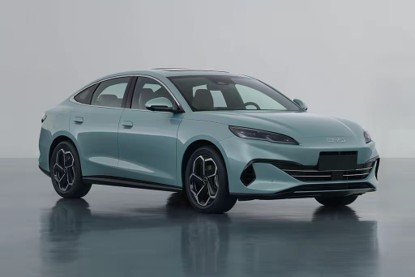
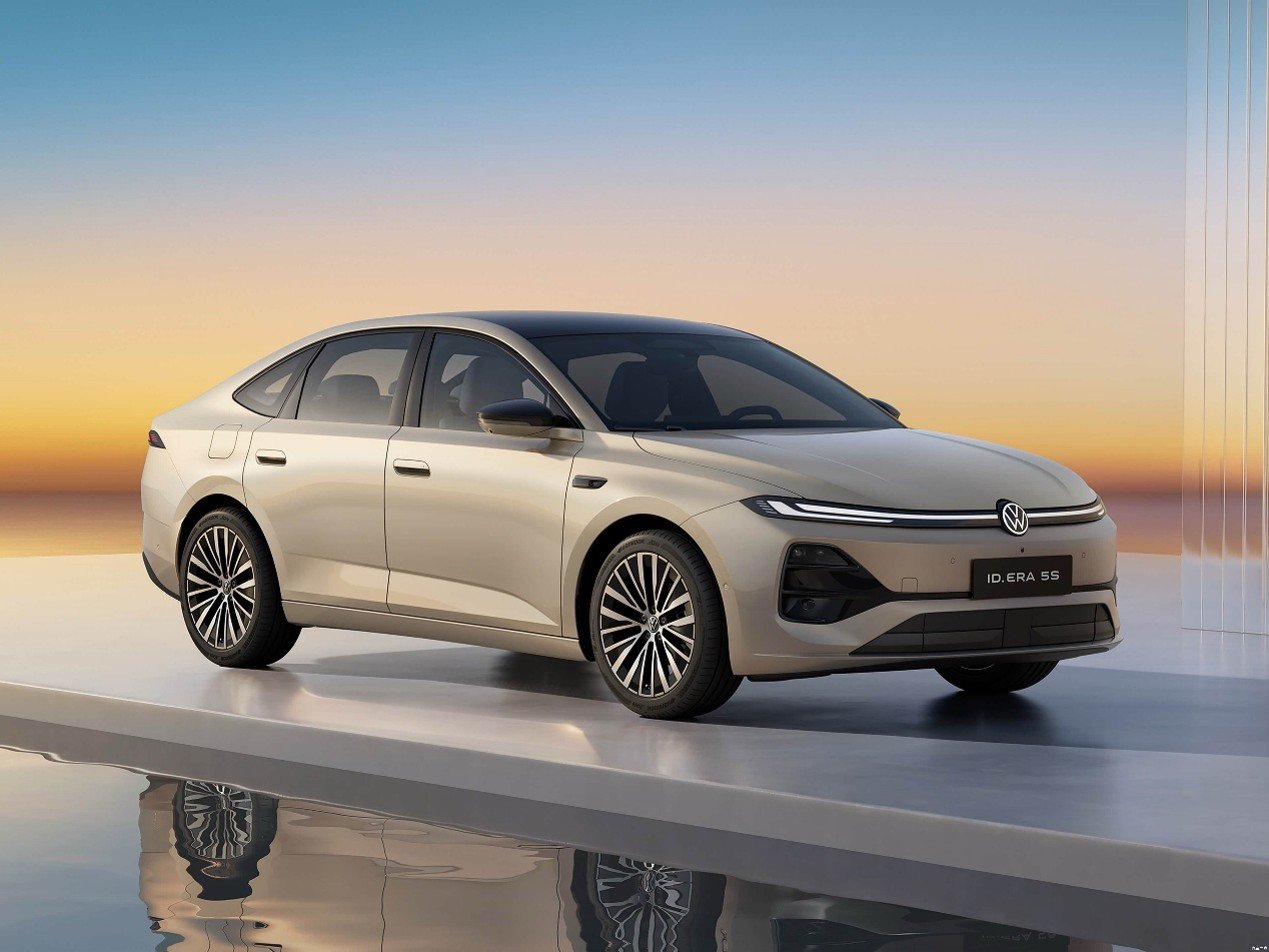
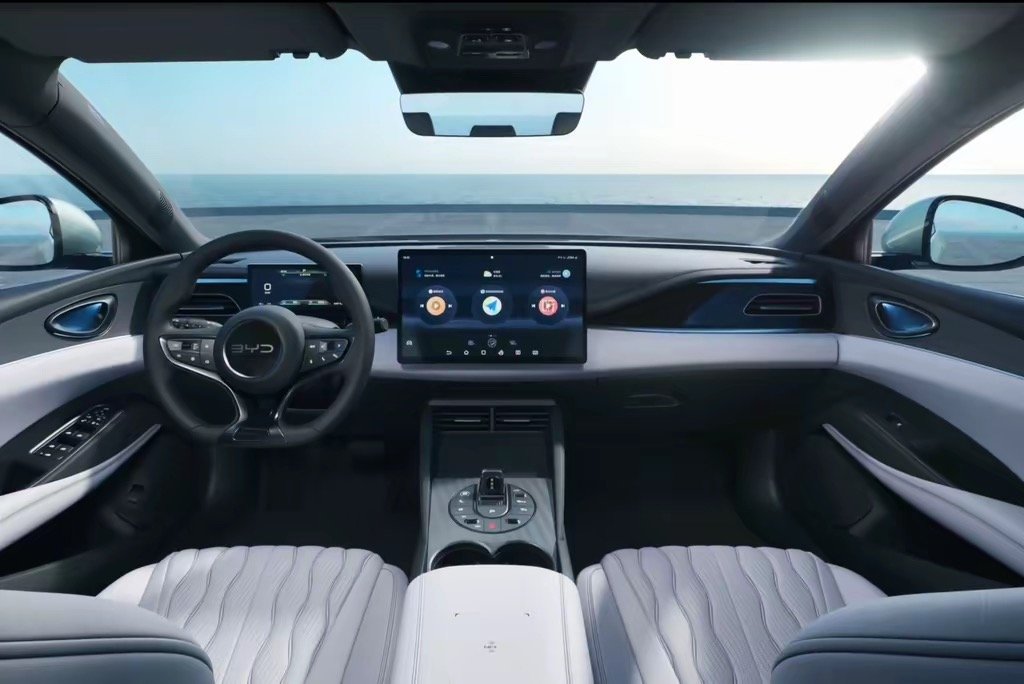
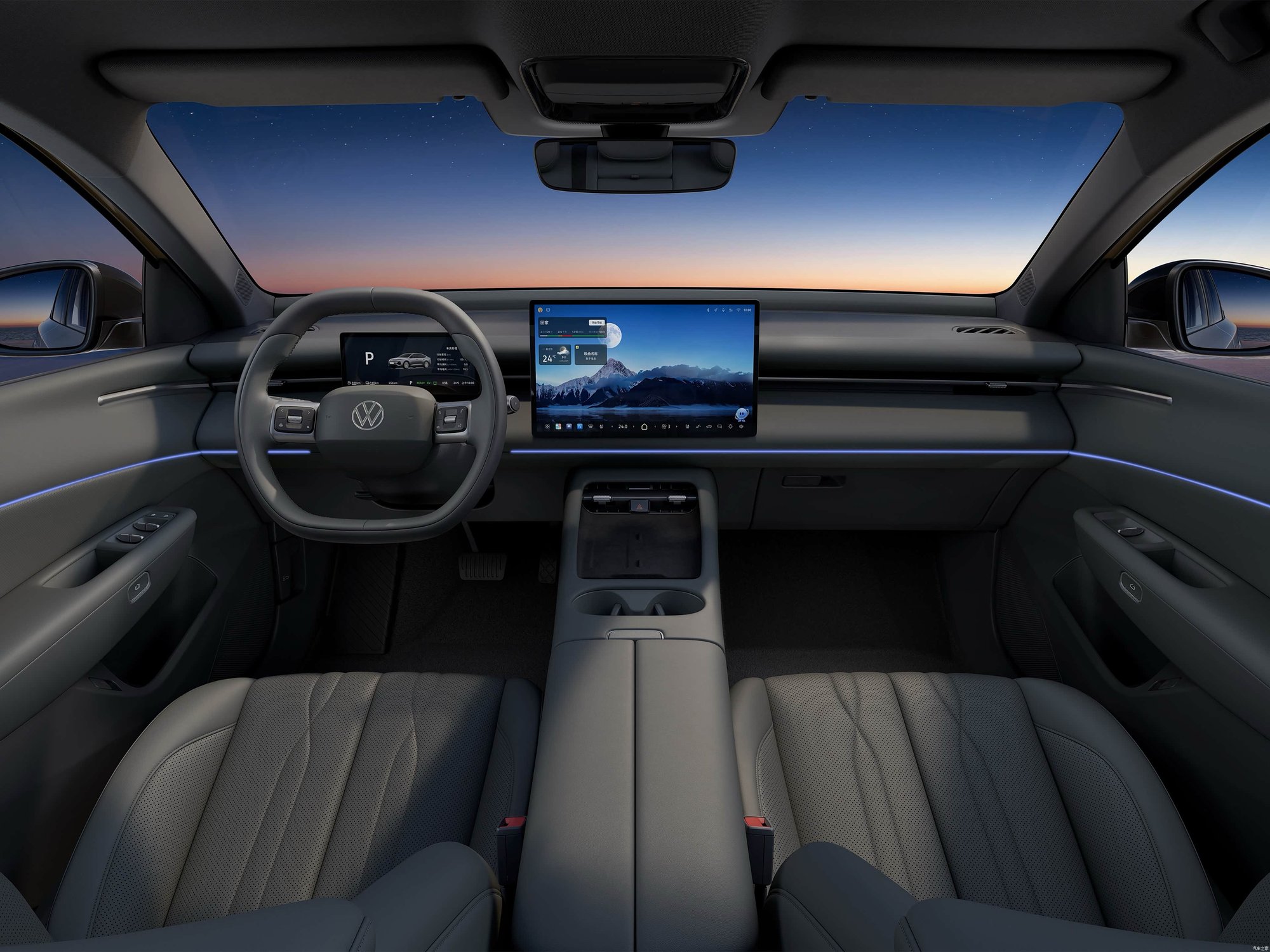
The gap in space and comfort configuration is even more intuitive. The MG 07 is 4,886mm long with a 2,825mm wheelbase, a full size larger than the Seal 06's 4,830mm/2,790mm and the ID.ERA 5S's 4,836mm/2,766mm. The 21-speaker 7.1.4-channel audio, front-row ventilation, heating, and massage, 30L onboard refrigerator, frameless doors, and electric rear spoiler have quite broad coverage on the MG 07, and the passenger-side zero-gravity seat and 256-color ambient lighting are not just for show.
Buying advice: who should buy which one
Choose the Seal 06 DM-i if you put "not wanting to deal with hassle" first. DM-i has been sold for so many years, and its ownership volume, resale value, and after-sales network are solid advantages. The comfort performance of Yunian-C has also been tested by the market. The cost is 35km less pure electric range, intelligent driving hardware remaining at the mainstream L2+ level, and urban NOA requiring acceptance of "not available for now."
Choose the ID.ERA 5S if you value the manufacturing system of a joint-venture brand and a lower entry price. Buying a plug-in hybrid sedan with a 2,000km combined range at a limited-time price of 89,900 yuan is indeed high value for money. The "tough, cohesive, and stable" feel of German chassis tuning enjoys widespread praise. But you need to accept the reality of 160km pure electric range and urban NOA being offered only on mid- and high-level trims.
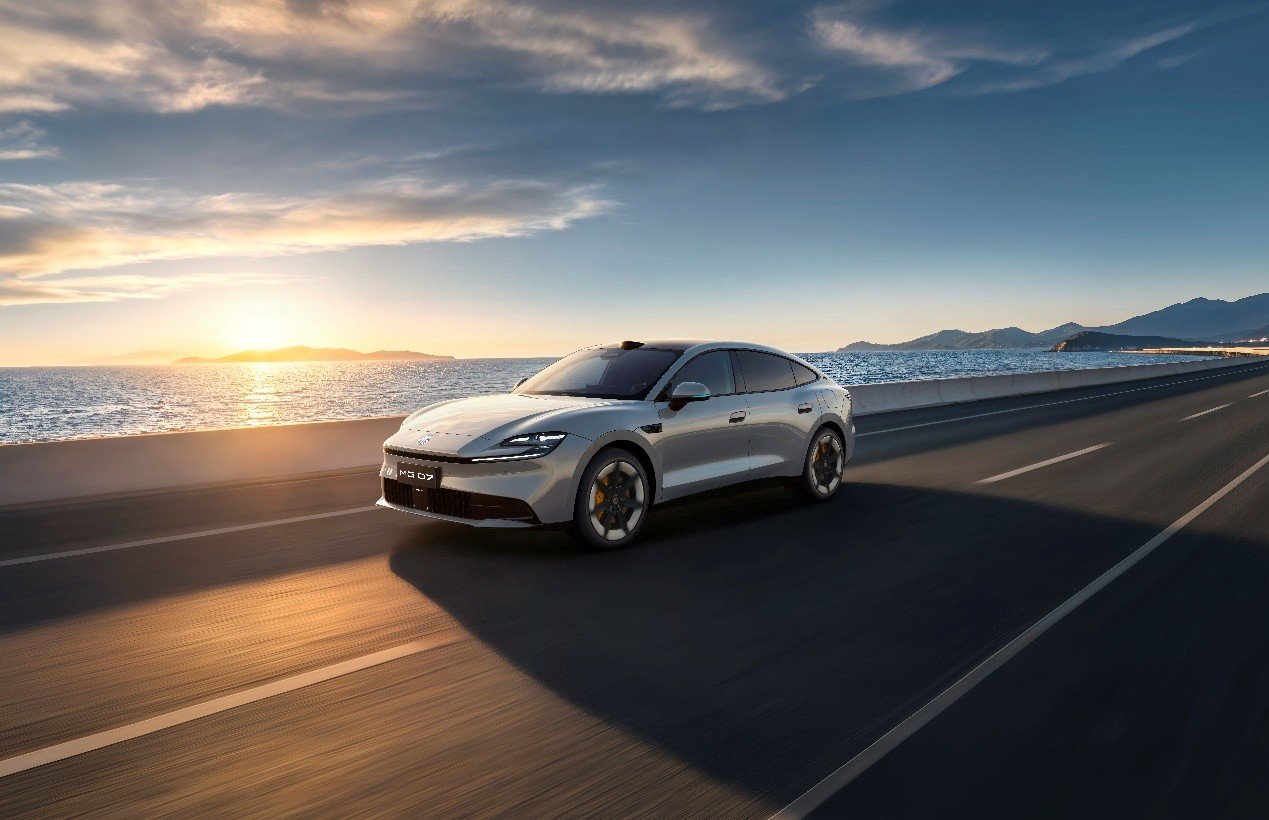
Choose the MG 07 hybrid version if you are willing to pay a little more attention to an undervalued technical solution. With 245km pure electric range plus a CATL battery, 115,900 yuan gets you LiDAR plus Momenta R7 urban NOA, standard mCDC electromagnetic suspension across the lineup, and class-transcending size and comfort configuration. Its shortcoming is not in the product itself, but in the fact that the four words "MG hybrid" have not yet entered most people's car-buying lists.
One realistic car-buying window is worth noting: the delivery pace of 14,577 units of the pure electric version in its first month has already proven that production capacity ramp-up is advancing rapidly. The hybrid version and the pure electric version are produced on the same line, and with pure electric orders having higher priority, the hybrid version's delivery cycle may instead be shorter. For first-time buyer families in urgent need of a car, this is an easily overlooked variable.
With a budget of around 100,000 yuan, both the Seal 06 and the ID.ERA 5S are safe choices. But beyond "safe," the MG 07 hybrid version gives another answer: using a hybrid system that has been repeatedly hammered by tariffs and emission standards in the European market, paired with what is almost the fullest hardware list in this price segment. It may not suit everyone, but it is worth a look before walking into BYD and Volkswagen showrooms.