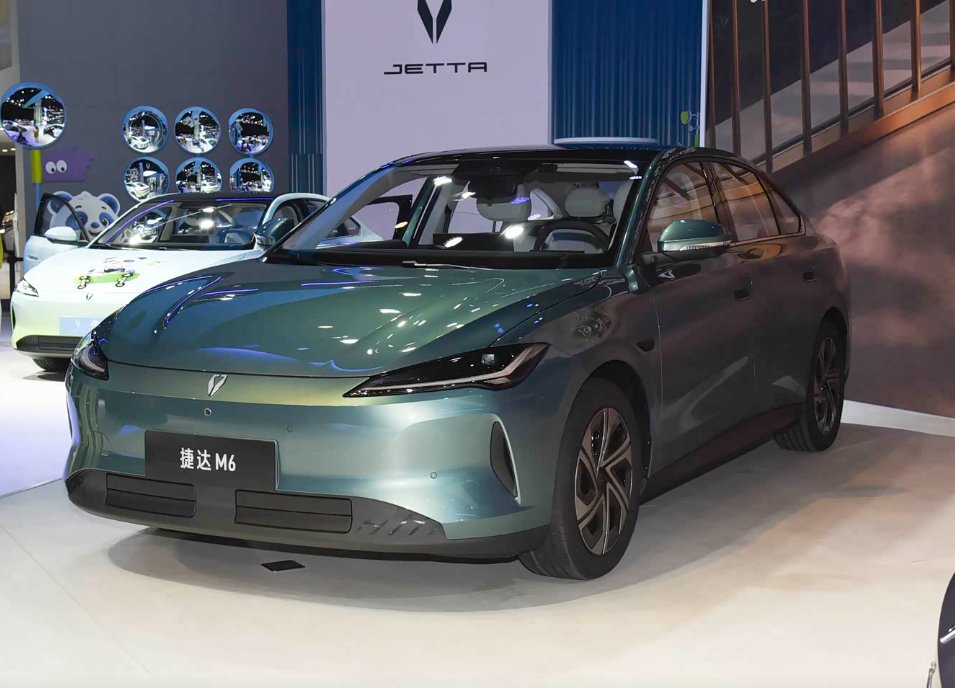
Brothers, the Jetta M6 has launched, starting at 79,800 yuan, with urban NOA.
Don't rush to applaud and pat yourselves on the back just yet, thinking this is the "representative work" of a joint venture brand finally bowing its head—if you ask me, that's just naive.
Let me ask you a question first: is this thing really a Jetta, or a "Jetta-branded domestic EV"?
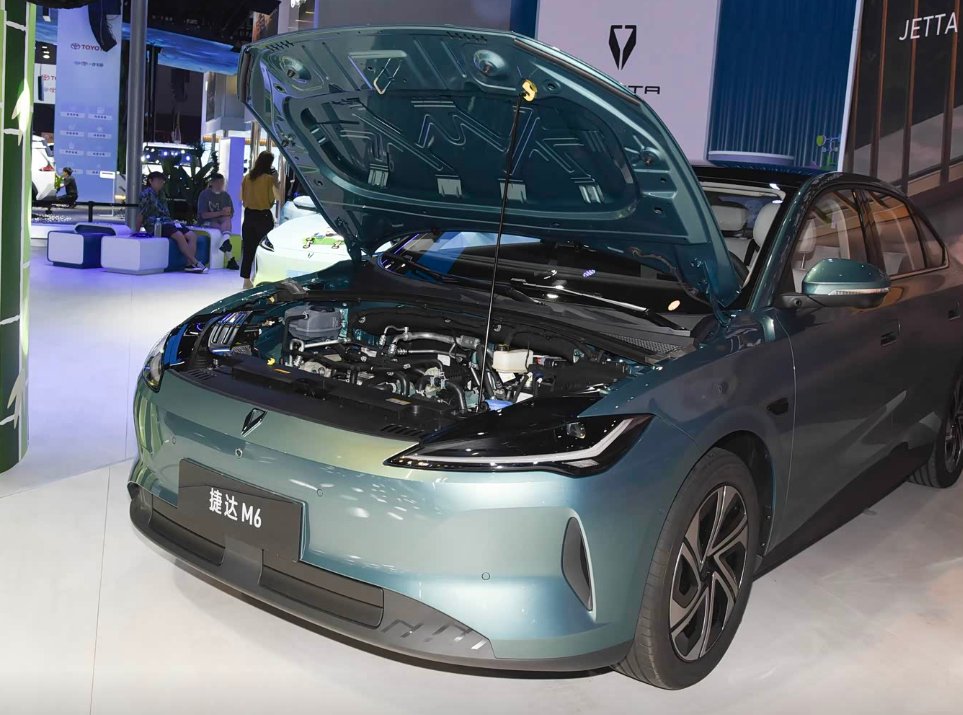
Actually, the official materials spell it out clearly: a self-developed "Jiesi Architecture" pure electric platform, smart driving is Coolreign's one-stage end-to-end system, the chip is Horizon Journey 6M, and the battery is CALB's lithium iron phosphate.
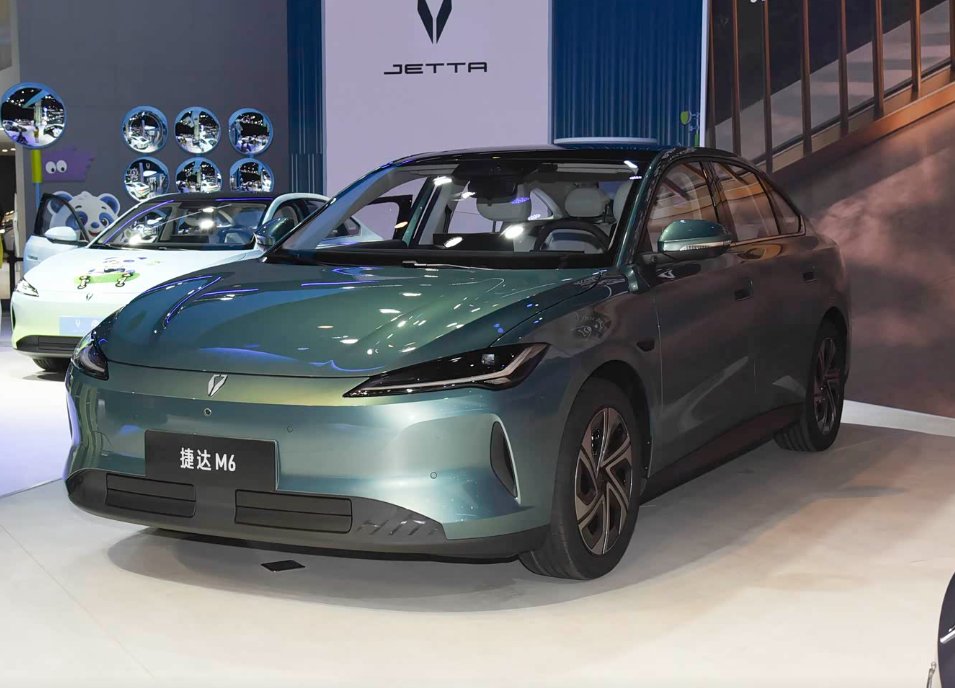
Go ahead and count—which part is German?
Volkswagen's self-developed "GAIA 2.0 World Model" counts as one, but you can't touch or see that thing when you sit in the car—you can only judge it by how it performs.
So when the manufacturer says it "inherits German engineering quality," honestly, I think that's a bit far-fetched.
What is the German foundation really about? It's not the "86% high-strength steel ratio, up to 2000MPa" written on a PPT—that's steel composition, which shows they've thought about crash safety, but it doesn't equal German quality.
Quality is about whether there are rattles after three years, whether the door gaps are big. Nobody can tell you that on launch day, right?
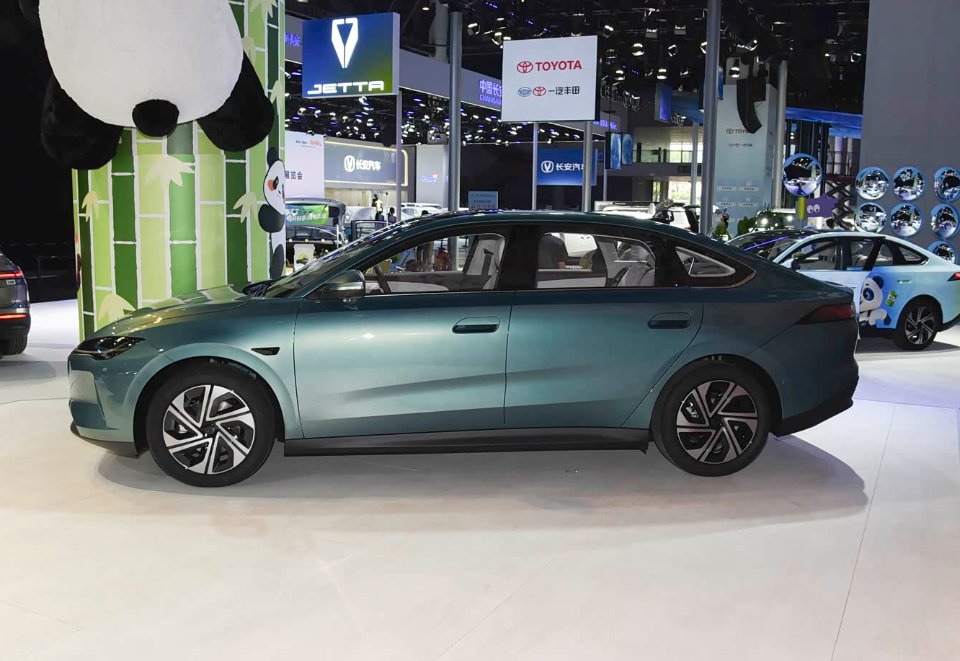
I haven't been paid off by the manufacturer—I'm talking about cars with a clear conscience. The specs can be praised, but let's hold off on the word "quality" and let the bullets fly for a while.
So what exactly are you buying for 80 grand?
Let me do the math for you brothers on where this car "stacks up" and where it "cuts corners."
Where it stacks up—the visible stuff, for example.
A 15.6-inch 2.5K central control screen, a full LCD instrument panel, and the front seats actually give you the four-piece set of heating, ventilation, memory, and massage, plus 50W wireless charging and a three-layer silver-coated sunproof panoramic roof.
To be fair, no bias either way—ten years ago, this was a 300,000-yuan spec sheet.
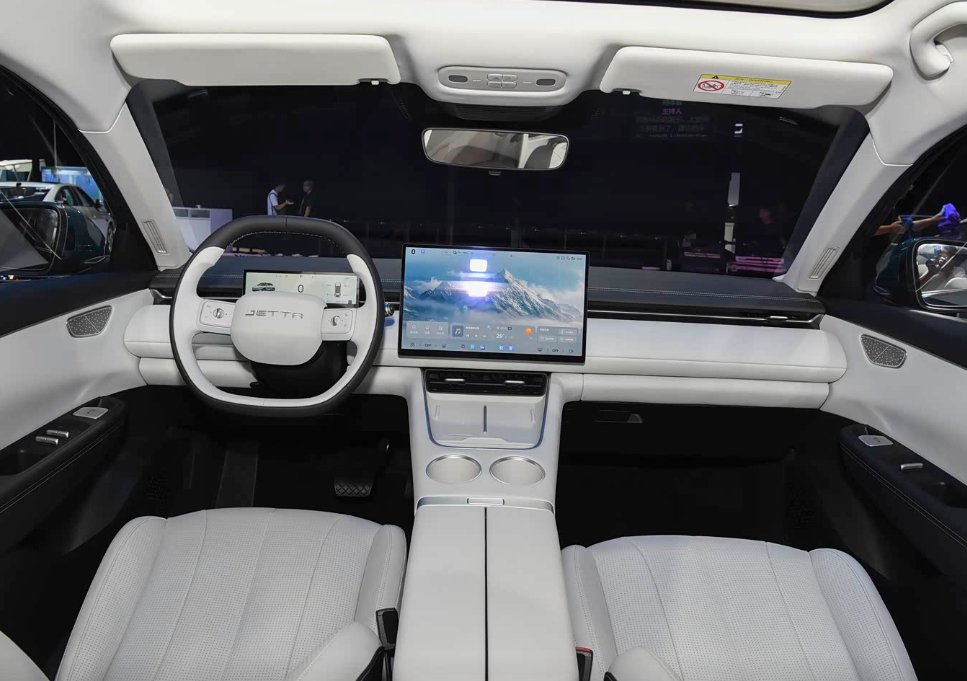
Integrating three large models—Doubao, DeepSeek, and Tongyi Qianwen—that's a smart move. Training your own large model is too expensive; just "borrow a brain" instead—low cost and it still looks very AI.
Where it cuts corners—the invisible stuff.
The motor is a front-mounted single motor with two power levels, 113kW and 145kW.
The entry version does 0-100 in 8.3 seconds. Honestly, that number in today's EV world just means "it moves"—don't expect any push-back feel at a red light.
Actually, I think the high-power version's 6.8 seconds is what a proper car should have.
And then there's range—let me be blunt.
The official claim is "CLTC maximum range 555km," and the other version is 465km.
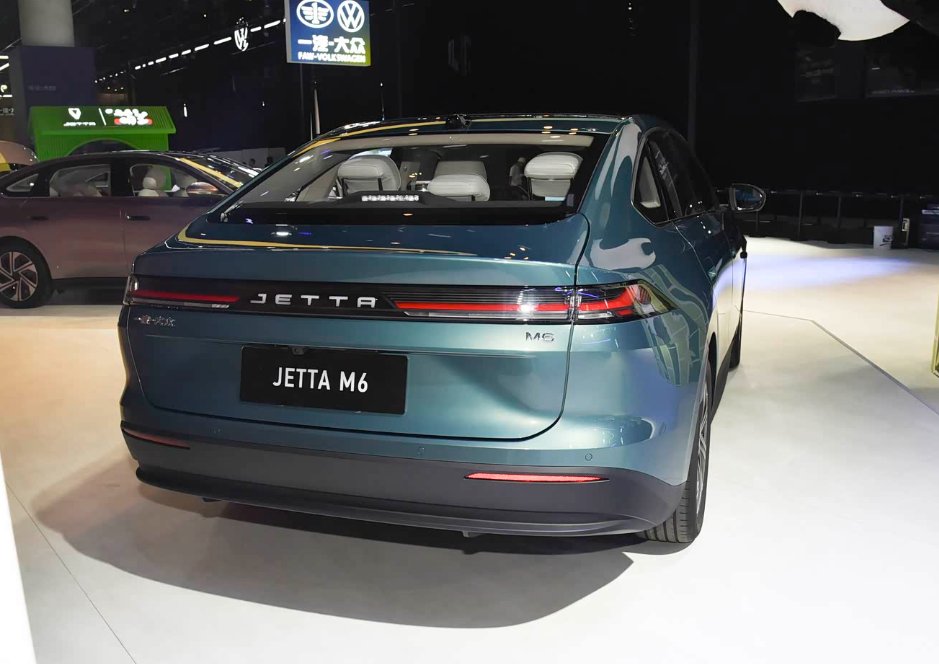
Don't forget, CLTC is a lab figure—running the heater in winter or driving on the highway, taking a discount is common sense.
The official side hasn't given more real-world test data on this, so we can only wait for actual owners' feedback down the road.
But after all this, I think the most controversial point is urban NOA—should an 80,000-yuan car even have it?
Actually, this is the point I most want to talk about today.
Some brothers might say: smart driving trickling down is the trend—getting urban NOA at 80 grand, it's democratized, a huge win.
But other brothers will say: come on, urban NOA on an 80,000-yuan car, with a Journey 6M chip—that's not top-tier computing power.
The official hasn't said whether there's a lidar, so it's most likely a pure vision route or a lightweight solution.
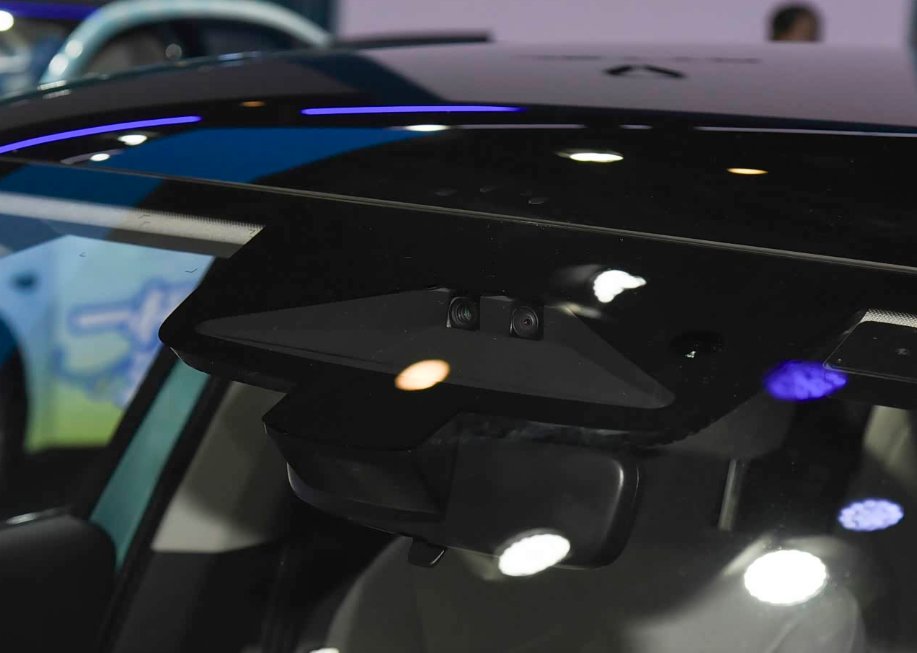
With this kind of hardware, urban NOA—whether it's usable or whether you dare use it are really two different things.
But hey, having it is better than not having it—just don't take it too seriously.
You can use it on the highway, in traffic jam follow-the-car situations, and occasionally try it in the city, but keep your hands on the wheel. If something really happens, no manufacturer is going to take the blame for you.
As for the AES automatic emergency steering feature, don't mythologize that either. It's a safety net, not a license to sleep.
Let me end with one honest truth—listen or don't, it doesn't matter to me.
At a starting price of 79,800 yuan, paired with such a luxury spec sheet, I really want to praise it.
But the thing is, how badly the Volkswagen group has been beaten up in China these past few years—we all know it in our hearts, no need for me to list the numbers.
Is this M6 the beginning of a comeback, or just another old script of "great specs, cold sales"?
I won't call it definitively—let's wait for the monthly sales three months from now. Saying more than that is pointless, right?