The Jetta M6 is launched, starting at 79,800 yuan and even featuring urban NOA—are joint-venture brands really panicking this time?
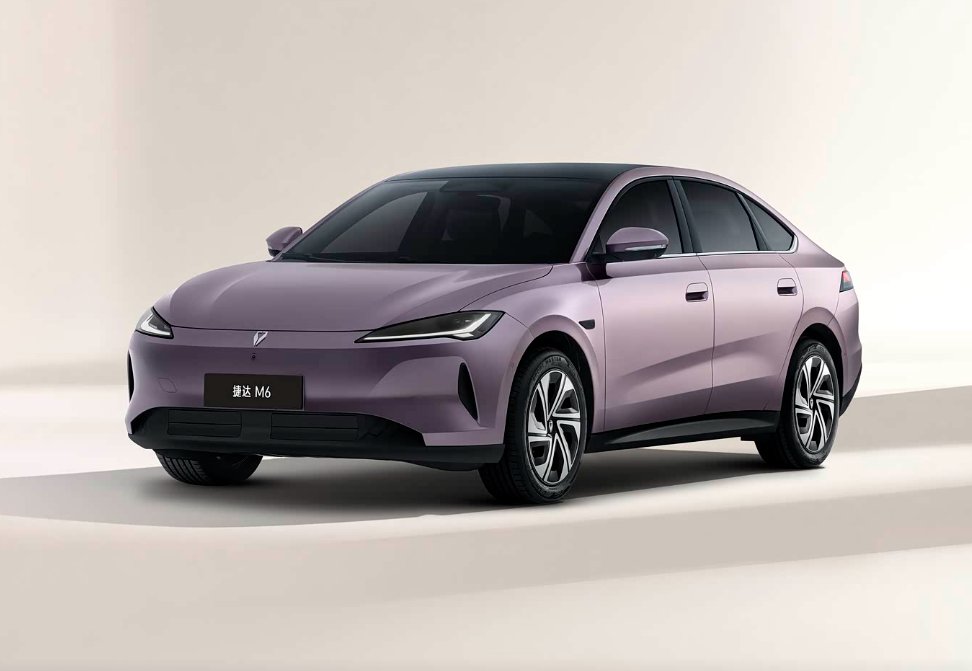
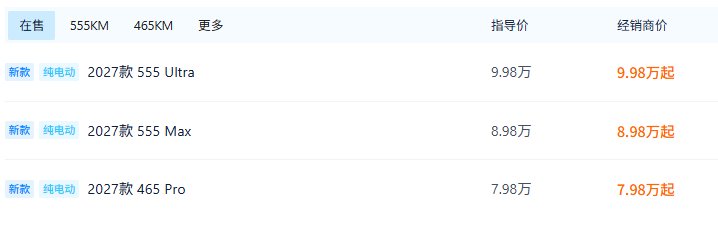
Brothers and sisters, on October 22, the Jetta M6 was officially launched, with 3 models priced from 79,800 to 99,800 yuan.
In the past, when buying a pure electric sedan at this price, everyone compared who had the longer range and who had the bigger space. Now Jetta has directly added configurations such as urban NOA and AI cockpit.
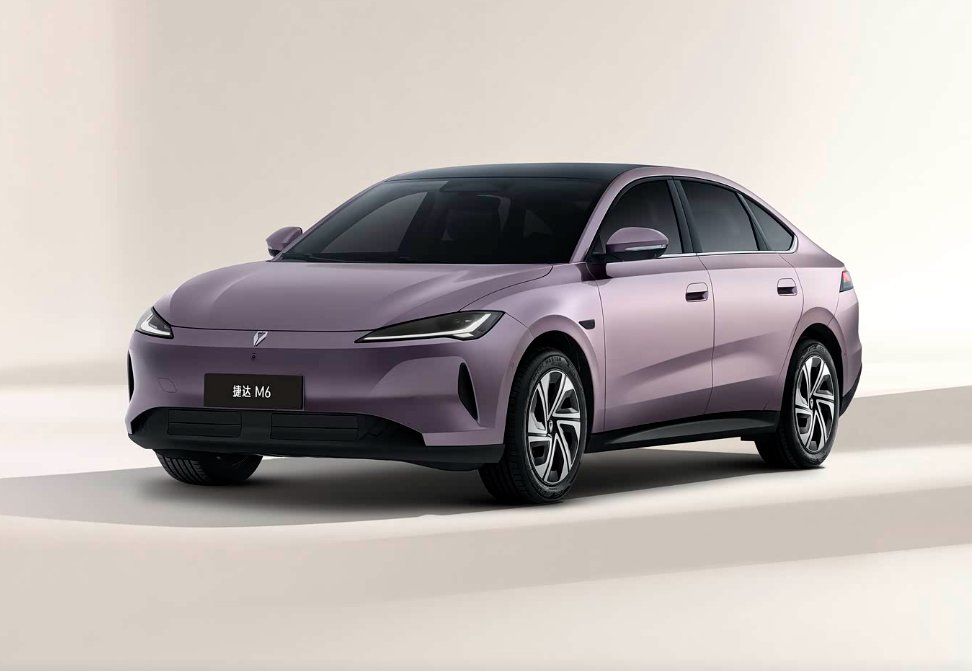
Honestly, this is interesting.
Previously, when people mentioned Jetta, what came to mind might still have been the old reliable companion that was durable and tough, and that you would not feel bad about using as a taxi.
Now it has suddenly started pushing hard on intelligence. Would you say Jetta has wised up, or has the new energy market become so competitive that you cannot survive without keeping up?
Let us start with the price. This car really has something.
The Jetta M6 has a total of 3 models, with CLTC range versions of 465 km and 555 km, maximum power of 113 kW and 145 kW respectively, and the fastest 0-100 km/h acceleration in 6.8 seconds.
For family users who mainly commute in the city and occasionally travel around the surrounding area, this set of figures is at least decent enough.
The key point is the top trim at 99,800 yuan, which offers 555 km range, urban NOA, automatic parking, and access to multiple AI large models. The configuration list is indeed quite lively.
There is another detail worth discussing: the official minimum combined power consumption is 10.5 kWh/100 km.
This number is quite impressive, but do not rush to use it to calculate how much money you can save in a year. CLTC data and actual winter commuting are not the same thing. Air conditioning, low temperatures, and high speeds will all affect range.
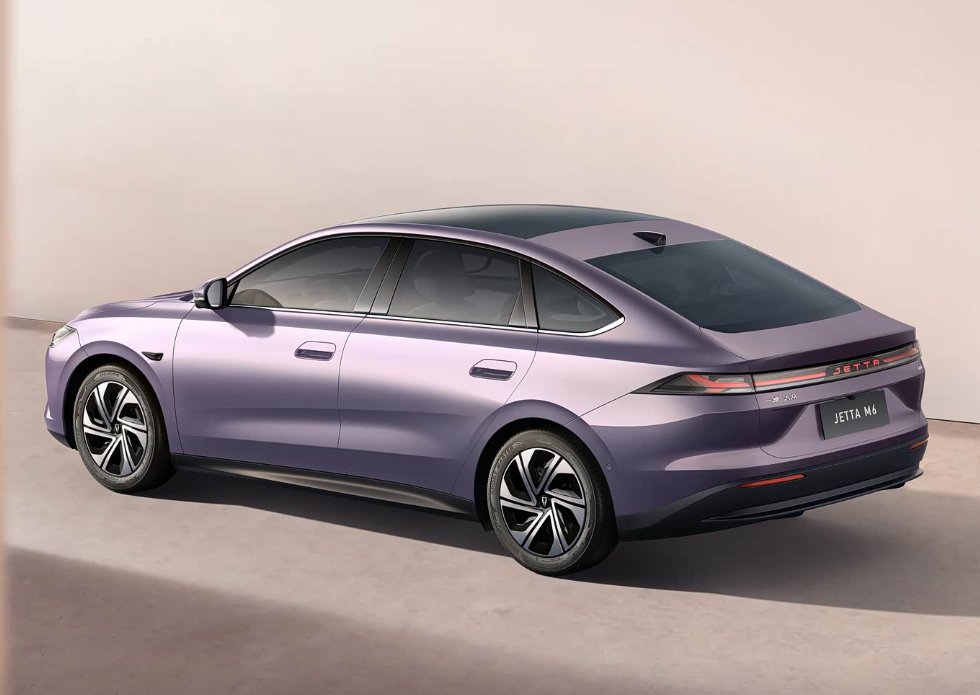
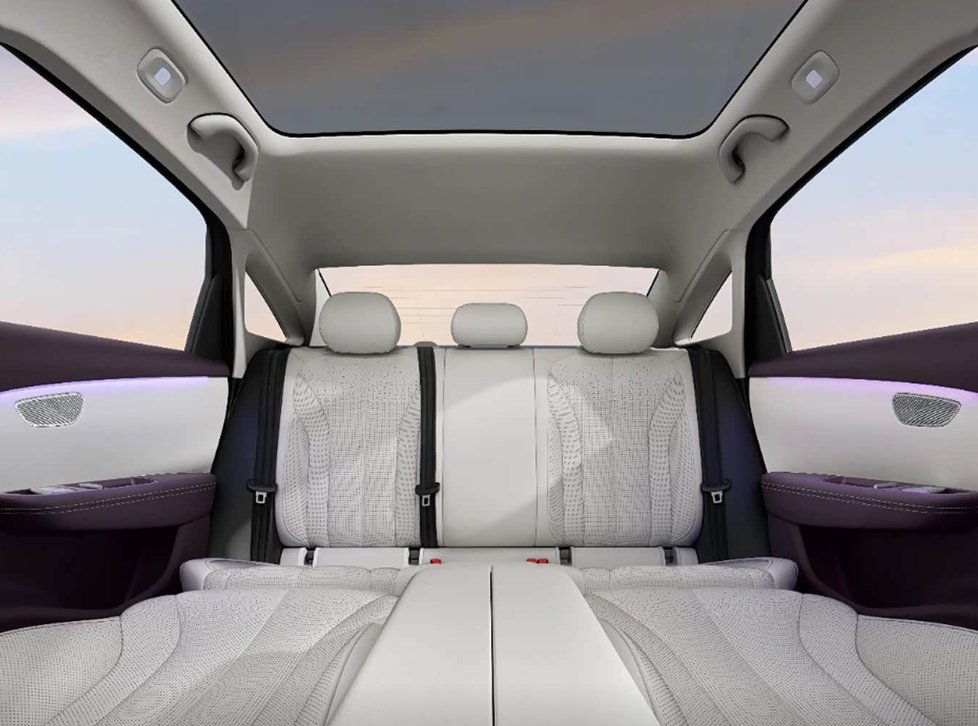
Looking at the body again, the Jetta M6 is 4806 mm long, has a wheelbase of 2820 mm, a trunk capacity of 542 L, and can expand to 1800 L after the second row is folded down.
For travel by a family of three or even four, loading luggage, strollers, and camping gear, the space should be fairly comfortable.
However, although the fastback styling looks youthful, how the rear headroom actually performs still needs to be tested by passengers around 180 cm tall sitting in the back.
Do not let it end up looking like a coupe from the outside while your hair is almost shaking hands with the roof once you sit inside.
Here comes the question: whose饭碗 is the Jetta M6 actually trying to take?
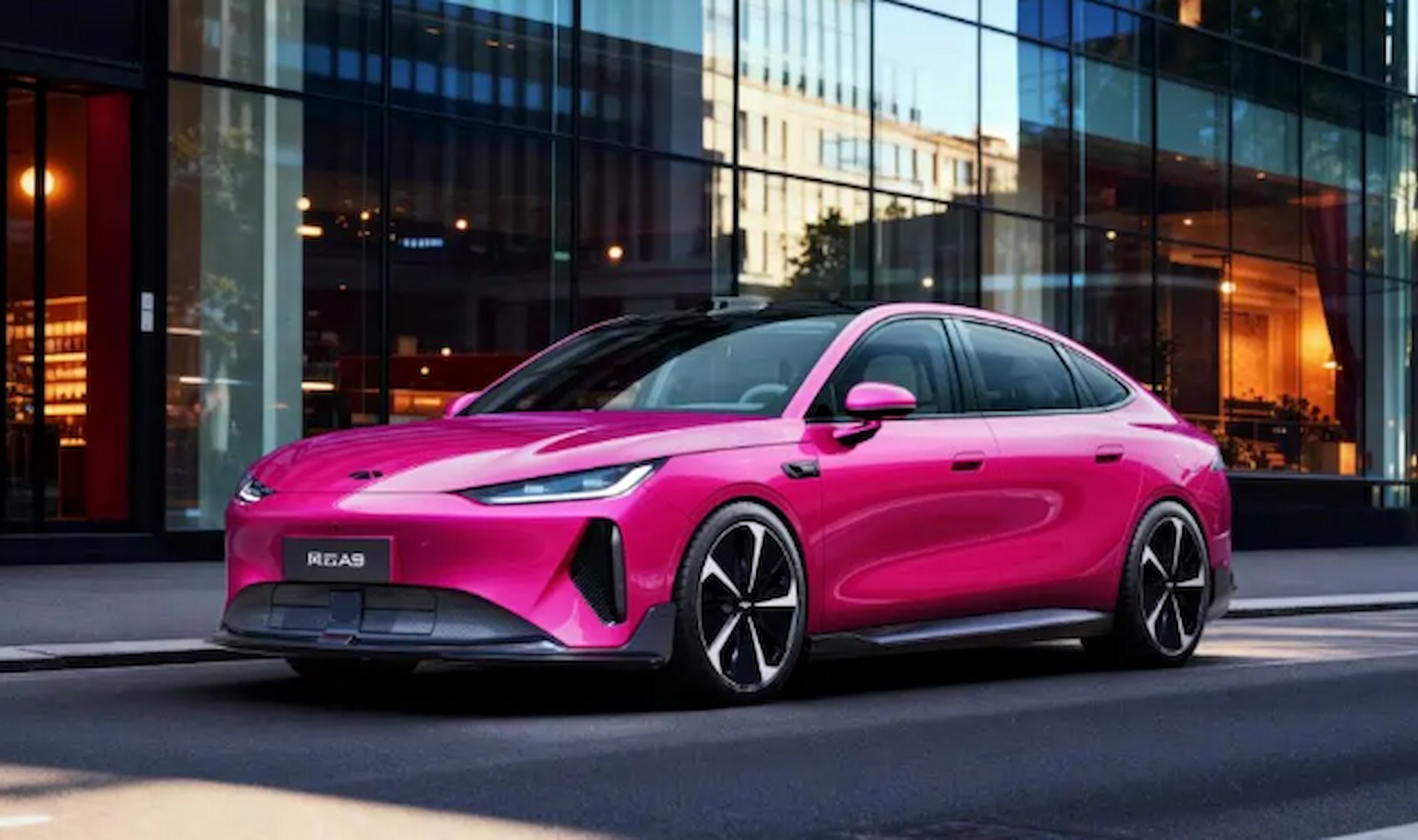
The most direct rival is the ArcFox Beta S3.
Both target the pure electric family sedan market around 80,000 to 100,000 yuan, and their price ranges overlap heavily.
The ArcFox Beta S3 also has range versions such as 460 km and 560 km, and some models even offer longer-range options. Its product approach is likewise to attract family users with space, range, and intelligent configurations.
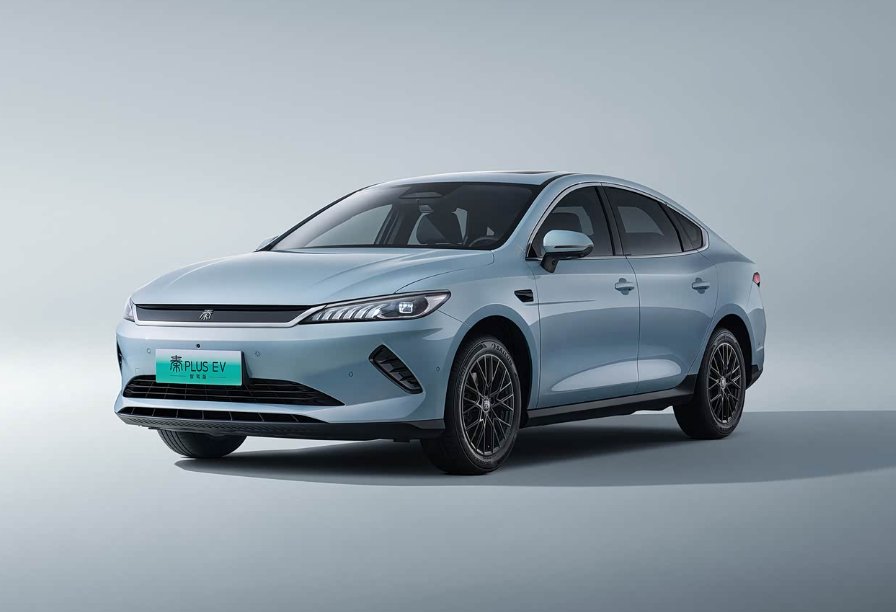
Specific prices and configurations need to be checked according to the corresponding model year, and different versions cannot be directly compared head-on.In addition, models such as the BYD Qin PLUS EV will also become horizontal comparison targets when consumers go to look at cars.
They may not fully overlap with the Jetta M6 in every version, but users only have so much budget, so in the end they will likely compare several quotation sheets together.
In my opinion, the real selling point of the Jetta M6 is not that any single configuration stands out particularly, but that it combines space, range, intelligence, and the manufacturing experience of a joint-venture brand.
In particular, figures such as 86% high-strength steel in the body and a maximum strength of 2000 MPa, if ultimately verified through reliable crash tests and long-term use performance, would indeed help dispel some family users' concerns about safety.
But it must also be made clear that the proportion of high-strength steel is not equal to a vehicle safety ranking. Structural design, crash performance, and restraint systems are equally important.
However, this car is not without controversy.
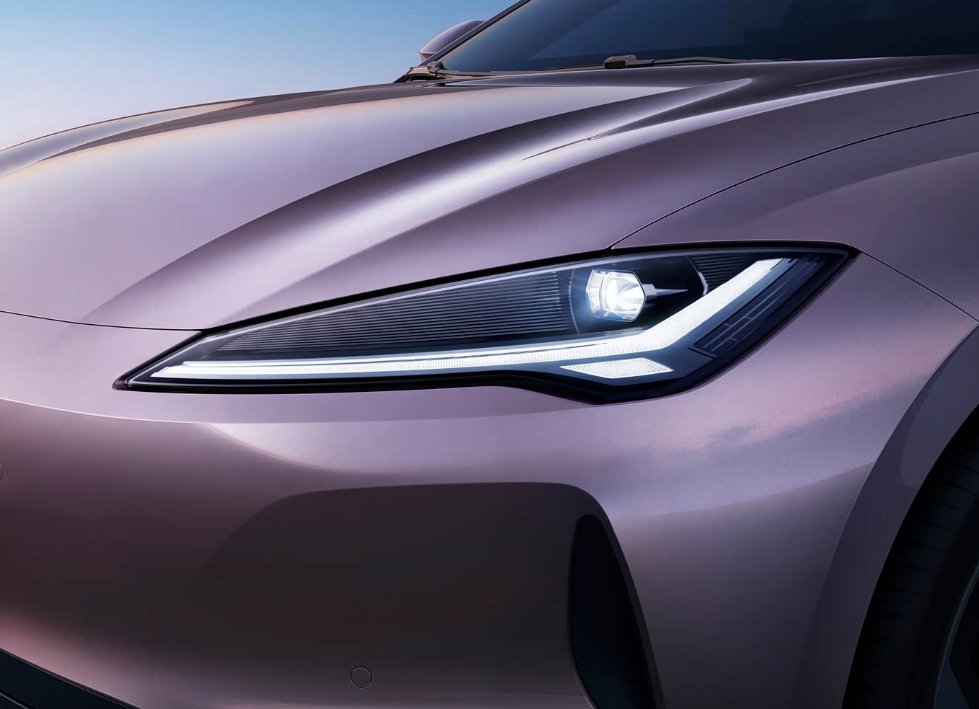
First, urban NOA sounds very impressive, but it is not autonomous driving, and it certainly does not mean you can close your eyes and drive after buying the car. Complex intersections, construction sections, and vehicles cutting in are the real tests of the system's capabilities.
Being equipped with the Horizon Journey 6M chip and Volkswagen's self-developed GAIA 2.0 world model is a highlight of the hardware and technical route, but ultimately it still depends on the system's actual performance, coverage, and subsequent updates.
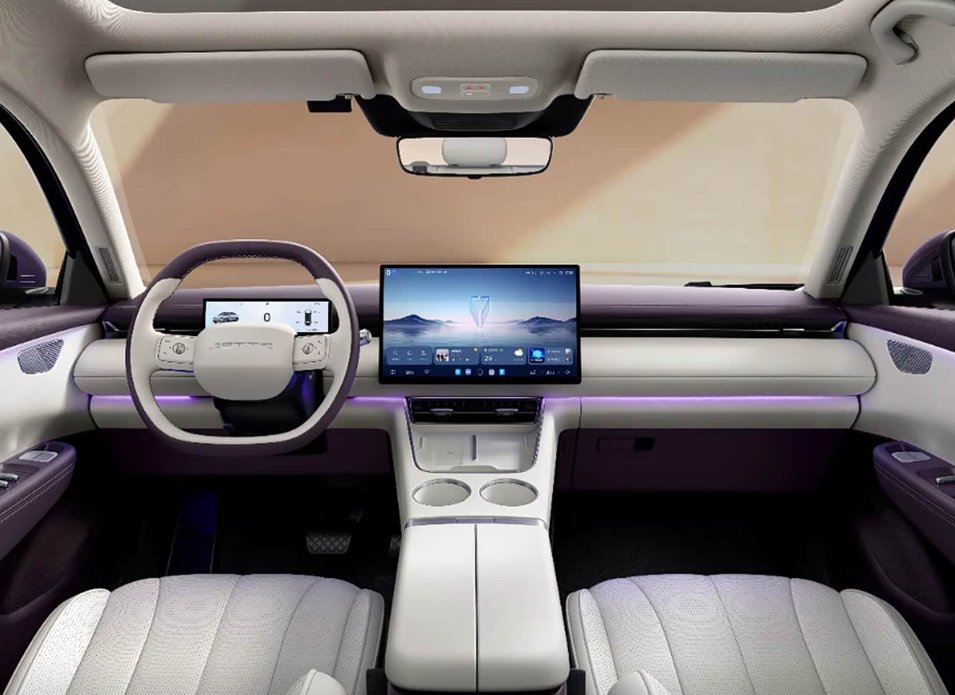
Second, the AI cockpit connects to Doubao, DeepSeek, and Tongyi Qianwen all at once, which sounds like hiring three strategists for the car.
But frankly speaking, what consumers really care about is not how many poems the infotainment system can recite, but whether navigation gets confused, whether voice control can understand human speech, and whether it lags during continuous use. Having all three models present does not mean all three are easy to use.
Third, Jetta has always given people the impression of being pragmatic and durable. Now that hidden ambient lighting, massage seats, and intelligent assisted driving have all been added, the product image is indeed younger.
But some people will also ask: with so many electronic devices, what will maintenance costs be like after a few years? This question cannot be concluded based on the configuration sheet alone at present; it depends on quality performance, warranty policy, and after-sales service.
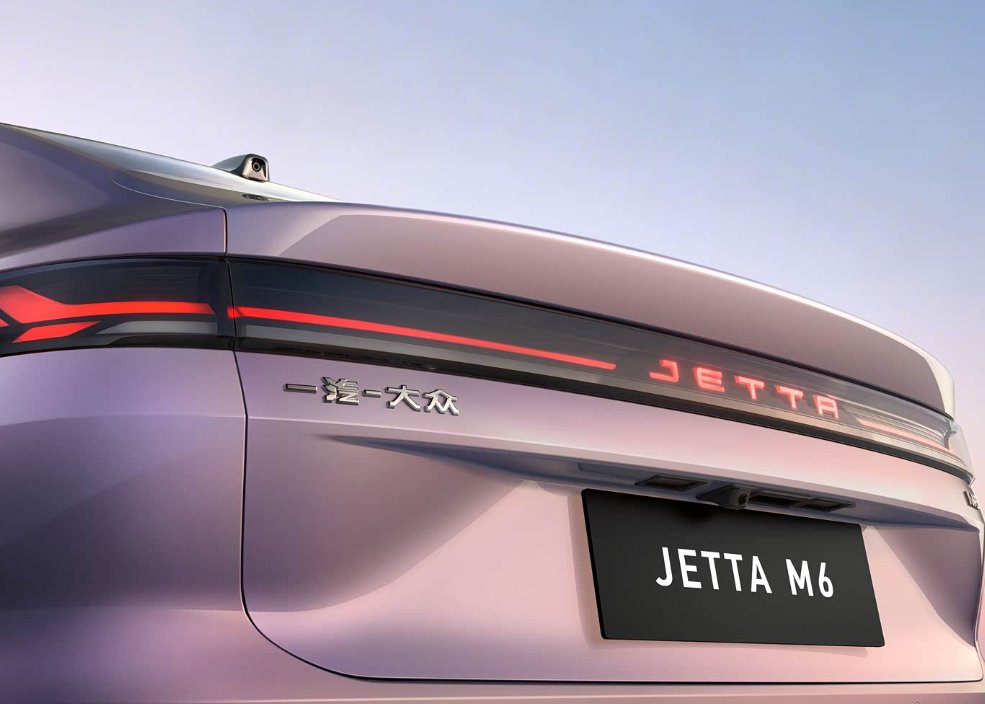
There is another point worth discussing: is German quality really worth paying more for?
I think brand origin can add points, but it cannot be directly exchanged for a quality guarantee.
Today's domestic new energy vehicles are progressing rapidly in intelligent cockpits, assisted driving, and richness of configurations. If joint-venture brands rely only on their past reputation, consumers may not buy it.
Conversely, high configurations in domestic cars do not mean that every car's chassis, assembly, and durability can steadily win.
The real competition still has to be settled by driving the cars.
Of course, when it comes to which car to buy in the end, do not just listen to me, a car reviewer, rambling.
Take your family to test drive it, sit in the back row, play with the infotainment system, and then find a familiar charging station to calculate the commuting costs.
After all, the car is something you drive every day, not something you buy to admire in a configuration sheet at home.
Brothers and sisters, if it were you, with a budget of under 100,000 yuan, would you choose the Jetta M6 or a domestic pure electric sedan at the same price?